تشارك JINYI إرشادات عملية للتغليف والتعبئة والتغليف من أجل قراراتك.
You have a product to launch, but every packaging quote seems to ask for dimensions, film layers, and artwork you have not chosen yet. Where do you even start?
Yes, you can start ordering custom packaging without knowing every specification. Share your product, intended fill, selling channel, approximate quantity, and launch plan. We can help narrow down the format, size, materials, and artwork requirements. Final pricing and production should wait until the essential choices are checked and recorded.
I am Elsa, and my first job is to turn what you know about your business into a brief our team can work with. You do not need to arrive with a film formula memorized. When a buyer is unsure where to start, I bring out finished packaging examples from our factory and ask which shape, opening, size, or finish fits the product they want to sell. Those real examples make the conversation easier; we then check the details against your own filling, shipping, and customer use before settling a specification.
Start with the product and its use. Product form, fill quantity, handling, and sales channel are more useful than a guessed material name.
Look at real factory examples. I can compare JINYI’s finished pouch samples with you to narrow the format and features; we still verify your own size and performance.
Confirm capacity with the actual product. Net weight alone cannot determine the finished dimensions or usable filling space.
Select materials against a real risk. Shelf life, filling conditions, transport, and intended market should guide the structure.
Begin before the artwork is finished. The final dieline and print-ready file come after the package geometry is agreed.
Read early prices as conditional. Confirm the assumptions, SKU count, printing method, sampling, and delivery terms before comparing quotes.
Approve one written specification. The final sample, artwork version, materials, dimensions, and commercial terms should describe the same order.
What Can You Send Us If You Have No Packaging Specs?
An empty specification sheet should not stop a useful first conversation. I can work with a much simpler description of your product and plans.
Tell us what the product is, roughly how much goes into each pack, where you will sell it, how many you expect to order, and when you need it. Add a current package or reference photo if you have one. We can mark the remaining details as questions to solve together.
Send the facts you know; label the rest as open
A useful first message might say: “We sell loose-leaf tea, want about 80 g per pouch, have three flavors, and plan to sell online. We do not know the size.” That gives me more to work with than an untested film specification. For a cream or cleaning product, I would also ask about its properties, fill temperature, and dispensing. You can share a data sheet if the formula is confidential.
Tell me what is fixed: a retailer barcode rule, your co-packer’s width limit, or finished front artwork. Mark unknown dimensions “to be confirmed.” A guessed number can too easily follow your project into the quote.
Helpful at first contact
Can remain open initially
How we move forward
Product form, target fill, market, channel
Exact pouch or box size
Compare suitable formats and fill samples
Expected order range and launch timing
Final film structure and finish
Review product risks and practical options
Logo, current pack, sketch, or reference image
Print-ready artwork and dieline
Set geometry, then prepare and approve the layout
نصيحة: A reference photo helps me ask better questions. Please tell me which part you like: the shape, the material feel, the opening, the finish, or the overall shelf look.
How Do We Narrow Down the Right Packaging Format?
The first attractive sample on a desk can become the wrong purchase if it does not fit your filling process or customer routine.
We choose a format by following the product from filling to sale to use. A stand-up pouch, flat pouch, roll film, or retail box solves a different handling problem; the best-looking option is useful only if it works through that journey.
Start with the job the package must do
A single-use seasoning portion and a coffee pouch opened every morning need different openings. A pet treat brand may prioritize shelf display, while snack bars packed by a co-packer must suit existing equipment. I ask about filling, opening frequency, display, and shipping. Sometimes a primary pouch and outer carton work together.
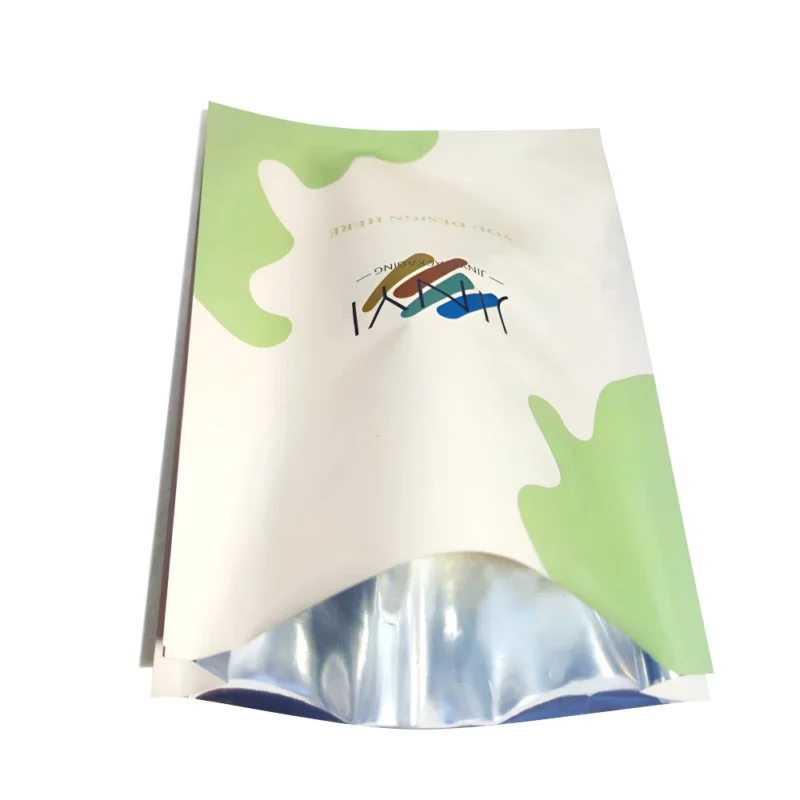
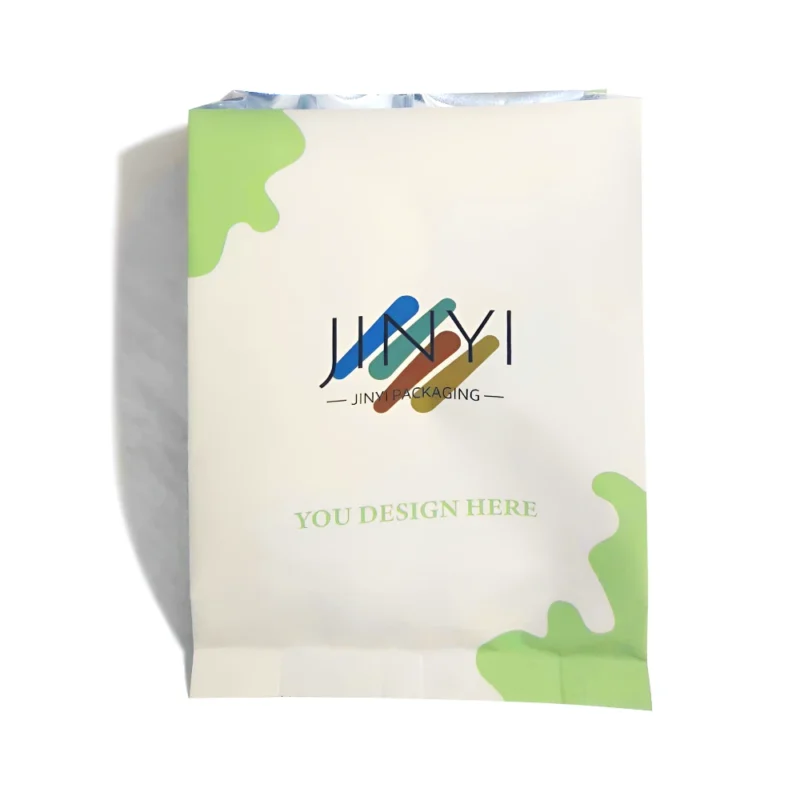
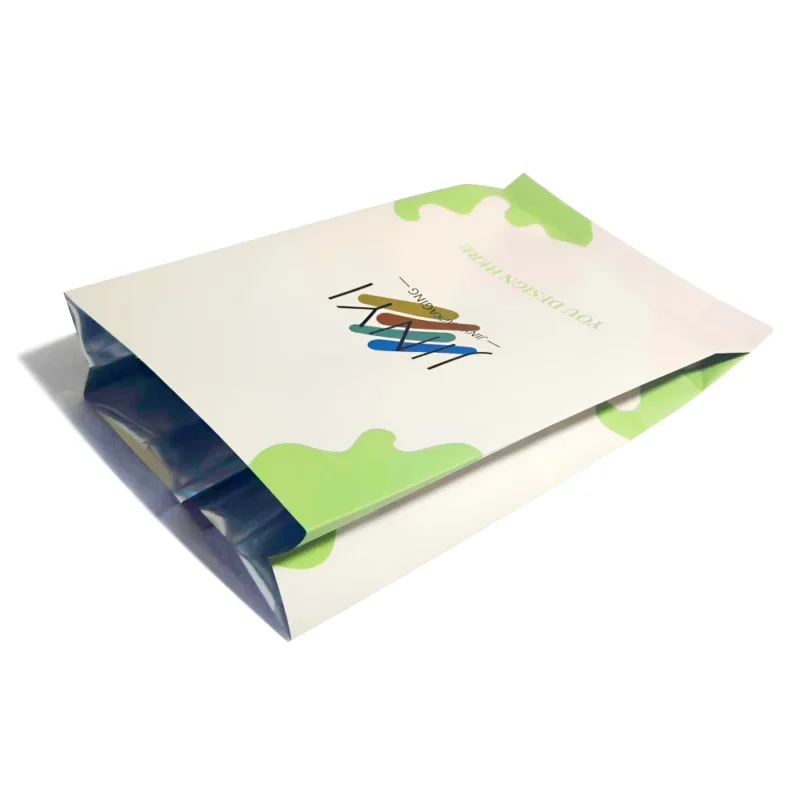
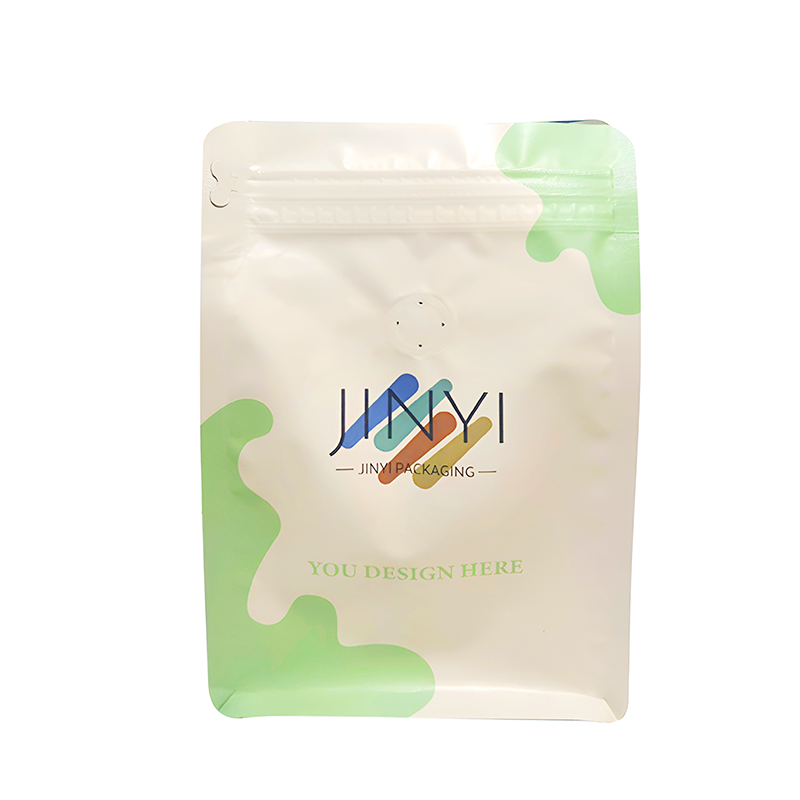
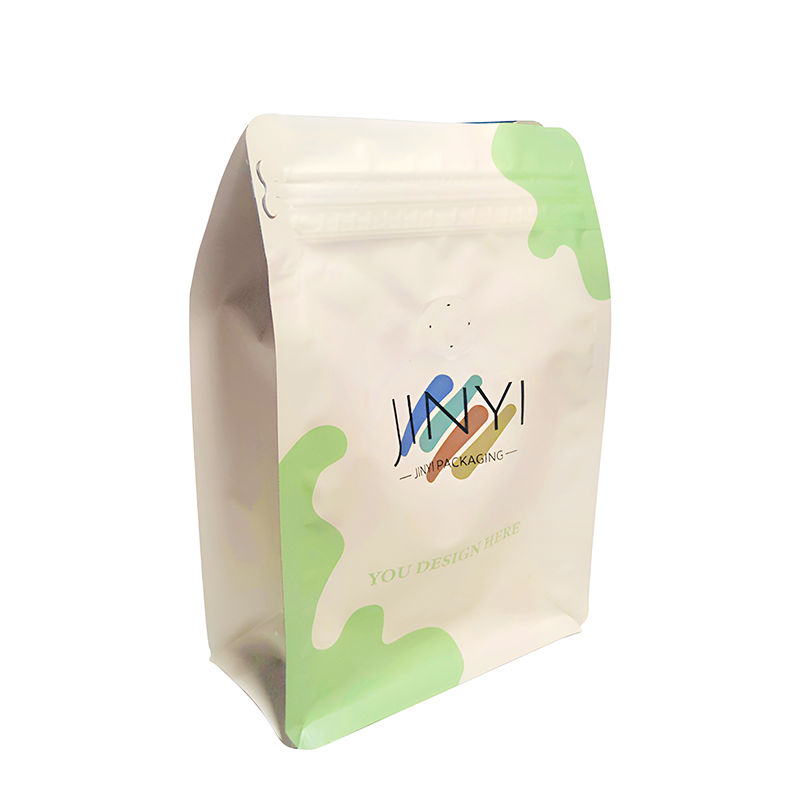
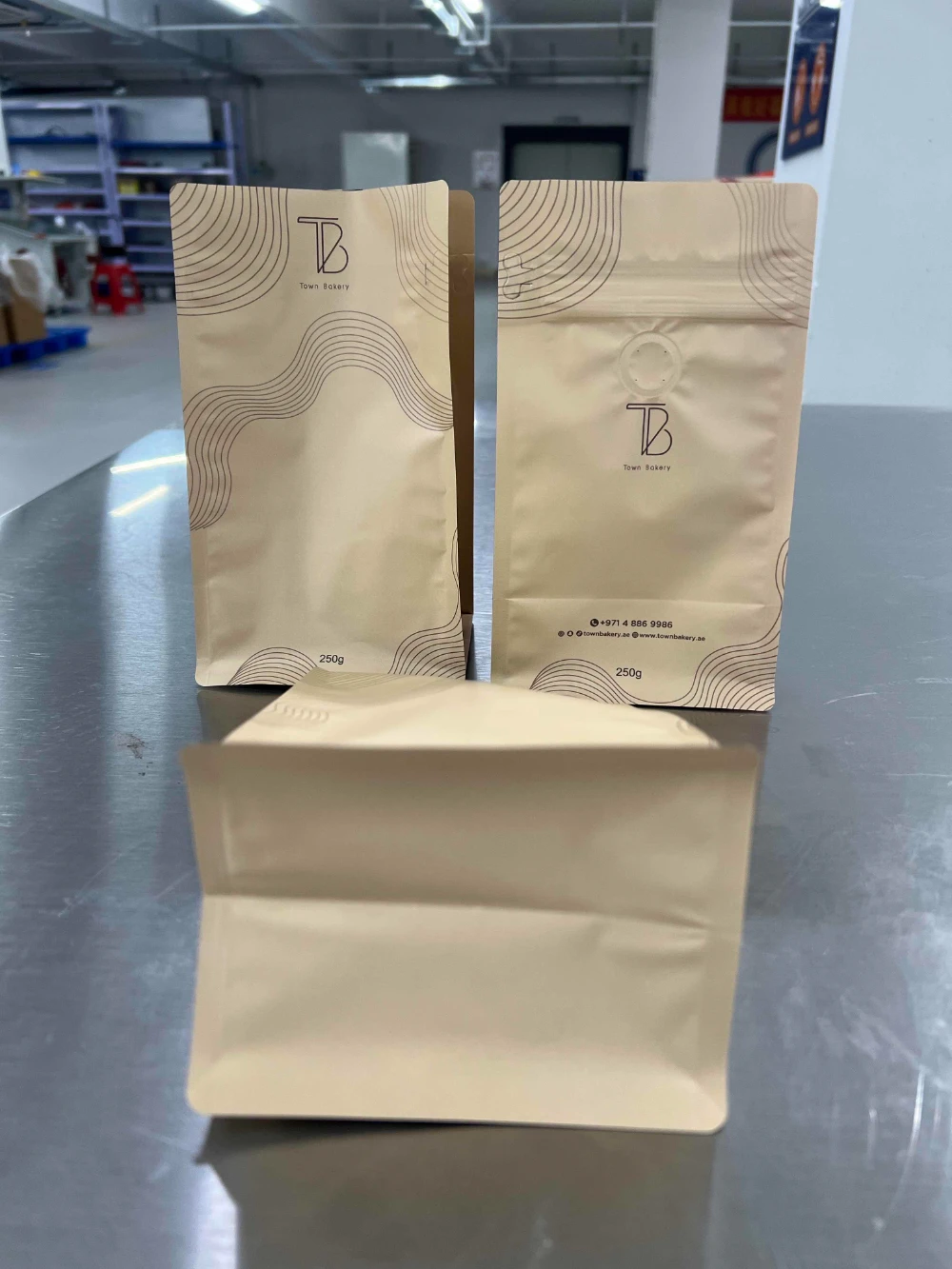
A flat-bottom pouch freshly finished on our production line. I use real samples like this to help buyers compare the base structure, shelf appearance, and available design space before we confirm the size for their own product.
I can place two finished bags from our factory side by side: perhaps one with a conventional stand-up base and one with a flat bottom. You can see how each sits on a shelf, where the zipper falls, and how much face area the artwork gets. If you show me a pouch from another category, I ask which of those details you want to borrow. We can keep the useful idea while adjusting the format for your product. Our custom pouch range shows options; the stand-up pouch page is a starting reference, not a universal specification.
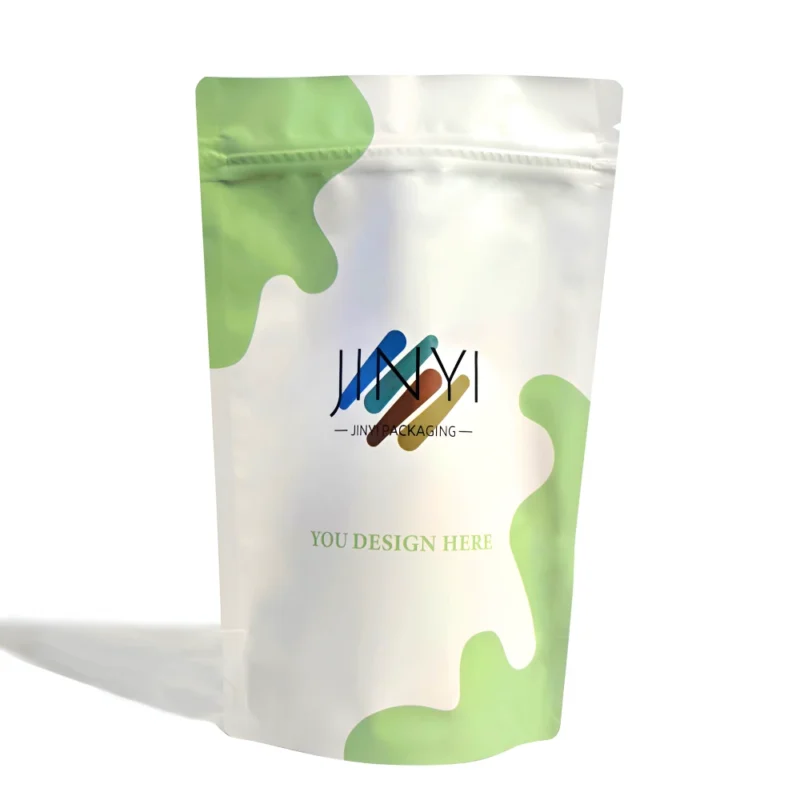
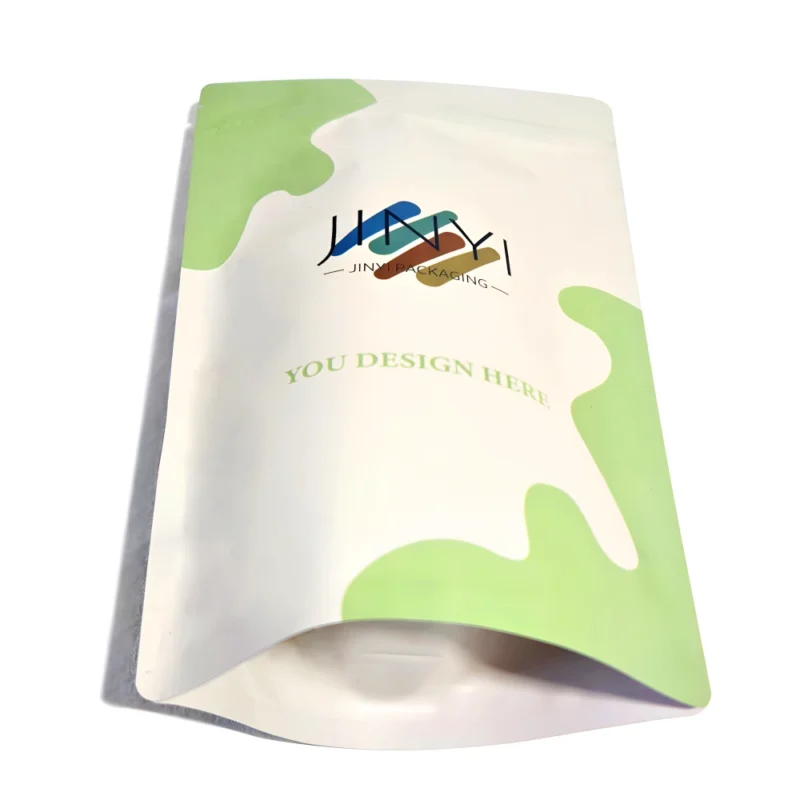
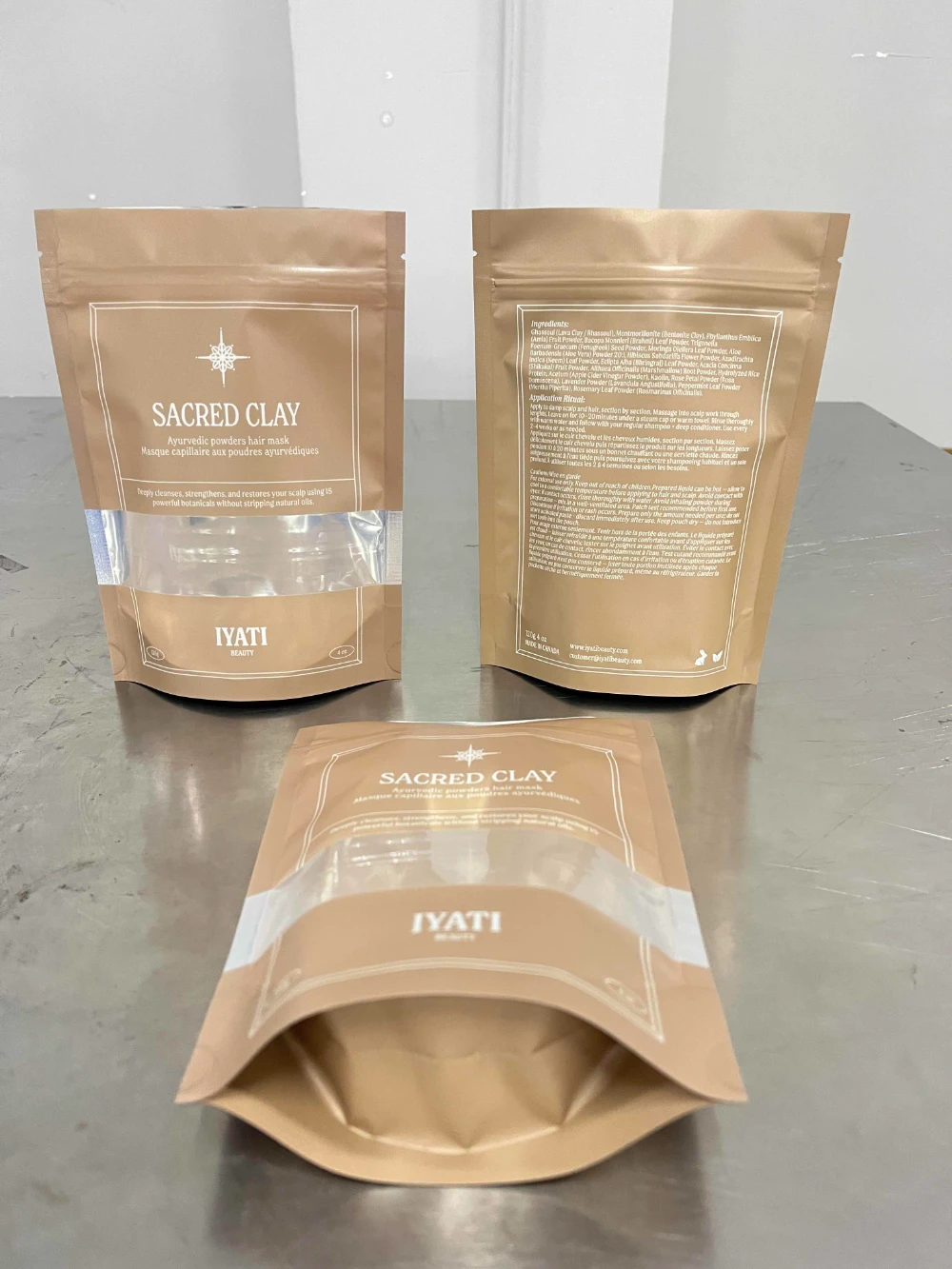
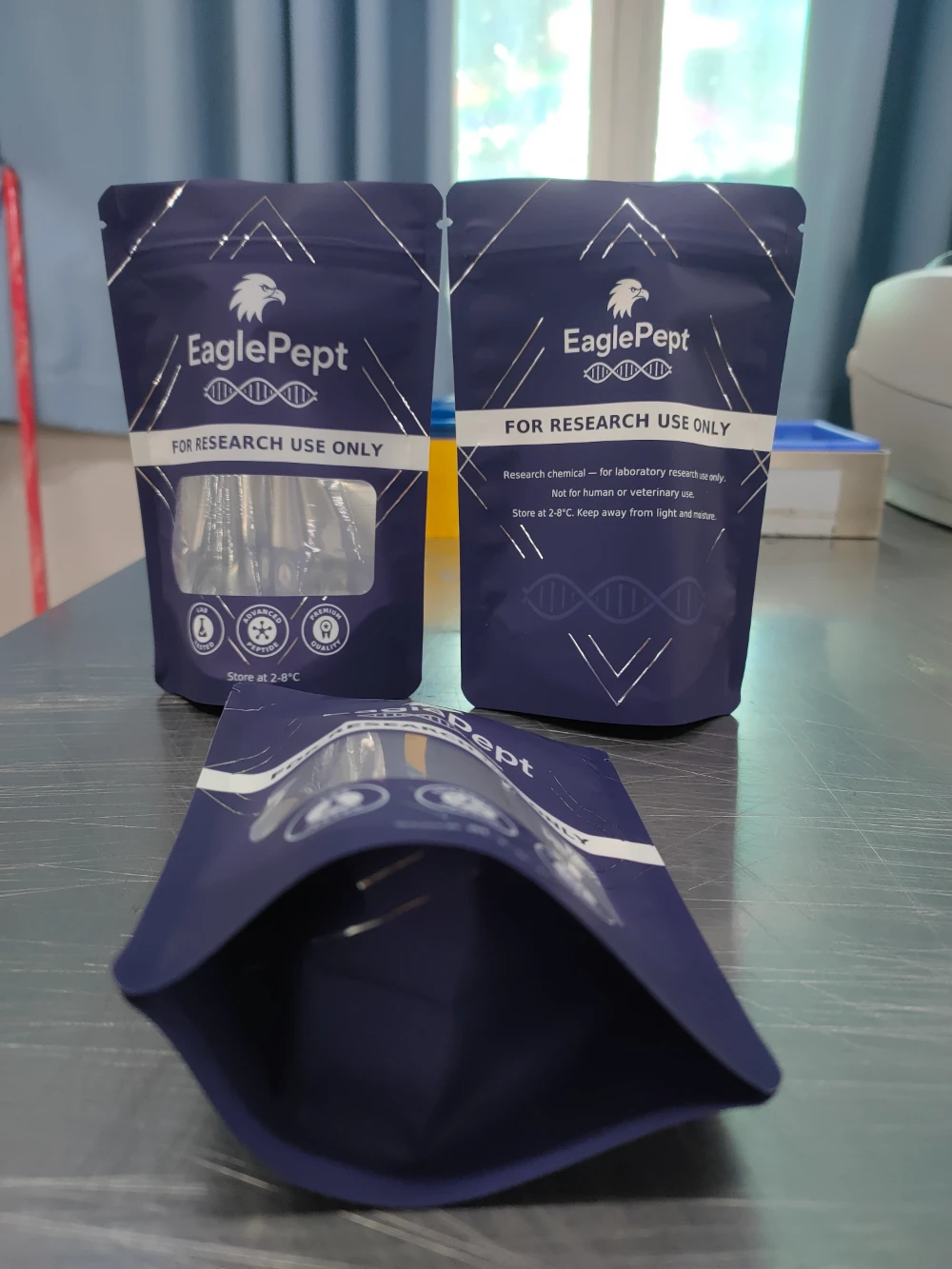
A stand-up pouch freshly finished on our production line. Its front window, back panel, and bottom gusset give buyers a clear reference for the format; we still check the final size with their actual product.
Buyer situation
Format worth discussing
Question before we commit
Multi-use retail product
Stand-up or flat-bottom pouch
Will it stand, fill, and reseal as intended?
Small one-use portion
Flat pouch or suitable form-fill-seal format
What equipment fills and seals it?
Shelf assortment or gift set
Primary pack plus outer box
Which unit does the customer buy and open?
How Do We Work Out the Size Before You Have a Dieline?
You know the net weight, so it seems reasonable to copy the dimensions of a competitor’s bag. The first fill test often changes that plan.
We use your target fill and a physical reference to shortlist sizes, then check the chosen size with your real product and filling method. The finished outside dimensions alone do not tell us how much usable space remains inside.
A photo gives us a shape; the fill trial gives us a size
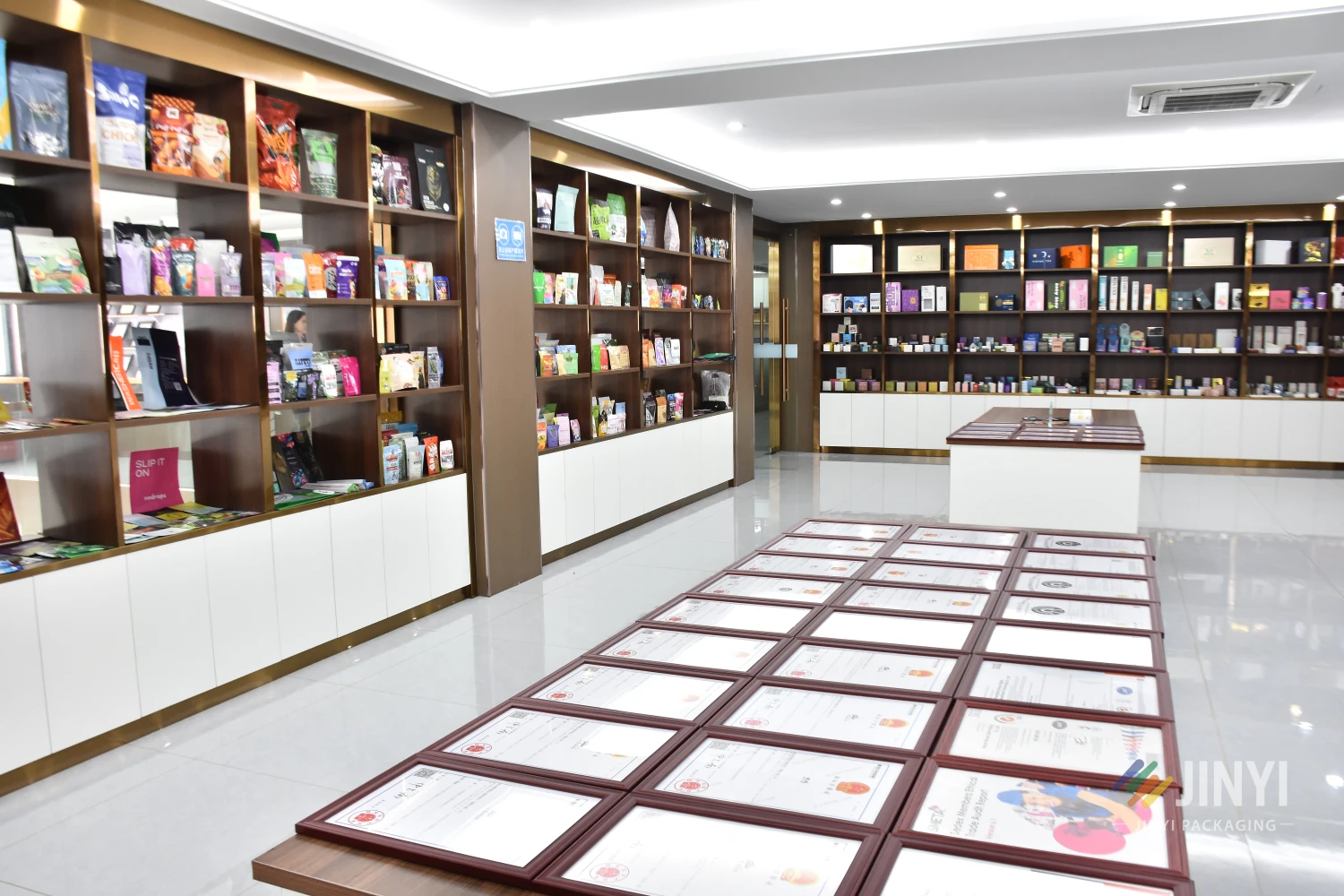
In our showroom, I can measure a finished pouch that looks close to your target and show you its width, height, gusset, and closure position. That gives us a practical size to test, not a copied specification. The same 250 g weight can fill coffee beans and fine powder to very different heights. Density, trapped air, headspace, and seal width change the usable space. For boxes, inserts and closing clearance matter too. I would never approve your launch size from a photograph alone.
Put the intended quantity into candidate samples and handle them as a customer would. Does the pouch stand, close cleanly, and leave enough room for required information? Does it fit your filling line and shipping carton? After that trial, we can settle the finished dimensions and dieline before your designer places text near folds or seals.
نصيحة: Ask for both finished outside dimensions and a fill trial. Two bags with the same listed width and height can behave differently when their gussets and closures differ.
When Should We Decide on Materials and Barrier?
A material name copied from another product can sound reassuring. It may also solve a problem your product does not have while missing one that it does.
We narrow the material structure after we understand the product, the target shelf life, filling conditions, storage, and distribution. Candidate structures are options to test, not a shelf-life guarantee printed into a quotation.
Tell me what could go wrong with the product
A dry snack may need moisture protection; coffee raises aroma and oxygen questions. Oils and fragrances call for a contact-layer and closure review. Filling heat, cold storage, and transport flexing can change the answer. I gather these conditions so our technical team can compare candidate structures and relevant tests. “High barrier” alone does not say against what, for how long, or in what environment.
Our team may compare PET/PE with tougher or higher-barrier structures when the product warrants it. I ask what each layer solves and whether the complete pack works with your product and filling method. For U.S. food contact, the FDA ties component status to substance identity and intended use conditions. A finished-bag photo cannot establish that.
الأدلة: The U.S. FDA explains that a food-contact material’s status depends on its component substances and the conditions of their intended use. Read the FDA guidance →
Can We Start Before Your Artwork Is Finished?
A missing AI file should not make you postpone every packaging conversation. A final print approval is a different matter.
Yes. We can discuss the format, physical size, design direction, and an initial quotation before the artwork is complete. Print production needs an approved dieline and final file that match the agreed package.
Separate the idea from the print-ready file
A brand book without a pouch layout is still a useful start. So is a logo and a reference photo. Once we agree the geometry, the dieline shows folds, seals, and safe areas. A flat mockup can hide a claim under a gusset or bend a barcode. Finding that before print beats finding it on finished bags.
Tell me which design elements are essential: a brand color, window, metallic finish, or multilingual text. They affect print choices and sometimes price. The proof should match the SKU, dimensions, copy, barcode, and approved version. Your team should verify market-specific product claims. JINYI’s packaging design assistance can help develop a print-ready concept.
How Can You Get a Useful Quote While Details Are Still Open?
An early price feels helpful until you learn it assumed the wrong bag size, one design instead of four, or freight that was never included.
We can discuss a preliminary price using stated assumptions. The final quotation should identify the actual format, dimensions, material, print plan, quantity by SKU, finishes, sampling, and delivery terms so you know what you are buying.
Make assumptions visible before comparing numbers
Without a final sample, I can compare plausible sizes or a shorter digital run with a larger repeat gravure run, while marking assumptions. Digital normally avoids plate charges and supports smaller or changing design sets. At JINYI, we generally recommend evaluating gravure around 10,000 pieces per SKU when dedicated spot colors matter. Lower quantities are possible, but plate fees can reduce the value. This is a commercial guideline, not a technical minimum.
Tell me the quantity per design. A total of 20,000 bags could be one design or ten designs of 2,000, with very different economics. We should also specify whether the total includes freight, duties, and delivery. I prefer one clearly defined total over a cheap-looking unit price with important costs missing.
Quote input
What you can say now
What must be settled later
Size and format
Target fill and preferred reference
Confirmed dimensions after fill review
Printing
Number of SKUs, approximate quantity each, desired finish
Approved artwork and chosen print method
Delivery
Destination and desired arrival window
Agreed shipping terms, costs, and production schedule
What Can Samples and Real Factory Cases Help You Check?
Factory photos are useful because they show what finished packaging actually looks like. They are less useful when someone asks them to prove what is inside the film.
Use a factory reference to compare shape, finish, closure, and workmanship. Use a sample made to your agreed specification to check fit and appearance. Use tests matched to your actual product and distribution route to check performance.
Ask each reference to answer one question
I can show you photos of pouches we have actually made and, where a physical sample is available, put it in your hands. We can look at the bottom construction, zipper placement, print finish, and how a filled bag presents on a shelf. These are JINYI production references, not a generic mockup pulled from the internet. I will explain which feature in a reference is relevant to your project and which is not. A good-looking pouch from a different application does not prove that its laminate, dimensions, or closure will work for your product.
One finished pouch, shown from three angles. The clear window and metallic silver details give buyers a practical reference for product visibility, artwork placement, and how the pouch stands before we confirm their own design.
If you are comparing snack, coffee, or personal-care packaging, I can use examples from our finished-bag collection to show how the priorities change: easy opening, repeated use, shelf display, or dispensing. I will ask you what matters most, then bring the discussion back to the pack we can develop for you. A showroom sample helps you handle a format and try a fill; its film and print may differ from your order. A custom sample or proof helps you approve the agreed geometry and look. Performance tests must reflect your actual product and distribution route. We should agree sample type, timing, and any charges before treating it as an approval milestone.
If you want to approve one finished bag only after mass production begins, changes to the print may already affect the batch. We should define the sample or proof and your approval point before the production run.
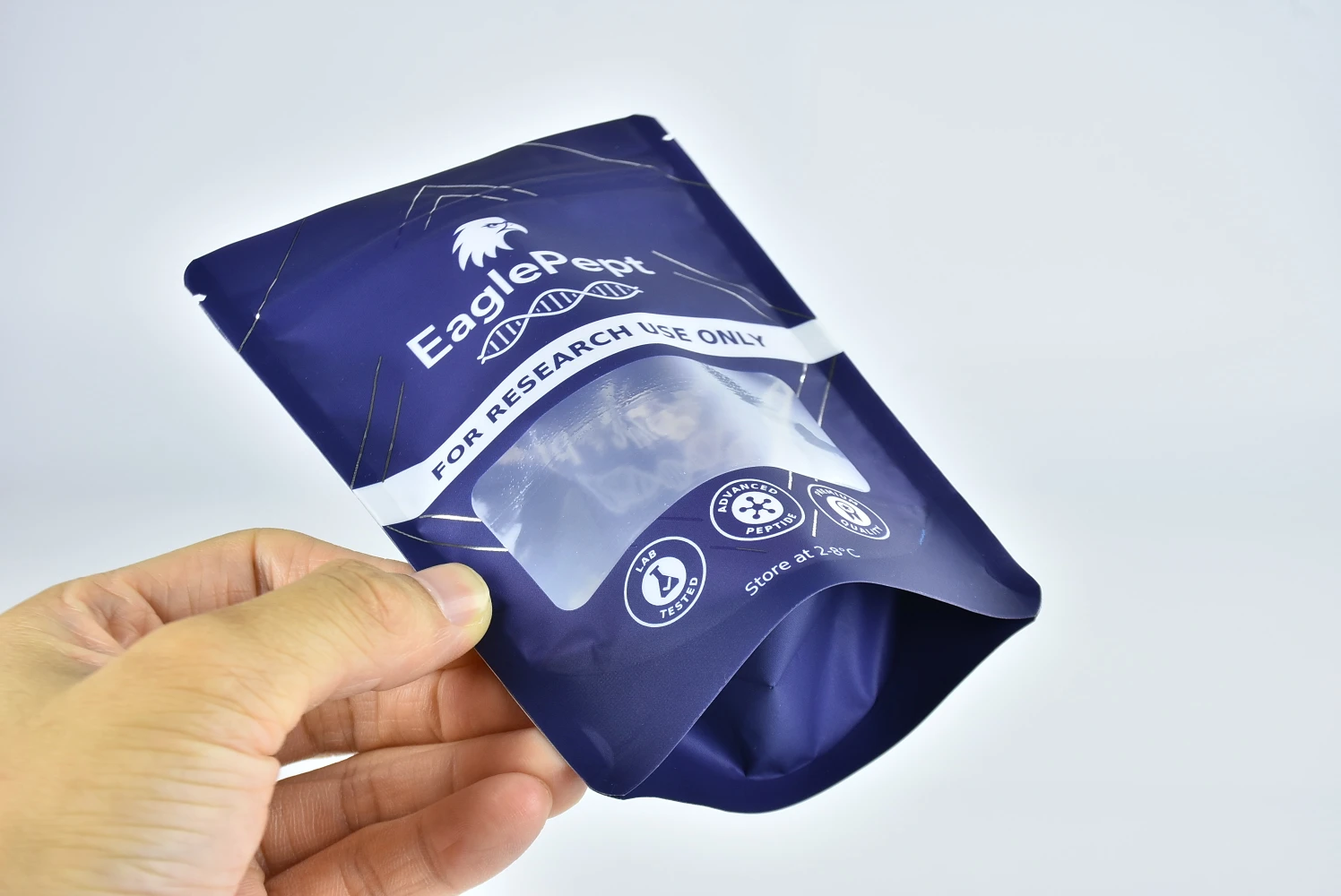
A closer look at the same pouch shows how the clear window and metallic silver finish appear in hand. I use details like these to discuss the window position and visual effect with buyers; the final layout still needs to fit their product and artwork.
What Must Be Approved Before Production Starts?
The fastest way to create confusion is to approve a sample, revise the artwork in another email, and leave the purchase order referring to an earlier size.
Before production, you and the supplier should approve one matching set of specifications, artwork, samples or proofs, quantities, and commercial terms. Each document should refer to the same version of the pack.
Turn the conversation into one order record
I check dimensions and tolerance, format, material and relevant contact layer, closures, artwork version, print method, quantity per SKU, packing, sample reference, delivery terms, and the schedule start. Your team should approve market-specific labels and claims; we can help reserve space for them.
One order record gives you a basis for production and reorders. If a flavor name, dimension, or finish changes later, we can see what needs review. After approval, the chosen format moves through printing, lamination where needed, converting, inspection, and packing. Our guide to كيف تُصنع الأكياس الواقية المخصصة explains that path. I help make the buyer decisions clear before those steps begin.
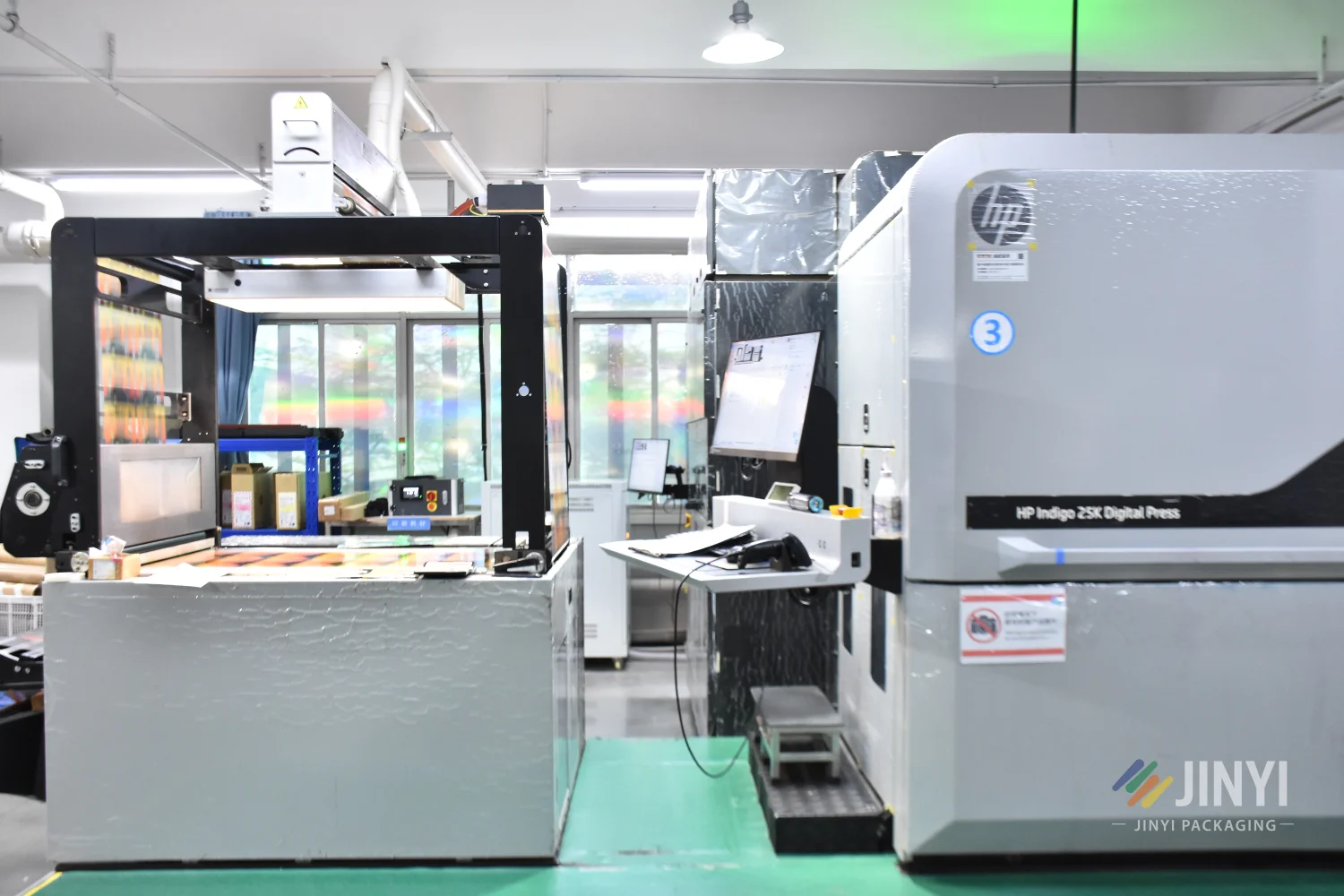
HP Indigo 25K في JINYI - إخراج ألوان متناسق عبر جميع أنظمة الطباعة عبر محرك التشغيل الآلي ESKO
نصيحة: Put the approved drawing, written specification, and quote together in one order record. Ask which version controls if a later message proposes a change.
الخاتمة
Yes. Start with your product and buying goals; we can develop the packaging specs together, then confirm a tested, written package before production.
JINYI هي مصنع مصدر للتغليف المرن المخصص مع أكثر من 15 عامًا من الخبرة في الإنتاج، حيث تقدم خدمات الأغذية والمكملات الغذائية والقهوة وأغذية الحيوانات الأليفة والعلامات التجارية للسلع الاستهلاكية في أكثر من 70 دولة. نحن ننتج أكياسًا قائمة وأكياسًا ذات قاع مسطح وأكياس وسائد وأكياس مجمعة جانبية من PET/AL/PE وPET/VMPET/PE وغيرها من مواصفات الحواجز - عبر الطباعة الرقمية من HP Indigo من 500 وحدة وطباعة الحفر بكميات كبيرة - مع تضمين وثائق المواد الكاملة كمعيار قياسي مع كل طلب.
هذا ما من الفيلم إلى النهاية - تم إنجازه بشكل صحيح يعني في الممارسة العملية.
إلسا
مدير تطوير الأعمال - شركة جيني للتغليف والتعبئة والتغليف
تقود إلسا تطوير الأعمال وإدارة طلبات العملاء في شركة جيني. وبفضل عملها لمدة 8 سنوات في التجارة الخارجية في ييوو ودونغقوان، فإنها تتمتع بفهم حاد للطلب في السوق وما يحتاجه المشترون بالفعل - مما يحول رؤية العملاء الحقيقية إلى قرارات التغليف الصحيحة.
Yes, we can use the photo to discuss a preliminary format and price assumptions. We still need the intended fill, approximate quantity, and relevant product and delivery details. Final pricing follows a confirmed specification.
Do I need to know the exact pouch size before contacting JINYI?
No. Tell us the target fill and how the pack will be used. We can shortlist reference sizes and check them with the real product before fixing the dieline.
Can you help if I do not have finished artwork?
Yes. Your logo, rough idea, or current design can start the discussion, and design assistance is available. Print production requires an approved layout on the correct dieline.
Is a factory sample the same as a sample of my order?
Usually not. A factory reference shows a format or finish, while your approved sample or proof should match the agreed specification. Tests with your product may still be needed for fit, compatibility, and performance.
When does a preliminary quotation become a final one?
When the quoted format, size, materials, printing, quantity by SKU, and delivery scope are agreed. If any of these change, we should revise the quotation before the order is approved.
What should I approve before mass production?
Approve the written specification, final artwork version, relevant sample or proof, quantities, and commercial terms. Make sure they all describe the same packaging order.