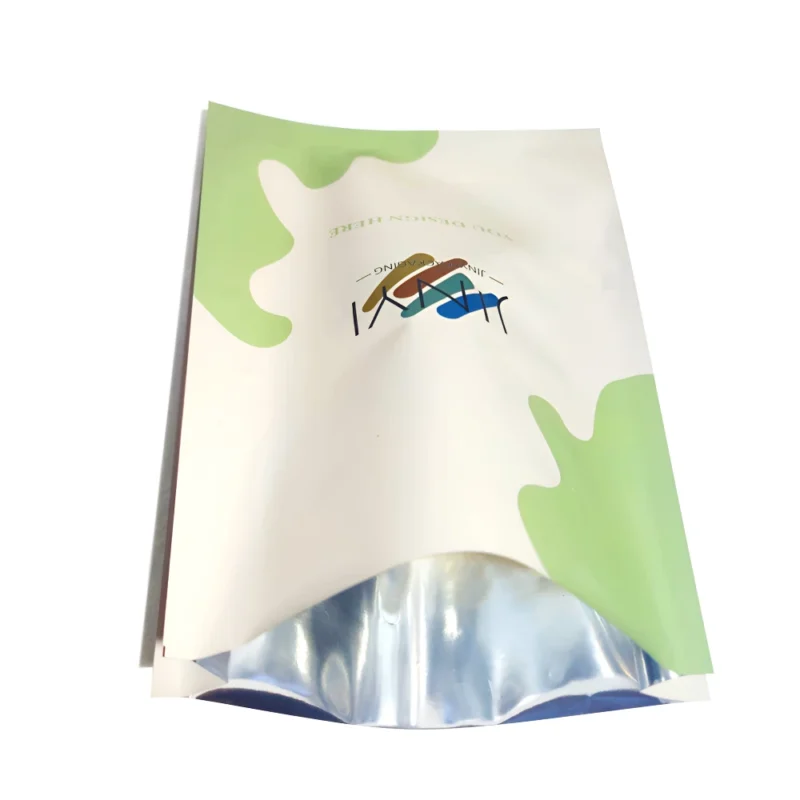
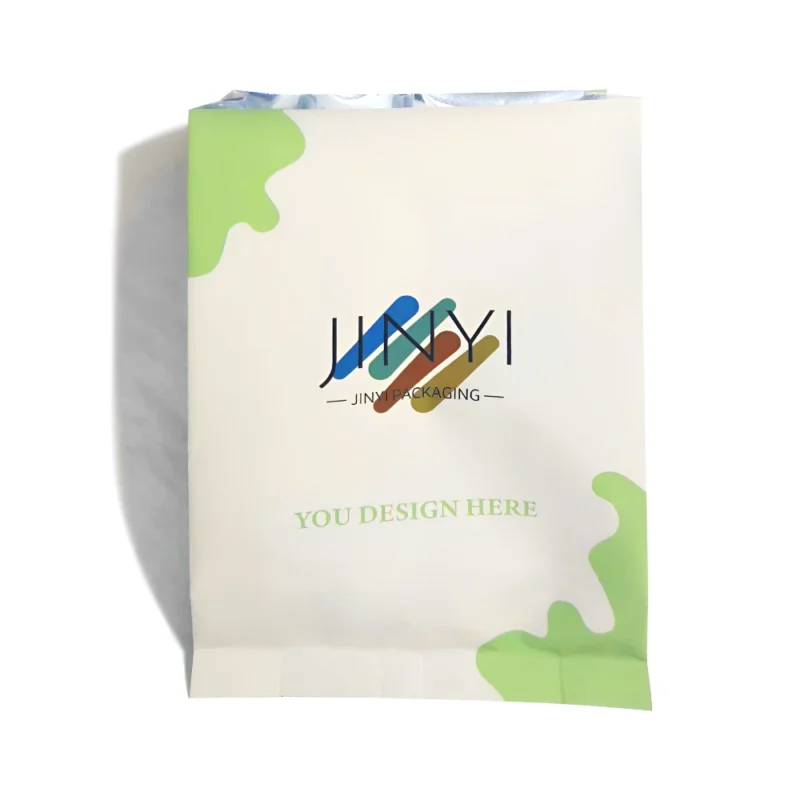
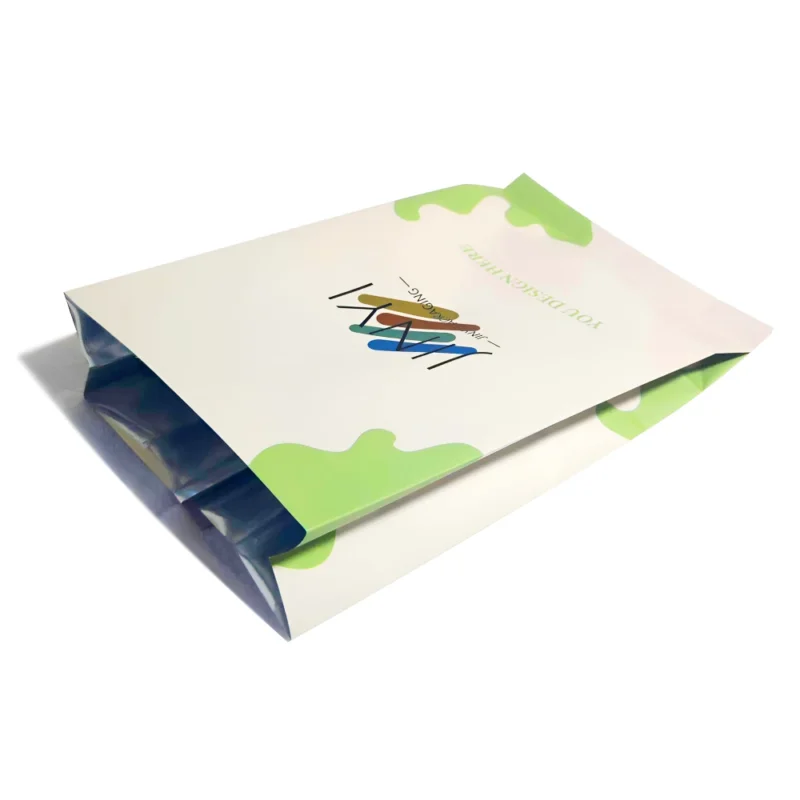
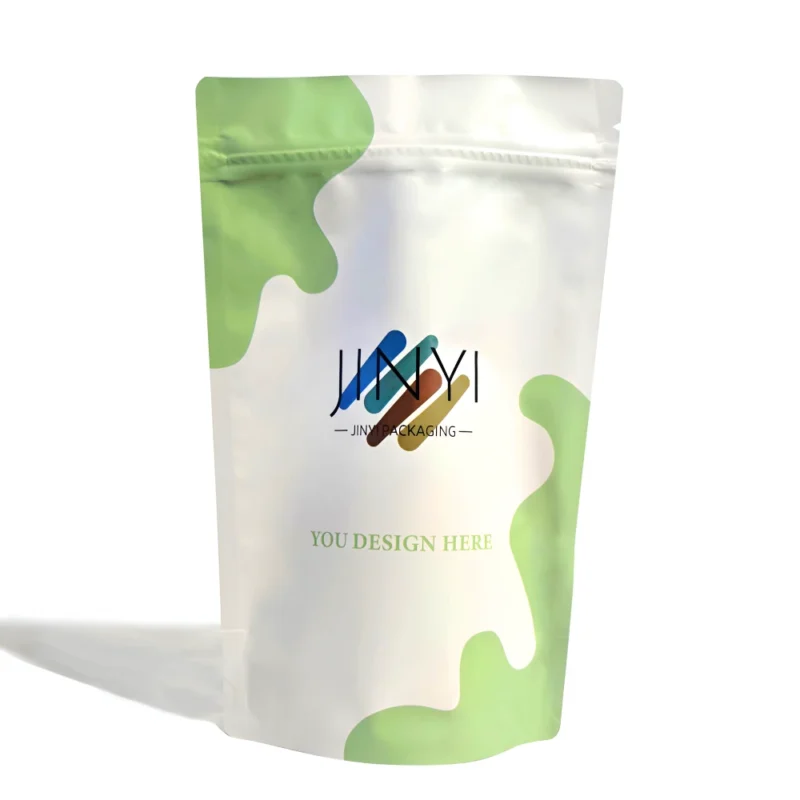
تشارك JINYI إرشادات عملية للتغليف والتعبئة والتغليف من أجل قراراتك.
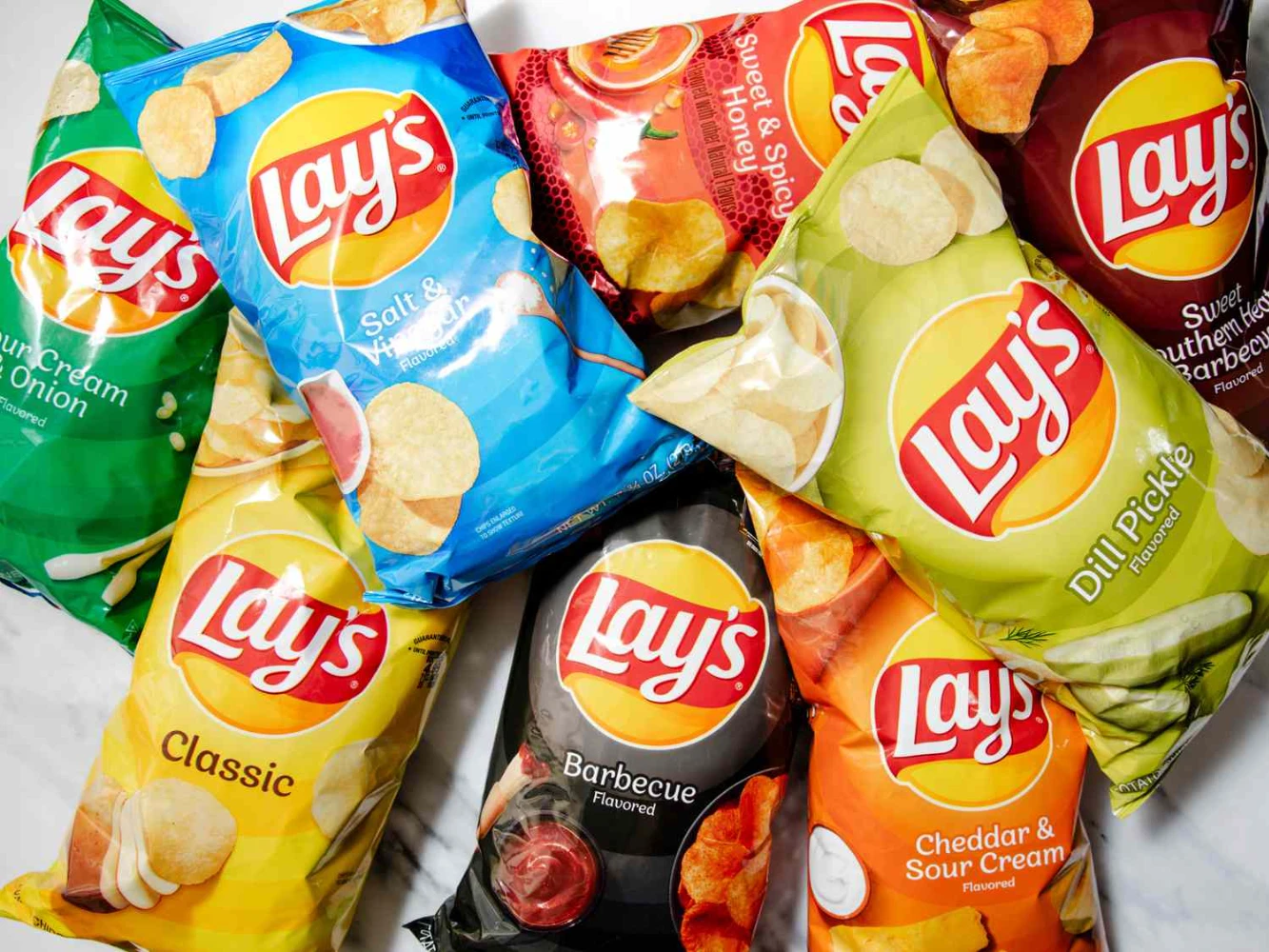
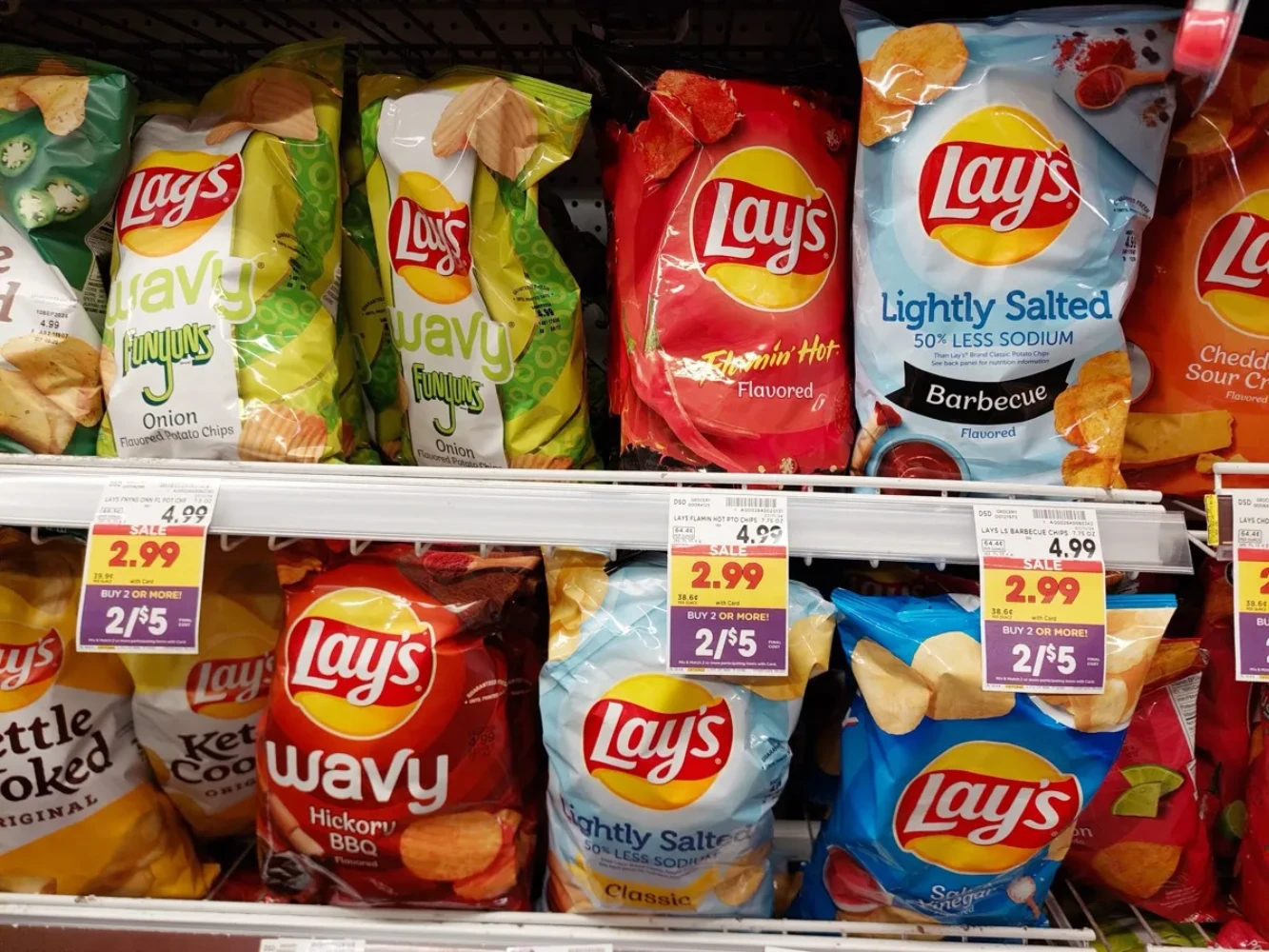
«لايز» هي العلامة التجارية الأكثر مبيعًا لرقائق البطاطس في العالم. وهي مملوكة لشركة «فريتو-لاي»، قسم الوجبات الخفيفة التابع لشركة «بيبسيكو»، وتُباع منتجاتها تحت أسماء مختلفة في أكثر من 100 دولة — مثل «ووكرز» في المملكة المتحدة، و«سابريتاس» في المكسيك، و«سميثز» في أستراليا — لكن المنتج ومنطق التغليف هما في الأساس نفسهما في كل مكان: كيس رقيق ومرن ومطبوع يحمي وجبة خفيفة هشة ودهنية تتمتع بفترة صلاحية طويلة في متاجر البيع بالتجزئة. وبالنسبة لمعظم المتسوقين، يُعد هذا الكيس أكثر أنواع التغليف المرن شيوعًا على وجه الأرض.
ولا يفكر أحد تقريبًا في كيفية تصنيعها. تبدو الحقيبة وكأنها قابلة للتخلص منها، خفيفة الوزن، وشبه هشة. لكن هذا الانطباع هو بالضبط ما صُممت عبوات الوجبات الخفيفة الجيدة لإحداثه. فخلف الطباعة اللامعة يوجد غشاء مصفح متعدد الطبقات مصمم لحجب الأكسجين والرطوبة والضوء، وللتحمل في خط تعبئة عالي السرعة يعالج مئات الأكياس في الدقيقة، وللحفاظ على رقائق البطاطس مقرمشة لعدة أشهر — كل ذلك بتكلفة لا تتجاوز بضعة سنتات للوحدة.
وقد وصلت «لايز» إلى هذا الحجم لأنها جزء من شركة «فريتو-لاي»، التي تهيمن على فئة الوجبات الخفيفة المالحة في أمريكا الشمالية والعديد من الأسواق الأخرى. يعود تاريخ العلامة التجارية إلى ثلاثينيات القرن الماضي وإلى صناعة رقائق البطاطس التي أسسها هيرمان لاي في جنوب الولايات المتحدة؛ وأسفر اندماج عام 1961 عن تأسيس شركة فريتو-لاي، ثم أدى اندماج عام 1965 مع شركة بيبسي كولا إلى تأسيس شركة بيبسيكو. لهذا التاريخ أهمية خاصة في مجال التغليف من ناحية محددة: فالعلامة التجارية التي تبيع بهذا الحجم تقوم بتوحيد أفلامها وخطوط إنتاجها إلى درجة لا تستطيع العلامات التجارية الصغيرة الوصول إليها أبدًا، مما يؤدي إلى تحسين كل ميكرون من السماكة وكل ثانية من سرعة خط الإنتاج، لأن الوفورات تتضاعف عبر مليارات الأكياس. والأكياس رخيصة بالضبط لأنها صُممت لتكون كذلك.
يشرح هذا المقال المكونات الفعلية لكيس «لايز»، من منظور مصنع التغليف المرن. سنتناول الأشكال التي تستخدمها «لايز»، وأسباب تعبئة الكيس بالنيتروجين بدلاً من الهواء، وماهية الطبقة الفضية الموجودة بداخله حقًّا، وكيف تعمل شركة «بيبسيكو» على إعادة تصميم الهيكل بأكمله لتسهيل إعادة التدوير. وإذا كنت تمثل علامة تجارية تقوم بتوريد عبوات رقائق البطاطس أو الوجبات الخفيفة الخاصة بك، فإن نفس القرارات الهندسية تنطبق عليك — على نطاق أصغر بكثير من Lay’s، ولكن بنفس القوانين الفيزيائية.
أشكال تغليف منتجات «لايز»: الكيس الوسائدي وأنواعه المختلفة
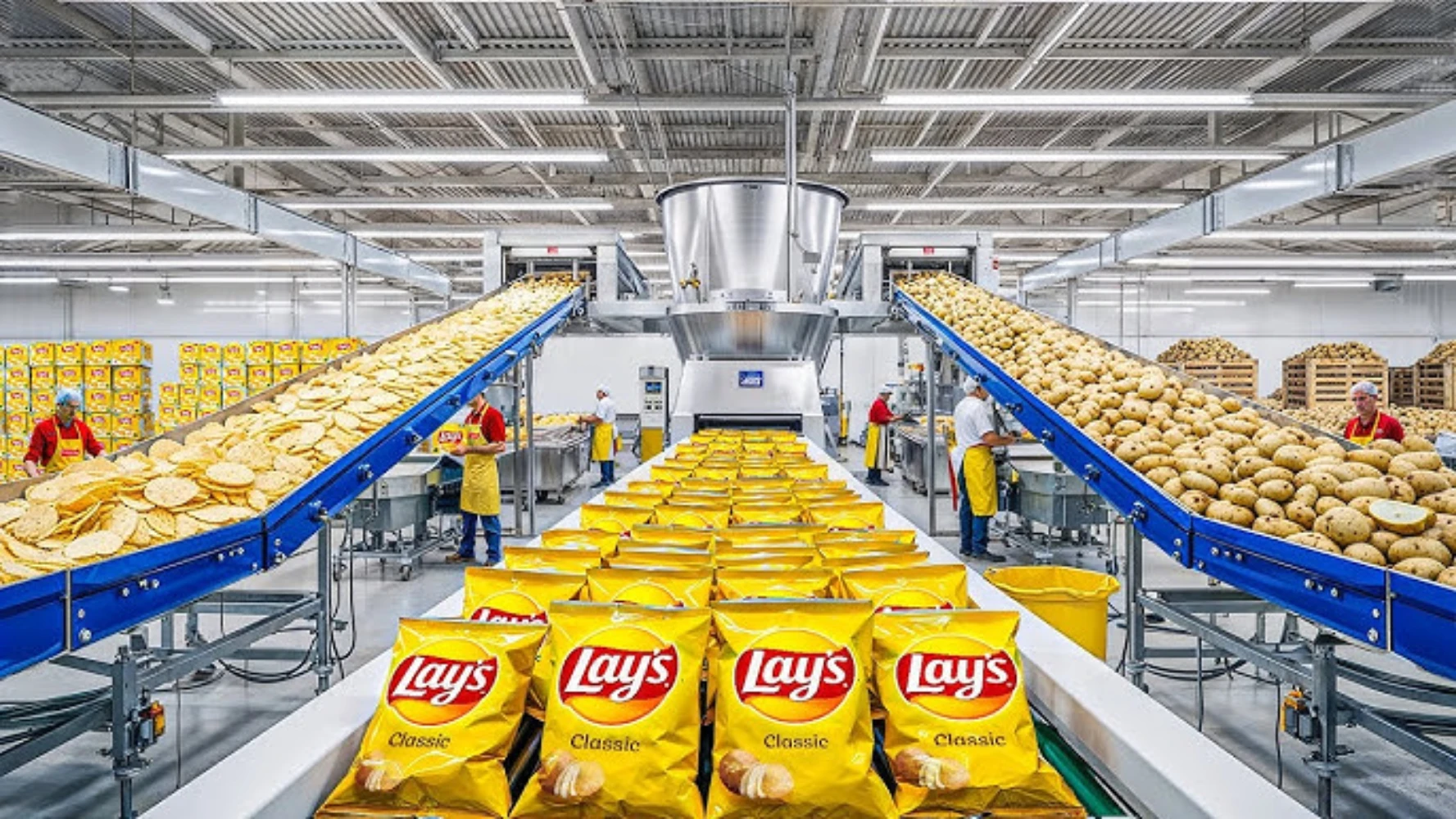
يتم شحن الغالبية العظمى من منتجات «لايز» في كيس وسادة — شكل بسيط وخفيف الوزن يتم تصنيعه عن طريق طي لفة واحدة من الفيلم على شكل أنبوب، وإغلاقه من الخلف، وإغلاق الطرفين. وهذا هو المنتج النهائي لآلة التشكيل والتعبئة والإغلاق العمودية (VFFS)، التي تُعد العمود الفقري لصناعة الوجبات الخفيفة. يصل الفيلم على شكل لفة مطبوعة، ثم تقوم الآلة بتشكيله إلى كيس، وتضع فيه حصة محددة الوزن من رقائق البطاطس، وتملأ الكيس بالغاز، وتغلقه — كل ذلك في جزء من الثانية، بمعدل مئات المرات في الدقيقة.
تحتل العبوة على شكل وسادة الصدارة لأسباب وجيهة. فهي تستخدم أقل كمية من الغلاف البلاستيكي مقارنة بأي شكل آخر، كما أنها تعمل بأسرع سرعة على خط التعبئة والتغليف VFFS، وشكلها الناعم والمنفوخ جزئيًا يوفر حماية مادية للرقائق من التكسير أثناء الشحن والمناولة. وبالنسبة لمنتج يتكون في الغالب من الهواء ويتكسر بسهولة، فإن هذا الحماية تعد ميزة وليست عيبًا. وينطبق هذا المنطق على جميع العلامات التجارية للرقائق تقريبًا، ولهذا السبب كيس وسادة لا تزال تمثل نقطة الانطلاق الافتراضية لأي علامة تجارية للوجبات الخفيفة تقوم بتقييم التغليف.
يُعد اختيار الشكل أيضًا قرارًا اقتصاديًّا، وليس مجرد قرار يتعلق بالحماية. فالكيس الوسائدي المُغلق من الخلف هو أرخص تصميم من حيث التصنيع وأسرعها في التعبئة، لكنه يظل مستويًّا ولا يمكنه الوقوف على الرف — وهو مناسب للرقائق التي تُباع من شريط تعليق أو من عرض أفقي، لكنه أقل ملاءمةً عندما تسعى العلامة التجارية إلى التواجد الرأسي على الرف. هذه المفاضلة بين تكلفة الكيس الواحد ووضوح الرؤية على الرف هي القرار الأول الذي تتخذه أي علامة تجارية للوجبات الخفيفة، وهو نفس القرار الذي تتخذه «لايز» بشكل مختلف بين الكيس الفردي المخصص للشراء العفوي مقابل خط المنتجات الفاخرة المخصصة للمشاركة.
تستخدم «لايز» أشكالًا أخرى في بعض الحالات. ففي الحزم المتعددة، يتم تجميع أكياس صغيرة على شكل وسادة مخصصة للوجبة الواحدة داخل علبة كرتونية مطبوعة، وهي مخصصة لعلب الغداء ومتاجر التجزئة الكبيرة. وتستخدم بعض الخطوط الفاخرة أو الإقليمية كيس قائم ذو قاع مسطح أو مزود بزوائد التي توضع في وضع مستقيم على الرف لتعزيز العلامة التجارية. وهناك حالة شاذة واحدة تستحق الذكر صراحةً: لايز ستاكس, ، تُشحن منتجات خط «ستاكابل-كريسب» في عبوة بلاستيكية صلبة (HDPE) بدلاً من الكيس. وهي تتنافس بشكل مباشر مع «برينجلز» وتقع خارج نطاق التغليف المرن تمامًا. ورغم أنها تمثل جزءًا صغيرًا من محفظة منتجات «لايز»، إلا أن الصورة الكاملة لتغليف العلامة التجارية لا بد أن تشملها.
ملاحظة التنسيق: “يُشير مصطلحا ”كيس الوسادة“ و”كيس الزعنفة» إلى نفس الشيء — وهو أنبوب مغلق من الخلف. وهو أرخص أشكال تغليف الوجبات الخفيفة وأسرعها، لكنه لا يمكنه الوقوف على الرف. وإذا كان الحضور على الرف أكثر أهمية من التكلفة، فإن الشكل القائم هو الحل البديل، مع استخدام كمية أكبر قليلاً من البلاستيك لكل كيس.
“الهواء” الموجود بداخلها ليس هواءً — إنه نيتروجين
الشكوى الأكثر شيوعًا بشأن أكياس رقائق البطاطس هي أنها “مليئة بالهواء”. لكن هذا ليس صحيحًا. فهي مليئة بـ النيتروجين, ، والغاز يؤدي وظيفة حقيقية. فالنيتروجين غاز خامل — فهو لا يتفاعل مع الزيوت الموجودة في رقائق البطاطس المقلية بالطريقة التي يتفاعل بها الأكسجين. ومن خلال شطف الكيس بالنيتروجين وإزاحة الأكسجين قبل إغلاقه، يمنع هذا الإجراء الرقائق من أن تصبح فاسدة أو قديمة، وهو ما يتسبب فيه التعرض للأكسجين في غضون أيام.
كما يعمل الغاز كمانع للصدمات. وتلك الطبقة الواقية من النيتروجين هي السبب في أنه يمكن رمي الكيس داخل شاحنة التوصيل، أو تكديسه، أو وضعه على الرفوف دون أن تتحول الرقائق الموجودة بداخله إلى فتات. والتنازل واضح عند الرف — فالكيس يبدو فارغًا أكثر بكثير مما يود محبو الوجبات الخفيفة — لكن “التعبئة غير الكاملة” هي تصميم وقائي متعمد، وليست حيلة لبيع كمية أقل من المنتج. فقد تمت معايرة الفراغ العلوي وفقًا لهشاشة رقائق البطاطس وطريقة المناولة القاسية في عمليات التوزيع الحديثة.
هناك أيضًا حدود تجارية لـ“الحشو الفضفاض”. تعامل الهيئات التنظيمية في معظم الأسواق الفراغ العلوي «غير الوظيفي» المضلل على أنه مشكلة تتعلق بالملصقات، لذا يجب أن يكون حجم الغاز مبررًا كوسيلة للحماية وليس كوسيلة لتضخيم الحجم المتصور. في الممارسة العملية، يتم ضبط الفراغ العلوي في كيس رقائق البطاطس وفقًا لمعدل الكسر الملحوظ في اختبارات الشحن: ما يكفي من الحشو للحفاظ على معدل التلف منخفضًا، لا أكثر. بالنسبة للعلامة التجارية، هذا يعني أن حجم الكيس ومستوى التعبئة هما قراران يتعلقان بهندسة التغليف، وليس مجرد قرارين يتعلقان بالتصميم الجرافيكي.
بالنسبة للفيلم، كل هذا مهم لأن عملية شطف النيتروجين لا تنجح إلا إذا كان الكيس يتمتع بحاجز قوي ضد الأكسجين. فالكيس الذي يتسرب منه الأكسجين ببطء إلى الداخل يبطل الغرض بأكمله — حيث يتم إزاحة النيتروجين تدريجيًا بفعل الأكسجين الذي يتسرب عبر الفيلم، وتفقد الرقائق طزاجتها قبل تاريخ «يفضل استهلاكها قبل» المطبوع عليها. هذا الشرط المتعلق بالحاجز، أكثر من أي شيء آخر، هو ما يحدد اختيار المواد في القسم التالي. يشكل الغاز والغشاء نظامًا واحدًا: إذا ضعف أحدهما، فلن يتمكن الآخر من تعويض ذلك.
تركيب الفيلم: ما هي المكونات الفعلية لكيس «لايز»؟
لا تتكون كيس رقائق البطاطس التقليدي من مادة واحدة — بل هو عبارة عن طبقة مركبة من غشاءين أو ثلاثة غشاءات ملتصقة ببعضها، يتم اختيار كل منها لأداء وظيفة مختلفة. لا توجد مادة بلاستيكية واحدة تفي بجميع متطلبات كيس رقائق البطاطس. فهناك طبقة تسمح بالطباعة الجيدة وتمنح الكيس الصلابة؛ وأخرى تحجب الأكسجين والضوء؛ وثالثة تذوب بشكل نظيف لتشكل مانع تسرب وتقاوم الزيت الموجود في رقائق البطاطس. ويتيح التصفيح للمصنع دمج هذه الخصائص في طبقة واحدة من الفيلم تظل أرق من ورقة.
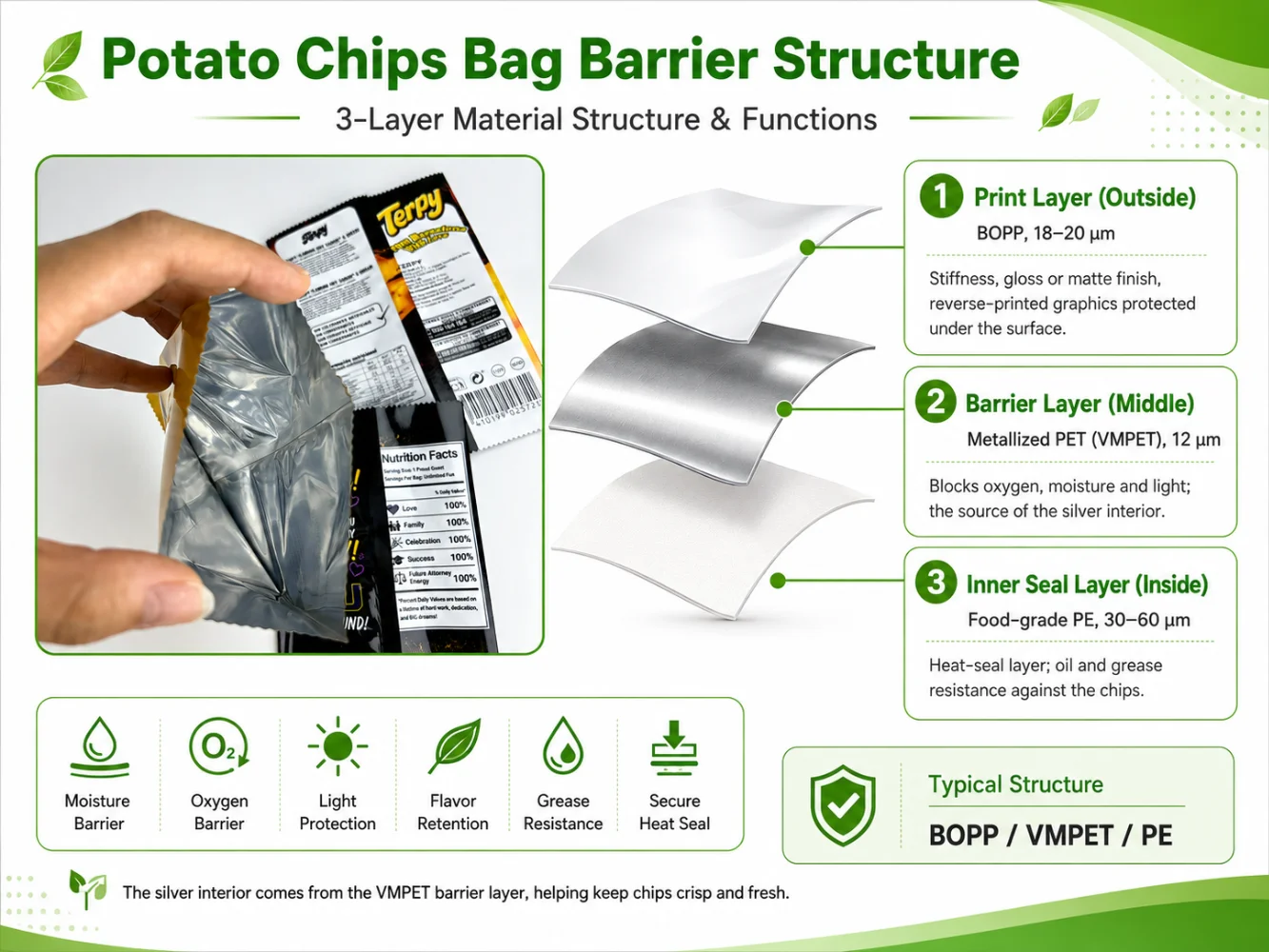
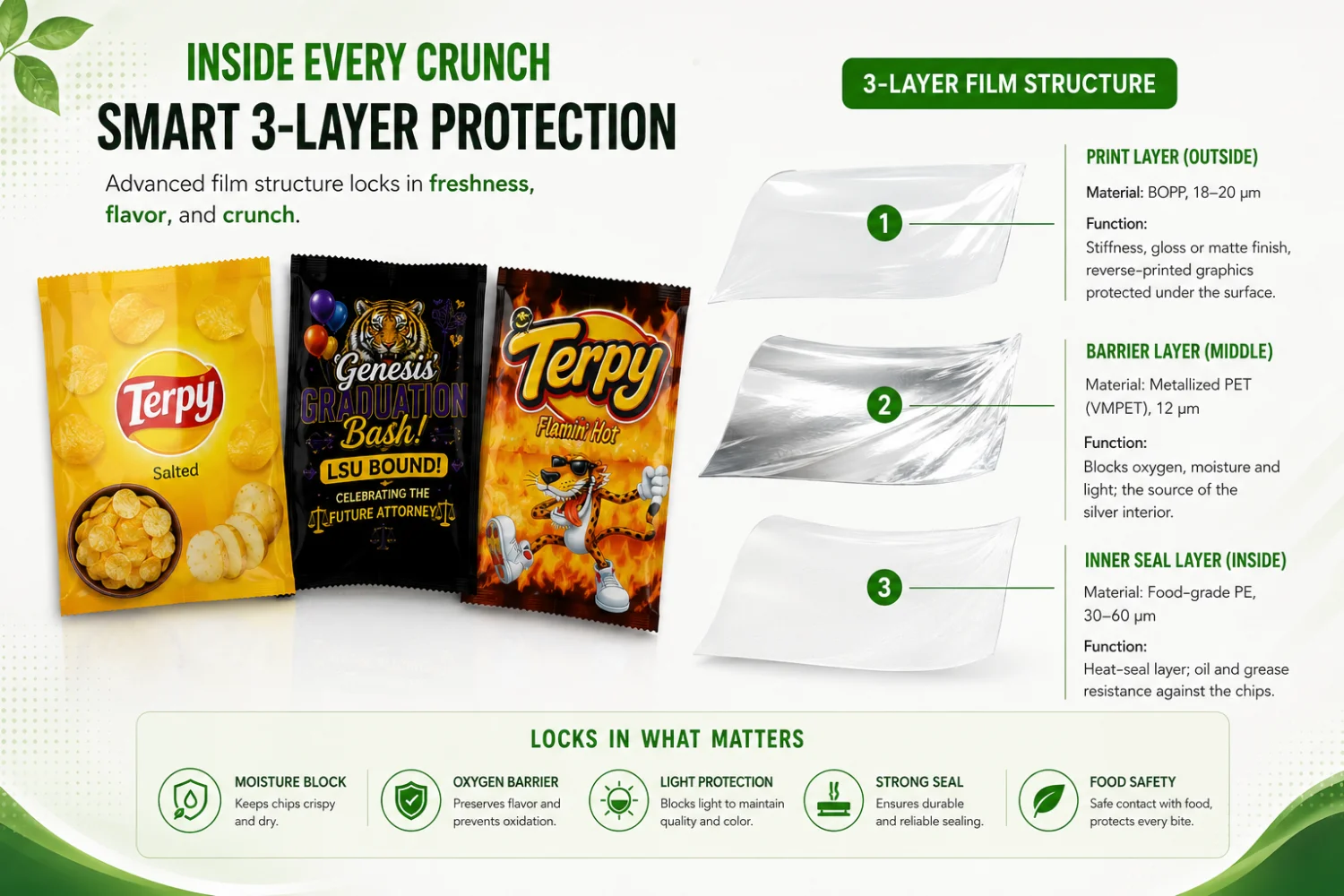
الهيكل الأكثر شيوعًا لأكياس رقائق البطاطس مثل «لايز» هو بنية مكونة من ثلاث طبقات معدنية: طبقة خارجية قابلة للطباعة، وطبقة حاجزة معدنية في الوسط، وطبقة داخلية قابلة للغلق. يتم طباعة الرسومات التي تراها بطريقة عكسية — أي على الجانب السفلي من الطبقة الخارجية قبل عملية التصفيح — بحيث يتم حبس الحبر بين الطبقات ولا يمكن أن يتآكل أثناء المناولة. تختلف السماكات الدقيقة وطبقات التصفيح حسب المنطقة وخط الإنتاج، لكن المنطق الوظيفي متسق في جميع أنحاء الصناعة. تم تقدير البنية الموضحة أدناه بناءً على معايير الصناعة هذه.
لفهم سبب تصميم هذه العبوة بهذه الطريقة بالذات، من المفيد تحديد العوامل التي تؤدي فعليًّا إلى تلف رقائق البطاطس. هناك ثلاثة عوامل: الأكسجين، الذي يجعل زيت القلي فاسدًا؛ والرطوبة، التي تجعل الرقائق المقرمشة تصبح لينة؛ والضوء، خاصة الأشعة فوق البنفسجية، التي تسرع من أكسدة الزيت. لا تمنع الأكياس البلاستيكية الشفافة أحادية الطبقة أيًا من هذه العوامل بشكل كافٍ لضمان مدة صلاحية تمتد لشهور. أما الطبقة المعدنية فهي التي تسد هذه الثغرات الثلاثة دفعة واحدة — فهي شبه معتمة أمام الضوء، كما أن المعدن المودع عليها يقلل بشكل كبير من معدل مرور الأكسجين وبخار الماء عبر الغشاء. أما باقي مكونات الهيكل، فهي موجودة لتمكين طباعة تلك الطبقة الحاجزة من الخارج وإغلاقها بإحكام من الداخل.
الطبقة (الخارجية → الداخلية)
المواد المقدرة
الوظيفة
طبقة الطباعة (من الخارج)
BOPP، 18–20 ميكرومتر
الصلابة، اللمعان أو المظهر غير اللامع، رسومات مطبوعة على الجانب الخلفي ومحمية تحت السطح
طبقة الحاجز (الوسط)
PET الممعدن (VMPET)، 12 ميكرومتر
يحجب الأكسجين والرطوبة والضوء؛ مصدر اللون الفضي للجزء الداخلي
طبقة الختم الداخلية (من الداخل)
بولي إيثيلين صالح للاستخدام الغذائي، 30–60 ميكرومتر
طبقة مانعة للتسرب بالحرارة؛ مقاومة الزيوت والشحوم التي تتسرب من الرقائق
ملاحظة: تم تقدير تركيب الغلاف البلاستيكي استنادًا إلى المواصفات القياسية في الصناعة الخاصة بأكياس رقائق البطاطس، وإرشادات المواد التي أعلنت عنها شركة «بيبسيكو». ولم تنشر شركة «لايز» تفصيلاً رسميًا للمواد طبقةً طبقةً، كما أن المواصفات تختلف باختلاف السوق وخط الإنتاج.
تستبدل بعض الإصدارات ذات الحاجز العالي أو المصنوعة من رقائق الألومنيوم مادة البولي إيثيلين تيريفثالات (PET) المعدنية بطبقة من رقائق الألومنيوم، مما يوفر حاجزًا أكثر إحكامًا ومدة صلاحية تتراوح بين ستة وتسعة أشهر، ولكن بتكلفة أعلى. وتُعد رقائق الألومنيوم هي الخيار الأمثل عندما يكون المنتج شديد الحساسية تجاه الأكسجين أو عندما يتعين عليه تحمل رحلات الشحن البحري الطويلة ومعدل دوران بطيء في متاجر البيع بالتجزئة. أما بالنسبة للوجبات الخفيفة سريعة التداول التي تُباع بالكامل في غضون أسابيع، فإن هذا المستوى من الحماية عادةً ما يكون أكثر مما يحتاجه المنتج، ولا تُستحق التكلفة الإضافية. وتكمن المهارة في تحديد مواصفات كيس رقائق البطاطس في مطابقة الحاجز مع مدة الصلاحية الفعلية وطريقة التوزيع، وليس في شراء أقوى غشاء متاح.
إن الجوانب الهندسية الأعمق المتعلقة بكيفية طباعة هذه الطبقات وتصفيحها وتحويلها إلى حقيبة جاهزة — بما في ذلك كيفية تشكيل الختم واختباره — هي أمور نتناولها بالتفصيل في دليلنا حول كيف تُصنع الأكياس المخصصة.
هيكل الحاجز BOPP / VMPET / PE - هيكل حاجز BOPP / VMPET / PE - بناء كيس رقائق JINYI القياسي.
الطبقة الفضية: مطلية بالمعدن، وليست رقائق معدنية
عندما تفتح كيس «لايز»، تجد أن الجزء الداخلي لونه فضي. يفترض معظم الناس أن هذا هو ورق الألمنيوم. لكن في حالة كيس «لايز» العادي، فإن الأمر ليس كذلك في العادة. إنه غشاء معدني — وعادةً ما يكون ذلك من نوع VMPET، وهو غشاء بوليستر مغطى بطبقة رقيقة للغاية من الألومنيوم تم ترسيبها بالفراغ على سطحه. ويُقاس سمك الطبقة المعدنية بالنانومتر، وهو جزء ضئيل جدًّا من سمك رقائق الألومنيوم العادية.
هذا التمييز ليس مجرد تفصيل نظري — بل يؤثر على التكلفة والأداء وقابلية إعادة التدوير. توفر الأغشية المعدنية معظم خصائص الحاجز الضوئي والوقائي ضد الأكسجين التي تتمتع بها رقائق الألومنيوم، وذلك بتكلفة ووزن أقل بكثير، كما أنها تتميز بالمرونة دون أن تتشكل فيها الثقوب الدقيقة التي تعاني منها رقائق الألومنيوم الرقيقة عند تجعيدها. أما رقائق الألومنيوم الحقيقية، فهي توفر حاجزًا شبه مطلق، وتُستخدم حصريًّا للمنتجات التي تحتاج إلى أطول مدة صلاحية أو أعلى مستوى من الحماية، حيث تكون التكلفة الإضافية مبررة. ونادرًا ما تحتاج الوجبات الخفيفة ذات معدل الدوران المرتفع، مثل «لايز» (Lay’s)، إلى رقائق الألومنيوم الكاملة؛ فالغشاء المعدني يحقق التوازن المثالي بين الحماية والسعر.
بالنسبة للعلامة التجارية التي تقوم بتوريد أكياسها بنفسها، يُعد هذا أحد أكثر نقاط الالتباس شيوعًا وأكثرها تكلفة. فاختيار رقائق معدنية في حين أن الفيلم المطلي بالمعدن يكفي هو أحد الأسباب الشائعة لزيادة الإنفاق على التغليف — وهو قرار يستحق أن يُتخذ عن قصد وليس بشكل تلقائي. كما أن الخطأ المعاكس مكلف أيضًا: اختيار فيلم شفاف أو مطلي بطبقة معدنية خفيفة لمنتج يحتاج فعليًّا إلى حاجز ضوئي، ثم مشاهدة مدة الصلاحية تتقلص. الحل الصحيح يتحدد حسب حساسية المنتج للأكسجين والضوء، وليس حسب أي فيلم يبدو أكثر فخامة.
هيكل غشائي مكون من 3 طبقات يُستخدم في أكياس الرقائق المصممة حسب الطلب من شركة «جينيي».
نصيحة للمصادر: “لا يمكن استخدام مصطلحي ”معدّن“ و”رقائق» بالتبادل في ورقة المواصفات. فالغشاء المعدّن (VMPET/VMCPP) أخف وزنًا وأرخص ثمناً ويمكن ثنيه دون حدوث ثقوب دقيقة؛ أما رقائق الألومنيوم الحقيقية فهي الحاجز المطلق لضمان أطول مدة صلاحية. اسأل موردك عن النوع الذي تستند إليه عرض الأسعار — فالفارق في التكلفة حقيقي.
تحول شركة «لايز» نحو استخدام العبوات القابلة لإعادة التدوير
تتميز أكياس رقائق البطاطس التقليدية بعيب كبير واحد: صعوبة إعادة تدويرها. فالمادة المركبة المكونة من البولي بروبيلين والبوليستر المعدني والبولي إيثيلين، والتي تم ربطها معًا، لا يمكن فصلها بسهولة إلى المواد المكونة لها، لذا ينتهي المطاف بمعظم أكياس رقائق البطاطس في مكبات النفايات أو في محارق النفايات. وقد تعهدت شركة «بيبسيكو» علنًا بمعالجة هذه المشكلة، حيث حددت أهدافًا تتعلق بالتغليف القابل لإعادة التدوير أو القابل للتحويل إلى سماد أو القابل للتحلل البيولوجي، بالإضافة إلى تقليل استخدام البلاستيك البكر — وقد أجرت الشركة تجارب على المواد، بشكل رئيسي في الأسواق الأوروبية، بما في ذلك استخدام أغشية ذات محتوى متجدد في منتجات «لايز» في فرنسا، ومحتوى معاد تدويره في منتجات العلامة التجارية «ووكرز» في المملكة المتحدة.
الحقيقة الهندسية الواضحة هي أن هذا الأمر صعب، وأن التقدم المحرز فيه متفاوت. ويتجه القطاع نحو الهياكل المصنوعة من مادة واحدة — كيس مصنوع أساسًا من عائلة بوليمر واحدة، وعادةً ما يكون مصنوعًا بالكامل من البولي إيثيلين (PE)، بحيث يتناسب مع مسارات إعادة التدوير الحالية. لكن المشكلة تكمن في أن الغشاء المصنوع من مادة واحدة لا يضاهي قدرة الحاجز التي توفرها الطبقة المصفحة المعدنية، لذا تلجأ العلامات التجارية إلى تعويض ذلك بزيادة كمية النيتروجين المستخدم في عملية الشطف واستخدام طبقات عازلة للحفاظ على نضارة رقائق البطاطس. كما تعرضت بعض خطوات شركة «بيبسيكو»، مثل تجربة العلب الورقية، لانتقادات بسبب الاحتفاظ بأغشية داخلية من البلاستيك والألومنيوم يصعب إعادة تدويرها، في حين يتم الترويج للكرتون الخارجي على أنه قابل لإعادة التدوير. إنها عملية انتقالية جارية، وليست مشكلة تم حلها.
هذه هي نفس المفاضلة التي تواجهها كل علامة تجارية حالياً بين أداء الحاجز وقابلية إعادة التدوير — وهو نفس التحول الذي وثقناه عندما اتجهت شركة لافازا نحو استخدام غلاف بلاستيكي قابل لإعادة التدوير مصنوع من مادة واحدة بفضل قهوتها. أما بالنسبة للعلامات التجارية الأصغر حجمًا، فإن الهياكل المصنوعة من مادة واحدة والقابلة لإعادة التدوير أصبحت متوفرة بشكل متزايد، لكن يجب تحديدها مع الوعي التام بالتنازلات المتعلقة بخصائص الحاجز، وليس اعتمادها كمجرد علامة تسويقية.
من الناحية العملية، تعني كيس الوجبات الخفيفة القابل لإعادة التدوير اليوم عادةً مادة مغلفة بالكامل من البولي إيثيلين (PE)، وغالبًا ما تكون مزودة بطبقة حاجزة رقيقة مثل EVOH أو طبقة معدنية تنتمي إلى نفس عائلة البوليمرات، بحيث تظل البنية مؤهلة لتصنيفها على أنها مادة أحادية. وتتجاوز تكلفة هذه الأغشية للمتر المربع تكلفة الأغشية المركبة التقليدية، كما أنها تعمل بسرعة أقل قليلاً على خطوط التعبئة، وتتمتع بطبقة حاجزة جيدة ولكنها لا تضاهي الرقائق المعدنية. ويعتمد تقييم جدوى هذه المقايضة كليًّا على المنتج: فالوجبة الخفيفة التي تُباع في غضون أسابيع يمكنها تحمل طبقة حاجزة أقل قليلاً بسهولة أكبر بكثير من تلك التي تبقى على الرف لمدة عام.
وهناك أيضًا بُعد يتعلق بالمصداقية. وكما يوضح مثال علبة “بيبسيكو”، فإن الادعاءات بـ«قابلية إعادة التدوير» تستدعي التدقيق، وقد أصبح كل من الهيئات التنظيمية والمستهلكين أكثر تشككًا في العبوات التي لا تكون قابلة لإعادة التدوير من الناحية الفنية إلا في ظروف لا يتوفر فيها ذلك لمعظم الناس. وبالنسبة للعلامة التجارية، فإن الموقف الأكثر أمانًا هو الصدق: تحديد التركيب الحقيقي للعبوة، ووضع ملصق دقيق عليها، وتجنب المبالغة في وصف قابليتها للتحلل أو إعادة التدوير بما يتجاوز ما يمكن لنظام النفايات المحلي التعامل معه فعليًّا. وقد أصبح هذا الصدق بحد ذاته ميزة تنافسية مع تزايد التدقيق.
شراء أكياس رقائق البطاطس بنفسك: ما الذي يهم حقًّا؟
تعمل «لايز» على نطاق لا يمكن لأي علامة تجارية أخرى أن تضاهيه تقريبًا — لفائف مطبوعة بطريقة الحفر بالطن، وخطوط إنتاج مخصصة لتعبئة VFFS، ومواصفات أفلام مخصصة. لكن القرارات الهندسية الكامنة وراء كيس «لايز» تنطبق بشكل مباشر على العلامة التجارية التي تطلب أول دفعة من عبوات الوجبات الخفيفة. والأسئلة هي نفسها: ما هو الشكل المطلوب، وما هي طبقة الحاجز المطلوبة، وما هي مدة الصلاحية التي تحتاجها فعليًّا؟.
ما لا يمكن تقليصه هو الافتراض القائل بضرورة تقليد ’لايز“ (Lay’s) بالضبط. فالعلامة التجارية الناشئة للوجبات الخفيفة التي تبيع منتجاتها عبر أسواق المزارعين وبعض متاجر البقالة الإقليمية لا تحتاج إلى مدة صلاحية تبلغ تسعة أشهر مع تغليف من رقائق الألومنيوم، ولا إلى طباعة بالحفر الغرافيكي لمليون كيس. إن الإفراط في تحديد مواصفات الكيس لمجرد مطابقته لعلامة تجارية عالمية هو أحد أسرع الطرق التي تستنفد بها العلامة التجارية الصغيرة ميزانيتها المخصصة للتغليف. تبدأ المواصفات الصحيحة من توزيعك الفعلي — مدى سرعة بيع المنتج، والمسافة التي يتم شحنه إليها، وكيفية عرضه — ثم تتجه إلى الخلف لتصل إلى نوع الفيلم، بدلاً من البدء بـ”ما الذي تستخدمه Lay’s».”
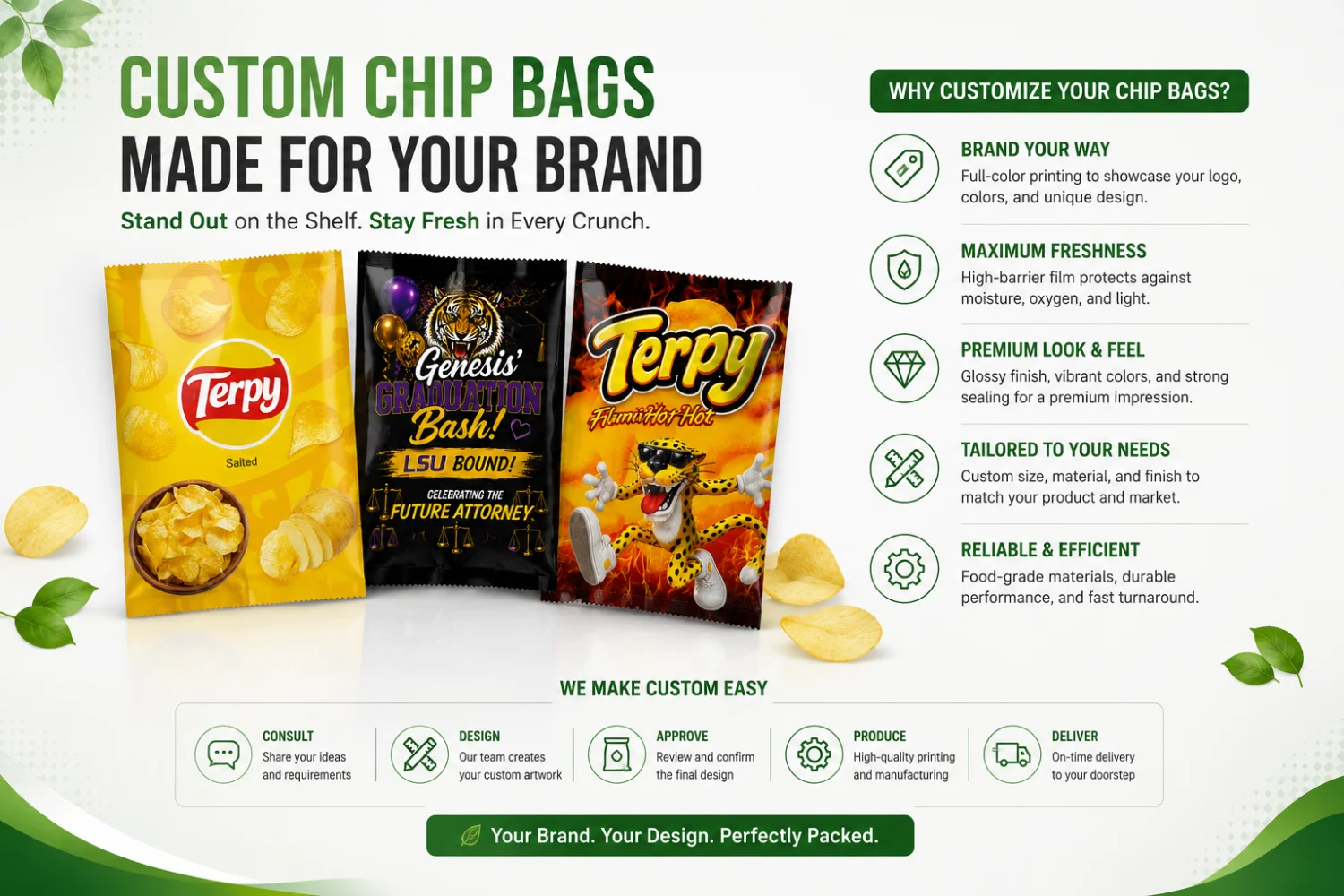
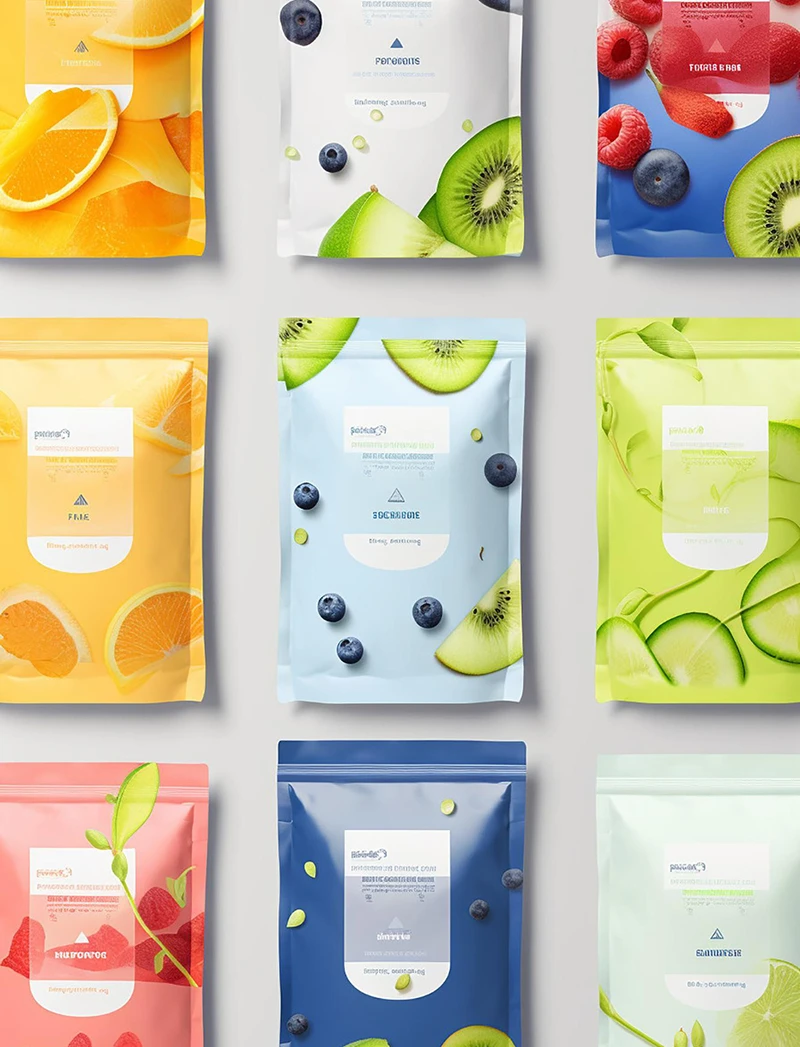
خدمة أكياس الرقائق المخصصة من JINYI، من التصميم إلى التسليم.
بالنسبة لمعظم العلامات التجارية للوجبات الخفيفة، فإن الإجابة العملية هي كيس وسادة للحجم الفردي وحجم المشاركة المخصصين لتقليل التكلفة، أو حقيبة قائمة حيث يُعد وجود المنتج على الرف أكثر أهمية من التكلفة لكل وحدة. أما فيما يتعلق بالحاجز الحمائي، فإن بنية BOPP/VMPET/PE المطلية بالمعدن تغطي معظم الوجبات الخفيفة المقلية والمخبوزة؛ ونادرًا ما تكون هناك حاجة إلى رقائق معدنية كاملة، وعادةً ما تؤدي إلى تجاوز الميزانية. وفيما يتعلق بالاستدامة، يجدر طلب استخدام غشاء أحادي المادة قابل لإعادة التدوير — مع إجراء حوار واضح حول المفاضلة المتعلقة بالحاجز الحمائي بدلاً من الاكتفاء بوضع علامة في خانة الاختيار.
يكمن الفارق الأكبر بين «لايز» والعلامات التجارية الناشئة في حجم الطلبات. تلتزم شركة «بيبسيكو» بإنتاج كميات هائلة باستخدام تقنية الطباعة بالحفر؛ أما العلامة التجارية الجديدة أو المتوسطة الحجم، فتحتاج إلى حد أدنى من الكميات، والقدرة على اختبار التصميم قبل توسيع نطاق الإنتاج، ووثائق كاملة عن المواد حتى تعرف بالضبط ما تشتريه. وهذه هي الفجوة التي يسدها المصنع المورد — الطباعة الرقمية بحد أدنى من الكميات للاختبار، والطباعة بالحفر بكميات كبيرة عندما يثبت نجاح التصميم، وتوثيق كل مواصفات الفيلم كمعيار قياسي.
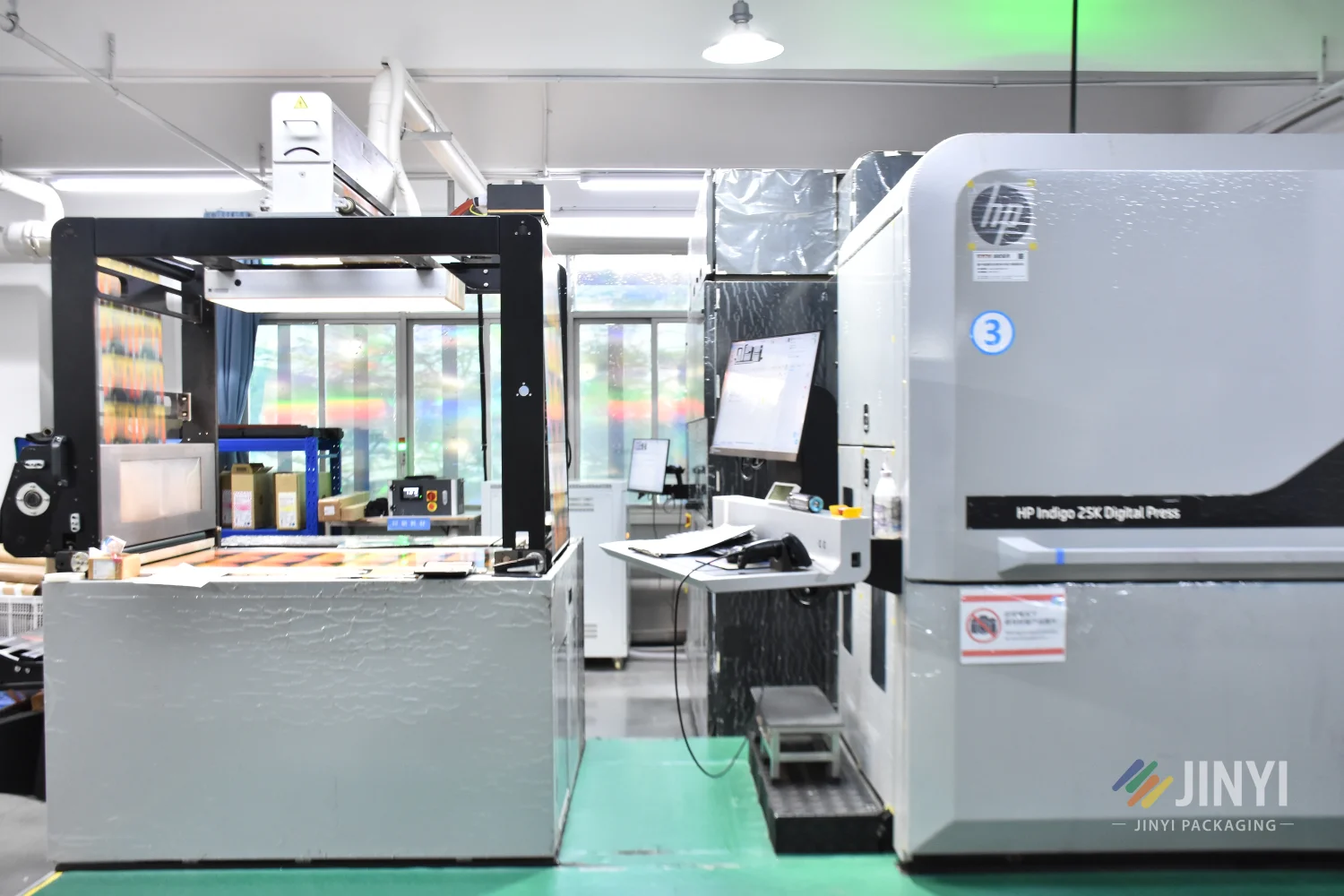
وتتبع طريقة الطباعة نفسها حجم الإنتاج. فالطباعة بالحفر، التي تستخدمها شركة «لايز»، تنطوي على تكلفة إعداد عالية لكل تصميم لأن كل لون يتطلب أسطوانة محفورة — ولا تكون مجدية إلا في حالات الإنتاج بكميات ضخمة جدًّا. أما الطباعة الرقمية فلا تتطلب تكلفة للوحات الطباعة، لذا فهي اقتصادية في حالات الكميات الصغيرة وتتيح للعلامة التجارية طرح عدة نكهات مختلفة أو تصاميم موسمية دون الحاجة إلى تخصيص أسطوانات لكل منها. في JINYI، تعمل هذه القدرة الرقمية على مجموعة من مكابس HP Indigo — بما في ذلك طرز عالية السرعة مخصصة للكميات الصغيرة وذات وقت إنجاز سريع — جنبًا إلى جنب مع خط طباعة بالحفر مكون من 10 ألوان للإنتاج بكميات كبيرة، بحيث يمكن للعلامة التجارية أن تبدأ بالطباعة الرقمية ثم تنتقل إلى الطباعة بالحفر في نفس المصنع مع توسع نطاق أعمالها. يتمثل المسار العملي لمعظم العلامات التجارية في إطلاق المنتج واختباره عبر الطباعة الرقمية، والتحقق من التصاميم والأحجام التي تحقق مبيعات فعلية، ثم نقل التصاميم الناجحة إلى الطباعة بالحفر بمجرد أن يبرر حجم الإنتاج استخدام تلك الآلات. إن التعامل مع الطلب الأول باعتباره اختبارًا وليس التزامًا كاملاً هو الطريقة التي تتجنب بها العلامات التجارية طباعة عشرات الآلاف من الأكياس التي لم يؤكد السوق رغبته فيها بعد.
HP Indigo 25K في JINYI - إخراج ألوان متناسق عبر جميع أنظمة الطباعة عبر محرك التشغيل الآلي ESKO
هل تبحث عن تغليف مخصص للوجبات الخفيفة أو رقائق البطاطس؟
تنتج شركة «جيني» أكياس الوسادة، والأكياس القائمة، وعبوات الوجبات الخفيفة عالية الحاجز، وذلك بهياكل معدنية وقابلة لإعادة التدوير — مع حد أدنى منخفض للكميات المطلوبة للاختبار، وتوفير وثائق كاملة عن المواد كإجراء قياسي. أخبرنا عن منتجك وسنوصيك بالشكل والغلاف المناسبين.
JINYI هي مصنع مصدر للتغليف المرن المخصص مع أكثر من 15 عامًا من الخبرة في الإنتاج، حيث تقدم خدمات الأغذية والمكملات الغذائية والقهوة وأغذية الحيوانات الأليفة والعلامات التجارية للسلع الاستهلاكية في أكثر من 70 دولة. نحن ننتج أكياسًا قائمة وأكياسًا ذات قاع مسطح وأكياس وسائد وأكياس مجمعة جانبية من PET/AL/PE وPET/VMPET/PE وغيرها من مواصفات الحواجز - عبر الطباعة الرقمية من HP Indigo من 500 وحدة وطباعة الحفر بكميات كبيرة - مع تضمين وثائق المواد الكاملة كمعيار قياسي مع كل طلب.
هذا ما من الفيلم إلى النهاية - تم إنجازه بشكل صحيح يعني في الممارسة العملية.
إلسا
مدير تطوير الأعمال - شركة جيني للتغليف والتعبئة والتغليف
تقود إلسا تطوير الأعمال وإدارة طلبات العملاء في شركة جيني. وبفضل عملها لمدة 8 سنوات في التجارة الخارجية في ييوو ودونغقوان، فإنها تتمتع بفهم حاد للطلب في السوق وما يحتاجه المشترون بالفعل - مما يحول رؤية العملاء الحقيقية إلى قرارات التغليف الصحيحة.
تتكون الحقيبة القياسية من «لايز» من غشاء مصفح متعدد الطبقات، يتألف عادةً من طبقة خارجية من مادة BOPP قابلة للطباعة، وطبقة حاجزة من مادة PET المعدنية (VMPET) في الوسط، وطبقة داخلية مانعة للتسرب من مادة PE مخصصة للاستخدام الغذائي. وتختلف المواصفات الدقيقة باختلاف السوق، ولا تنشرها شركة «لايز» رسميًا.
هل الفضة الموجودة داخل كيس «لايز» هي رقائق ألومنيوم؟
عادةً لا. ففي معظم أكياس رقائق البطاطس، يتم استخدام غشاء معدني — وهو غشاء من البوليستر مغطى بطبقة رقيقة جدًّا من الألومنيوم تم ترسيبها عليه في فراغ. ويوفر هذا الغشاء معظم خصائص الحاجز التي تتميز بها رقائق الألومنيوم بتكلفة ووزن أقل، كما أنه مرن ولا يتعرض لتشكيل ثقوب صغيرة.
لماذا تُملأ أكياس رقائق البطاطس بكمية كبيرة من الهواء؟
إنه ليس هواءً — إنه نيتروجين. فهذا الغاز الخامل يحل محل الأكسجين لمنع الرقائق الزيتية من أن تتلف، كما يعمل كطبقة واقية تحمي الرقائق الهشة من التكسير أثناء الشحن والمناولة.
هل أكياس «لايز» قابلة لإعادة التدوير؟
يصعب إعادة تدوير أكياس رقائق البطاطس التقليدية لأنها تتكون من عدة مواد مختلفة ملتصقة ببعضها. وقد التزمت شركة «بيبسيكو» باستخدام عبوات قابلة لإعادة التدوير بشكل أكبر، وتقوم حالياً بتجربة هياكل مصنوعة من مواد متجددة ومكونة من مادة واحدة، لا سيما في أوروبا؛ إلا أن الأكياس التقليدية تظل غير قابلة لإعادة التدوير إلى حد كبير عبر القنوات القياسية.
هل يمكنني طلب أكياس رقائق مخصصة بحد أدنى من الكمية؟
نعم. بفضل الطباعة الرقمية، يمكن إنتاج أكياس الوجبات الخفيفة المخصصة بكميات دنيا أقل بكثير مقارنة بعمليات الطباعة بالحفر التي تستخدمها علامات تجارية مثل «لايز» — وهو أمر مثالي لاختبار التصميم قبل الانتقال إلى الإنتاج الضخم باستخدام تقنية الطباعة بالحفر. تقدم «جينيي» خدمة الطباعة الرقمية بكميات دنيا منخفضة مع توفير وثائق كاملة عن المواد المستخدمة.