Pet parents want certainty, but pet food claims often feel like marketing fog. When buyers cannot verify what a claim means, they try once and switch fast.
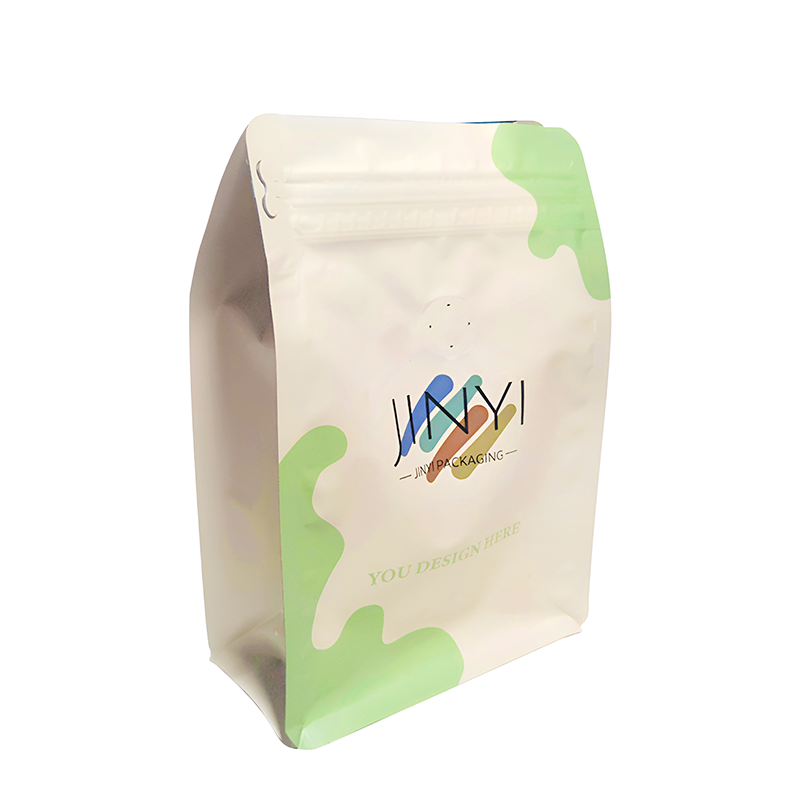
Pet food trust grows when claims are short, verifiable, and consistent with the real feeding experience. This article explains the “trust economy” behind nutrition claims and shows a simple evidence stack that reduces confusion. See how pet food packaging can support clearer claims and more stable delivery.

Pet food is a high-emotion category with a low-verifiability reality. Buyers care deeply, but they cannot test nutrition quality at the shelf. They rely on signals: claims, standards, and labeling cues. If those signals are clear and reliable, buyers stick. If those signals feel vague or inconsistent, buyers treat the brand as a one-time experiment.
What are buyers really “buying” when they buy nutrition claims?
Most buyers cannot evaluate nutrition before purchase, so they evaluate the claim. If the claim feels unclear, the product feels risky.
In the trust economy, a claim works like a shortcut: it reduces decision cost only when it is easy to understand and easy to verify.
Trust is not a feeling. Trust is a chain of verification.
In pet food, “nutrition claims” act like promises. They promise safety, fit, and long-term reliability. Buyers use claims to answer fast questions: “Is this complete nutrition for my pet’s life stage?” “Is this formula aligned with my pet’s needs?” “Is this brand credible when something goes wrong?” That is why trust can be modeled as a simple chain: verifiable promise, stable experience, repeat purchase. The chain breaks when a promise cannot be checked or when the feeding experience changes in a way the brand did not explain. Regulatory and industry resources treat labeling and claims as a formal category, which signals that claims are not only marketing language. In parallel, consumer research suggests buyers are more willing to try new brands under price pressure, but some buyers still avoid the lowest price when they distrust quality. That combination makes claim clarity even more important. If a brand cannot help a buyer verify meaning quickly, switching becomes easy and repeat purchase becomes fragile.
الأدلة (المصدر + السنة): FDA, Animal Food Labeling and Pet Food Claims (2025). NIQ consumer survey findings on price-driven switching and quality distrust (2024).
| Buyer question |
Claim type that answers it |
كيف يبدو مصطلح “قابل للتحقق” |
| “Is this nutritionally complete?” |
Nutritional adequacy |
Clear adequacy statement + life stage |
| “Is this right for my pet?” |
Ingredient / positioning |
Defined scope + what it is NOT |
| “Can I trust this brand?” |
Compliance / traceability |
Batch reference + clear handling info |
How do nutrition claims become repeat purchase instead of “try once”?
Repeat purchase happens when buyers can decode a label in seconds and feel the meaning stays true after feeding.
A practical approach is an “evidence stack”: 3-second readable signals plus one proof anchor that reduces uncertainty.
A simple evidence stack reduces confusion and stabilizes trust
Brands often lose repeat buyers because the label tries to do too much. A buyer sees “complete and balanced,” “grain-free,” “limited ingredient,” and “premium,” but does not know what is essential and what is optional. A more reliable approach is to standardize claims into a short structure that travels across shelf, e-commerce, and customer support. The first layer is “3-second information.” It should appear in a consistent order: life stage and purpose (puppy, adult maintenance, senior, growth), a key nutrition positioning that is not medical language (such as a simple protein and fiber direction and the intended feeding context), and one sentence that prevents misunderstanding (what the claim is NOT). The second layer is a single proof anchor. This can be a precise nutritional adequacy statement that specifies life stage and feeding basis, a traceable batch identifier that customer service can reference, or one third-party standard that can be verified. The goal is not more claims. The goal is fewer claims with clearer boundaries. Industry labeling resources emphasize definitions and required label elements, which supports using “structured clarity” rather than “claim stacking.”
الأدلة (المصدر + السنة): FDA explanation of “complete and balanced” meaning and intended feeding basis (2020). AAFCO consumer and labeling resources on adequacy statements and label elements (year as published/updated).
| Evidence stack layer |
ما الذي يجب عرضه |
Why it helps repeat purchase |
| 3-second field 1 |
Life stage & purpose |
Reduces “is this appropriate?” anxiety |
| 3-second field 2 |
Key nutrition positioning |
Sets a realistic expectation |
| 3-second field 3 |
What the claim is NOT |
Prevents buyer misinterpretation |
| One proof anchor |
Adequacy statement / batch reference / one standard |
Turns belief into verification |
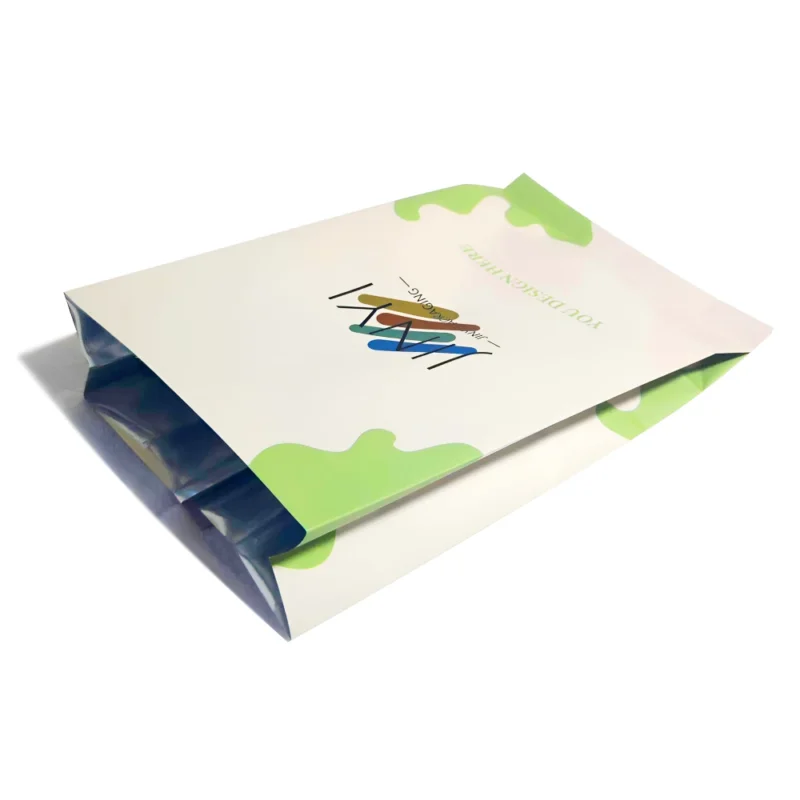
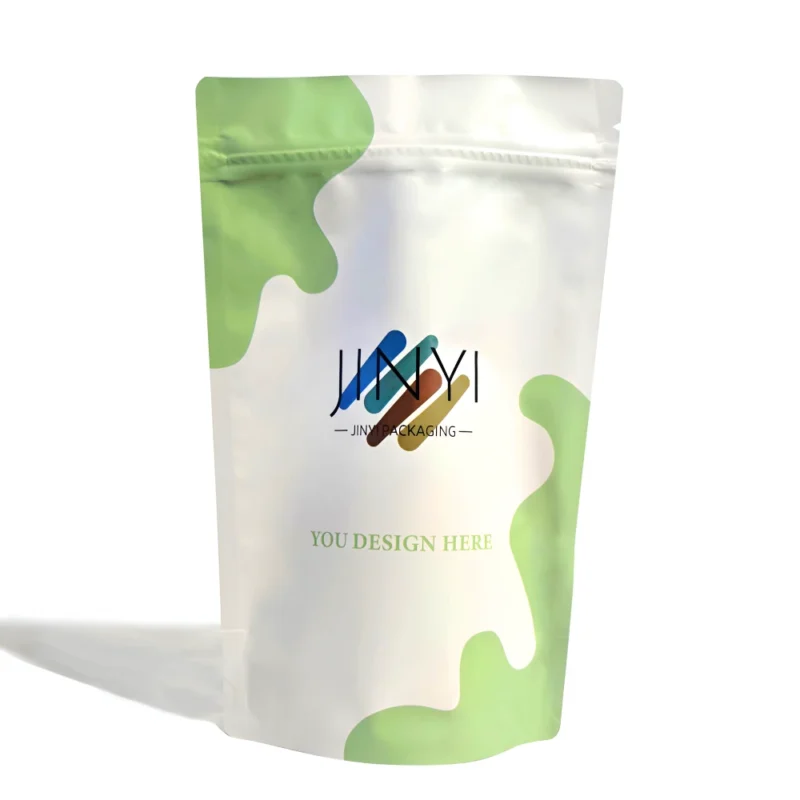
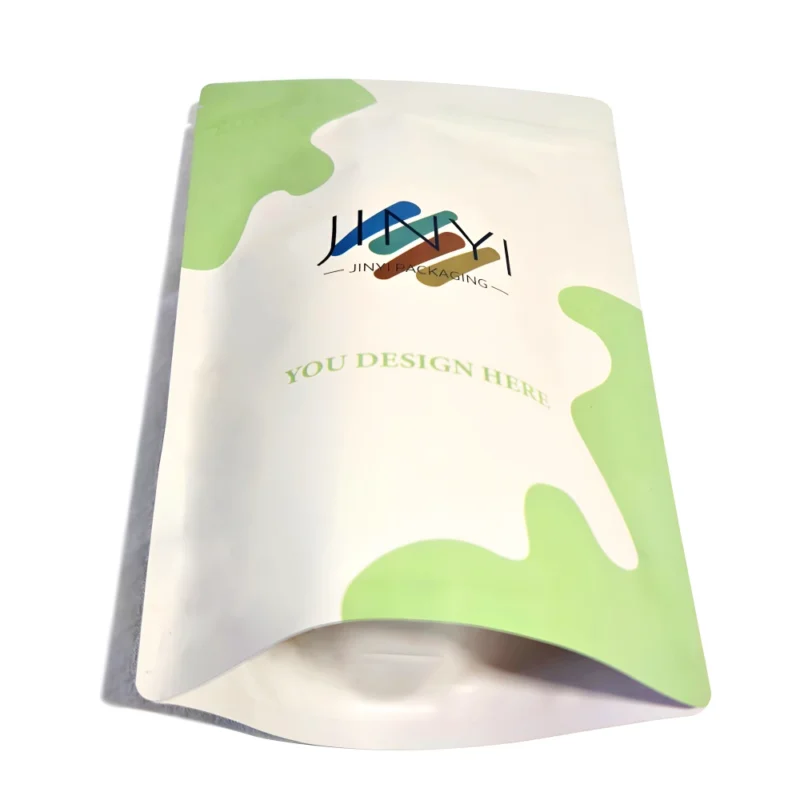
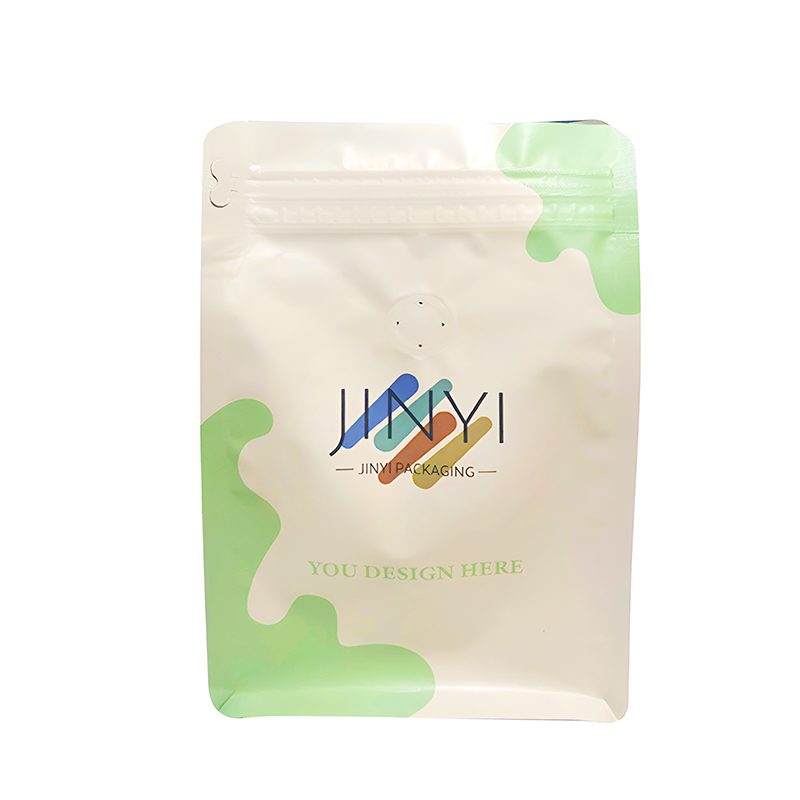
For brands that sell through multiple channels, this structure works best when the same wording and order appear on packaging, the product page, and customer support macros. This pet food packaging solution overview shows how packaging can carry these signals clearly and consistently across real distribution routes.
Where does the trust system break down between claims and repeat purchase?
Buyers do not abandon a brand because they dislike one claim. Buyers abandon a brand when the claim and the lived experience do not match.
Most breakdowns follow predictable patterns: definition confusion, weak proof, batch inconsistency, unstable pet response, and unclear value under price pressure.

Five failure modes that brands can verify and fix
First is definition confusion. The same term can mean different things to a consumer than to a formulator, and that gap creates disappointment. Brands can reduce this by adding a short boundary sentence for each major claim. Second is proof weakness. A claim can sound strong, but if the buyer cannot confirm any anchor, the claim feels like advertising. Third is consistency drift. If a product smells, looks, or performs differently across purchases, buyers infer the formula is unreliable, even if the brand considers the change acceptable. Fourth is experience instability. When palatability or stool outcomes change unexpectedly, buyers blame the brand’s nutrition reliability and stop repurchasing. Brands can reduce this risk by setting realistic expectations and providing clear transition guidance. Fifth is value breakdown. Under price pressure, buyers are more open to trying alternatives, but quality distrust still filters choices. When premium pricing is not tied to verifiable differences, buyers treat the premium as a “marketing tax.” Labeling guides and consumer resources emphasize clarity around definitions and label elements, which supports treating these failure modes as label-and-system issues, not only marketing issues.
الأدلة (المصدر + السنة): AAFCO pet food labeling guidance on claim definitions and label elements (year as published/updated). Packaged Facts consumer survey summary on pet food price anxiety (2024). NIQ consumer survey findings on switching under price pressure and quality distrust (2024).
| وضع الفشل |
What buyers experience |
Verification action |
إصلاح |
| الالتباس في التعريف |
“I thought it meant X” |
Claim boundary check |
Add a one-sentence scope statement |
| Weak proof |
“I cannot confirm this” |
Anchor presence check |
Keep one strong proof anchor |
| Consistency drift |
“Same product, different results” |
Batch variance tracking |
Set controls and explain allowed variance |
| Experience instability |
“My pet reacted differently” |
Transition and usage clarity |
Clear transition guidance + expectations |
| Value breakdown |
“Not worth the price” |
Premium justification audit |
Tie premium to verifiable differences |
What role can packaging play without crossing into nutrition advice?
Nutrition science is not a packaging topic, but trust delivery is. Packaging can protect clarity and reduce avoidable experience failures.
Packaging supports the trust economy when it makes claims readable and helps preserve product stability during storage and transit.
Packaging as a delivery interface for claims and experience
As a flexible packaging manufacturer, we do not evaluate whether a nutrition theory is right or wrong. We focus on whether the product experience and the buyer’s understanding can remain stable through real routes. Packaging supports trust in two practical ways. First, packaging supports information accuracy. It gives brands a structured space to present adequacy statements, feeding basis, batch references, and handling guidance in a way that is harder to misread. If a buyer can find the key statements quickly, customer support becomes simpler and disputes become less frequent. Second, packaging supports experience stability. Pet food can be sensitive to moisture uptake, odor change, and handling damage. When those issues happen, buyers often interpret them as “formula inconsistency,” even if the issue is distribution-related. Packaging that performs consistently can reduce avoidable experience drift, which helps claims stay credible. Label modernization work emphasizes clearer nutrition information and clearer handling and storage guidance, which reinforces the idea that packaging is part of the trust system, not only a container.
الأدلة (المصدر + السنة): AAFCO Pet Food Label Modernization updates emphasizing clearer nutrition information and clearer storage/handling communication (2023). FDA overview of pet food regulatory responsibilities for safety and labeling (2022).
| وظيفة في مجال التغليف |
Trust risk it reduces |
Claim-related outcome |
| الوضوح |
Misinterpretation of terms |
Claims become readable and testable |
| Stability |
Route-driven quality drift |
Fewer “inconsistent” repurchase complaints |
| مرجع التتبع |
المنازعات واستدعاء اللبس |
التحقق القائم على الدُفعات ممكن |

الخاتمة
ينمو الشراء المتكرر عندما تكون المطالبات قصيرة وقابلة للتحقق ومتسقة مع نتائج التغذية الحقيقية. قلل من الارتباك، وحافظ على مرساة إثبات واحدة، وحافظ على استقرار التجربة عبر المسارات.
تحدث إلى JINYI عن التغليف الذي يدعم إشارات الثقة في أغذية الحيوانات الأليفة
الأسئلة الشائعة
1) What does “complete and balanced” actually mean on a pet food label?
يشير عمومًا إلى الكفاية الغذائية لمرحلة عمرية محددة وما إذا كان الغذاء مخصصًا كغذاء وحيد أو للتغذية التكميلية، استنادًا إلى بيان الكفاية.
2) Why do buyers switch pet food brands even when they like the story?
يتحول المشترون عندما يكون معنى المطالبة غير واضح أو عندما تصبح تجربة التغذية غير متسقة. وتحت ضغط الأسعار، يصبح التبديل أكثر شيوعًا أيضًا.
3) What is the simplest “proof anchor” a brand can add without clutter?
غالبًا ما يكون بيان الكفاية الغذائية الواضحة لمرحلة الحياة الصحيحة أو مرجع دفعة يمكن لخدمة العملاء التحقق منه كمرساة قوية واحدة.
4) Why do ingredient claims like “grain-free” or “limited ingredient” cause confusion?
يفسرها العديد من المشترين على أنها صحية بشكل عام، لكن هذه الادعاءات تحتاج إلى نطاق وسياق. يقلل بيان الحدود المكون من جملة واحدة من سوء القراءة.
5) How can packaging support trust without making nutrition promises?
تدعم العبوة الثقة من خلال تحسين وضوح الملصق، وتحمل مراجع التحقق، وتقلل من انحراف التجربة التي تعتمد على المسار الذي غالبًا ما يلقي المشترون باللوم فيه على الصيغة.
دوري
نبذة عنا
العلامة التجارية: جينيي
الشعار: من فيلم إلى فيلم منتهي الصلاحية.
الموقع الإلكتروني: https://jinyipackage.com/
مهمتنا:
JINYI هي شركة تصنيع مصدر متخصصة في التغليف المرن. يركز الفريق على تقديم عبوات موثوقة وعملية بحيث تقلل العلامات التجارية من تكلفة الاتصالات، وتحصل على جودة يمكن التنبؤ بها، وتُطابق أداء التغليف مع الطرق الحقيقية والاستخدام الحقيقي.
نبذة عنا:
JINYI هي شركة تصنيع مصدر متخصصة في حلول التعبئة والتغليف المرنة المخصصة، مع أكثر من 15 عامًا من الخبرة في الإنتاج التي تخدم الأغذية والوجبات الخفيفة وأغذية الحيوانات الأليفة والعلامات التجارية الاستهلاكية اليومية.
تدير شركة JINYI منشأة تصنيع موحدة مجهزة بخطوط طباعة بالحفر متعددة وأنظمة طباعة رقمية متطورة من HP، مما يدعم كلاً من الطلبات المستقرة ذات الأحجام الكبيرة والطلبات القصيرة المرنة بجودة ثابتة.
بدءًا من اختيار المواد إلى الأكياس الجاهزة، تركز JINYI على التحكم في العملية وقابلية التكرار والأداء في العالم الحقيقي بحيث تعمل العبوات بشكل موثوق على الرف وفي أثناء النقل والاستخدام النهائي.