
Explore Sustainable Packaging Options

Explore different material options based on your product protection, performance, and sustainability requirements.

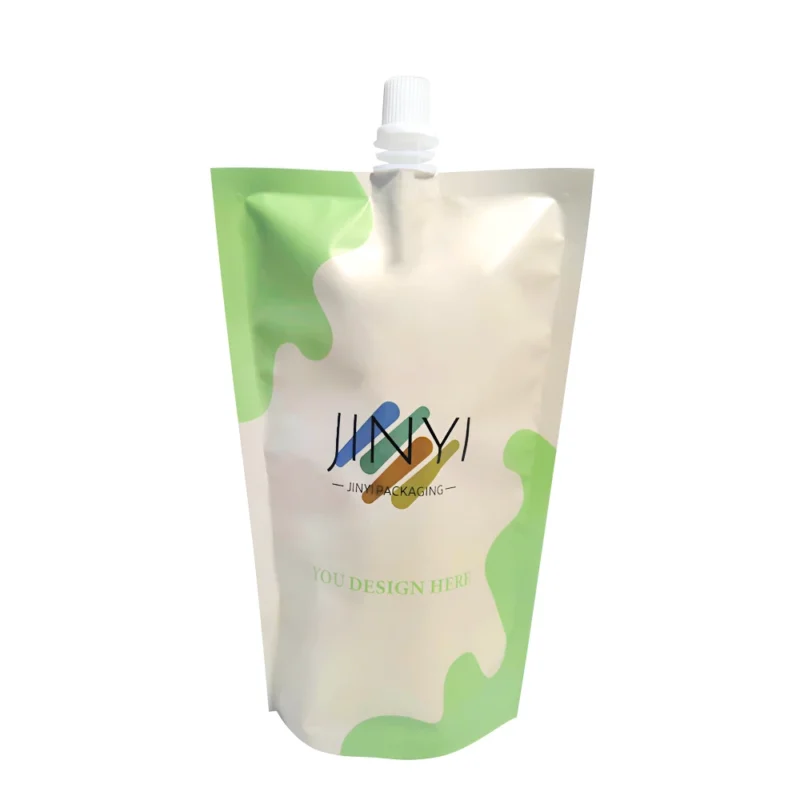
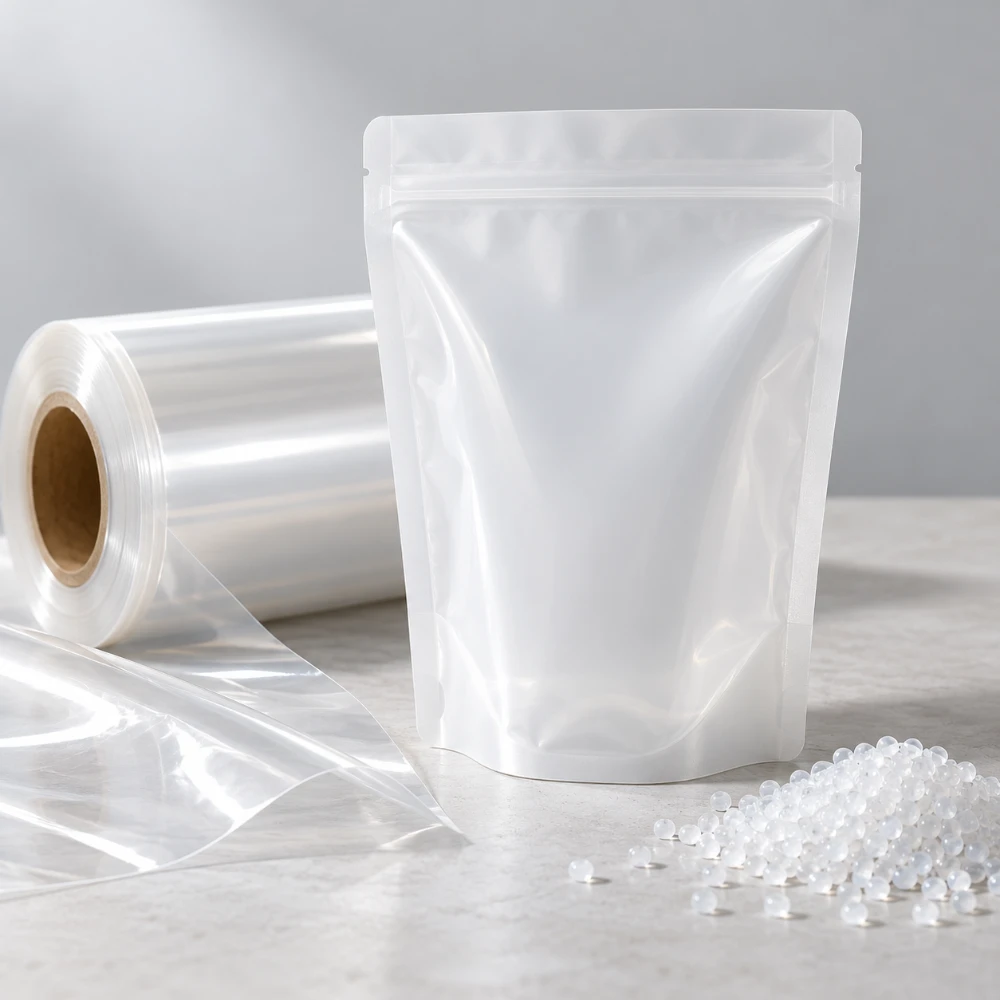
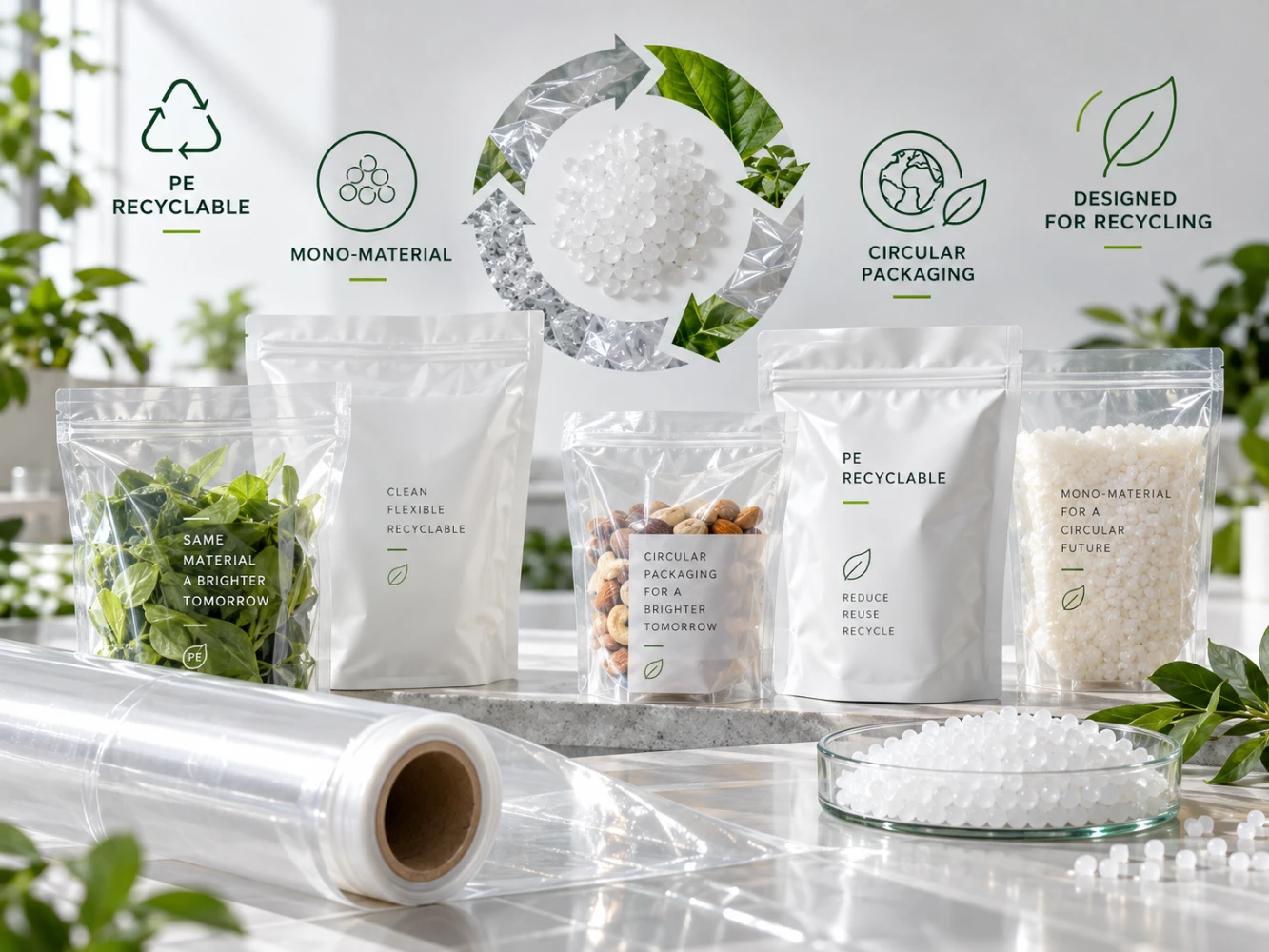
White flexible packaging pouch displayed with packaging film and materials to represent recyclable packaging solutions.

Recyclable Packaging

Explore recyclable PE packaging options designed to balance product protection, barrier performance, and recycling compatibility.

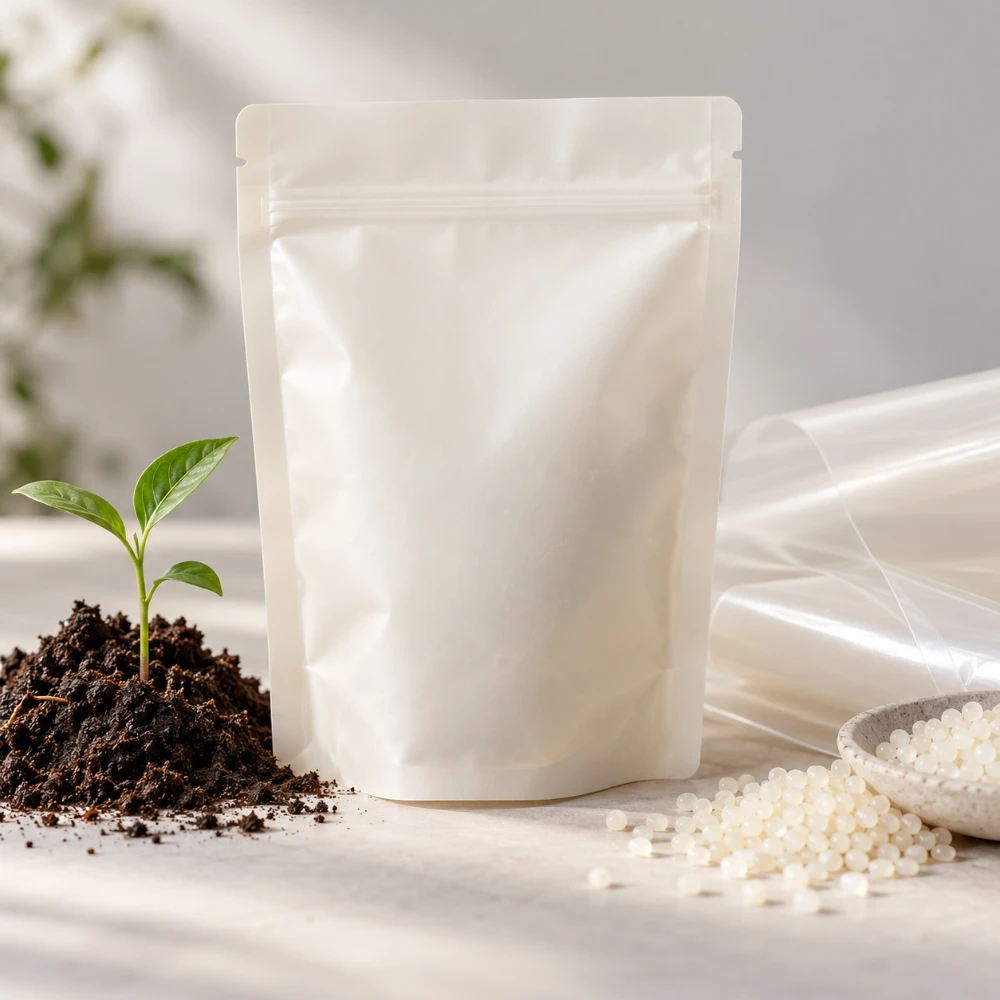
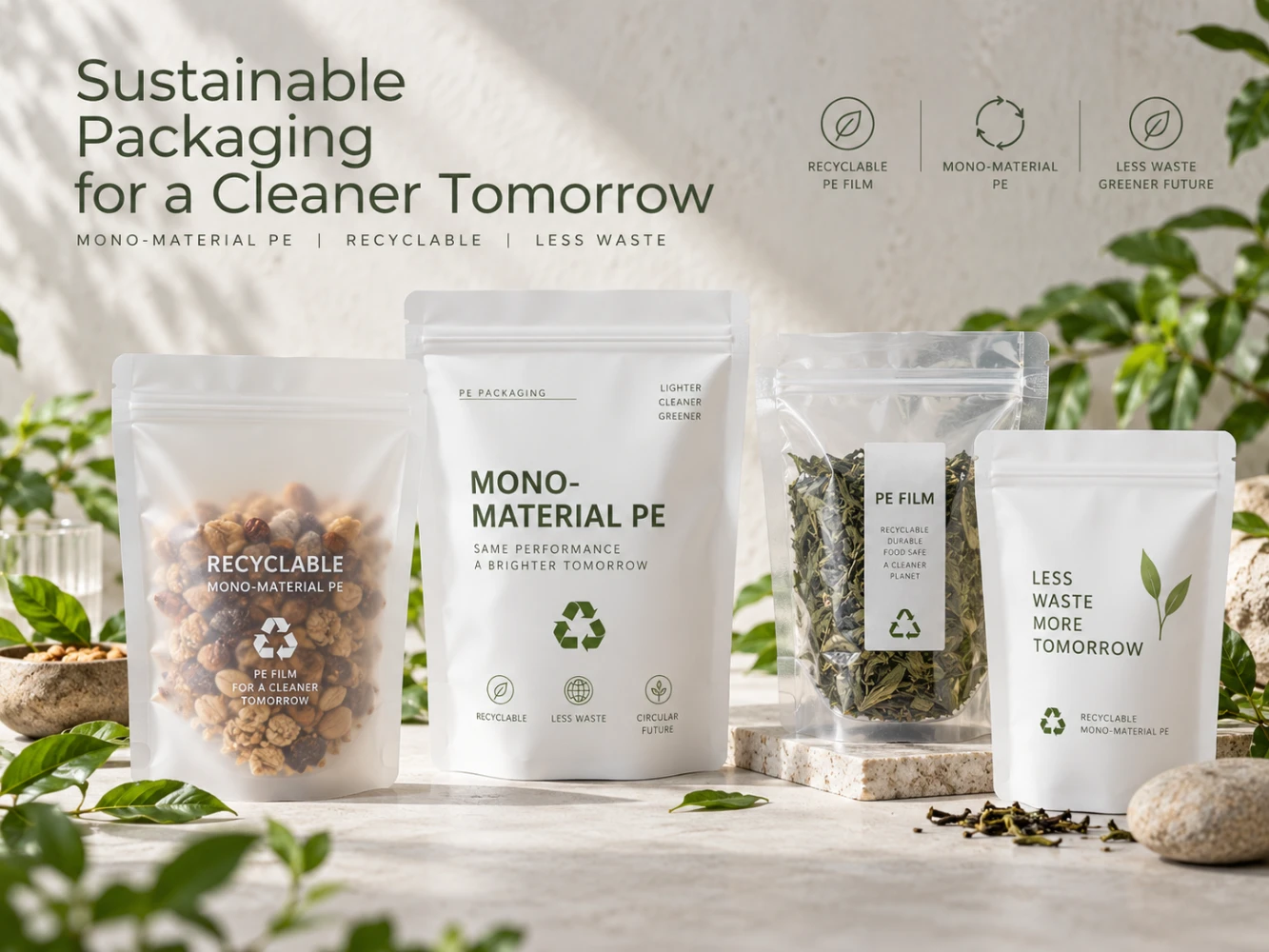
Minimal white flexible pouch displayed with natural materials to illustrate compostable packaging options.

Compostable Packaging

Explore compostable packaging materials while considering product protection, applicable standards, and suitable composting conditions.

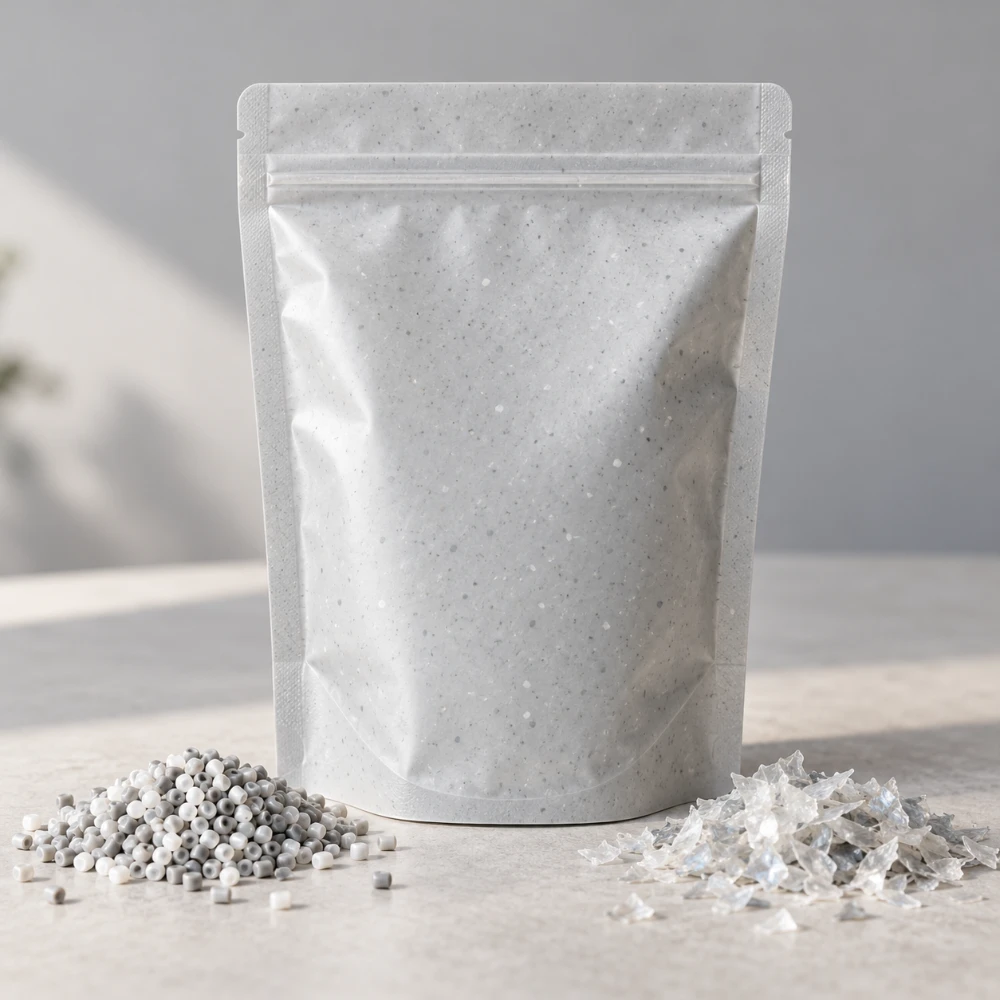
Gray flexible packaging pouch with plastic resin pellets, illustrating recycled-content PCR packaging materials.

Recycled-Content (PCR) Packaging

Explore packaging options incorporating post-consumer recycled (PCR) materials, with attention to material traceability, performance, and regulatory requirements.

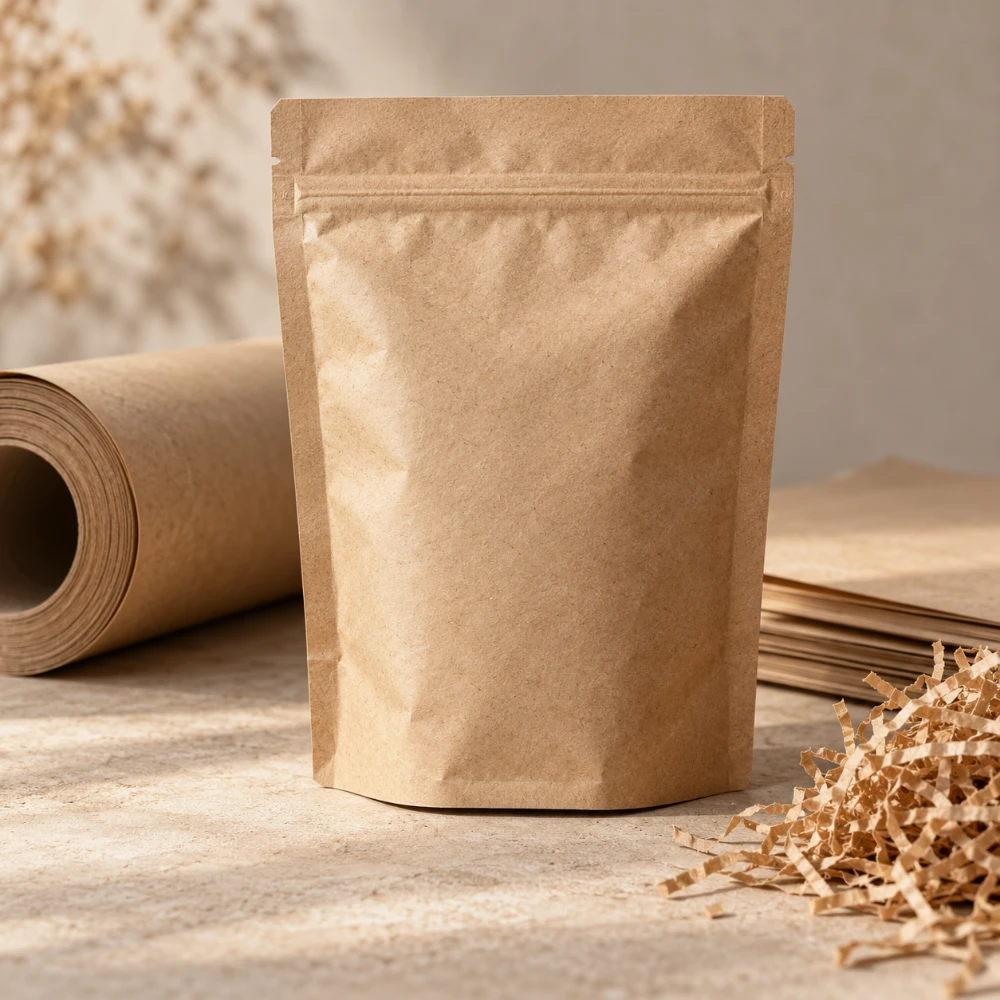
Natural brown kraft paper packaging pouch displayed with paper-based materials in a neutral setting.

Paper-Based Packaging

Explore paper-based packaging solutions designed around product protection, material composition, and recycling considerations.


MATERIALS & TECHNICAL SOLUTIONS

Build the Right Structure
Around Your Product

Sustainable packaging requires more than choosing a material. We help brands evaluate film structures based on product protection, barrier requirements, sealing performance, and recycling considerations.

PE/PE & MDO-PE/PE

PE-based film structures can support flexible packaging applications requiring printability, durability, and reliable heat sealing. Recycling compatibility depends on the complete packaging construction and local recycling systems.

PE/EVOH/PE

EVOH can provide enhanced oxygen barrier performance within a PE-based structure. Its suitability depends on layer composition, barrier targets, processing conditions, and recycling compatibility assessment.

Materialaufbau


5-LAYER EXAMPLE

Conceptual illustration of a PE / EVOH / PE barrier structure.

OUTER SURFACE


PE


Outer Film Layer


Tie Layer


Layer Bonding


EVOH


Oxygen Barrier


Tie Layer


Layer Bonding


PE


Inner Sealing Layer

PRODUCT CONTACT SIDE

KEY EVALUATION FACTORS

Oxygen and moisture barrier performance (OTR / WVTR), seal integrity, product compatibility, and end-market recycling requirements must be evaluated for the final packaging structure.

Technical note: Material layers shown are illustrative only. Actual film specifications, barrier performance, food-contact suitability, and recyclability require verification against the intended application and relevant standards.

MATERIAL COMPARISON

Compare Sustainable Packaging Materials

Every packaging material has different strengths and limitations. Compare barrier performance, applications, sustainability considerations, and validation requirements to make an informed material choice.

Material Option Barrier & Performance Potential Applications Sustainability Considerations What to Verify
PE-Based Packaging
PE/PE · MDO-PE/PE · PE/EVOH/PE
Heat-sealing and moisture protection can be suitable for many applications. Oxygen barrier performance depends on the film structure and any additional barrier layers. Food, coffee, snacks, pet food, and personal care products. PE-focused structures may support design-for-recycling goals. Actual compatibility depends on all layers, additives, and the target recycling system. OTR, WVTR, seal strength, complete material composition, and recycling compatibility.
Compostable Packaging
Compostable Film Structures
Barrier properties, heat resistance, and sealing performance vary significantly with the formulation and material thickness. Selected dry goods and other applications where the required protection can be achieved. Industrial and home composting are different. Compostability must be supported by appropriate evidence and suitable disposal conditions. Relevant compostability standards, supporting certificates, barrier properties, and product suitability.
PCR Packaging
Post-Consumer Recycled Content
Mechanical properties, appearance, and barrier performance depend on the recycled material quality and overall film construction. Selected non-food applications and other uses permitted by applicable regulations. Recycled content is not the same as recyclability. PCR percentage, source, and traceability must be substantiated. PCR content, supplier traceability, mechanical performance, and applicable contact regulations.
Paper-Based Packaging
Paper & Paper-Laminate Structures
Moisture, oxygen, and grease resistance depend on coatings, laminations, and any functional barrier layers. Retail goods, dry products, and selected food applications where performance requirements can be met. Paper appearance does not guarantee recyclability. Coatings, adhesives, and plastic layers can affect the recycling pathway. Paper composition, coating type, barrier performance, recyclability evidence, and relevant sourcing claims.
Important: This comparison provides general material guidance, not verified specifications for individual JINYI products. Final material selection, environmental claims, regulatory suitability, and barrier performance must be confirmed using the relevant structure, test data, and intended market requirements.

Sustainable Packaging for Different Industries

Explore packaging material options for coffee, food, pet food, personal care, and retail applications, with consideration for product protection, performance, and sustainability requirements.

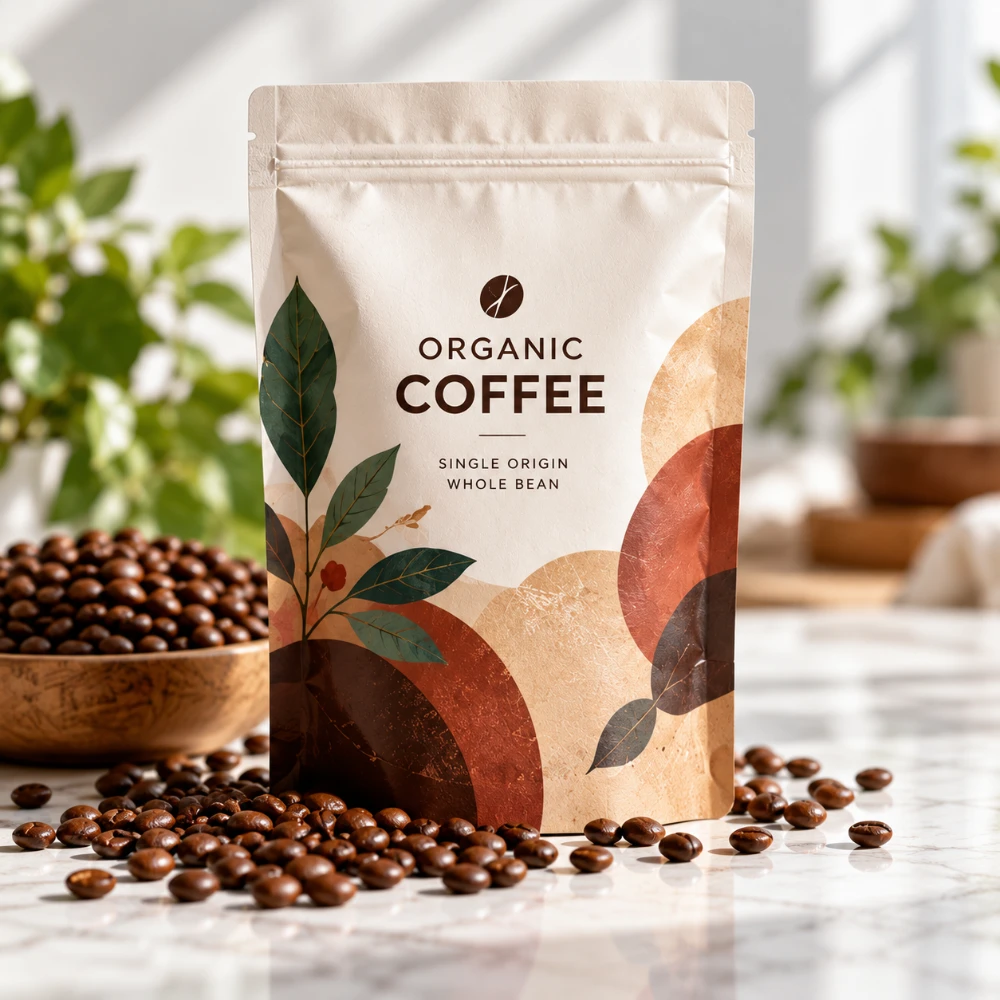
Custom printed coffee packaging pouch displayed with roasted coffee beans and natural botanical elements.

Coffee Packaging

Explore sustainable packaging options for coffee beans and ground coffee, with attention to aroma protection, oxygen barriers, and freshness requirements.

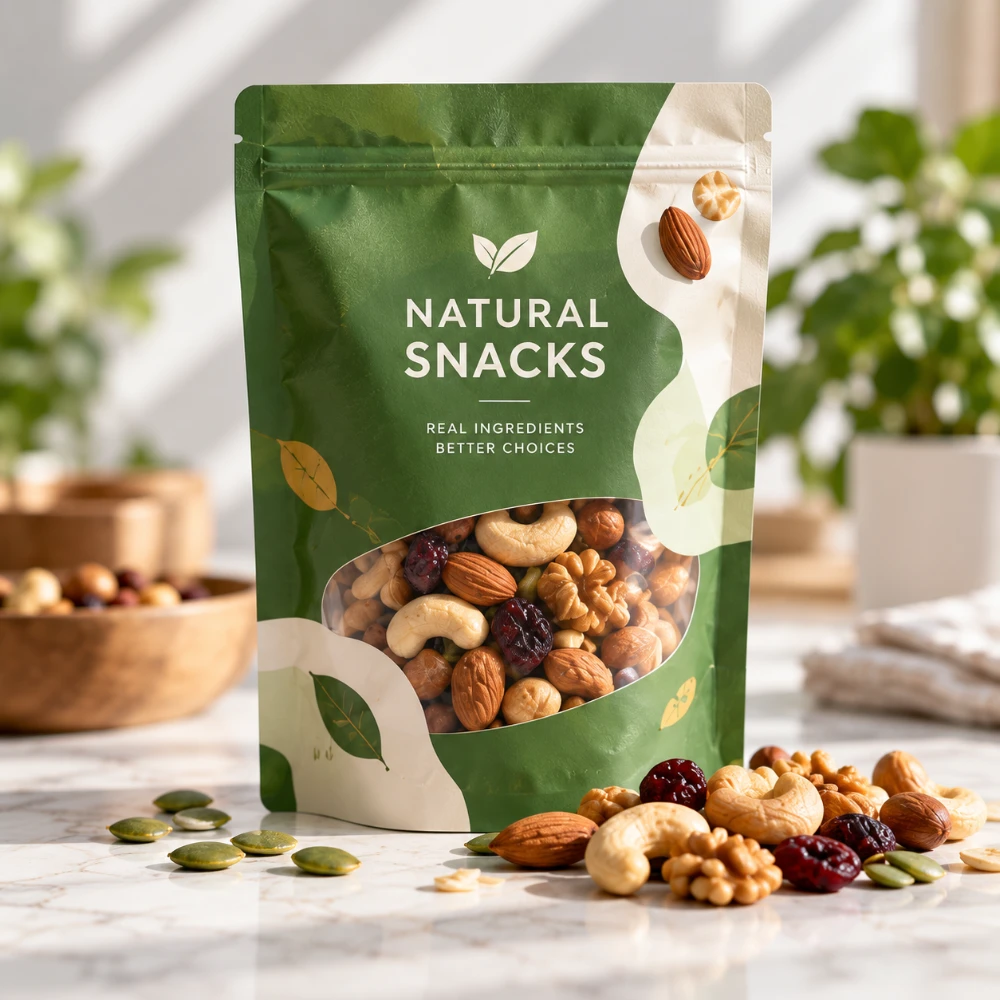
Green custom printed snack packaging pouch displayed with food ingredients in a natural setting.

Food & Snacks Packaging

Discover packaging material options for snacks, dried foods, and other food products, balancing product protection, shelf life, and sustainability goals.

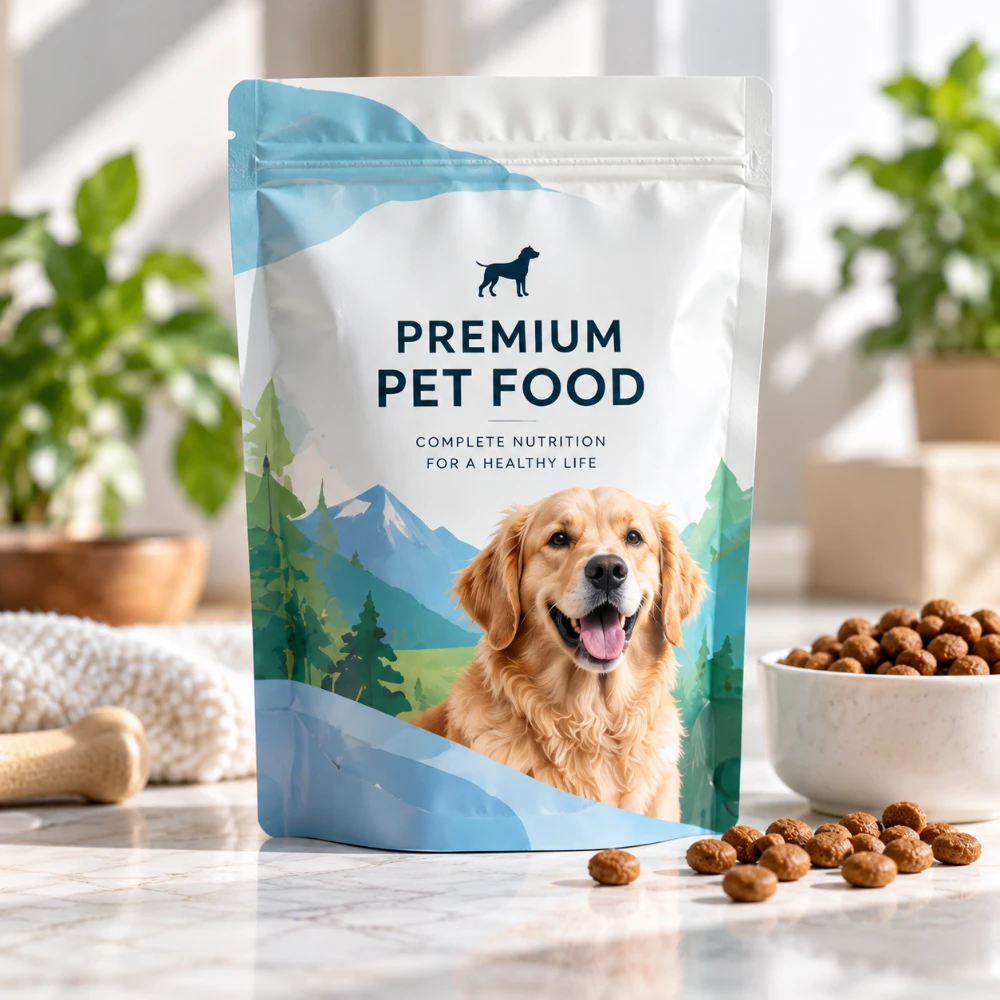
Custom pet food packaging pouch with printed branding, displayed in a natural setting with pet food.

Pet Food Packaging

Explore sustainable packaging options for pet food and treats, considering moisture protection, seal integrity, and product storage requirements.

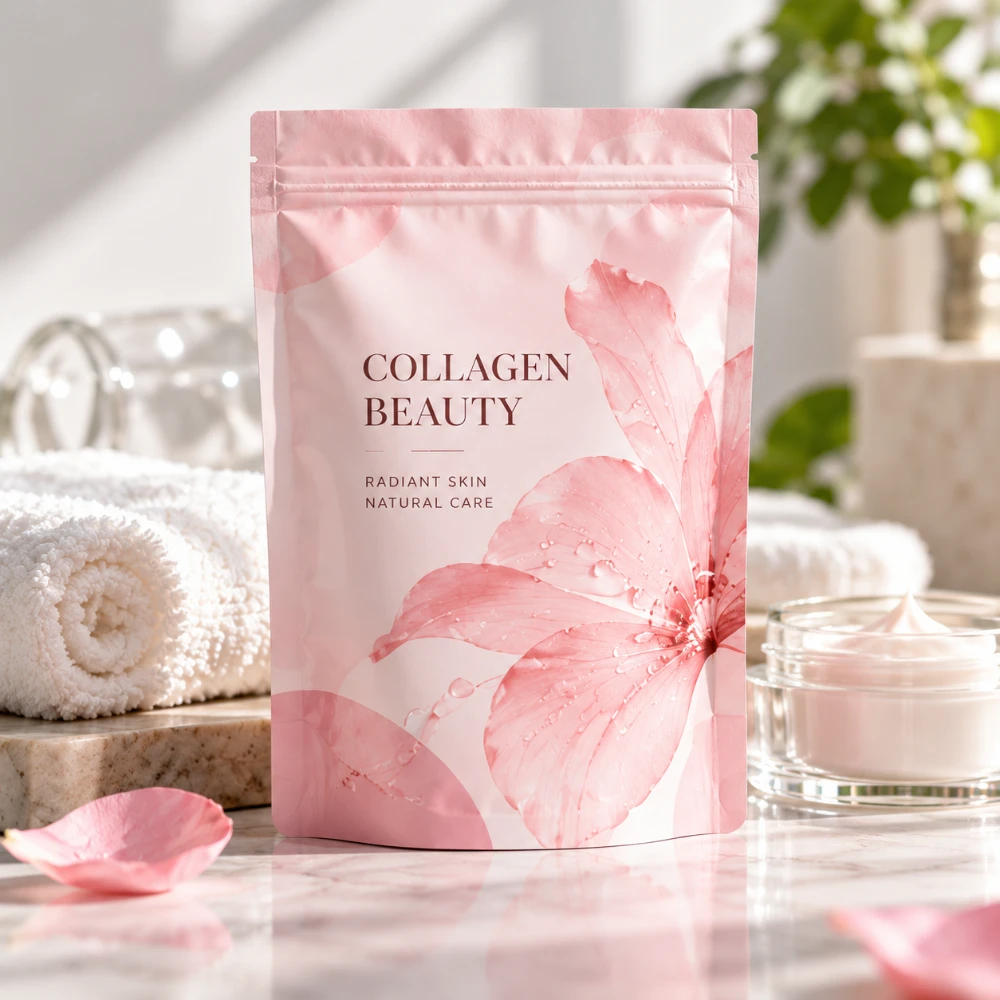
Pink flexible packaging pouch for personal care and beauty products, presented with a clean, natural aesthetic.

Personal Care Packaging

Explore sustainable packaging options for skincare, cosmetics, and personal care products, considering formulation compatibility, barrier requirements, and sealing performance.

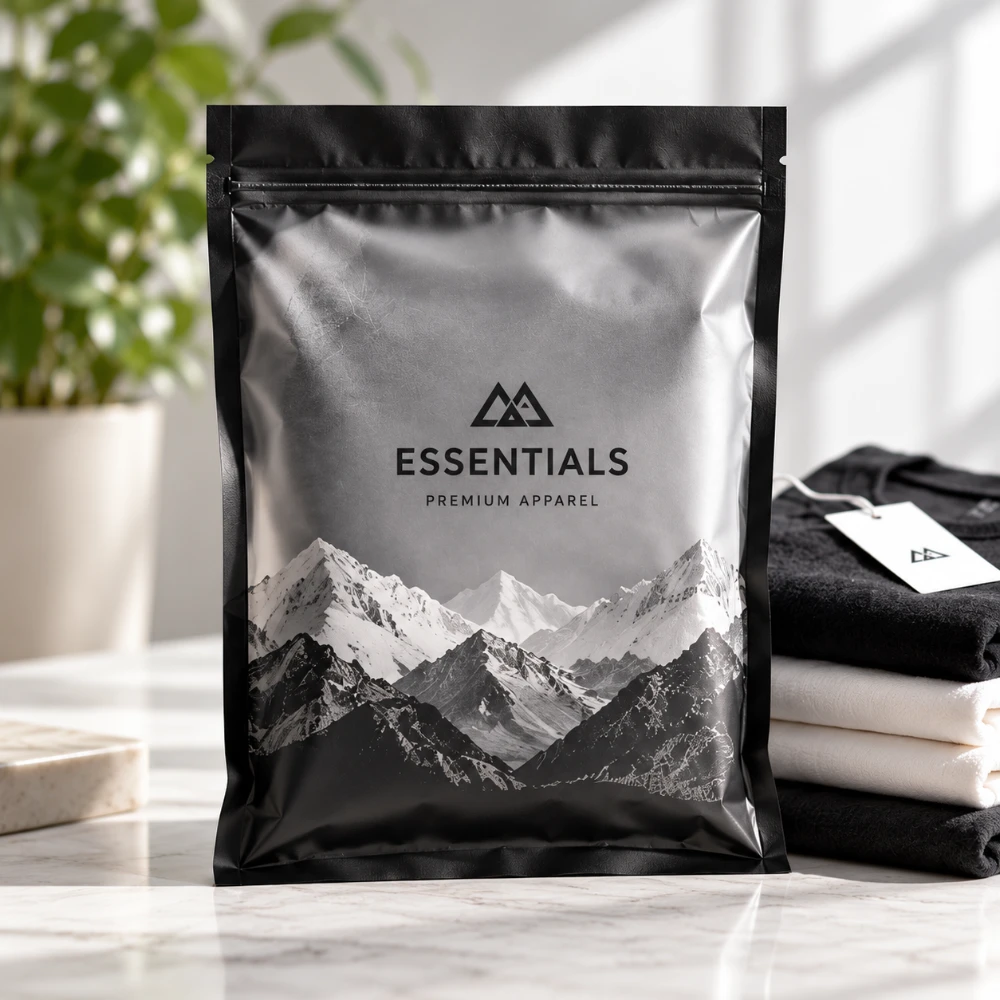
Black custom retail packaging pouch with premium printed design, showcasing sustainable packaging options for retail brands.

Einzelhandelsverpackungen

Discover packaging material options for retail and lifestyle products, balancing brand presentation, durability, and sustainability requirements.

OUR CUSTOM PACKAGING PROCESS

From Your Brief to Production

JINYI helps brands develop practical packaging solutions through material evaluation, technical coordination, sampling, and production planning.

01

Define Your Requirements

Share your product type, packaging format, target capacity, required shelf life, destination market, and sustainability objectives.

02

Evaluate Material Options

Review suitable material structures, barrier requirements, sealing performance, environmental considerations, and production feasibility.

03

Sampling & Validation

Arrange samples where needed and review packaging suitability, dimensions, appearance, and relevant technical evidence before final approval.

04

Approval & Production

After confirming material specifications, artwork, and order details, JINYI coordinates production requirements, quality control, and shipment arrangements.

TESTING, EVIDENCE & PRODUCTION REVIEW

Evidence Before Environmental Claims

Understand what the proposed material contains, how the finished packaging performs, and which environmental claims the supporting evidence can substantiate.

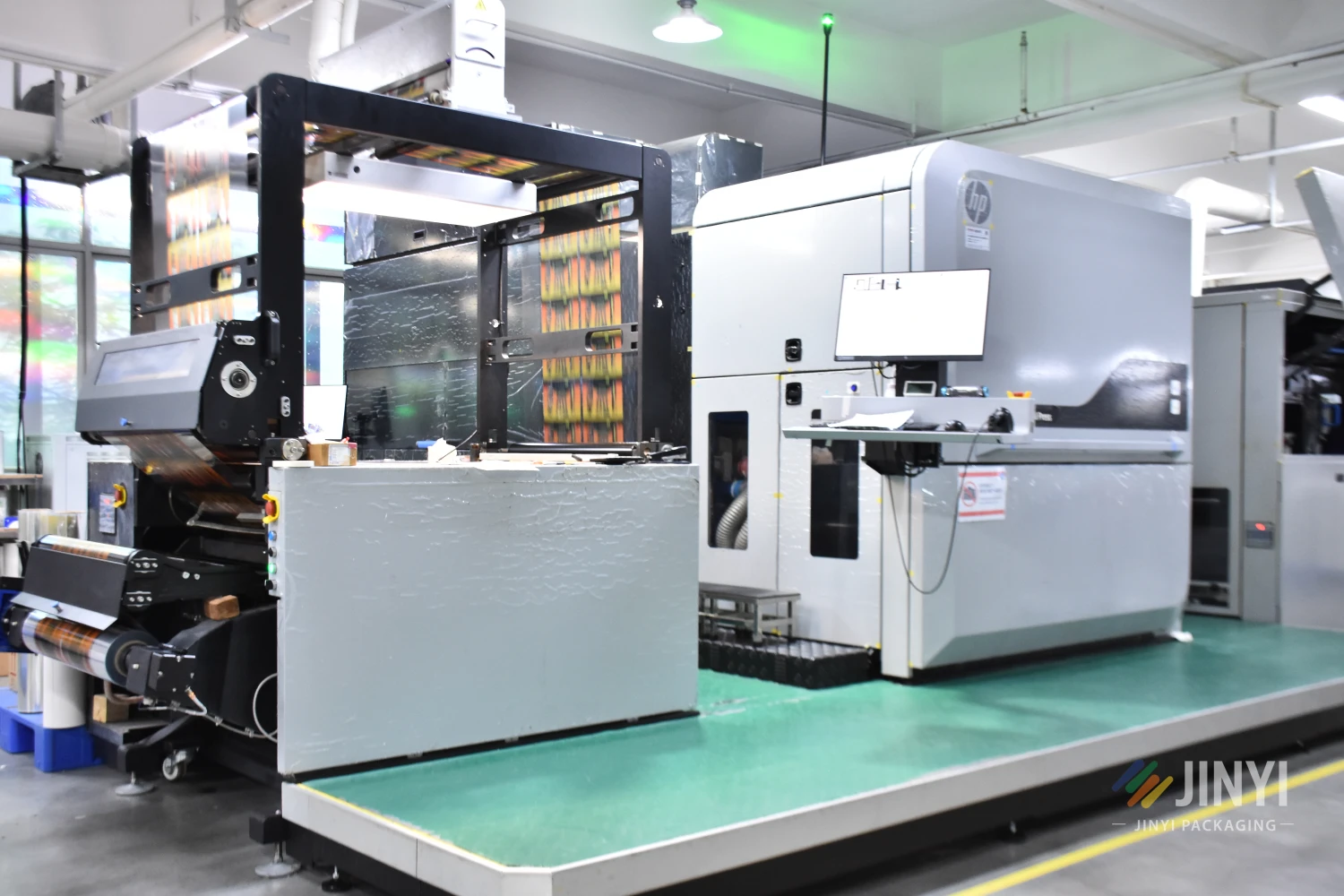
HP digital printing press used for custom flexible packaging production

FROM MATERIAL CHOICE TO PRODUCTION FIT

Evaluate Material Suitability Throughout the Packaging Process

Material selection is only the beginning. Printing compatibility, lamination, sealing performance, and filling conditions can all influence the suitability of the finished packaging.

JINYI helps coordinate technical requirements with production partners so that proposed materials and finished packaging can be evaluated against the customer’s intended application before final approval.

01

Material Specifications

Review proposed film grades, layer composition, thickness, coatings, adhesives, and sealing structures. Confirm that the specifications match the intended packaging application.

02

Performance Testing

Evaluate relevant OTR, WVTR, seal strength, and leak-resistance data where required. Testing conditions and the final packaging structure must be considered.

03

Traceability & Intended Use

Verify material sources, recycled-content percentages where applicable, supplier documentation, and intended product-contact conditions. Requirements vary by product and market.
04

Certification & Claims

Check applicable standards, certificate validity, material coverage, and target markets. Environmental claims should be supported by relevant, product-specific evidence.
Have a target standard or retailer requirement?


Share Your Brief

Sustainable Packaging Knowledge Hub

Explore practical guides on recyclable materials, barrier performance, and sustainable packaging solutions to make informed packaging decisions.

Kann ein Beutel aus reinem PE weiterhin eine hohe Barrierewirkung bieten?

Kann ein recycelbarer PE-Beutel aus einem einzigen Material sauerstoff- und feuchtigkeitsempfindliche Lebensmittel schützen? Mark erklärt die Barriere...

Was macht einen flexiblen Beutel recycelbar? Ein Werksingenieur erklärt jede Schicht

Bei einem recycelbaren Beutel kommt es auf mehr als nur die Hauptfolie an. Mark erklärt, wie PE-Schichten ….


SUSTAINABILITY COMMITMENT


Packaging with a Smaller Footprint

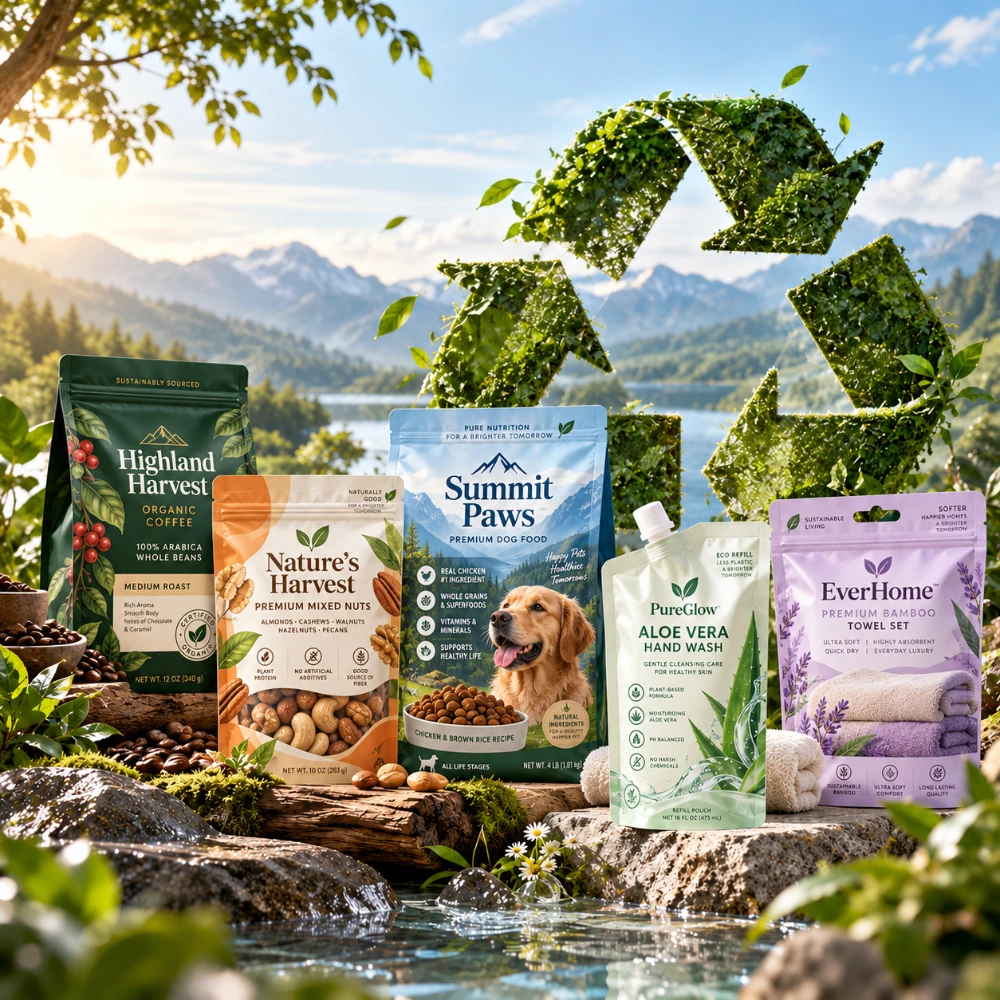
Assorted sustainable packaging concepts displayed among plants and natural materials, representing responsible packaging choices.

FOR A GREENER TOMORROW

Sustainable Packaging for a Better Future

We offer customized sustainable packaging solutions, including recyclable PE pouches, compostable materials, recycled-content (PCR) packaging, and paper-based alternatives.

☘

Eco-Friendly Materials

Recyclable, compostable, and bio-based options.

♻︎

Reduced Environmental Impact

Lower carbon footprint through sustainable design.

✓

Reliable Performance

Sustainable solutions without compromising protection.

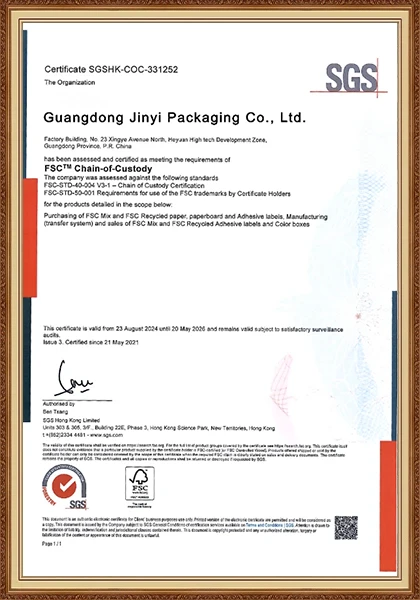
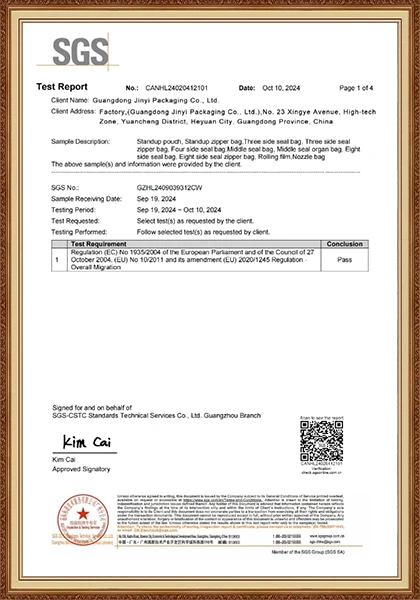
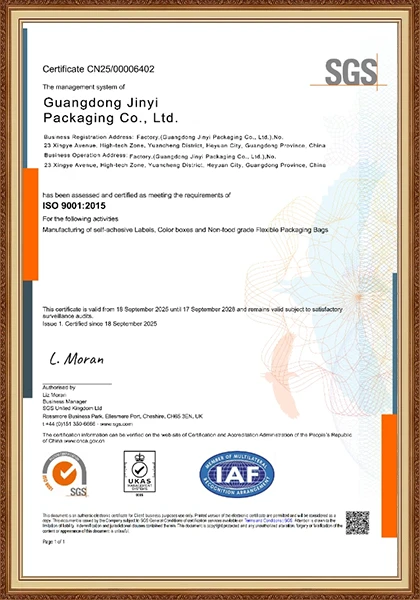
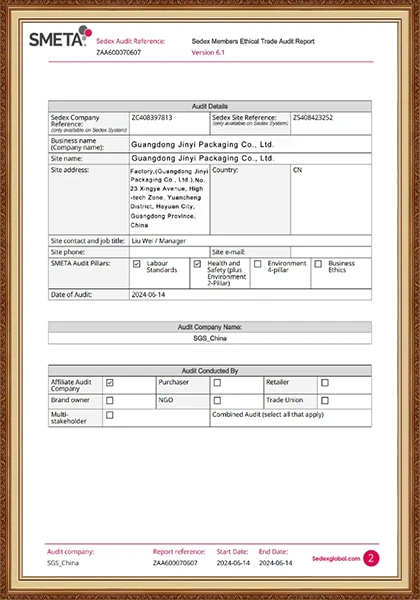
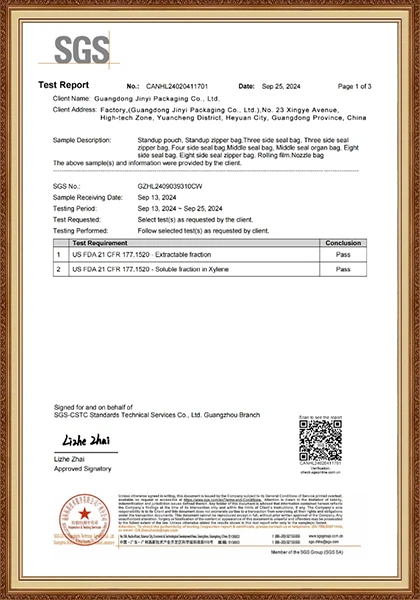
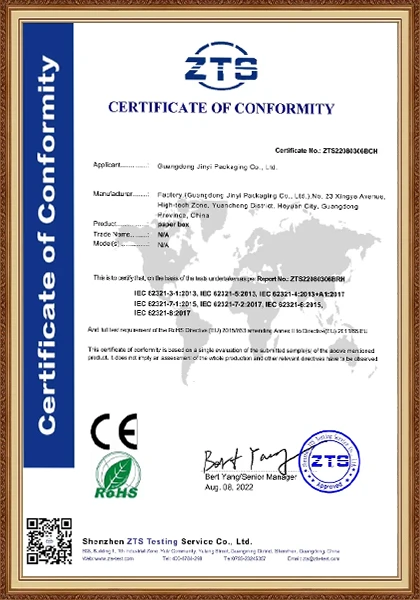
Verbindliche Zertifikate

Zertifikat img 1
Zertifikat img 2
Zertifikat img 3
Zertifikat img 4
Zertifikat img 5
Zertifikat img 6

Nachhaltige Verpackungen FAQs

Find clear answers to common questions about recyclable materials, compostable packaging, barrier performance, and sustainable packaging selection.

Materials · Performance · Einhaltung der Vorschriften

Practical guidance for better packaging decisions.

No. Recyclable packaging is designed for collection, sorting, and reprocessing through suitable recycling systems. Compostable packaging is designed to break down under specific composting conditions and must meet applicable standards.

These are different sustainability approaches. Whether a package is recyclable or compostable depends on its complete material structure, supporting evidence, and available disposal infrastructure.

Potentially, yes. PE-based packaging can be designed with enhanced barrier performance through film orientation, specialized coatings, or selected barrier layers such as EVOH.

However, oxygen barrier performance, moisture protection, and recycling compatibility depend on the complete film structure. OTR, WVTR, and recycling compatibility should be evaluated using relevant test data before selecting the final packaging material.

No. Paper-based packaging is not automatically recyclable. Many paper packaging structures contain plastic films, barrier coatings, adhesives, or other materials that may affect their suitability for paper recycling systems.

Recyclability depends on the complete packaging construction and the capabilities of the intended recycling infrastructure. FSC certification, where applicable, concerns responsible fiber sourcing and does not by itself guarantee that the finished packaging is recyclable.

In some cases, yes, but food-contact suitability cannot be assumed. The use of post-consumer recycled (PCR) materials in food packaging depends on the polymer type, recycling process, material source, intended application, and applicable regulations in the destination market.

Relevant compliance documentation, safety assessments, and regulatory authorizations may be required. The proposed PCR packaging structure should be evaluated before any food-contact claims are made.

Start by identifying your product type, target fill weight or volume, required shelf life, barrier requirements, filling conditions, and destination market.

Then compare suitable recyclable, compostable, recycled-content, and paper-based packaging options against your sustainability objectives and performance needs.

JINYI can help review your packaging requirements and discuss suitable material structures with production partners. Final specifications should be confirmed through relevant technical documentation and testing where necessary.

Still Have Questions About Your Packaging?

Share your product requirements and let us help you explore suitable sustainable packaging materials and structures.