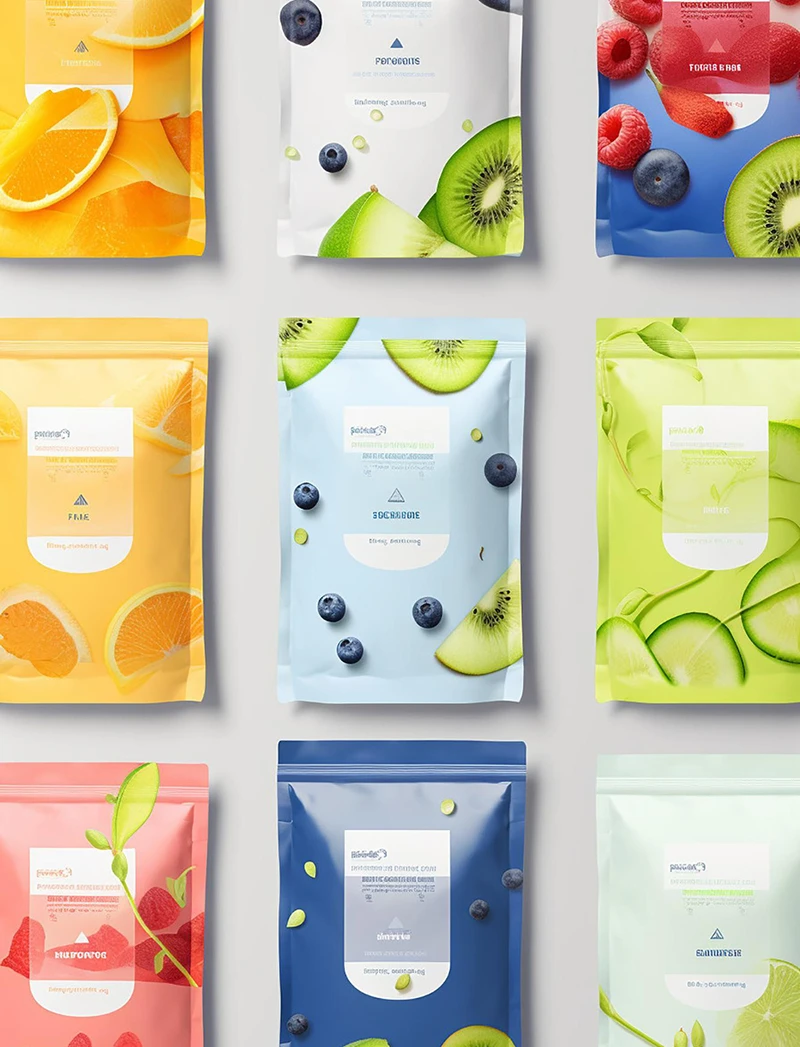
Rouleaux de haute performance conçus pour la vitesse, la cohérence et la production d'emballages évolutifs.
Sac en Mylar découpé à l'emporte-pièce
Présence en rayon à fort impact avec une forte protection de la barrière pour garder les produits frais et prêts pour la conformité.
Pochettes plates
Un format peu encombrant et rentable qui offre des performances de scellage fiables pour la vente au détail et l'expédition au quotidien.
Pochettes à bec liquide
Emballage résistant aux fuites, facile à verser, qui améliore le confort de l'utilisateur et réduit le désordre lors de la livraison.
Emballage des sacs d'oreillers
Emballage léger, rapide à emballer, de type sachet, idéal pour les produits en grande quantité et les marques propres.
Pochette Quad Seal
Stabilité semblable à celle d'une boîte avec un attrait de premier ordre en rayon - idéal pour les remplissages plus lourds et un aspect plus “droit”.
Sacs à soufflets latéraux
Sacs de grande capacité, peu encombrants, qui maximisent le volume de remplissage tout en conservant une forme propre et structurée.
Sacs à dos
L'un des formats à la croissance la plus rapide - combinant une forte présentation en rayon, des frais de transport réduits et une grande protection de la fraîcheur.
Sacs à fond plat
Boîte à bijoux à tiroir
Boîtes à bijoux à tiroir pour un déballage de première qualité et une protection rigide.
Boîte à bijoux à couvercle rabattable
Boîtes à bijoux à couvercle rabattable, de construction rigide et de présentation luxueuse.
Étui rigide rétractable en deux parties
Boîtes rigides en deux parties pour une protection et une présentation de luxe.
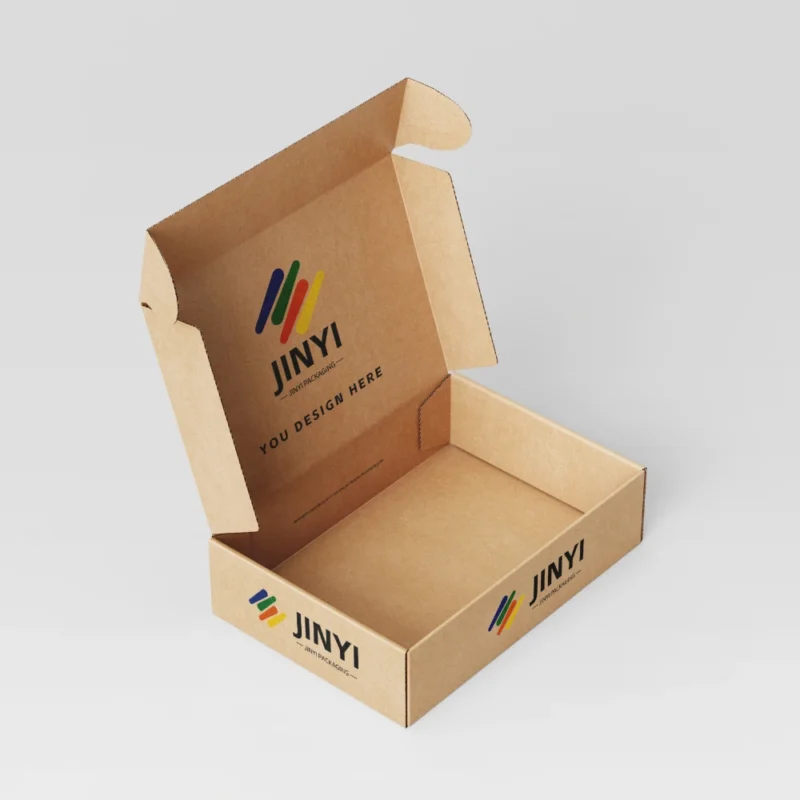
Boîtes postales
Boîtes d'expédition en carton ondulé pour une expédition sécurisée et un déballage à l'effigie de la marque.
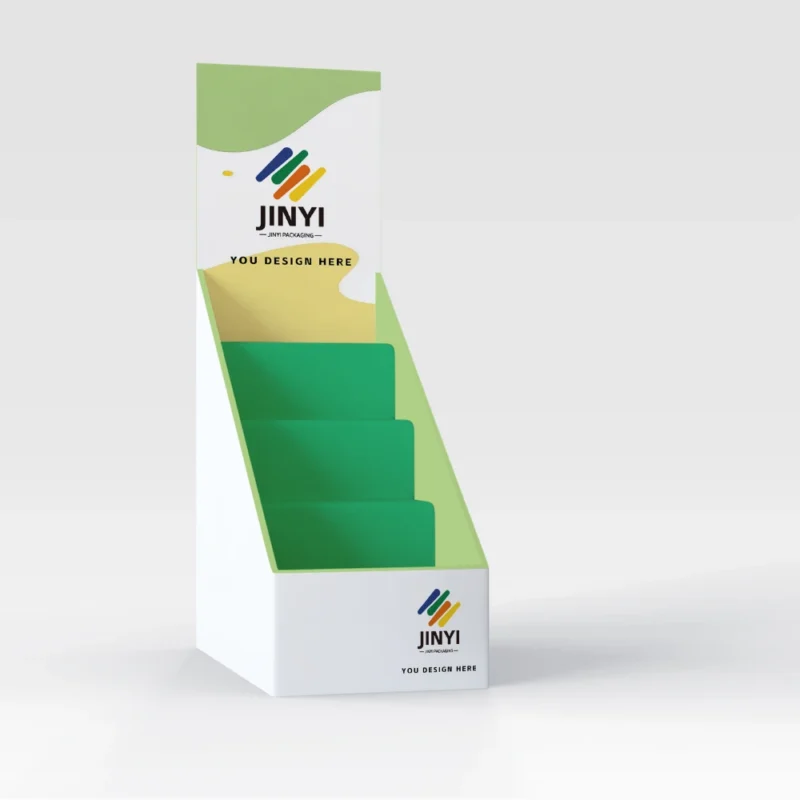
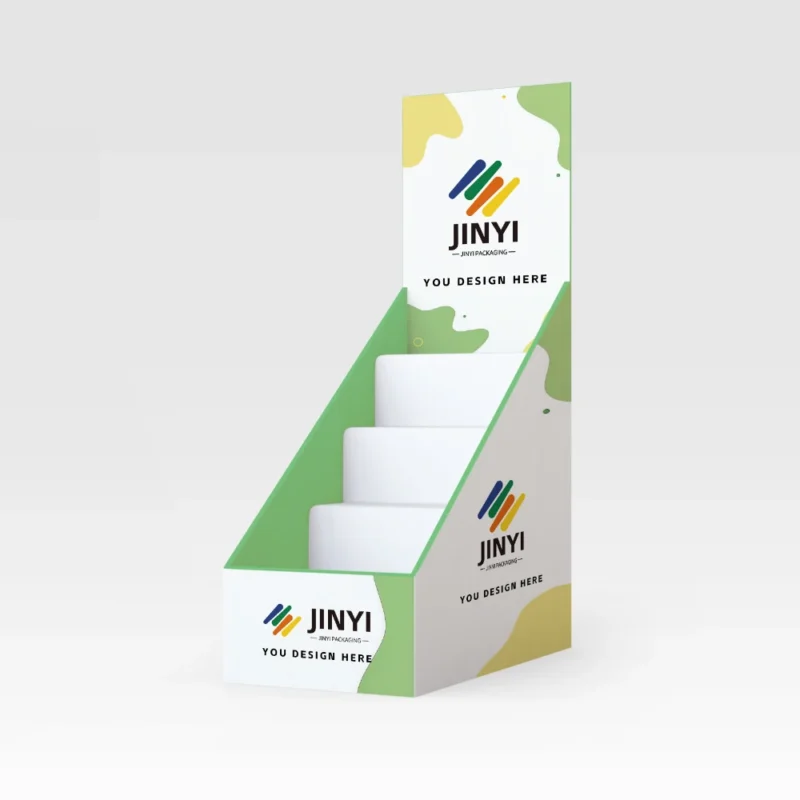
Boîtes d'exposition
Boîtes de présentation personnalisées pour les ventes au comptoir et une bonne visibilité en rayon.
Boîtes cadeaux
Boîtes-cadeaux personnalisées avec structure et options de finition haut de gamme.
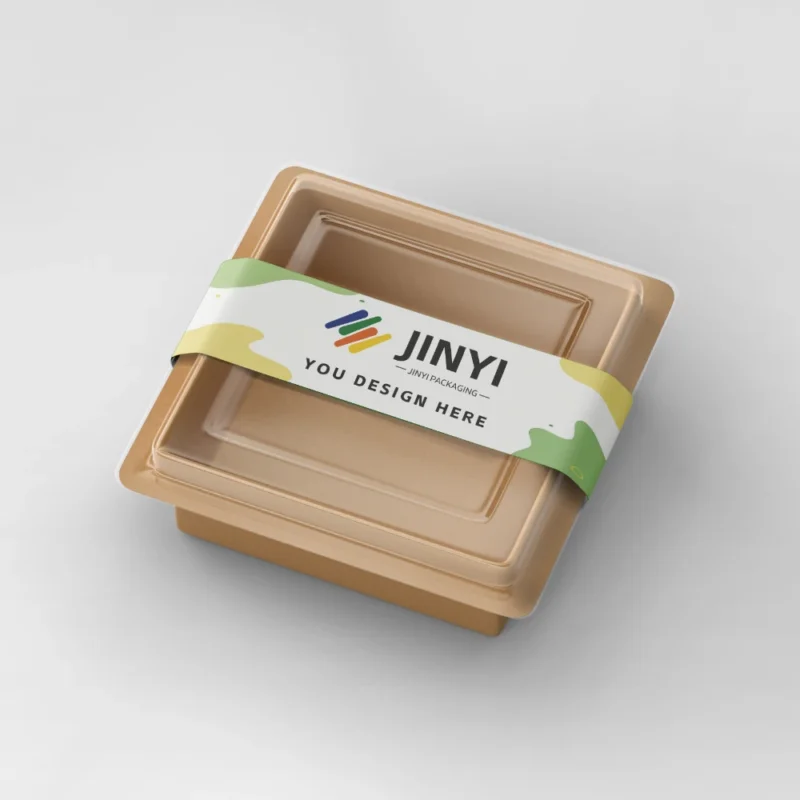
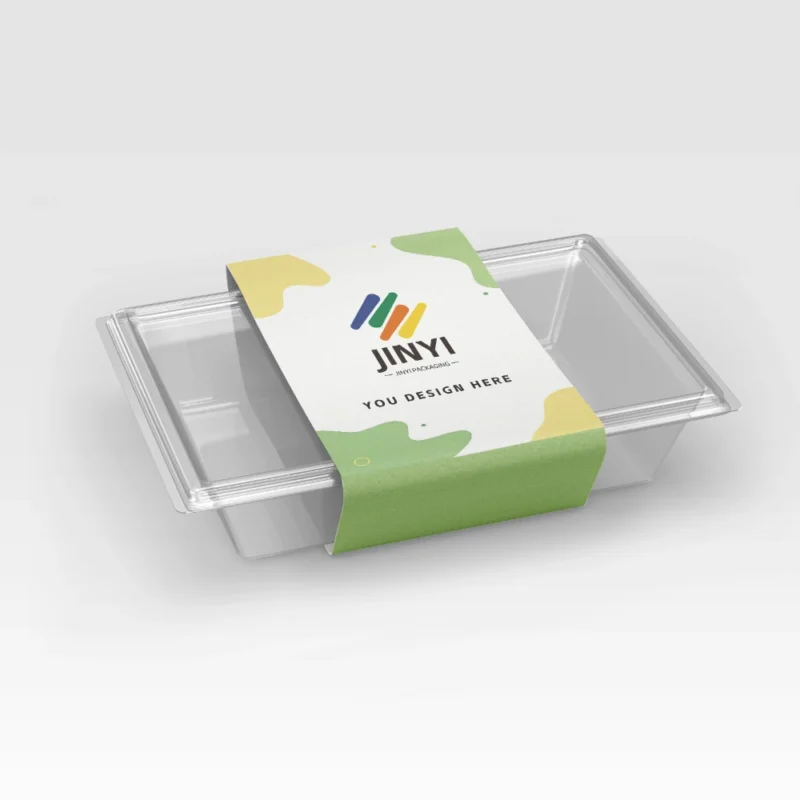
Boîtes d'emballage à manchons
Boîtes à pochettes avec enveloppes imprimées pour un marquage flexible.
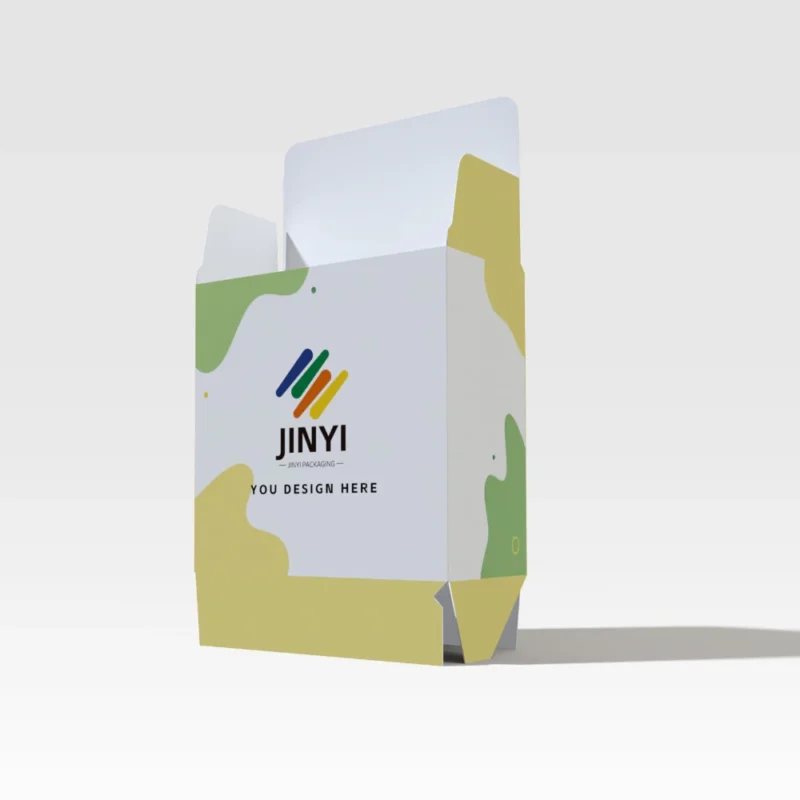
Boîte de fond à verrouillage automatique
Boîtes à fermeture automatique à montage rapide pour le commerce de détail et le commerce électronique.
Boîte de fond de serrure
Boîtes à fond verrouillé pour un emballage rapide et un support de charge solide.
Boîtes d'extrémité droites
Boîtes à couvercle droit pour une fermeture nette et une présentation au détail.
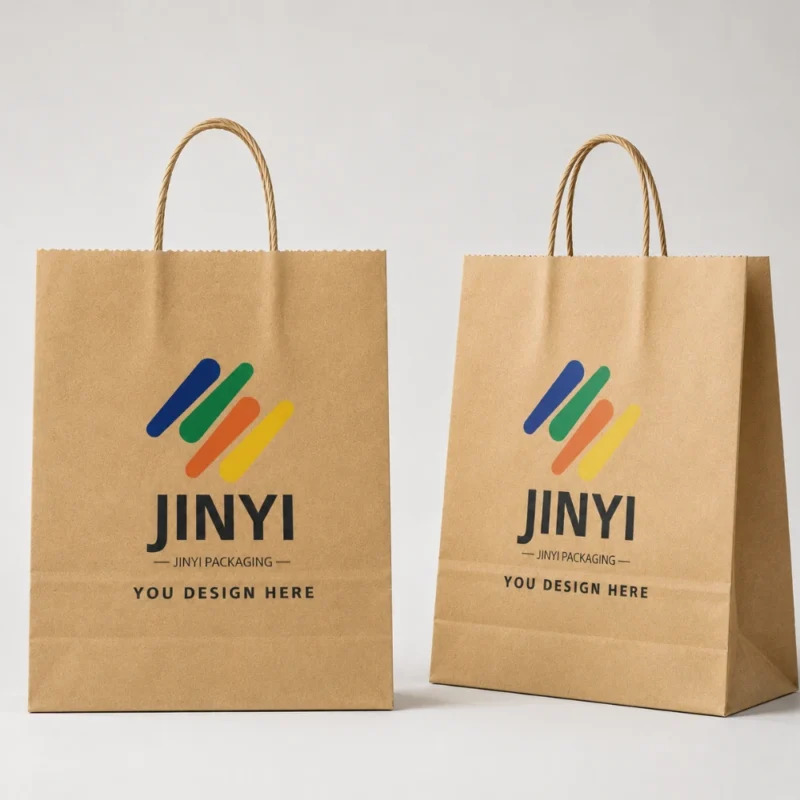
Sac en papier personnalisé
Sacs cadeaux en papier personnalisés avec des poignées solides et une impression nette de la marque.
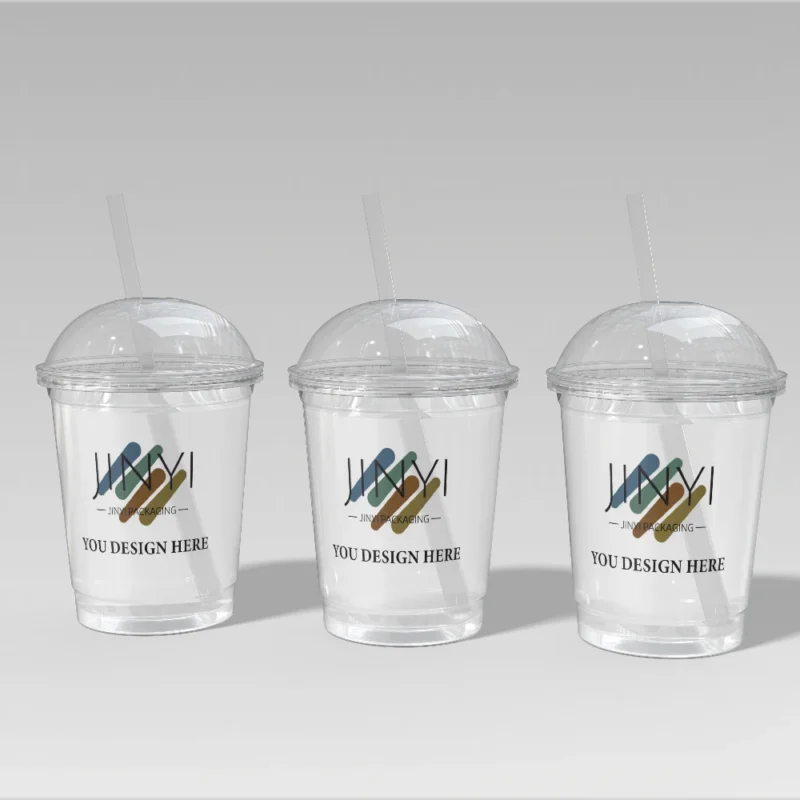
Gobelets à froid en PET transparent
Gobelets en PET transparent pour boissons glacées - transparents, robustes et étanches.
Sac cadeau personnalisé
Sacs cadeaux en papier personnalisés avec des poignées solides et une impression nette de la marque.
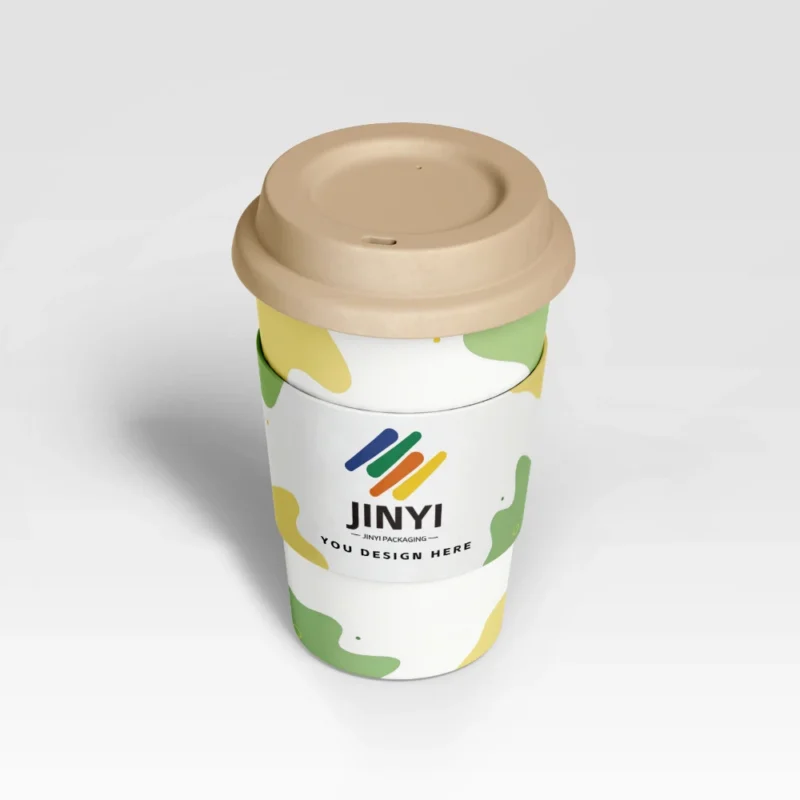
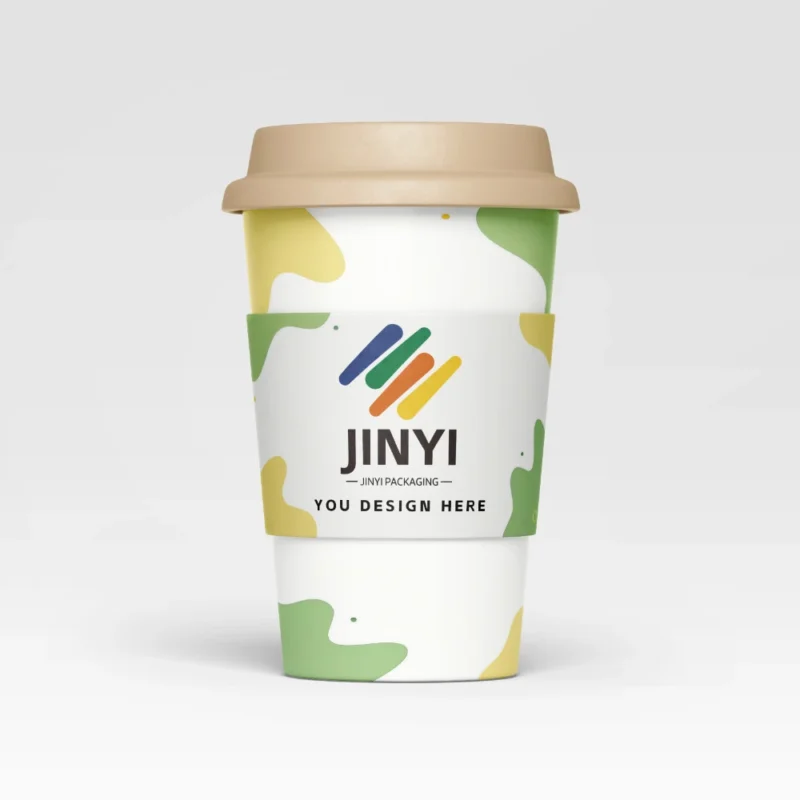
Gobelet en papier
Gobelets en papier pour boissons chaudes avec une prise en main confortable et une impression propre et cohérente.
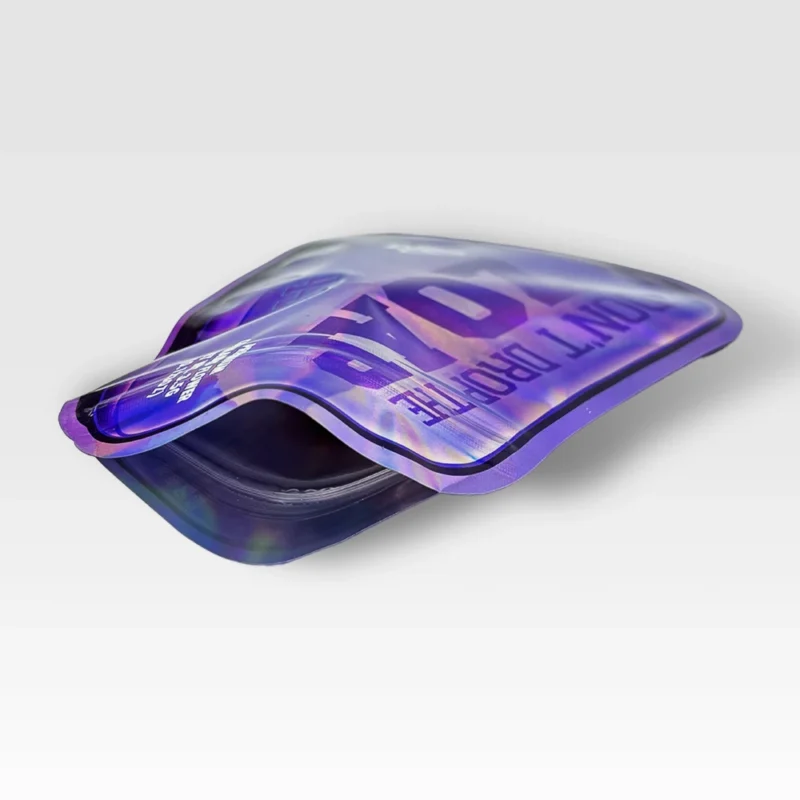
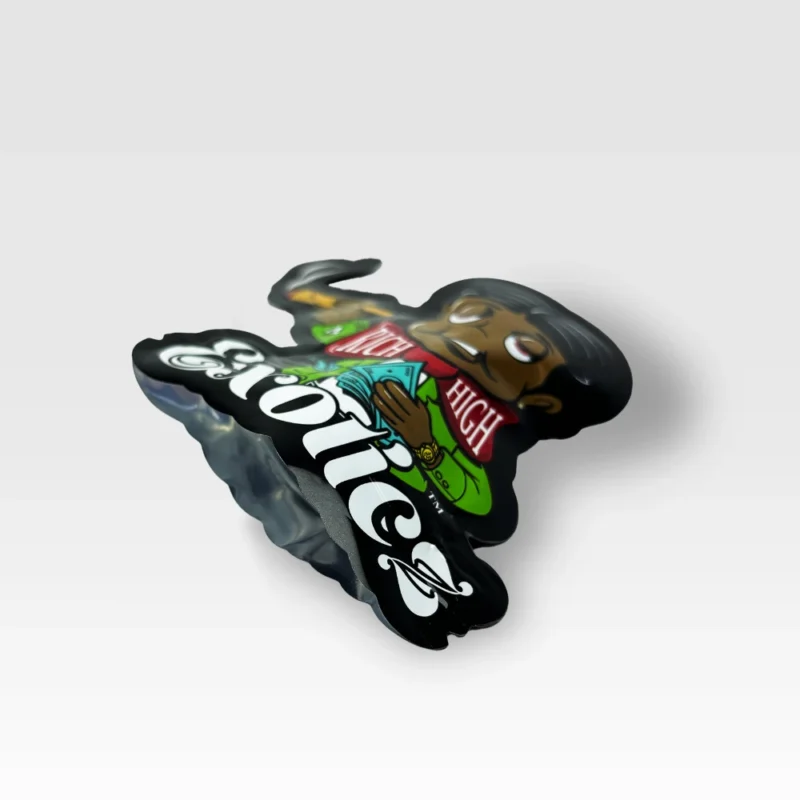
Sachets plats de cannabis
Sachets plats pour le cannabis avec une barrière élevée et un espace d'étiquetage clair.
Sacs Mylar pour le désherbage
Sacs de désherbage en mylar avec une barrière solide, des fermetures éclair et des options de contrôle des odeurs.
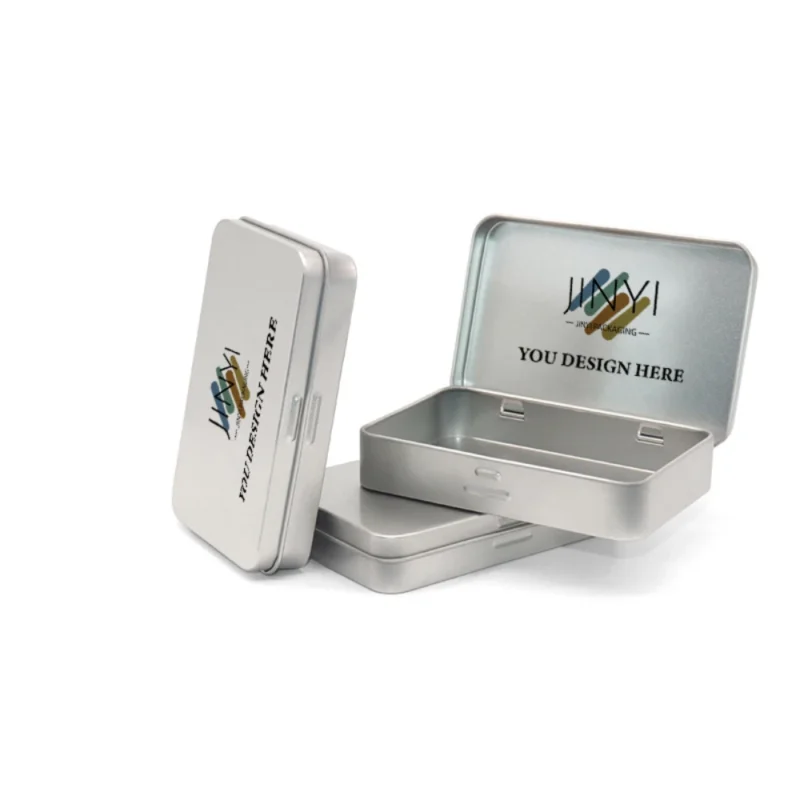
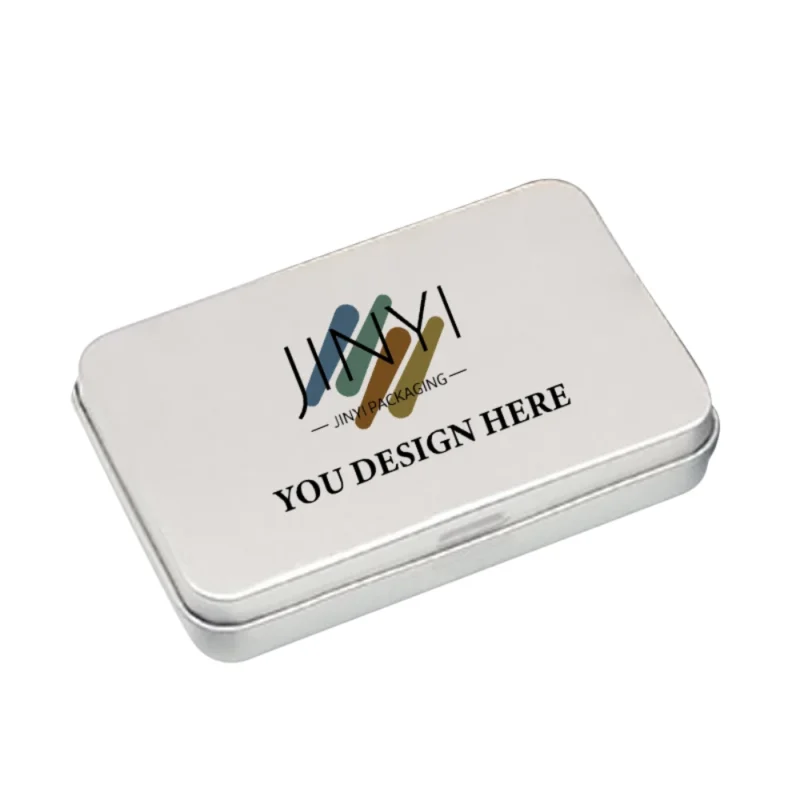
Boîtes en fer blanc personnalisées
Boîtes en fer blanc personnalisées pour une protection optimale, une réutilisation et une impression en quadrichromie.
Étiquettes à manchon thermorétractable
Étiquettes pour manchons thermorétractables avec couverture à 360° et impact en rayon.
Étiquettes en rouleau personnalisées
Étiquettes en rouleau personnalisées pour une application rapide et un étiquetage cohérent de la marque.
Autocollant découpé
Autocollants découpés à l'emporte-pièce avec des bords nets et des options de matériaux durables.
Feuilles d'autocollants Kiss Cut
Feuilles d'autocollants découpées pour un décollage facile et des motifs flexibles.
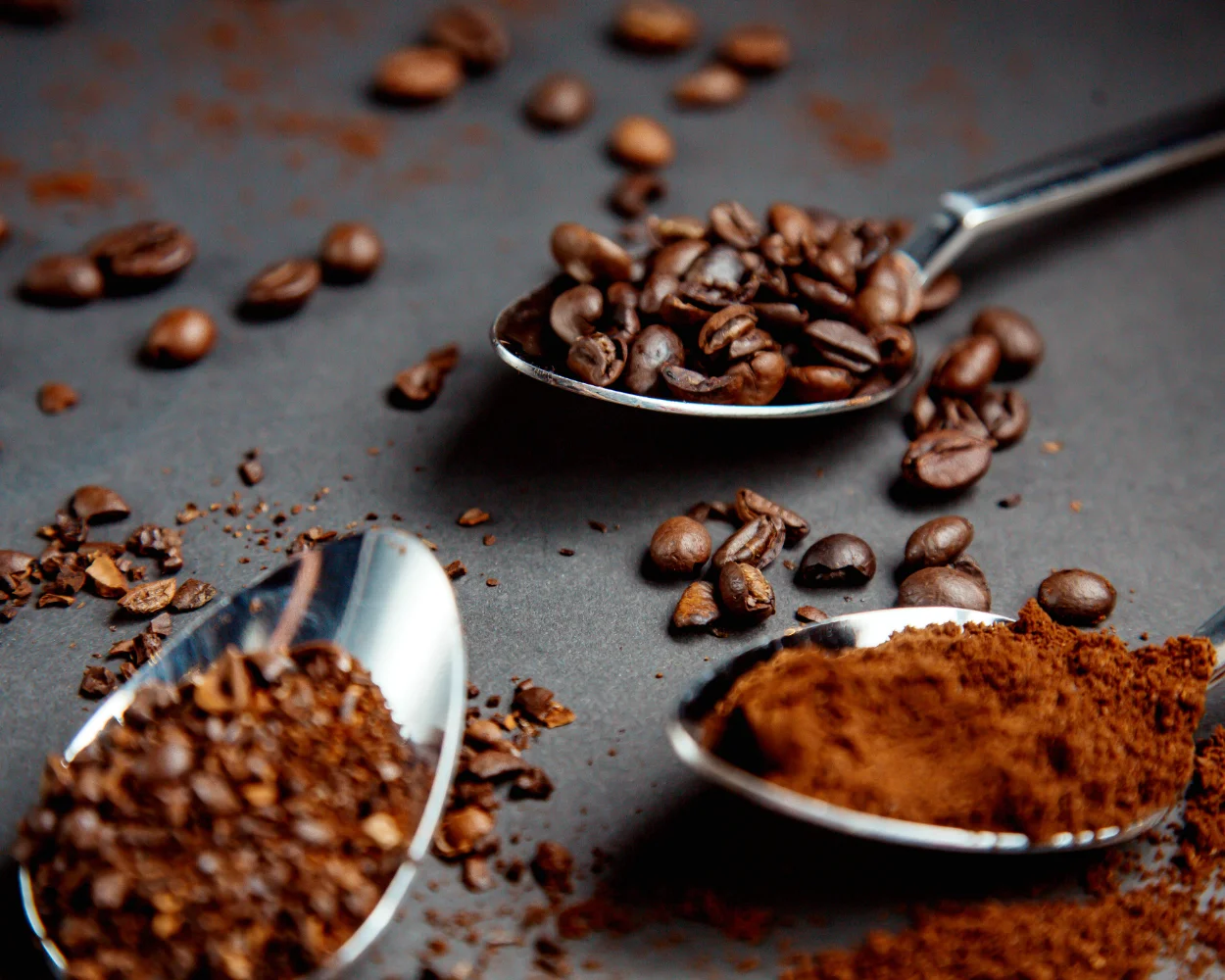
Mélanges pour café (3 en 1, poudres pour café latté) : Quelles sont les causes de l'agglomération, de l'affaiblissement de l'arôme et du goût “plat” au fil du temps ?
Powders look stable until they suddenly cake, lose aroma, and trigger complaints.
Caking, aroma fade, and “flat taste” are three different failure engines. Moisture drives clumping, oxygen and light drive oxidation notes, and volatile loss reduces aroma lift. The fastest fix depends on which engine fails first in your route and pack format.
Most brands do not lose repeat buyers because the formula is “bad.” Most brands lose repeat buyers because the product, packaging, and warehouse reality do not match. This article builds a simple diagnostic map you can reuse.
What do “caking,” “aroma fade,” and “flat taste” mean in measurable terms?
Customers use three words, but they describe three different mechanisms.
Caking is a physical collapse from moisture and stickiness. Aroma fade is a loss of volatiles by diffusion, absorption, or oxidation. “Flat taste” is the combined sensory outcome when aroma drops and stale notes rise.
Symptom-to-engine map (what to measure first)
Customer Symptom
Likely Failure Engine
Best First Measurement
Common Misread
Hard lumps, bridges, “rock” chunks
Moisture sorption + stickiness
Pack weight gain over time; RH cycling test
“Processing issue” only
Smells weak, “no coffee smell”
Volatile loss / scalping / permeation
Sensory checkpoints + pack comparison
“Coffee quality is low”
“Flat,” “stale,” “cardboard,” “rancid”
Oxidation (often fat-containing creamer)
Headspace O₂ audit + accelerated warm storage
“Sugar ratio changed”
Preuves (source + année) :
1) Chuy, L.E. & Labuza, T.P. on caking/stickiness linked to glass transition behavior in food powders (1994).
2) Hosseininejad et al. review on powder stickiness/caking mechanisms and influencing factors (2024).
Why do coffee mixes cake even when they start “dry”?
Many stick packs feel dry on day one, then cake after humidity exposure.
Caking is usually a moisture problem, not a mystery. Hygroscopic sugars and carriers absorb water, become tacky, and then particles stick, bridge, and harden—especially under humidity swings and compression in cases.
Why “dry” powders still cake
Déclencheur
What Changes Inside the Powder
What Customers See
Fast Diagnostic
High warehouse RH
Moisture sorption; surface tack increases
Soft clumps → hard lumps
Track pack weight gain
Day/night temperature cycling
Condensation risk; localized wetting
Random “bad” sticks in one carton
RH/temperature log + cycling test
Long dwell time + stacking
Clumps densify under pressure
Brick-like cakes
Compression simulation in cases
Preuves (source + année) :
1) Chuy, L.E. & Labuza, T.P. linking caking/stickiness to physical state transitions in powders (1994).
2) Hosseininejad et al. summarizing moisture-driven stickiness/caking drivers across food powders (2024).
What drives aroma fade first: oxygen, film interaction, or repeated opening?
A powder can look perfect and still lose aroma fast.
Aroma fade often comes from three paths: volatiles diffuse out, volatiles get absorbed into packaging layers (scalping), or volatiles oxidize into dull notes. Small packs usually fail by barrier and seals. Reclose packs often fail by repeated air and humidity exchange after opening.
Aroma-loss pathways by pack format
Pack Format
Most Common Aroma-Loss Path
What Stops Working First
What to Verify
Stick packs / sachets
Permeation + seal micro-leaks
Seal integrity under distribution stress
Dye leak / burst + storage at high RH
Tubs / reclose pouches
Repeated opening introduces oxygen
Consumer use cycle and headspace refresh
Open-close simulation + sensory checkpoints
Large bags / bulk
High headspace + slow turnover
Oxygen reservoir stays high
Headspace O₂ audit at pack-out and over time
Preuves (source + année) :
1) Yuan & Zhang on aroma scalping behavior into packaging structures (study context for volatile absorption risk) (year shown in source record). :contentReference[oaicite:0]{index=0}
2) Souza et al. testing alternative flexible packaging structures for instant coffees under storage conditions (barrier-dependent quality loss) (2023). :contentReference[oaicite:1]{index=1}
Why does “flat taste” show up before obvious defects?
Many returns happen before a powder visibly cakes.
“Flat taste” is often a blended outcome: aroma drops (less top-note lift), oxidation rises (cardboard or rancid notes from fat-containing creamers), and moisture pickup changes dissolution and sweetness/cream perception. Customers describe the same product as “flat” even when lab moisture is not extreme, because sensory balance shifts early.
Complaint language to root cause
Complaint Phrase
Likely Root Cause
First Test
Most Common Fix Lever
“No aroma,” “weak smell”
Volatile loss / scalping
Side-by-side pack comparison
Aroma barrier + seal control
“Stale,” “cardboard,” “old oil”
Oxydation
Warm storage acceleration
Lower O₂ at pack-out + lower OTR
“Too sweet,” “odd balance”
Moisture pickup alters dissolution
RH cycling + dissolve time check
Lower MVTR + better case protection
Preuves (source + année) :
1) Agustini & Yusya evaluating packaging material impact on instant coffee quality during storage (2020). :contentReference[oaicite:2]{index=2}
2) Souza et al. showing storage-driven quality loss varies by flexible packaging structure (2023). :contentReference[oaicite:3]{index=3}
Which control stops working first: formulation, process, or packaging?
Teams often debate “formula vs processing,” but the route decides the answer.
Formulation sets sensitivity (hygroscopic sugar load, fat type in creamer, emulsifiers, flavors). Process sets starting conditions (residual moisture, particle size, agglomeration). Packaging determines drift rate (MVTR for caking risk, OTR for oxidation risk, and seals for both). In real warehouses, packaging and seals often become the first weak link because they decide how fast humidity and oxygen enter.
Failure mode → first weak link
Failure Mode
Most Likely First Weak Link
Solution rapide
Long Fix
Caking in sticks
Packaging MVTR / seal leaks
Case liner + better seal window control
Upgrade laminate + validate seals under RH cycling
Preuves (source + année) :
1) Hosseininejad et al. review summarizing how moisture uptake and storage conditions drive powder stickiness/caking (2024). :contentReference[oaicite:4]{index=4}
2) Souza et al. demonstrating packaging structure changes quality loss rates in instant coffees (2023). :contentReference[oaicite:5]{index=5}
Validation plan: prove the root cause without guessing?
Many brands change three things at once and learn nothing.
A simple validation plan separates caking risk from aroma risk. For caking, track moisture uptake and clump strength under RH and temperature cycles. For aroma and “flat taste,” compare packaging structures with controlled headspace oxygen and seal integrity checks, then run sensory checkpoints over time. The goal is not a perfect lab study. The goal is to identify the first failure engine in your route.
Minimum test set for coffee mixes
Hypothesis
Métrique
Pass/Fail Signal
Prochaine action
Caking is moisture-driven
Pack weight gain + clump strength
Fast weight gain predicts clumping
Lower MVTR + tighten seals
Aroma fade is barrier-driven
Side-by-side packaging comparison
Same powder, different aroma loss curve
Upgrade aroma/oxygen barrier
Flat taste is oxidation-driven
Warm storage + sensory notes
Cardboard/rancid notes rise early
Lower O₂ at pack-out + lower OTR
Inconsistency is seal-driven
Seal integrity screening
Outliers cluster in specific lanes/rolls
Seal window control + SPC
Preuves (source + année) :
1) Chuy, L.E. & Labuza, T.P. linking powder caking behavior to physical state and moisture effects (1994). :contentReference[oaicite:6]{index=6}
2) Agustini & Yusya showing packaging material affects instant coffee quality during storage (2020). :contentReference[oaicite:7]{index=7}
instant coffee
Conclusion
Caking, aroma fade, and “flat taste” are different engines. Identify the first engine, test it, and then fix the matching lever. If you want a packaging-based diagnostic, contact us.
Notre mission :
JINYI is a source manufacturer specializing in custom flexible packaging solutions. We deliver practical packaging systems that reduce communication cost, stabilize quality, clarify lead times, and improve real-world performance.
A propos de nous :
JINYI est un fabricant spécialisé dans les solutions d'emballage flexible sur mesure, avec plus de 15 ans d'expérience de production au service des marques de produits alimentaires, de snacks, d'aliments pour animaux de compagnie et de produits de consommation courante.
Nous exploitons un site de production standardisé équipé de plusieurs lignes d'impression par héliogravure ainsi que de systèmes d'impression numérique HP avancés, ce qui nous permet de répondre à la fois à des commandes stables de gros volumes et à des tirages courts flexibles avec une qualité constante.
De la sélection des matériaux aux sachets finis, nous nous concentrons sur le contrôle des processus, la répétabilité et la performance dans le monde réel. Notre objectif est d'aider les marques à réduire les coûts de communication, à obtenir une qualité prévisible et à s'assurer que l'emballage fonctionne de manière fiable en rayon, en transit et lors de l'utilisation finale.
FAQ
Why do 3-in-1 sticks cake faster than expected?
Stick packs face fast humidity spikes in warehouses, and small mass powders equilibrate quickly when MVTR or seals are weak.
Can a powder lose aroma without clumping?
Yes. Volatiles can diffuse out, be absorbed by packaging layers, or oxidize even when the powder still flows.
What is the biggest mistake brands make when troubleshooting “flat taste”?
Many teams change the formula first and skip headspace oxygen, seal integrity, and packaging structure comparisons.
Do tubs have different risks than stick packs?
Yes. Tubs often fail from repeated opening and oxygen/humidity exchange, not just initial barrier performance.
What is the fastest test to confirm a moisture-driven caking issue?
Track pack weight gain under controlled RH cycling and compare clump strength across packaging structures.
Ce contenu est destiné à l'éducation en matière d'emballage. Nous ne vendons aucun produit réglementé.