Rouleaux de haute performance conçus pour la vitesse, la cohérence et la production d'emballages évolutifs.
Sac en Mylar découpé à l'emporte-pièce
Présence en rayon à fort impact avec une forte protection de la barrière pour garder les produits frais et prêts pour la conformité.
Pochettes plates
Un format peu encombrant et rentable qui offre des performances de scellage fiables pour la vente au détail et l'expédition au quotidien.
Pochettes à bec liquide
Emballage résistant aux fuites, facile à verser, qui améliore le confort de l'utilisateur et réduit le désordre lors de la livraison.
Emballage des sacs d'oreillers
Emballage léger, rapide à emballer, de type sachet, idéal pour les produits en grande quantité et les marques propres.
Pochette Quad Seal
Stabilité semblable à celle d'une boîte avec un attrait de premier ordre en rayon - idéal pour les remplissages plus lourds et un aspect plus “droit”.
Sacs à soufflets latéraux
Sacs de grande capacité, peu encombrants, qui maximisent le volume de remplissage tout en conservant une forme propre et structurée.
Sacs à dos
L'un des formats à la croissance la plus rapide - combinant une forte présentation en rayon, des frais de transport réduits et une grande protection de la fraîcheur.
Sacs à fond plat
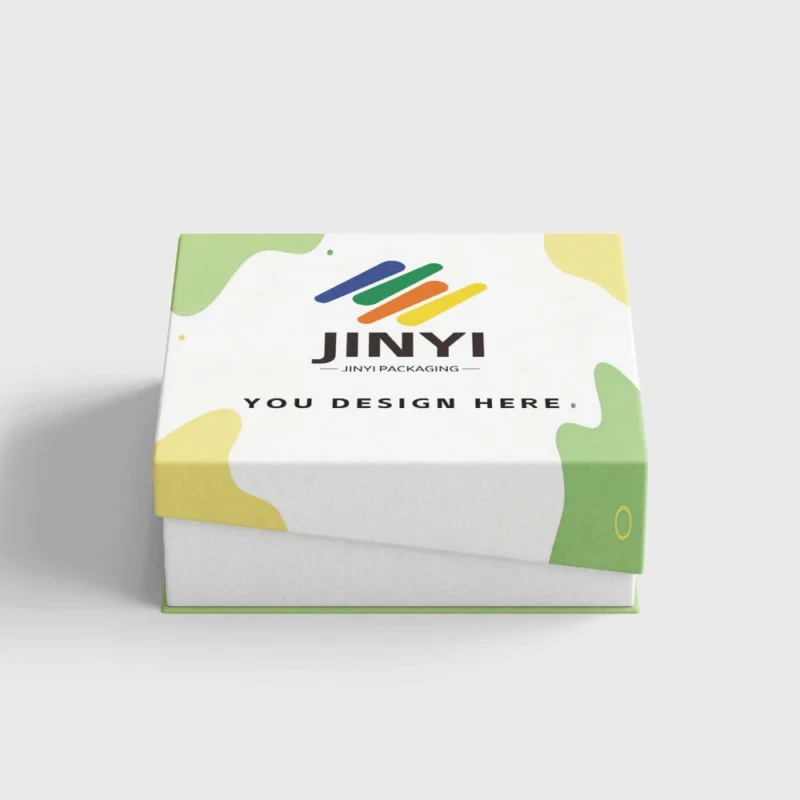
Boîte à bijoux à tiroir
Boîtes à bijoux à tiroir pour un déballage de première qualité et une protection rigide.
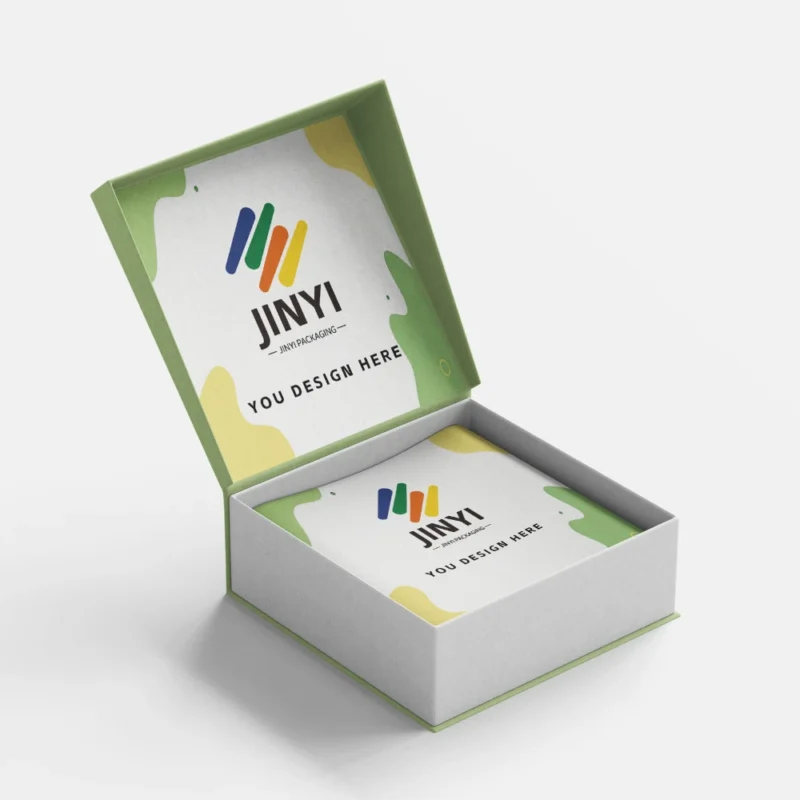
Boîte à bijoux à couvercle rabattable
Boîtes à bijoux à couvercle rabattable, de construction rigide et de présentation luxueuse.
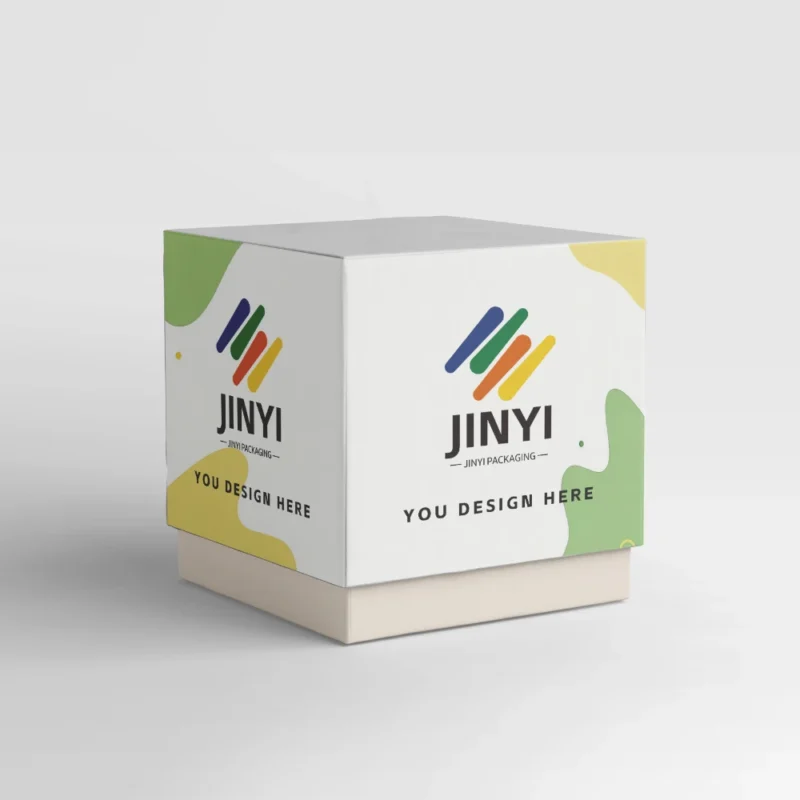
Étui rigide rétractable en deux parties
Boîtes rigides en deux parties pour une protection et une présentation de luxe.
Boîtes postales
Boîtes d'expédition en carton ondulé pour une expédition sécurisée et un déballage à l'effigie de la marque.
Boîtes d'exposition
Boîtes de présentation personnalisées pour les ventes au comptoir et une bonne visibilité en rayon.
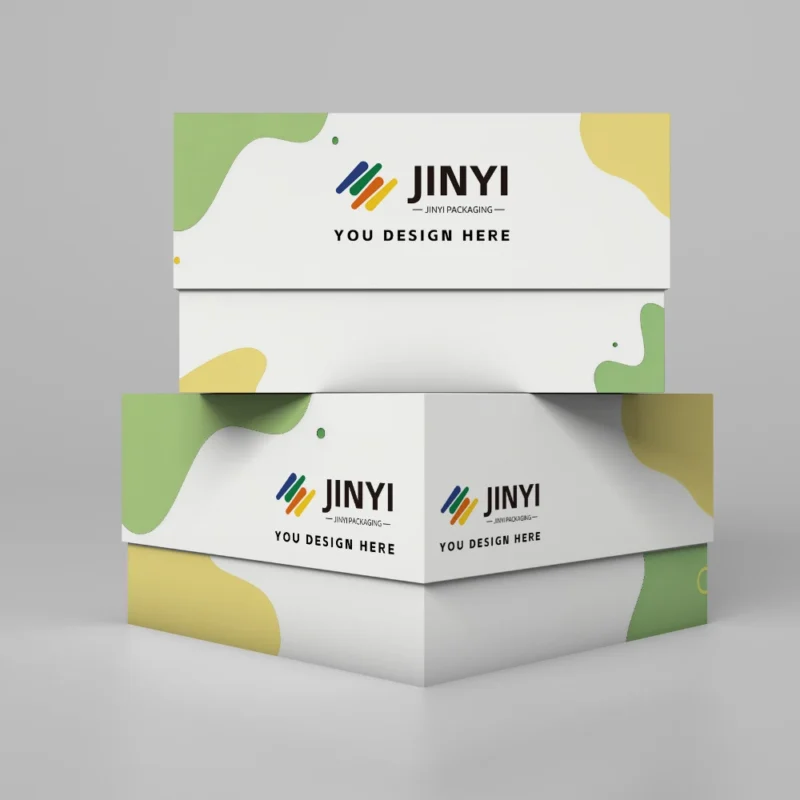
Boîtes cadeaux
Boîtes-cadeaux personnalisées avec structure et options de finition haut de gamme.
Boîtes d'emballage à manchons
Boîtes à pochettes avec enveloppes imprimées pour un marquage flexible.
Boîte de fond à verrouillage automatique
Boîtes à fermeture automatique à montage rapide pour le commerce de détail et le commerce électronique.
Boîte de fond de serrure
Boîtes à fond verrouillé pour un emballage rapide et un support de charge solide.
Boîtes d'extrémité droites
Boîtes à couvercle droit pour une fermeture nette et une présentation au détail.
Sac en papier personnalisé
Sacs cadeaux en papier personnalisés avec des poignées solides et une impression nette de la marque.
Gobelets à froid en PET transparent
Gobelets en PET transparent pour boissons glacées - transparents, robustes et étanches.
Sac cadeau personnalisé
Sacs cadeaux en papier personnalisés avec des poignées solides et une impression nette de la marque.
Gobelet en papier
Gobelets en papier pour boissons chaudes avec une prise en main confortable et une impression propre et cohérente.
Sachets plats de cannabis
Sachets plats pour le cannabis avec une barrière élevée et un espace d'étiquetage clair.
Sacs Mylar pour le désherbage
Sacs de désherbage en mylar avec une barrière solide, des fermetures éclair et des options de contrôle des odeurs.
Boîtes en fer blanc personnalisées
Boîtes en fer blanc personnalisées pour une protection optimale, une réutilisation et une impression en quadrichromie.
Étiquettes à manchon thermorétractable
Étiquettes pour manchons thermorétractables avec couverture à 360° et impact en rayon.
Étiquettes en rouleau personnalisées
Étiquettes en rouleau personnalisées pour une application rapide et un étiquetage cohérent de la marque.
Autocollant découpé
Autocollants découpés à l'emporte-pièce avec des bords nets et des options de matériaux durables.
Feuilles d'autocollants Kiss Cut
Feuilles d'autocollants découpées pour un décollage facile et des motifs flexibles.
JINYI donne des conseils pratiques en matière d'emballage pour vous aider à prendre vos décisions.
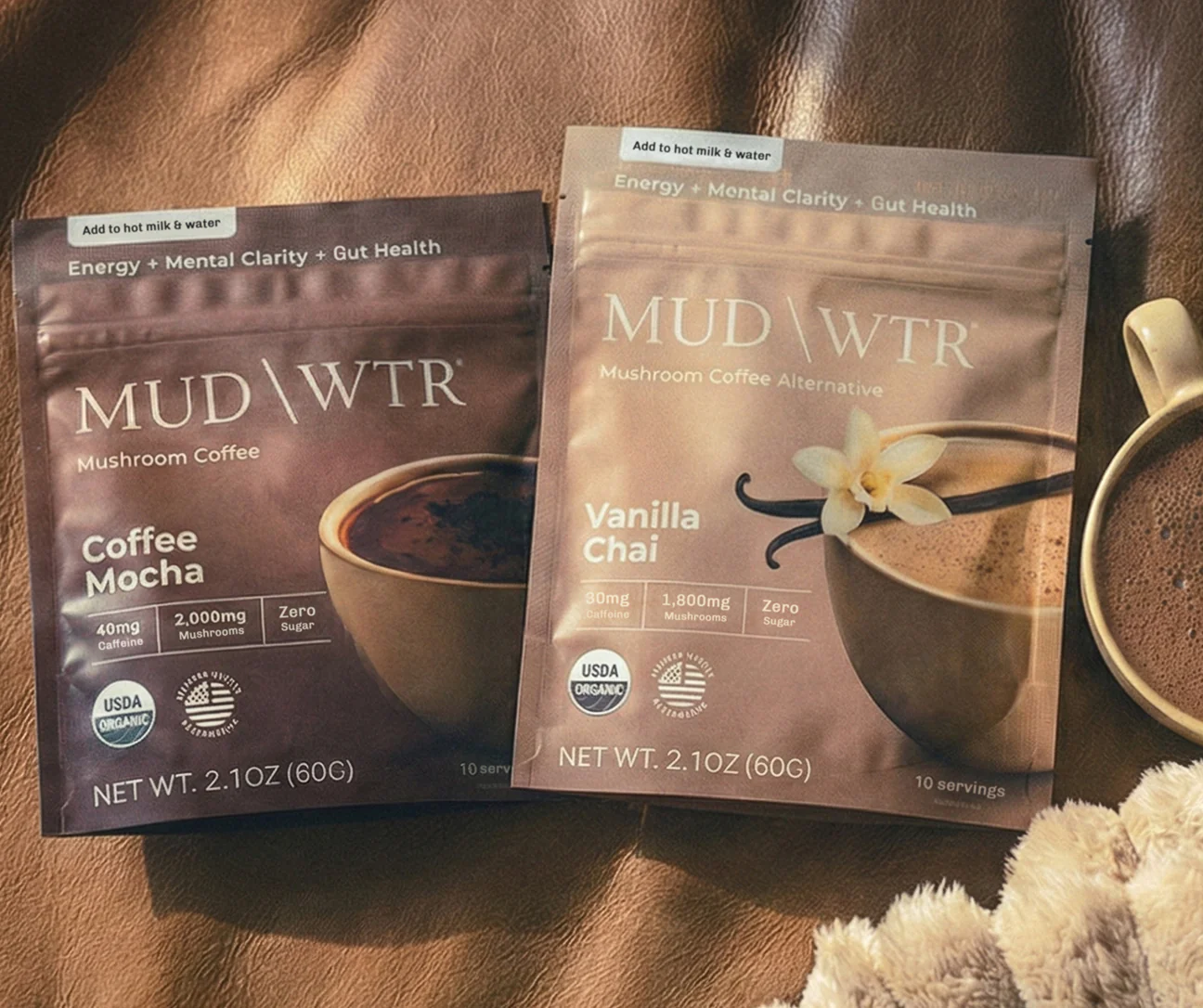
MUD\WTR (qui se prononce “ mud water ”) est une marque de boissons fonctionnelles basée à Los Angeles, fondée en 2018 par Shane Heath, un designer et entrepreneur qui cherchait à réduire sa dépendance au café. Le produit phare de la marque est un mélange en poudre composé à 100 % d’ingrédients bio : du cacao, un mélange fonctionnel à base de quatre champignons (chaga, reishi, crinière de lion et cordyceps), des épices ayurvédiques (cannelle, curcuma, gingembre, cardamome, poivre noir, noix de muscade, clous de girofle), de la poudre de thé noir et du sel rose de l’Himalaya. La teneur en caféine, qui provient du thé noir plutôt que des grains de café, représente environ un septième de celle d’une tasse de café standard. L’ensemble de la gamme de produits de la marque bénéficie des certifications « USDA Organic », « Non-GMO », « Gluten-Free », « Vegan », « Whole30 » et « Kosher ».
MUD\WTR, qui était à l’origine une marque DTC (vente directe au consommateur) issue d’un mouvement populaire, s’est développée pour s’implanter dans la grande distribution et a élargi sa gamme de produits à plusieurs mélanges fonctionnels — :rise Cacao, :rise Matcha, :balance Turmeric, :rest Rooibos —, chacun ciblant un moment différent de la journée et un effet fonctionnel spécifique. Ce qui distingue l’approche de MUD\WTR en matière d’emballage de celle de la plupart des marques de poudres fonctionnelles, c’est qu’elle n’a pas conçu un seul emballage pour ensuite le décliner à grande échelle. Elle a mis au point un système d’emballage : trois formats répondant à trois cas d’utilisation distincts, tous s’inscrivant dans un langage visuel unique et cohérent. Comprendre le fonctionnement de ce système — et les raisons pour lesquelles chaque format a été conçu ainsi — est l’objet de cet article.
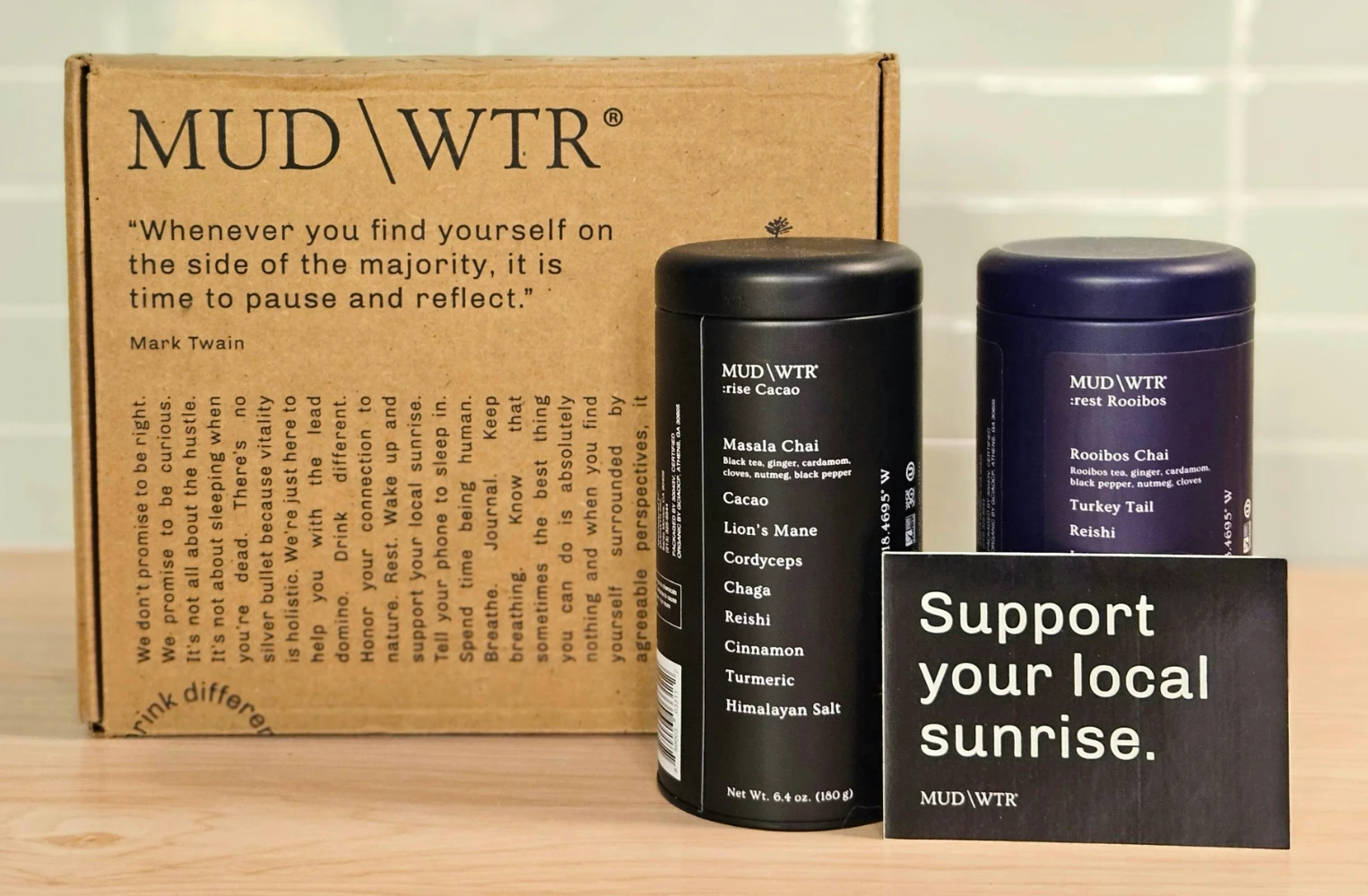
mudwtr dtc : déballage du coffret cadeau en boîte métallique
Qu'est-ce que MUD\WTR et pourquoi avait-il besoin d'un système d'emballage, et pas seulement d'un emballage ?
La plupart des marques de produits en poudre fonctionnels sont lancées avec un seul format — généralement un sachet à fond plat ou une boîte — et considèrent l’emballage comme un simple contenant plutôt que comme un outil de communication. MUD\WTR a adopté dès le départ une approche différente, en mettant en place une architecture de formats qui correspond directement au modèle de comportement des consommateurs de la marque.
Le positionnement de la marque s’articule autour de l’idée d’un “ rituel matinal ” — un substitut délibéré et conscient à l’habitude mécanique de boire du café. Ce cadre rituel a des implications sur le conditionnement. Un produit positionné comme un rituel quotidien doit être présent dans l’environnement du consommateur de manière à renforcer la boucle d’habitude : visible sur le plan de travail de la cuisine, associé à une intention plutôt qu’à la simple commodité, suffisamment esthétique pour que le consommateur ait envie de le laisser à la vue de tous plutôt que de le ranger. Un sachet jetable rangé dans un placard ne favorise pas ce schéma comportemental. Une boîte en métal bien conçue, posée sur le plan de travail, le favorise en revanche.
Parallèlement, une marque commercialisant une poudre de consommation courante à grande échelle doit répondre aux besoins des acheteurs qui s’approvisionnent en grandes quantités — 90 portions à la fois —, à un coût unitaire réduit. Elle doit également répondre aux besoins des consommateurs en déplacement : à la salle de sport, au bureau, en voyage. Chacun de ces cas d’utilisation présente des exigences d’emballage différentes qu’un format unique ne peut satisfaire. Il en résulte un système délibérément composé de trois formats, où chacun a une fonction bien définie, et où le système de conception rassemble les trois au sein d’une marque cohérente.
Les différentes certifications des ingrédients — USDA Organic, « sans OGM », Whole30, casher — ajoutent un niveau de complexité supplémentaire aux spécifications d’emballage auquel la plupart des marques de poudres conventionnelles ne sont pas confrontées. Un produit certifié « USDA Organic » ne peut pas être conditionné dans un matériau présentant un risque de contamination non biologique, ce qui signifie que la couche interne en contact avec les aliments de tout emballage souple doit être certifiée de qualité alimentaire et vérifiée comme exempte de substances interdites. Ce n’est pas une hypothèse par défaut avec les films de base : cela nécessite une documentation de la part du fournisseur de films, que toute usine travaillant avec des marques certifiées bio devrait fournir de manière systématique. À titre de comparaison, L'approche de RYZE en matière d'emballage est confronté à la même contrainte liée à la certification biologique, mais sous un angle différent.
Du point de vue de la production : Les poudres de champignons fonctionnels sont hygroscopiques : elles absorbent facilement l'humidité atmosphérique, ce qui entraîne la formation d'agglomérats, une diminution de la solubilité et, dans le pire des cas, l'apparition de moisissures. Les spécifications d’emballage de tout mélange de poudres fonctionnelles doivent limiter à la fois la transmission d’oxygène (pour protéger les composés thermosensibles tels que les adaptogènes et les polyphénols) et la transmission de vapeur d’eau (pour empêcher la dégradation de la poudre). Ce sont ces deux paramètres de barrière qui déterminent la durée de conservation, et ils doivent être confirmés par des données réelles d’OTR et de MVTR fournies par le fournisseur du film — et non estimés sur la seule base du type de film.
Trois formats, trois cas d'utilisation : à quoi servent respectivement la boîte en fer, le sachet et le stick pack ?
Le système d'emballage de MUD\WTR se décline en trois formats physiques distincts, chacun étant adapté à un contexte de consommation spécifique. Comprendre la logique qui sous-tend le choix de chaque format rend le système plus clair — et reproductible pour les marques qui souhaitent mettre en place des architectures d'emballage de boissons fonctionnelles similaires.
La boîte en aluminium — 30 portions. La boîte en aluminium est le format emblématique de MUD\WTR et son choix d’emballage le plus visible sur le plan commercial. Il s’agit d’un récipient rond en aluminium muni d’un couvercle à fermeture par friction, dont la couleur de base est le noir mat et dont les éléments de l’étiquette sont codés par couleur pour différencier les références. La marque décrit cette boîte comme “ emblématique ” : c’est le format qui apparaît sur toutes les photos de la marque, celui inclus dans le kit de démarrage « Morning Ritual », et celui mis en avant sur la page d’accueil du site de vente directe aux consommateurs (DTC) comme principal point d’entrée pour les nouveaux clients.
La logique fonctionnelle de la boîte en aluminium va au-delà de la simple présence de la marque. L’aluminium présente intrinsèquement une transmission de l’oxygène et de la vapeur d’eau quasi nulle : parmi les formats commercialement viables, seul le verre peut rivaliser avec ses performances de barrière en tant que matériau d’emballage, et il surpasse à la fois les laminés en feuille d’aluminium et les films souples en VMPET en termes de robustesse structurelle. Une boîte en aluminium ne se déforme pas, ne se froisse pas et ne présente pas de micro-perforations dues à la manipulation — autant de défaillances auxquelles les emballages souples sont exposés au fil du temps. Pour une poudre fonctionnelle haut de gamme dont le prix de vente justifie un format haut de gamme, la boîte en aluminium constitue à la fois un atout pour la marque et une solution barrière techniquement supérieure. Elle est également réutilisable : la marque positionne explicitement la boîte comme un contenant qui mérite d’être conservé, ce qui s’inscrit dans le cadre d’un positionnement rituel et apporte un argument de durabilité que les emballages souples ne peuvent égaler avec des performances barrières équivalentes.
Le sachet à fond plat — 90 portions. Le sachet de 90 portions est le format de réapprovisionnement destiné aux utilisateurs réguliers qui ont adopté MUD\WTR comme habitude quotidienne et souhaitent acheter en gros pour bénéficier d'un coût unitaire par portion plus bas. Le format sachet est économiquement avantageux pour ce nombre de portions : une boîte de 90 portions serait trop volumineuse et trop lourde, et le rapport coût par portion du format boîte n’est pas aussi avantageux que celui de l’emballage souple. Le sachet à fond plat permet à la marque de répondre aux besoins des acheteurs en gros sans avoir à mettre en place une nouvelle ligne de conditionnement : il utilise la même infrastructure de production que les emballages souples standard pour poudre, adaptée à un poids de remplissage plus important. Le design visuel reprend celui de la boîte métallique, garantissant ainsi la cohérence de la marque sur tous les formats.
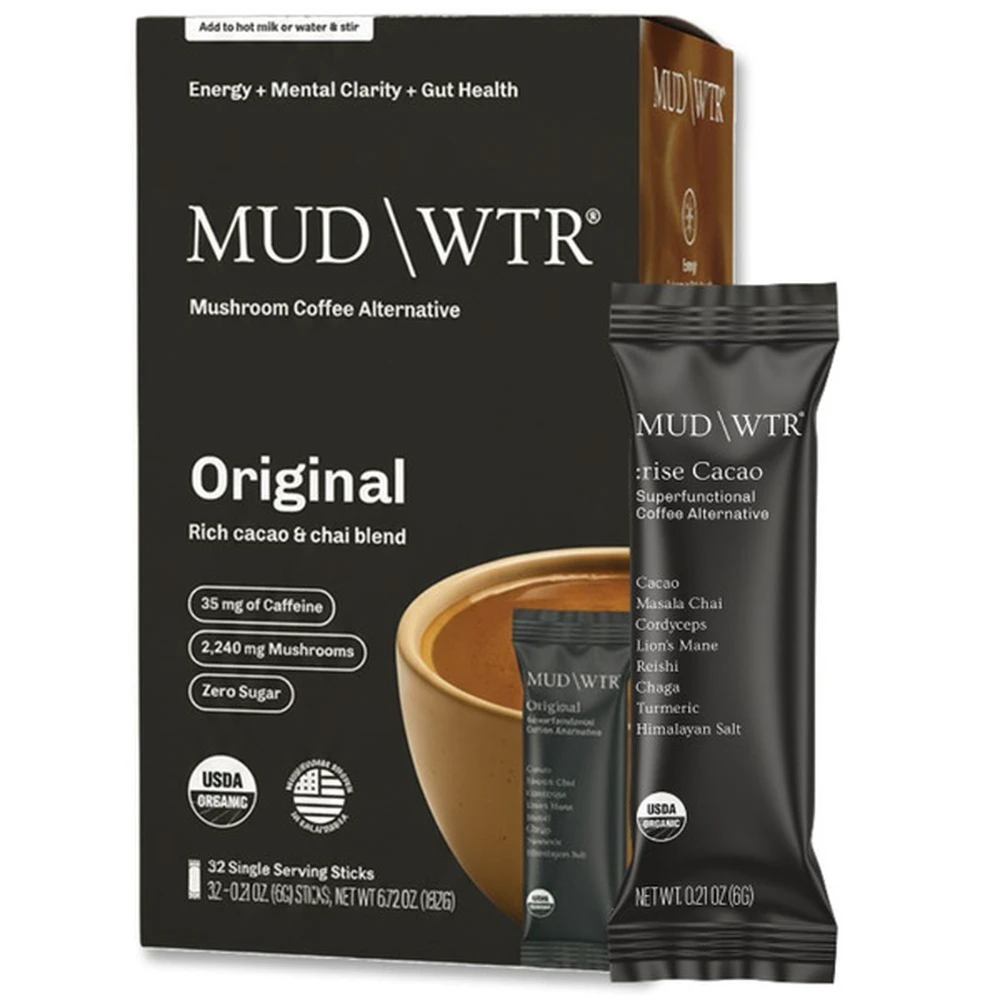
Le sachet en forme de bâtonnet — portion individuelle. Le sachet vertical répond aux besoins de portabilité : le sac de sport, le tiroir du bureau, le bagage à main. Les formats à portion individuelle dans les catégories de poudres fonctionnelles s’imposent comme un achat d’essai et de commodité — ils servent également de mécanisme d’échantillonnage, permettant aux nouveaux acheteurs d’essayer un parfum sans s’engager à acheter une boîte de 30 portions. Les sachets individuels de MUD\WTR reprennent le même langage de conception que la boîte et le sachet souple, avec un système de blocs de couleur adapté à la forme étroite et haute du sachet individuel. Pour une approche similaire en matière d’emballage de poudres fonctionnelles en portions individuelles, Le système de sachets individuels de Liquid IV aborde le même sujet sous l'angle de l'hydratation et des électrolytes.
Format
Taille
Cas d'utilisation principal
Logique de l'emballage
Boîte en aluminium
30 portions
Rituel quotidien, présentoir de comptoir, coffret cadeau / kit de démarrage
Efficacité maximale en matière de protection ; réutilisable ; objet mettant en valeur la marque sur le plan de travail de la cuisine
Pochette de rangement
90 portions
Réapprovisionnement en gros pour les utilisateurs fidèles
Coût par portion réduit ; rentabilité des emballages adaptables à grande échelle ; mêmes caractéristiques de barrière que la boîte en fer blanc
Sachet en stick
Portion unique
Portabilité, période d'essai, salle de sport / voyages / bureau
Précision de la dose unique ; format compact ; mécanisme d'échantillonnage destiné aux nouveaux acheteurs
Pour les marques qui mettent en place un système multiformat similaire, JINYI propose les trois types de formats suivants : boîtes en aluminium personnalisées pour les présentoirs de comptoir haut de gamme et les formats cadeaux, pochettes à fond plat pour les références de réapprovisionnement en vrac, et sachets en forme d'oreiller et formats en stick pour les formats individuels et de voyage — le tout au sein d’un même système de production et de gestion des couleurs.
Quelles sont les performances de barrière requises pour une poudre de champignon fonctionnelle ?
MUD\WTR n'a pas publié de spécification technique officielle concernant son film d'emballage souple. L'analyse suivante repose sur la composition du produit, ses exigences de certification et les normes de performance barrière applicables aux produits fonctionnels à base de champignons et de poudres d'adaptogènes, pour une durée de conservation standard comprise entre 12 et 24 mois.
La liste des ingrédients contient plusieurs composants présentant des profils de sensibilité spécifiques qui imposent des exigences en matière de barrière supérieures à celles requises pour une poudre alimentaire standard :
Extraits de champignons fonctionnels (Chaga, Reishi, Crinière de lion, Cordyceps) contiennent des bêta-glucanes, des polysaccharides et des composés polyphénoliques qui se dégradent en cas d’exposition prolongée à l’oxygène et à la lumière. Le taux de dégradation varie selon les composés, mais le principe général est qu’un environnement à faible taux d’oxygène (OTR) prolonge l’activité biologique de ces composés pendant toute la durée de conservation du produit.
Cacao biologique contient du beurre de cacao — un composant gras susceptible de rancir par oxydation lorsqu’il est exposé à l’oxygène, ce qui génère des saveurs indésirables qui seraient immédiatement perceptibles dans un produit consommé sous forme de boisson chaude. La teneur en matières grasses du cacao est inférieure à celle d’un produit spécifiquement riche en matières grasses, tel qu’un complément cétogène, mais elle est suffisamment importante pour nécessiter une couche barrière qui limite la pénétration d’oxygène en dessous du seuil de détection d’une altération de la qualité.
Mélange d'épices ayurvédiques (cannelle, curcuma, gingembre et autres) contiennent des composés aromatiques volatils — les huiles essentielles responsables du profil gustatif et olfactif caractéristique du produit. Au fil du temps, ces composés s’échappent à travers le film d’emballage si la barrière est insuffisante, ce qui donne un produit dont le goût et l’odeur sont moins prononcés que prévu. La barrière aromatique est un critère de performance de l’emballage parfois négligé au profit des indicateurs relatifs à l’oxygène et à l’humidité, mais pour un produit dont le profil épicé du chai constitue une caractéristique sensorielle essentielle, il s’agit d’une spécification importante.
Base en poudre hygroscopique. Le produit se présente sous la forme d'une poudre fine et hétérogène. Les poudres fines absorbent plus facilement l'humidité atmosphérique que les particules plus grossières en raison de leur rapport surface/masse plus élevé. L'infiltration d'humidité entraîne la formation d'agglomérats, une solubilité réduite au contact de l'eau et, en cas d'exposition prolongée, une activité microbienne. La spécification relative au MVTR (taux de transmission de vapeur) pour les emballages souples doit tenir compte du stockage dans des conditions d'humidité ambiante variables tout au long de la durée de conservation.
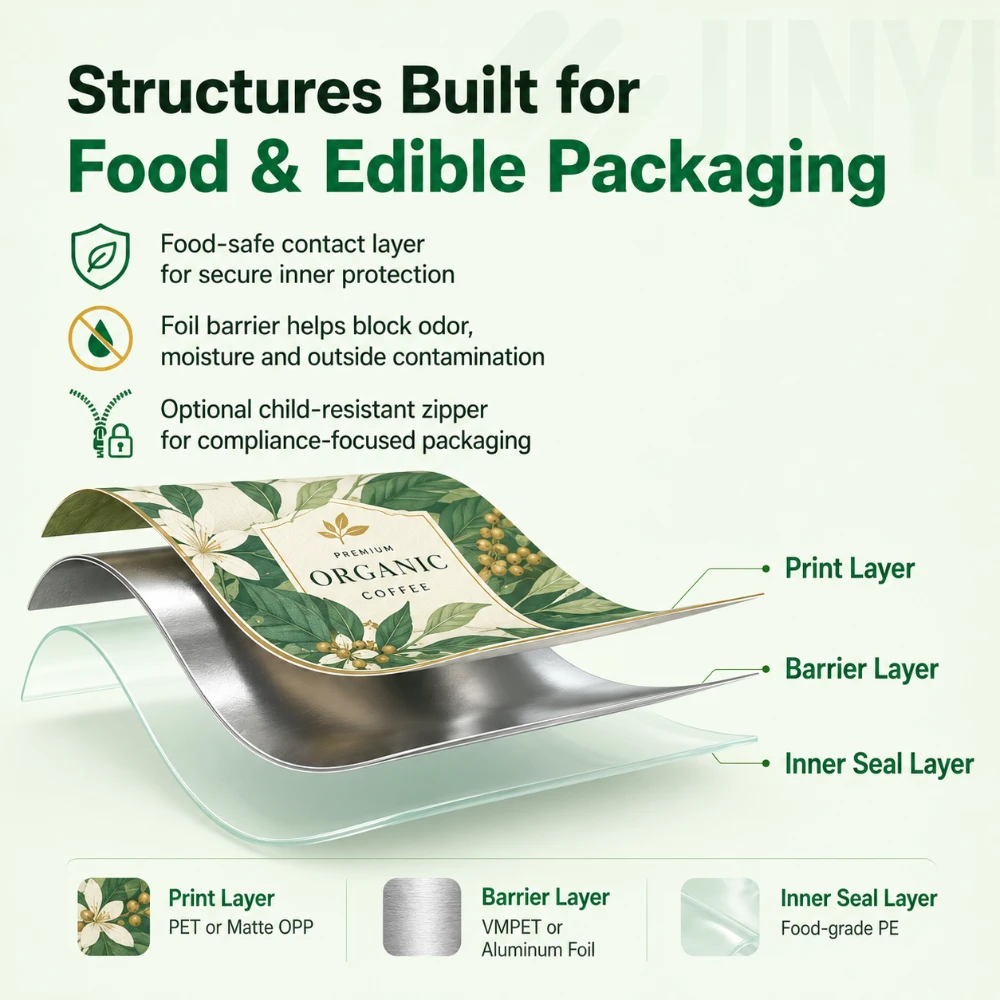
Pour les formats « stand-up pouch » et « stick pack », la structure du film devrait être un laminé standard à trois couches :
Couche (extérieure → intérieure)
Estimation du matériel
Fonction
Couche d'impression (extérieure)
PET, 12-15 μm
Support à impression inversée pour des graphismes en blocs de couleur unie ; rigidité structurelle pour la confection des sacs ; résistance à l'abrasion pour la manutention en magasin et les expéditions directes aux consommateurs
Couche barrière (milieu)
AL (feuille d'aluminium), 7-9 μm
OTR quasi nul (estimé à ≤ 0,01 cm³/m²/jour) ; MVTR quasi nul ; protection totale contre les UV et la lumière — protégeant ainsi les composés thermosensibles des champignons, les arômes volatils des épices et la graisse de cacao contre la dégradation oxydative
Couche d'étanchéité interne (à l'intérieur)
PE de qualité alimentaire, 60-80 μm
Surface thermoscellable ; conforme aux normes relatives au contact alimentaire ; couche interne compatible avec la certification « USDA Organic », sans risque de contact avec des substances interdites
Remarque : la structure du film est estimée sur la base de la composition du produit, des exigences de certification et des spécifications standard du secteur applicables à la poudre de champignons fonctionnelle, pour une durée de conservation standard. MUD\WTR n'a pas publié de documentation officielle concernant les matériaux utilisés pour ses emballages souples.
Le principe de barrière de la boîte en aluminium est plus simple à expliquer : l’aluminium massif, à l’épaisseur standard utilisée dans l’industrie, offre des valeurs OTR et MVTR proches de zéro, ce qui est une propriété intrinsèque du métal, sans qu’il soit nécessaire de gérer les variables liées au laminage ou au traitement des films. La constance des propriétés barrières de la boîte en aluminium est garantie par sa structure même, et ne dépend pas des spécifications d’un film. Pour un produit haut de gamme contenant plusieurs ingrédients sensibles, cet avantage en termes de fiabilité contribue à justifier le coût unitaire plus élevé de la boîte en aluminium par rapport au sachet souple.
Le système de conception « Color-Block » : une règle visuelle unique appliquée à trois formats très différents
L'identité visuelle de MUD\WTR repose sur une règle simple et unique : des aplats de couleur unie pour les produits phares, et des dégradés pour les variantes mélangées ou aux fonctionnalités améliorées. Cette règle a été conçue par l’équipe de conception des emballages de la marque pour résoudre un problème spécifique : comment différencier un portefeuille de références en pleine expansion sans fragmenter l’identité de la marque ni obliger le consommateur à réapprendre le système à chaque lancement de nouveaux produits.
La mise en œuvre est rigoureuse. Chaque référence (SKU) se distingue par une couleur dominante : le mélange original :rise Cacao utilise un ton presque noir rehaussé de touches de marron chaud, :rise Matcha un vert forêt profond, :balance Turmeric un jaune doré discret, et :rest Rooibos un terracotta chaleureux. La couleur sert d’identifiant à chaque référence : le système est conçu pour que le consommateur puisse repérer son produit préféré de loin, grâce à sa couleur, avant même de lire le texte. Il s’agit là d’un avantage significatif en termes de performance en rayon, dans une catégorie où le consommateur peut être amené à passer en revue simultanément une vingtaine de produits fonctionnels en poudre ou plus.
La règle du dégradé apporte une deuxième couche d'information : lorsque le produit est un mélange de deux formules fonctionnelles ou qu'il contient des ingrédients fonctionnels renforcés, l'emballage utilise un dégradé entre deux couleurs plutôt qu'une couleur unie. Un consommateur qui comprend ce système — et l’emballage de la marque est conçu pour le lui faire comprendre rapidement — peut déterminer immédiatement s’il s’agit d’une formule de base ou d’un mélange fonctionnel, sans avoir à lire le texte descriptif. Il s’agit là d’une approche exceptionnellement sophistiquée de la communication visuelle pour une gamme comportant de nombreuses références, dans un secteur du bien-être fonctionnel où la plupart des concurrents s’appuient sur des hiérarchies riches en texte pour différencier leurs gammes.
Le défi que représente la mise en œuvre de ce système sur trois formats physiquement différents — une boîte ronde en aluminium, un sachet à fond plat et un stick-pack étroit — relève autant de la production et de la gestion des couleurs que du design. Le même noir sur la boîte, le sachet et le stick-pack doit apparaître identique sur trois supports différents (aluminium avec étiquette, laminé PET imprimé au verso et film de stick-pack), trois procédés d’impression différents (impression d’étiquettes ou décoration directe de la boîte, impression flexographique ou numérique sur film, et impression sur film de stick pack), ainsi que sur trois géométries de surface différentes. La variation de couleur entre les formats est immédiatement perceptible pour un consommateur qui possède les trois.
Comparez cette approche à la manière dont AG1 gère son système de conception d'emballages — une approche mono-format qui concentre l’intégralité de l’identité de marque sur un seul emballage, sans le défi de cohérence entre les différents formats auquel MUD\WTR doit faire face. Ces deux stratégies sont tout à fait valables pour des architectures de gamme différentes, mais l’approche multi-format de MUD\WTR nécessite une coordination de production nettement plus importante pour garantir une mise en œuvre cohérente.
À propos de la cohérence des couleurs entre les différents formats : Lorsqu’l’identité d’une marque repose sur la couleur comme principal facteur de différenciation des références, la cohérence des couleurs entre les différents formats relève d’une spécification de production et non d’une simple préférence de conception. Cela implique que tous les formats soient imprimés selon la même cible de couleur — définie en valeurs LAB ou Pantone avec des tolérances Delta E précisées — et que chaque nouveau tirage soit vérifié par rapport à cette cible avant expédition. Les marques qui se contentent d’un simple contrôle visuel accumulent des écarts de couleur entre les formats au fil des cycles de production successifs.
La différence en matière de développement durable : pourquoi la boîte en fer blanc est plus respectueuse de l'environnement que le sachet
MUD\WTR présente la boîte en aluminium comme réutilisable — et cette réutilisabilité constitue un argument de développement durable pertinent dans un secteur où le format d’emballage dominant est le laminé multicouche souple, qui n’est pas recyclable dans les filières municipales standard. L’argument de développement durable lié à cette boîte comporte plusieurs aspects distincts qu’il convient d’analyser séparément.
L'aluminium est recyclable à l'infini sans perte de qualité du matériau — contrairement aux plastiques, qui se dégradent à chaque cycle de recyclage, ou aux matériaux stratifiés multicouches, qui ne peuvent absolument pas être séparés en flux de composants recyclables. Une boîte en aluminium qui entre dans le circuit de recyclage après utilisation est récupérée sous forme d’aluminium de haute qualité pouvant être transformé en nouveaux produits avec une fraction de l’énergie nécessaire à la production d’aluminium vierge. Parallèlement, la stratégie de réutilisation de MUD\WTR encourage les consommateurs à continuer d’utiliser la canette plutôt que de s’en débarrasser — comme récipient de rangement, organiseur de bureau ou simplement comme contenant réutilisable si la marque propose des options de recharge.
Les formats « stand-up pouch » et « stick pack » occupent une place de référence parmi les emballages souples dans la catégorie des produits fonctionnels de bien-être : techniquement non recyclables en raison de leur structure multicouche laminée (PET collé à une feuille d’aluminium elle-même collée à du PE), ils n’en restent pas moins plus efficaces que les emballages rigides en termes d’utilisation de matériaux par portion et d’empreinte carbone lors du transport. Il s’agit là de la même limitation en matière de recyclabilité qui s’applique à la plupart des emballages de poudres fonctionnelles disponibles sur le marché : il ne s’agit pas d’un échec spécifique des choix d’emballage de MUD\WTR, mais d’une conséquence, à l’échelle de toute la catégorie, des exigences de performance barrière imposées aux produits en poudre fine dont la composition en ingrédients est sensible.
La question de savoir si un film recyclable mono-matériau pourrait remplacer le laminé multicouche utilisé pour le format de sachet de MUD\WTR dépend des performances de barrière pouvant être obtenues avec la technologie actuelle des films recyclables. Les films barrière mono-matériaux en PE, dotés de couches d’EVOH ou d’un revêtement barrière, atteignent actuellement des valeurs OTR comprises entre 0,5 et 5,0 cc/m²/jour — ce qui est suffisant pour certains produits alimentaires présentant un profil de sensibilité faible, mais potentiellement insuffisantes pour un produit contenant des arômes épicés volatils et des composés fonctionnels issus de champignons, avec une durée de conservation cible de 12 à 24 mois. Le passage à des emballages souples recyclables pour cette catégorie de produits reste un défi d’ingénierie des matériaux qui n’a pas encore été définitivement résolu par la technologie des films disponible dans le commerce.
Ce que MUD\WTR a su faire avec brio, c’est d’utiliser la boîte en fer-blanc — son format le plus haut de gamme — comme fer de lance de la durabilité au sein de sa gamme d’emballages. C’est ce format qui apparaît dans les contextes de cadeaux, dans le kit de démarrage et dans les photos de marque. Sa réutilisabilité et sa recyclabilité font de l’emballage le plus visible de la gamme celui qui se justifie le mieux du point de vue de la durabilité. Les formats souples répondent aux besoins de volume et de portabilité sans bénéficier du positionnement haut de gamme de la boîte en métal ; leur recyclabilité limitée est donc moins mise en avant sur le plan commercial.
Ce que les marques qui développent des emballages pour boissons fonctionnelles en poudre attendent d'une usine
Le système d'emballage de MUD\WTR témoigne d'un niveau de sophistication en matière de formats et de conception auquel aspirent la plupart des marques de poudres fonctionnelles, mais que peu d'entre elles parviennent à atteindre au début de leur croissance. Ce système nécessite une usine — ou un ensemble d'usines gérées comme une chaîne d'approvisionnement coordonnée — capable de produire des formats de boîtes métalliques, de sachets souples et de sticks, tout en garantissant la cohérence des couleurs, la conformité aux certifications et le respect des normes de performance des matériaux pour ces trois formats.
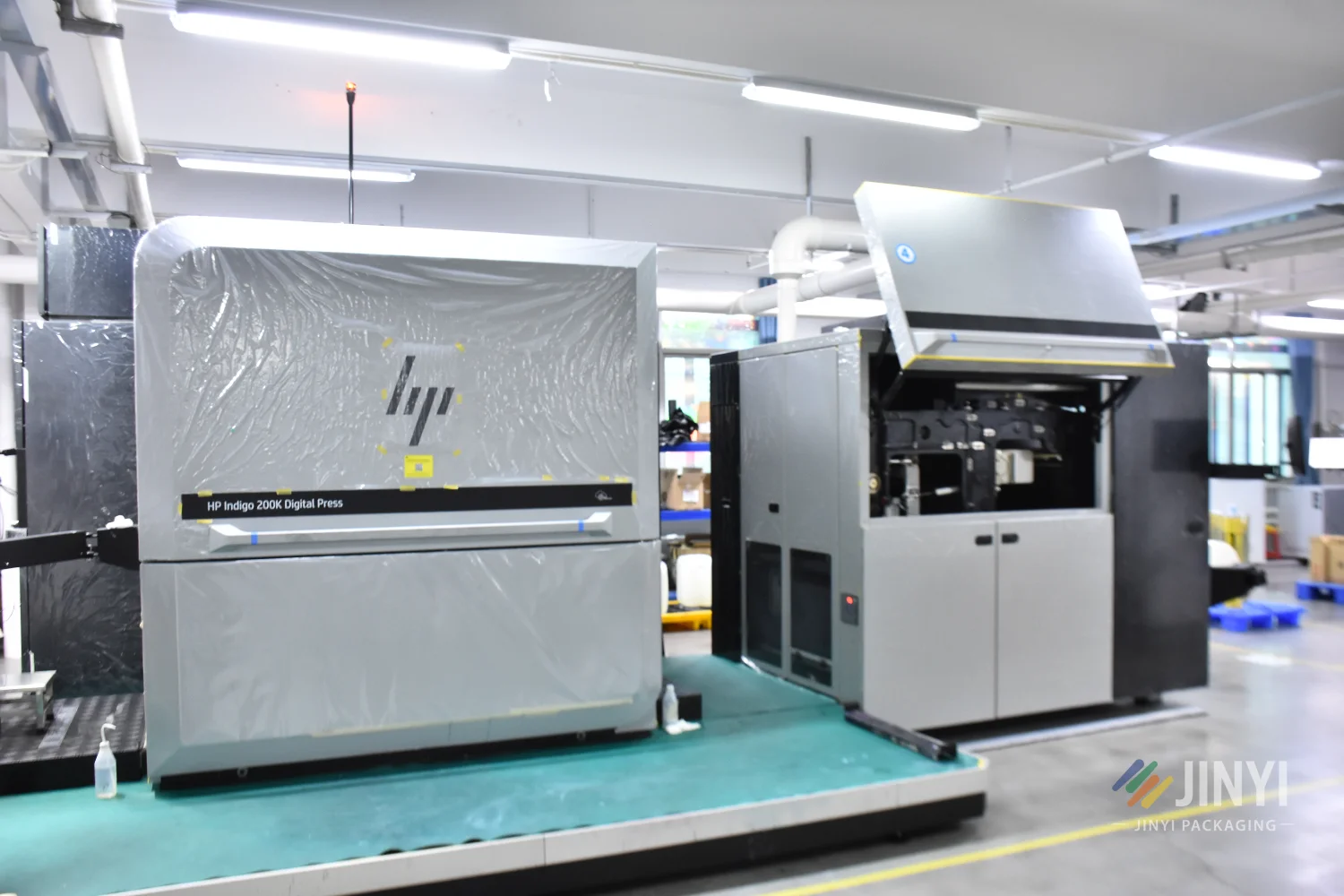
HP Indigo 200K - la presse la plus récente de JINYI, mise en service en 2025, augmentant la capacité d'impression numérique et réduisant les délais de livraison
Pour le format en boîte, les capacités essentielles de l’usine sont les suivantes : une structure en aluminium de qualité alimentaire avec un revêtement intérieur propre compatible avec les produits en poudre biologiques ; des dimensions et un type de fermeture sur mesure ; des options de décoration extérieure, notamment une étiquette mate, une impression directe ou une finition gaufrée ; et des échantillons physiques permettant d’évaluer l’ajustement, le remplissage et le scellage avant le lancement de la production. La boîte en fer-blanc est l’emballage le plus visible de la marque : la cohérence de ses dimensions et la qualité de sa finition d’un lot de production à l’autre revêtent une importance particulière, car elles sont immédiatement perceptibles par les consommateurs qui possèdent plusieurs boîtes au fil du temps.
Pour le format de sachet souple, les exigences sont les suivantes : spécification du laminé PET/AL/PE avec données OTR et MVTR publiées ; une documentation attestant la conformité au contact alimentaire, compatible avec les exigences de la certification « USDA Organic » ; une option de fermeture à glissière refermable pour le sachet à fond plat ; et une gestion des couleurs visant la même teinte que la boîte de conserve, confirmée sur des échantillons physiques de pré-production avant validation de la production.
Pour le format « stick pack », les exigences de production spécifiques sont les suivantes : capacité de soudure latérale et transversale sur des machines de conditionnement verticales de type « form-fill-seal » ; la compatibilité avec les poudres fines dans la zone de scellage (les poudres fines migrent vers les zones de scellage lors du remplissage à grande vitesse, ce qui compromet l'étanchéité du scellage si le film et la configuration de la machine ne sont pas correctement adaptés) ; et un rendu des couleurs homogène dans le format « stick pack », étroit et haut, où les graphismes en blocs de couleur sont compressés dans une petite zone imprimable.
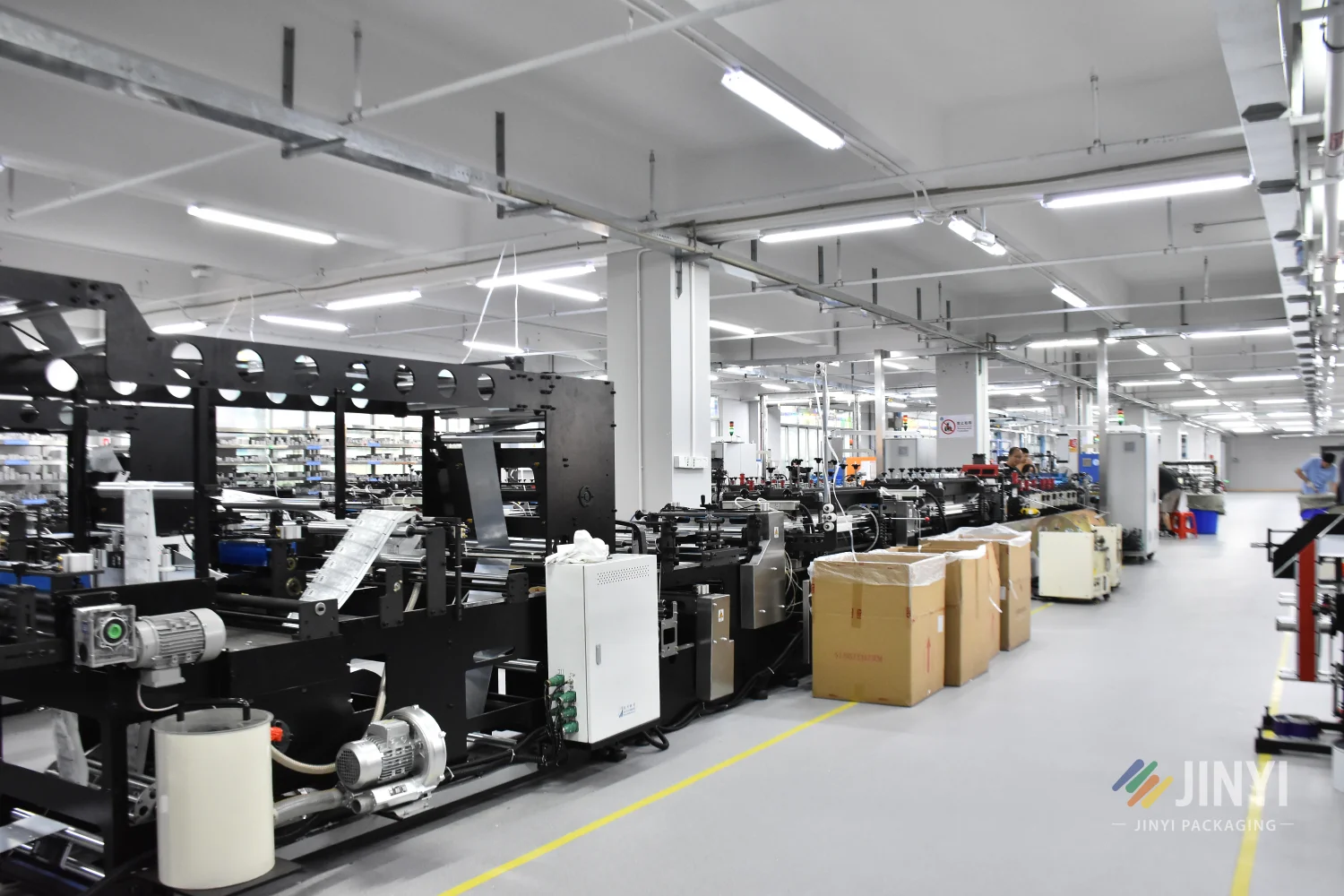
Pose des fermetures à glissière en continu lors de la fabrication des sacs chez JINYI — les fermetures à glissière à pression sont montées et testées dans le cadre du processus de production en continu
La capacité de production de JINYI couvre ces trois types de formats. Notre boîte en aluminium sur mesure Notre service de production prend en charge la fabrication de ce présentoir de comptoir haut de gamme, doté d'un intérieur conforme aux normes alimentaires et d'une décoration extérieure personnalisée. Notre pochette de rangement et sachet en forme d'oreiller et sachet en forme de bâtonnet Ces formats couvrent toute la gamme des emballages souples aux spécifications de barrière PET/AL/PE et PET/VMPET/PE, avec une documentation complète sur les matériaux fournie de série. Le rendu des couleurs sur l'ensemble de notre gamme de presses numériques HP Indigo est géré par ESKO Automation Engine : ce système de gestion des couleurs est appliqué à chaque travail, ce qui permet d'obtenir une cohérence des couleurs mesurable d'un format à l'autre, et non plus approximative.
Pour les marques actives dans les secteurs du café fonctionnel, des compléments alimentaires à base de champignons ou des poudres adaptogènes qui souhaitent mettre en place un système d’emballage plutôt qu’un emballage unique, le point de départ réside dans les exigences en matière de barrière — définies par la composition des ingrédients, la durée de conservation visée et l’environnement de distribution — et non dans le cahier des charges. Le solutions d'emballage fonctionnelles pour les boissons et le café Cette page présente les options de format disponibles dans le cadre des capacités de production de JINYI pour cette catégorie de produits.
Vous souhaitez mettre en place un système de conditionnement multiformat pour une marque de poudres fonctionnelles ?
JINYI fabrique des boîtes en aluminium sur mesure, des sachets à fond plat et des emballages en stick pack — avec, en standard, des spécifications de laminés barrière, des certificats de conformité alimentaire et une gestion des couleurs assurée sur tous les formats. La discussion commence par l'analyse de la composition de vos ingrédients et de la durée de conservation visée, et non par le fichier de conception.
JINYI est une usine de production d'emballages flexibles sur mesure, avec plus de 15 ans d'expérience dans la production, au service de marques de produits alimentaires, de compléments alimentaires, de café, d'aliments pour animaux de compagnie et de biens de consommation dans plus de 150 pays. Nous produisons des sachets à fond plat, des sachets coussins et des sachets à soufflet latéral en PET/AL/PE, PET/VMPET/PE et autres spécifications de barrière - via l'impression numérique HP Indigo à partir de 500 unités et l'impression hélio en volume - avec une documentation complète sur les matériaux incluse en standard dans chaque commande.
C'est ce que Du film au produit fini - bien fait dans la pratique.
Elsa
Responsable du développement commercial - JINYI Packaging
Elsa dirige le développement commercial et la gestion des commandes des clients chez JINYI. Avec 8 ans d'expérience dans le commerce extérieur à Yiwu et Dongguan, elle a une connaissance approfondie de la demande du marché et des besoins réels des acheteurs, ce qui lui permet de prendre les bonnes décisions en matière d'emballage sur la base d'une connaissance réelle du client.
Besoins des clients Gestion des commandes Développement des entreprises
Quels sont les formats d'emballage utilisés par MUD\WTR ?
MUD\WTR propose trois formats dans sa gamme de produits : une boîte en aluminium (30 portions), qui constitue le format emblématique de la marque pour le rituel quotidien ; un sachet à fond plat (90 portions), destiné au réapprovisionnement en vrac à un coût unitaire réduit ; et des sachets individuels, pratiques à emporter et parfaits pour tester le produit. Ces trois formats s'inscrivent dans le même système de design à blocs de couleur, avec des aplats de couleur unie pour les produits phares et des dégradés pour les mélanges fonctionnels.
De quel matériau est fabriquée la boîte en aluminium de MUD\WTR ?
Le contenant de MUD\WTR est un bidon rond en aluminium — de construction métallique solide, muni d’un couvercle à emboîtement par friction. L’aluminium offre une transmission de l’oxygène et de la vapeur d’eau quasi nulle, une propriété inhérente au métal, sans qu’il soit nécessaire de gérer les variables liées au collage des laminés. Il est recyclable à l’infini et présenté par la marque comme réutilisable, ce qui en fait le format le plus défendable en termes de durabilité au sein de la gamme. L’intérieur est doté d’une finition de qualité alimentaire et compatible avec le produit certifié « USDA Organic » de la marque.
Quelle est la structure de film la plus probable pour le sachet à fond plat de MUD\WTR ?
MUD\WTR n'a pas publié de spécifications officielles concernant le film utilisé pour ses emballages souples. Compte tenu de la composition du produit — extraits fonctionnels de champignons, cacao biologique, mélange d’épices ayurvédiques volatiles — et des exigences de la certification « USDA Organic », la structure estimée est un laminé standard à trois couches PET/AL/PE : une couche d’impression en PET à l’extérieur, une couche barrière en feuille d’aluminium au milieu (OTR estimé ≤ 0,01 cc/m²/jour), et une couche de scellage interne en PE de qualité alimentaire. La barrière en feuille d’aluminium protège les composés des champignons sensibles à la chaleur, les arômes volatils des épices et la graisse de cacao contre la dégradation oxydative pendant toute la durée de conservation du produit.
Comment fonctionne le système de conception par blocs de couleurs de MUD\WTR ?
MUD\WTR applique une règle visuelle unique à l'ensemble de sa gamme d'emballages : les aplats de couleur unie désignent les produits phares, tandis que les dégradés indiquent les variantes mélangées ou enrichies de propriétés fonctionnelles. Chaque référence dispose d’une couleur dominante — presque noire pour le :rise Cacao original, vert forêt pour le :rise Matcha, jaune doré pour le :balance Turmeric, terracotta pour le :rest Rooibos — qui sert d’identifiant principal de la référence. Ce système permet au consommateur de repérer son produit préféré à distance, avant même de lire le texte, et ce quel que soit le format choisi parmi les trois proposés.
Les emballages de MUD\WTR sont-ils recyclables ?
La boîte en aluminium est à la fois recyclable et réutilisable — l’aluminium peut être recyclé à l’infini sans perte de qualité. Les formats « stand-up pouch » et « stick pack » utilisent un film laminé multicouche (PET/AL/PE) qui n’est pas recyclable dans les filières municipales standard, ce qui correspond à la même limitation que celle qui s’applique à la plupart des emballages souples destinés aux poudres fonctionnelles. La décision de la marque de positionner la boîte en aluminium comme format principal et le plus visible signifie que l'emballage le plus recyclable de la gamme est également celui qui occupe la place la plus importante sur le plan commercial.
Pourquoi la poudre de champignons fonctionnelle nécessite-t-elle un film à haute barrière ?
Les poudres de champignons fonctionnelles contiennent des bêta-glucanes, des polysaccharides et des composés polyphénoliques qui se dégradent sous l'effet de l'oxygène et de la lumière, ce qui réduit l'activité biologique du produit au cours de sa durée de conservation. Les épices (cannelle, curcuma, gingembre et autres) contiennent des huiles essentielles volatiles qui s’évaporent si le film barrière est insuffisant, ce qui atténue le profil gustatif et aromatique du produit. La composante cacao contient des matières grasses sensibles au rancissement oxydatif. Combinées, ces sensibilités des ingrédients nécessitent un film barrière limitant le passage de l’oxygène et de la vapeur d’eau à des niveaux permettant de préserver la qualité totale du produit pendant toute la durée de conservation indiquée.
En quoi l'emballage de MUD\WTR se distingue-t-il de l'approche de RYZE ?
Les deux marques opèrent dans la catégorie des poudres de champignons fonctionnelles, soumises aux exigences de la certification « USDA Organic » qui limitent leurs choix en matière de matériaux d’emballage. La principale différence réside dans la stratégie de format : MUD\WTR utilise un système à trois formats (boîte en aluminium, sachet, stick pack) conçu autour de cas d’utilisation distincts par les consommateurs, la boîte en aluminium constituant le principal élément identitaire de la marque. RYZE adopte une approche plus simple, à format unique, qui concentre la marque sur un seul type d’emballage. Les deux marques ont besoin d’un film souple à haute barrière pour leurs formats en sachet, mais l’architecture multi-formats de MUD\WTR nécessite une coordination de production nettement plus importante pour garantir la cohérence entre les différents formats. Pour une analyse détaillée des choix d’emballage de RYZE, consultez notre Analyse des emballages RYZE.