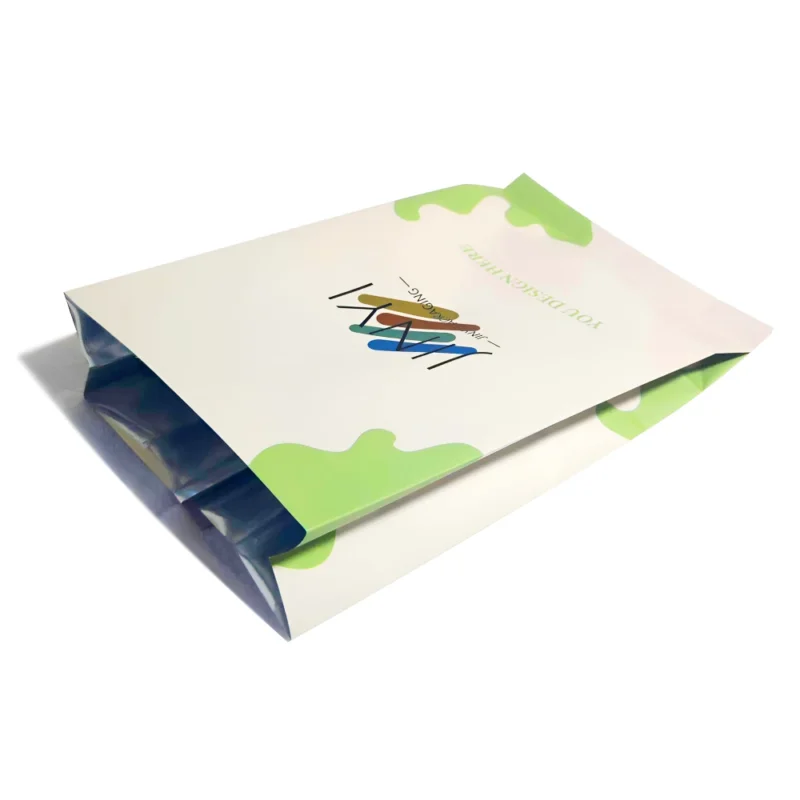
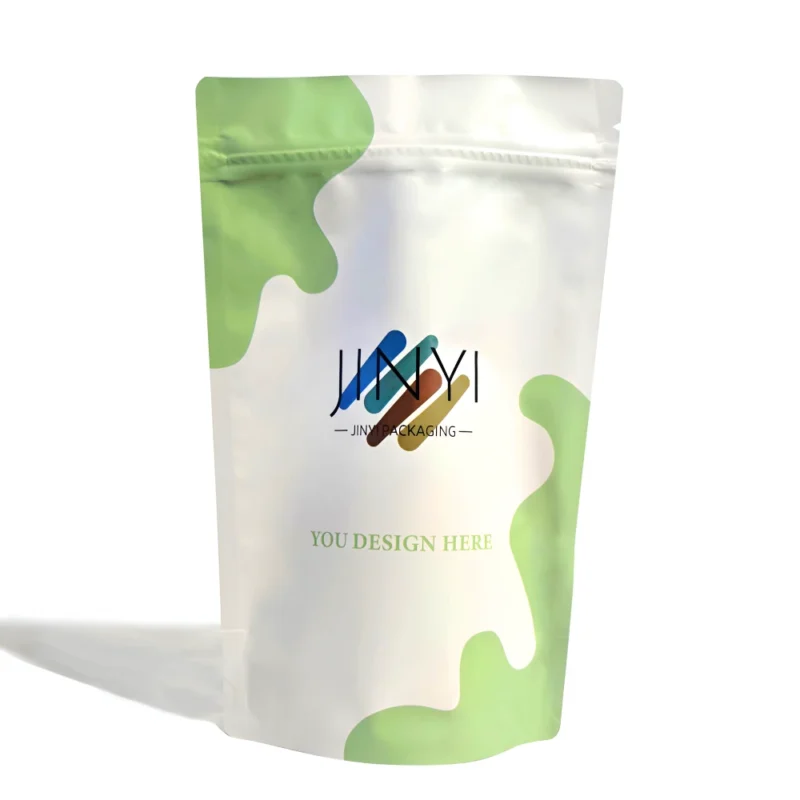
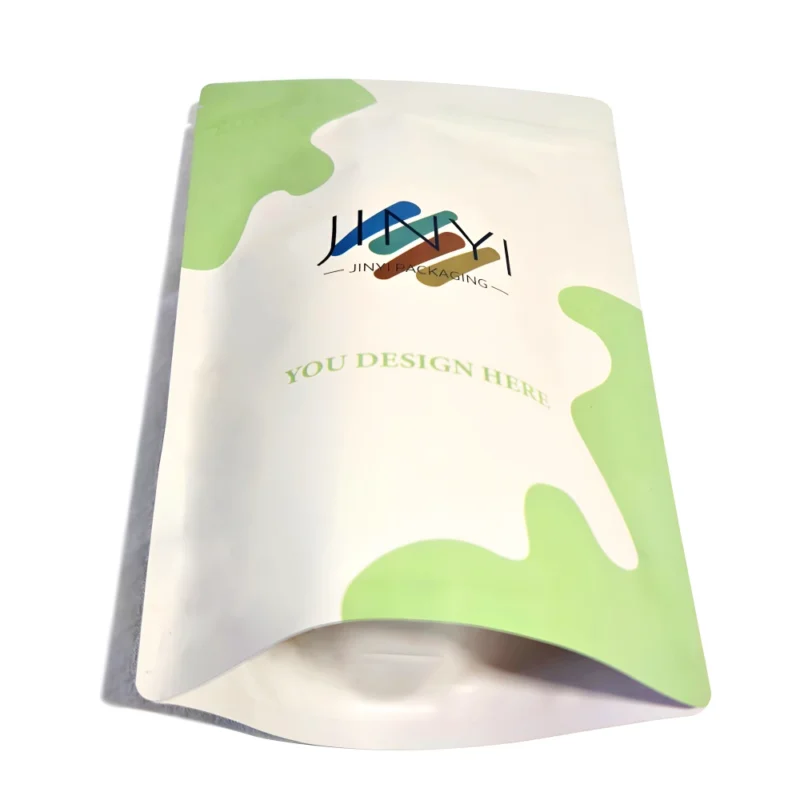
Prices rise, shoppers trade down, and brands add claims. Then “stale” reviews spike and repeat drops. The issue is not one film. The issue is mismatched format, size, and use behavior.
Growth is concentrating in whole bean and specialty-led occasions, while roast & ground faces volume pressure under price inflation. That shift pushes packaging from one standard retail bag to a portfolio: smaller fresher sizes, clearer freshness logic, and barrier + reseal specs that match open-close reality.

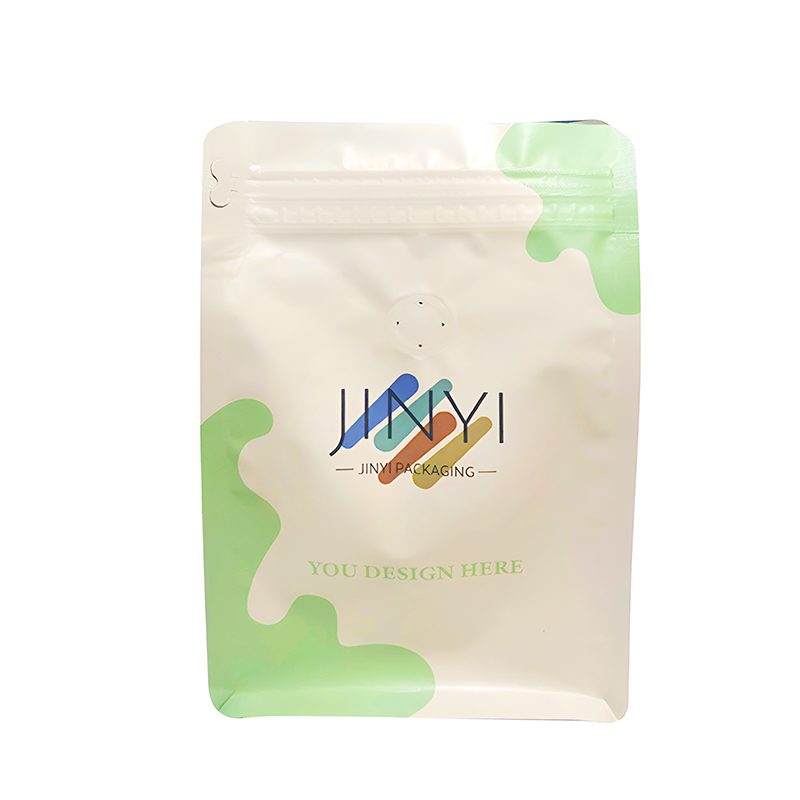
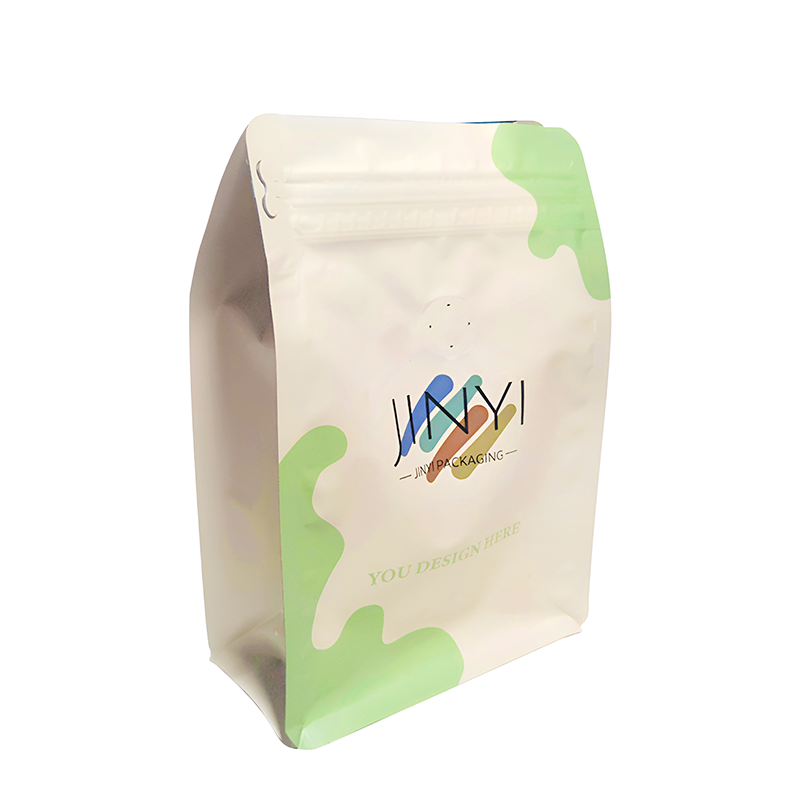
If you want a coffee pouch structure that protects aroma under real open-close use, see our coffee packaging solution here.
In this report-style guide, the topic stays practical. It links market shifts to measurable packaging decisions: which bag sizes reduce waste, when a valve helps, and why barrier specs fail when reseal reality is ignored.
Where is growth concentrating, and why does that change packaging decisions?
Shoppers do not buy “coffee” as one need. They buy occasions. In 2026, many premium occasions lean toward whole bean and specialty positioning, while mainstream ground can face unit pressure when prices jump.
Growth concentration matters because it changes the buyer’s risk. A whole-bean buyer often accepts more steps to protect aroma. A ground buyer often pays for convenience and punishes staling faster. Those behaviors change the best bag size, the closure demands, and the value of a valve.
Market reality checklist (what to measure, not what to assume)
| Question |
What to Pull |
Pourquoi c'est important |
| Is “growth” dollars or units? |
Dollar + unit trends by segment |
Inflation can hide unit softness |
| Where is specialty demand? |
Past-day specialty and prep location |
At-home vs out-of-home changes pack needs |
| What is happening to roast & ground? |
Volume vs price over time |
Trade-down shifts size architecture |
Preuves (source + année) : National Coffee Association, National Coffee Data Trends (NCDT) landing page (2025). Reuters reporting on coffee price hikes and roast & ground volume decline (2025).
What bag size strategy reduces waste and “stale” complaints for each format?
A large bag can look like value, but it can turn into waste if it stays open too long. A small bag can look expensive, but it can raise repeat if it finishes inside the freshness window.
The best size strategy depends on time-to-finish and opening frequency. That is why “12 oz is standard” is not a strategy. A portfolio is a strategy: trial sizes, core sizes, and rotation-friendly larger sizes where the barrier and reseal are strong.

Size portfolio model (simple rules that map to behavior)
| Buyer Behavior |
Whole Bean Size Direction |
Ground Size Direction |
| High at-home use, grinds fresh, seeks aroma |
Smaller / fresher core sizes + seasonal micro lots |
Smaller packs if staling fear is high |
| Value-led household, lower willingness to pay |
Larger only when rotation is fast |
Larger sizes with strong reseal consistency |
| Subscription / repeat purchase |
Multiple smaller shipments reduce staling risk |
Clear reseal + storage guidance reduces complaints |
Preuves (source + année) : Specialty Coffee Association, 2025 NCDT Specialty Breakout Report availability note (2025). Reuters coffee price hikes and consumer trade-down context (2025).
When do valves increase trial, and when do they create new failures?
A valve can signal freshness and reduce bag swelling for fresh-roasted whole bean. But a valve also adds a bonded zone. That zone can become a leak path if specs, bonding, or handling are not controlled.
In other words, a valve is not “better.” A valve is a trade. It helps when degassing is real and the buyer values roast-date logic. It backfires when route stress is high and leak sensitivity is high, or when the segment does not value degassing enough to justify complexity.
Valve decision map (help vs backfire)
| Use Case |
Valve Likely Helps |
Main Failure to Control |
| Fresh-roasted whole bean, specialty pricing |
Yes, supports degassing and freshness signaling |
Valve patch micro-leaks under vibration/compression |
| Ground coffee convenience segment |
Often limited |
Complexity without perceived value |
| High route stress (DTC, long parcel routes) |
Only with stronger validation |
Leak paths + scuff from handling |
Preuves (source + année) : National Coffee Association, 2025 Specialty Coffee consumption update/newsroom note (2025). Packaging industry commentary on whole bean growth context (Fresh Cup, 2024).
How should barrier priorities change for whole bean vs ground under real open-close use?
Many packs fail because the barrier is selected as if the bag stays closed. Real buyers open the bag many times. Every opening refreshes headspace oxygen. That “oxygen shock” can dominate outcomes, especially for ground coffee.
The barrier decision must be tied to behavior. Whole bean typically faces aroma loss and oxidation over time, but ground coffee has higher surface area and can lose aroma faster. Both formats depend on reseal reliability. A great barrier film can score zero if the zipper fails or the seal area is contaminated.
If your buyers open the bag daily, ask for a spec that targets both OTR and reseal performance, not film alone.
Barrier + reseal spec translation (what to put in an RFQ)
| Format |
Primary Risk |
Spec Language to Request |
| Haricot entier |
Aroma loss + oxidation over repeated openings |
OTR priority + seal window stability + zipper cycle checks |
| Sol |
Fast aroma fade + “stale/flat” after opening |
OTR + stronger reseal contamination tolerance + smaller size option |
| DTC / long routes |
Handling + compression + rub |
Seal integrity validation + rub resistance for premium finishes |
Preuves (source + année) : Specialty Coffee Association, NCDT Specialty Breakout summary on at-home vs out-of-home preparation (2025). National Coffee Association NCDT baseline participation (2025).
Conclusion
In 2026, packaging wins when it matches buyer behavior. Build a size portfolio, use valves only where degassing and proof matter, and treat reseal performance as part of the barrier system.
Request a coffee pouch spec review (sizes, valves, barriers)
À propos de moi
Marque : Jinyi
Slogan : Du film au produit fini - bien fait.
Site web : https://jinyipackage.com/
Notre mission :
JINYI is a source manufacturer specializing in custom flexible packaging solutions. We want to deliver reliable, practical packaging that brands can run with less communication cost, more stable quality, clearer lead times, and structures that match real product use.
A propos de nous :
JINYI est un fabricant spécialisé dans les solutions d'emballage flexible sur mesure, avec plus de 15 ans d'expérience de production au service des marques de produits alimentaires, de snacks, d'aliments pour animaux de compagnie et de produits de consommation courante.
Nous exploitons un site de production standardisé équipé de plusieurs lignes d'impression par héliogravure ainsi que de systèmes d'impression numérique HP avancés, ce qui nous permet de répondre à la fois à des commandes stables de gros volumes et à des tirages courts flexibles avec une qualité constante.
De la sélection des matériaux aux sachets finis, nous nous concentrons sur le contrôle des processus, la répétabilité et la performance dans le monde réel. Notre objectif est d'aider les marques à réduire les coûts de communication, à obtenir une qualité prévisible et à s'assurer que l'emballage fonctionne de manière fiable en rayon, en transit et lors de l'utilisation finale.
FAQ
1) Is whole bean always “fresher” than ground?
Whole bean often holds aroma longer because it has less exposed surface area, but poor reseal habits can still cause fast staling.
2) Do all whole bean bags need a valve?
No. A valve helps mainly for fresh-roasted coffee with real degassing and buyers who value freshness signals. It also adds a leak-risk zone.
3) What size reduces “stale” complaints the most?
The best size is the one most buyers finish inside their freshness window. Many brands test this with time-to-finish diaries and complaint rates.
4) Which matters more: higher barrier film or better zipper?
Both matter, but reseal failures can erase barrier benefits. Many “stale” reviews trace back to poor reseal performance after opening.
5) What should I include in an RFQ for coffee pouches?
State format (whole/ground), bag size targets, expected opening frequency, route type (retail vs DTC), and required validation (seal integrity, zipper cycles, rub resistance if premium finishes are used).