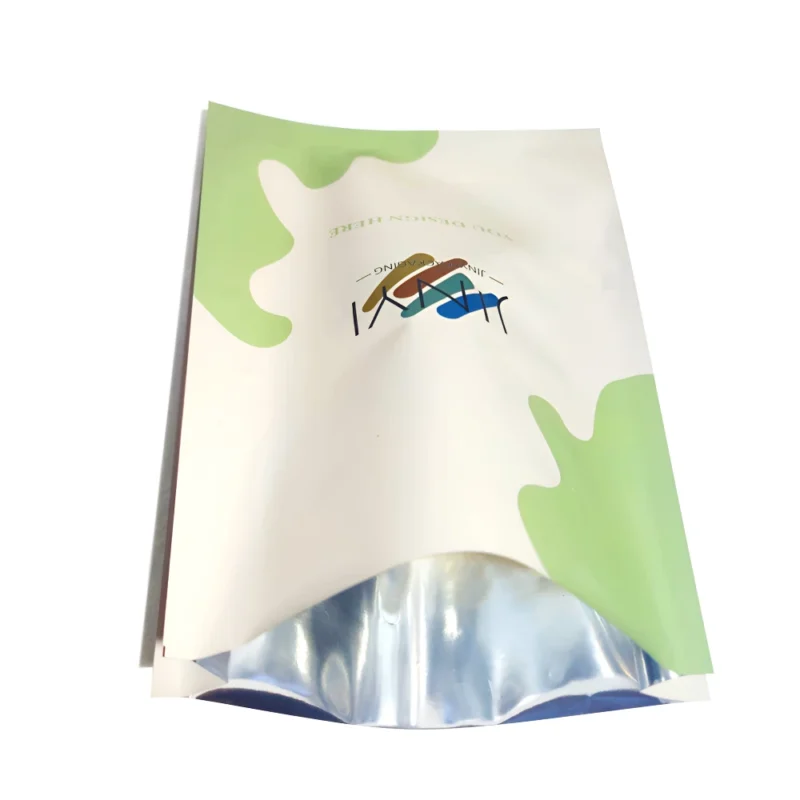
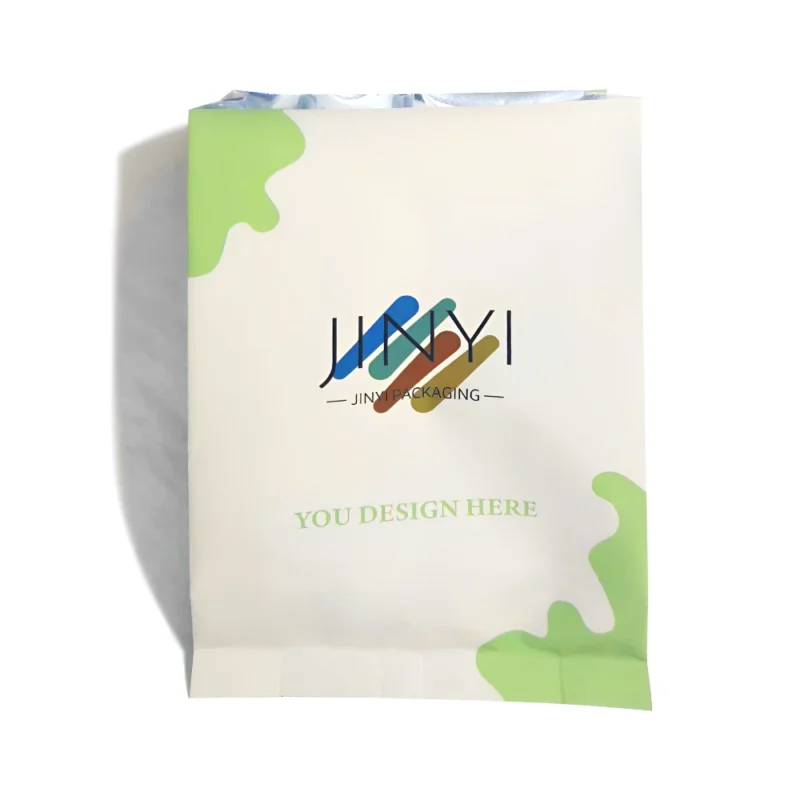
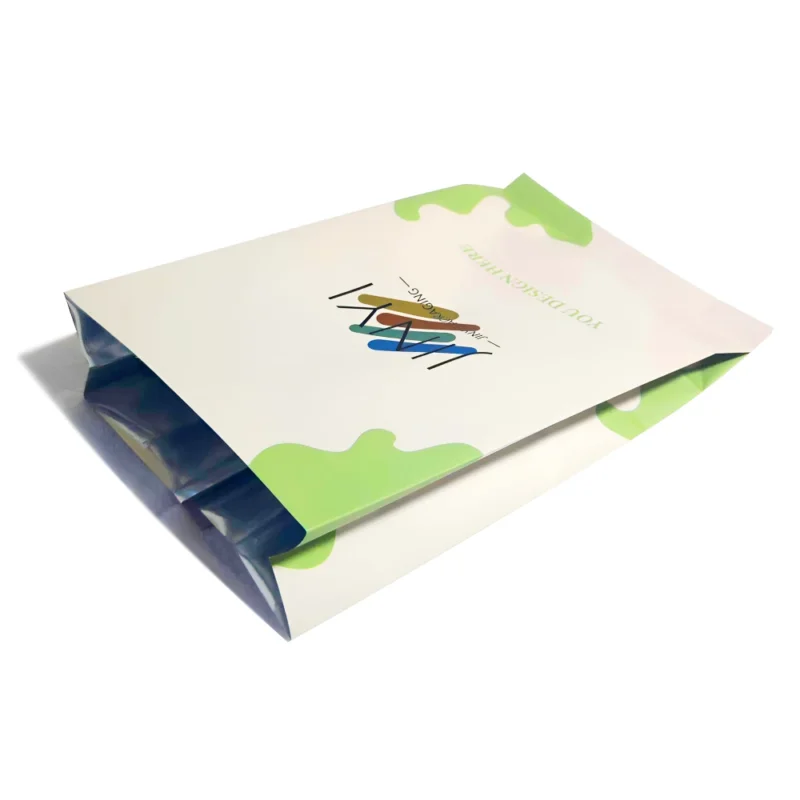
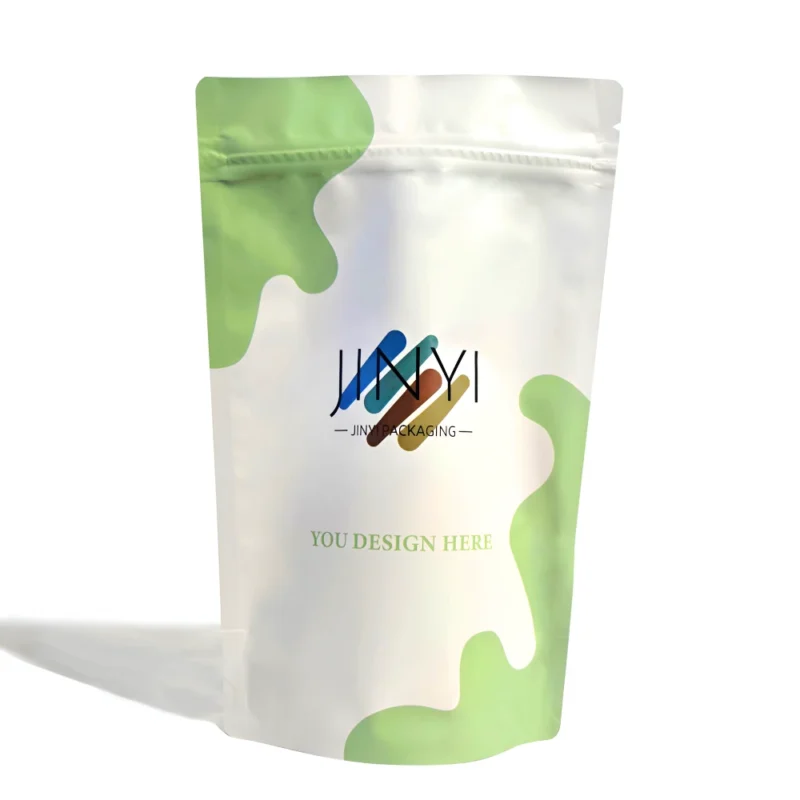
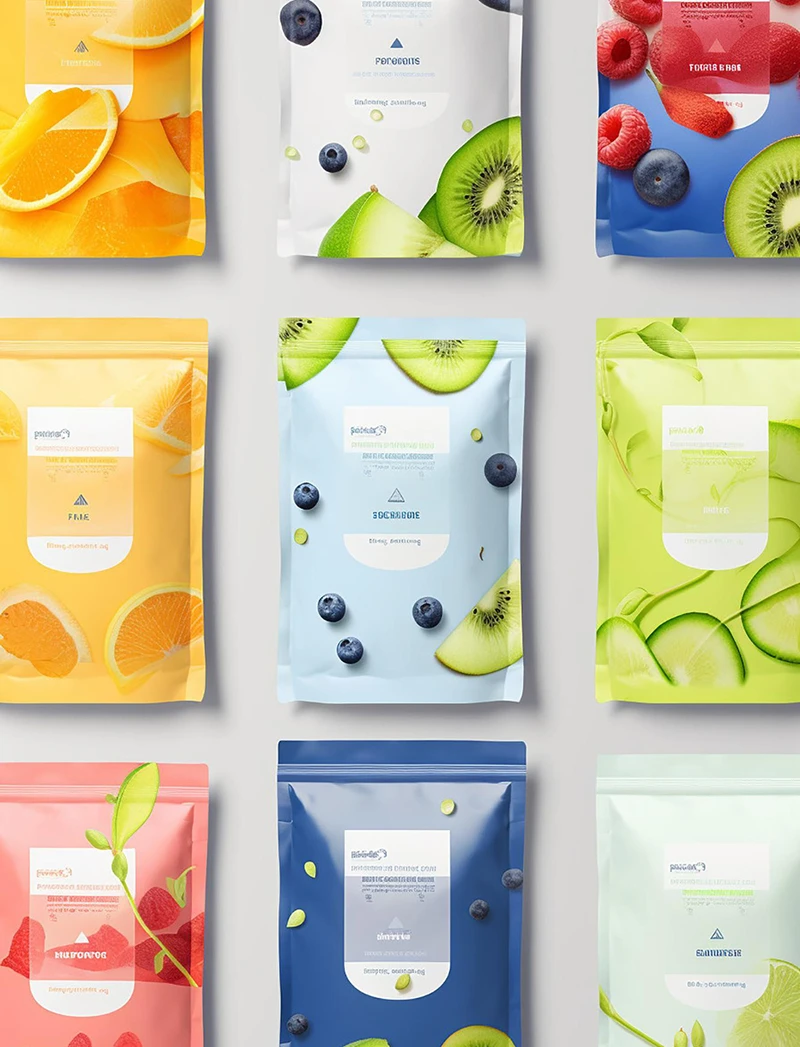
Many buyers choose the format by shelf image first. Then the product experience starts to weaken where it matters most.
I choose sleep tea packaging by product form, aroma dependence, use frequency, and storage behavior. I do not choose it by which format looks more complete on shelf.

If your sleep tea still feels hard to package well, I would define the real use pattern before I compare formats.
In my daily packaging work, I do not treat tea bag, sachet, and stand-up pouch as packaging levels. I treat them as different systems for different product and user realities.
Why Do Buyers So Often Compare Tea Bag, Sachet, and Stand-Up Pouch in the Wrong Way?
Many buyers compare formats like upgrade levels. I do not.
I compare them by protection logic, use logic, and how well the format matches the real product system.
Why I do not use surface completeness as my starting point
A lot of buyers still see tea bag as basic, sachet as more complete, and stand-up pouch as more professional. I understand that instinct, but I do not work that way. In real projects, these formats are not grades. They solve different problems. Sleep tea often sells through aroma, routine, convenience, and calmness, not just through ingredients. That means the right format has to support the experience the product is actually trying to deliver. A format that looks more like a finished retail package does not automatically protect aroma better, dose better, or fit repeated use better. From a production standpoint, this matters because the wrong format can create extra cost and still miss the real job. I never start with what looks most complete. I start with what protects the sensory value and fits the way the customer will really use the product.
| Atalho do comprador |
O que eu verifico, em vez disso |
| Parece mais completo |
Fits the real product system? |
| Looks more retail-ready |
Protects aroma and use better? |
What Do I Look At First Before I Choose a Packaging Format for Sleep Tea?
I do not start with shelf appearance. I start with product behavior.
Before I choose the format, I first ask what the product is really selling and how the customer will actually use it.
What I map before I compare the formats
I usually check five things first. I check product form, because loose herbs, cut blends, tea bags, and powders do not want the same system. I check aroma dependence, because many sleep teas rely heavily on the opening smell to feel right. I check use frequency, because one-time use and nightly repeat use create very different packaging demands. I check storage behavior after opening, because some formats lose control fast once the first opening happens. Then I check commercial format, because boxed retail, direct e-commerce, gift format, and daily refill logic do not ask for the same answer. From our daily packaging work, we see that better format decisions happen when I stop asking which pack looks more like a brand package and start asking which system best protects the product before and after opening.
| O que verifico primeiro |
Porque é importante |
| Product form and aroma role |
They shape the whole packaging system |
| Use and storage behavior |
They decide post-opening risk |
When Does a Tea Bag System Make More Sense Than Other Formats?
Many buyers call tea bags ordinary. I often call them exact.
In many sleep tea projects, tea bag format is not simple. It is the most accurate user-experience answer.
Why I often like tea bags for routine-led sleep tea
Tea bag systems make strong sense when the product is meant to be brewed one serving at a time with low user effort. That is common in sleep tea. The customer wants a clean, repeatable nightly routine, not loose dosing and not extra handling. A tea bag gives clear portion control, low mess, and consistent use. That matters when the product promise is calm, easy, and dependable. I also like it when the brand wants to lower the barrier to use. But I do not treat the tea bag itself as the whole packaging answer. It usually works as part of a larger system, such as inner protection plus carton or an outer aroma barrier layer. In real manufacturing, this detail often determines whether the format protects the product only during shipping or also keeps the nightly user experience smooth. Tea bag is not only a format choice. It is a user-experience choice.
| Tea bag fits when… |
Why I choose it |
| The product is brewed one serving at a time |
It gives clean, easy, repeatable use |
| The brand wants low user effort |
It reduces handling and measuring friction |
When Is a Sachet the Better Answer for Sleep Tea?
I usually look at sachets when I want tighter control per use.
If each opening needs to feel fresh and intentional, sachet can be much stronger than many buyers first expect.
Why sachet can solve repeated-exposure problems well
I usually move toward sachet when I want single-use protection, cleaner dosing, and better control over what the customer experiences each time they open the product. Sachet works well for samples, travel use, functional one-dose logic, and projects where I want to reduce aroma loss from repeated opening of a larger pack. Each serving stays more controlled. Each opening feels more deliberate. That is useful when the product depends heavily on freshness and sensory impact at the moment of use. Sachet also keeps consumer handling neat and direct. But I still treat it carefully. Sachet adds packaging system complexity and can raise unit cost. It is not the right answer for every price band. From a production standpoint, this matters because a better single-use experience is only worth it when the commercial model can support the added structure. I choose sachet when freshness per serving matters more than system simplicity.
| Sachet fits when… |
Porque é que ajuda |
| Freshness must reset with each opening |
Repeated exposure stays low |
| Portability and dosing matter |
Single-use logic stays clean |
If your sleep tea loses too much value after the first opening, I would question whether a multi-use format is the right system at all.
When Does a Stand-Up Pouch Really Fit a Sleep Tea Product?
Stand-up pouch can be commercially strong. It is not automatically the most accurate format.
I choose stand-up pouch when the product truly benefits from flexible storage, repeated access, and stronger retail presence.
Why I stay selective with this format
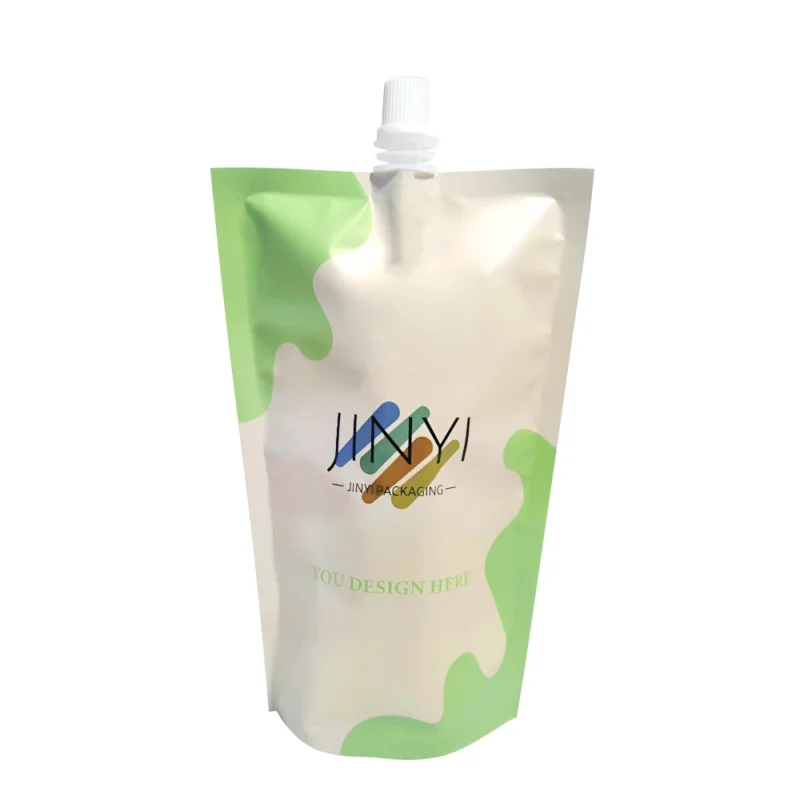
Stand-up pouch makes sense for loose herbal sleep tea, larger refill packs, family-use products, and projects that need stronger front-panel branding. It gives flexible capacity, stronger shelf presence, and the option of a zipper for repeated access. That can be very useful when the customer is willing to measure product or remove tea bags manually over time. But I do not choose it just because it looks like a finished retail pouch. If the product is highly dependent on first-opening aroma or if repeated opening will steadily weaken the product experience, then stand-up pouch may become less accurate than it first appears. In real manufacturing, this detail often determines whether the format helps the product or simply makes the product look more packaged. I use stand-up pouch when the repeated-use behavior is real, manageable, and worth supporting through the structure.
| Stand-up pouch fits when… |
Why I accept it |
| Loose tea needs repeated access |
Storage and retail logic are strong |
| Branding area matters more |
The pouch supports stronger shelf presentation |
What Really Decides the Final Packaging Format in Real Sleep Tea Projects?
This is where I narrow the answer. I choose by protected value first.
To me, the right format protects aroma, fits the use pattern, and makes the sleep tea feel right in the customer’s hand.
My final format path
I usually decide this in four steps. First, I define the core product experience. I want to know whether the product is really selling convenience, aroma, ritual, portability, or repeat-use economy. Second, I identify where value is most likely to be lost. That may be aroma loss, repeated opening, moisture pickup, messy user handling, or inconsistent dosing. Third, I remove formats that fight the real use pattern. Some formats can technically hold the product and still feel wrong once the customer begins to use them. Fourth, I balance protection, convenience, format logic, retail presentation, packaging system complexity, and cost. From our daily packaging work, we see that the right answer is rarely the one that looks most complete on shelf. It is the one that protects the sensory value and fits the way the customer will actually use the sleep tea over time.
| Etapa |
O que eu decido |
| 1-2 |
Core value and first likely loss point |
| 3-4 |
Remove weak-fit formats and balance the system |
Conclusão
For me, choosing between tea bag, sachet, and stand-up pouch is not about choosing the most complete format. It is about choosing the one that truly fits the product system. Contact us to discuss the right pouch.
Talk to JINYI About the Right Sleep Tea Packaging Format
Sobre nós
Na JINYI, trabalho com uma equipa dedicada às embalagens flexíveis personalizadas. O nosso lema é Do filme ao acabamento - bem feito. We believe good packaging is not only about appearance. It should work reliably in real transport, on shelf, and in the consumer’s hand. JINYI focuses on custom flexible packaging with more than 15 years of production experience. Our factory runs multiple gravure lines and HP digital printing systems, so I can support both stable volume production and flexible custom work. Website: https://jinyipackage.com/
FAQ
Is tea bag packaging always the most basic option for sleep tea?
No. In many projects, it is the most accurate format for one-cup routine use.
When does sachet become the better answer?
It becomes stronger when each opening needs to feel fresh, clean, and controlled.
When does a stand-up pouch fit sleep tea better?
It fits better for loose blends, repeated access, stronger retail presentation, and larger-use formats.
What do I check first before choosing the format?
I check product form, aroma role, use frequency, post-opening storage behavior, and where the product is most likely to lose value first.