JINYI gibt Ihnen praktische Hilfestellungen für Ihre Verpackungsentscheidungen.
A familiar drink pouch can make a straw look like the cheapest choice. Then the first customer struggles to open it, and your neat cost estimate starts leaking.
Choose a straw pouch for a single-session drink when opening is easy and the complete cost works. Choose a spout pouch when resealing or controlled drinking earns its added cost. Capri Sun offers examples of both; your customers and filling line decide which fits your product.
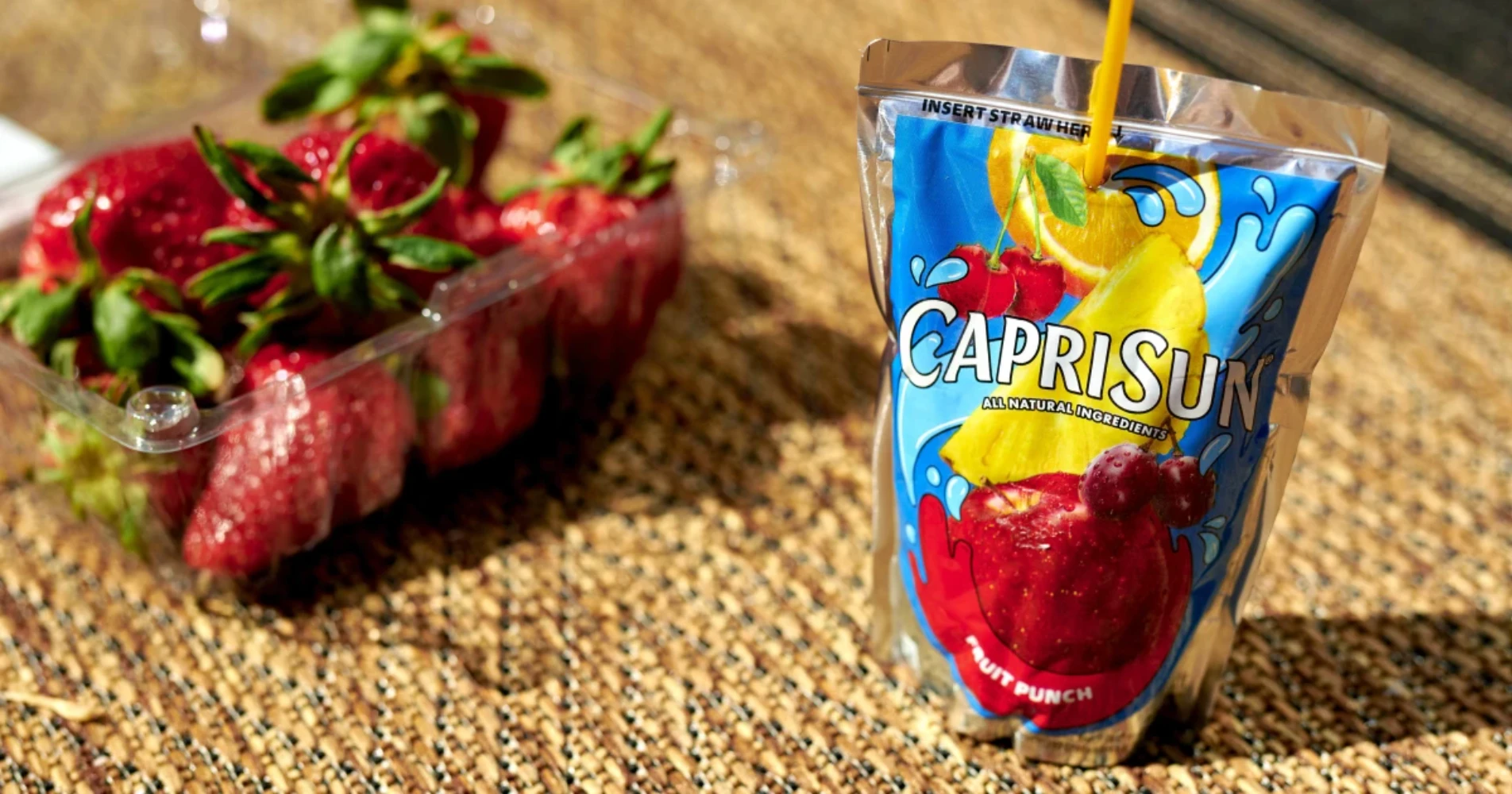
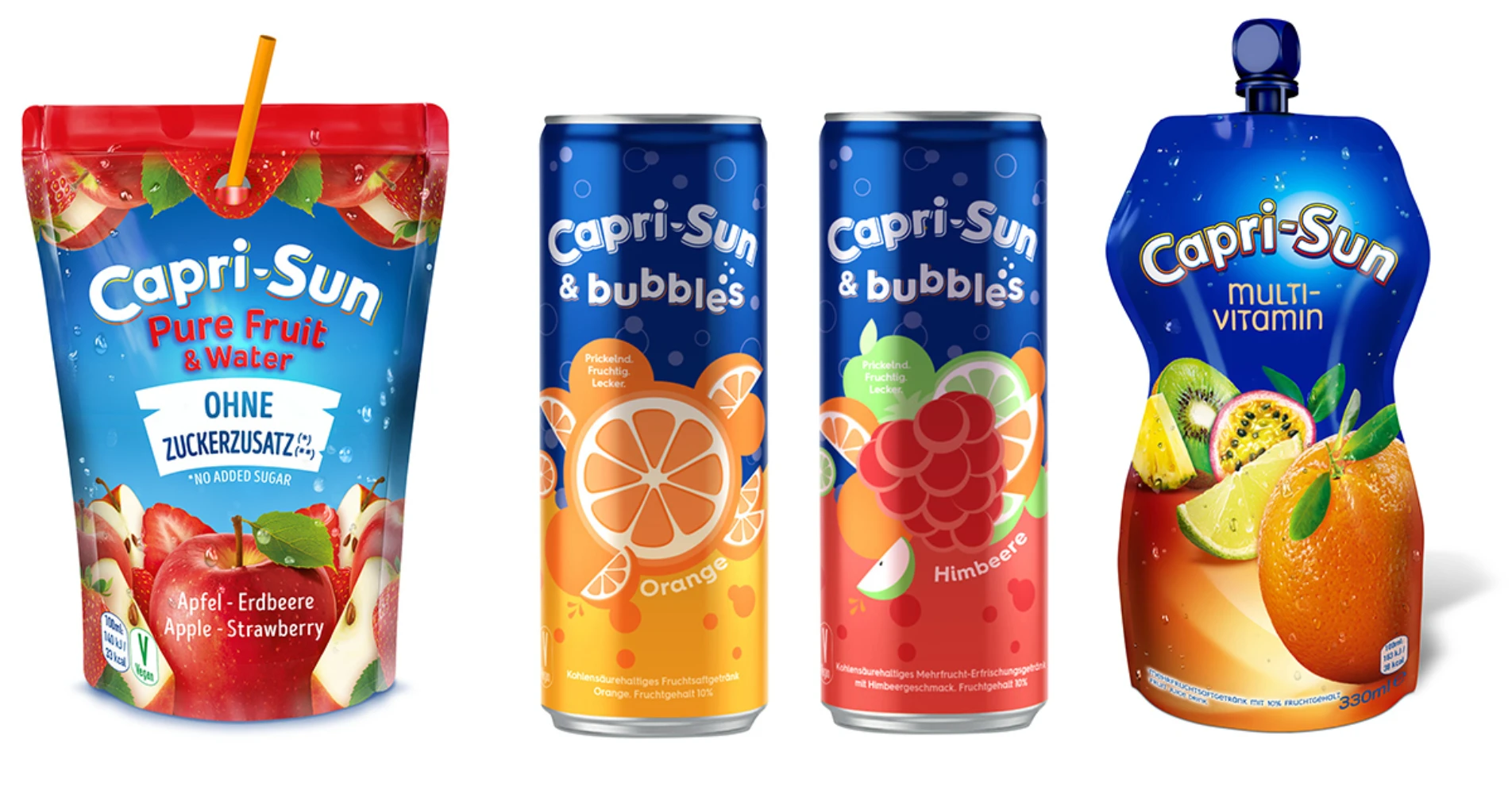
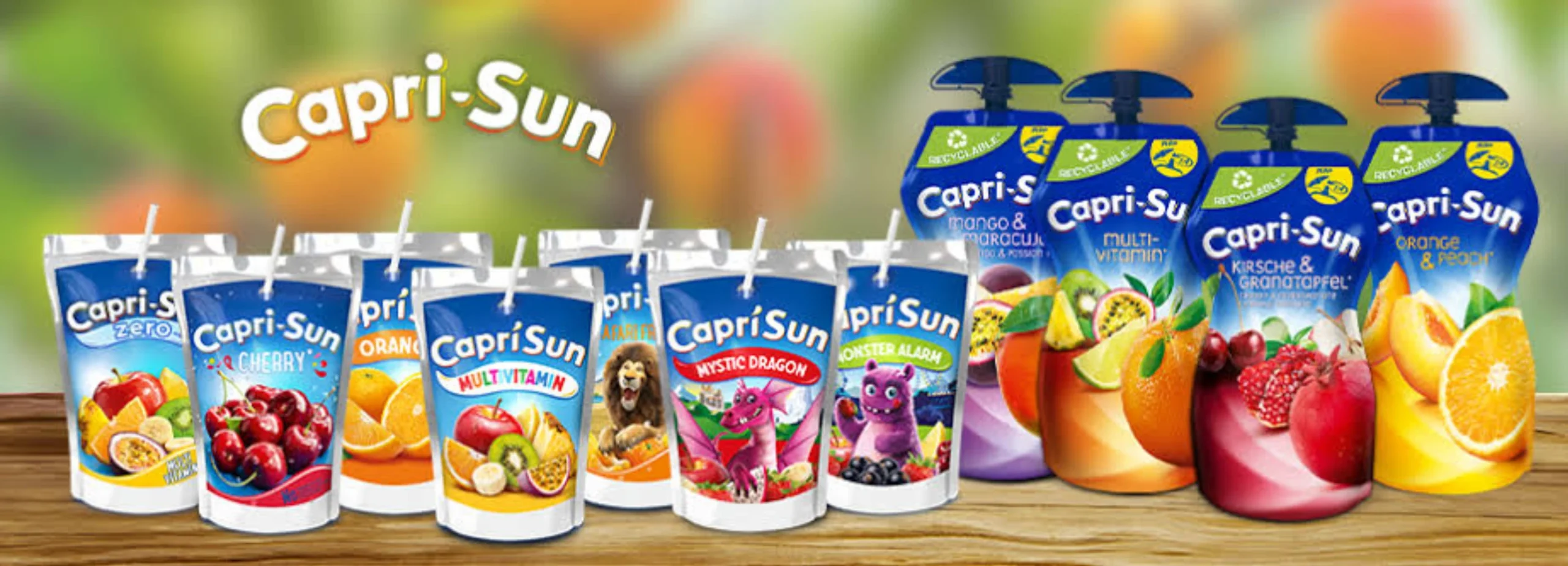
Capri Sun is known for its small drink pouches with a separate straw. Its portfolio also includes reclosable 330 ml pouches, such as the European +Electrolytes line. This comparison concerns those two relevant formats, not every Capri Sun product or a claim about the company’s private purchasing decisions. I will use the contrast to help you price and test your own beverage pack.
Name the correct format. A separate straw pierces a pouch; a fitted spout and cap are integrated components.
Define the drinking occasion. A single serving and a drink consumed in stages create different reasons to pay for a closure.
Quote the complete pack. Include the straw and its handling or the spout and cap, plus filling, checks, waste, and delivery.
Ask about the filling line early. An inexpensive empty pouch cannot rescue a format that requires costly process changes.
Test opening with real users. A straw must pierce cleanly; a cap must open, dispense, and close without trouble.
Validate the actual drink. Formula, treatment, shelf-life target, and distribution route determine the material and tests.
Specify the selling market. Straw rules and recycling claims depend on where the finished product will be sold.
Compare equal quantities and assumptions. Request both quotations against the same fill volume, order size, and delivery terms.
What Is the Difference Between a Straw Pouch and a Spout Pouch?
A pouch with a straw and a pouch with a spout may sit on the same drink shelf, but they do not create the same order or the same user experience.
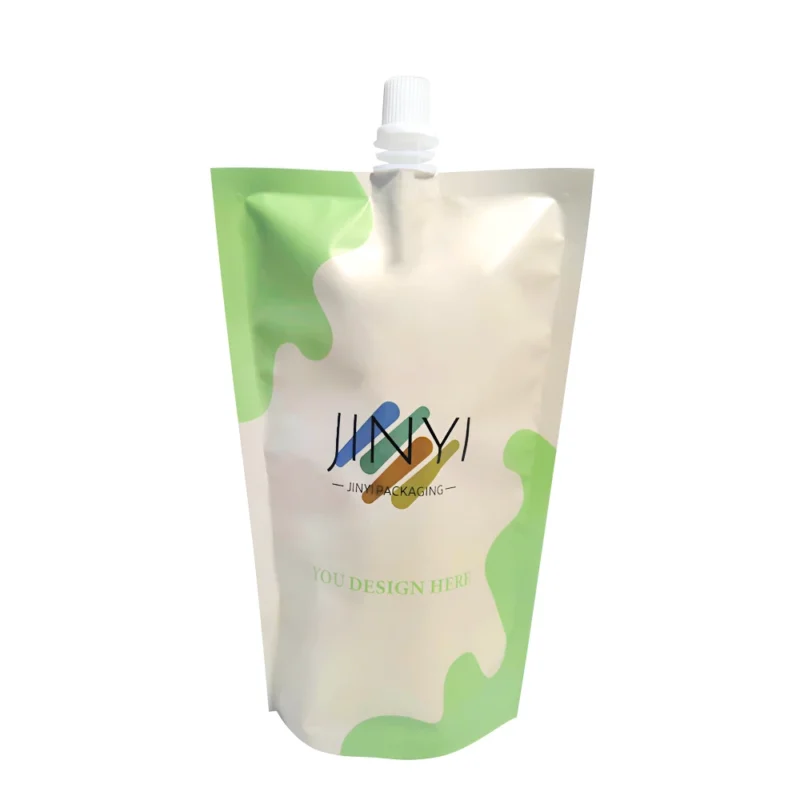
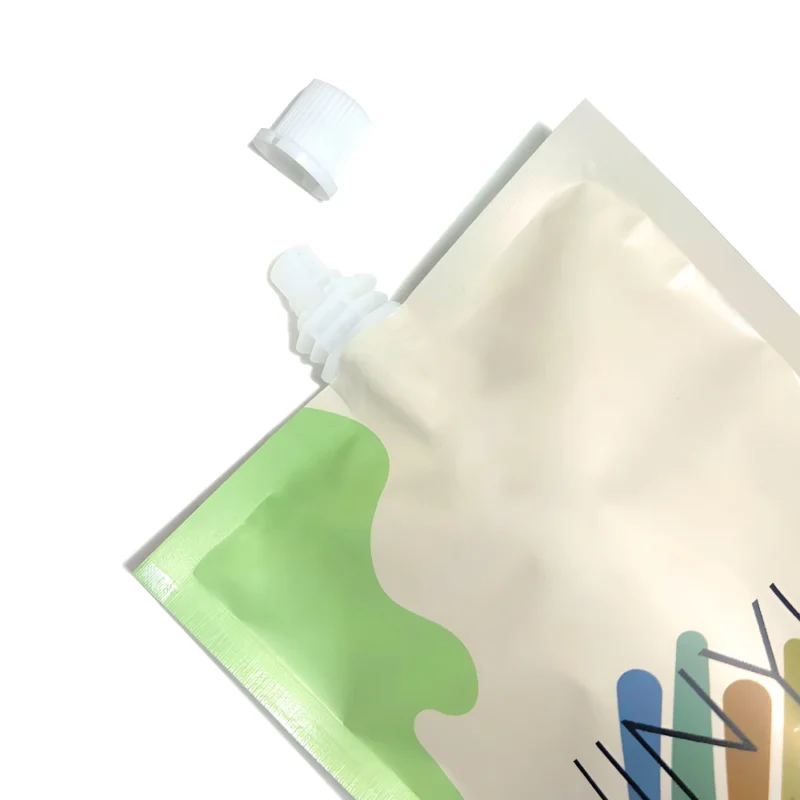
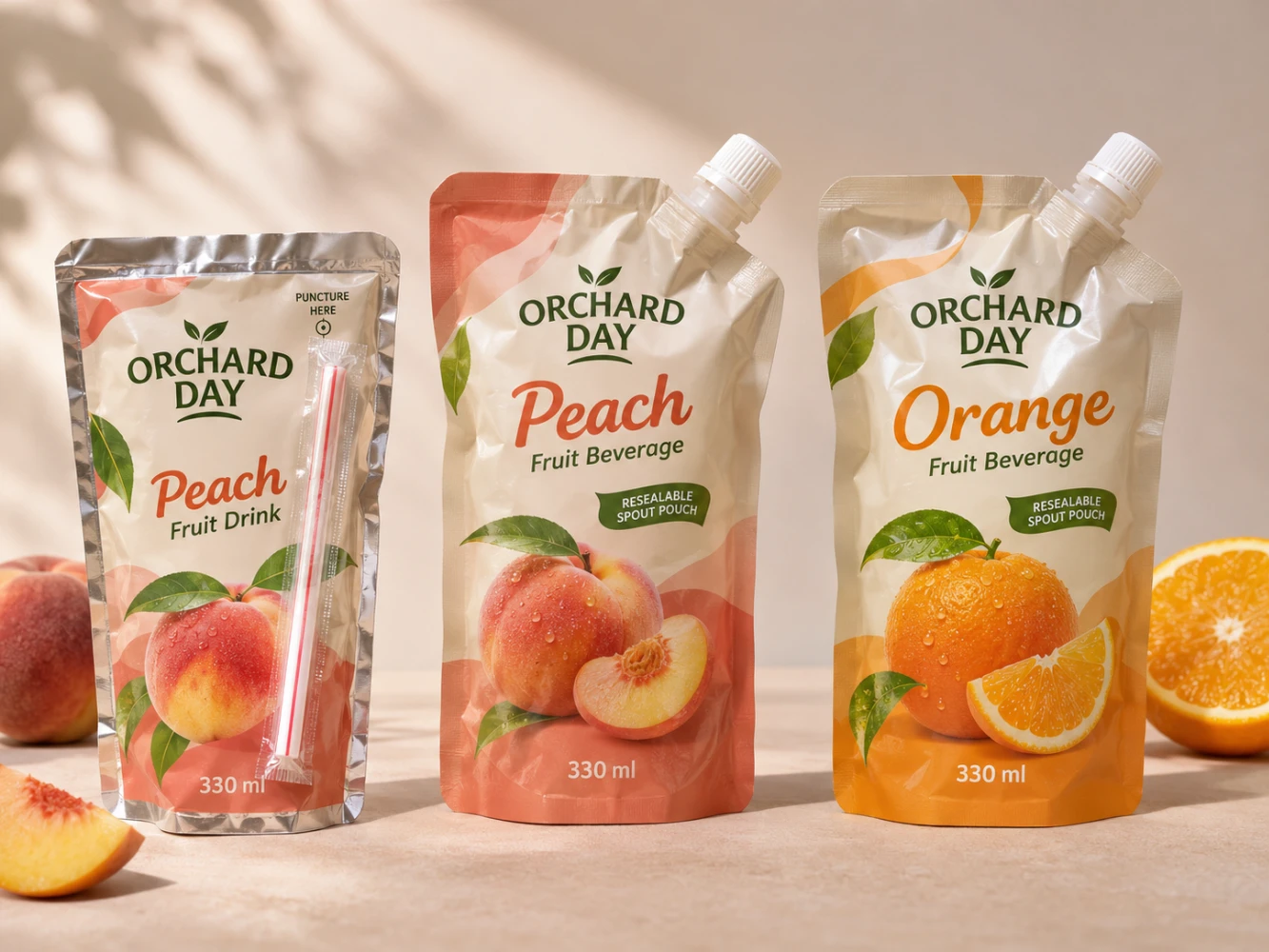
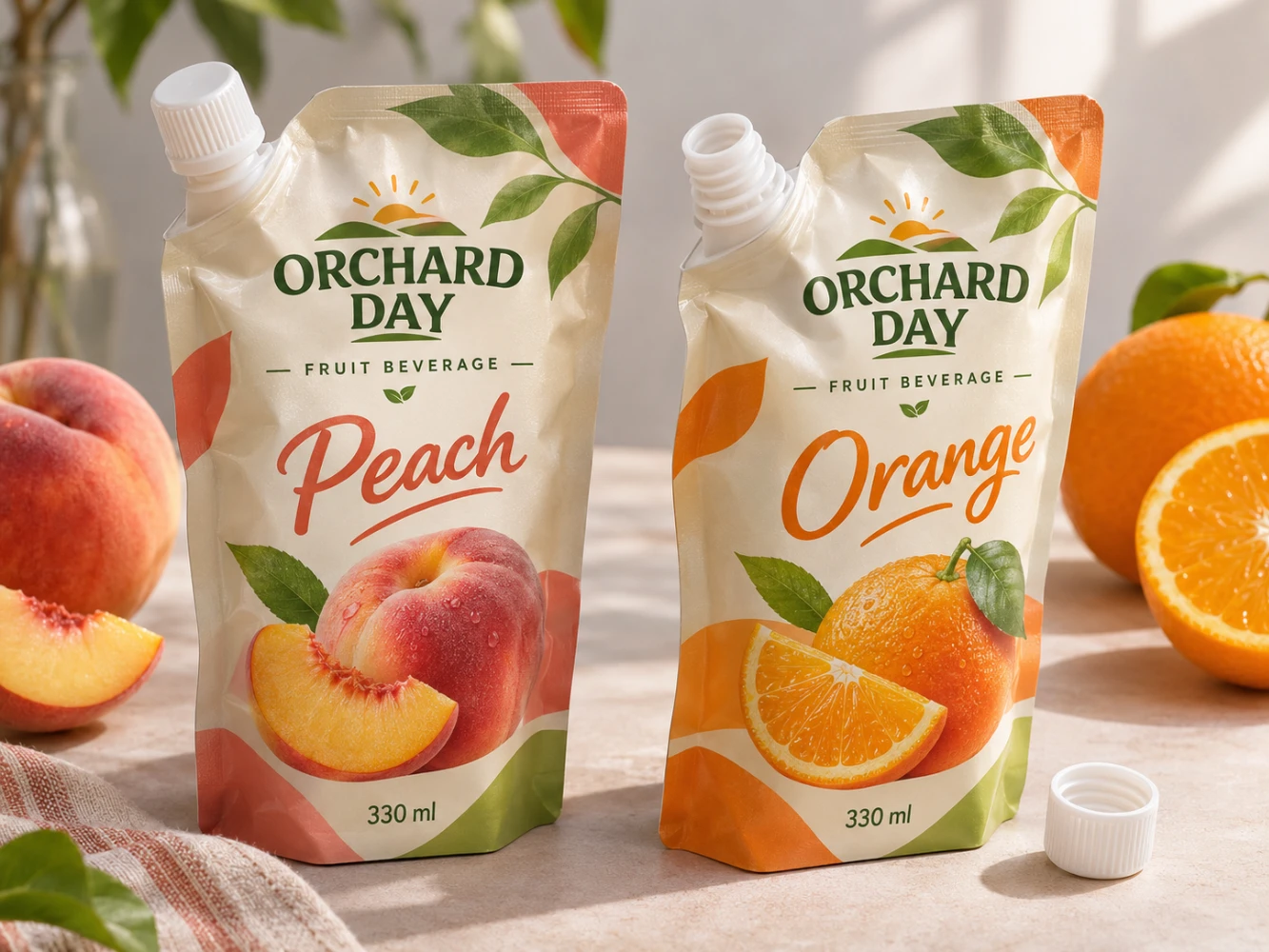
A straw pouch uses a separate drinking straw that the customer pushes through a designated part of the pack. A spout pouch has a fitted outlet and cap. The second format can be closed again when its design is suitable, while the punctured straw format is generally a one-session drink.
Compare the complete product, not the silhouette
Capri Sun makes this distinction useful. Its familiar small pouch asks a person to insert a separate straw. The brand’s reclosable 330 ml +Electrolytes pouch shows another way to drink from a soft pack. Those are observable product formats; I found no public, comparable internal cost sheet explaining the economics of the two. I would never turn those examples into a made-up rule that a larger drink must always have a cap.
For your own specification, the distinction changes what you must buy. With a straw design, ask who supplies the straw, how it reaches the consumer, and who verifies that the opening can be pierced without damaging the pouch. With a fitted spout, specify the outlet, cap, position, and finished seal. Your filling partner must confirm how the liquid enters the pack in either case. These are practical questions for the first RFQ, not surprises to discover after artwork approval.
Elsa’s buyer take: If you only want one quick serving, do not pay for resealing without a clear reason. If your customer may carry a half-finished drink, do not pretend a punctured straw will behave like a screw cap.
When Is a Straw Pouch Enough for a Drink Brand?
A familiar straw pouch looks simple until your intended users cannot open it comfortably or your supply chain forgets to include the straw.
A separate straw can be a sensible option when the drink is a true single serving, the customer will finish it soon after opening, and the opening method performs well in real use. The format still requires a complete purchasing and testing plan.
Start with the person holding the pack
Imagine the drink in a lunch bag or handed out at an event. Does the buyer need to drink it immediately? Can the user find and insert the straw without squeezing the pouch first? Does the straw stay usable long enough to finish the drink? Those questions matter more than copying the shape of a famous pack. Capri Sun’s classic format is recognizable because the drinking action is part of its identity, but a new brand should earn that convenience through tests with its own audience.
I would ask for actual drinking trials with the intended user group and final straw specification. A paper straw, where used, should be assessed for piercing strength and the time it spends in the drink. Your team should also check that the straw is present and protected when the consumer receives the product. A missing straw turns a low-cost packaging idea into a rather awkward beverage. If your customers are likely to save part of the drink for later, their behavior gives you a reason to consider a reclosable alternative.
Before requesting prices, tell the packaging and filling teams whether the straw, its wrapper, and any attachment step are included in their scope. That single clarification makes quotations much easier to compare.
When Does a Reclosable Spout Earn Its Extra Cost?
A cap adds parts and specification work. If your customer never uses it twice, the feature may be decoration with an invoice attached.
A reclosable spout earns its place when it makes the drink easier to carry, control, and finish across more than one drinking moment. You must compare that benefit with the total delivered cost and the capabilities of your filling operation.
Make the closure solve a real problem
Capri Sun’s 330 ml +Electrolytes product is presented in a reclosable pouch. That is a useful observable contrast with a small straw pack. It does not prove that every 330 ml drink needs a spout, or that Capri Sun chose the closure for one reason alone. For your brand, start with what happens after the first sip. A commuter may put a pouch back in a bag. A sports drink user may take a few sips between activities. A young child may need a controlled opening, but a cap also brings handling and safety considerations that must be assessed for the intended age group and market.
A fitted spout also changes the way you specify the packaging. We need the product’s flow behavior, desired opening, cap type, spout location, and filling approach before deciding on a usable design. Thick drinks and products containing particles demand particular care in dispensing trials. If your drink is thin, meant to be finished at once, and sold at a tight price point, I would first test whether a simpler format meets the brief. Our Ratgeber zum Kauf von Beuteln mit individuell gestalteter Ausgießöffnung takes you through the specifications to settle before ordering.
Elsa’s buyer take: A cap is worth discussing when your customer needs to pause and return to the drink. Let that behavior justify the extra component; do not add a spout just because the pack looks modern.
Which Pouch Costs Less After You Count the Whole System?
The cheaper empty pouch can become the more expensive finished drink if its accessories, line changes, waste, or handling costs arrive on a separate invoice.
Neither a straw pouch nor a spout pouch has a universal cost advantage. Compare the complete cost per saleable filled pack at the same volume, order quantity, specifications, destination, and level of service.
Build a quotation that counts every component
I would put two columns in the buying worksheet before asking anyone to quote. The straw option includes its pouch plus the drinking straw, any individual straw wrap, and the way the straw is supplied or attached. The spout option includes its pouch plus the fitted outlet and cap, with the required assembly and sealing already defined. A straw pack does not need a welded fitment; a spout pack does not need an attached drinking straw. Those distinctions can move cost in opposite directions.
Cost line
Straw pouch: request in quote
Spout pouch: request in quote
Pouch body
Film, printing, shape, seals, and specified straw-entry design
Film, printing, shape, seals, and specified spout position
Drinking components
Straw, possible individual wrap, and component supply
Spout, cap, and any required tamper feature
Assembly and filling
Straw handling or attachment where required; filling and closing method
Fitment integration; filling route, cap application, and closure checks
Equipment readiness
Compatibility with filling and straw-handling equipment
Compatibility with pouch, spout, filling, and capping equipment
Quality checks
Seal and transport checks; straw presence and opening trials
Seal and transport checks; fitment, cap, and reseal trials
Waste and rework
Estimate rejected pouches, lost straws, and handling waste
Estimate rejected pouches, fitment defects, and capping waste
Packed delivery
Carton configuration, shipping, and agreed delivery terms
Carton configuration, shipping, and agreed delivery terms
Commercial outcome
Cost per saleable unit and any opening-related returns
Cost per saleable unit and value of usable resealing
Compare both options at the same projected quantity and across each SKU, then ask whether one-time setup, artwork changes, and repeat orders are included. A small test launch and a stable high-volume program can produce different answers. The practical measure is total project spend divided by saleable filled units, with one-time charges shown separately so you can plan reorders. If a cap allows a product to meet a genuine use case or support a different retail proposition, include that commercial value in your decision too. No one outside Capri Sun’s purchasing team can responsibly supply its private per-pack costs from a photograph.
Tipp: Ask every bidder for the same scope: empty pack or fully assembled pack, component ownership, testing, order quantity, and delivery terms. A low unit price with half the components missing is not a bargain.
How Can Filling Equipment Change the Cost Calculation?
Packaging buyers sometimes approve a bag before asking who will fill it. The filling team then gets to deliver the bad news.
Your existing machinery, filling method, and access to the right components can make one option much easier to launch than the other. Check process fit before treating any empty-pouch quote as a finished-product budget.
Bring the co-packer into the first discussion
For a straw pack, ask how the pouch will be filled and sealed, and whether the co-packer can supply or handle the straw in the configuration you want. If a straw must be attached to each finished pack, find out who performs that operation and who checks that every unit has one. For a spout pack, ask whether the line accepts a fitted pouch, how filling and capping will work, and whether the chosen cap and outlet can be applied reliably at the intended speed. Some equipment changes may be small; others may alter the project budget or lead time. I would ask the filling partner to say which, rather than guess from an equipment photo.
This is also where a pouch supplier should be helpful. At JINYI, we can review the proposed liquid spout pouch format against your product and pass the relevant dimensions and component details to your filler for validation. We should not promise that an untested pouch will run on a line we have not assessed. If your equipment already performs well with a different format, the money saved by keeping that process may matter more than a small difference in bag price.
Before sampling, send the filler a drawing or physical sample of each candidate pack. Ask for a trial plan, line limitations, and the exact version that must be approved before mass production.
What Should Buyers Test Before Approving Either Format?
A lovely printed sample on a desk will not tell you whether a child can pierce it, a cap can be closed, or a carton can survive delivery.
Test the finished design with the real drink and intended users. Check unopened integrity and transportation for both options, then test the opening and dispensing steps that are unique to each format.
Approve the way the pack will actually be used
For the straw version, observe the first ten seconds. Can users locate the entry point? Does the straw pierce it without folding or forcing liquid out? Does the pouch stay comfortable to hold while drinking? If a paper straw is selected for a specific market, test the exact straw for the full drinking period. For a spout version, watch whether the user can open the cap, drink without an awkward flow, put the cap back on, and carry the partly used pouch as intended. Test the actual cap and fitment, not a similar item borrowed from another order.
Both packs need checks appropriate to the drink, filling treatment, intended shelf life, and route to market. Ask the responsible packaging and filling teams for a documented test plan covering seal integrity, filled-pack handling, and the interfaces that matter to your chosen format. If the product requires food-contact documentation or a validated thermal process, make those requirements part of the brief early. A pouch material that worked for one beverage does not automatically qualify for yours. For a related look at liquid-specific risks, see our drink concentrate spout pouch guide.
Elsa’s buyer take: Approve the version people will buy: the filled pouch, the actual drinking component, the printed artwork, and the carton. A successful empty-bag sample is only the beginning.
How Do Serving Size and Sales Channel Affect the Choice?
It is tempting to copy Capri Sun’s small straw pack and larger reclosable pack as a size formula. That shortcut ignores the customer holding your drink.
Pack size changes the likely drinking occasion, but it does not decide the closure by itself. The right choice depends on where the drink is sold, how it is carried, and whether the buyer expects to finish it immediately.
Map the full customer journey
Consider a small drink in a school lunch, a sample at a trade show, and a pouch bought at a convenience store for a long trip. The same nominal fill volume can lead to different opening preferences in each situation. A straw may be perfectly acceptable when the drink is consumed at once and there is a place to dispose of the empty pouch. A secure cap may matter more if the customer takes repeated sips while walking or keeps the drink in a bag. Consumer expectations also change with retail price. If a buyer pays for a premium functional beverage, opening and resealing can become part of the value they notice.
Sales channel affects operational cost as well. A multipack sold through supermarkets, a single pouch sold at a counter, and a case shipped across borders do not necessarily need the same secondary pack or handling protection. Ask your logistics partner how both filled formats fit the intended carton and distribution route. Do not assume one pouch always ships more cheaply simply because it looks flatter in a product photo. Sample the proposed unit inside its real carton, then compare the amount of saleable product that arrives in good condition.
Should Recyclability Influence the Format Decision?
A pouch can be described as recyclable while the user has no practical way to sort its straw, cap, and body correctly in the selling market.
Yes, recyclability belongs in the decision, but evaluate the specific finished pack and local collection route. A material name on its own does not prove that every component can be recycled together.
Check the parts and the place
Capri Sun has publicly discussed changes to its pouch and straw materials in particular markets, while its reclosable products introduce a cap and fitment. That makes it a useful example of a wider buyer question: What should a person do with each part when the drink is finished? The answer may differ between markets and between particular product versions. A statement about one Capri Sun pouch should not be pasted onto every variant, and it certainly cannot certify a JINYI pouch by association.
If you want a recyclable design, tell us the country of sale and the collection route you intend to use. Ask for the proposed pouch structure, component materials, and documentation relevant to that exact finished format. Then confirm that the required barrier, product compatibility, filling performance, and seal quality still meet the brief. Material reduction can be a worthwhile objective too, but it should be assessed alongside performance and distribution. I would rather help you make a precise claim supported by your actual pack than hand you an impressive phrase that falls apart under a buyer’s first question.
Beweise: Capri Sun’s 2026 +Electrolytes announcement identifies its reclosable 330 ml pouch. Its brand-authored straw statement discusses the separate straw and its recycling trade-off. These sources describe specific products and markets, not a universal material specification.
What Should You Send a Supplier Before Requesting Quotes?
A request for “a Capri Sun-style pouch” sounds clear until three suppliers quote three different packs. The missing details usually hide inside the price.
Send a brief that describes the drink, how people will use it, who will fill it, and what each quoted pack must include. Ask for straw and spout options against the same baseline where both are feasible.
Turn the comparison into an actionable RFQ
Start with the beverage itself: formulation type, any pulp or particles, target fill volume, treatment method, shelf-life goal, and storage conditions. Next describe the person buying and using it. Is this a one-session portion, or must it close after opening? Who is the target user, and in which countries will you sell? Then send the estimated quantity per size and SKU, artwork requirements, desired launch date, and destination. If your co-packer is already chosen, share its equipment constraints and ask it to participate in sample approval.
HP Indigo 25K bei JINYI - konsistente Farbausgabe über alle Drucksysteme dank ESKO Automation Engine
For the straw option, specify whether the quote includes the straw, wrapper, attachment, and consumer-opening validation. For the spout option, specify the proposed outlet and cap, how the fitment is integrated, and which filling and cap checks are included. State what is supplied as an empty pack and what is someone else’s responsibility. Request clear pricing for samples, any one-time charges, production quantities, and reorders, then put delivery terms on the same basis. You will spend less time comparing incompatible quotes and more time deciding which format serves your customer.
At JINYI, I can help you turn an uncertain drink-pouch idea into a clearer spout-pouch brief and review the pouch format with your filling partner. Our factory guide to making custom stand-up pouches shows why confirming the specification before production matters. If your product truly needs a straw format instead, we should say so and define who will supply and handle that system.
Schlussfolgerung
Choose a straw or spout pouch by how your customers drink, what your filling line can handle, and the cost of each complete saleable pack.
JINYI helps brands develop custom flexible packaging for food, beverages, and other consumer products. We work with buyers on pouch formats, material options, printing, samples, and order specifications so the finished packaging matches the product, its route to market, and the way people use it.
Das ist es, was Vom Film bis zur Fertigstellung - alles richtig gemacht. means to us.
Elsa
Business Development Manager - JINYI Packaging
Elsa leitet die Geschäftsentwicklung und das Kundenauftragsmanagement bei JINYI. Mit 8 Jahren Erfahrung im Außenhandel in Yiwu und Dongguan hat sie ein genaues Verständnis für die Marktnachfrage und die tatsächlichen Bedürfnisse der Käufer - sie setzt echte Kundeneinblicke in die richtigen Verpackungsentscheidungen um.
Bedürfnisse der Kunden Verwaltung der Aufträge Geschäftsentwicklung
Both formats appear in its portfolio. Its familiar small drink pouch uses a separate straw, while some 330 ml products are sold in reclosable pouches. Check the specific product and market before describing either format as universal.
Is a straw pouch always cheaper than a spout pouch?
No. The price depends on the pouch, drinking components, assembly, filling process, waste, order size, and delivery. Ask for both options on the same complete-pack basis.
Can a straw pouch be closed again after opening?
A conventional straw-entry pouch is not designed to reseal after the straw pierces it. If your customers need to carry a partly finished drink, evaluate a suitable reclosable format and test it filled.
What information does JINYI need to quote a drink spout pouch?
Tell us the drink type, fill volume, required use and closure, selling market, order quantity by SKU, and filling method. Share product samples or your filling partner’s equipment details if available, so we can discuss an appropriate pouch specification.
Can I use the same pouch structure as Capri Sun?
You should not infer a full structure from the brand’s appearance. The brand has not publicly disclosed the full laminate structure for every product and market. Match your own formula, process, shelf-life goal, and selling market with documented material choices and tests.
Does a mono-material pouch guarantee recyclability everywhere?
No. Check the exact pouch and drinking components, plus local collection and sorting rules. A claim for one product or market should not be applied to a different filled pack without evidence.