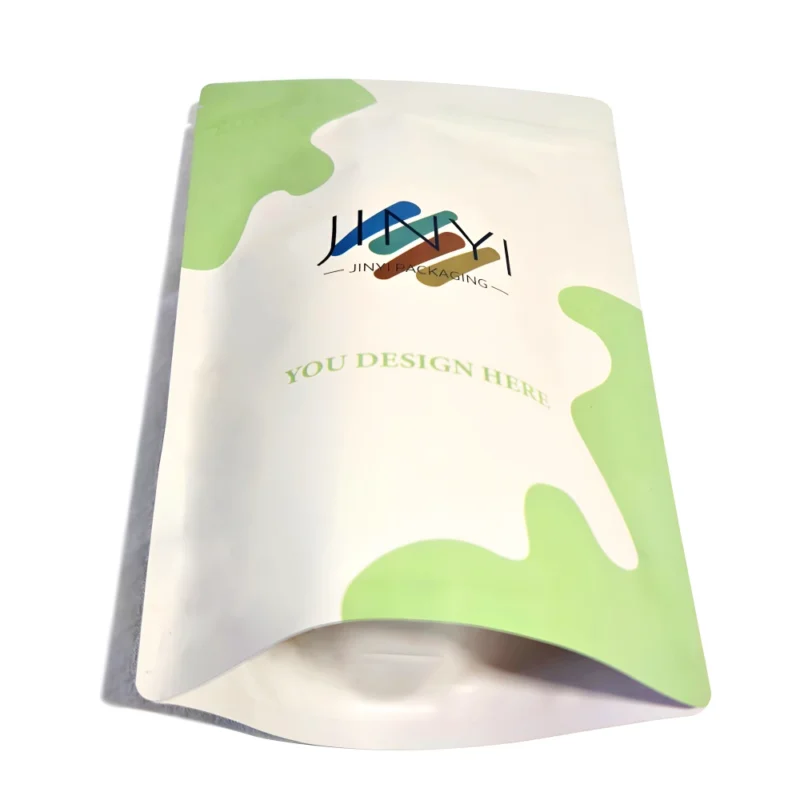
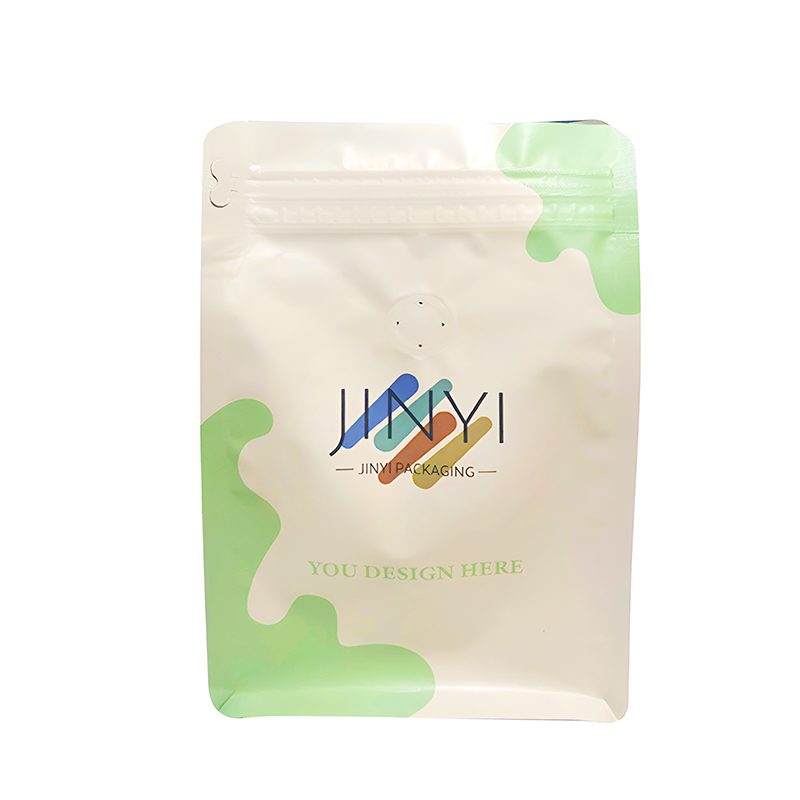
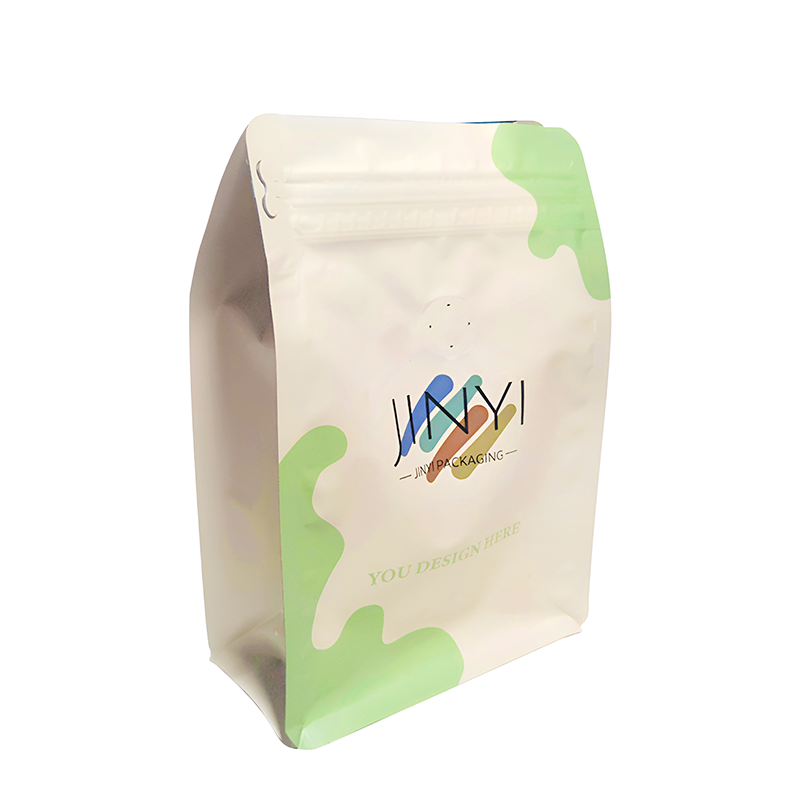
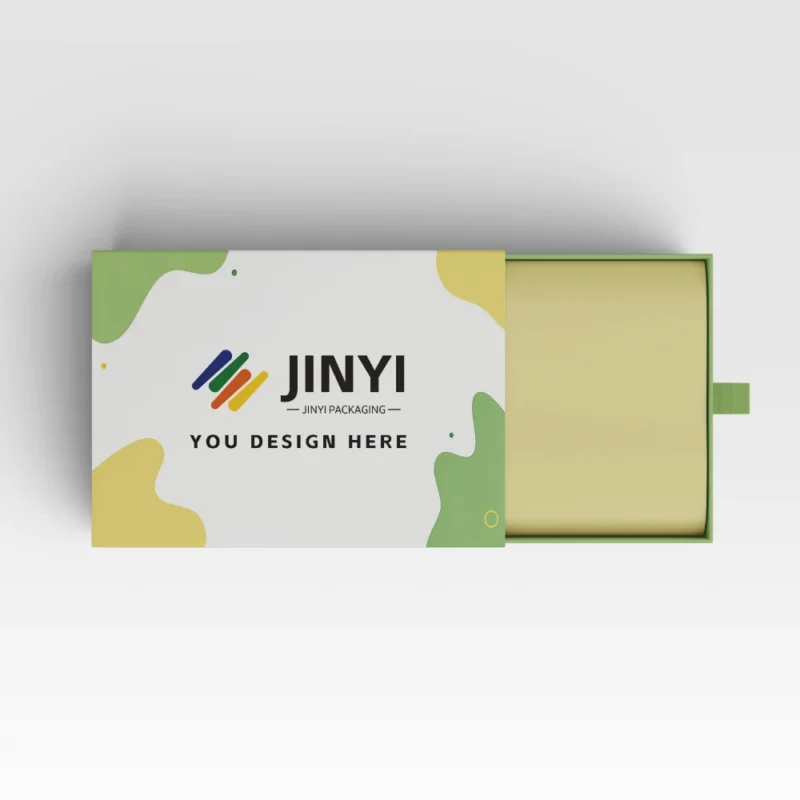
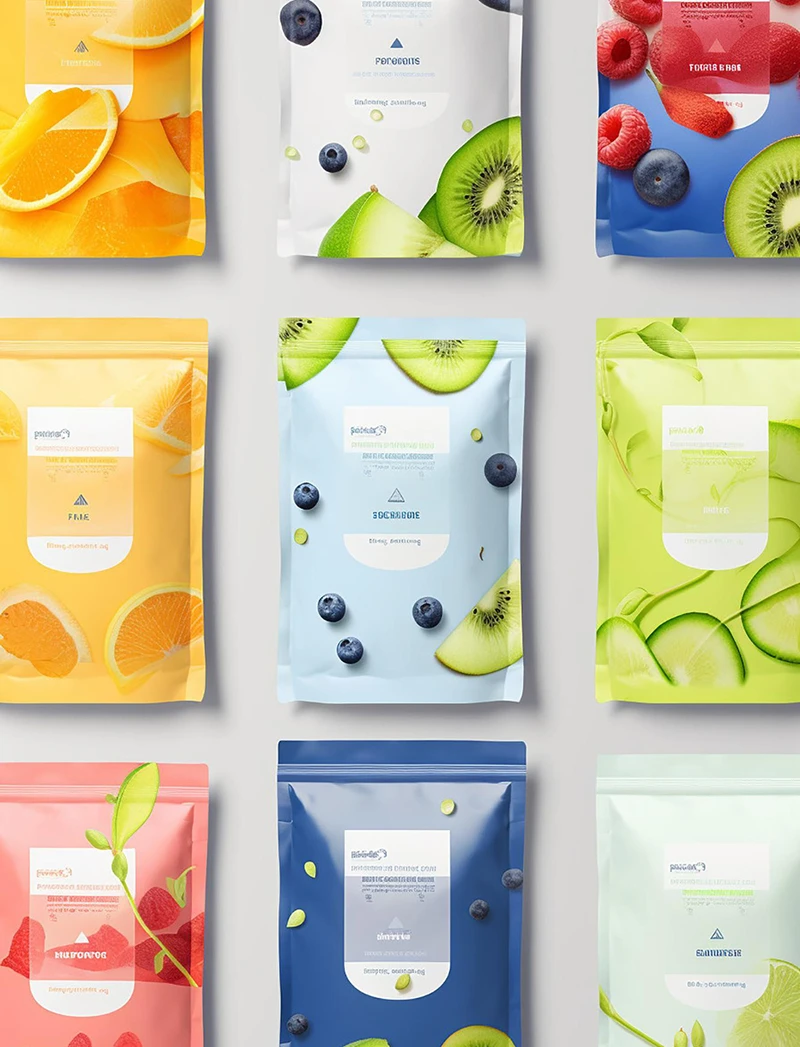
Rollos de alto rendimiento diseñados para una producción de envases rápida, uniforme y escalable.
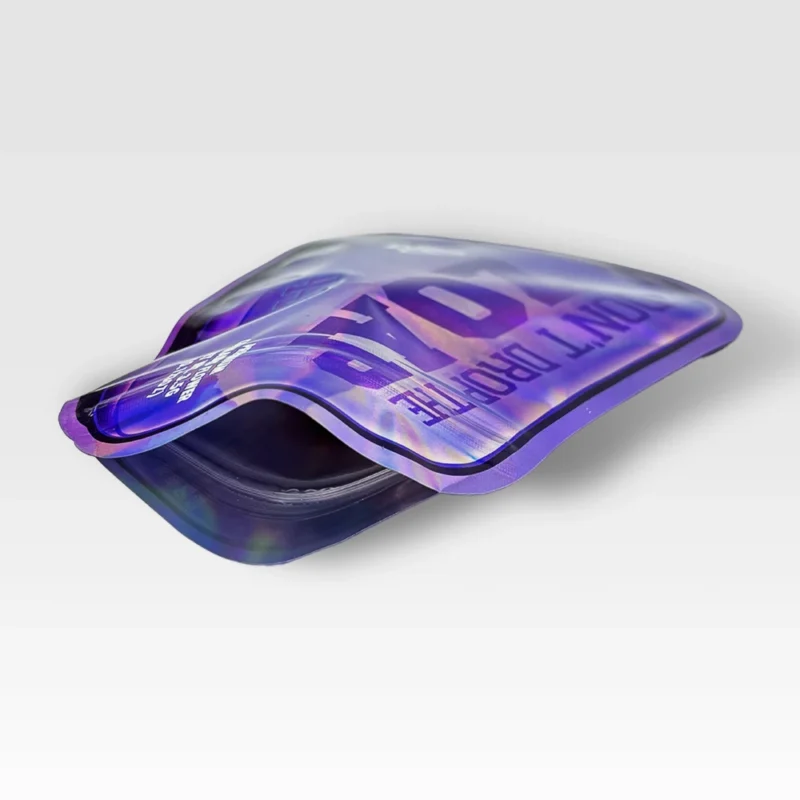
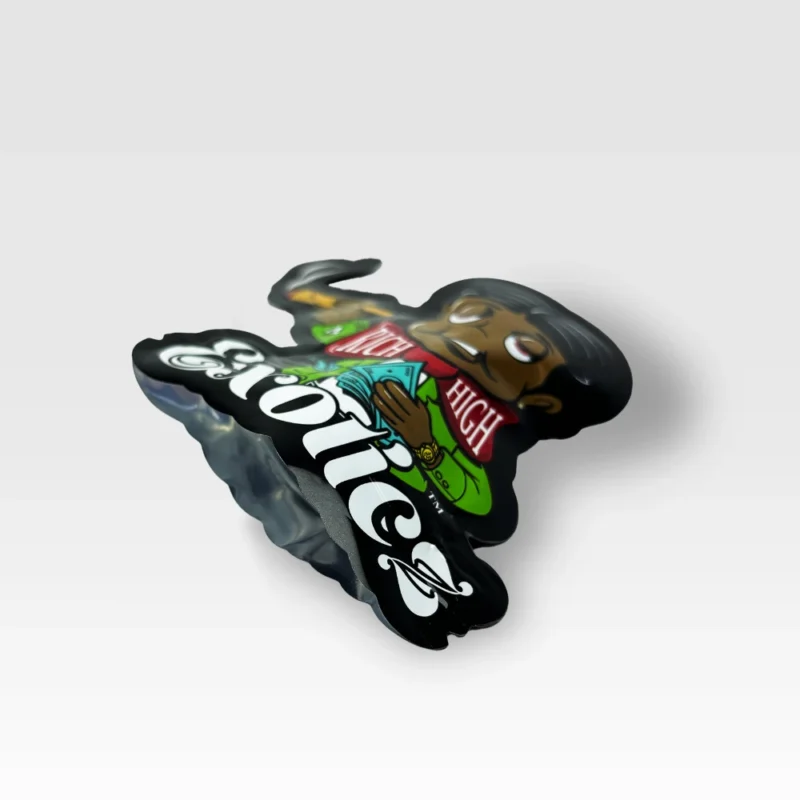
Bolsa de Mylar troquelada
Presencia de gran impacto en el lineal con una fuerte protección de barrera para mantener los productos frescos y listos para cumplir la normativa.
Bolsas planas
Un formato económico que ahorra espacio y ofrece un rendimiento de sellado fiable para el comercio minorista y los envíos cotidianos.
Bolsas con boquilla para líquidos
Envase fácil de verter y resistente a las fugas que mejora la comodidad del usuario y reduce el desorden en la entrega.
Embalaje de bolsas de almohada
Envasado ligero y rápido tipo bolsa, ideal para productos de gran volumen y marcas limpias.
Bolsa Quad Seal
Estabilidad similar a la de una caja con un atractivo de estantería superior: ideal para rellenos más pesados y un aspecto más “vertical”.
Bolsas con fuelle lateral
Bolsas de gran capacidad que ocupan poco espacio y maximizan el volumen de llenado manteniendo una forma limpia y estructurada.
Fundas de pie
Uno de los formatos de más rápido crecimiento, que combina una gran exposición en el lineal, un menor coste de transporte y una gran protección de la frescura.
Bolsas de fondo plano
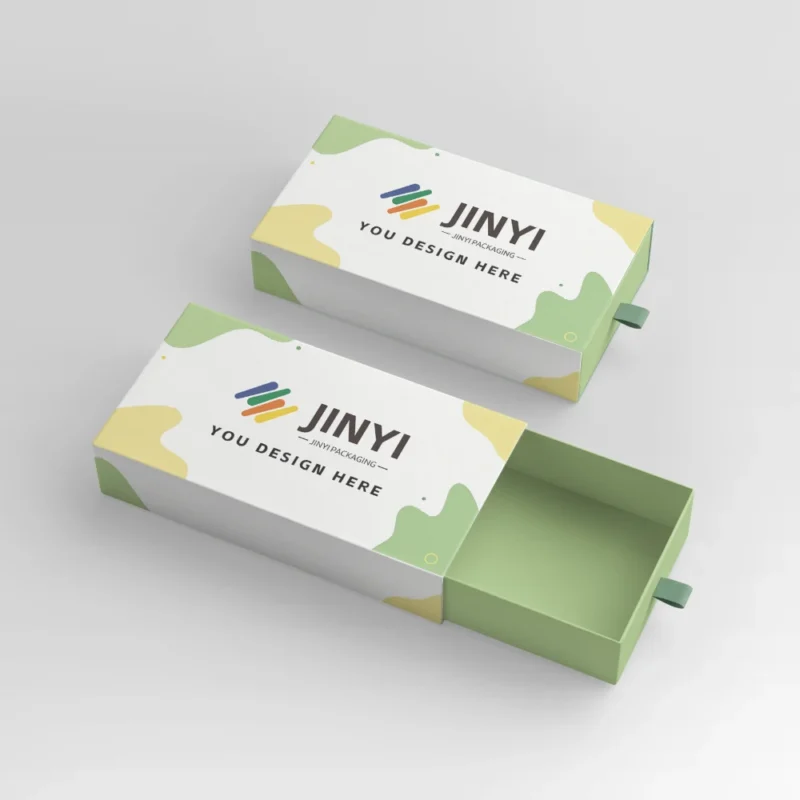
Joyero con cajón
Cajas de joyería con cajón para un desempaquetado de primera calidad y una protección rígida.
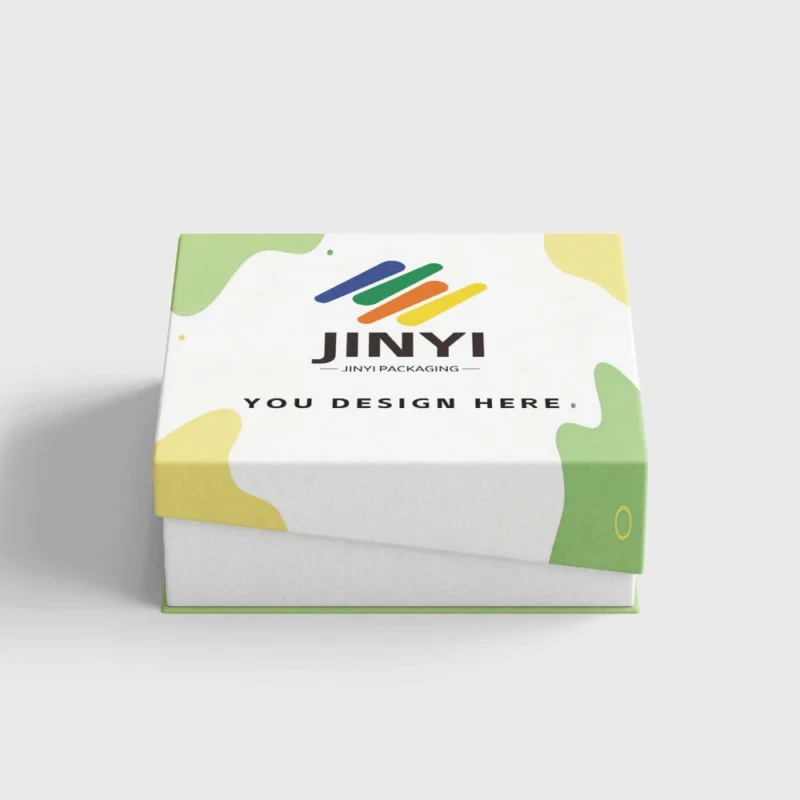
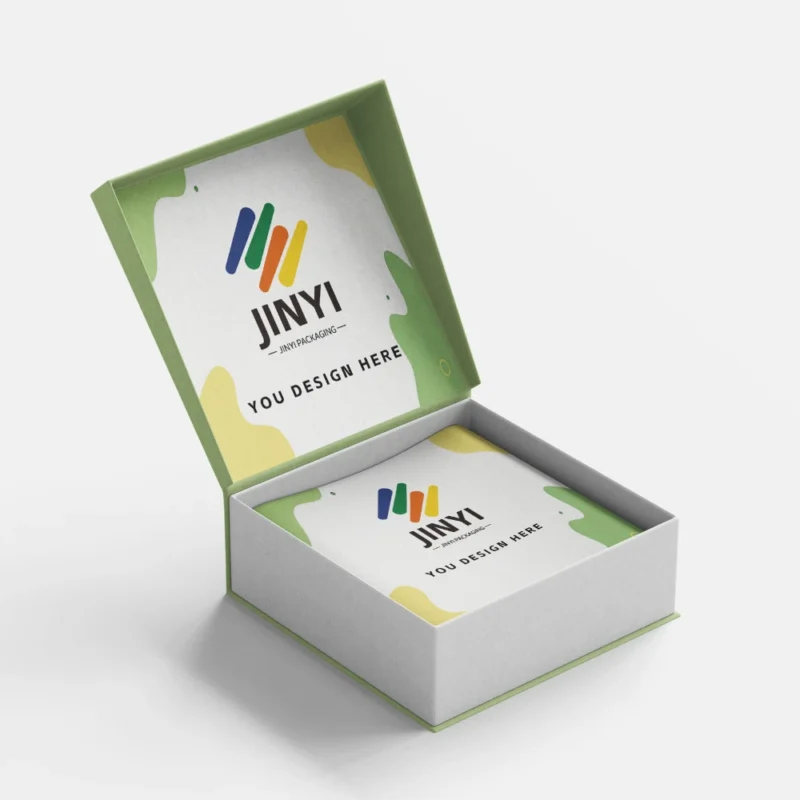
Joyero abatible
Joyeros abatibles de construcción rígida y presentación de lujo.
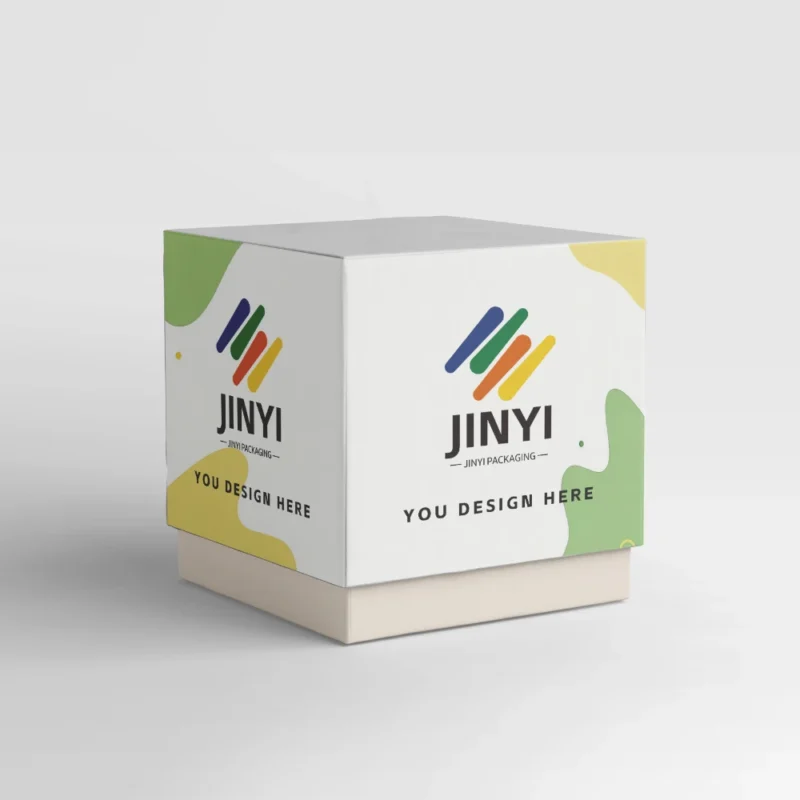
Estuche rígido retráctil de dos piezas
Cajas rígidas de dos piezas para una protección y presentación de lujo.
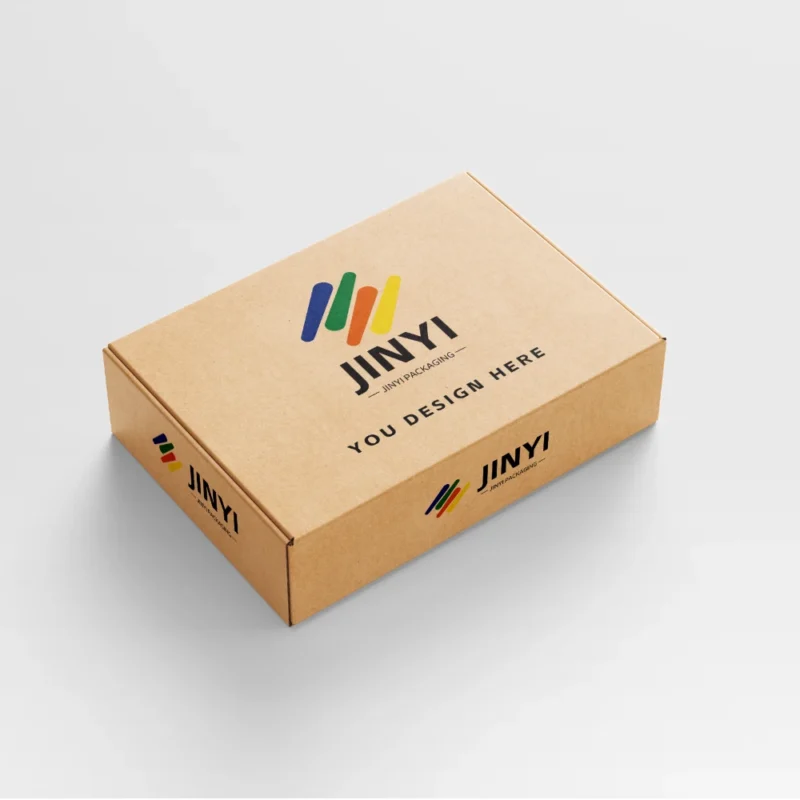
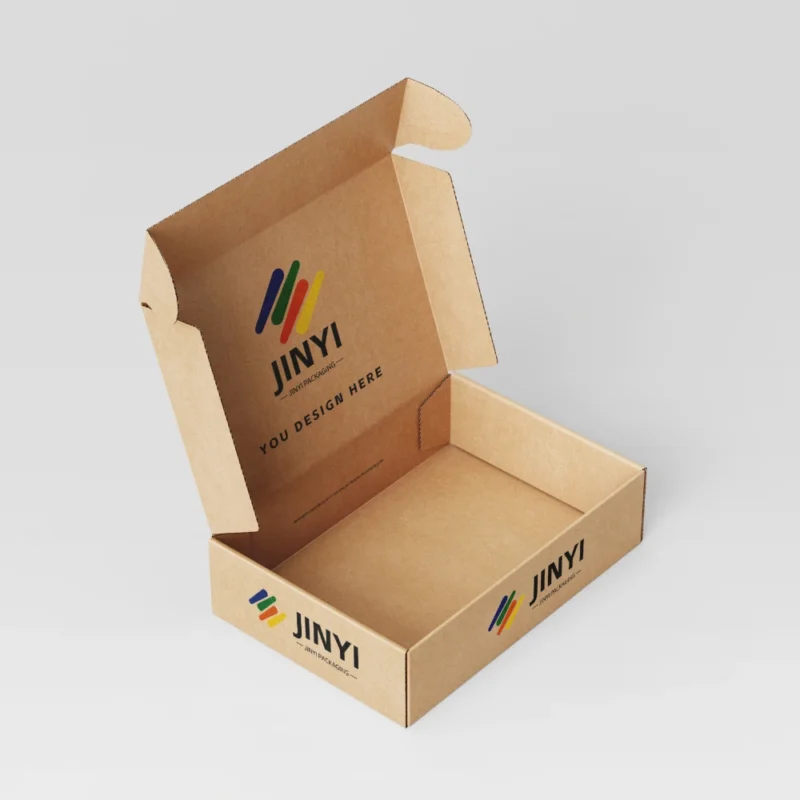
Buzones
Cajas de cartón ondulado para un envío seguro y un desempaquetado de marca.
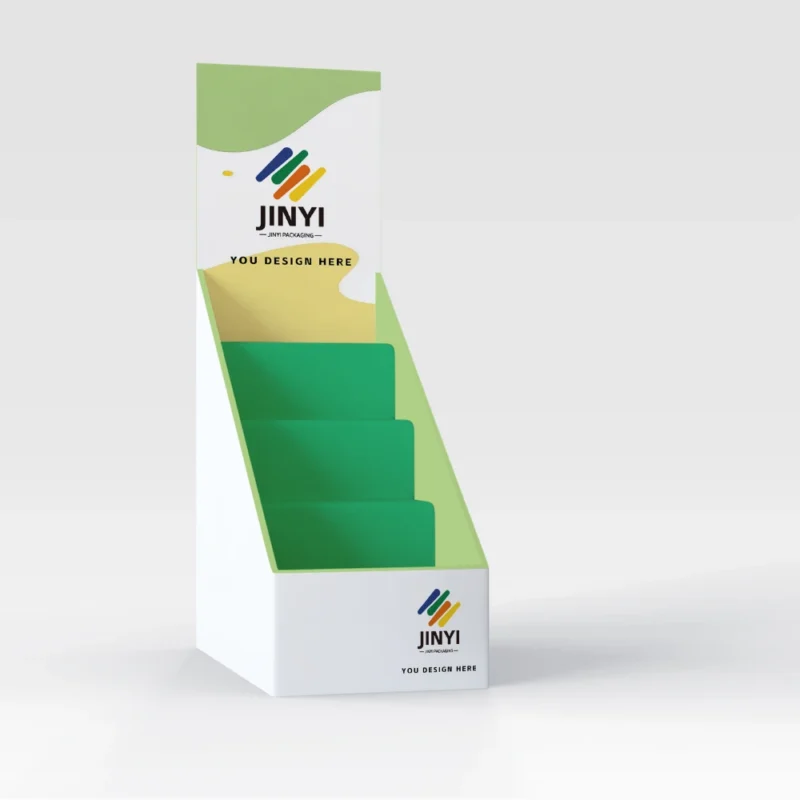
Cajas de exposición
Cajas expositoras personalizadas para ventas en mostrador y gran visibilidad en los estantes.
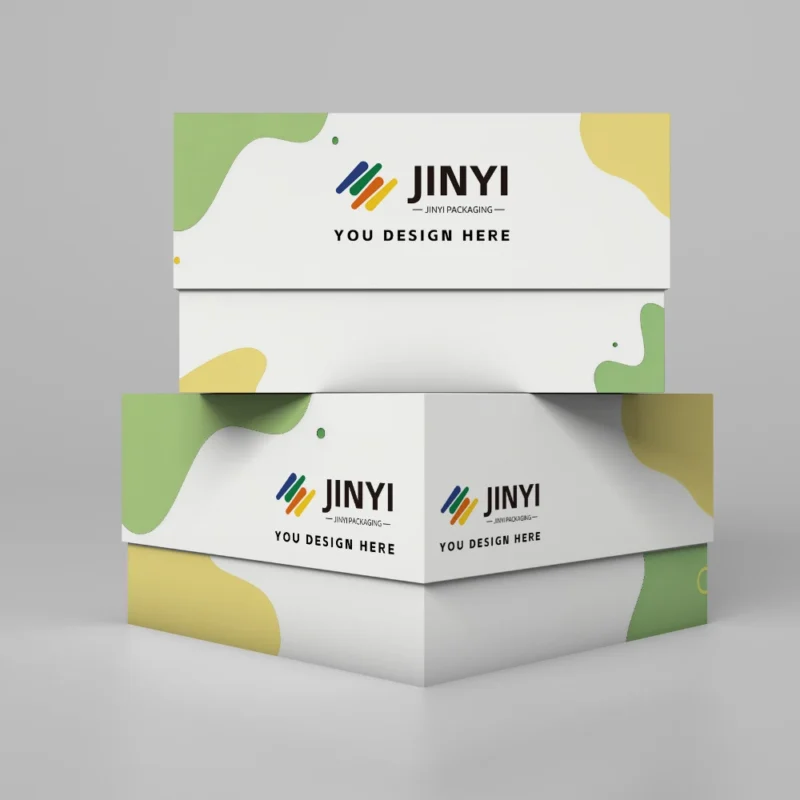
Cajas de regalo
Cajas de regalo personalizadas con estructura y opciones de acabado de primera calidad.
Cajas de embalaje para mangas
Cajas con fundas y envoltorios impresos para una imagen de marca flexible.
Caja inferior con cierre automático
Cajas con fondo de cierre automático de montaje rápido para el comercio minorista y electrónico.
Caja de fondo de cerradura
Cajas con fondo de bloqueo para un embalaje rápido y un fuerte soporte de carga.
Cajas de cartón rectas
Cajas con extremos rectos para un cierre ordenado y una exposición al por menor.
Bolsa de papel personalizada
Bolsas de papel de regalo personalizadas con asas resistentes y una nítida impresión de marca.
Vasos de PET transparentes
Vasos de PET transparentes para bebidas heladas: cristalinos, resistentes y estancos.
Bolsa de regalo personalizada
Bolsas de papel de regalo personalizadas con asas resistentes y una nítida impresión de marca.
Vaso de papel
Vasos de papel para bebidas calientes con sujeción cómoda e impresión limpia y uniforme.
Bolsas planas para cannabis
Bolsas planas de cannabis con alta barrera y espacio libre para etiquetado.
Bolsas Mylar para malas hierbas
Bolsas de mylar para malas hierbas con barrera resistente, cremalleras y opciones de control de olores.
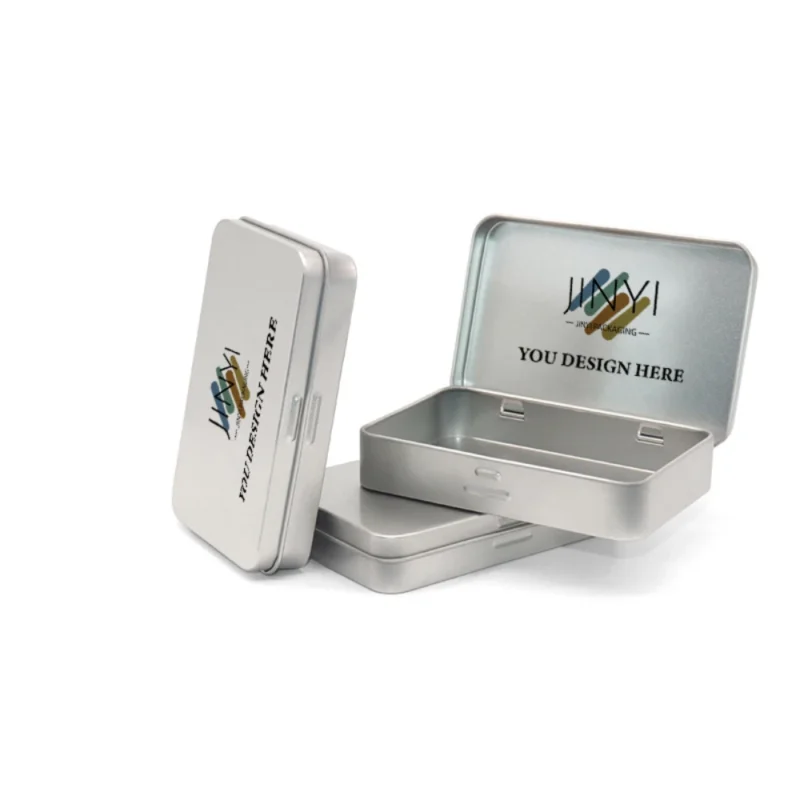
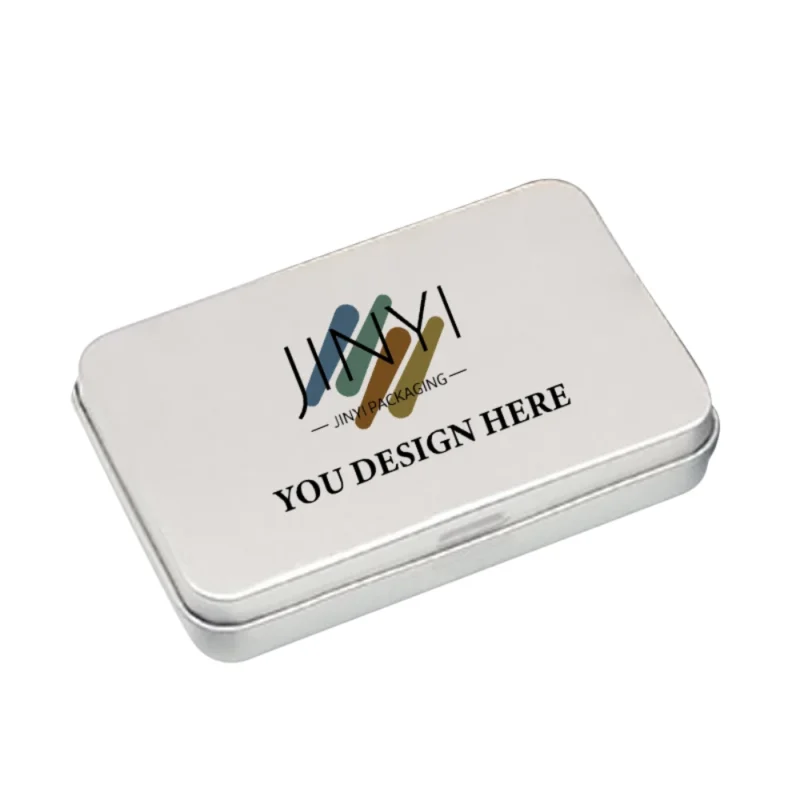
Cajas de hojalata personalizadas
Cajas de hojalata personalizadas para una mayor protección, reutilización e impresión a todo color.
Etiquetas retráctiles
Etiquetas de funda retráctil con cobertura de envoltura de 360° e impacto en el estante.
Etiquetas en rollo personalizadas
Etiquetas en rollo personalizadas para una aplicación rápida y un etiquetado de marca uniforme.
Adhesivo troquelado
Adhesivos troquelados con bordes limpios y opciones de materiales duraderos.
Hojas adhesivas Kiss Cut
Hojas de pegatinas cortadas a besos para facilitar el despegado y diseños flexibles.
JINYI comparte orientaciones prácticas de envasado para sus decisiones.
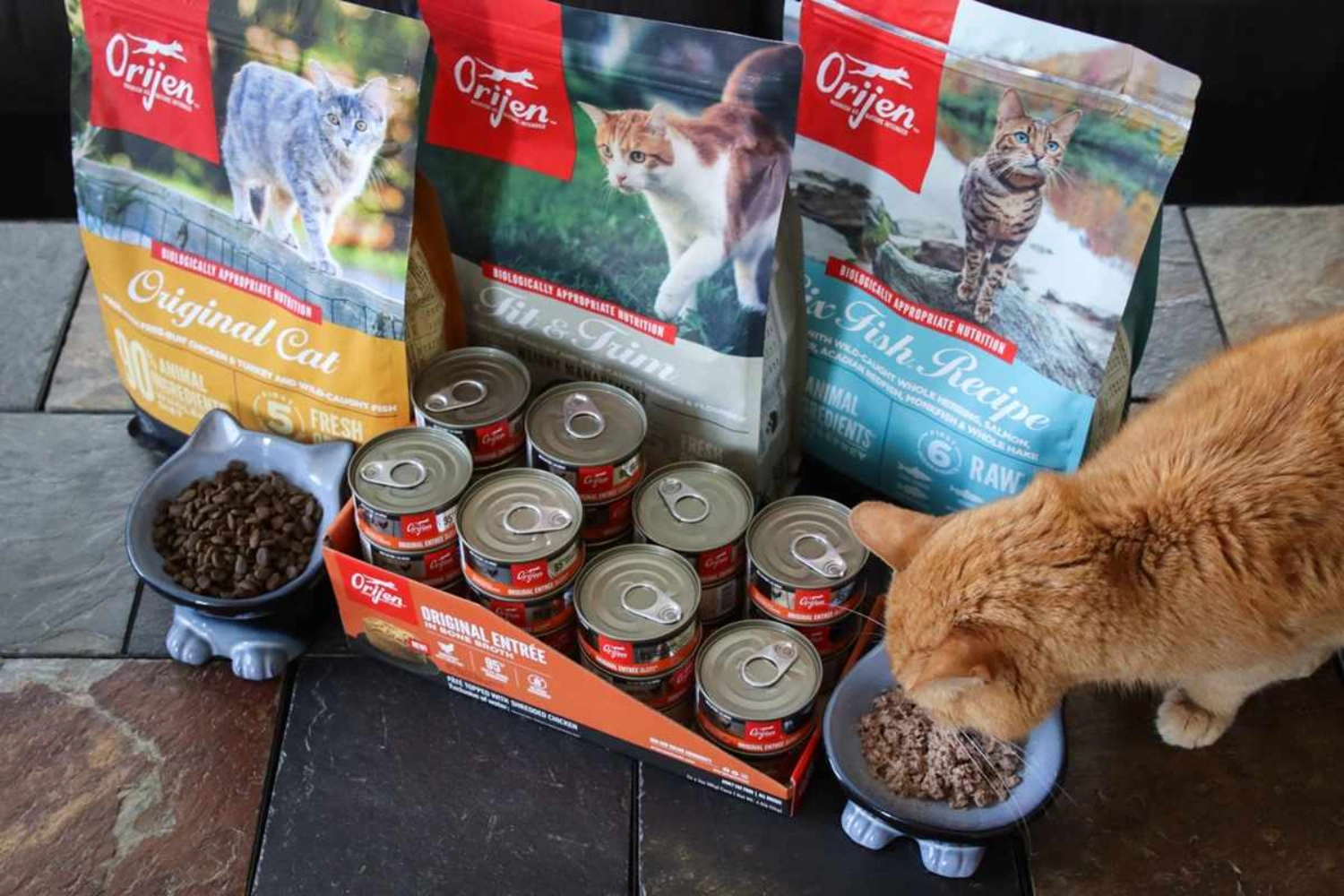
ORIJEN is a premium pet food brand produced by Champion Petfoods, a Canadian company founded in 1985. The name is derived from “original,” and the brand’s philosophy — “Biologically Appropriate” nutrition — is built around the argument that dogs and cats evolved as carnivores, and their diet should reflect that. In practice, this means every ORIJEN recipe is formulated with a minimum of 85 percent animal ingredients: fresh or raw meat, organs, and bone sourced from regional suppliers and delivered refrigerated or frozen to Champion’s production kitchens. ORIJEN is sold across North America, Europe, Asia-Pacific, and beyond, and sits at the premium end of the dry pet food category in both positioning and price point.
That formulation creates a specific packaging challenge. A dry kibble with 85 percent animal content carries significantly more fat than a conventional grain-heavy recipe. Fat is the component in dry pet food most vulnerable to oxidative rancidity — the degradation process that produces off-flavors and reduces nutritional quality. Containing it requires a barrier film that performs consistently over a 12 to 24 month shelf life across a distribution chain that spans multiple climates, storage conditions, and retail environments. The packaging has to do real engineering work, not just carry the brand’s visual identity.
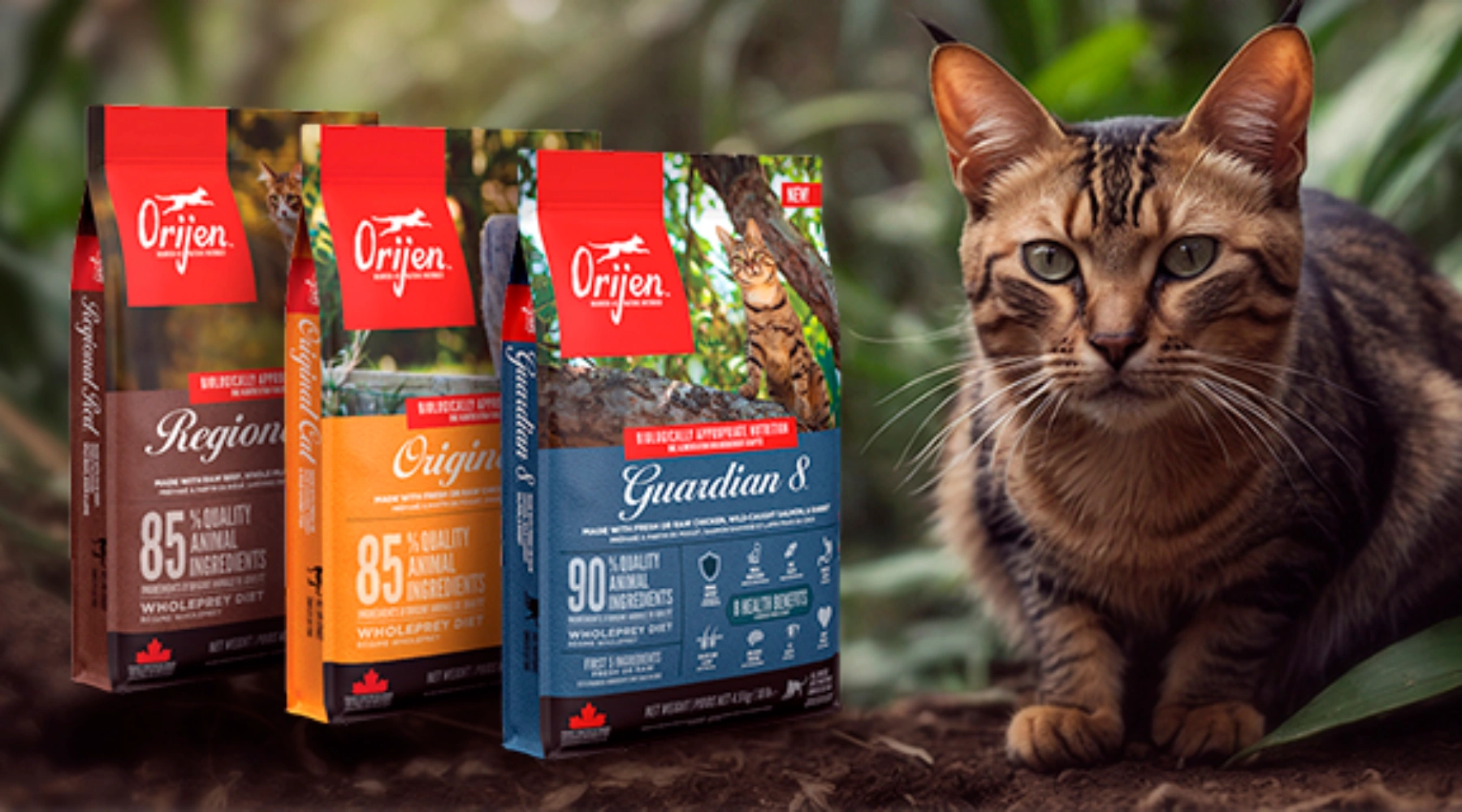
ORIJEN’s bag is also one of the most immediately recognizable packages in the pet food aisle — dark field photography, high-contrast typography, and a visual language that positions the brand as something closer to wildlife than to the sanitized domesticity of most pet food packaging. Understanding how those two things — the engineering spec and the design system — work together is useful for any brand building premium pet food packaging from the ground up.
What ORIJEN Is and Why Its Packaging Has to Work Harder Than Most
Most dry dog food on the market is formulated with a majority of grain or starch content — corn, rice, peas, potato — with animal protein as a minority ingredient. The packaging requirements for these products are modest: a basic moisture and oxygen barrier sufficient to maintain a kibble that is already relatively shelf-stable due to its low fat and low water activity profile. ORIJEN is not that product.
At 85 percent animal ingredients, ORIJEN’s recipes carry a fat content that sits meaningfully above category average. The ORIJEN Original recipe, for instance, delivers a minimum of 13 percent crude fat with metabolizable energy distributed as 42 percent from fat — more than twice the fat-derived calorie proportion of a standard kibble. Fat oxidation — the reaction between unsaturated fatty acids and ambient oxygen — is the primary shelf life threat for this product, and it accelerates in the presence of heat, light, and oxygen ingress through the packaging film.
This is why ORIJEN’s packaging specification is not a conventional choice. The brand cannot use the same commodity multilayer film that works adequately for a grain-heavy kibble with a 12-month shelf life. It needs a barrier structure that restricts oxygen transmission to levels sufficient for a high-fat product across a 12 to 24 month shelf life in variable storage conditions — and that holds that barrier performance through the repeated mechanical stress of a bag being filled, sealed, shipped, stacked on retail pallets, and opened and reclosed repeatedly by the consumer.
The brand has confirmed this directly in its FAQ: “our bags need to form a complete barrier to protect your pet’s food from the outside environment.” That statement, paired with the confirmation that the packaging is not recyclable in most areas due to its multi-layer construction, points clearly to a foil or high-performance VMPET laminate structure rather than a simpler film.
Desde el punto de vista de la producción: The packaging brief for a high-fat premium kibble starts with fat oxidation prevention as the primary constraint, not aesthetics. Every other specification — format, zipper, print finish — is layered on top of the barrier requirement, not the other way around. Brands that start with the visual and work backwards to the film often underspecify the barrier layer for their actual product.
The Format Decision: Why ORIJEN Uses Two Different Bag Structures Across Four Sizes
ORIJEN’s dry dog food line is available in four sizes: 4.5lb, 13lb, 23.5lb, and 31lb. These are not arbitrary weight increments. They reflect the consumption patterns of different buyer segments — a 4.5lb bag suits a trial purchase, a single small dog, or a household rotating between multiple protein sources; a 31lb bag suits a large-breed household with consistent purchase behavior and a dedicated storage space. The packaging format at each size tier follows from these use patterns, not from production convenience.
The 4.5lb offering uses a flat-bottom bag format — a square-bottomed structure that stands stably on a retail shelf, presents a large front panel for brand graphics, and suits the lower fill weight with proportionate bag dimensions. The flat bottom is structurally appropriate at this size because the weight-to-bag-height ratio allows the format to hold its shape without a side gusset reinforcement. For a brand competing in a crowded premium shelf environment, the flat bottom’s stable, upright presence is a functional advantage: it does not lean, does not collapse, and keeps the full front panel facing the shopper.
The 13lb, 23.5lb, and 31lb sizes use a bolsa con fuelle lateral format — a structure with gusseted side panels that expand as the bag fills, allowing a larger total volume within a manageable bag height. Side gusset bags are the industry-standard format for large-format dry pet food for a specific engineering reason: at fill weights above 10 pounds, the internal pressure on the bottom seal of a standard stand-up or flat-bottom bag creates stress concentrations that can compromise seal integrity over time, particularly when the bag is stacked under the weight of other bags during palletized shipping. The side gusset distributes that internal pressure across the gusseted side panels, reducing bottom seal stress and improving structural integrity under load.
All four sizes include a resealable press-to-close zipper closure positioned at the top of the bag. Consumer reviews consistently note this as a functional positive — specifically that the zipper holds its seal reliably through repeated opening cycles. For a product with a 12 to 24 month best-before date, this matters more than in many other food categories: a bag of dry kibble is opened and reclosed daily for weeks or months, and any degradation in the zipper’s closure force allows ambient oxygen and humidity to enter the bag and accelerate fat oxidation in the remaining product. The zipper’s functional specification is not a convenience feature. It is part of the barrier system.
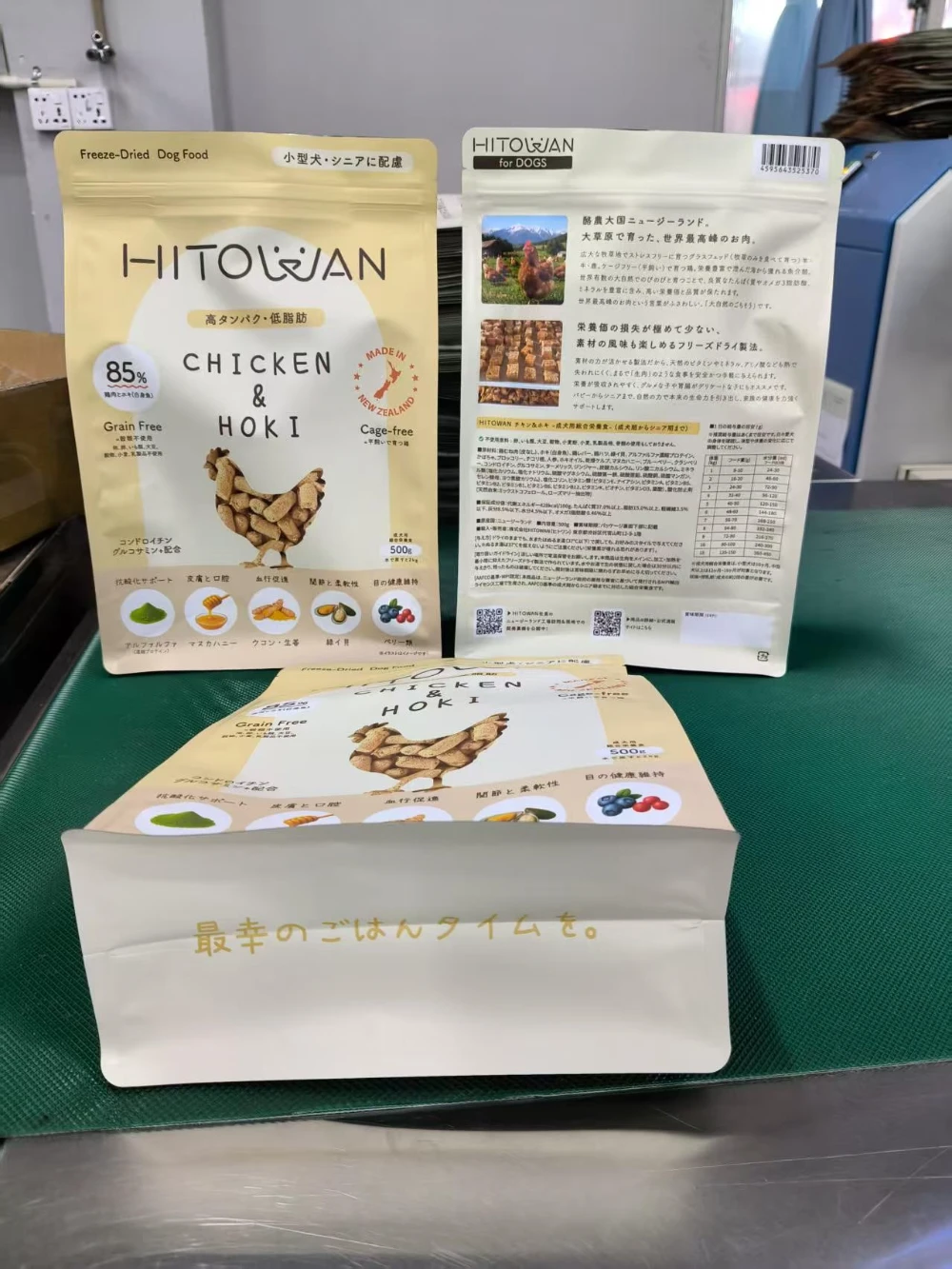
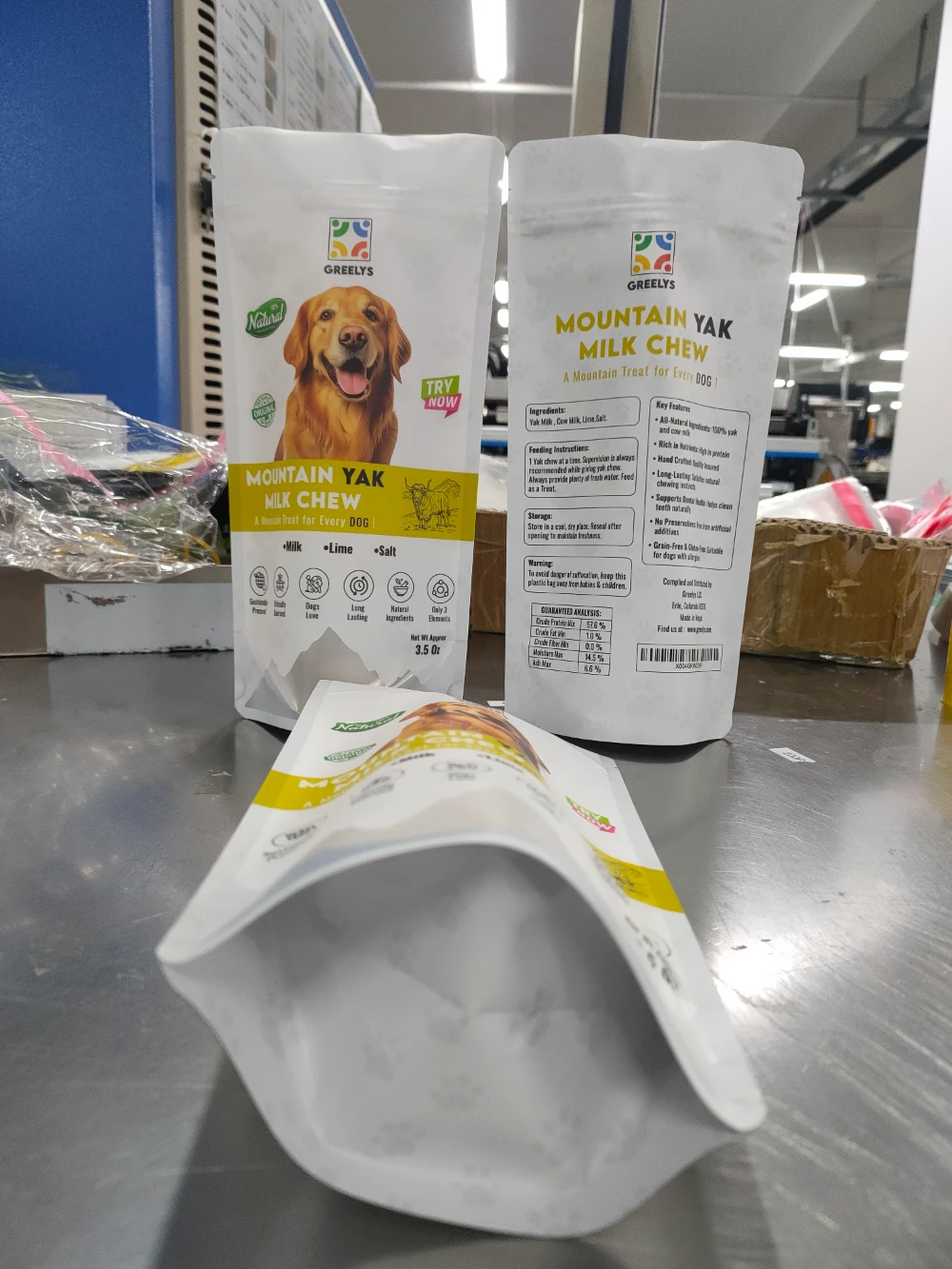
Bolsas HITOWAN sabor Pollo y Boki producidas en JINYI - envases japoneses premium para comida de mascotas con acabado blanco mate e impresión de ilustraciones a todo color.
For brands building a similar multi-size format system, JINYI’s bolsa con fuelle lateral y bolsa de fondo plano lines are produced in the same barrier laminate specifications, with zipper options and size configurations determined by fill weight and retail format requirements — not limited to a fixed catalog.
What Film Structure Does ORIJEN’s Bag Most Likely Use?
ORIJEN has not published a formal material specification for their packaging film. What follows is an analysis based on the brand’s own statements about barrier requirements, the observable properties of the bag, and the industry-standard laminate structures used for high-fat premium dry pet food at a 12 to 24 month shelf life target. The brand has confirmed the packaging is not recyclable due to its multi-layer construction — which is consistent with either an aluminum foil laminate or a high-barrier VMPET laminate structure.
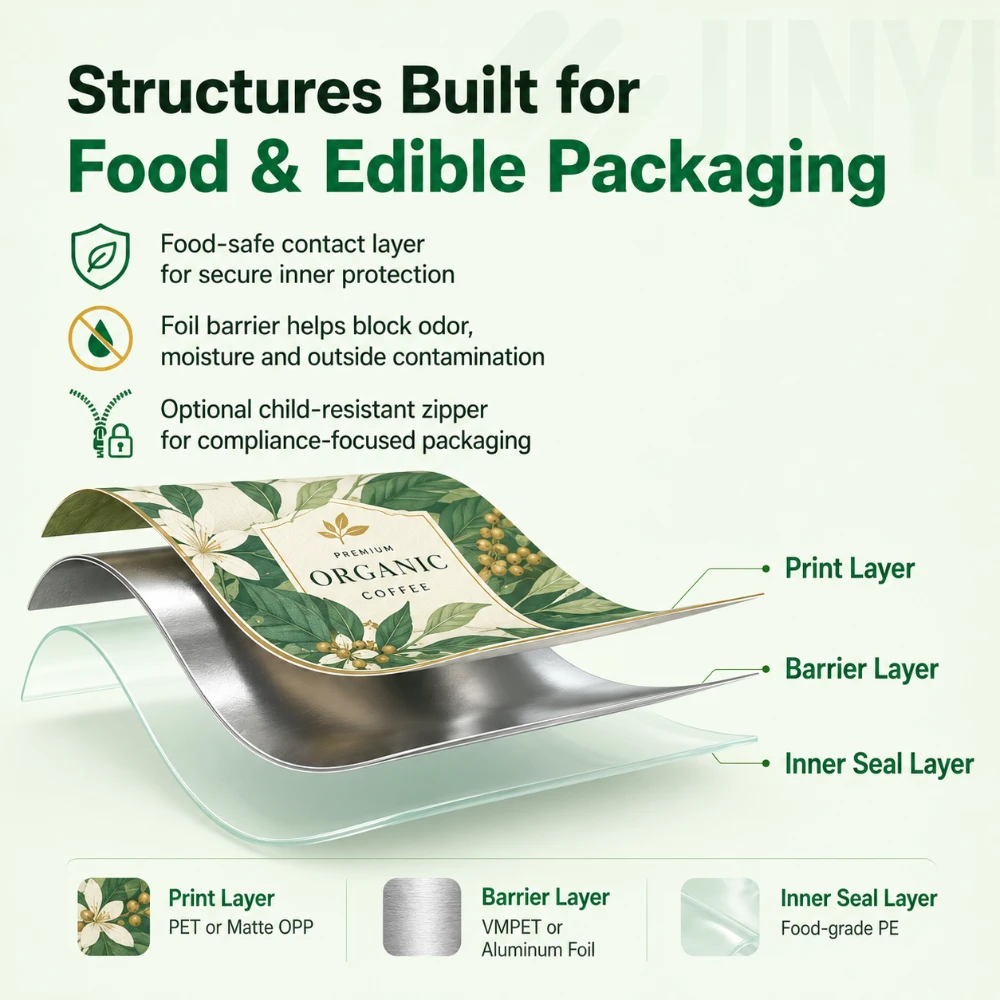
For a high-fat kibble at this shelf life specification, the estimated film structure is a standard three-layer laminate:
Capa (exterior → interior)
Material estimado
Función
Capa de impresión (exterior)
PET (poliéster), 12-15 μm
Reverse-print substrate for high-resolution photography reproduction; structural stiffness for bag forming; abrasion and puncture resistance during retail handling and stacking
Capa de barrera (media)
AL (papel de aluminio) o VMPET, 7-9 μm
AL: near-zero OTR (est. ≤0.01 cc/m²/day), near-zero MVTR, complete light block — sufficient for 12–24 month high-fat shelf life. VMPET: OTR ~0.5–2.0 cc/m²/day, adequate for lower-fat variants or shorter shelf life targets
Capa de sellado interior (interior)
PE alimentario, 60-80 μm
Heat-seal surface for bottom and side seals; food contact compliance; compatible with high-speed VFFS filling lines for large-format pet food bags
Note: Film structure is estimated based on ORIJEN’s stated barrier requirements, observable bag properties, and industry-standard specifications for high-fat dry pet food. ORIJEN has not published official material documentation.
The barrier layer selection is the most consequential specification decision in this structure. Fat oxidation — specifically the autoxidation of unsaturated fatty acids in a high-meat-content kibble — requires an oxygen transmission rate below a threshold that varies with the product’s fat content, the antioxidant system in the formulation, and the target shelf life. For a recipe at ORIJEN’s fat level with a 24-month shelf life target, an aluminum foil barrier providing near-zero OTR is the technically conservative choice. VMPET provides meaningful barrier performance at a lower cost, but its metallized layer is susceptible to flexion damage — micro-cracking of the aluminum deposit when the film is bent, creased, or stressed during high-speed filling — which can compromise OTR performance in the finished bag. For a large-format bag that undergoes significant mechanical stress during palletized distribution, this is a specification risk that premium brands typically manage by specifying aluminum foil over VMPET for their highest-fat products.
The PET outer layer serves double duty: it is the print substrate for ORIJEN’s high-resolution photography printing, and it provides the structural stiffness that allows a 31lb bag to hold its form during filling, sealing, and retail handling. PET at 12 to 15 microns provides sufficient rigidity for the bag’s structural requirements while remaining flexible enough to form cleanly on a vertical form-fill-seal machine at production speed.
The Visual Design Logic: Dark Photography, High Contrast, and What It Signals on Shelf
The premium dry pet food shelf is one of the most visually competitive retail environments in the food category. Brands are fighting for attention in a space where dozens of bags compete for the same two seconds of shopper consideration. The visual strategy a brand chooses in this environment is not a design preference — it is a strategic position that determines which buyers stop, which pass, and what the package communicates in the moment before the buyer reads a single word.
ORIJEN’s visual system is built on a dark field — near-black backgrounds across most of the bag surface — with high-resolution wildlife and nature photography as the dominant visual element, and high-contrast white and red typography for brand name, recipe descriptor, and nutritional claims. The effect on shelf is immediate: the bags read as darker, denser, and more dramatic than the competition, which tends toward bright colors, pastoral imagery, and lighter brand palettes.
This is a deliberate departure from the two dominant visual strategies in the premium pet food category. Compare the approaches of brands like Hill’s Science Diet, which uses a clinical white and blue palette to signal veterinary authority and nutritional science, and Búfalo azul, which uses warm blues, greens, and a family-feeling illustration style to signal natural ingredients and emotional connection with the pet. ORIJEN takes neither path. Its dark field and wildlife imagery communicate something different: the ancestral, the instinctual, the wild — a product that is closer to what the animal evolved to eat than to what humans decided to feed it.
The multi-SKU color coding system works within this framework. Each recipe uses a distinct accent color — deep teal for Original, rich burgundy for Regional Red, earthy brown for Six Fish, and so on — applied to specific brand elements and recipe descriptors against the dark field. This creates a system that is immediately recognizable as ORIJEN at the brand level, while differentiating recipes at the SKU level without requiring the buyer to read the descriptor text. It is a functional navigation system embedded in a consistent brand identity.
From a print production standpoint, reproducing high-resolution dark-field photography consistently across a production run requires tight ink density control and a print process that can hold fine shadow detail. On a large-format pet food bag, this typically means rotogravure printing for volume runs — a process that deposits ink directly from an engraved cylinder, giving consistent depth and saturation run-to-run — with digital print available for shorter runs and regional variants where brand consistency is managed through color profiles rather than cylinder matching.
On dark-field printing: Dark backgrounds amplify any print registration inconsistency or color shift between production runs. Brands specifying dark-field packaging should confirm with their factory whether color management is run to a defined ICC profile with measurable Delta E tolerances, and whether pre-production approval includes a physical press proof — not just a digital simulation — before production is committed.
The Recyclability Problem in Premium Pet Food Packaging — and Why It Is Not Simply Fixed
ORIJEN’s FAQ addresses this directly: “At present, our packaging is not recyclable in most areas. Due to the nature of our foods, our bags need to form a complete barrier to protect your pet’s food from the outside environment. We know sustainable packaging is important to Pet Lovers and as such, we are working towards a solution.” That statement is more technically precise than it might appear.
The non-recyclability of ORIJEN’s bags is a direct consequence of the multi-layer laminate structure required to achieve the barrier performance their product demands. A PET/AL/PE or PET/VMPET/PE laminate bonds dissimilar materials together through adhesive lamination. The layers cannot be separated in standard mechanical recycling streams — the mixed material stream has no viable end market, and the economics of chemical recycling have not reached a point where they are accessible to most pet food brands at commercial scale.
The alternative that the industry is actively exploring — mono-material PE or PP films with EVOH or barrier coating layers — presents a real performance gap at ORIJEN’s specification level. Mono-material PE barrier films currently achieve OTR values in the range of 0.5 to 5.0 cc/m²/day, depending on the barrier coating technology and film thickness. For a high-fat kibble with a 24-month shelf life target distributed across multiple climates, this OTR range introduces meaningful shelf life risk that conventional laminate structures do not. Several large pet food brands have piloted recyclable mono-material structures for lower-fat, shorter shelf life products — this transition is technically feasible for standard kibble. For ORIJEN’s product specification, the gap between recyclable film performance and required barrier performance has not been closed by current commercially available technology.
This does not mean the sustainability conversation ends at the primary packaging. For a brand at ORIJEN’s distribution scale, the more actionable near-term sustainability lever is the secondary and tertiary packaging: the corrugated shipping cases, the pallet wrap, and the return-logistics packaging that moves product through the supply chain. Specifying recycled-content corrugated, reducing void fill in shipping cases, and optimizing bag dimensions to improve pallet density are all measurable sustainability improvements that do not require a compromise in primary barrier performance. The industry’s movement toward Extended Producer Responsibility legislation in US states and EU markets is also creating financial incentive for brands to quantify and reduce their non-recyclable flexible film volumes — which may accelerate investment in barrier technology development over the next product generation.
What Brands Building Premium Pet Food Packaging Actually Need from a Factory
ORIJEN’s packaging system illustrates the full complexity of what a premium pet food bag specification requires — and why it cannot be reduced to a print-on-demand order or a commodity flexible film purchase. The specification starts with the product, works through the barrier requirement, selects the format and structure, and then layers the brand design system on top. Every element is connected to what comes before it.
For brands in the premium pet food category, the factory capability that matters most at the specification stage is the ability to work from a product brief — fat content, moisture content, target shelf life, distribution conditions — and recommend a film structure with documented performance data, not just a generic “high barrier” claim. Material documentation means published OTR and MVTR values for the specific laminate, food contact compliance certificates, and a clear statement of what the barrier structure has been validated for in terms of product type and shelf life. These are the documents that go into a regulatory submission, a retail buyer’s quality audit, or a co-manufacturer’s incoming material inspection — and they are what separate a factory that knows how to produce pet food packaging from one that produces flexible packaging generally.
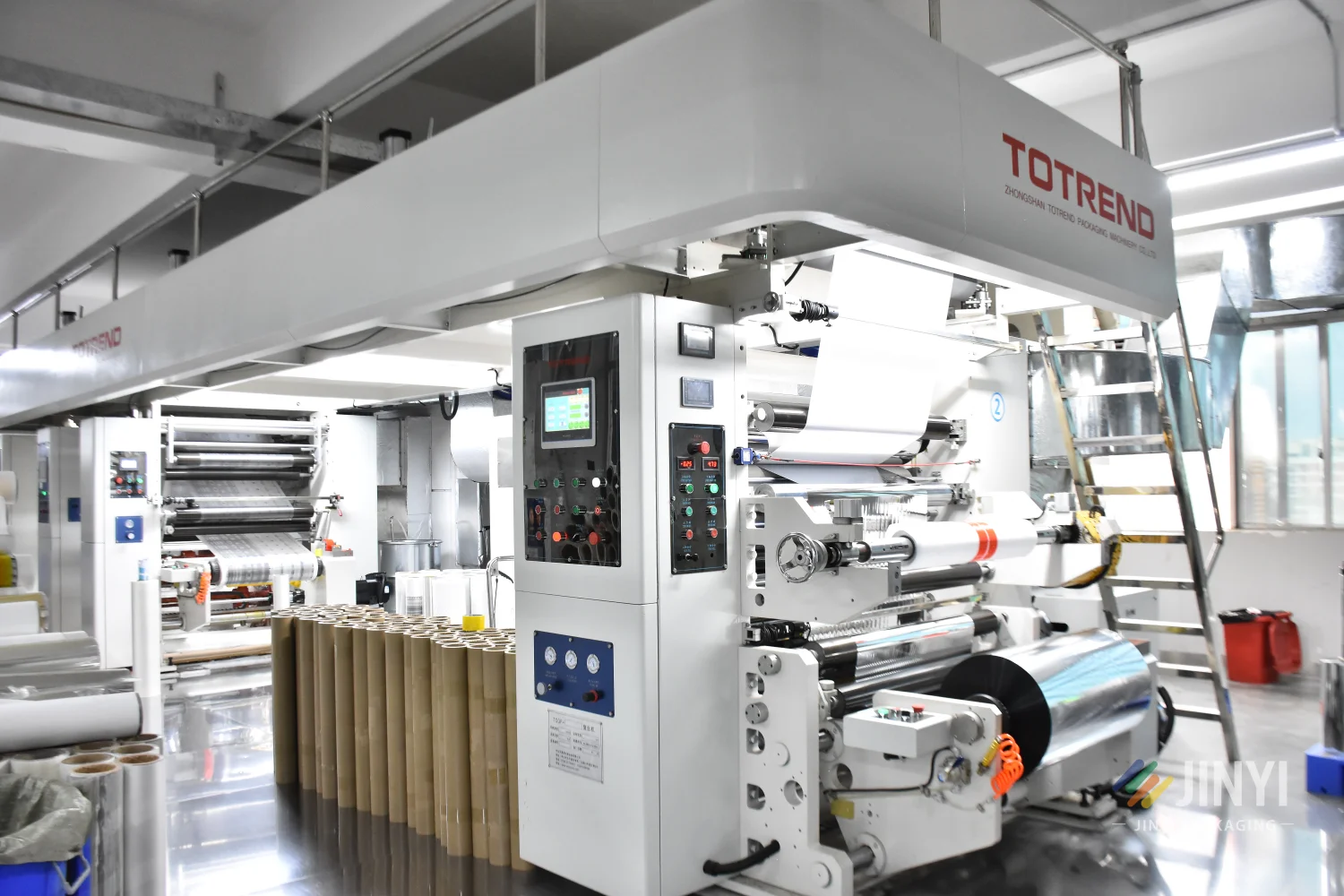
Post-lamination curing at JINYI — 24 to 48 hours under controlled conditions to ensure full bond strength before slitting
For the format decisions, the key capability is producing both bolsas con fuelle lateral for large-format sizes and flat bottom bags for smaller retail sizes within the same barrier laminate specification — so that a brand managing a four-size product range is not managing four different material specifications and four different supplier relationships. The zipper specification, the seal strength, and the print profile should all be consistent across the size range, with format and dimension as the variable, not the material system.
For the print specification, high-resolution photography on a dark field requires a print process and color management system that can hold consistent output across a production run and across reorder runs months apart. At JINYI, color output is managed through ESKO Automation Engine across our HP Indigo digital press line — a system that applies the same color profile to every print job, making run-to-run consistency measurable rather than approximate. For brands at lower annual volumes where digital print is the appropriate process, this matters more than for volume runs where gravure cylinder consistency handles the repeatability problem mechanically.
JINYI's soluciones de envasado de alimentos para mascotas cover the full specification range for premium dry pet food — barrier laminates in PET/AL/PE and PET/VMPET/PE, side gusset and flat bottom formats, resealable zipper options, and complete material documentation as standard. For brands building a packaging system that needs to perform at ORIJEN’s level from the first production run, the conversation starts with the product specification, not the design brief. The full guide to how custom pouches are made covers the production process from film specification through finished bag — useful reading before the first factory conversation.
Bolsa vertical personalizada para comida para mascotas fabricada en la fábrica de JINYI: acabado blanco mate con diseño a todo color y cierre resellable
Building Premium Pet Food Packaging That Performs to Specification?
JINYI produces side gusset bags and flat bottom bags in PET/AL/PE and PET/VMPET/PE barrier laminates — with resealable zipper options, complete material documentation, and physical pre-production samples as standard. The conversation starts with your product’s fat content and shelf life target, not the design file.
JINYI es una fábrica de origen de envases flexibles personalizados con más de 15 años de experiencia en producción, que sirve a marcas de alimentación, suplementos, café, alimentos para mascotas y bienes de consumo en más de 150 países. Producimos bolsas stand-up, bolsas de fondo plano, bolsas almohada y bolsas con fuelle lateral en PET/AL/PE, PET/VMPET/PE y otras especificaciones de barrera, mediante impresión digital HP Indigo a partir de 500 unidades e impresión en huecograbado por volumen, con documentación completa del material incluida de serie con cada pedido.
Eso es lo que De la película al acabado: bien hecho significa en la práctica.
Elsa
Director de Desarrollo Comercial - JINYI Packaging
Elsa dirige el desarrollo empresarial y la gestión de pedidos de clientes en JINYI. Con 8 años de experiencia en comercio exterior en Yiwu y Dongguan, conoce a la perfección la demanda del mercado y las necesidades reales de los compradores.
Necesidades del cliente Gestión de pedidos Desarrollo empresarial
ORIJEN has not published a formal material specification for their packaging film. Based on their stated requirement for a “complete barrier” and their confirmation that the packaging is not recyclable due to its multi-layer construction, the estimated structure is a standard three-layer laminate: PET print layer on the outside, an aluminum foil or high-barrier VMPET barrier layer in the middle, and a food-grade PE inner seal layer. The barrier layer is the critical component for a high-fat kibble with a 12 to 24 month shelf life requirement.
Why is ORIJEN’s dog food packaging not recyclable?
ORIJEN has confirmed their packaging is not recyclable in most areas because the bags require a complete barrier to protect the product. A multi-layer laminate combining PET, aluminum or VMPET, and PE bonds dissimilar materials that cannot be separated in standard mechanical recycling. This is not a design oversight — it is a direct consequence of the barrier performance required for a high-fat, high-protein kibble over a 12 to 24 month shelf life. Current recyclable mono-material films do not reliably match the OTR performance of aluminum foil laminates for this product type.
Why does ORIJEN use different bag formats for different sizes?
The 4.5lb size uses a flat-bottom bag for stable retail shelf presence and maximum front panel print area at a small fill weight. The larger 13lb, 23.5lb, and 31lb sizes use side gusset bags, which distribute internal pressure across gusseted side panels rather than concentrating it at the bottom seal — an important structural advantage at fill weights above 10 pounds where a standard bag format would be under significant bottom-seal stress during palletized distribution.
What does ORIJEN’s dark packaging design communicate on shelf?
ORIJEN’s dark-field photography system communicates an ancestral, instinctual brand positioning — closer to what dogs evolved to eat than to a conventional commercial pet food. It differentiates the brand from premium competitors that use either clinical white palettes (veterinary authority positioning) or warm, pastoral imagery (natural ingredient positioning). The multi-SKU accent color system allows recipe differentiation within a consistent brand framework that reads as ORIJEN before the buyer processes any text.
Why does a high-fat pet food require a higher barrier film than standard kibble?
Fat oxidation — the autoxidation of unsaturated fatty acids when exposed to oxygen — is the primary shelf life threat for high-fat dry pet food. It produces rancid off-flavors and reduces nutritional quality. A standard dry kibble with low fat content has a lower oxidation rate and can tolerate a higher OTR film without significant shelf life impact. ORIJEN’s 85 percent animal ingredient recipes carry significantly more fat and require a film that restricts oxygen ingress to levels that keep the oxidation rate below acceptable thresholds for the product’s full shelf life.
What is the minimum order for custom pet food bags from a direct factory?
At JINYI, custom side gusset bags and flat bottom bags in barrier laminate specifications are available from 500 units via HP Indigo digital print, with gravure printing available for higher volume runs. For brands at an earlier stage, the pre-production physical sample process — which produces a real bag in your specified material, format, and dimensions — is the right starting point before committing to a full production run.
How does ORIJEN’s packaging compare to other premium pet food brands?
ORIJEN’s dark-field visual system and high-barrier film specification position it differently from brands like Hill’s Science Diet, which uses a clinical white palette and emphasizes veterinary endorsement, and Blue Buffalo, which uses warmer colors and family-oriented imagery. The packaging decisions reflect each brand’s positioning: ORIJEN signals ancestral, carnivore-appropriate nutrition; Hill’s signals clinical precision; Blue Buffalo signals natural care. All three require high-barrier film for dry kibble, but the format, design, and brand communication systems are built around fundamentally different buyer relationships. For detailed breakdowns of each approach, see our analyses of Hill’s Science Diet packaging y Blue Buffalo packaging.