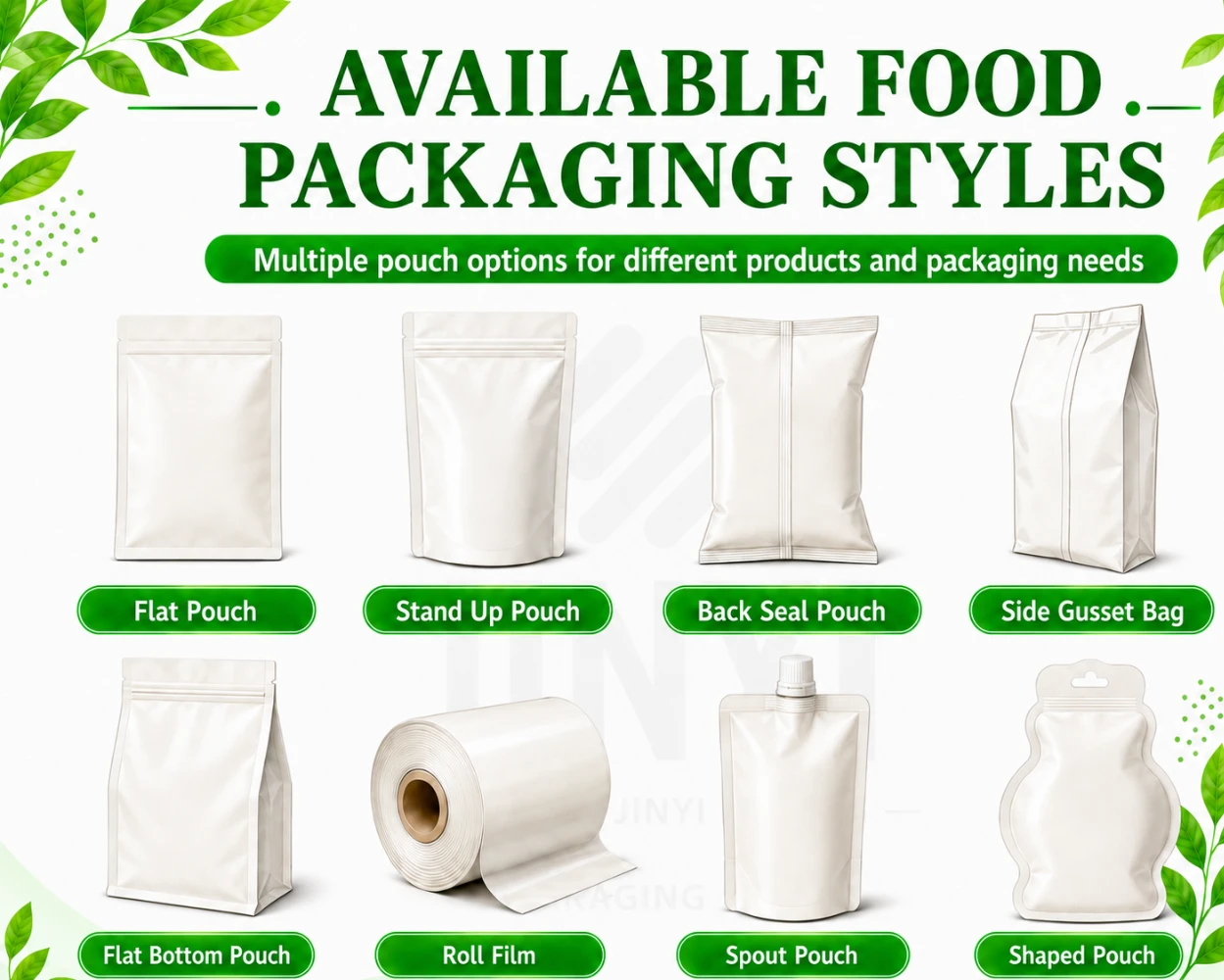
Material de rolo de alto desempenho construído para velocidade, consistência e produção escalável de embalagens.
Saco de Mylar cortado
Presença de grande impacto nas prateleiras com uma forte barreira de proteção para manter os produtos frescos e em conformidade com as normas.
Bolsas planas
Um formato económico e economizador de espaço que proporciona um desempenho de selagem fiável para a venda a retalho e expedição diária.
Bolsas com bico para líquidos
Embalagem resistente a fugas e fácil de verter que aumenta a comodidade do utilizador e reduz a confusão na entrega.
Embalagem de sacos de almofadas
Embalagem tipo saqueta, leve e rápida de embalar, ideal para produtos de grande volume e para uma marca limpa.
Bolsa Quad Seal
Estabilidade semelhante à de uma caixa com um atrativo de prateleira de primeira qualidade - óptima para enchimentos mais pesados e um aspeto mais “vertical”.
Sacos com reforço lateral
Sacos de grande capacidade e eficientes em termos de espaço que maximizam o volume de enchimento, mantendo uma forma limpa e estruturada.
Bolsas de pé
Um dos formatos de crescimento mais rápido, que combina uma forte exposição nas prateleiras, um custo de transporte mais baixo e uma grande proteção da frescura.
Sacos de fundo plano
Caixa de jóias tipo gaveta
Caixas de jóias com gaveta para um desempacotamento de qualidade e uma proteção rígida.
Caixa de jóias com tampa flip-top
Caixas de jóias flip-top com construção rígida e apresentação de luxo.
Estojo rígido retrátil de duas peças
Caixas rígidas de duas peças para uma proteção e apresentação de luxo.
Caixas de correio
Caixas de correio em cartão canelado para um envio seguro e um desempacotamento com marca.
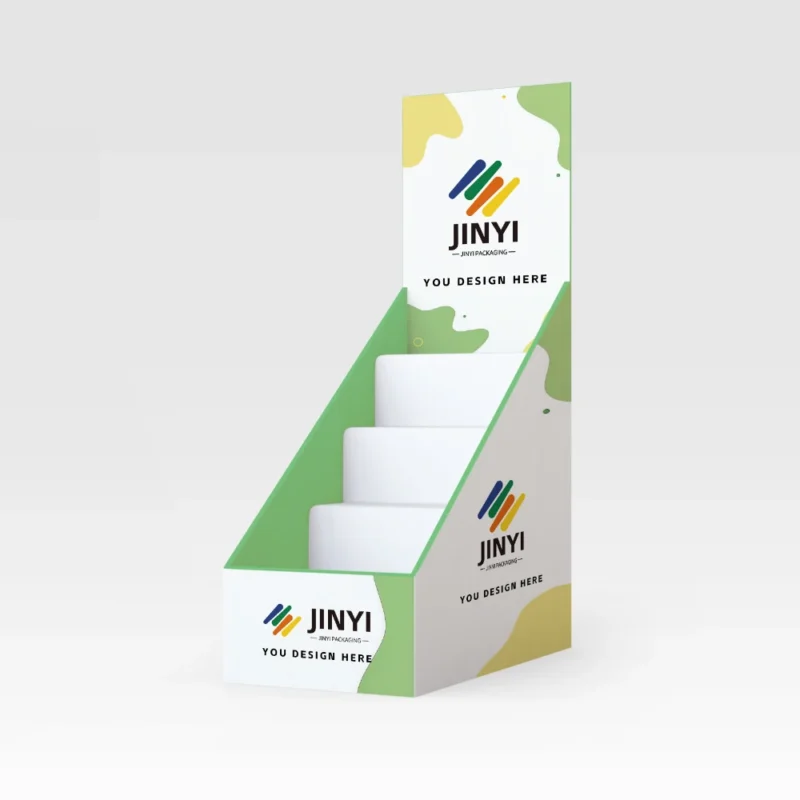
Caixas de exposição
Caixas de exposição personalizadas para vendas ao balcão e grande visibilidade nas prateleiras.
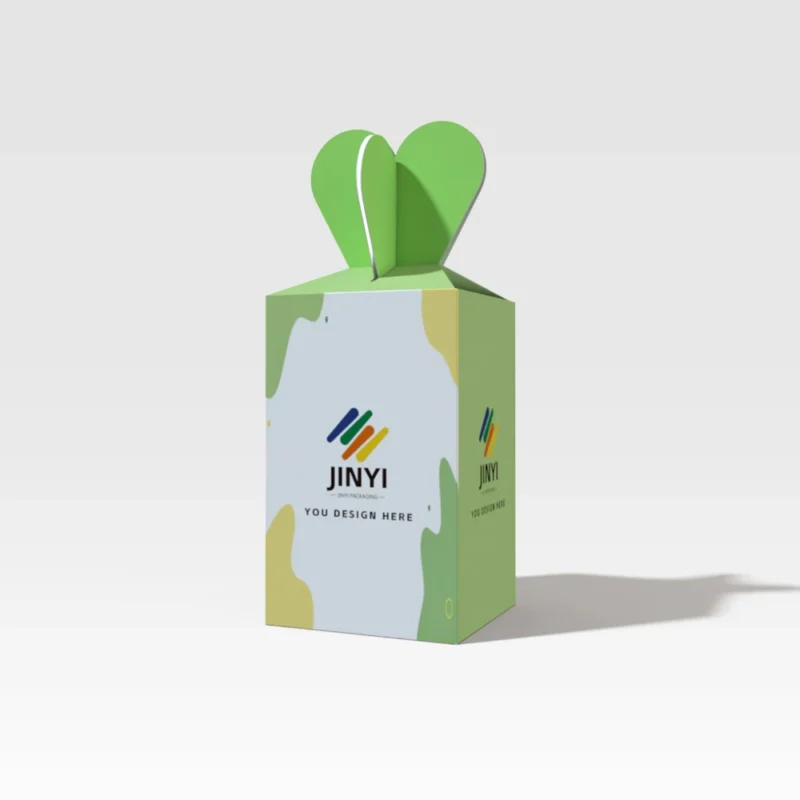
Caixas de oferta
Caixas de oferta personalizadas com estrutura e opções de acabamento premium.
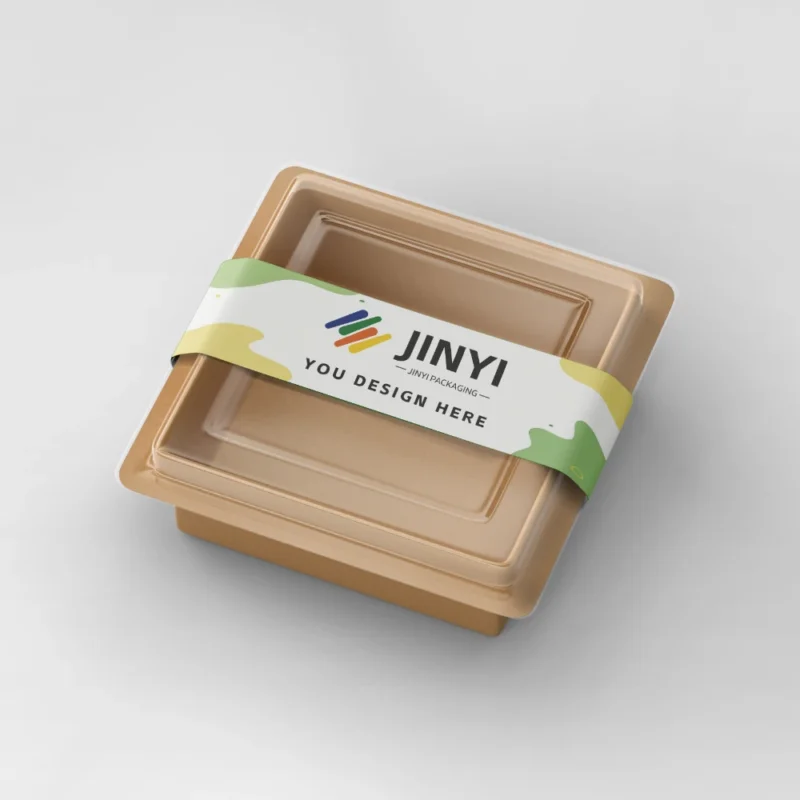
Caixas de embalagem com manga
Caixas de manga com invólucros impressos para uma marca flexível.
Caixa inferior com fecho automático
Caixas de fundo com fecho automático de montagem rápida para retalho e comércio eletrónico.
Caixa de fundo com fechadura
Caixas de fundo com fecho para uma embalagem rápida e um forte suporte de carga.
Caixas de extremidade de dobragem reta
Caixas com extremidades rectas para um fecho perfeito e exposição a retalho.
Saco de papel personalizado
Sacos de oferta de papel personalizados com pegas fortes e impressão nítida da marca.
Copos para frio em PET transparente
Copos frios PET transparentes para bebidas geladas - transparentes, robustos e resistentes a fugas.
Saco de oferta personalizado
Sacos de oferta de papel personalizados com pegas fortes e impressão nítida da marca.
Copo de papel
Copos de papel para bebidas quentes com fixação confortável e impressão limpa e consistente.
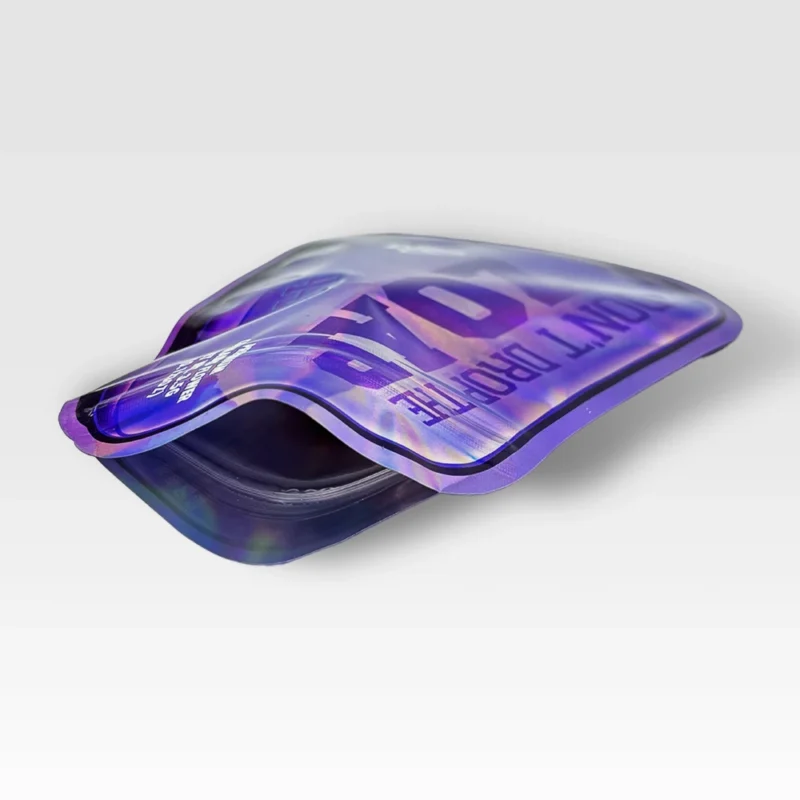
Bolsas planas para cannabis
Bolsas planas para cannabis com barreira elevada e espaço livre para rotulagem.
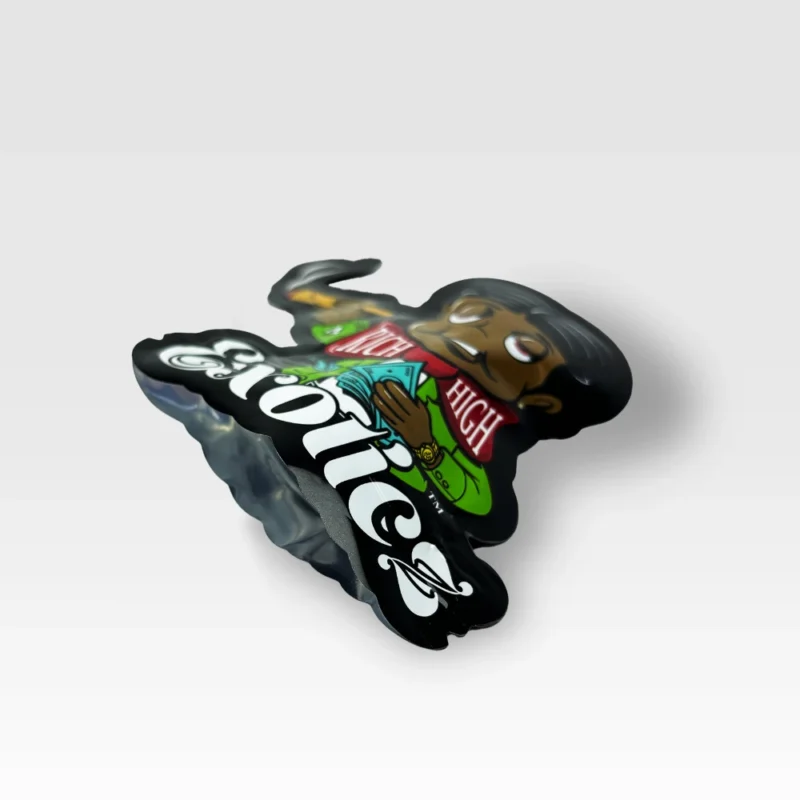
Sacos Mylar para ervas daninhas
Sacos de mylar para ervas daninhas com barreira forte, fechos de correr e opções de controlo de odores.
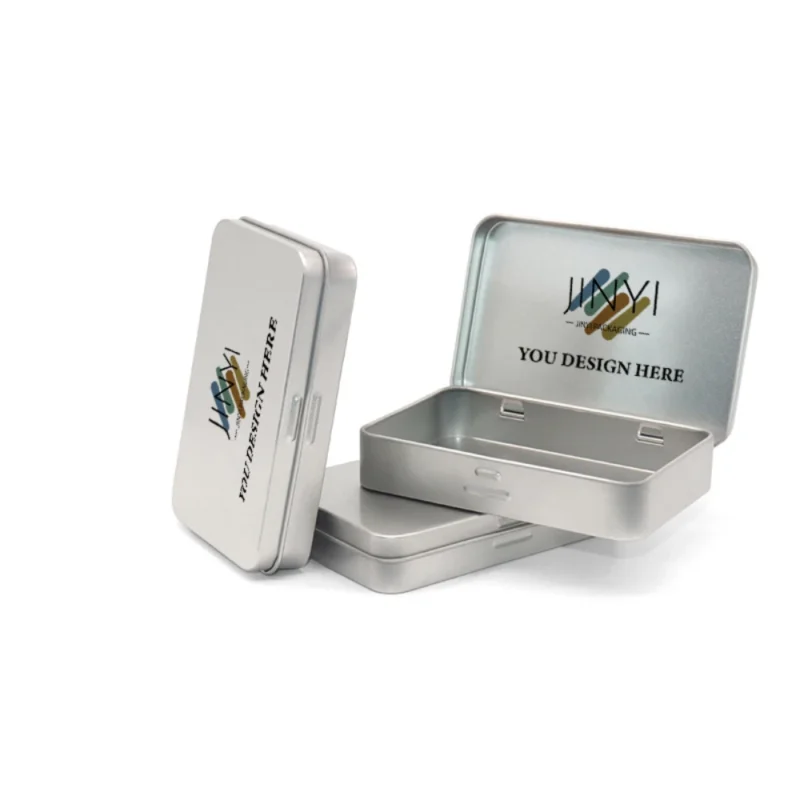
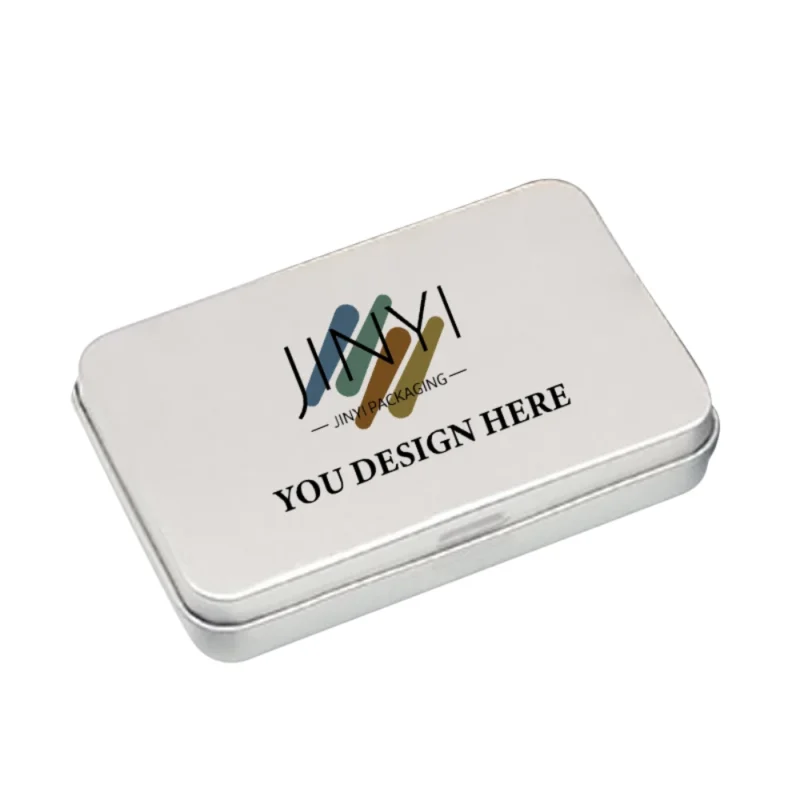
Caixas de lata personalizadas
Caixas de estanho personalizadas para uma proteção premium, reutilização e impressão a cores.
Etiquetas de manga retrátil
Etiquetas de manga retrátil com cobertura de 360° e impacto na prateleira.
Etiquetas em rolo personalizadas
Rótulos em rolo personalizados para uma aplicação rápida e uma rotulagem consistente da marca.
Autocolante cortado
Autocolantes cortados com arestas limpas e opções de materiais duradouros.
Folhas de autocolantes Kiss Cut
Folhas de autocolantes cortadas à mão para desenhos flexíveis e fáceis de descolar.
A JINYI partilha orientações práticas sobre embalagens para as suas decisões.
“Snack packaging” sounds like a single category — it isn’t. A bag of fried potato chips, a pouch of freeze-dried fruit, a stand-up bag of granola, and a package of frozen cookie dough all fall under “snacks,” but each one has a fundamentally different relationship with oxygen, moisture, and temperature. Specify one barrier structure across all of them and at least one product will fail — either going rancid on the shelf, going soft in humidity, or losing structural integrity in cold storage.
This guide breaks snack packaging down by what actually drives the decision: product type, fat content, moisture sensitivity, and storage conditions. It covers barrier requirements by snack category, pouch format selection, material structures, when nitrogen flushing and oxygen absorbers are worth the added cost, what changes when your product is frozen rather than shelf-stable, and how to plan MOQ and lead times for a multi-flavour launch. For a deeper look at how flexible pouches are engineered from the film up, our complete guide to how custom stand-up pouches are made covers the production process end to end. You can also explore our full soluções de embalagem para alimentos for category-specific options.
Why Snack Packaging Requirements Vary So Much by Product Type
Three variables determine how demanding a snack product’s packaging spec needs to be: fat content, water activity, and moisture sensitivity. Understanding these three before you talk to a supplier means you brief them correctly the first time, instead of discovering a material mismatch after your first production run.
Oxygen Transmission Rate (OTR) measures how much oxygen passes through a film per square metre per day (cc/m²/day). High-fat snacks — chips, nuts, seeds — are vulnerable to oxidative rancidity, where oxygen reacts with unsaturated fats to produce off-flavours and odours. The higher the fat content, the lower the OTR your film needs to hit.
Moisture Vapour Transmission Rate (MVTR) measures water vapour passage (g/m²/day). Crunchy or crisp snacks — baked goods, freeze-dried fruit, puffed products — lose their defining texture the moment they absorb ambient moisture. A high MVTR film turns a crisp product soft within weeks, regardless of how fresh it was at the point of sealing.
Water activity (aw) is a measure of the free, unbound water available in a product for microbial growth and chemical reactions — on a scale from 0 to 1. Dried fruit and date-based snacks typically sit around aw 0.5–0.65; this intermediate moisture range is chemically stable but the product remains sensitive to picking up ambient humidity through a weak barrier, which can push water activity upward into a range where mould and yeast growth become possible.
Nota: These three variables interact. A high-fat, low-moisture snack like roasted nuts needs a low-OTR film primarily. A low-fat, high-moisture-sensitivity snack like a puffed rice cracker needs a low-MVTR film primarily. A product that is both high-fat and moisture-sensitive — like a chocolate-coated freeze-dried fruit — needs both specs to be tight, which is where full foil laminates earn their higher cost.
Barrier Requirements by Snack Category: Fried, Puffed, Dried, and Baked
Rather than treating “snack packaging” as one spec, the practical approach is to identify which category your product falls into and work from the barrier targets that category actually requires.
Categoria
Risco principal
Target OTR
Target MVTR
Exemplo
Fried / roasted, high-fat
Oxidative rancidity
<1.0 cc/m²/day
<2.0 g/m²/day
Chips, roasted nuts, sunflower seeds
Puffed / extruded
Moisture absorption, crush damage
1.0–3.0 cc/m²/day
<1.5 g/m²/day
Puffed rice, popcorn, prawn crackers
Dried / fruit-filled
Water activity migration, clumping
1.0–2.0 cc/m²/day
<2.0 g/m²/day
Date-filled bites, dried fruit, fruit leather
Baked, low-fat
Moisture absorption, softening
2.0–4.0 cc/m²/day
<2.0 g/m²/day
Granola, crackers, cereal bars
Frozen / par-baked
Freezer burn, seal stress under thermal cycling
<1.5 cc/m²/day
<1.0 g/m²/day
Frozen cookie dough, par-baked pastries
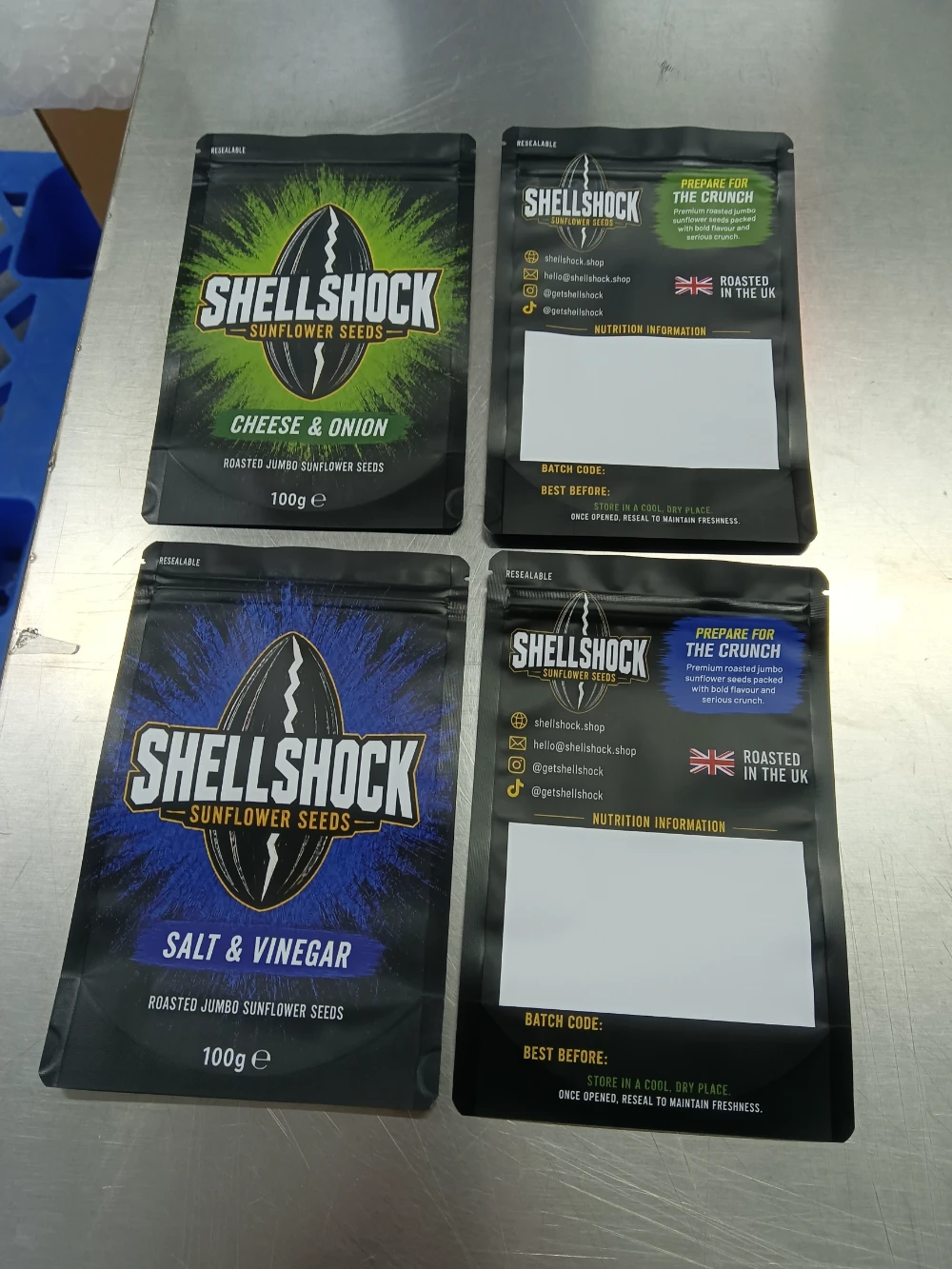
Roasted seed and nut snacks sit firmly in the fried/roasted category — high fat content makes oxidation the dominant risk, which is why brands like UK-based sunflower seed brand Shellshock specify resealable zippers alongside a tight OTR film: the zipper protects the remaining product from oxygen exposure across multiple servings after the first opening, extending the practical shelf life beyond the sealed-bag figure.
Sugestão: If your product spans two categories — for example, a chocolate-dipped freeze-dried fruit that is both high-fat and moisture-sensitive — always spec to the tighter of the two targets, not the average. Under-specifying either dimension will show up as a quality failure in whichever direction you compromised.
Pouch Formats for Snacks: Stand-Up, Flat Bottom, Flat Pouch, and Three-Side Seal
Format selection for snacks depends primarily on fill weight, whether the product needs to be resealed across multiple servings, and your retail channel.
O bolsa de pé is the default for multi-serving snack packs — 80g to 500g — where the consumer needs to reseal the bag between servings. A resealable zipper is standard on this format and is functionally necessary for any high-fat or moisture-sensitive product, since the first opening breaks the original barrier seal and the zipper becomes the only remaining oxygen and moisture defence.
O saco de fundo plano is used when shelf presence matters as much as function — premium granola, artisan trail mix, or gifting-oriented dried fruit snacks. The rigid, box-like base creates a stronger standing profile than a standard stand-up pouch and provides more front-panel surface area, which matters for brands using detailed illustration or photography as part of their packaging identity.
O flat pouch (also called a pillow pouch) is the correct format for single-serve and sample-size snacks — under 50g — where the product is consumed in one sitting and reseal capability is unnecessary. It carries the lowest per-unit material cost of the flexible formats, which matters for brands running high-volume single-serve SKUs for vending, subscription boxes, or trial sizing.
The three-side seal pouch is a flat pouch variant with seals on three sides and the fourth side often left as a fold, commonly used for individually wrapped bars or single-portion items that will themselves sit inside an outer multi-pack or display box.
Individually wrapped bars, portion items in multi-packs
Nota: A resealable zipper is not optional on a multi-serving high-fat or moisture-sensitive snack. Without it, the barrier protection your film provides only lasts until the first time the consumer opens the bag — after that, the product is exposed to ambient air for the remainder of the pack’s life.
Material Structures: When You Need Full Foil vs Metalized vs Kraft
The barrier targets from the category table above translate directly into material structure decisions. Each laminate structure delivers a different OTR and MVTR performance band, at a different cost and with a different visual aesthetic.
Estrutura
OTR
MVTR
Aesthetic
Melhor para
PET / AL / PE (full foil)
~0,01 cc/m²/dia
~0.01 g/m²/day
Opaque, metallic
High-fat nuts, seeds, chocolate-coated products, long shelf life
Low-fat, fast-turnover snacks with under 6-month shelf life
Kraft-based laminates have become the visual signature of the premium dried fruit and granola category — a full foil barrier layer sits beneath a kraft paper outer, delivering foil-level protection while the material’s natural, tactile surface communicates an artisan positioning that a fully metallic bag cannot. This is the structure used across most premium dried fruit brands entering Middle Eastern and European retail channels.
Sugestão: Don’t select material based on aesthetic preference alone. If your product is high-fat and your target shelf life is 12+ months, full foil or kraft/foil is the only responsible choice regardless of what the metalized option looks like on a mockup — the visual difference on shelf is minor, but the shelf life difference in the real world is significant.
Nitrogen Flushing and Oxygen Absorbers: Do You Need Them?
Film barrier alone controls how much oxygen enters a sealed bag from the outside over time. It does nothing about the oxygen already trapped inside the bag at the moment of sealing — the air pocket around the product. For high-fat snacks with long shelf life targets, that residual oxygen is often the larger contributor to early-stage rancidity, which is why active oxygen management matters as much as passive barrier film.
Nitrogen flushing displaces the ambient air inside the bag with inert nitrogen gas at the point of filling, reducing residual oxygen to typically under 2%. This is standard practice for premium roasted nut and seed brands and extends practical shelf life significantly beyond what film barrier alone achieves. It also has a secondary benefit for fragile products — puffed and extruded snacks in particular — where the inert gas cushion reduces crush damage during transport.
Oxygen absorbers are small sachets placed inside the bag that actively scavenge residual and slowly-ingressing oxygen over the product’s shelf life, rather than simply displacing it once at filling. They are typically used in addition to — not instead of — a low-OTR film, and are common in nut, dried fruit, and jerky-style snack packaging where an extended shelf life claim needs to be defensible.
Product Type
Nitrogen Flush?
Oxygen Absorber?
Roasted nuts / seeds
Recomendado
Optional, for 12+ month claims
Puffed / extruded snacks
Recommended (also reduces crush damage)
Not typical
Dried fruit / date-based
Opcional
Comum
Baked / low-fat crackers
Not typical
Not typical
Shellshock roasted sunflower seeds in custom resealable pouches — full colour print on a matte black base, produced by JINYI for the UK market.
Nota: UK sunflower seed brand Shellshock — roasted, high-fat, jumbo seeds sold in resealable 100g pouches — is a clear example of the fried/roasted category profile discussed above: the combination of a tight-OTR film and a resealable zipper is what makes a “prepare for the crunch” freshness claim credible after the bag has been opened multiple times.
Cold Chain and Frozen Snack Packaging: What’s Different
Frozen and par-baked snack products — frozen cookie dough, par-baked pastries, frozen appetizers — introduce packaging requirements that don’t apply to shelf-stable snacks at all. The film has to perform correctly at sub-zero temperatures, survive repeated freeze-thaw handling during distribution, and carry preparation instructions that shelf-stable snacks never need.
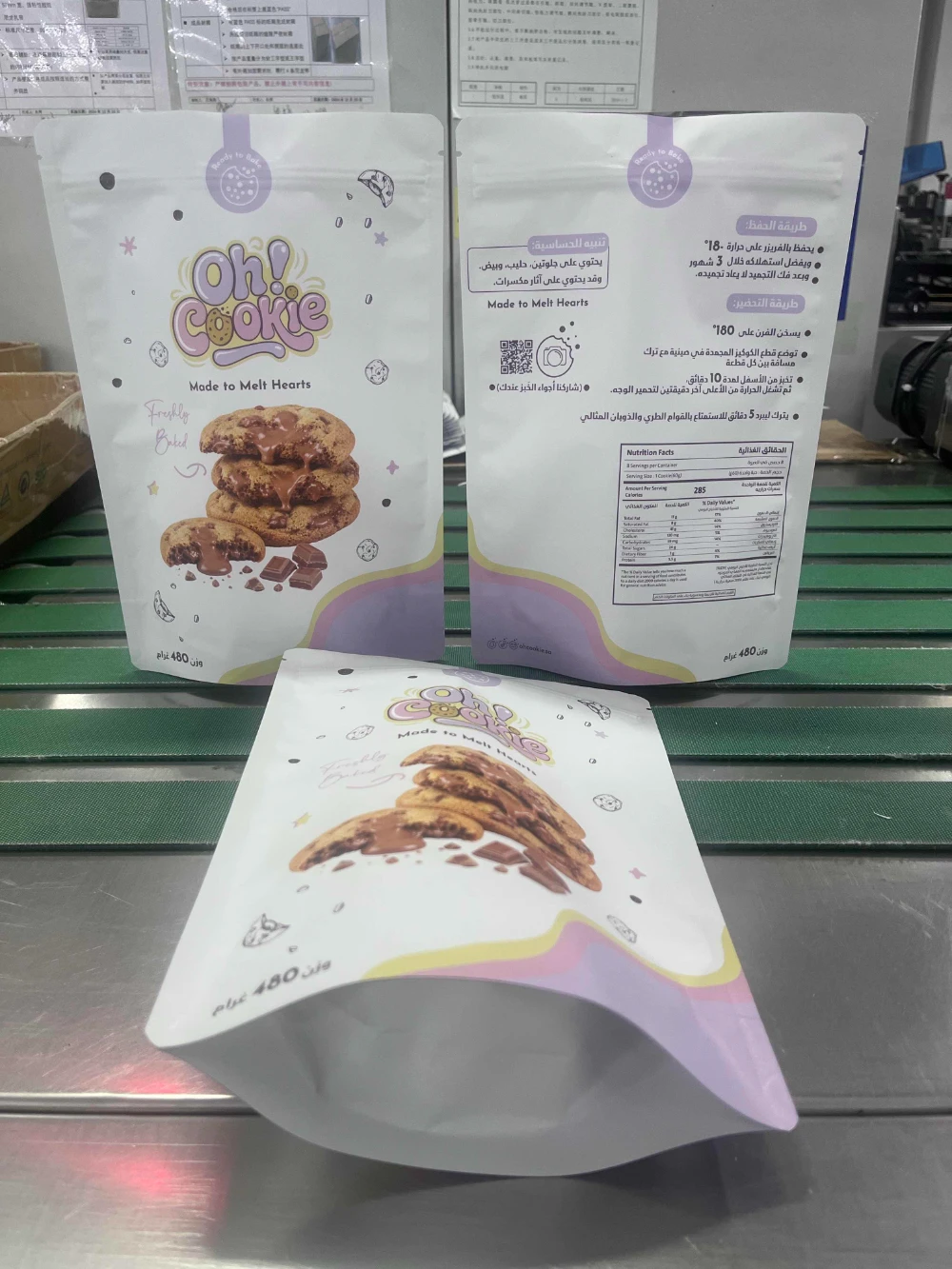
Oh! Cookie’s frozen dough pouches, produced at JINYI — cold-chain packaging with printed storage and baking instructions for the Saudi market.
Low-temperature film flexibility is the first requirement. Standard PE sealant layers can become brittle at freezer temperatures (typically -18°C), and a film that cracks or loses seal integrity under cold storage defeats the purpose of the barrier entirely. Frozen snack packaging typically specifies a modified PE or LLDPE inner layer engineered to remain flexible and impact-resistant well below 0°C.
Freezer burn protection depends on MVTR performance at low temperature specifically — moisture migration and sublimation inside a poorly-sealed frozen package causes the surface dehydration and texture degradation known as freezer burn. A low-MVTR film, properly sealed, prevents the moisture cycling between the product surface and the package headspace that causes this.
Thermal cycling resistance matters because frozen products rarely stay at a single stable temperature from factory to freezer — they pass through loading docks, delivery vehicles, and retail handling where brief temperature fluctuations are unavoidable. A seal that is marginal at the point of production can fail after repeated expansion and contraction cycles, which is why frozen product seals are typically specified with a wider seal width and tested for cold-seal strength specifically, not just standard ambient-temperature seal strength.
Preparation and storage instructions are a functional requirement, not just a design element, on frozen packaging. Storage temperature, shelf life after opening, and cooking or baking instructions need dedicated space on the pack — Saudi frozen cookie dough brand Oh! Cookie’s packaging is a clear example of this: the back panel carries explicit -18°C storage guidance, a defined 3-month best-by window after freezing, and step-by-step baking instructions (180°C, 10 minutes) printed directly on the pouch, alongside a standard nutrition facts panel. This is packaging doing active instructional work that a shelf-stable snack bag never has to do.
Sugestão: If your product is frozen, tell your supplier this at the very first briefing stage — not after material selection. Cold-chain film specification, seal-width requirements, and instructional label space all need to be built into the dieline and material choice from the start; retrofitting a shelf-stable bag design for frozen use is rarely successful.
Surface Finish and Shelf Impact for Snack Brands
In a snack aisle, a consumer typically scans a shelf for under 5 seconds before making a selection. Surface finish, colour contrast, and label clarity carry a disproportionate share of the purchase decision in that window.
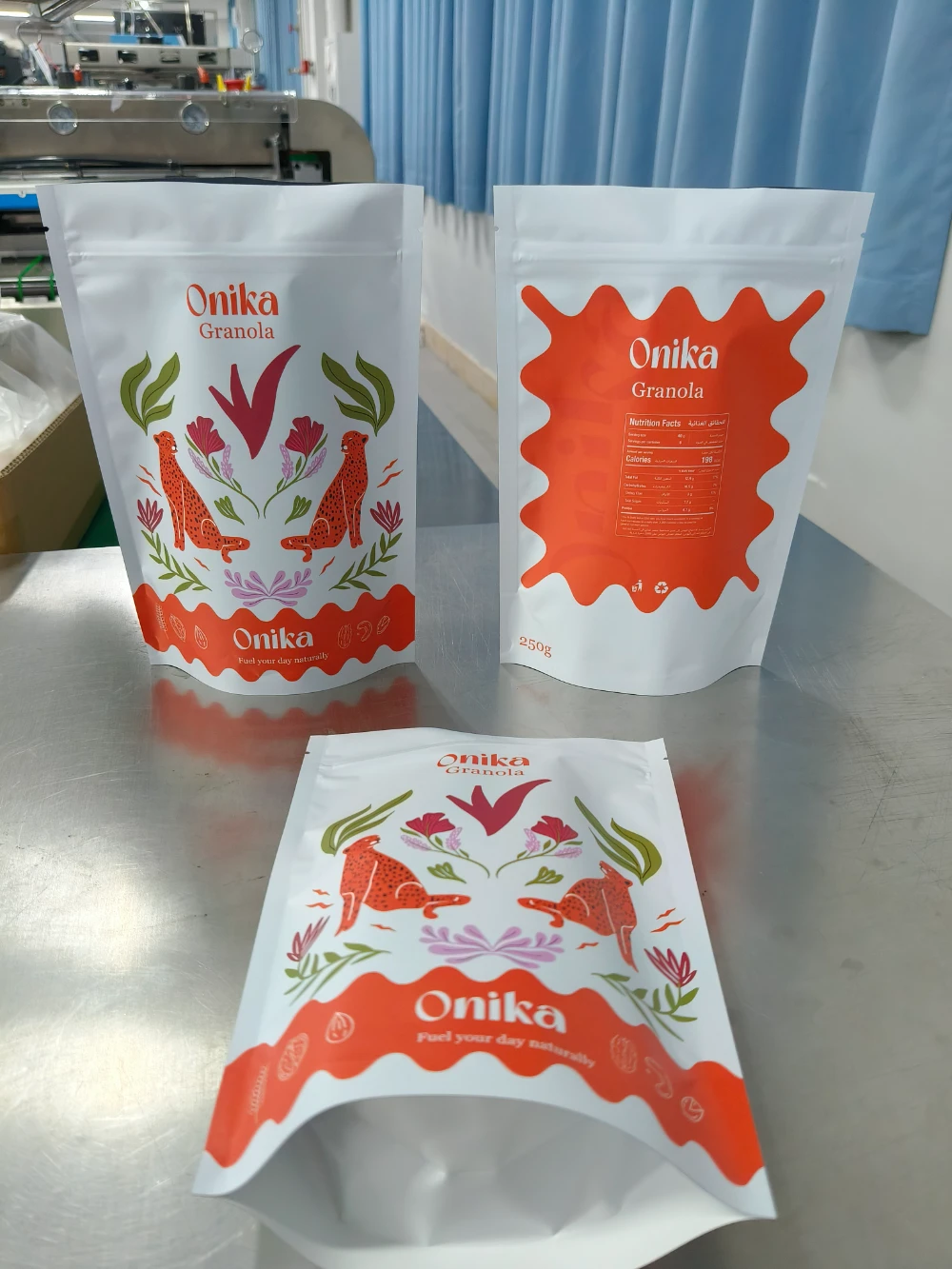
Onika Granola’s custom stand-up pouches, produced at JINYI’s factory — bilingual matte packaging designed for the Saudi Arabian retail market.
Matte lamination with an optical density (OD) ≥1.8 delivers the flat, non-reflective surface associated with premium natural and health-oriented snack brands, while gloss lamination — typically brighter and more colour-saturated under retail lighting — remains standard for mass-market and children’s snack categories where shelf visibility from a distance is the priority. Saudi granola brand Onika demonstrates the premium matte route clearly: a white matte base with a bold orange contrast band, bilingual Arabic-English typography, and detailed botanical illustration work together to signal a natural, considered product before the consumer reads a single ingredient.
Label architecture matters as much as finish for snack brands entering regulated or multilingual markets. Onika’s packaging carries a full bilingual nutrition facts panel (calories, total fat, carbohydrates, dietary fibre, sugar, protein) positioned on the reverse panel in both English and Arabic — a layout requirement common across GCC market entry, where nutrition labelling in the local language is typically mandatory alongside English for import compliance.
Sugestão: If you are launching into a bilingual or multilingual market, confirm your label layout and required regulatory text with your supplier before finalising artwork — retrofitting a second-language nutrition panel onto a design built for a single language usually compromises the layout and forces a redesign.
MOQ and Digital vs Gravure for Multi-Flavor Snack Lines
Snack brands rarely launch with a single SKU. Flavour variation — different fruit fillings, different seasonings, different coatings — is central to how the category competes for shelf space, which makes print method selection a direct driver of how many flavours you can realistically launch with at once.
Formato
Método de impressão
MOQ típico
Melhor para
Bolsa de pé
Impressão digital
500 pcs per SKU
Multi-flavour launches, market testing
Bolsa de pé
Impressão de gravura
3,000 – 5,000 pcs per SKU
Confirmed bestsellers at volume
Saco de fundo plano
Digital ou gravura
500 – 3,000 pcs
Premium retail range
Bolsa plana
Digital ou gravura
500 – 3,000 pcs
Single-serve and sample-size lines
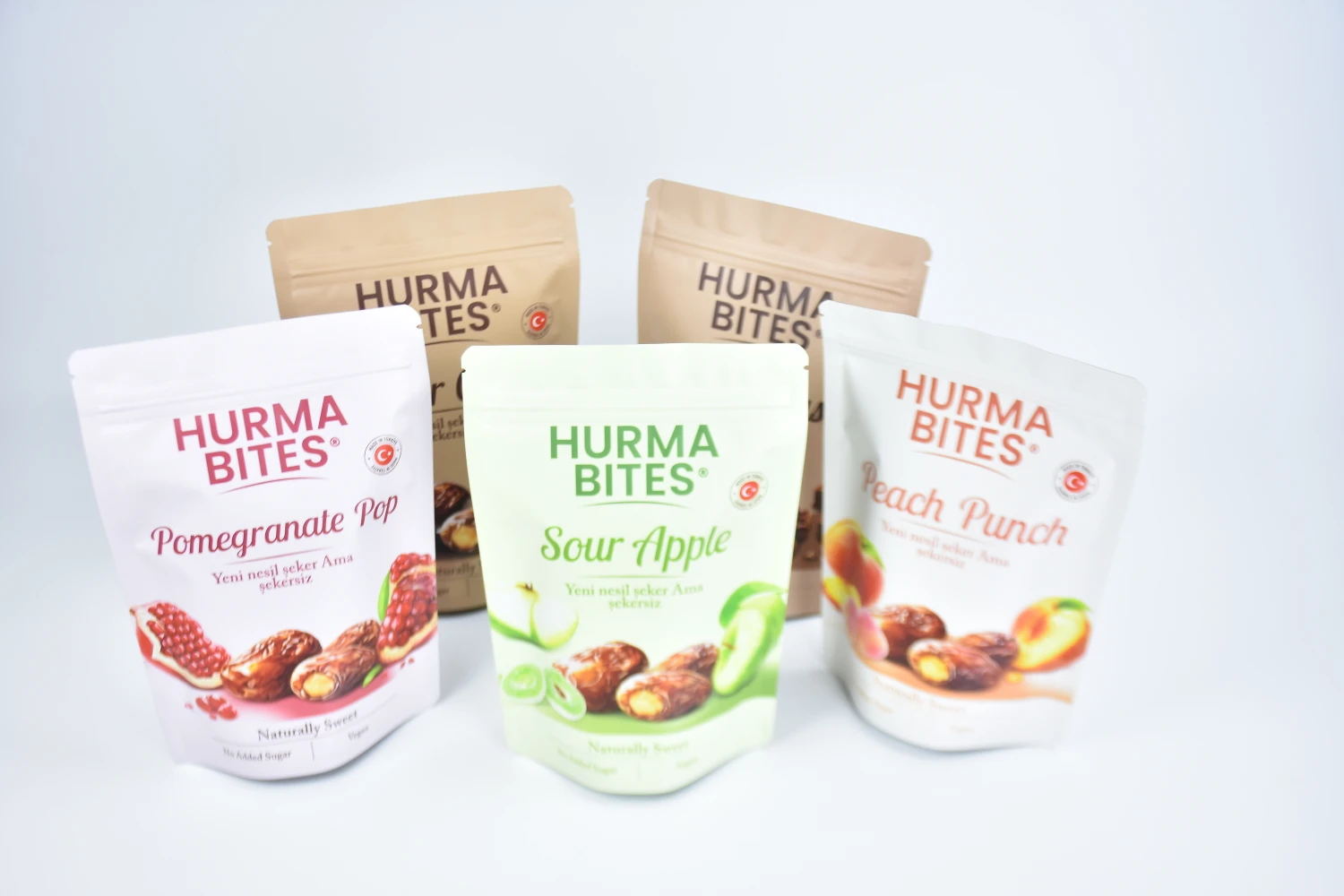
Turkish date-based snack brand Hurma Bites illustrates why digital print is the right entry point for a multi-flavour snack launch: their range spans at least four distinct flavour variants — Pomegranate Pop, Sour Apple, Peach Punch, and additional kraft-material SKUs — each requiring unique fruit photography and colour-coded branding. Producing all four via gravure would require a full plate-making investment per flavour before any of them had sold a single unit. Digital print at 500 units per SKU allows a brand to launch the complete flavour range simultaneously, observe which variants perform, and shift the top sellers to gravure once volume justifies the lower per-unit cost.
Hurma Bites’ multi-flavour date snack range — Pomegranate Pop, Sour Apple, and Peach Punch — launched together via digital print at JINYI.
Sugestão: Submit artwork for all flavour variants in a single batch, not sequentially. This lets your supplier cross-check colour and finish consistency across the full range in one review cycle, rather than catching a mismatch after two flavours are already in production.
Tempos de espera e como planear o seu lançamento
Most custom packaging suppliers quote 4–6 weeks for production alone. At JINYI, orders without a sample requirement are dispatched within 7–15 days from artwork approval — shipping time not included. That timeline applies across stand-up pouches, flat bottom bags, and flat pouches, for both digital and gravure print, including multi-flavour orders where several SKUs are produced concurrently.
Estágio
Sem amostra
Com amostra
Confirmação do orçamento e das especificações
1 - 3 dias
1 - 3 dias
Aprovação da linha de base e do trabalho artístico
2 - 5 dias
2 - 5 dias
Produção e análise de amostras
Não é necessário
7 - 10 dias
Produção e expedição
7 - 15 dias
7 - 15 dias
Total a expedir
10 - 23 dias
17 - 33 dias
Sugestão: For frozen or perishable products, always request a sample before committing to full production — cold-seal integrity is one spec that is genuinely difficult to verify without physically testing a real bag under real freezer conditions.
Compliance Documentation: What JINYI Verifies Before You Ask
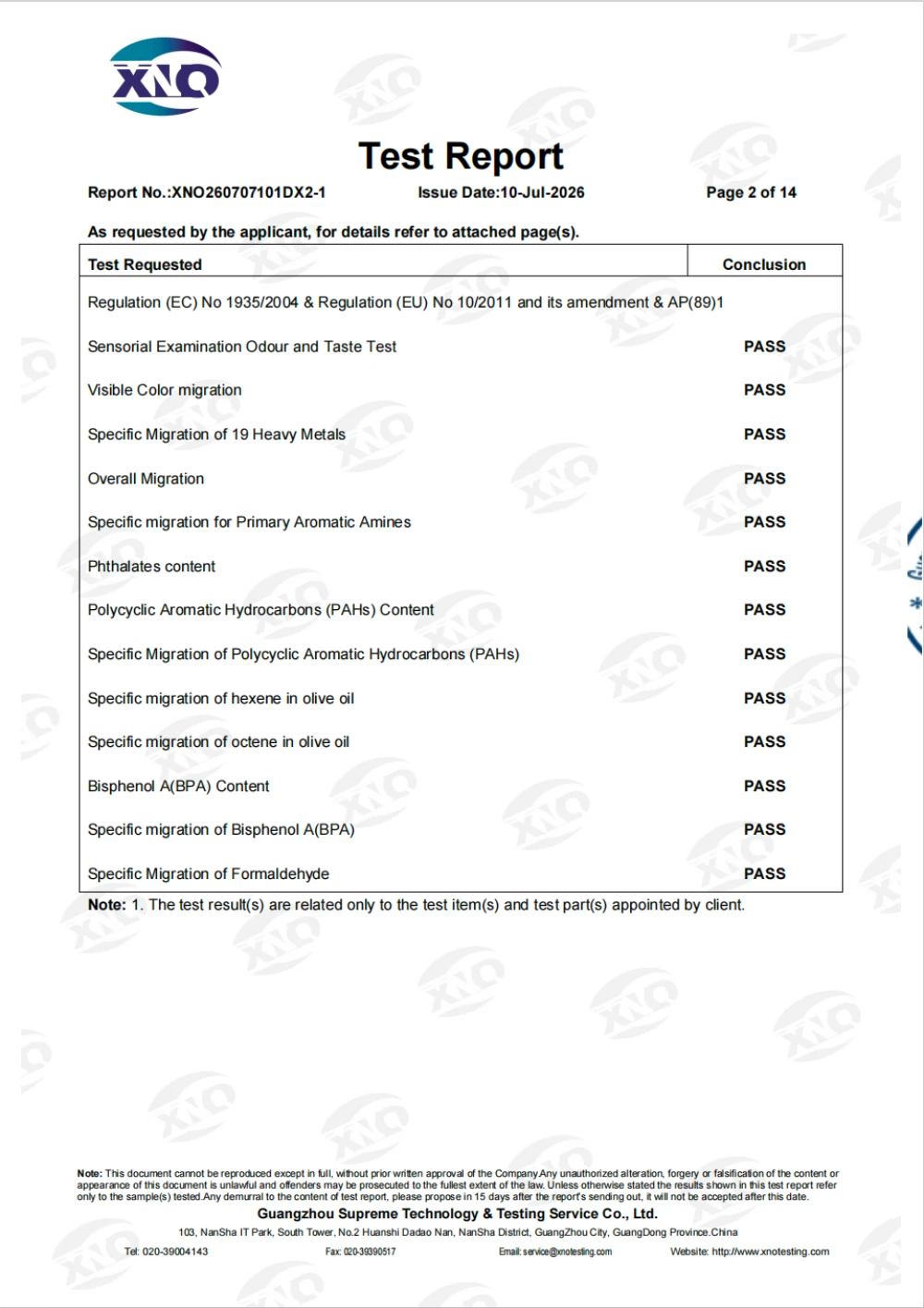
Food-contact packaging material needs to be independently verified as safe, not just described as safe by the supplier producing it. Every JINYI food packaging order is backed by third-party laboratory testing against EU food-contact regulation — Regulation (EC) No 1935/2004 and Regulation (EU) No 10/2011 and its amendments — covering the categories that matter most to a snack brand bringing product to market.
JINYI’s food packaging materials are independently tested against EU Regulation (EC) No 1935/2004 and (EU) No 10/2011 — full documentation available with every order.
Test Item
What It Verifies
Specific migration of 19 heavy metals
No harmful metal transfer from packaging into food
Overall migration
Total substance transfer stays within the EU legal limit
Bisphenol A (BPA) content and migration
No detectable BPA transfer — a common consumer and regulatory concern
Specific migration for primary aromatic amines
Confirms printing ink safety at the food-contact surface
This documentation is provided as standard with every food packaging order — it is not a special request that adds cost or lead time. If you are entering a regulated retail channel or working with a buyer who requires supplier compliance documentation before listing your product, this report is available on request.
O que obtém quando encomenda com a JINYI
Every JINYI order includes three services at no additional cost, alongside the material documentation above.
Serviço
O que recebe
How It Helps
① Free 3D Sample Rendering
Photorealistic 3D mockup of your bag with your artwork applied, before production begins
Confirm exactly how the packaging looks before committing to production
② Production Progress Updates
Photos and video at each production stage — printing, lamination, bag-making
Full production transparency for brand storytelling or internal reporting
③ Free E-commerce Photography
Professional product photos of your finished bags, ready to use
Deploy directly to product pages and social media — no photoshoot needed
There is no single correct spec for “snack packaging” — there is only the correct spec for your product’s fat content, moisture sensitivity, and storage conditions. A brand that identifies which category its product falls into, matches the barrier structure accordingly, and briefs its supplier with real numbers instead of vague descriptions will avoid the two most common and most expensive mistakes in this category: under-specifying barrier performance on a high-fat product, and over-committing to gravure volume before a multi-flavour range has proven itself.
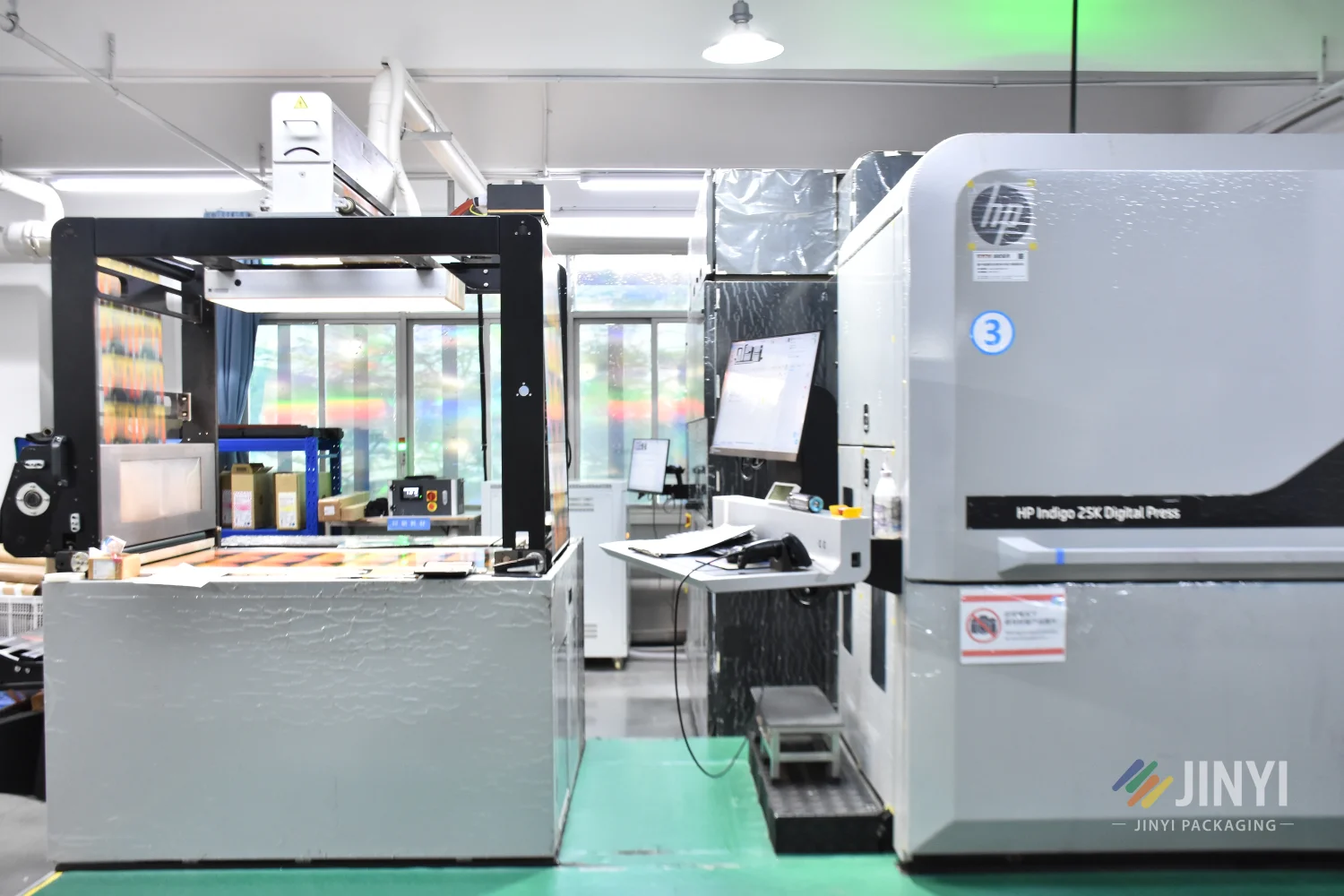
HP Indigo 25K na JINYI — resultados de cor consistentes em todos os sistemas de impressão através do ESKO Automation Engine
At JINYI, we produce custom snack packaging from 500 units per SKU via HP Indigo digital print, with 7–15 day dispatch from artwork approval, EU-verified food-contact material documentation, and three standard-included services with every order. From film to finished — done right.
Get a Quote for Your Custom Snack Packaging
Tell us your product type, target shelf life, fill weight, and number of flavours. We will come back with a full spec recommendation, material documentation, and a factory-direct quote — within 24 hours.
A JINYI é uma fábrica de embalagens flexíveis personalizadas com mais de 15 anos de experiência de produção, servindo marcas de alimentos, suplementos, café, alimentos para animais de estimação e bens de consumo em mais de 70 países. Produzimos stand-up pouches, sacos de fundo plano, sacos de almofada e sacos de reforço lateral em PET/AL/PE, PET/VMPET/PE e outras especificações de barreira - através de impressão digital HP Indigo a partir de 500 unidades e impressão de rotogravura em volume - com documentação completa do material incluída como padrão em cada encomenda.
É isso que Do filme ao acabamento - feito corretamente significa na prática.
Marca
Diretor de Gestão da Produção - JINYI Packaging
Mark lidera o planeamento da produção e a coordenação de encomendas na JINYI. Com formação em Administração de Empresas e experiência prática no fabrico, concentra-se em manter a qualidade, o prazo de entrega e a execução estáveis nas encomendas de embalagens personalizadas.
Planeamento da produção Entrega atempada Coordenação entre equipas
What is the best packaging material for high-fat snacks like nuts and chips?
A PET/AL/PE full foil laminate is recommended for high-fat snacks, targeting an OTR under 1.0 cc/m²/day. Fat oxidation is the primary shelf-life risk for these products, and a low-OTR film combined with nitrogen flushing or an oxygen absorber gives the most reliable protection for 12-month-plus shelf life claims.
Do I need nitrogen flushing for my snack packaging?
Nitrogen flushing is recommended for high-fat products like roasted nuts and seeds, where it reduces residual oxygen to under 2% and slows oxidative rancidity significantly beyond what film barrier alone achieves. It also reduces crush damage for puffed and extruded snacks. It is not typically necessary for low-fat, baked, or dried products with shorter shelf life targets.
What is different about packaging for frozen snacks compared to shelf-stable snacks?
Frozen snack packaging requires a film that stays flexible at freezer temperatures (typically -18°C) without becoming brittle, a low MVTR to prevent freezer burn, wider seals tested for cold-seal strength to survive thermal cycling during distribution, and dedicated label space for storage and preparation instructions — none of which are functional requirements for shelf-stable snack packaging.
What is the minimum order quantity for custom snack packaging?
Via JINYI’s HP Indigo digital print, stand-up pouches, flat bottom bags, and flat pouches start from 500 units per SKU with no plate fee — the right entry point for multi-flavour launches. Gravure print typically requires 3,000–5,000 units per SKU and is best used once a flavour has confirmed sales volume.
How long does custom snack packaging take to produce?
At JINYI, orders without a sample requirement are dispatched within 7–15 days from artwork approval. Including a sample round adds 7–10 days. Total time from first contact to dispatch is typically 10–33 days depending on whether samples are requested. For frozen or perishable products, a sample round is strongly recommended to verify cold-seal performance before full production.
Is JINYI’s food packaging material compliant with EU food-contact regulations?
Yes. JINYI’s food-contact packaging materials are independently tested against EU Regulation (EC) No 1935/2004 and Regulation (EU) No 10/2011, covering heavy metal migration, overall migration, BPA content and migration, and primary aromatic amine migration among other parameters. Full test reports are available on request with every food packaging order.