تشارك JINYI إرشادات عملية للتغليف والتعبئة والتغليف من أجل قراراتك.
لم تكن حلوى «سور باتش كيدز» تُعرف في البداية باسم «سور باتش كيدز». في أوائل السبعينيات، ابتكر صانع حلويات كندي يُدعى فرانك غالاتولي، كان يعمل في شركة تُسمى جاريت إنترناشونال، حلوى جيلي مغطاة بطبقة حامضة على شكل كائنات من كوكب المريخ. وأطلق عليها اسم "مارس مين"، مستفيدًا من الحماس الفضائي الذي اجتاح أمريكا الشمالية في أعقاب هبوط مركبة أبولو على سطح القمر. طُرحت الحلوى بأربع نكهات — الليمون، والليمون الحامض، والبرتقال، والكرز — وظهرت على العبوة الأصلية صورة صبي أشقر مستوحاة من ابن غالاتولي نفسه. وبحلول أواخر السبعينيات، انتقل الإنتاج إلى شركة «ألين كاندي» (Allen Candy Company)، وهي مشروع مشترك بين شركة «كادبوري» (Cadbury) وشركة «مالاكو ليكوريس» (Malaco Licorice Company) السويدية. ثم، في عام 1985، قامت العلامة التجارية بتحول مدروس: كانت موجة جنون دمى «كاباج باتش كيدز» (Cabbage Patch Kids) في ذروتها، فتم تغيير اسم الحلوى إلى «سور باتش كيدز» (Sour Patch Kids) — اسم جديد، وشكل بشري جديد، ونفس التركيبة الحمضية. وتبع ذلك السوق الأمريكية. استحوذت شركة كادبوري-آدامز على العلامة التجارية في أواخر التسعينيات، وتمتلكها اليوم شركة مونديليز إنترناشونال، التي ورثت محفظة منتجات الحلويات الخاصة بكادبوري.
وهذا التاريخ له صلة بالتغليف من ناحية محددة: فالسمة المميزة للمنتج لم تتغير أبدًا. من “مارس مين” وصولاً إلى التشكيلة الحالية، ما يميز "سور باتش كيدز" هو الطبقة الحمضية — وهي مزيج بلوري من حمض الطرطريك وحمض الستريك يُطلى على السطح الخارجي للحلوى اللزجة، ويضرب الحنك بقوة قبل أن تسيطر الحلاوة الكامنة تحتها. "حامض. حلو. انتهى." ليس مجرد شعار؛ بل هو وصف دقيق لتسلسل كيميائي. تنتج الحموضة عن تفاعل هذين الحمضين مع اللعاب. تلك الكيمياء نفسها، التي تُحافظ عليها داخل كيس مغلق طوال أشهر من مدة الصلاحية، هي ما يجعل تغليف "سور باتش كيدز" مهمة أكثر تعقيدًا من كيس الحلوى الهلامية العادي.
يُحلل هذا المقال نظام تغليف منتجات «Sour Patch Kids» من منظور المصنع: الأشكال التي تستخدمها العلامة التجارية عبر مجموعتها من المنتجات، والأسباب التي تجعل الطلاء الحمضي يفرض متطلبات خاصة بالغشاء الداخلي لا يفي بها حاجز الرطوبة العادي، وكيف تبدو بنية الغشاء وما هي الخيارات المتاحة، وكيف تطور نظام الألوان الخاص بالعلامة التجارية ليصبح أحد أكثر أدوات تصميم التغليف كفاءةً في فئة الحلويات، وماذا تعني التزامات Mondelez العامة بالاستدامة بالنسبة لهذه الأكياس في المستقبل.
من العبوات المخصصة للرجال إلى العبوات العائلية: أشكال عبوات ’سور باتش كيدز»
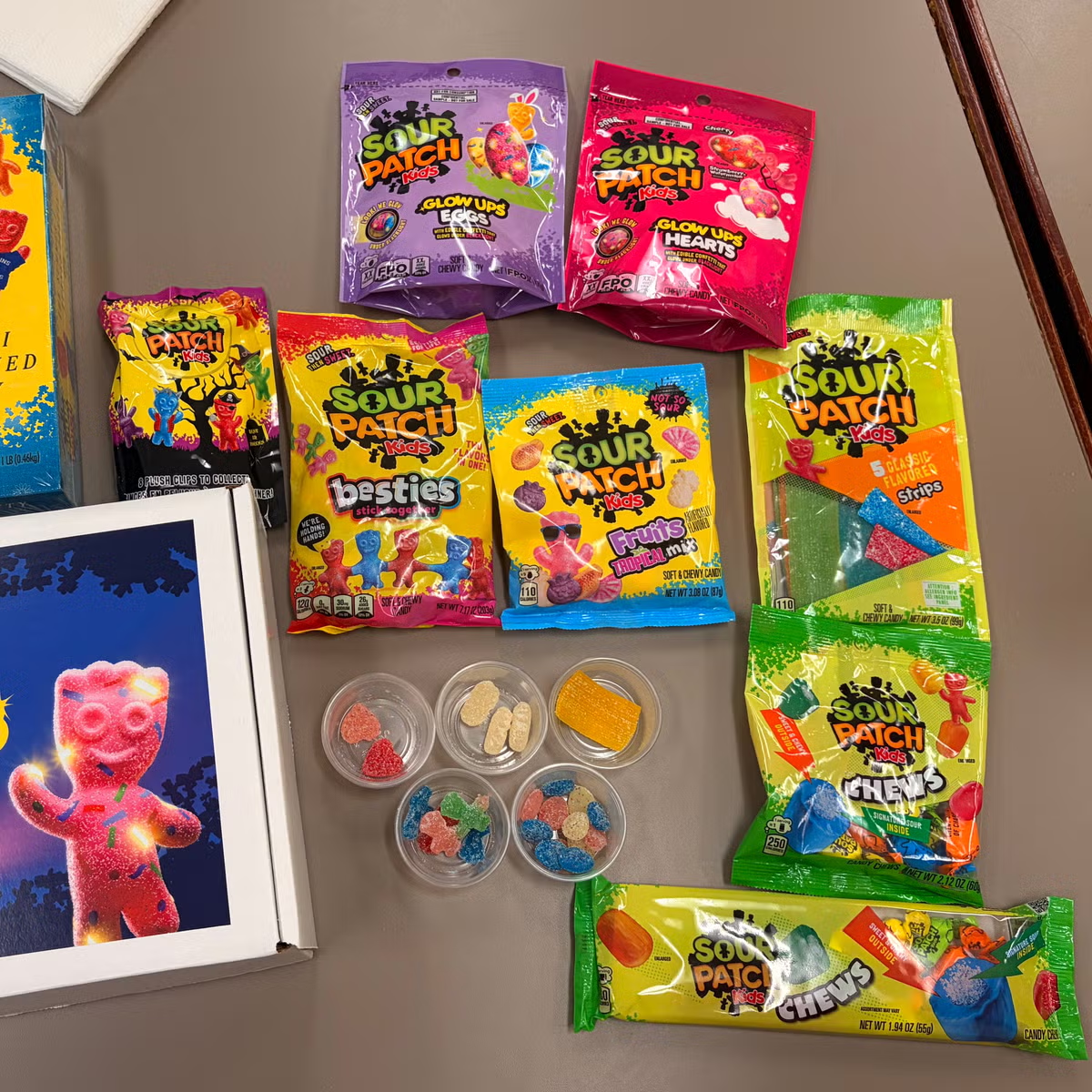
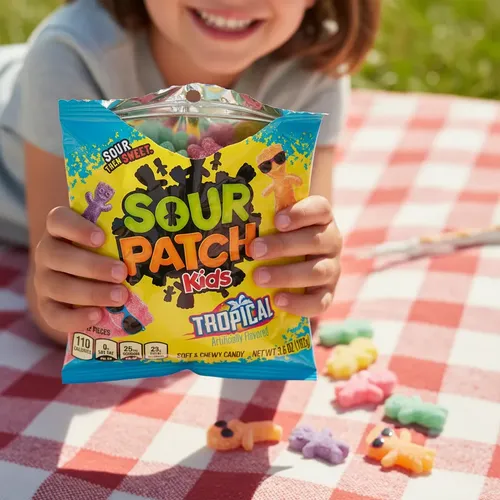
تتوفر المجموعة الأساسية من منتجات «Sour Patch Kids» في شكلين رئيسيين من التغليف المرن. الكيس القياسي المخصص للبيع بالتجزئة — وهو الذي يمثل غالبية الحجم — هو كيس وسادة, ، مع إغلاق خلفي وإغلاق طرفي على خط إنتاج VFFS عالي السرعة. يتراوح هذا الشكل من العبوة الفردية سعة 1.8 أونصة، مروراً بالعبوات متوسطة الحجم سعة 3.5 أونصة و7.2 أونصة، وصولاً إلى العبوات المخصصة للمشاركة سعة 12 أونصة و14 أونصة. صُممت الحقيبة للاستهلاك في جلسة واحدة أو خلال فترة قصيرة — فهي لا تحتوي على سحاب، وبمجرد فتحها، لا يمكن إعادة إغلاقها بشكل فعال. وتفضل الجوانب الاقتصادية لحقيبة الوسادة في هذه الفئة السعرية البساطة: الحد الأدنى من الفيلم لكل وحدة، والحد الأقصى لسرعة خط الإنتاج، وتكلفة منخفضة لكل حقيبة.
أما الأكياس الأكبر حجمًا المخصصة للعائلات — التي يبلغ وزنها عادةً 1.8 رطل أو أكثر — فتتحول إلى كيس قائم قابل لإعادة الإغلاق مزودة بسحاب يُغلق بالضغط. وبالنظر إلى حجمها هذا، ستُفتح الحقيبة عدة مرات على مدار الأيام، ولذلك فإن جودة المنتج وراحته الأساسية تتطلبان وجود إغلاق. كما يمنح الشكل القائم العلامة التجارية حضوراً أكبر على الرفوف بالنسبة للأحجام الأكبر — فالكيس الذي يزن 1.8 رطل والموضوع بشكل مسطح على الرف يكون أقل وضوحاً من الكيس الذي يقف ويواجه المستهلك مباشرةً.
بالإضافة إلى مجموعة الأكياس الأساسية، تتوفر منتجات «Sour Patch Kids» أيضًا في علب السينما — وهي عبارة عن علب من الورق المقوى الصلب تُستخدم في محلات بيع الوجبات الخفيفة داخل دور السينما — وفي أكياس صغيرة تُباع في علب متعددة الوحدات. والأكياس الصغيرة هي أكياس فردية على شكل وسادة، كل منها مغلق بإحكام وقابل للتخزين لفترات طويلة، ويتم تجميعها في علبة كرتونية مطبوعة لتوزيعها كوجبات خفيفة. لا توجد عبوات على شكل علب أو أوعية صلبة في المجموعة الرئيسية لـ Sour Patch Kids، مما يعني أن التغليف المرن يغطي المجموعة الكاملة من المنتجات دون الحاجة إلى التعامل مع أي استثناءات في أشكال التغليف.
ملاحظة التنسيق: إن عدم وجود سحاب في أكياس «Sour Patch Kids» القياسية هو قرار متعمد يهدف إلى خفض التكلفة، وليس إغفالاً. ففيما يتعلق بالحلوى التي يستهلكها معظم المستهلكين دفعة واحدة، فإن السحاب يزيد التكلفة دون أن يضيف قيمة ملموسة. أما الشكل القابل لإعادة الإغلاق فيظهر عند الحد الأدنى للحجم الذي يصبح عنده الاستهلاك على عدة جلسات هو النمط المتوقع للاستخدام — وعادةً ما يكون ذلك في فئة الأحجام العائلية التي تزيد عن 1 رطل.
الطلاء الحمضي: لماذا تحتوي هذه الحقيبة على مكونات كيميائية أكثر من حلوى الجيلي العادية
الطلاء الذي يمنح حلوى «سور باتش كيدز» طعمها الحامض هو خليط من حمضين عضويين — حمض الطرطريك وحمض الستريك — يُخلطان مع السكر ويُطبقان على شكل مسحوق بلوري ناعم على سطح كل قطعة من الحلوى اللزجة. وكلا الحمضين آمنان للاستخدام الغذائي ويستخدمان على نطاق واسع في صناعة الأغذية؛ ويُعد حمض الستريك هو الأكثر شيوعًا بينهما، حيث يوجد في عصير الليمون وفي عشرات من التطبيقات الغذائية المصنعة. أما حمض الطرطريك فهو أقل شيوعًا، ويُستخدم بشكل أساسي في صناعة النبيذ والحلويات، ويتميز بحموضة أعلى بشكل ملحوظ من حمض الستريك عند التركيزات المتكافئة. ويخلق مزيج الحمضين معًا الحموضة الحادة والفورية التي تميز المنتج — وهي خصائص حمضية أقوى وأكثر تعقيدًا مقارنةً بالطلاءات أحادية الحمض المستخدمة في معظم منتجات العلك الحامضة الأخرى، بما في ذلك مجموعات الحلوى الحامضة من «هاريبو».
بالنسبة لفيلم التغليف، تكتسب هذه التركيبة الكيميائية أهمية من ناحيتين. الأولى هي توافق الفيلم الداخلي. فالطلاء الحمضي يكون على اتصال مباشر ومستمر بالسطح الداخلي للكيس طوال فترة صلاحية المنتج — والتي قد تمتد لشهور، اعتمادًا على سلسلة التوزيع. ويمكن أن يتسبب غشاء الختم الداخلي الذي يتفاعل مع مزيج الحمض بمرور الوقت في ظهور نكهات غريبة تنتقل إلى الحلوى من خلال عملية تُعرف باسم «انتقال النكهة»، حيث يمتص المنتج المركبات العطرية من الغشاء والعكس صحيح. كما يمكن أن يضعف ذلك السلامة الهيكلية للفيلم في مناطق التلامس، مما يؤدي إلى حدوث خلل محتمل في الختم بالقرب من قاعدة الكيس حيث تتراكم الحلوى المطلية بالحمض. يتميز البولي إيثيلين المخصص للاستخدام الغذائي بمقاومته الكيميائية للأحماض العضوية، وهو مادة الختم الداخلية القياسية لهذا الاستخدام — ولكن يجب التحقق من صحة المواصفات وفقًا لحمل الحمض المحدد بدلاً من الافتراض بناءً على الامتثال العام لمعايير ملامسة الأغذية.
الاعتبار الثاني هو انتقال المسحوق. يتساقط طلاء السكر الحمضي جزيئات دقيقة باستمرار داخل الكيس أثناء المناولة والنقل والعرض في متاجر البيع بالتجزئة. تنتقل هذه الجزيئات إلى أدنى نقطة في الكيس — منطقة الختم السفلية في الكيس الوسائدي، وقناة السحاب في الكيس القائم — وتتراكم في المناطق التي تكون فيها سلامة الختم بالغة الأهمية. في الكيس المزود بسحاب، يؤدي وجود المسحوق الحمضي في مسار السحاب إلى إضعاف فعالية الإغلاق ويمكن أن يسرع من إجهاد المادة عند قاعدة السحاب. وهذه هي نفس ديناميكية تلوث المسحوق التي لاحظناها في توابل حمض الستريك من ’تاكيس» — فوجود مسحوق حمضي ناعم داخل كيس مرن، سواء كان المنتج عبارة عن رقاقة أو حلوى هلامية، يخلق تحديات في إدارة الإغلاق والختم لا يواجهها المنتج العادي.
مثل جميع عبوات الحلوى اللزجة، تتمثل المهمة الهندسية الأساسية لكيس «Sour Patch Kids» في التحكم في الرطوبة — حيث تحدد مواصفة معدل نفاذية بخار الرطوبة (MVTR) ما إذا كانت الحلوى ستحافظ على قوامها المقصود أم ستتدهور نتيجة اكتساب أو فقدان الرطوبة خلال فترة صلاحيتها. وعلى عكس عبوات رقائق البطاطس أو المكسرات، فإن حاجز الأكسجين يعتبر عاملاً ثانويًا؛ حيث لا تحتوي مادة الحلوى الهلامية على أي دهون أو زيوت قد تتأكسد في وجود الأكسجين، ولا يلزم استخدام غاز النيتروجين. وبالتالي، يمكن أن تكون بنية الغلاف أبسط وأخف وزنًا من كيس رقائق البطاطس — فلا حاجة لطبقة معدنية أو رقائق الألومنيوم للتحكم في الأكسجين، كما أن متطلبات الحاجز تعتمد على التحكم في الرطوبة بدلاً من منع دخول الأكسجين.
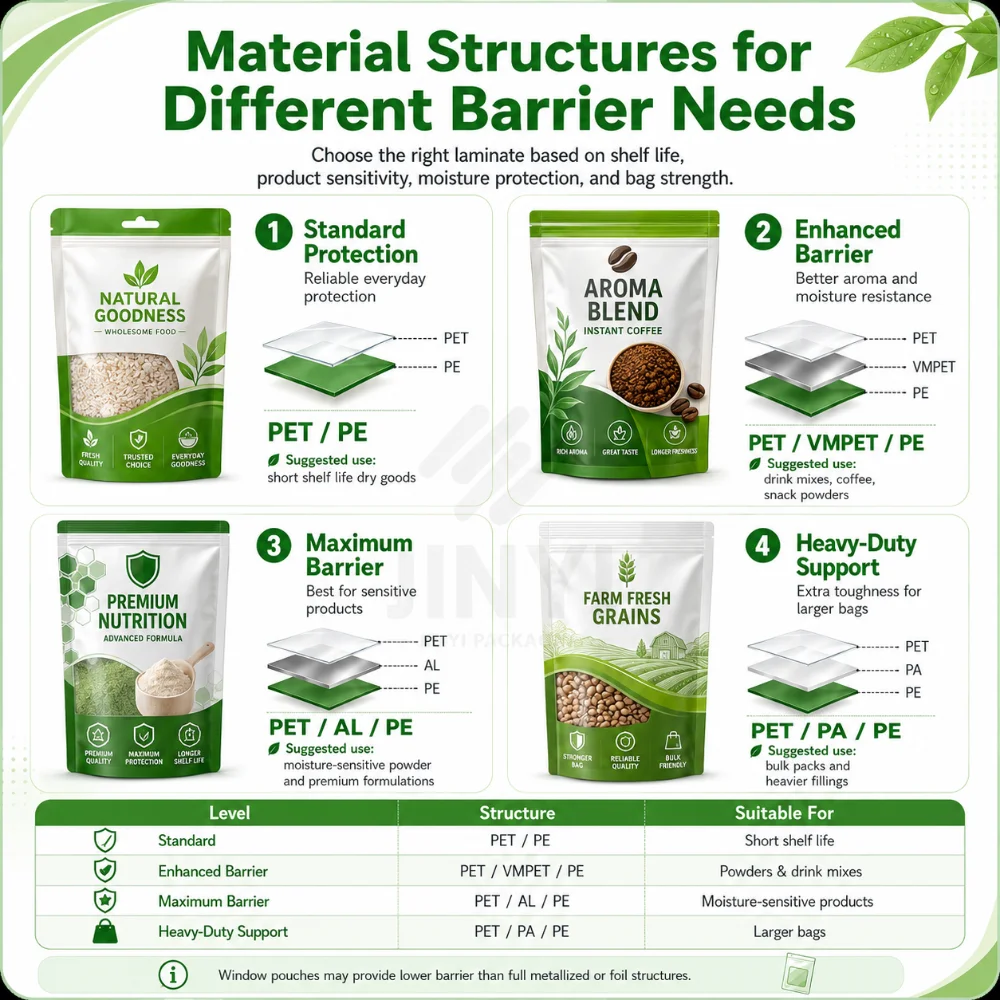
تشترك المسارات الهيكلية لأكياس الحلوى الجيلاتينية المطلية بالحمض في نفس الخيارات المتاحة لأكياس الحلوى الجيلاتينية القياسية — BOPP/PE للتطبيقات القياسية، وPET/PE لتحسين الصلابة ومدة الصلاحية، وBOPP/VMPET/PE لتمديد مدة الصلاحية — مع إضافة طبقة مواصفات واحدة: يجب التحقق صراحةً من ملاءمة مادة الختم الداخلية من البولي إيثيلين (PE) للتلامس مع الأحماض، بدلاً من الافتراض بأنها مناسبة استنادًا إلى شهادة الملاءمة العامة للاستخدام الغذائي. لم تنشر شركة Mondelez مواصفات رسمية للأغشية المستخدمة في تغليف منتج «Sour Patch Kids». ويظهر أدناه الهيكل التقديري للكيس الوسائدي القياسي، مع الإشارة إلى الطرق البديلة.
الطبقة (الخارجية → الداخلية)
المواد المقدرة
الوظيفة
طبقة الطباعة (من الخارج)
BOPP، 18–20 ميكرومتر
الصلابة، وقابلية التغليف بالتقنية VFFS، والسطح المخصص للألوان الزاهية والرسومات المميزة؛ وحاجز الرطوبة الأساسي الذي توفره طبقة BOPP
طبقة الختم الداخلية (من الداخل)
بولي إيثيلين (PE) مخصص للاستخدام الغذائي، 40–60 ميكرومتر (تم التحقق من ملاءمته للتلامس مع الأحماض)
أداء الختم الحراري؛ التلامس المباشر مع الأطعمة، مثل الحلوى المطلية بحمض؛ مقاومة انتقال حمض الطرطريك وحمض الستريك طوال مدة الصلاحية الكاملة
ملاحظة: تم تقدير بنية الغلاف البلاستيكي استنادًا إلى متطلبات منتج ’Sour Patch Kids» والمواصفات القياسية في الصناعة الخاصة بالحلوى الجيلاتينية المطلية بالحمض. ولم تنشر شركة «Mondelez International» أي وثائق رسمية بشأن المواد المستخدمة. من المرجح أن تستخدم الأكياس القياسية مادة BOPP/PE؛ أما المنتجات المتميزة أو ذات العمر التخزيني الأطول فقد تستخدم مادة PET/PE أو BOPP/VMPET/PE لتحسين أداء الحاجز. يجب التحقق من ملاءمة مواصفات مادة البولي إيثيلين (PE) الداخلية للتلامس مع الأحماض بغض النظر عن الطريقة المستخدمة. وتُعد عبوة «Haribo Dragibus» القابلة لإعادة التدوير (المصنوعة من مادة واحدة هي البولي إيثيلين) نقطة مرجعية لما قد تبدو عليه أكياس «Sour Patch Kids» من الجيل التالي إذا ما سعت شركة «Mondelez» إلى الوفاء بالتزاماتها المعلنة في مجال الاستدامة.
نظام الألوان: كيف تروج الحقيبة للنكهة دون أن تقرأ كلمة واحدة
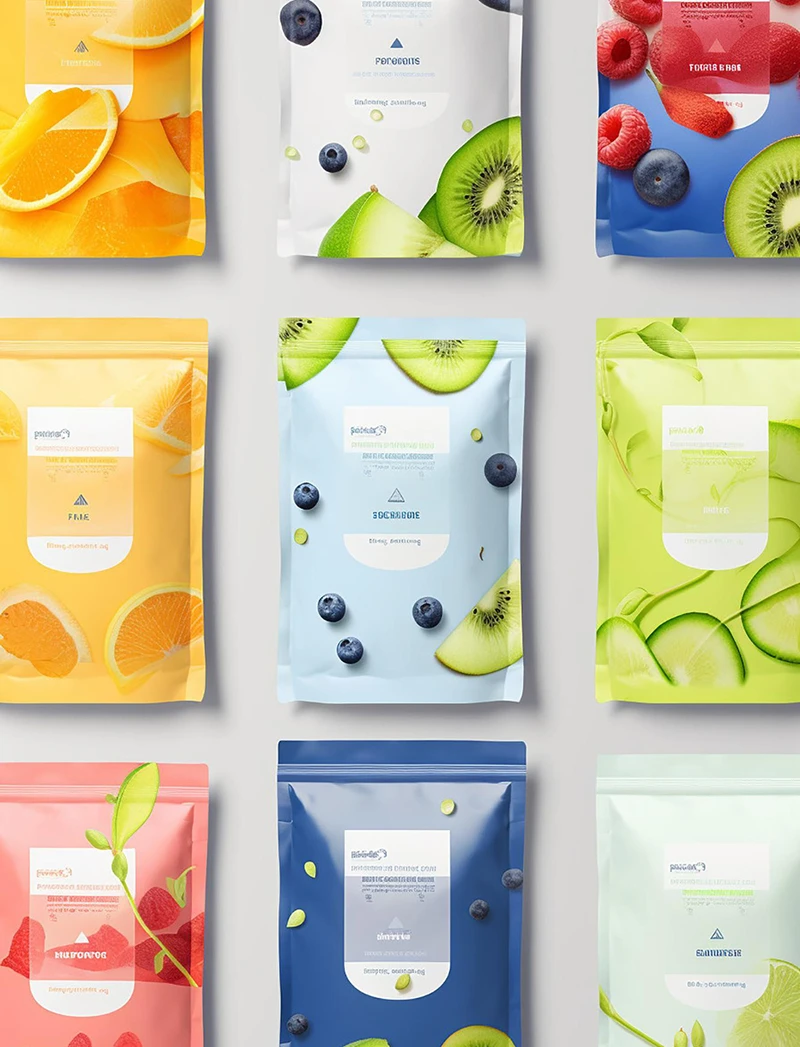
العنصر الأكثر أهمية من الناحية الاستراتيجية في كيس «سور باتش كيدز» ليس الغلاف البلاستيكي أو الختم — بل اللون. تستخدم العلامة التجارية نظامًا محكمًا للغاية يربط كل شخصية بلون معين، وقد تم تطويره وصقله على مدى عقود، ويقوم هذا النظام بمعظم المهمة التسويقية للكيس خلال نصف الثانية التي يقضيها المستهلك في مسح رف الوجبات الخفيفة بنظره. الأحمر لـ «Redberry». الأخضر لـ «Lime». الأصفر لـ «Lemon». البرتقالي لـ «Orange». الأزرق لـ «بلو راسبيري». فكل لون ليس مجرد مؤشر على النكهة — بل يتوافق مع شخصية محددة من شخصيات «سور باتش كيدز»، مع ما يرافقها من شخصية وقصة خلفية موجودة في جميع أنحاء النظام التسويقي للعلامة التجارية. ولا تحتاج العبوة إلى شرح ذلك؛ فالألوان تنقل المعنى مباشرةً من الكيس إلى ذاكرة المستهلك.
ومن الجدير بالذكر تطور نظام الألوان هذا. فقد أُطلقت «مارس مين» في البداية بأربع نكهات؛ وحافظت العلامة التجارية «سور باتش كيدز» بعد إعادة تسميتها في عام 1985 على جوهر مماثل. ولم تظهر الشخصية الحمراء على العبوات حتى عام 2012 — أي بعد مرور ما يقرب من ثلاثة عقود على انطلاق العلامة التجارية. وأُضيفت نكهة التوت الأزرق إلى المزيج الأساسي في عام 2013. ولم تكن هذه قرارات بسيطة: فقد تطلب كل لون جديد شخصية مقابلة، وتغييرًا في الإنتاج، وإعادة تصميم للعبوة. وتعكس وتيرة هذا التطور تقييمًا مدروسًا للوقت المناسب لتوسيع نظام النكهات والوقت المناسب للحفاظ على استقراره. العلامات التجارية التي تضيف ألوانًا ونكهات جديدة تضعف باستمرار قيمة التعرف على النظام الحالي؛ وقد تجنبت «سور باتش كيدز» ذلك إلى حد كبير من خلال جعل إضافة النكهات أحداثًا مميزة بدلاً من أن تكون مجرد توسعات روتينية للخط الإنتاجي.
بالنسبة للعلامات التجارية التي تقوم بتوريد عبوات الحلوى أو العلكات بنفسها، فإن «بنية الألوان» الخاصة بـ«Sour Patch Kids» تقدم درسًا أكثر فائدة من مواصفات الفيلم نفسه: فوجود نظام ألوان متماسك ومدروس يمثل أحد أصول التغليف التي تزداد قيمتها بمرور الوقت. وتكلفة الحفاظ على هذا النظام — أي ضمان اتساق الألوان عبر جميع دورات الطباعة، وعبر منشآت الإنتاج المختلفة، وعبر الأسواق المختلفة — هي تكلفة حقيقية ومستمرة. لكن المردود هو كيس يُعبّر عن قيمة المنتج بالكامل بنظرة واحدة، دون الحاجة إلى أن يقرأ المستهلك أي شيء. وتجعل الطباعة الرقمية هذا الأمر في متناول العلامات التجارية الناشئة: حيث يمكن طباعة كل نكهة كملف منفصل في نفس دورة الطباعة، مع إدارة دقيقة للألوان عبر جميع النكهات، وبكميات طلب دنيا منخفضة. ويصبح التحدي المتمثل في اتساق الألوان عبر أسطوانات الطباعة الحفرية، الذي تتعامل معه «Sour Patch Kids» على نطاق واسع، مشكلة تم حلها في مرحلة الطباعة الرقمية.
الضغوط التي تواجهها شركة «مونديليز» في مجال الاستدامة: ما الذي يعنيه البلاستيك المرن 70% بالنسبة للأكياس؟
تعود ملكية “سور باتش كيدز” إلى شركة «مونديليز إنترناشونال»، إحدى أكبر شركات الوجبات الخفيفة في العالم، والتي بلغت إيراداتها الصافية $36.4 مليار في عام 2024. ويخلق هذا الحجم ديناميكية في مجال الاستدامة تختلف جذريًا عما تواجهه علامة تجارية مثل «هاريبو». اختارت Haribo تطوير عبوة «دويباك» قابلة لإعادة التدوير في عام 2020 كمبادرة استباقية للعلامة التجارية، مدفوعة في المقام الأول بالالتزام الداخلي والإشارات التنظيمية الأوروبية المبكرة. أما Mondelez فتواجه ضغوطًا مختلفة — تتمثل في التدقيق الذي يمارسه المساهمون والناشطون على محفظة التغليف الخاصة بها على مستوى الشركة. وأشار تقرير وكالة المساهمين لعام 2025 إلى أن ما يقرب من 70% من عبوات مونديليز لا تزال مصنوعة من البلاستيك المرن، الذي وصفته إحدى مجموعات المساهمين بأنه «غير قابل لإعادة التدوير عمليًا في أمريكا»، ودعت إلى اتخاذ إجراءات عاجلة لمعالجة مشكلة العبوات المرنة في جميع علامات مونديليز التجارية.
ويتمثل رد شركة “مونديليز” العلني في استراتيجيتها المعروفة باسم «التغليف الخفيف والمناسب»، والتي تشمل تقليل وزن العبوات، وزيادة نسبة المواد المعاد تدويرها، والانتقال إلى هياكل قابلة لإعادة التدوير حيثما كان ذلك ممكنًا من الناحيتين التقنية والتجارية. حققت الشركة تقدمًا ملموسًا في مجال انبعاثات الكربون — حيث ستخفض حوالي 38% مقارنة بخط الأساس لعام 2018 في جميع عمليات التصنيع بحلول عام 2024 — لكن مشكلة قابلية إعادة تدوير العبوات المرنة أصعب في حلها بسرعة لأنها تتطلب تحويلات في المواد عبر آلاف وحدات التخزين (SKUs)، في عشرات الأسواق، مع بيئات تنظيمية وبنية تحتية لإعادة التدوير متفاوتة. فكيس «Sour Patch Kids» القابل لإعادة التدوير في فرنسا في ظل البنية التحتية لإعادة تدوير البولي إيثيلين (PE) ليس بالضرورة قابلاً لإعادة التدوير بنفس الطريقة في الولايات المتحدة، حيث تكون البنية التحتية لاستعادة الأغشية المرنة أقل اتساقًا.
هذا هو الواقع العملي لعملية التحول نحو التغليف المستدام على نطاق العلامات التجارية العالمية: فالحل لا يكمن في تغيير مادة واحدة يتم تطبيقه بشكل عام، بل في مجموعة من الخيارات الهيكلية المُصممة خصيصًا لتناسب أسواقًا محددة وبنيتها التحتية لإدارة النفايات. عبوة «دويباك» القابلة لإعادة التدوير المصنوعة من البولي إيثيلين من «هاريبو» تم إطلاقه أولاً في فرنسا، وذلك تحديداً لأن البنية التحتية لإعادة تدوير أغشية البولي إيثيلين في فرنسا جعلت ادعاء قابلية إعادة التدوير موثوقاً هناك. ومن المرجح أن يكون هذا النهج نفسه — البدء في السوق التي تدعم فيها البنية التحتية هذا الادعاء، والتحقق من الأداء، ثم التوسع — هو المسار الذي ستتبعه شركة مونديليز بالنسبة لمنتج «سور باتش كيدز» وعلاماتها التجارية الأخرى المعبأة في أكياس مرنة، مع استمرار تزايد الضغوط.
ملاحظة بشأن الاستدامة في التوريد: بالنسبة للعلامات التجارية الأصغر حجمًا، فإن الانتقال إلى المواد القابلة لإعادة التدوير أسهل في الواقع مما هو عليه بالنسبة لشركة «مونديليز» — فهناك عدد أقل من وحدات التخزين (SKU) التي يتعين تغييرها، وعدد أقل من الأسواق التي يتعين إدارتها، ومرونة أكبر للبدء من الصفر بهيكل قابل لإعادة التدوير منذ الإطلاق، بدلاً من تعديل المحفظة الحالية. وإذا كان الشرط الأساسي لمنتجك هو إدارة الرطوبة بدلاً من الحاجز ضد الأكسجين، فإنه يجدر بك طلب هيكل أحادي المادة من البولي إيثيلين (PE) أو البولي بروبيلين (PP) إلى جانب عرض الأسعار التقليدي. فقد تقلصت الفجوة في التكلفة بشكل كبير منذ عام 2020.
توريد عبوات حلوى مخصصة ذات طلاء حامض أو لاذع: الأسئلة المهمة المتعلقة بالمواصفات
إن متطلبات تغليف «Sour Patch Kids» — حاجز الرطوبة، والغشاء الداخلي المقاوم للأحماض، ونظام الألوان الجريء، ومجموعة النكهات المتنوعة — قابلة للتطبيق مباشرةً على أي علامة تجارية تعمل على تطوير تغليف العلك الحامض، أو الحلوى المطلية بالحمض، أو الحلويات المنكهة. ومسألة بنية الغشاء تبدأ بالرطوبة، وليس بالأكسجين. أما مسألة الطبقة الداخلية، فتبدأ بالتحقق من مقاومة الأحماض، وليس بشهادة عامة تتعلق بالتلامس مع الأغذية. أما مسألة التصميم، فتبدأ بهندسة نظام الألوان، وليس بالرسومات الخاصة بكل نكهة على حدة.
توفر شركة JINYI هياكل مرنة تقليدية وقابلة لإعادة التدوير على حد سواء لاستخدامات صناعة الحلويات. بالنسبة للعلامات التجارية التي تستهدف الأسواق الأوروبية أو التي لديها التزامات عامة بالاستدامة، تتوفر الهياكل القابلة لإعادة التدوير المصنوعة من مادة واحدة من البولي إيثيلين (PE) والبولي بروبيلين (PP) جنبًا إلى جنب مع الرقائق التقليدية المركبة من BOPP/PE وPET/PE — ويعتمد الاختيار الصحيح على حساسية المنتج للرطوبة، ومدة صلاحيته المستهدفة، والبنية التحتية لإدارة النفايات في أسواق التوزيع الخاصة به. يُعد التحقق من مقاومة الغشاء الداخلي للتلامس مع الأحماض جزءًا من مناقشة مواصفات المواد، وليس أمرًا ثانويًا — فغالبًا ما تكتشف العلامات التجارية التي تشتري عبوات الحلوى الحامضة لأول مرة هذا المطلب متأخرًا، بعد الالتزام بدورة الإنتاج الأولى.
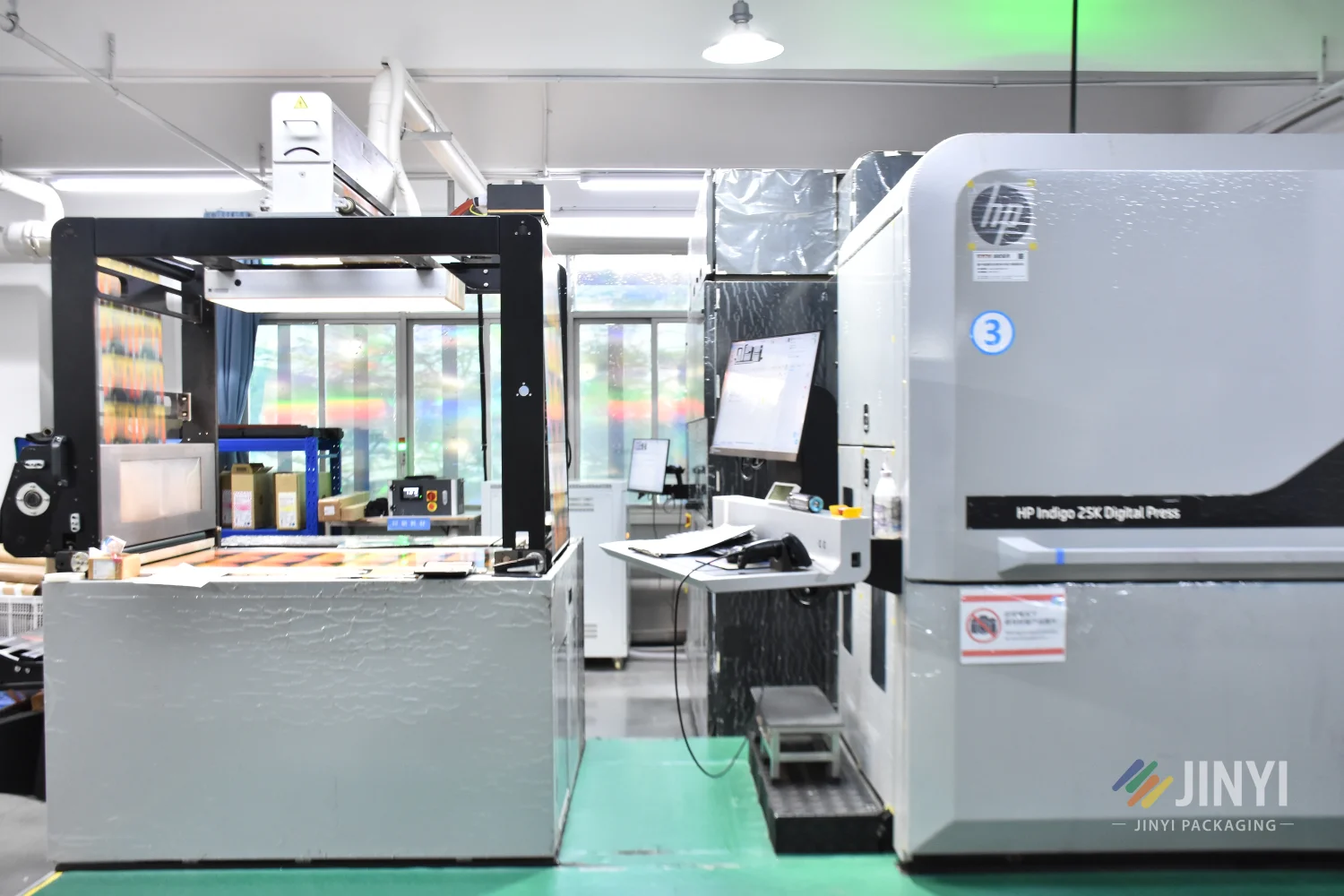
أما بالنسبة لنظام الألوان، تتولى أسطول المطابع الرقمية HP Indigo في JINYI — بما في ذلك HP Indigo 25K للإنتاج عالي السرعة بكميات صغيرة وHP Indigo 6K للعينات سريعة التسليم — معالجة مجموعات متنوعة من الحلويات مع إدارة دقيقة للألوان عبر جميع وحدات تخزين النكهات (SKUs)، بدءًا من 500 وحدة لكل نوع. يمكن للعلامة التجارية التي تطلق خمس نكهات بخمس هويات لونية متميزة التحقق من صحة جميع التصاميم الخمسة كملفات طباعة رقمية منفصلة قبل الشروع في أي أعمال تصنيع لأسطوانات الحفر، مع التأكد من دقة الألوان عبر جميع المتغيرات من خلال العينات المادية. تتضمن كل طلبية لدى JINYI عرضًا مجانيًّا لنموذج ثلاثي الأبعاد قبل الإنتاج، وتحديثات حول تقدم الإنتاج في كل مرحلة، وتصويرًا مجانيًّا مخصصًا للتجارة الإلكترونية للأكياس النهائية.
HP Indigo 25K في JINYI - إخراج ألوان متناسق عبر جميع أنظمة الطباعة عبر محرك التشغيل الآلي ESKO
هل تبحث عن عبوات مخصصة للحلوى الحامضة أو العلكة المطلية بطبقة حمضية؟
تنتج شركة «جيني» أكياس الوسادة والأكياس القائمة ذات الهياكل التقليدية والقابلة لإعادة التدوير — مع طبقة داخلية معتمدة لمقاومة التلامس مع الأحماض، ومواصفات حاجز الرطوبة الملائمة لمنتجكم، وطباعة بألوان متنوعة ابتداءً من 500 وحدة. وتشمل كل طلبية نموذجًا ثلاثي الأبعاد مجانيًّا، وتحديثات حول سير الإنتاج، وصورًا مخصصة للتجارة الإلكترونية.
JINYI هي مصنع مصدر للتغليف المرن المخصص مع أكثر من 15 عامًا من الخبرة في الإنتاج، حيث تقدم خدمات الأغذية والمكملات الغذائية والقهوة وأغذية الحيوانات الأليفة والعلامات التجارية للسلع الاستهلاكية في أكثر من 70 دولة. نحن ننتج أكياسًا قائمة وأكياسًا ذات قاع مسطح وأكياس وسائد وأكياس مجمعة جانبية من PET/AL/PE وPET/VMPET/PE وغيرها من مواصفات الحواجز - عبر الطباعة الرقمية من HP Indigo من 500 وحدة وطباعة الحفر بكميات كبيرة - مع تضمين وثائق المواد الكاملة كمعيار قياسي مع كل طلب.
هذا ما من الفيلم إلى النهاية - تم إنجازه بشكل صحيح يعني في الممارسة العملية.
إلسا
مدير تطوير الأعمال - شركة جيني للتغليف والتعبئة والتغليف
تقود إلسا تطوير الأعمال وإدارة طلبات العملاء في شركة جيني. وبفضل عملها لمدة 8 سنوات في التجارة الخارجية في ييوو ودونغقوان، فإنها تتمتع بفهم حاد للطلب في السوق وما يحتاجه المشترون بالفعل - مما يحول رؤية العملاء الحقيقية إلى قرارات التغليف الصحيحة.
يُقدَّر أن الأكياس القياسية من نوع «Sour Patch Kids» تستخدم بنية من طبقتين من BOPP/PE — وهي عبارة عن غشاء خارجي مطبوع من البولي بروبيلين مُغلف بطبقة مانعة للتسرب من البولي إيثيلين المخصص للاستخدام الغذائي. ويتم اختيار الطبقة الداخلية من البولي إيثيلين (PE) لمقاومتها للتلامس مع الأحماض، نظرًا لوجود طبقة من حمض الطرطريك وحمض الستريك على سطح الحلوى. أما الأكياس الأكبر حجمًا القابلة لإعادة الإغلاق والمخصصة للعائلات، فقد تستخدم مادة PET/PE لتحسين صلابتها. ولم تنشر شركة Mondelez International أي مواصفات رسمية لهذه الأغشية.
لماذا كان يُطلق على «سور باتش كيدز» في البداية اسم «مارس مين»؟
اخترع هذه الحلوى في أوائل السبعينيات صانع الحلوى الكندي فرانك غالاتولي، الذي صممها على شكل كائنات من كوكب المريخ للاستفادة من الحماس الفضائي الذي أعقب هبوط مركبات «أبولو» على سطح القمر. وأُعيدت تسميتها بـ«سور باتش كيدز» (Sour Patch Kids) في عام 1985 للاستفادة من جنون دمى «كاباج باتش كيدز» (Cabbage Patch Kids)، حيث حل شكل الطفل البشري محل شكل الكائن الفضائي. وظلت التركيبة الحامضة-الحلوة دون تغيير خلال عملية تغيير العلامة التجارية.
لماذا يُعد الطلاء الحمضي عاملاً مهمًا في غشاء التغليف؟
يظل الطلاء المكون من حمض الطرطريك وحمض الستريك على اتصال مستمر بسطح الغشاء الداخلي طوال فترة صلاحية المنتج بأكملها. قد يتسبب الغشاء الداخلي غير المعتمد للتلامس مع الأحماض في حدوث مشاكل انتقال النكهة وضعف الختم في مناطق التلامس بمرور الوقت. يجب تحديد مادة الختم الداخلية المصنوعة من البولي إيثيلين واختبارها للتأكد من مقاومتها للأحماض، ولا ينبغي الافتراض بأنها مناسبة بناءً على شهادة الملاءمة للاستخدام الغذائي العامة وحدها.
هل ستصبح عبوات «سور باتش كيدز» قابلة لإعادة التدوير؟
التزمت شركة «مونديليز إنترناشونال» بإدخال تحسينات مستدامة على التغليف من خلال استراتيجيتها «Light and Right Packaging»، وستظل حوالي 70% من عبواتها مصنوعة من البلاستيك المرن حتى عام 2025. ولم يتم الإعلان علنًا عن جدول زمني محدد لإطلاق أكياس «Sour Patch Kids» القابلة لإعادة التدوير. ونظرًا لمتطلبات الحواجز المنخفضة في فئة الحلويات، فإن الانتقال إلى مادة البولي إيثيلين (PE) أحادية المادة أمر ممكن تقنيًّا — لكن السؤال يتعلق بالتوقيت التجاري ومواءمة البنية التحتية لكل سوق على حدة.
هل يمكنني طلب أكياس حلوى حامضة مخصصة بكميات دنيا قليلة؟
نعم. من خلال الطباعة الرقمية HP Indigo، يمكن إنتاج أكياس وسائد مخصصة وأكياس قائمة ذات غشاء داخلي مقاوم للأحماض وأنظمة ألوان متعددة الخيارات، بدءًا من 500 وحدة لكل نوع. وهذا يتيح للعلامة التجارية اختبار تصاميم مجموعة النكهات والتحقق من مواصفات الغشاء قبل الشروع في الإنتاج باستخدام تقنية الحفر. تقدم JINYI مع كل طلب عرضًا مجانيًّا للنماذج ثلاثية الأبعاد، وتحديثات حول سير الإنتاج، وتصويرًا مخصصًا للتجارة الإلكترونية.