Intelligentsia Coffee Packaging: A Three-Tier Design System Decoded

Intelligentsia Coffee runs one of the most structured packaging design systems in specialty coffee —...

Mehr lesen

MUD\WTR Packaging: Tin, Pouch and Stick Pack Design Decoded

MUD\WTR built its packaging around three formats — an aluminum tin for the daily ritual,...

Mehr lesen

ZIWI Peak Verpackung: Flachbodenbeutel, Barrierefolie und Fenster

ZIWI Peak verpackt seine luftgetrocknete Tiernahrung in einem Standbeutel mit flachem Boden und klarer...

Mehr lesen

ORIJEN Hundefutter-Verpackungen: Beutelformat, Folienbarriere und Markendesign

ORIJEN bietet eines der bekanntesten Beuteldesigns für Premium-Tiernahrung - dunkle...

Mehr lesen

LMNT Stick Pack Verpackung: Folienstruktur und Schachteldesign

LMNT baute seine Verpackung auf zwei Entscheidungen auf: eine Einzelportions-Stickpackung mit einer geschätzten Hochbarriere...

Mehr lesen

Sticker Mule Custom Pouches vs. Direct Factory: Was sich bei der Skalierung ändert

Die maßgeschneiderten Standbeutel von Sticker Mule sind schnell und zugänglich - aber auf zwei Größen beschränkt,...

Mehr lesen

Welche Verpackung verwendet RYZE Pilzkaffee? Aufschlüsselung der Beutel der weltweit meistverkauften Pilzkaffeemarke

RYZE hat sich nicht zufällig für Erdtöne entschieden - ihre Verpackungen sind für TikTok-Wellness entwickelt worden...

Mehr lesen

Welche Verpackung wird für Liquid IV verwendet? Die Stick-Packung im Beutel - und warum sie funktioniert

Die Verpackung von Liquid IV ist zwei Produkte in einem - 30 einzelne Stick-Packs in einer...

Mehr lesen

Sugar, Salt, and Acid: Which One Controls Shelf Life Most—and When Does Each Stop Working?

Shelf life fails in different ways, but many teams pick one “preservative lever” and expect...

Frozen vs Shelf-Stable Foods: Which Is Expanding Faster, and What Does That Mean for Packaging and Logistics?

Frozen growth looks exciting, until cold-chain gaps create hidden shrink, returns, and brand damage. Shelf-stable...

Why Are “High-Protein” Foods Growing Faster: Price, Label Claims, or Convenience—and How Can Brands Verify?

High-protein is “winning,” but many brands cannot explain why. When the driver is misread, budgets...

Global Snack Demand in 2025: What Market Reports Say—and What Brands Should Watch Next?

Snack costs rise, channels shift, and forecasts conflict. When brands guess “demand,” they misread growth...
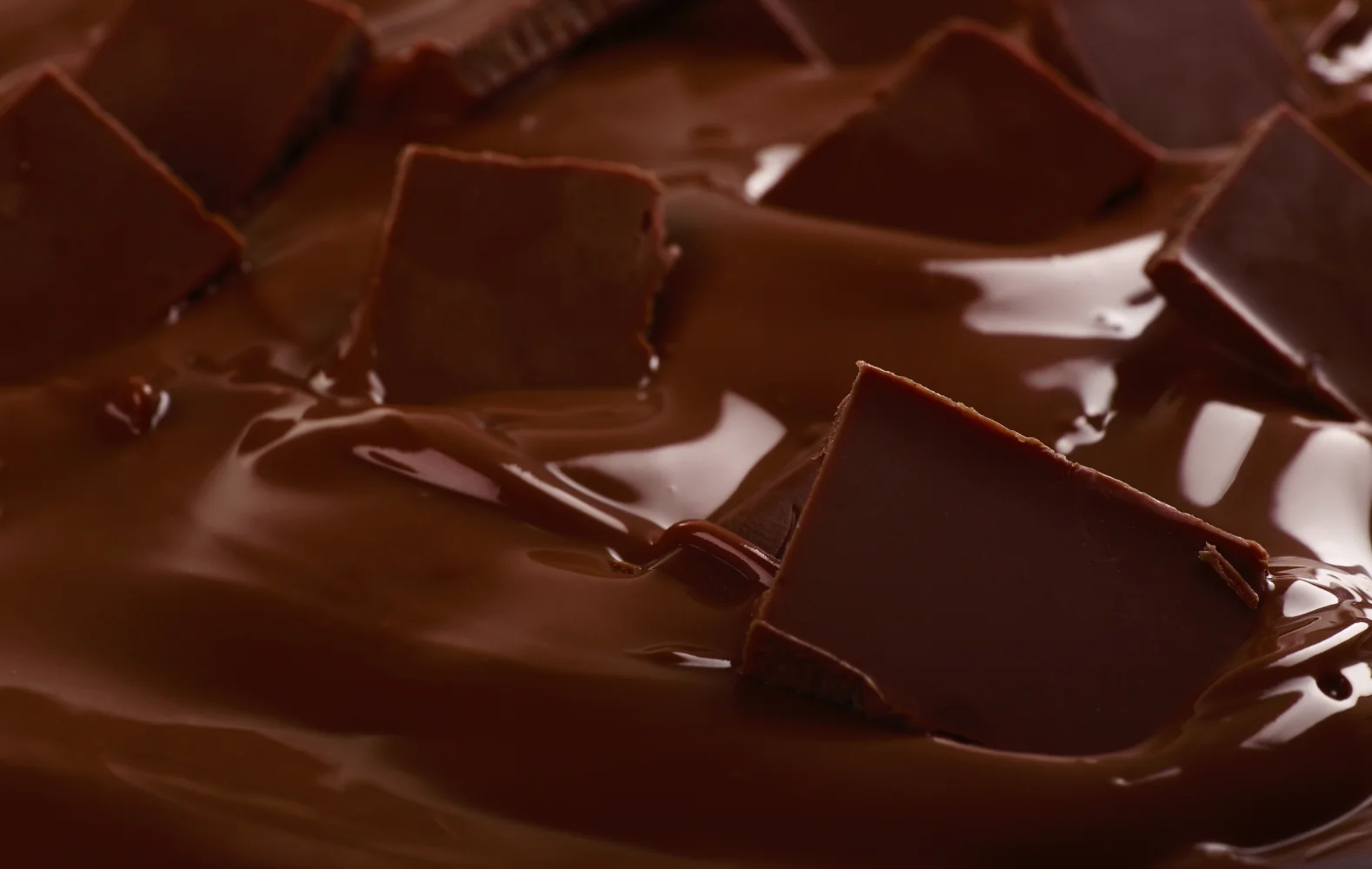
Chocolate Bars vs Filled Chocolates: Which Fails First Under Heat Cycling and Why?

Chocolate can look perfect at packing, then arrive dull, gray, or oily. Heat cycling often...

Flow Wrap vs Resealable Pouch for Cookies: What Actually Reduces Staling and Flavor Loss?

Cookies can taste “old” fast. They lose crunch. They lose aroma. The worst part is...

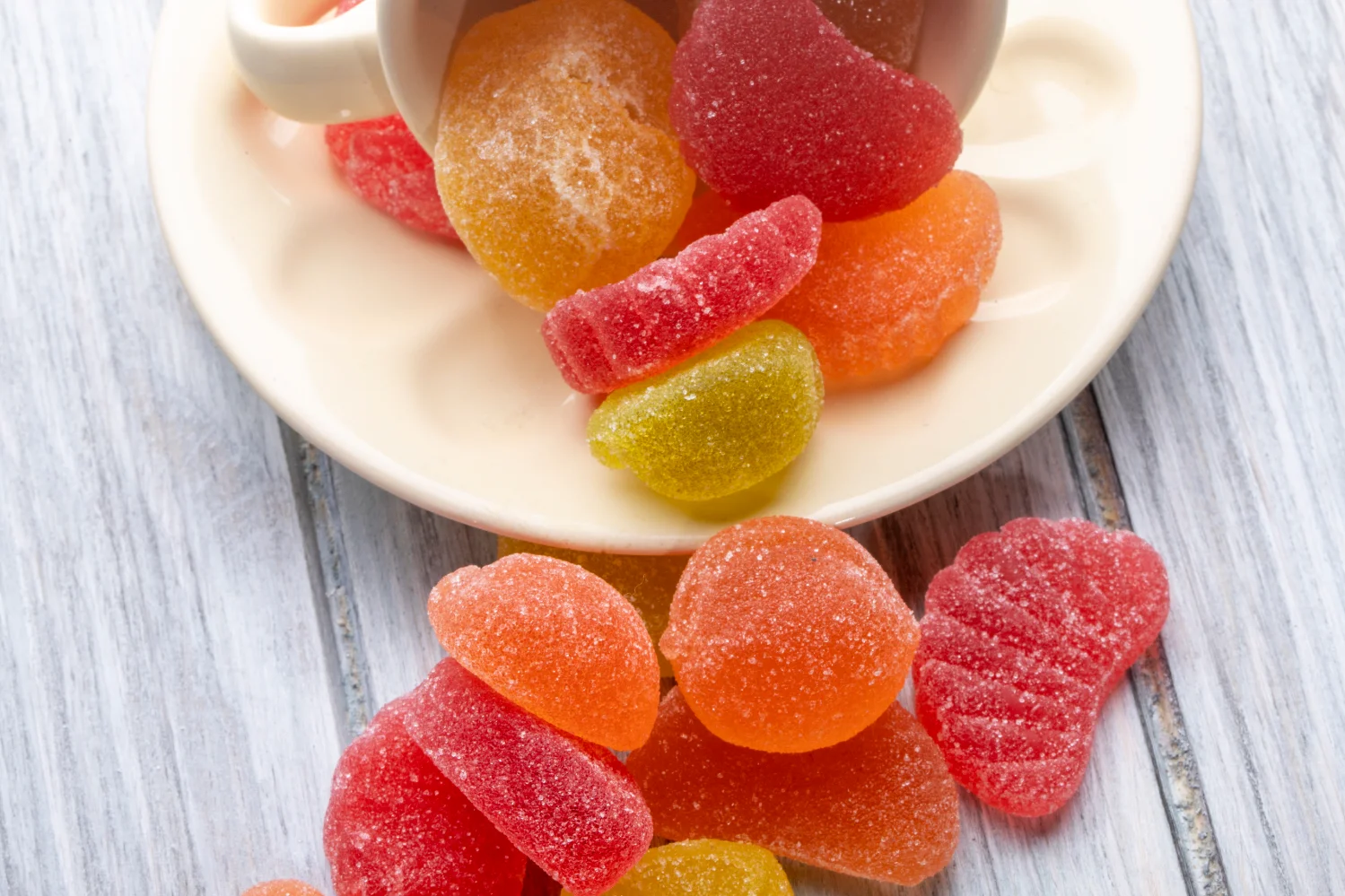
Gummy vs Hard Candy vs Chewy Candy: Does Water Activity Explain Shelf Life Better Than “Thicker Bags”?

Sticky, clumped candy can wreck reviews fast, and many teams blame the film first. That...

Why Do Candy Bags Go Sticky? Humidity, WVTR, and Seal Leaks That Ruin Texture?

Sticky bags feel like a “bad batch.” The real culprit is usually humidity plus a...

Foil, Flow Wrap, or Resealable Pouches for Chocolate: Which Barrier + Seal System Best Prevents Stale Aroma and Texture Drift?

Customers call it “stale,” “chalky,” or “weird texture.” Brands call it returns, shrink, and trust...

Chocolate Bar vs Truffles vs Filled Chocolates: How Does Fat Migration Change Shelf Life—and What Packaging Can Actually Control?

Premium chocolates can look “fine” at ship-out and still arrive dull, oily, or bloomed—then customers...