Rouleaux de haute performance conçus pour la vitesse, la cohérence et la production d'emballages évolutifs.
Sac en Mylar découpé à l'emporte-pièce
Présence en rayon à fort impact avec une forte protection de la barrière pour garder les produits frais et prêts pour la conformité.
Pochettes plates
Un format peu encombrant et rentable qui offre des performances de scellage fiables pour la vente au détail et l'expédition au quotidien.
Pochettes à bec liquide
Emballage résistant aux fuites, facile à verser, qui améliore le confort de l'utilisateur et réduit le désordre lors de la livraison.
Emballage des sacs d'oreillers
Emballage léger, rapide à emballer, de type sachet, idéal pour les produits en grande quantité et les marques propres.
Pochette Quad Seal
Stabilité semblable à celle d'une boîte avec un attrait de premier ordre en rayon - idéal pour les remplissages plus lourds et un aspect plus “droit”.
Sacs à soufflets latéraux
Sacs de grande capacité, peu encombrants, qui maximisent le volume de remplissage tout en conservant une forme propre et structurée.
Sacs à dos
L'un des formats à la croissance la plus rapide - combinant une forte présentation en rayon, des frais de transport réduits et une grande protection de la fraîcheur.
Sacs à fond plat
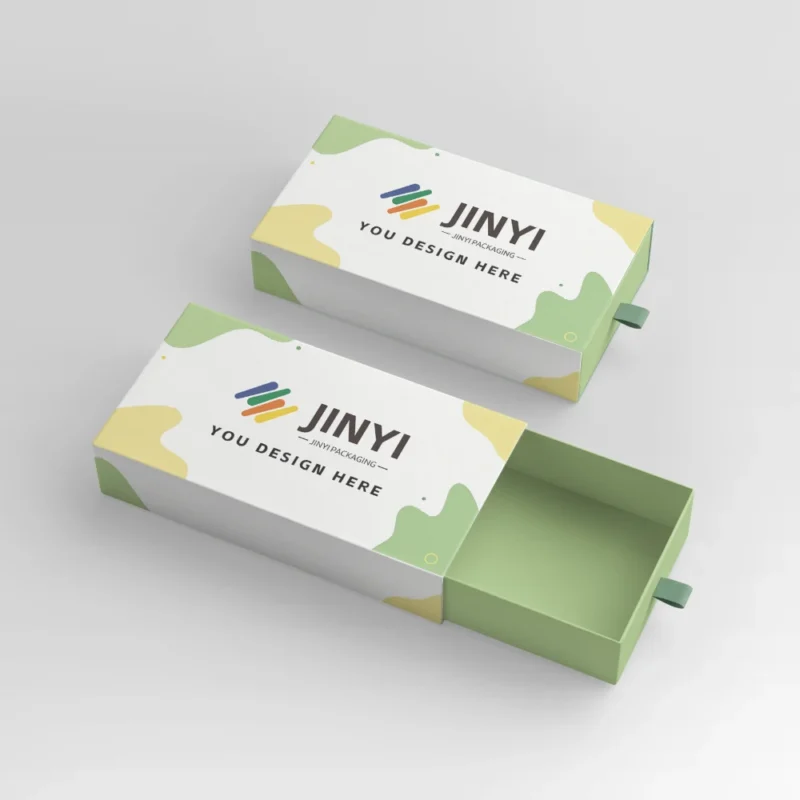
Boîte à bijoux à tiroir
Boîtes à bijoux à tiroir pour un déballage de première qualité et une protection rigide.
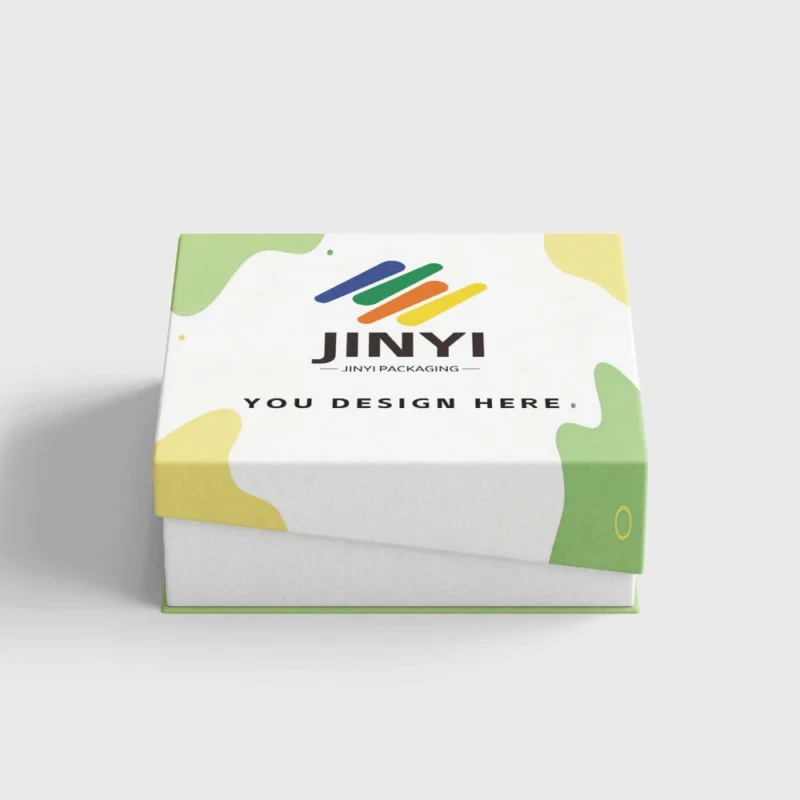
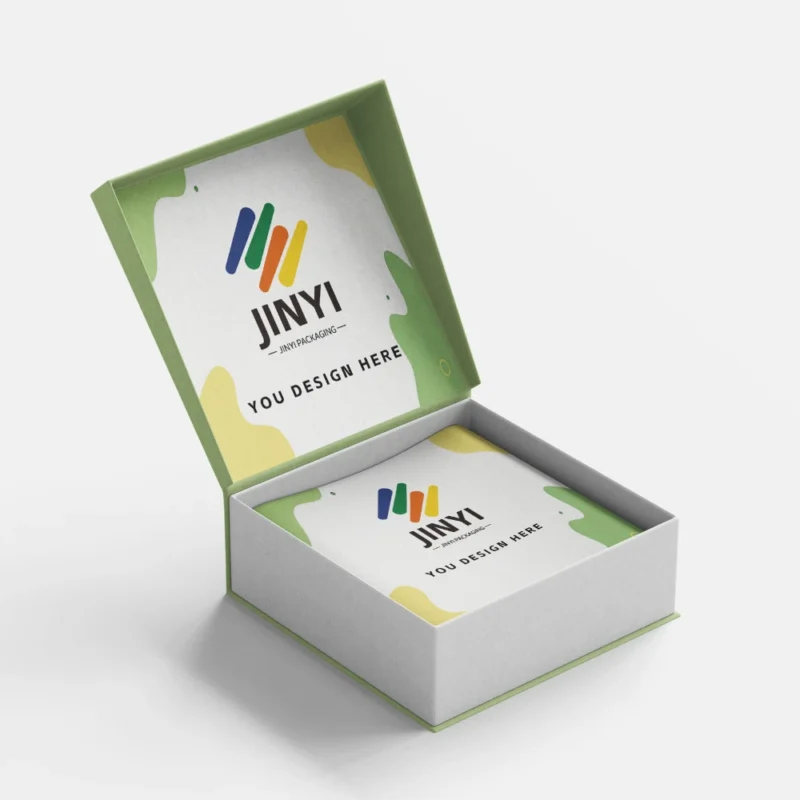
Boîte à bijoux à couvercle rabattable
Boîtes à bijoux à couvercle rabattable, de construction rigide et de présentation luxueuse.
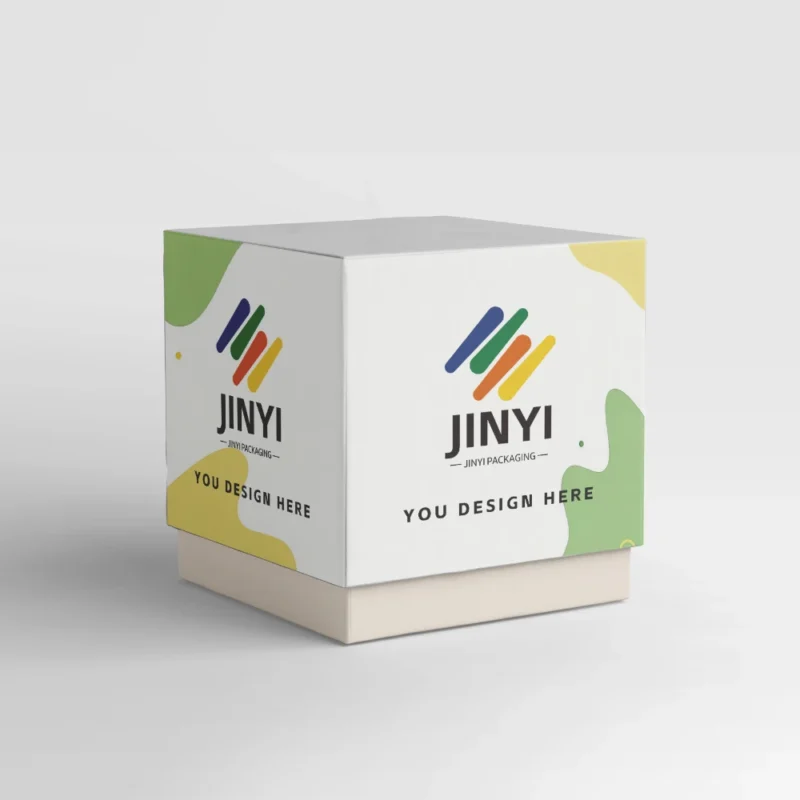
Étui rigide rétractable en deux parties
Boîtes rigides en deux parties pour une protection et une présentation de luxe.
Boîtes postales
Boîtes d'expédition en carton ondulé pour une expédition sécurisée et un déballage à l'effigie de la marque.
Boîtes d'exposition
Boîtes de présentation personnalisées pour les ventes au comptoir et une bonne visibilité en rayon.
Boîtes cadeaux
Boîtes-cadeaux personnalisées avec structure et options de finition haut de gamme.
Boîtes d'emballage à manchons
Boîtes à pochettes avec enveloppes imprimées pour un marquage flexible.
Boîte de fond à verrouillage automatique
Boîtes à fermeture automatique à montage rapide pour le commerce de détail et le commerce électronique.
Boîte de fond de serrure
Boîtes à fond verrouillé pour un emballage rapide et un support de charge solide.
Boîtes d'extrémité droites
Boîtes à couvercle droit pour une fermeture nette et une présentation au détail.
Sac en papier personnalisé
Sacs cadeaux en papier personnalisés avec des poignées solides et une impression nette de la marque.
Gobelets à froid en PET transparent
Gobelets en PET transparent pour boissons glacées - transparents, robustes et étanches.
Sac cadeau personnalisé
Sacs cadeaux en papier personnalisés avec des poignées solides et une impression nette de la marque.
Gobelet en papier
Gobelets en papier pour boissons chaudes avec une prise en main confortable et une impression propre et cohérente.
Sachets plats de cannabis
Sachets plats pour le cannabis avec une barrière élevée et un espace d'étiquetage clair.
Sacs Mylar pour le désherbage
Sacs de désherbage en mylar avec une barrière solide, des fermetures éclair et des options de contrôle des odeurs.
Boîtes en fer blanc personnalisées
Boîtes en fer blanc personnalisées pour une protection optimale, une réutilisation et une impression en quadrichromie.
Étiquettes à manchon thermorétractable
Étiquettes pour manchons thermorétractables avec couverture à 360° et impact en rayon.
Étiquettes en rouleau personnalisées
Étiquettes en rouleau personnalisées pour une application rapide et un étiquetage cohérent de la marque.
Autocollant découpé
Autocollants découpés à l'emporte-pièce avec des bords nets et des options de matériaux durables.
Feuilles d'autocollants Kiss Cut
Feuilles d'autocollants découpées pour un décollage facile et des motifs flexibles.
JINYI donne des conseils pratiques en matière d'emballage pour vous aider à prendre vos décisions.
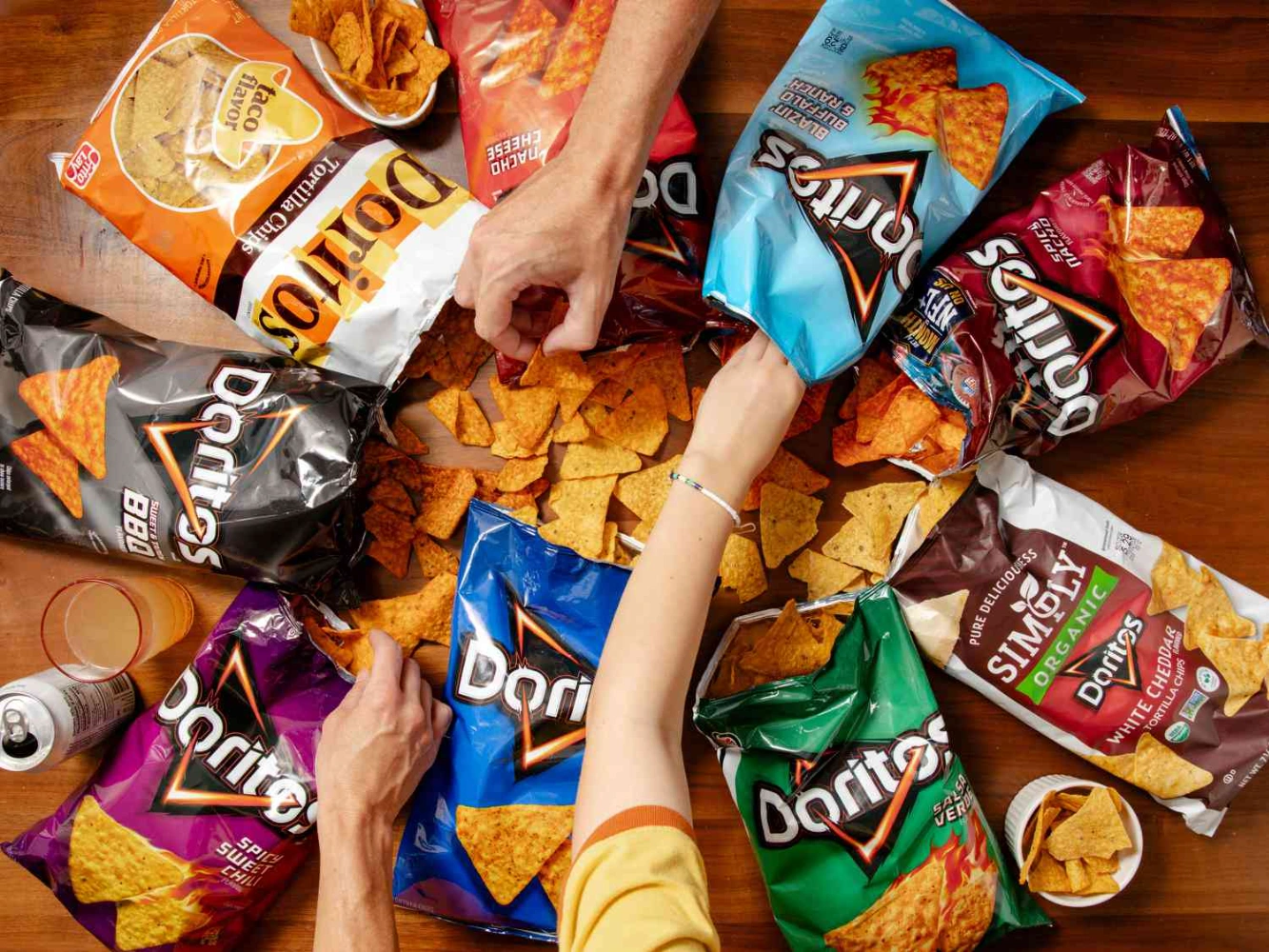
Doritos est l'une des marques de snacks les plus connues au monde. Le nom vient de l'espagnol “doritos”, qui signifie “petites choses dorées” - un clin d'œil à la base de maïs qui donne à chaque chips triangulaire sa couleur et son croustillant. Vendue pour la première fois à Disneyland au début des années 1960, puis reprise par Frito-Lay pour une distribution nationale, la marque a connu ses premières années d'existence sous la forme d'une chips de maïs grillé relativement ordinaire. La saveur Nacho Cheese que la plupart des gens associent à Doritos n'est apparue qu'en 1974. Lorsque Cool Ranch a été lancé en 1986, Doritos était devenu un incontournable de la culture - et la marque est restée en place, soutenue par des décennies d'innovations gustatives, de parrainages sportifs et d'emballages qui évoluent avec chaque génération de consommateurs.
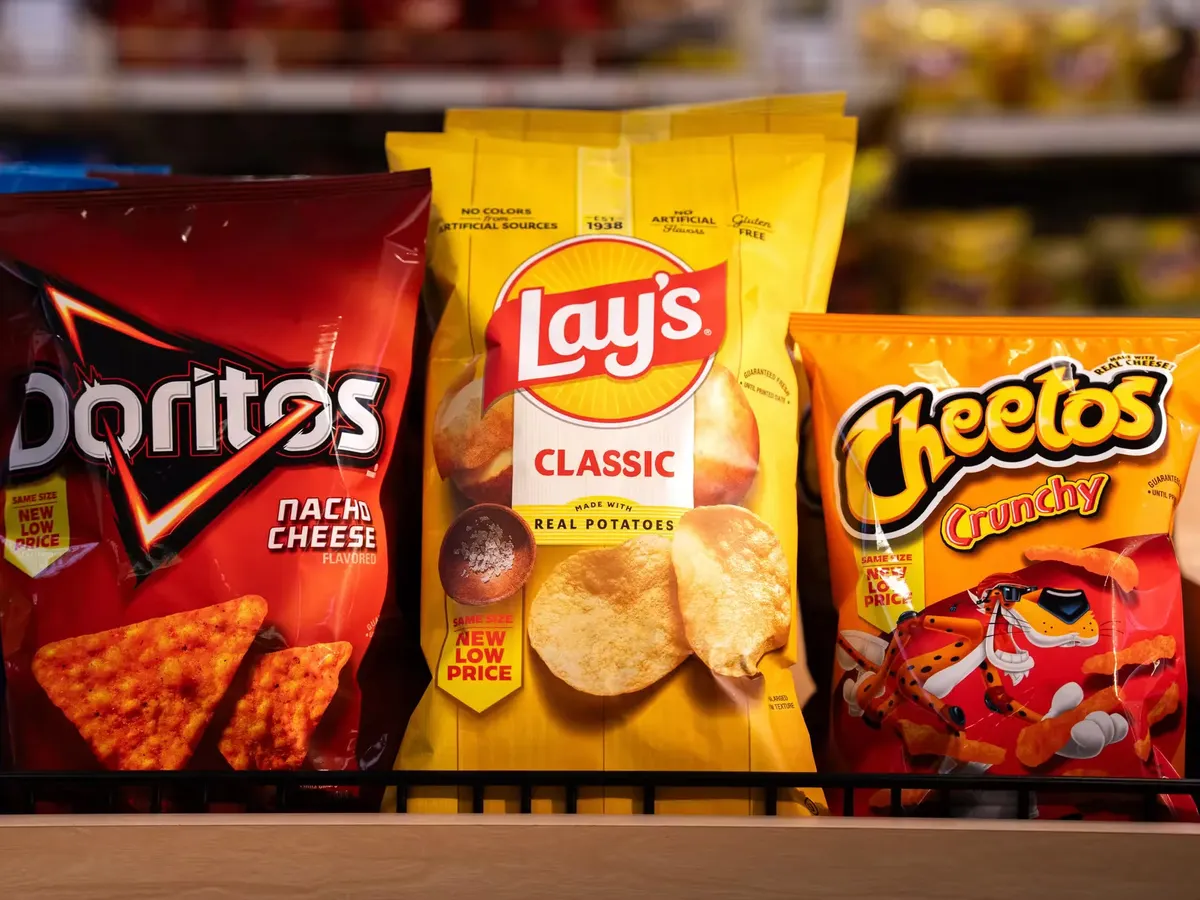
Aujourd'hui, Doritos est une marque de Frito-Lay sous PepsiCo, la même société mère que Lay's, et elle utilise la même infrastructure industrielle pour les snacks : lignes de remplissage VFFS à grande vitesse, rinçage à l'azote et film laminé multicouche. Mais le sac n'est pas le même que celui de Lay's, même si son aspect extérieur est similaire. Une chips tortilla enrobée d'un assaisonnement audacieux impose à l'emballage des exigences différentes de celles d'une simple chips - l'huile qui transporte l'épice migre, l'assaisonnement lui-même est abrasif, et les rouges, bleus et noirs profonds des graphiques Doritos poussent l'impression flexographique et héliogravure plus fort qu'un sac Lay's jaune n'a jamais eu besoin de le faire. Le sac doit faire face à tout cela.
Cet article analyse le sac Doritos du point de vue de l'usine : le format utilisé, la raison pour laquelle le film doit supporter un assaisonnement huileux, la structure multicouche, la raison pour laquelle l'intérieur est argenté plutôt que transparent, et ce que l'impression en couleurs vives exige réellement. Pour toute marque qui s'approvisionne en chips tortilla ou en emballages de snacks assaisonnés, les décisions techniques sont les mêmes - à échelle réduite, mais régies par les mêmes principes physiques.
Formats d'emballage de Doritos : Le Pillow Bag et ses variations
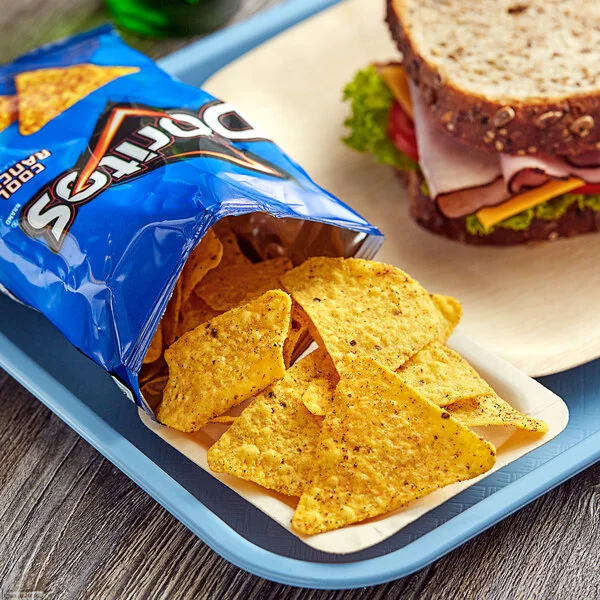
Comme pratiquement toutes les grandes marques de chips, le format principal de Doritos est l'emballage. sac d'oreiller - un tube de film formé, rempli et scellé sur une machine verticale de formage, remplissage et scellage (VFFS). Le film arrive sous forme de rouleau imprimé, la machine le forme en sac autour d'un tube de formage, y dépose une portion pesée de chips, rince l'espace de tête avec de l'azote et scelle les deux extrémités - le tout en une fraction de seconde, des centaines de fois par minute. Pour une chips triangulaire facile à écraser et rapidement périmée, la combinaison de l'espace de tête amortissant, des scellés étanches et du coût minimal du film du sac coussin est le choix logique à grande échelle.
Doritos se décline en plusieurs formats de sachets - portion individuelle, à partager, pour les fêtes - tous en format oreiller. Les boîtes multi-packs regroupent des sacs plus petits à l'intérieur d'un carton imprimé pour les boîtes à lunch et les magasins de club. Il y a une exception qui mérite d'être soulignée : Frito-Lay a introduit une ligne Minis en 2022, conditionnant des versions de Doritos de la taille d'une bouchée (ainsi que des Cheetos et des SunChips) dans une boîte en plastique rigide pour le grignotage sur le pouce. Ce format se situe entièrement en dehors de l'emballage flexible. Il ne représente qu'une petite partie de la gamme Doritos, et le sac principal - celui qui représente la quasi-totalité du volume de la marque - est toujours le sac coussin. Une image complète de l'emballage de la marque doit inclure la boîte, mais ce n'est pas l'histoire de la façon dont Doritos est emballé à grande échelle.
Pour les marques qui évaluent l'emballage de leurs propres puces, le sac de coussins s'oppose à l'emballage d'une puce. format stand-up La décision suit la même logique que pour n'importe quel snack : les sachets coussins coûtent moins cher à l'unité et tournent plus vite sur une ligne VFFS ; les formats debout coûtent plus cher en film mais créent une présence en rayon qu'un sachet couché ne peut pas avoir. Doritos jouit d'une notoriété suffisante pour vendre un présentoir horizontal ; une marque plus récente ne peut souvent pas se permettre ce compromis et a besoin que le sac se tienne debout et s'annonce.
Note de format : Le sachet coussin est le format de snack le moins coûteux et le plus rapide, mais il ne peut pas tenir en rayon. Si la visibilité en rayon est une priorité pour votre marque, un sachet tenant debout ou un sachet à fond plat est la solution, à un coût un peu plus élevé par unité. Le bon choix dépend de l'endroit où votre produit est exposé et de la manière dont il l'est.
Pourquoi le sac est conçu pour les assaisonnements gras
C'est ce qui différencie un sachet Doritos d'un simple sachet de chips, et cela commence par la façon dont fonctionne l'assaisonnement Doritos. La poudre forte - Nacho Cheese, Cool Ranch, Flamin’ Hot - n'est pas simplement saupoudrée sur la chips. Elle est transportée par de l'huile, généralement de l'huile de palme, qui agit comme un liant permettant à l'assaisonnement d'adhérer à la surface du maïs. Cette huile migre. Elle se dépose au fond du sac pendant le stockage, se transfère sur les doigts et entre en contact avec la surface intérieure du film pendant toute la durée de conservation du produit.
Pour le film d'emballage, cela signifie que la couche interne de scellage doit faire plus que sceller proprement - elle doit résister à la perméation de l'huile et à la migration des arômes induite par l'huile pendant des mois de conservation. Un film intérieur qui absorbe l'huile se dégrade : l'intégrité du scellage s'affaiblit, les arômes du matériau d'emballage peuvent se transférer dans les chips, et le film lui-même peut voir sa structure compromise dans les zones où l'huile est la plus forte, près du scellage inférieur. Le polyéthylène de qualité alimentaire est le choix standard pour la couche intérieure, précisément parce qu'il est chimiquement résistant aux huiles et aux graisses et qu'il forme un joint thermique propre sans interagir avec l'assaisonnement.
Ce même défi s'applique à toute marque fabriquant des snacks assaisonnés - chips tortilla, pop-corn, noix aromatisées, bretzels avec enrobage d'assaisonnement. La spécification du film intérieur est plus importante que pour une simple chips, et la bonne réponse n'est pas toujours évidente à partir d'un devis standard de “sac à chips”. En spécifiant explicitement la résistance à l'huile et en demandant à votre fournisseur de confirmer le matériau de la couche intérieure et ses données de test de barrière à la graisse, vous éviterez de découvrir le problème après la mise en rayon du produit.
Structure du film : La composition d'un sachet de Doritos
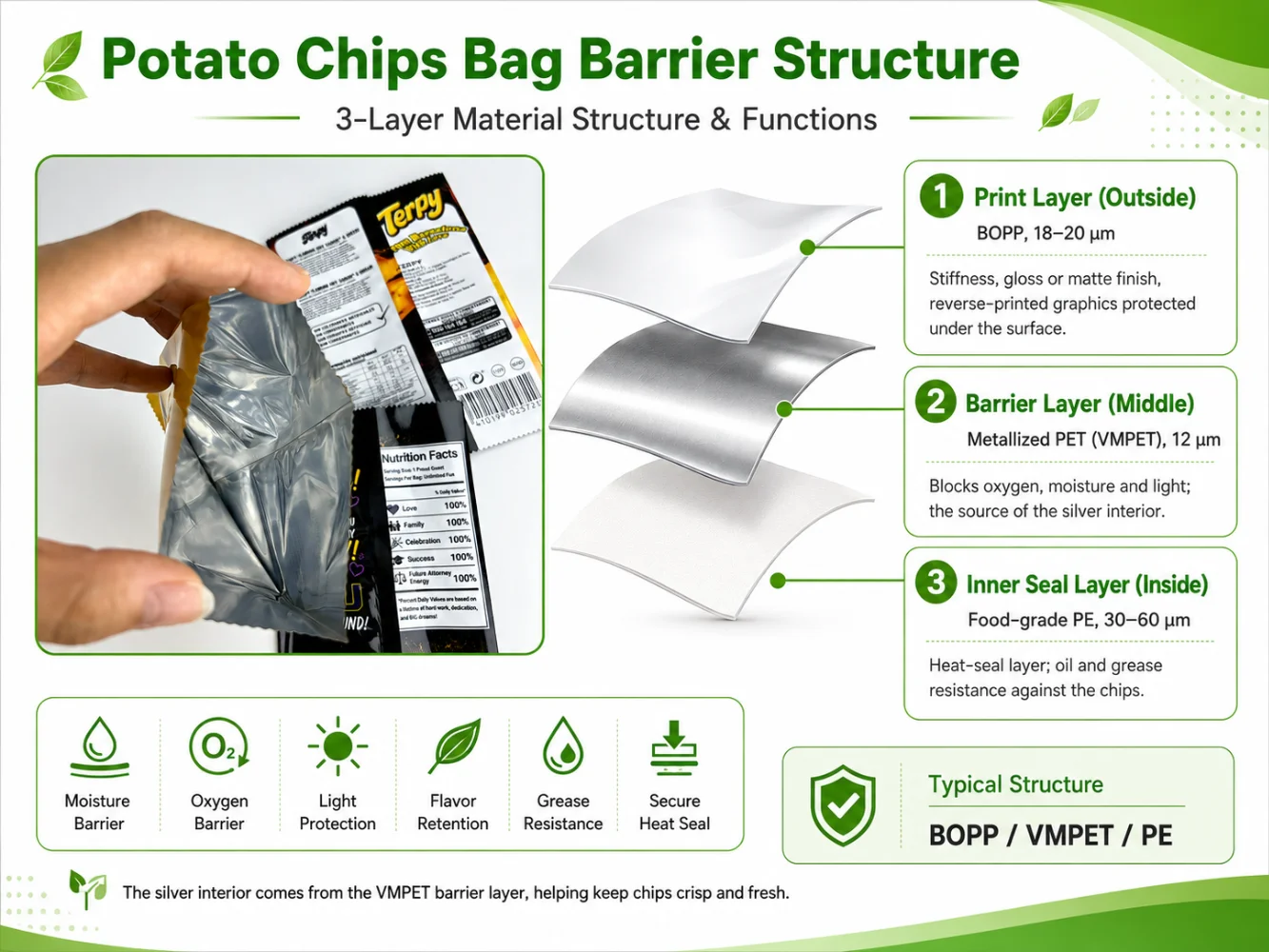
Un sac Doritos, comme la plupart des sacs de snacks à grand volume, est un film multicouche laminé - deux ou trois films collés ensemble, chacun remplissant une fonction distincte. Aucun plastique ne peut à lui seul remplir toutes les fonctions d'un sac : impression nette à l'extérieur, blocage de l'oxygène et de la lumière au centre, résistance à l'huile à l'intérieur et fermeture hermétique sur une ligne à grande vitesse. Le laminage combine ces propriétés en une seule bande de film plus fine qu'une feuille de papier.
La couche extérieure est un film de polypropylène orienté (OPP ou BOPP) ou de polyester (PET) - suffisamment rigide pour passer dans la machine VFFS sans se froisser, et suffisamment lisse pour recevoir des graphiques haute résolution imprimés à l'envers. L'impression inversée signifie que l'encre est appliquée sur la face inférieure du film extérieur avant le pelliculage, de sorte qu'elle est scellée de manière permanente entre les couches et ne peut pas être rayée ou frottée lors de la manipulation ou de la vente au détail. Pour une marque comme Doritos, dont les rouges et les bleus profonds et saturés couvrent la majeure partie de la surface du sac, la qualité de l'impression sur cette couche extérieure n'est pas une préoccupation secondaire - elle est essentielle à la reconnaissance de la marque.
La couche intermédiaire constitue la barrière. La norme pour un sac de chips assaisonné est un film métallisé - un film polymère sur lequel est déposée sous vide une couche d'aluminium d'une épaisseur de l'ordre du nanomètre. Cette couche métallisée empêche l'oxygène, l'humidité et la lumière d'atteindre les chips et est à l'origine de l'intérieur argenté de tous les sacs Doritos. La couche intérieure est un polyéthylène de qualité alimentaire, choisi pour ses performances en matière d'étanchéité à la chaleur et, comme décrit ci-dessus, pour sa résistance à l'assaisonnement huileux qui caractérise les Doritos. La structure estimée complète est présentée dans le tableau ci-dessous.
Couche (extérieure → intérieure)
Estimation du matériel
Fonction
Couche d'impression (extérieure)
BOPP ou PET, 15-20 μm
Rigidité, aptitude au passage en machine, surface pour les graphiques en couleur imprimés à l'envers
Couche barrière (milieu)
PET métallisé (VMPET), 12 μm
Bloque l'oxygène, l'humidité et la lumière ; source de l'intérieur argenté
Couche d'étanchéité interne (à l'intérieur)
PE de qualité alimentaire, 40-60 μm
Performance d'étanchéité à la chaleur ; résistance à l'huile et à la graisse contre les copeaux assaisonnés
Remarque : la structure du film est estimée sur la base des exigences de Doritos en matière d'emballage et des spécifications des sacs de chips tortilla standard de l'industrie. Frito-Lay n'a pas publié de ventilation officielle des matériaux couche par couche, et les spécifications varient en fonction du marché et du cycle de production.
Les mécanismes de l'impression, du laminage et de la transformation de ces couches en sacs finis - y compris le laminage sans solvant, le durcissement et les tests de scellage - sont traités en détail dans notre guide sur les comment les sachets sur mesure sont fabriqués, du film au sac fini. Une référence croisée utile si vous avez également consulté les sites suivants la structure des sacs de chips Lay's - la même logique de base s'applique, avec la différence de résistance à l'huile mentionnée ci-dessus.
Structure de barrière BOPP / VMPET / PE - une construction standard de sac à puce JINYI.
L'intérieur argenté et l'azote : Deux systèmes fonctionnant ensemble
Ouvrez un sachet Doritos et vous trouverez deux choses qui déroutent la plupart des gens : un intérieur argenté et un sachet qui semble essentiellement rempli d'air. Ni l'un ni l'autre n'est ce qu'il semble être. L'argent n'est pas une feuille d'aluminium, mais un film métallisé, une base polymère sur laquelle est déposée une couche d'aluminium ultrafine sous vide. L'écart entre le film métallisé et la véritable feuille d'aluminium est important : le film métallisé coûte moins cher, pèse moins lourd et se plie sans pinholing (les trous microscopiques que la feuille d'aluminium mince développe lorsqu'elle est froissée de manière répétée). Le film véritable offre une barrière à l'oxygène quasi absolue et est réservé aux produits dont la durée de conservation est très longue ou qui sont extrêmement sensibles. Une puce dont le chiffre d'affaires est élevé n'en a généralement pas besoin, et l'utilisation d'une feuille d'aluminium là où un film métallisé ferait l'affaire est un moyen courant de sur-spécifier un sac et de dépenser trop d'argent pour l'emballage.
L“”air" est de l'azote - et il fait un vrai travail. L'azote est inerte et ne réagit pas avec les huiles contenues dans l'assaisonnement comme le fait l'oxygène. En rinçant le sac avec de l'azote et en déplaçant l'oxygène avant de le sceller, la ligne de remplissage empêche les graisses de l'assaisonnement de s'oxyder et de rancir. Pour une chips assaisonnée, cela a plus d'importance que pour une chips ordinaire : plus d'huile à la surface de la chips signifie plus de graisse exposée à l'oxydation, ce qui signifie une courbe de rancissement plus rapide si l'oxygène est présent. L'espace libre d'azote protège également les chips contre les manipulations et les vibrations de la chaîne de distribution. Pour le consommateur, le sac semble insuffisamment rempli ; en réalité, il protège un produit fragile, enrobé d'huile, sur des milliers de kilomètres de logistique.
Il y a également une observation spécifique à Doritos concernant le bruit des sachets. Les sacs Doritos sont sensiblement bruyants lorsqu'on les manipule - plus bruyants qu'un sac Lay's. Cela est dû à la rigidité du film. Cela est dû à la rigidité du film : la combinaison d'un film extérieur plus rigide (nécessaire pour faire tourner la machine VFFS à grande vitesse et pour maintenir l'impression en couleurs profondes sans coque) et de l'intérieur gonflé à l'azote crée un sac qui crépite davantage qu'un sac plus souple, à plus faible volume de gaz. Pour une marque dont le marketing repose sur l'audace, le bruit est sans doute dans l'air du temps. Pour une marque haut de gamme ou durable qui essaie de s'éloigner de ce profil sensoriel, c'est une considération qui mérite d'être signalée à votre fournisseur de film.
Conseil en matière d'approvisionnement : Le film métallisé (VMPET/VMBOPP) et la véritable feuille d'aluminium ne sont pas interchangeables. Le film métallisé couvre la plupart des applications de snacking à moindre coût. La feuille d'aluminium est destinée aux produits dont la durée de conservation est très longue ou qui sont très sensibles à l'oxygène. Demandez à votre fournisseur sur quel produit est basé votre devis - la différence de prix est réelle et la différence de barrière est importante.
Imprimer Doritos : Couleur profonde, fond perdu et éditions limitées
L'emballage des Doritos est l'un des travaux d'impression les plus exigeants de la catégorie des snacks. Les sacs sont construits autour de couleurs saturées à fond perdu - le rouge Nacho Cheese, le bleu Cool Ranch, le noir Flamin’ Hot - qui couvrent la majeure partie de la surface du sac sans aucune fenêtre blanche ou transparente pour alléger la charge d'encre. Une couverture d'encre élevée sur un substrat souple qui passe à grande vitesse dans une machine VFFS crée deux défis simultanés : la précision des couleurs dans les conditions de production et la stabilité de l'adhérence lorsque le sac est gonflé, scellé, plié et manipulé.
Pour le volume de Doritos, la réponse est l'héliogravure - des cylindres gravés qui déposent de l'encre de manière cohérente sur de très grands tirages, offrant la densité et le repérage des couleurs qu'exige une conception à fond perdu. Le coût d'installation est élevé (chaque couleur nécessite son propre cylindre gravé), mais il s'amortit rapidement sur des millions de sacs. Pour une marque qui lance un nouveau parfum ou un design saisonnier en édition limitée, l'héliogravure n'est pas le bon point de départ. Le coût des cylindres la rend peu rentable pour les faibles volumes, et elle verrouille la conception - changer une couleur ou un dessin nécessite de nouveaux cylindres.
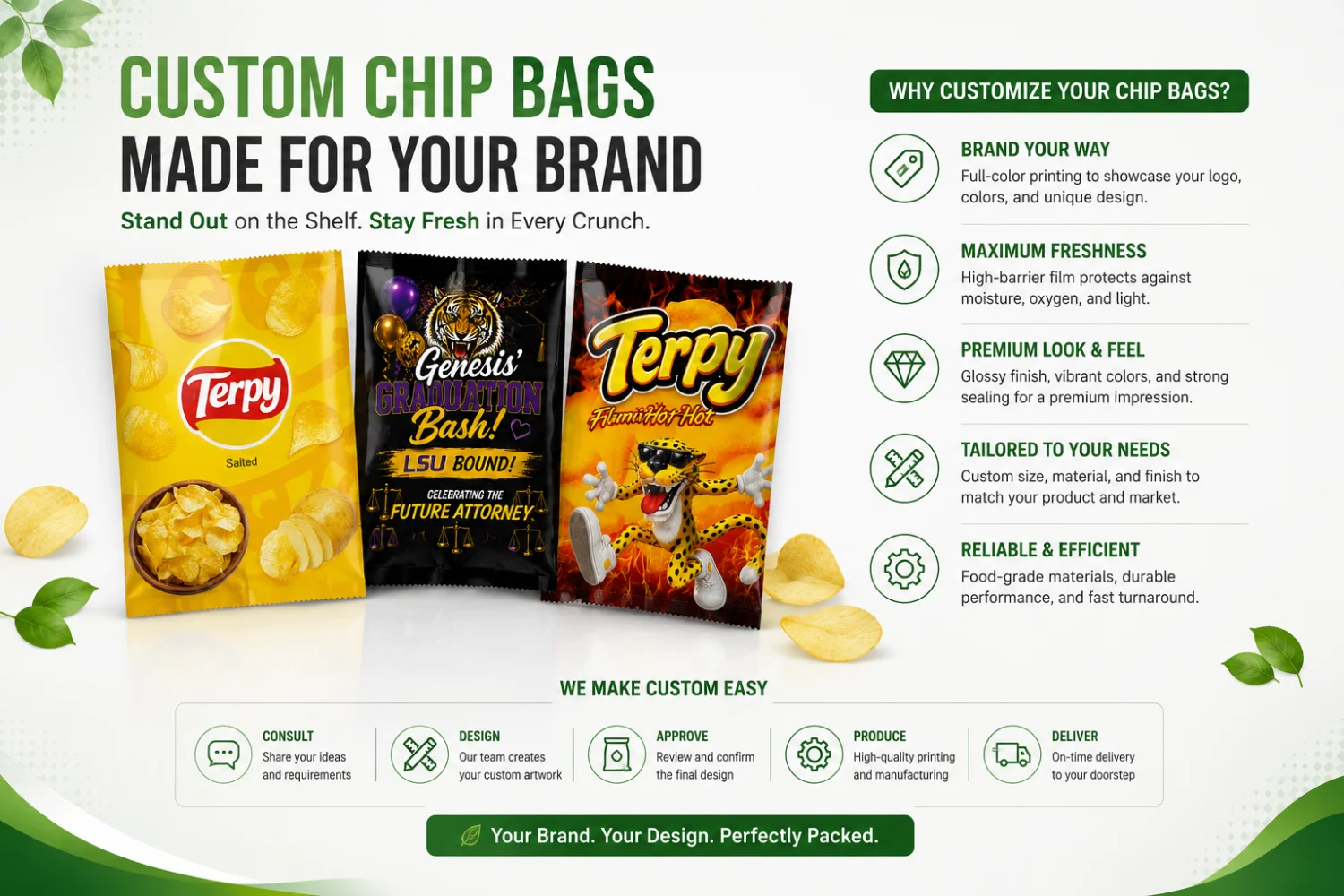
C'est là que la stratégie de Doritos en matière d'éditions limitées est instructive pour les petites marques. Doritos propose des emballages saisonniers et sous licence - graphismes d'Halloween, liens avec le sport, variantes de lancement de saveurs - qui existent parallèlement à la gamme principale. À l'échelle de Frito-Lay, même ces tirages limités sont suffisamment importants pour être imprimés en héliogravure. À l'échelle d'une marque en croissance, ce n'est pas le cas. L'impression numérique est la solution la plus pratique : pas de coût de plaque ou de cylindre, de la quadrichromie pour des quantités minimales de commande et la possibilité de produire simultanément plusieurs variantes de design sans pénalité d'outillage. Une marque peut tester un design d'Halloween, un design normal et une variante de salon comme trois fichiers d'impression distincts sur le même tirage de presse numérique - ce que l'héliogravure ne peut pas offrir en deçà de grands volumes.
Au-delà de la couleur, les lignes premium et les éditions sous licence de Doritos ajoutent parfois des finitions de surface - brillance ponctuelle, accents métalliques ou textures gaufrées - qui donnent au sac une sensation tactile de qualité supérieure. Ces traitements post-impression sont disponibles sur les emballages souples à un coût relativement faible et ajoutent plus de valeur perçue par dollar que n'importe quelle autre amélioration de l'emballage. Pour une marque qui cherche à se différencier en rayon, la finition de surface est souvent la décision la plus importante après le format du sac et la structure du film.
Approvisionnement en sacs de chips tortilla personnalisés : Ce qu'il faut spécifier
Doritos fonctionne à une échelle qu'aucune marque indépendante ne peut approcher - cylindres d'héliogravure, lignes VFFS dédiées, spécifications de film personnalisées élaborées à partir de décennies de données sur les produits. Mais les décisions techniques qui permettent à un sac Doritos de fonctionner s'appliquent directement à une marque qui commande sa première série d'emballages de chips ou de snacks assaisonnés. Le format, les spécifications de la barrière, le film intérieur et la méthode d'impression sont les quatre mêmes décisions, mais elles sont prises à un volume différent.
Le service de sacs à puce personnalisés de JINYI, de la conception à la livraison.
Pour la plupart des marques, le point de départ est un sac d'oreiller pour les portions individuelles et les portions à partager, ou un pochette de rangement où la présence en rayon compte plus que le coût unitaire. En ce qui concerne la barrière, une structure métallisée en BOPP ou PET/VMPET/PE recouvre les chips tortilla assaisonnées - la couche intérieure doit explicitement spécifier la résistance à l'huile et à la graisse, et pas seulement le PE de qualité alimentaire en tant que générique. En ce qui concerne l'impression, le bon choix est le numérique pour les tests et les faibles volumes, puis l'héliogravure lorsque le volume justifie l'utilisation d'un outillage cylindrique. L'erreur commise par la plupart des marques est de passer directement à l'héliogravure lors de la première commande parce que cela semble plus “professionnel”, puis de découvrir que la conception a besoin d'être modifiée et que les cylindres sont des coûts irrécupérables.
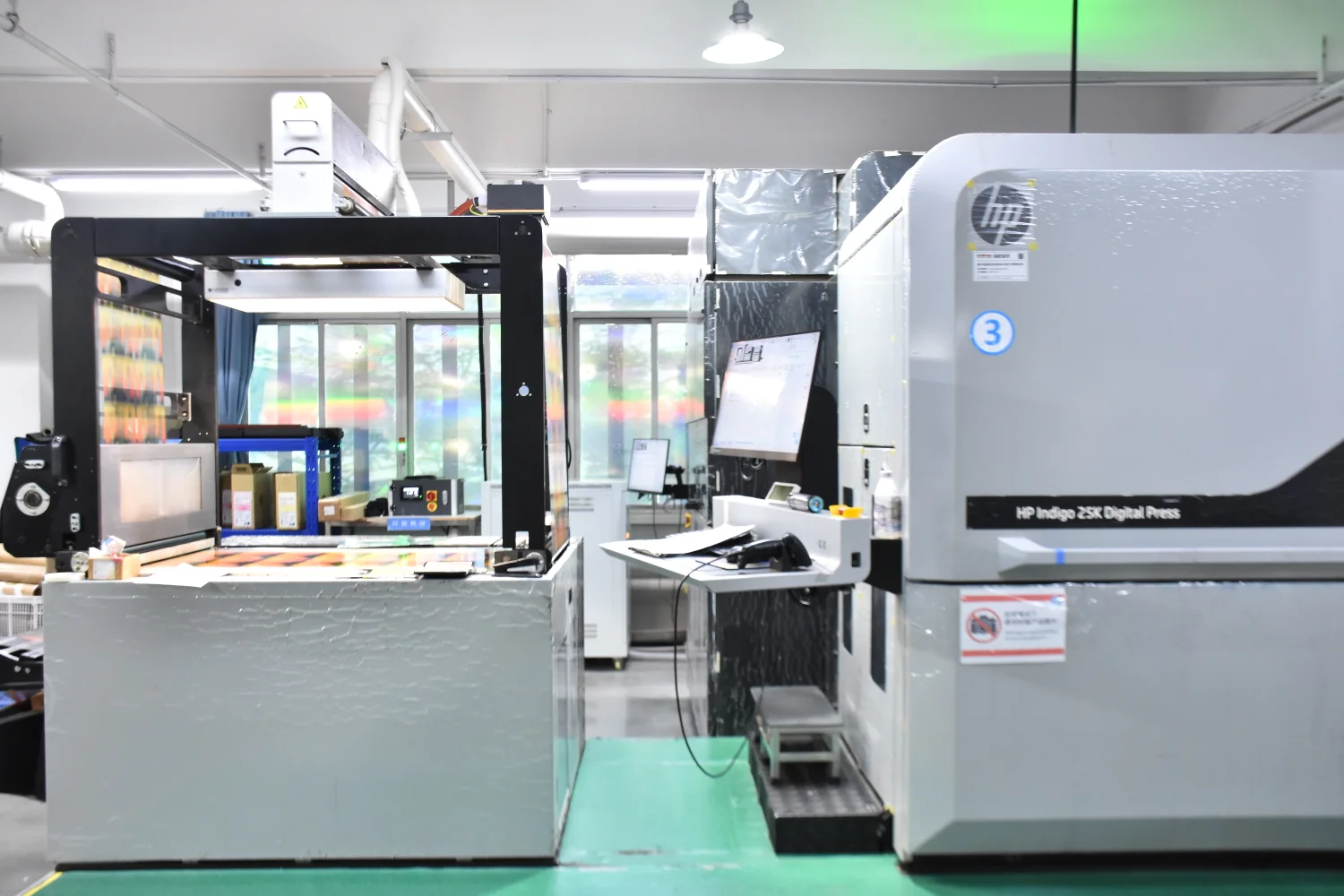
Chez JINYI, l'impression numérique s'effectue sur une série de presses HP Indigo, dont la HP Indigo 25K pour les courts tirages à grande vitesse et la HP Indigo 6K pour les travaux à rotation rapide, ainsi que sur une ligne d'héliogravure 10 couleurs avec gestion ESKO Automation Engine et repérage à ±0,1 mm pour la production en volume. Une marque peut se lancer sur le numérique avec des minimums de 500 unités, valider la conception et les ventes, et passer à l'héliogravure dans la même usine une fois que le volume justifie l'investissement dans l'outillage. Pour les éditions limitées, les variantes saisonnières ou les lancements de saveurs multi-SKU où chaque design est produit en petites quantités, les machines HP Indigo gèrent la densité des couleurs et le repérage qu'exige un design audacieux à fond perdu tel qu'un sac de type Doritos - sans l'engagement des cylindres.
Les finitions de surface - dorure numérique, UV ponctuels, gaufrage - sont disponibles en tant qu'options de post-traitement standard et peuvent être ajoutées à n'importe quel format de sac sans engagement de commande minimum important. Pour une marque qui souhaite obtenir la sensation tactile de qualité supérieure d'un sachet Doritos en édition limitée sans avoir des volumes à l'échelle de Doritos, ces finitions sont le moyen le plus rentable d'y parvenir.
Vous recherchez un emballage personnalisé pour des sacs de chips ou de tortillas ?
JINYI produit des sacs pour oreillers, des sachets à fond plat et des emballages pour snacks à haute barrière avec un film intérieur résistant à l'huile et une impression numérique ou par héliogravure à fond perdu - à partir de 500 unités, avec une documentation complète sur les matériaux en standard. Faites-nous part de votre produit et nous vous recommanderons le film et le format adéquats.
JINYI est une usine de production d'emballages flexibles sur mesure, avec plus de 15 ans d'expérience dans la production, au service de marques de produits alimentaires, de compléments alimentaires, de café, d'aliments pour animaux de compagnie et de biens de consommation dans plus de 70 pays. Nous produisons des sachets à fond plat, des sachets coussins et des sachets à soufflets latéraux en PET/AL/PE, PET/VMPET/PE et autres spécifications de barrière - via l'impression numérique HP Indigo à partir de 500 unités et l'impression hélio en volume - avec une documentation complète sur les matériaux incluse en standard dans chaque commande.
C'est ce que Du film au produit fini - bien fait dans la pratique.
Elsa
Responsable du développement commercial - JINYI Packaging
Elsa dirige le développement commercial et la gestion des commandes des clients chez JINYI. Avec 8 ans d'expérience dans le commerce extérieur à Yiwu et Dongguan, elle a une connaissance approfondie de la demande du marché et des besoins réels des acheteurs, ce qui lui permet de prendre les bonnes décisions en matière d'emballage sur la base d'une connaissance réelle du client.
Besoins des clients Gestion des commandes Développement des entreprises
Un sac Doritos est un film laminé multicouche, généralement composé d'une couche extérieure imprimée en BOPP ou en PET, d'une couche barrière en PET métallisé au centre et d'un scellant intérieur en PE de qualité alimentaire. La couche intérieure est sélectionnée pour sa résistance à l'huile et à la graisse afin de supporter l'assaisonnement. Les spécifications exactes ne sont pas publiées par Frito-Lay et varient selon les marchés.
Pourquoi l'intérieur d'un sachet de Doritos est-il argenté ?
L'intérieur argenté est un film métallisé - une base polymère sur laquelle est déposée sous vide une couche ultrafine d'aluminium. Cette couche bloque l'oxygène, l'humidité et la lumière afin de préserver la fraîcheur des chips. Il ne s'agit pas d'une feuille d'aluminium, qui est plus épaisse, plus lourde et plus chère.
Pourquoi les sacs Doritos sont-ils si bruyants ?
Le craquement est dû à la rigidité du film extérieur nécessaire à l'impression de couleurs profondes à fond perdu, combinée à un intérieur gonflé à l'azote. Un film plus rigide et un espace de tête pressurisé donnent un sac plus bruyant. Il s'agit d'un effet secondaire des choix techniques qui donnent à Doritos son graphisme audacieux et sa durée de conservation.
Les sachets Doritos sont-ils recyclables ?
Les sacs Doritos conventionnels associent plusieurs matériaux différents, ce qui les rend difficiles à recycler dans les filières classiques. Frito-Lay s'est engagé à atteindre des objectifs plus durables en matière d'emballage, mais le sac traditionnel restera largement non recyclable sur la plupart des marchés à partir de 2026.
Puis-je commander des sacs à tortilla chip personnalisés en quantités minimales ?
Oui. L'impression numérique permet de produire des sachets de snacks personnalisés à partir de 500 unités - ce qui convient pour tester un design, lancer des variantes d'arômes ou une édition limitée sans s'engager dans un grand tirage en héliogravure. JINYI propose l'impression numérique HP Indigo à partir de 500 unités, avec une documentation complète sur les matériaux.