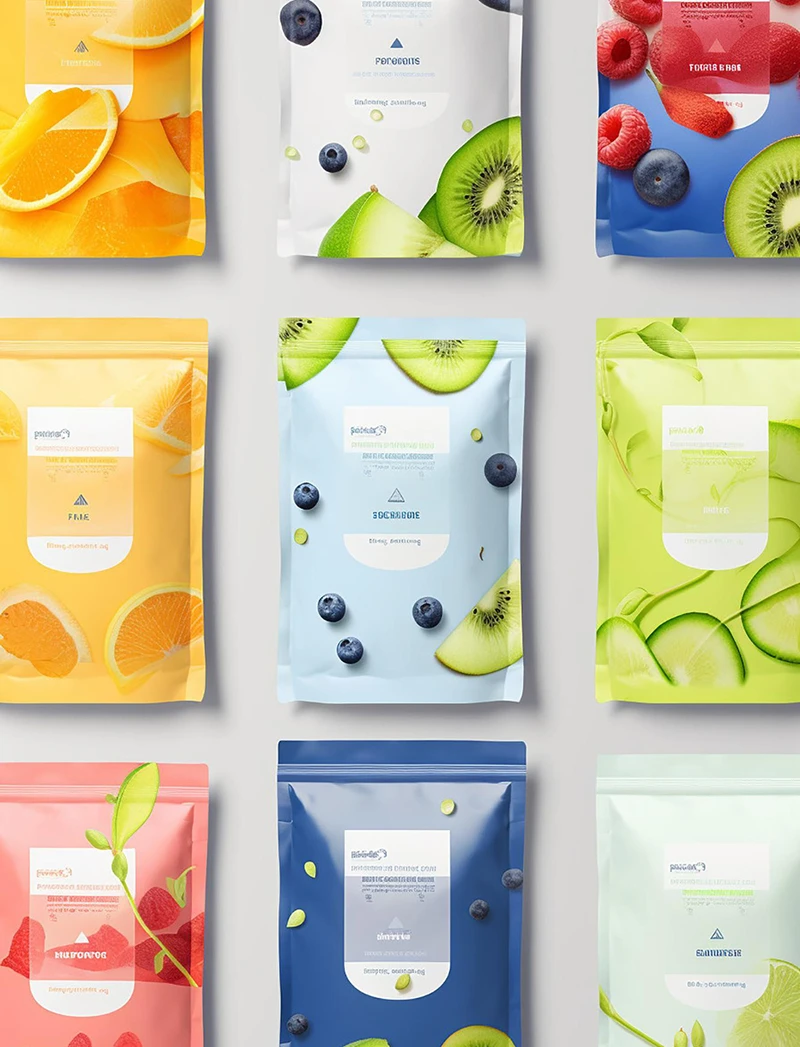
This content is for packaging education. We do not sell any regulated products.
Some pouches look perfect on day one. Then week four hits. Aroma feels flat. Buds look crushed. The carton smells “off.”
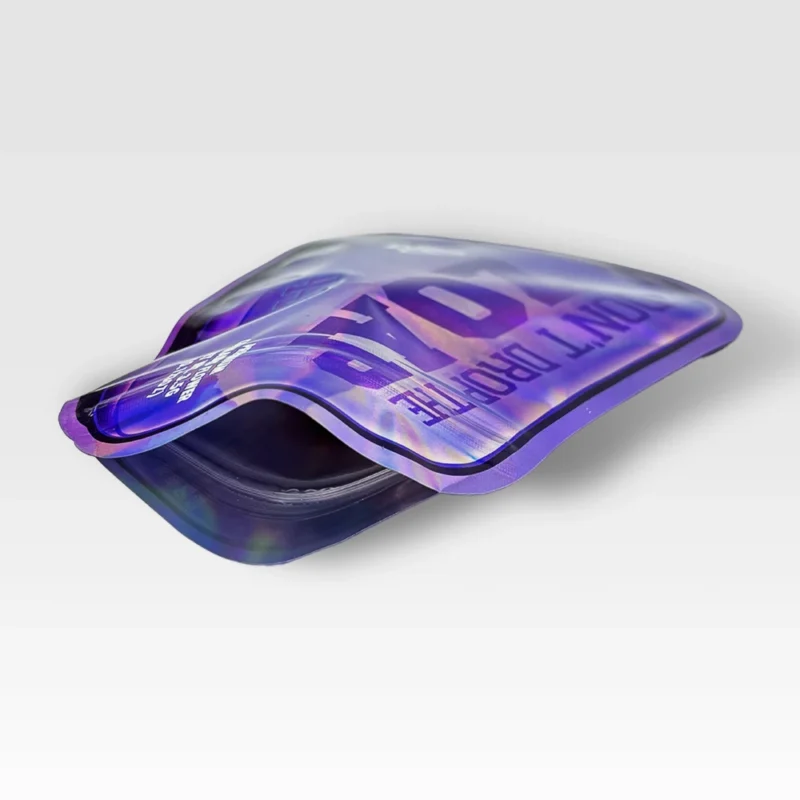
I prevent odor loss, crush, and micro-leaks by defining the failure first, locking the seal system (seal window, hot tack, seal land, cooling), and validating the full shipping system under route stress before mass production.
Start with a route-stress-ready pouch spec here

I do not start with “make it premium.” I start with what fails in the market, where it starts, and which stress grows it. Then I turn that into controllable parameters and repeatable tests.
What do “odor loss, crush, and micro-leaks” look like in the market?
These failures rarely show up as a dramatic burst. They show up as small signals that buyers notice fast.
I name the pattern before I talk materials. Odor loss is not the same as a leak. Crush is not the same as scuff. Micro-leaks often look “sealed” until stress trains them into a real failure.
How I translate complaints into measurable failure modes
| Market complaint |
What it often means |
Where I inspect first |
What I control first |
| “Smell is weaker in week 4” |
Slow oxygen entry via micro-channel |
Seal edge / corners |
Seal window + cooling margin |
| “Buds look crushed” |
Internal movement + external compression |
Headspace + case fit |
Pack-out rules |
| “Carton smells bad” |
Very small leak or seal drift |
Corner transitions |
Seal land consistency |
Product reality that changes risk
From a production standpoint, this matters because the product behaves like a mechanical + aroma system. Brittle pieces create dust and fines. Fines migrate toward seal areas during vibration. Dry product tends to abrade more. Aroma-sensitive contents punish even tiny micro-channels. That is why I separate “odor loss” from “visible leak.” I also separate “crush” from “puncture.” Once I name the failure type, I can choose a test that exposes it early and a control point that keeps it stable in mass production. If I skip this step, the team will chase the wrong fix, and the same route will keep producing the same returns.
How does route stress create a week-4 drop over time?
Week four is not a magic number. It is the point where repeated stress makes small defects finally show up.
I assume route stress will train failures over time. Compression loads seal edges. Vibration creates micro-slip and abrasion. Thermal cycling changes stiffness and interface stability. That is why the drop is predictable.
Route stress map (what I focus on)
| Stress |
What it does |
What it grows |
| Compression |
Loads corners and seal edges |
Corner micro-leaks, seal drift |
| Vibration |
Creates rub points and fines migration |
Micro-channels, abrasion wear |
| Thermal cycling |
Changes stiffness and interface behavior |
Seal margin loss, slow leak trends |
Why I treat micro-leaks as the first suspect
In real manufacturing, this detail often determines whether you win week four. Barrier numbers do not matter if oxygen takes a shortcut through a micro-channel. A tiny seal defect can outperform a great barrier in the wrong direction. So I do not start by chasing “higher barrier.” I start by proving seal integrity under stress. I also track where abrasion starts because abrasion turns into pinholes and then turns into odor complaints. Then I connect the stress map to pack-out. If the case is too tight, compression keeps loading seal edges. If the case is too loose, vibration creates rubbing and corner wear. If I do not control pack-out, I cannot reproduce the week-4 drop, and I cannot fix it with confidence.
How do I lock the seal system so the pouch stays closed after real handling?
Many pouches “seal up.” Fewer pouches “seal through” route stress. That difference is usually the seal system, not the material name.
I lock seal window, hot tack margin, seal land width, and cooling because these control whether the seal edge stays stable when the pouch is squeezed, rubbed, and cycled.
Seal system controls I do not skip
| Control |
Why it matters |
What it prevents |
| Seal window |
Process tolerance at real line speed |
Random micro-channels |
| Hot tack |
Hot seal must hold during early handling |
Early seal edge damage |
| Seal land width |
Load-bearing edge consistency |
Corner leak paths |
| Cooling |
Sets the interface before load |
Seal drift and cracking tendency |
Premium features are new failure paths
From our daily packaging work, we see that “premium features” can backfire if the seal system is not stable first. Zippers can narrow seal margin and add thickness transitions. Tear notches can become crack starters under repeated squeeze. Windows and hang holes change stress distribution and create new rub zones. I treat each feature as a new failure path. I only add features after I confirm the base seal system holds under stress. If the base seal drifts, the features will not save it. If the base seal is stable, the features can be added with specific controls and targeted tests. That order keeps the pouch reliable and keeps OEE stable on the line.
How do fit and headspace decide crush risk and corner wear?
Headspace feels like a comfort zone. In many routes, headspace is the crash zone.
I control headspace and pack-out together. Too much internal movement crushes product and turns corners into rub points. That rubbing becomes micro-leaks over time.
Fit rules I use to keep movement predictable
| Condition |
What it causes |
What it looks like later |
| Too much headspace |
More internal movement |
Crush + corner wear |
| Too tight case |
Seal edges stay loaded |
Seal drift + corner leaks |
| Too loose case |
Rubbing under vibration |
Scuff + pinholes |
How I prevent “looks fine” crush and rub failures
From a production standpoint, this matters because crush and rub are not solved by stronger seals alone. If internal movement is high, the product becomes a moving load. That load hits corners, rubs panels, and drives fines into seal areas. If the case is not tuned, the pouch will be squeezed or scuffed in predictable places. I include case fit and pack-out rules in the spec because they decide repeatability. I also define rub points early. I look for panel-to-panel contact lines and corner-to-carton contact edges. Then I either change pack-out geometry or add simple controls that reduce movement. When movement becomes predictable, crush becomes controllable, and micro-leaks stop growing in the same corner every time.
What stress-first tests do I run before mass production?
I do not validate an empty pouch and call it safe. I validate the system that ships.
My validation unit is pouch + contents simulation + case. My sequence is stress-first: compression, vibration, and thermal cycling first, then micro-leak trend checks, then appearance and handling checks.
Stress-first validation checklist
| Step |
What I do |
What I look for |
| 1) Compression |
Simulate stacking load in cartons |
Corner leak tendency, seal drift |
| 2) Vibration |
Simulate transport rub points |
Wear lines, fines migration patterns |
| 3) Thermal cycling |
Simulate storage and route swings |
Seal margin loss trends |
| 4) Post-stress checks |
Inspect + trend tracking |
Micro-leak locations, odor/appearance risk |
How I link test results back to production control
In real manufacturing, this detail often determines whether the test predicts the field. I do not treat testing as a pass/fail stamp. I treat it as a way to find the weak parameter. If micro-leaks rise after vibration, I look at seal land consistency and contamination risk. If corners fail after compression, I look at case pinch and cooling margin. If odor drop happens without visible leaks, I treat micro-channels as the first suspect and adjust the seal system before chasing higher barrier. Then I lock the winning settings into production: seal window targets, hot tack checks, cooling time rules, and sampling points that catch drift early. That keeps performance stable when line speed and operator rhythm change.
If your goal is “no week-4 surprises,” start with my route-stress pouch workflow
How do I shortlist Baseline / Upgrade / Premium specs, and what can still fail?
I keep the shortlist small and testable. Each option includes the likely failure and the control plan.
I deliver 2–3 options with clear risk statements. Baseline stabilizes seal margin. Upgrade targets crush and abrasion with pack-out rules. Premium locks validation, QC gates, and production controls so scale does not depend on operator “feel.”
Baseline / Upgrade / Premium options
| Option |
Main goal |
Most likely failure |
How I catch it |
How I control it in production |
| Baseline |
Stable seal integrity under routine handling |
Micro-channels under speed drift |
Stress-first compression + leak trend |
Seal window targets + cooling checks |
| Upgrade |
Reduce crush and corner wear |
Corner rub becomes micro-leak |
Vibration in final pack-out |
Headspace + case fit rules |
| Premium |
Scale reliability across batches |
One-route failure amplification |
Full stress map validation |
QC gates + sampling by risk zones |
What can still fail if you skip the system view
From our daily packaging work, we see that the same pouch can behave differently when pack-out changes or when a feature is added late. A zipper can narrow seal margin. A hang hole can shift stress into a corner. A small case change can create a new pinch point. That is why I keep the system view even at Premium. I document the pack-out. I document the route stress assumptions. I document the inspection zones. Then I re-check after any change that touches geometry, thickness transitions, or handling. This keeps the pouch reliable without turning production into a slow, fragile process.
Conclusion
I prevent odor loss, crush, and micro-leaks by locking seal system margin first, controlling headspace and pack-out, and validating the full shipping system with stress-first tests. Contact me to spec it right.
This content is for packaging education. We do not sell any regulated products.
Get a Route-Stress Pouch Spec That Prevents Week-4 Drop
FAQ
1) Why does odor feel weaker weeks later even if the pouch looks sealed?
A tiny micro-channel can let oxygen take a shortcut. That can flatten aroma over time without showing a visible leak on day one.
2) What is the fastest way to catch micro-leaks before mass production?
I run stress-first testing in final pack-out. I apply compression and vibration first, then I check leak trends and known risk zones.
3) How does headspace increase crush and leak risk?
More headspace usually means more internal movement. Movement increases crush risk and creates rubbing that can grow into micro-leaks.
4) Do zippers and tear notches make failures more likely?
They can. Features add thickness transitions and stress concentrators. I add them only after the seal system is stable and validated.
5) Why do cartons matter so much for pouch failures?
Cartons can pinch seals under load or create rubbing under vibration. Case fit and rub-point control decide repeatability.
About Me
Brand: Jinyi
Tagline: From Film to Finished—Done Right.
Website: https://jinyipackage.com/
Our Mission:
JINYI is a source manufacturer specializing in flexible packaging. I deliver packaging plans that are reliable, usable, and scalable. I help brands reduce communication costs, achieve predictable quality, clear lead times, and ensure packaging performs reliably on shelf, in transit, and at end use.
About me:
JINYI is a source manufacturer specializing in custom flexible packaging solutions, with over 15 years of production experience serving food, snack, pet food, and daily consumer brands.
We operate a standardized manufacturing facility equipped with multiple gravure printing lines as well as advanced HP digital printing systems, allowing us to support both stable large-volume orders and flexible short runs with consistent quality.
From material selection to finished pouches, we focus on process control, repeatability, and real-world performance. Our goal is to help brands reduce communication costs, achieve predictable quality, and ensure packaging performs reliably on shelf, in transit, and at end use.