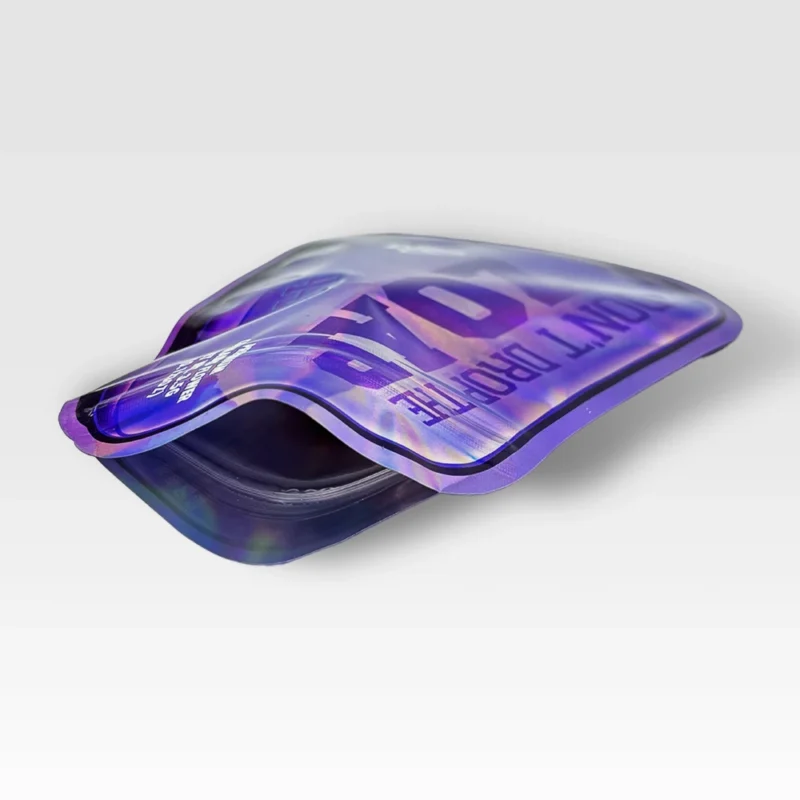
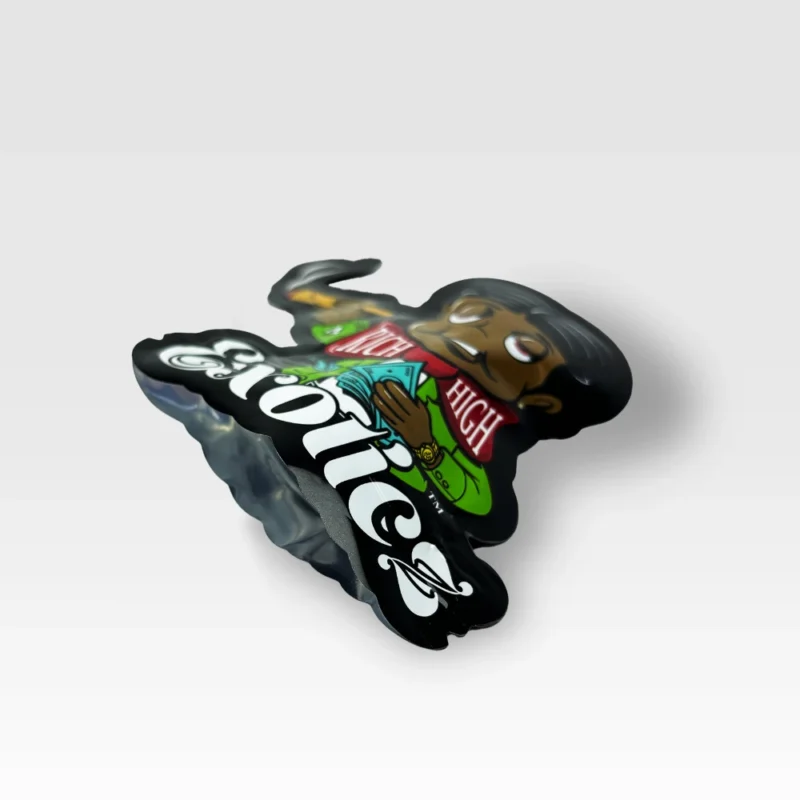
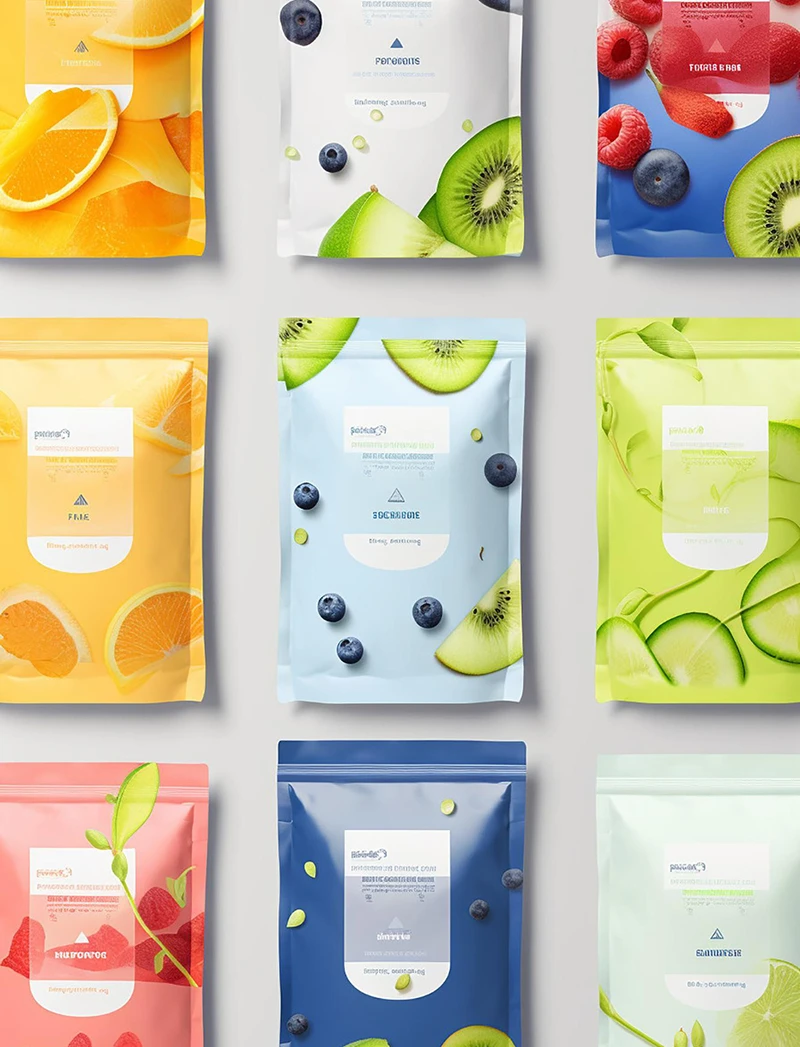
If your CR zipper pouch is not closed the right way, it can fail in real life, even if the material and printing are perfect.
To properly use a child-resistant (CR) zipper bag, I close it exactly as designed, confirm the lock is engaged, and support it with the right tamper-evident setup and labeling for the target state. Proper use is a repeatable routine, not a one-time action.
Before I talk about state rules, I always start with “how people actually use the pouch.” In cannabis packaging, the zipper is a safety feature only when customers can close it correctly every time. If the closing action is confusing, your risk goes up, and your returns usually follow.
Introduction: Why compliant cannabis packaging matters (and why “proper use” is part of compliance)
Small packaging mistakes feel harmless until they show up as complaints, failed inspections, or a rushed repack before a shipment.
A compliant pouch matters because cannabis packaging is regulated, safety-sensitive, and highly visible to consumers. “Proper use” is part of compliance because real-world handling can undermine a child-resistant design. I treat CR packaging as a system that includes the zipper, the pouch structure, and the way it is used after purchase.
What I mean by “proper use” (simple and repeatable)
I define proper use as a routine that works for your team and your customer, not just a lab. I keep the routine short and consistent.
A closing routine I recommend (works for most CR zipper designs)
- Align both zipper tracks from end to end.
- Press and slide along the zipper slowly, not just in the middle.
- Firmly press both ends, where small gaps often happen.
- Engage the lock feature (if the zipper has a secondary lock).
- Do a quick “open check” by pulling the top without unlocking.
| Step |
What can go wrong |
What I do to reduce risk |
| Align tracks |
One side misses the track |
Keep the mouth stiff enough to guide alignment |
| Press and slide |
Only the center gets sealed |
Train packout teams to seal edge-to-edge |
| End press |
Tiny gaps at corners |
Add a quick end-press checkpoint in QC |
| Lock action |
User skips the lock |
Make the lock action obvious and easy |
| Open check |
Hidden closure failure |
Add a simple “check before packing” rule |
What Does Child-Resistant Mean?
Many brands assume “child-resistant” means “child-proof.” That misunderstanding creates the wrong expectations and the wrong specs.
Child-resistant means the package is significantly difficult for children to open, while still usable for adults. Compliance is commonly tied to PPPA-style expectations and ASTM testing approaches, depending on the packaging system and local requirements. I do not treat CR as a label. I treat it as performance that must hold up in normal use.
CR is performance, not a feature name
A zipper can be called “CR,” but performance depends on the whole system: zipper mechanism, pouch stiffness, seals, and repeated opening and closing.
What I check when I review a CR zipper pouch spec
I always ask what the intended test method is, and I look at how the pouch supports consistent closure. If the pouch is too soft, customers struggle to align tracks. If the seal area is weak, the top can peel and bypass the zipper.
| CR concept |
What it really means |
Why it matters for buyers |
| Child-resistant |
Hard for kids, usable for adults |
Reduces safety and compliance risk |
| Not child-proof |
Not impossible to open |
Needs clear use guidance and good design |
| System behavior |
Zipper + pouch + seals + handling |
Prevents “works sometimes” outcomes |
Is There One Zipper That Works in All States?
It would be convenient if one certified zipper solved everything, but the U.S. market does not work that way.
No single zipper works everywhere as a universal shortcut. Even with a certified CR zipper, state-by-state rules can differ, and one solution may not meet every jurisdiction’s requirements. I plan for a strong baseline design, then I manage differences through labeling, tamper evidence, and state-specific rules.
Why states create friction even when the zipper is “CR”
Some states focus more on ongoing CR performance (especially for edibles). Others add strict symbol and warning requirements. Some limit child-attractive designs. Some add sustainability or material restrictions. Some also allow or require “exit bags” in specific retail workflows.
How I simplify multi-state decision-making
I build one core pouch system that is broadly compliant, then I control variability with a modular approach.
| Variable |
What can change by state |
How I keep it manageable |
| Product type |
Edibles vs flower vs concentrates |
Build specs by category, not one-size-fits-all |
| Ongoing performance |
Repeated open/close expectations |
Choose zippers that guide closure consistently |
| Labels and symbols |
THC marks, warnings, placement |
Use modular label templates |
| Child-attractive limits |
Fonts, colors, imagery, claims |
Apply a “safe design” rulebook |
| Exit bag rules |
Secondary packaging workflow |
Align retailer SOPs and packaging plan |
Common Requirements Across the U.S.
If I had to summarize most U.S. cannabis packaging requirements, I would describe a familiar baseline with a few common add-ons.
Across many states, shared baseline requirements often include child-resistant features, tamper-evident elements, and resealability. These are frequently paired with opaque or light-resistant structures, non-child-appealing design, and required warning labels or symbols. I treat these as a checklist because missing one item can cause a compliance problem even if the zipper is excellent.
A baseline checklist I use before we finalize a pouch
I like to confirm the “system” early, not at the last minute. This avoids costly artwork changes and repacking.
- CR closure performance expectation (and the test approach you are targeting)
- Tamper-evident plan (heat seal, tear notch, tear strip, or other TE method)
- Resealability expectation for the product form
- Opacity or light-resistance if required or recommended
- Label space for warnings, symbols, batch info, and barcode
- A design direction that avoids child-attractive cues
| Requirement bucket |
Typical expectation |
What I verify early |
| Child-resistant |
Hard for children to open |
Zipper behavior + pouch support |
| Tamper-evident |
First-open evidence |
Seal method + tear features |
| Resealable |
Multi-use access |
Zipper durability and usability |
| Opaque/light control |
Reduce visibility/light exposure |
Film structure and finish |
| Labeling |
Warnings and symbols |
Layout space and templates |
Why Cannabis Brands Should Care About CR Zipper Pouches
When compliance fails, the cost is rarely limited to packaging. It can affect operations, timelines, and licensing risk.
CR zipper pouches are a risk-reduction and compliance tool. Non-compliance can trigger fines, recalls, and licensing issues. On the other hand, a compliant, easy-to-use pouch can strengthen consumer trust and reduce customer complaints. I care about CR zipper pouches because they protect the brand on three levels: safety, regulation, and daily usability.
The real ROI is stability
I focus on outcomes that reduce disruption:
- fewer packaging complaints and returns
- fewer repack events due to labeling or TE mistakes
- smoother retailer and regulator conversations
- more consistent consumer experience
Where “proper use” becomes a brand issue
Customers do not separate “packaging design” from “brand quality.” If a consumer struggles to close the pouch, they blame the product. That is why I like closure routines that are simple, and I prefer structures that help the zipper align naturally.
| Brand risk |
How a well-designed CR pouch helps |
What I build around it |
| Safety complaints |
Reduces accidental access |
Clear closing routine + usability |
| Compliance exposure |
Meets baseline expectations |
TE + labeling system |
| Operational disruption |
Fewer reworks and delays |
SOPs and simple QC checks |
| Trust and reviews |
Better daily experience |
Consistent closure performance |
Conclusion
I use CR zipper pouches as a system: correct closing behavior, stable pouch structure, clear tamper evidence, and state-ready labeling that stays consistent in real use.
FAQ
1) How do I know the CR zipper is fully closed?
I align the tracks, press along the full zipper path, and firmly press both ends. Then I do a quick open-check without unlocking.
2) Does a CR zipper pouch replace tamper-evident packaging?
Not usually. Many programs still expect a tamper-evident feature, such as a heat seal and tear notch, to show first-open evidence.
3) Why do CR zipper bags “work for some people” but not others?
Most failures come from closure mistakes, weak end sealing, or a pouch structure that does not support consistent zipper engagement.
4) Are edibles packaging requirements stricter than flower?
Often, yes. Edibles can face stronger expectations for ongoing CR performance and additional labeling rules in many states.
5) Can one CR pouch setup cover every U.S. state?
Not perfectly. I build a strong baseline system and manage differences with labeling templates, SOPs, and retail workflow planning.
About Me
Brand: JINYI
Tagline: From Film to Finished—Done Right.
Website: https://jinyipackage.com/
I run JINYI as a one-stop flexible packaging factory. I focus on reliable specs, stable production, and clear timelines, so brands can scale with less uncertainty.