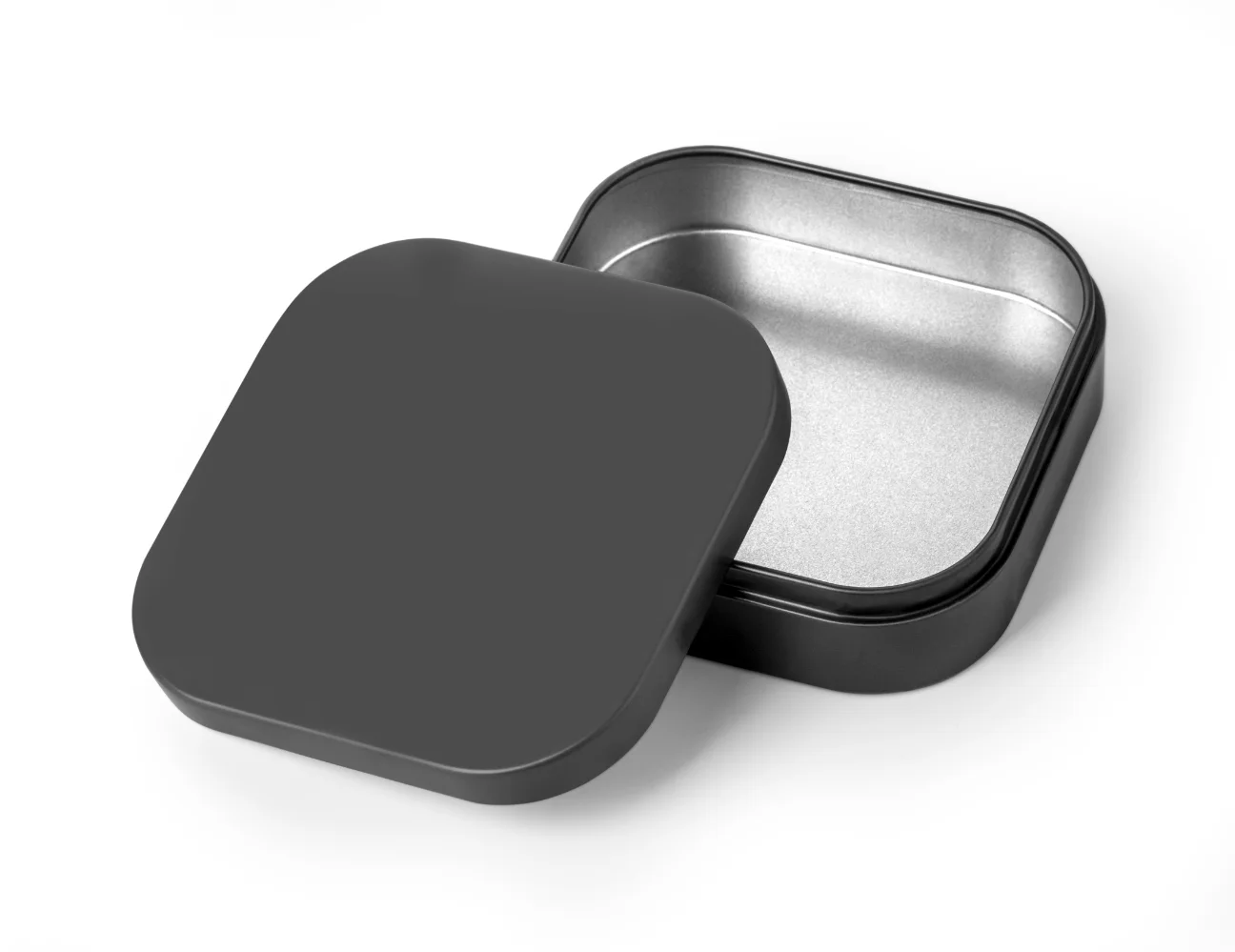
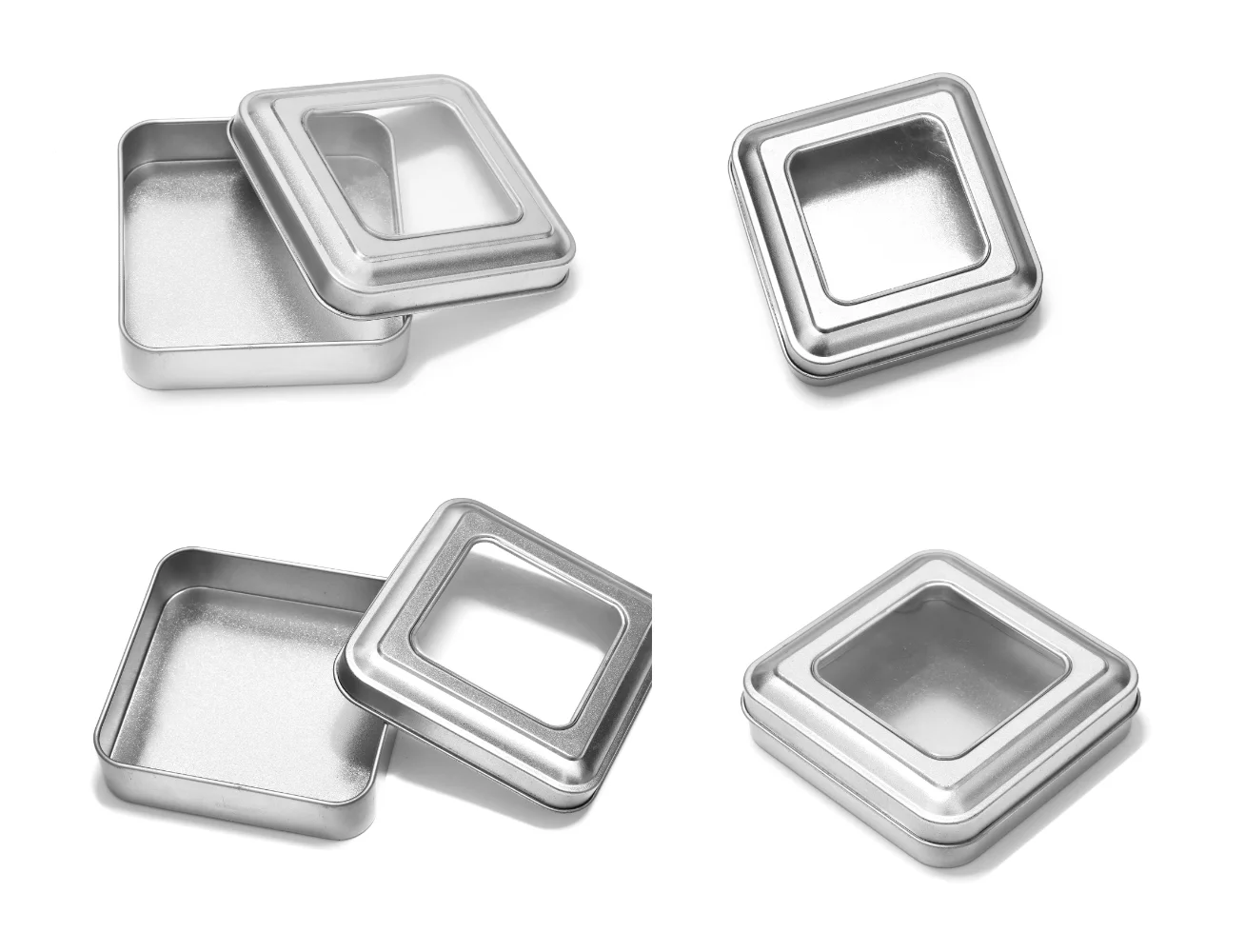
Returns spike when tins arrive dented, rattling, or scuffed like they were pre-owned. That damage often starts long before the customer opens the box.
To spec a cannabis tin that survives drop, vibration, and shelf handling, I start with route stress and then lock down lid engagement, rim geometry, and insert control. I validate dent risk, micro-rattle, and wear visibility with simple drop/vibration/compression checks before a full run.
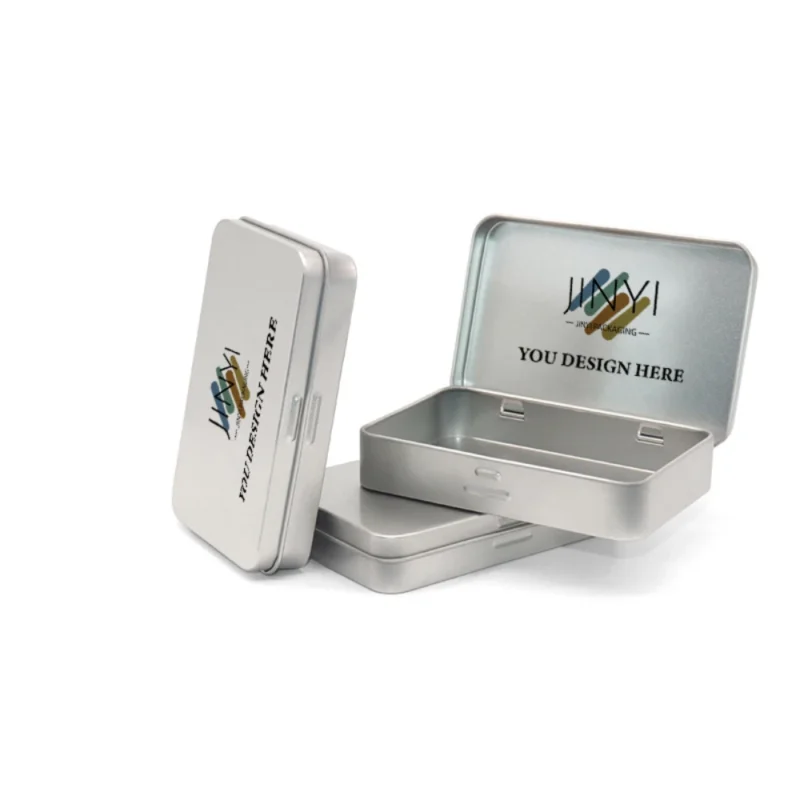
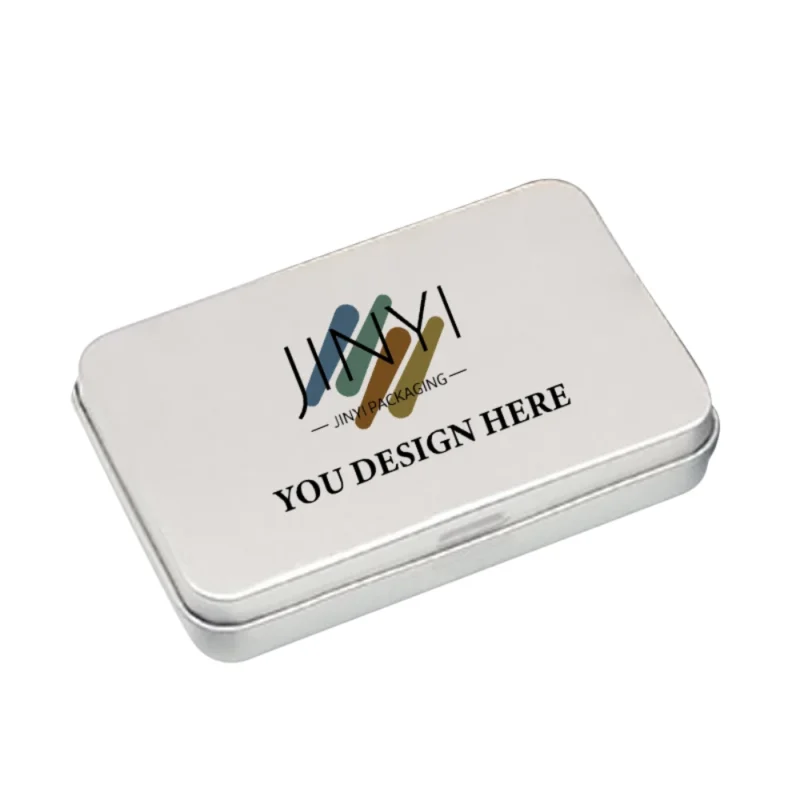
See the custom tin box options I quote most often when brands need fewer “looks used” complaints.

When I troubleshoot tin packaging, I do not start with “thicker metal.” I start with how the box gets abused in real channels. A tin can be strong and still fail on perception. One visible dent can trigger a refund. One small rattle can make a premium product feel cheap. So I spec tins like a system: route stress + lid fit + insert + surfaces + validation.

Start With Route Stress: What Actually Happens in Drop + Vibration + Shelf Handling?
When tins fail in-market, the damage rarely comes from one big event. It comes from small hits that stack up across the route.
The spec that survives is the one built for your worst path: single-unit e-commerce drops versus bulk store replenishment. Those routes create different mixes of compression, drop, vibration, and thermal cycling, and they produce different complaints.
How I map “route stress” before I write a spec
I treat route stress as an exposure problem. A tin sees repeated low-to-medium energy inputs, not just one catastrophic drop. In parcel shipping, a tin gets corner hits and face impacts, then it rides vibration that turns any loose internal fit into noise. In retail replenishment, the damage shifts toward compression and shelf handling. Staff slide tins, stack them, wipe them, and rotate them. That creates abrasion patterns on the lid and bottom corners. Thermal cycling matters too. Even small temperature swings can change how coatings feel and how inserts behave, which changes perceived quality. This is why I do not spec tins from a beauty shot. I spec from the route: what gets stacked, what gets dropped, what gets rubbed, and what gets shaken. If a brand sells in both channels, I spec for the harsher route and then tune the “presentation layer” so the tin still looks clean after handling. The goal is not perfection. The goal is to reduce risk, predict complaints, and validate the weak points before I scale.
| Stress type |
Where it shows up |
Common complaint |
Spec lever I adjust first |
| Drop |
Parcel sort, doorstep, unboxing |
Dents, lid misalignment, “won’t close” |
Lid engagement + rim geometry + corner protection |
| Vibration |
Truck transit, last-mile |
Micro-rattle, scuff from internal movement |
Insert constraint + COF control at contact points |
| Compression |
Master cartons, pallets, backroom stacking |
Panel deformation, cosmetic warping |
Body geometry + stacking allowance + carton pack-out |
| Shelf handling |
Stocking, wiping, sliding, shopper touch |
“Looks used,” scratches, dull spots |
Graphics layout + surface finish strategy |
Fit First: Lid Engagement, Rim Geometry, and Why “Tight” Can Still Fail
A lid can feel tight in your hand and still fail in transit. “Tight” is not a spec. Engagement and geometry are.
I look for repeatable closure behavior: a stable engagement depth, a consistent rim profile, and a seal window that tolerates small dents without turning into a loose fit.
What I measure when the lid “feels fine” but complaints still happen
I break lid fit into three parts: engagement, rim geometry, and tolerance window. Engagement is how much of the lid actually holds onto the body, not how hard it is to open once. Rim geometry is the shape of the rolled edge and the contact surfaces that share load during a drop. When a tin hits a corner, the body can ovalize slightly. That momentary shape change is what triggers micro-open behavior. The lid can “pop” and re-seat, but the customer still feels the looseness. In vibration, the same imperfect contact turns into noise. That is why I avoid one-point contact designs that rely on friction alone. I prefer consistent contact distribution and a controlled engagement depth that can survive minor deformation. I also define acceptance by behavior: does the lid re-seat cleanly after impact, and does it maintain the same opening force range? If a tin passes drop but the opening feel changes, I still treat it as a risk. Perception is part of performance in cannabis packaging.
| Spec element |
What it controls |
Failure sign |
How I validate fast |
| Lid engagement depth |
Resistance to pop-open and looseness |
Lid shifts after a corner drop |
Drop on corner/edge, then measure opening feel change |
| Rim geometry |
Load sharing during impact |
Local dents create permanent looseness |
Inspect rim contact marks and symmetry after impact |
| Tolerance window |
Consistency across production and filling |
Some units rattle, some bind |
Sample across lots; check variance, not just one unit |

The Hidden Failure Modes: Dents, Oil Scuff, Micro-Rattle, and “Looks Used” Complaints
Most tin “failures” are not functional breakage. They are visible and tactile problems that trigger refunds.
I spec tins to reduce complaint triggers: dent visibility, scuffing from oils or adhesives, micro-rattle under vibration, and surface wear that reads as used.
How I translate complaint language into spec decisions
When a customer says “looks used,” I assume two things happened: abrasion became visible and touch points changed. Dents are obvious, but oil scuff is sneaky. If an edible or concentrate has oil residue, or if a label adhesive migrates, the tin can start to attract dust and show wipe marks. That is a perception failure, not just a cleaning issue. Micro-rattle is the other silent killer. A tin can arrive intact, but if the product shifts inside, the sound signals low quality. Vibration makes it worse because repeated micro-movement creates internal scuffing and wear. I treat these as design failures, not customer behavior. I control them with insert constraint, contact COF management at the right points, and surface strategy that hides wear in high-touch zones. I also set acceptance criteria around what the customer notices: noise, visible scuffs on the lid, and corner wear on the base. If I can predict those complaints, I can reduce them before launch.
| Failure mode |
Typical root cause |
What I change first |
What I test |
| Dents |
Corner impacts + thin local support |
Geometry + pack-out protection |
Corner/edge drops + post-drop closure feel |
| Oil scuff / contamination |
Residue + wipe marks + dust attraction |
Insert isolation + surface plan |
Rub/wipe cycles with realistic residue exposure |
| Micro-rattle |
Internal free play under vibration |
Insert constraint points |
Vibration + shake test + listen for high-frequency noise |
| “Looks used” wear |
High-touch abrasion zones |
Graphics layout + finish strategy |
Handling abrasion simulation and visual grading |
Inside the Tin: Insert/Tray Design That Stops Impact and Noise Without Overpacking
A tin is only as good as its insert system. A hard shell with a loose interior still fails in vibration and shelf handling.
I design inserts to stop movement, manage impact, and prevent abrasion. That is how I reduce rattle and scuff without adding bulky overpackaging.
My insert logic: constraint, cushioning, and controlled contact
I start with movement. I do not want the product to build momentum inside the tin. So I define constraint points that lock the item in place without making loading painful. For pre-rolls, I prefer discrete pockets that prevent side-to-side motion and stop tips from rubbing the lid. For edibles, I look at stack stability and corner support so the inner pack does not hammer the tin walls. For accessories, I focus on preventing hard-on-hard contact that creates internal scratches. Next is impact management. I do not rely on “soft equals safe.” I want controlled compression that spreads force, not a foam that lets the item bounce. Finally, I manage abrasion. I treat COF like a design tool. High friction in the wrong place creates scuff. Low friction everywhere creates movement. I choose where the insert grips and where it allows slip. That balance is what prevents micro-rattle and protects the presentation layer.
| Insert goal |
What it prevents |
Design move I use |
Quick validation |
| Stop movement |
Micro-rattle and internal scuff |
Defined constraint points and pockets |
Vibration test with audio check |
| Manage impact |
Dent transfer and product damage |
Load paths that distribute force |
Drop on corner/edge with post-open inspection |
| Prevent abrasion |
“Looks used” inside and out |
Controlled contact surfaces and dust control |
Shake + rub cycles, then visual grading |
Surface & Graphics: How to Reduce Scratch Visibility and Shelf Wear (Without Overpromising)
Scratches will happen. The smarter move is to make scratches less visible where handling is highest.
I plan graphics and surface choices around wear zones: edges, lid center, and bottom corners. That is how I protect shelf presence without claiming perfection.
How I design for wear perception, not fantasy durability
I assume every tin will be touched, slid, and wiped. So I map the high-friction areas and I design around them. Lid centers get the most visual attention, so I avoid large, flat, high-contrast fields that show micro-scratches instantly. Edges and bottom corners take the most abrasion, so I avoid critical brand marks right on the corners. I also plan how scuffs read under store lighting. Shelf handling is not just contact. It is light reflection. A minor scratch can pop under bright retail LEDs. This is why I treat finish strategy and layout as part of performance. I also keep my claims realistic. I do not promise “scratch-proof.” I promise I can reduce visibility, predict where wear will show, and validate appearance after simulated handling. If a brand needs pristine appearance at delivery, I also consider secondary protection in pack-out, because the surface can only do so much against route stress.
| Wear zone |
What customers notice |
Design strategy |
What I check |
| Lid center |
Micro-scratches under light |
Avoid big flat fields; place detail to break reflection |
Light-angle inspection after rub cycles |
| Edges/corners |
Chips/scuffs read as “used” |
Keep critical marks away from corners |
Corner wear grading after handling |
| Bottom corners |
Scuff rings from sliding |
Plan for contact; tune pack-out and storage |
Shelf slide simulation |
A Practical Spec Checklist to Send for Quoting + Validation Tests Before a Full Run
If you want consistent results, you need a spec that a factory can execute and a buyer can verify.
I send a checklist that covers dimensions, tolerances, lid behavior, insert control, appearance acceptance, and route-stress validation. That prevents surprises in the first large batch.
The checklist I use to reduce risk and speed up quoting
I keep my checklist practical. I define the product fit and the internal constraints first, because that drives rattle risk and scuff risk. Then I lock lid engagement and rim geometry expectations as measurable behavior. I also define what “acceptable wear” means after testing. Many teams skip that step and then argue later. My validation plan is simple: drop, vibration, compression, and handling abrasion. I do not need a lab to learn a lot. I need consistency and clear pass/fail language. I also ask for samples across production, not one hero sample. A tin that passes once can still fail when tolerance shifts in a larger run. This is where I tie in total cost per batch. If a brand has to rework inserts, re-label tins, or replace scuffed units, the true cost per run jumps fast. A clean spec protects both quality and timeline.
| Spec item |
Why it matters |
What I request |
Validation test |
| Internal fit + insert constraint |
Controls rattle and abrasion |
Target clearance and constraint points |
Vibration + audio check + post-test inspection |
| Lid engagement behavior |
Prevents micro-open and looseness |
Opening force range and re-seat behavior |
Corner/edge drop + re-check opening feel |
| Appearance acceptance |
Manages “looks used” risk |
Wear grading standard after handling |
Rub/wipe cycles + shelf slide simulation |
| Pack-out plan |
Reduces dent transfer and scuff |
Carton orientation, dividers, stacking limits |
Compression test + transit simulation |
If you want my quoting checklist template, I use it with these custom tin box builds to cut down rework and back-and-forth.
When a Tin Box Is the Wrong Choice (and What I Switch To Instead)
Some routes punish tins. If your channel is high-drop and high-vibration and you need pristine appearance, tins can be stressful.
I switch when total cost per run rises from rework, cosmetic rejects, and customer complaints. In those cases, I change the structure or add smarter protection instead of forcing a tin to do everything.

My decision rule: protect brand perception and reduce complaint risk
I like tins when the brand needs a premium feel and the route is manageable. But I do not force a tin when the channel is brutal. If you ship single units with minimal outer protection, dents and scuffs become a frequent tax. If your product is oily or dusty, contamination and wipe marks become a constant problem. If the insert cannot fully control movement, vibration will create micro-rattle and internal scuff. In those cases, I consider alternatives that reduce perception risk. Sometimes the answer is not “new material.” Sometimes it is a better pack-out, a protective sleeve, or a structure that hides wear better. My metric is simple: can I predict the top complaint and eliminate it with reasonable changes? If I cannot, I switch. That keeps the total cost per batch stable and protects the brand in the real world, not just in a photoshoot.
| When tins struggle |
What happens |
What I do instead |
Why it works |
| High-drop parcel routes |
Dent-driven returns |
Adjust structure + add targeted outer protection |
Reduces corner impact transfer |
| Oil/dust exposure |
Scuff and wipe-mark complaints |
Improve isolation with insert + handling strategy |
Reduces contamination-driven wear |
| Uncontrolled internal movement |
Micro-rattle and internal scuff |
Redesign insert constraint points |
Stops motion that becomes noise |
Conclusion
A tin survives the route when I spec the system: route stress, lid engagement, insert control, and validated wear acceptance.
Get a tin spec checklist for your next run
FAQ
What is the fastest way to reduce dent-related returns for cannabis tins?
I start with corner-impact risk. I tighten the lid engagement behavior, improve pack-out protection at corners, and validate with corner/edge drops plus a post-drop closure-feel check.
Why does a tin rattle even if it closes tightly?
A tight lid does not control internal free play. Vibration turns small clearance into micro-rattle. I fix it by adding constraint points in the insert and managing contact COF where gripping is needed.
What causes “looks used” complaints on tin packaging?
Most cases come from visible abrasion in high-touch zones, plus wipe marks from oil or adhesive contamination. I design graphics and surfaces to reduce scratch visibility and isolate residue sources with the insert system.
Should I focus on metal thickness to make tins survive shipping?
I treat thickness as one lever, not the answer. Geometry, lid engagement, insert constraint, and pack-out usually change outcomes faster because they control how impact and vibration energy is transmitted.
What tests should I run before committing to a full batch?
I run drop (corner/edge/face), vibration, compression, and handling abrasion. I grade both function and perception: dent visibility, lid feel consistency, noise, and wear visibility under realistic lighting.
About Me
Jinyi — From Film to Finished—Done Right.
Website: https://jinyipackage.com/
Our mission: I run a source factory for flexible packaging. I deliver packaging plans that are reliable, usable, and practical. I focus on stable quality, clear lead times, and structures that match how products move through real channels.
About me: I work on custom packaging solutions across food, snacks, pet food, and personal care. I supply stand-up pouches, zipper bags, foil laminate bags, boxes, cups, labels, and more. I position JINYI as a one-stop factory from materials to finished packs, and I care most about control and consistency so reorders stay stable.