This content is for packaging education. We do not sell any regulated products.
I see many brands choose packaging by image first, then pay for the mismatch later.
I do not treat Mylar bags, tin boxes, and rigid boxes as packaging upgrade levels. I choose them by product risk, retail path, compliance needs, shipping pressure, and how the user will open, carry, store, and reuse the pack.

If you are comparing cannabis package formats and want a structure that fits real retail and shipping conditions, start with the format decision first.
In real packaging work, the wrong comparison usually starts when people ask which format looks more premium. I start somewhere else. I ask what the product needs the pack to do under real pressure.
Why Do Buyers So Often Compare Mylar Bags, Tin Boxes, and Rigid Boxes in the Wrong Way?
Many buyers compare by price and appearance first. That is where the mistake usually starts.
I usually see the wrong comparison when people rank formats by status, not by job.
What I check before I compare formats
I do not start with “Which one feels premium?” I start with “What must this pack do well every day?” A soft pouch, a tin, and a rigid box solve different problems. A rigid box may look expensive, but that does not mean it protects aroma, saves freight, or supports repeat use better. A tin may feel solid, but that does not mean it replaces a real sealing system. A pouch may look simple, but it can handle barrier, smell control, light weight, and shipping efficiency very well. From a production standpoint, this matters because a wrong format creates extra parts, harder assembly, and more cost before the product even reaches the shelf. I care more about product type, channel, compliance space, and consumer use cycle than surface impression. To me, packaging is not a beauty contest. It is a working system.
| Buyer shortcut |
What I actually check |
| Looks premium |
Real protection job |
| Costs more |
Total system efficiency |
| Feels stronger |
Failure risk in market |
When Does a Mylar Bag Fit the Product Better Than a Tin Box or Rigid Box?
Many people still treat the pouch as the budget option. I usually do not.
If I need barrier, smell control, light weight, and repeat use together, I often start with a pouch.
Why I often start with a pouch
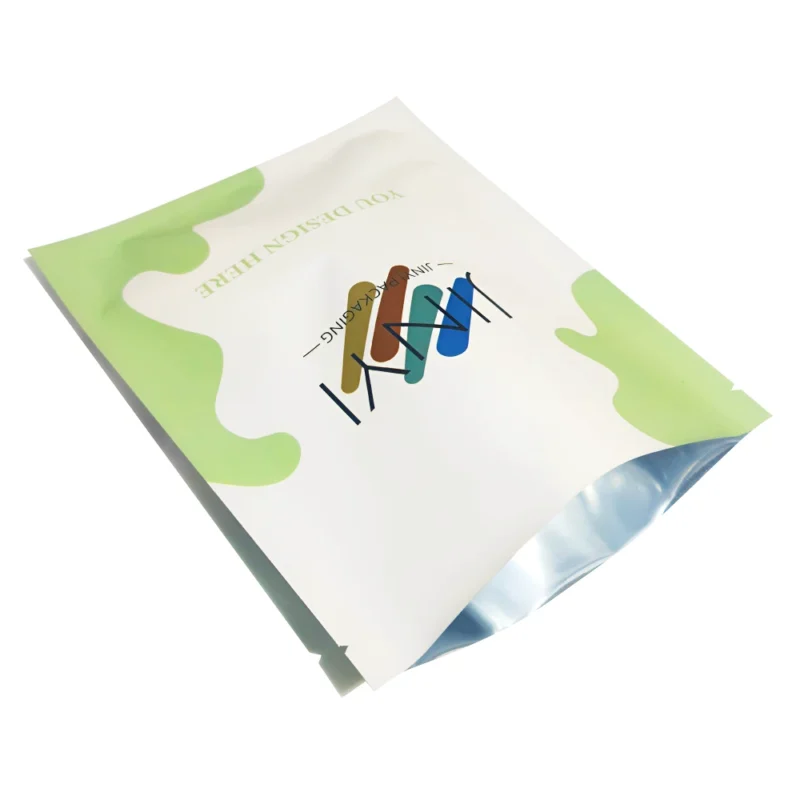
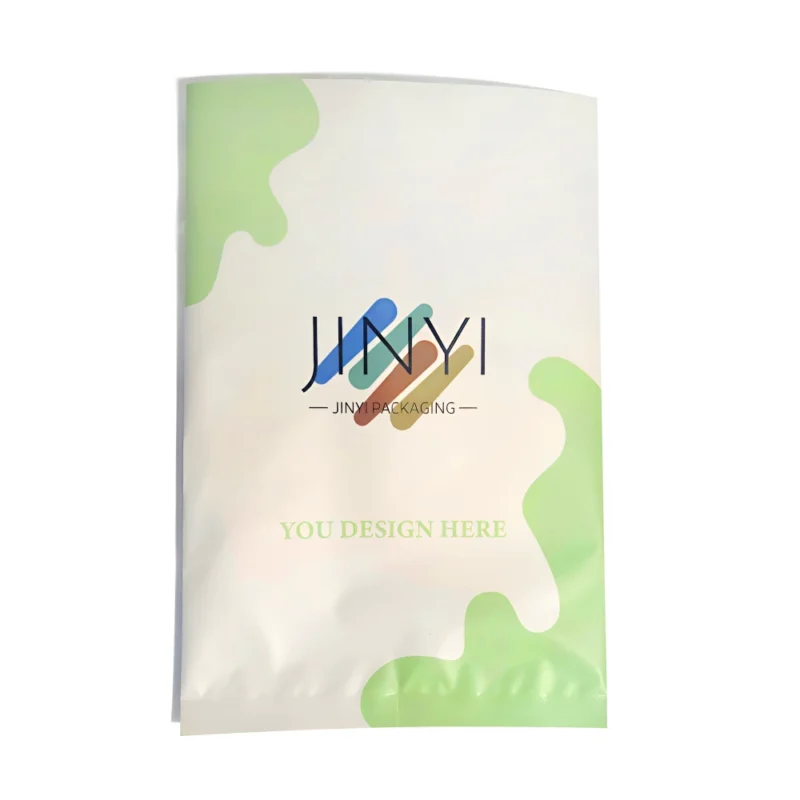
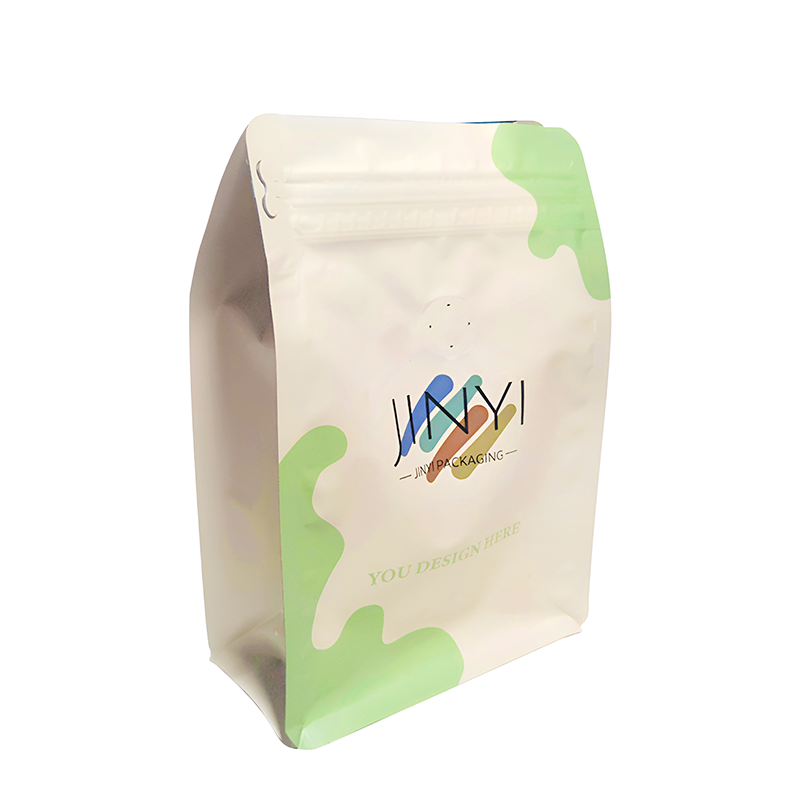
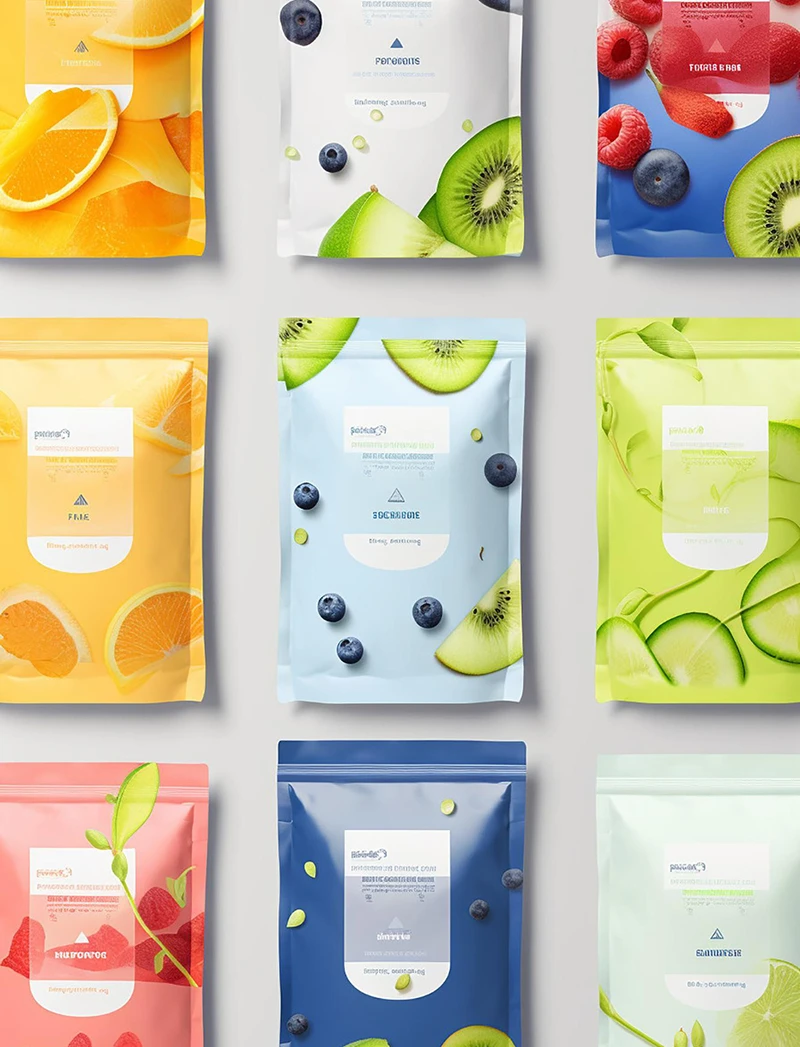
In many cannabis projects, a Mylar bag is the most balanced answer, not the cheap fallback. I can build strong function into one format: zipper, easy tear, child-resistant option, hang hole, clear window, good print area, and efficient shipping. For flower, gummies, and many small retail packs, that matters a lot. I also like the pouch when brands run many SKUs and need flexibility without blowing up freight and storage cost. In real manufacturing, this detail often determines whether the package works at scale or only looks good in a sample photo. A pouch also uses space well in master cartons and in e-commerce. I would not call that low end. I would call it efficient engineering. When the product needs daily convenience and the business needs cost discipline, the pouch often gives me the cleanest total answer.
| Use case |
Why pouch fits |
| Multi-SKU retail |
Flexible and efficient |
| E-commerce |
Lower weight and cube |
| Repeat opening |
Zipper works well |
When Does a Tin Box Solve Problems That a Mylar Bag Cannot?
A tin is not better because it is metal. It is better when the product needs another kind of protection.
I look at tin when crush resistance, tactile feel, and reusable form matter more than shipping efficiency.
Why I use tin for a different job
A tin box helps when I need more physical protection and a stronger “keep me” experience. I see this more often with pre-rolls, mints, and compact premium items that can be bent, crushed, or deformed too easily in a pouch alone. The rigid shell changes the hand feel and storage feel right away. It also gives the brand a stronger memory point. But I do not automatically trust tin as the main barrier system. That is the real engineering correction here. Tin can improve crush resistance and premium feel, but aroma protection and tamper control often still need an inner bag, seal, tray, or liner. From our daily packaging work, we see that brands sometimes over-credit the tin and under-design the inside. I do not do that. I treat tin as outer protection plus user experience, not as magic packaging.
| Where tin helps |
What it does not replace |
| Crush resistance |
Inner seal system |
| Reusable feel |
Barrier design |
| Brand memory |
Compliance planning |
If your current pack looks premium but still struggles with smell, shipping, or repeat-use convenience, the problem is usually format fit, not just artwork.
When Is a Rigid Box the Right Choice—and When Is It Just Extra Cost?
Rigid boxes impress fast. They also create extra cost fast when the project does not need them.
I choose rigid boxes for gifting, launch kits, and display-led selling, not for every daily retail item.
Why I stay careful with rigid boxes
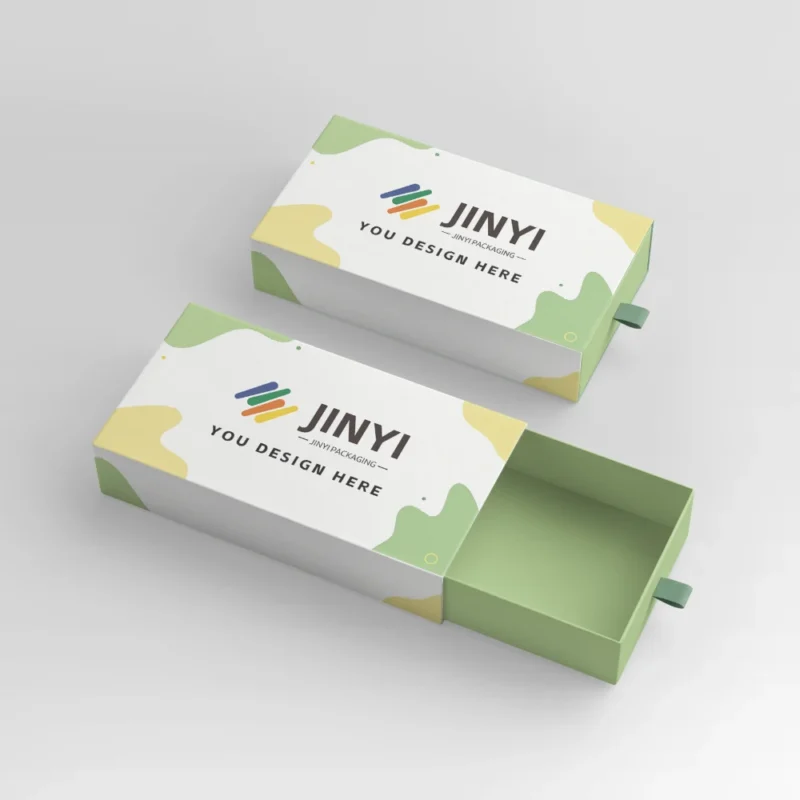
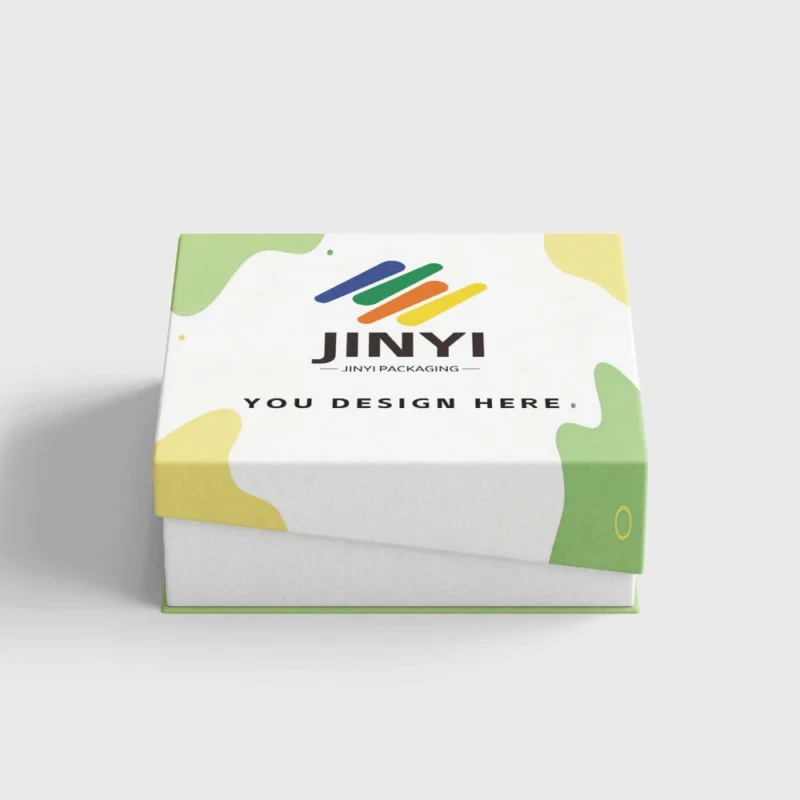
A rigid box works when the main job is presentation. I see that in PR kits, holiday drops, premium gift sets, and launch boxes where the opening ritual is part of the product story. In that case, the box is doing real work. It builds expectation and supports display. But I do not confuse that with core pack function. A rigid box usually brings more components: tray, card, insert, label, inner pouch, maybe magnets or ribbon. Every added part affects assembly time, freight cube, warehouse space, and damage risk in transit. From a production standpoint, this matters because complexity is never free. If the product is a fast-turn retail item or a daily-use pack, a rigid box often becomes packaging overhead. I only use it when the commercial model can justify the added structure and when the user actually values the experience enough to pay for it.
| Good fit |
Poor fit |
| Gift and launch sets |
Fast daily retail |
| Strong display story |
Compact shipping focus |
| Higher price position |
Tight cost target |
What Changes the Answer Most: Product Type, Compliance, Shelf Display, or Consumer Use?
Formats do not change because designers change mood. They change because the working conditions change.
The right answer moves when the product, compliance load, retail path, or user behavior changes.
Why the same category still gets different answers
I never assume that all cannabis products should share one package format. Flower, pre-rolls, gummies, and accessories do not fail in the same way. Then compliance changes the structure again. Child-resistant features, tamper evidence, and label space can push the format in a new direction very quickly. Shelf style matters too. A hanging pouch, a countertop tin, and a boxed gift unit are built for different selling moments. Then consumer use changes everything again. Will the user open it once or many times? Carry it in a pocket? Keep it on a desk? Save it at home? In real manufacturing, this detail often determines whether the format feels right after purchase, not just before purchase. I do not choose format by style first. I choose it by how the product lives in the market and how the user lives with it after the sale.
| Variable |
Why it changes the format |
| Product type |
Different failure modes |
| Compliance |
Changes structure and space |
| Retail path |
Changes display priority |
| User behavior |
Changes convenience needs |
How I Usually Make the Final Packaging Format Decision in Real Cannabis Projects?
I do not finish with mood boards. I finish with a clear packaging job and a short list of risks.
I define the job, find the first likely failure, remove bad-fit formats, and then balance cost with market position.
My normal decision path
I usually make the final call in four steps. First, I define the real job of the pack. Is it barrier, smell control, crush protection, gifting, shelf impact, or repeat-use convenience? Second, I check what fails first. That may be aroma loss, product breakage, label crowding, poor opening feel, or shipping inefficiency. Third, I remove the formats that fight the job. I do not force a rigid box into a speed-driven retail item, and I do not expect a bare tin to do the full sealing job alone. Fourth, I balance cost, assembly, freight, market position, and user interaction. From our daily packaging work, we see that the best choice is usually the one that solves the biggest problem with the least structural waste. To me, that is what good packaging judgment looks like in a real project.
| Step |
My focus |
| 1 |
Define the pack job |
| 2 |
Check first failure risk |
| 3 |
Remove bad-fit formats |
| 4 |
Balance cost and position |
Conclusion
To me, the right cannabis package is not the most premium-looking one. It is the one that protects the product, fits the retail path, supports compliance, and still makes commercial sense. Talk to us if you want help narrowing the format fast.
This content is for packaging education. We do not sell any regulated products.
About Us
At JINYI, I work with a team focused on custom flexible packaging. Our brand slogan is From Film to Finished—Done Right. We have 15+ years of production experience, with gravure lines and HP digital printing to support both larger runs and flexible smaller orders. I always treat packaging as more than decoration. I care about how it performs in transit, on shelf, and in the customer’s hand. That is the standard behind our work. Website: https://jinyipackage.com/.
FAQ
Is a Mylar bag always the lowest-end cannabis packaging option?
No. I often see it as the most balanced option when barrier, shipping efficiency, and repeat-use convenience all matter.
Does a tin box replace the need for an inner sealing system?
No. I usually still review the inner bag, liner, or tamper system because the tin alone is not the full barrier answer.
When do I usually choose a rigid box?
I choose it when gifting, display, and launch experience are central to the sale and the added structure has real commercial value.
Can similar cannabis products still need different package formats?
Yes. Product type, compliance load, retail path, and consumer use can change the best answer very quickly.
What do I check first before choosing the format?
I define the real job of the pack first, then I look for the first likely failure point in production, shipping, shelf display, or user handling.