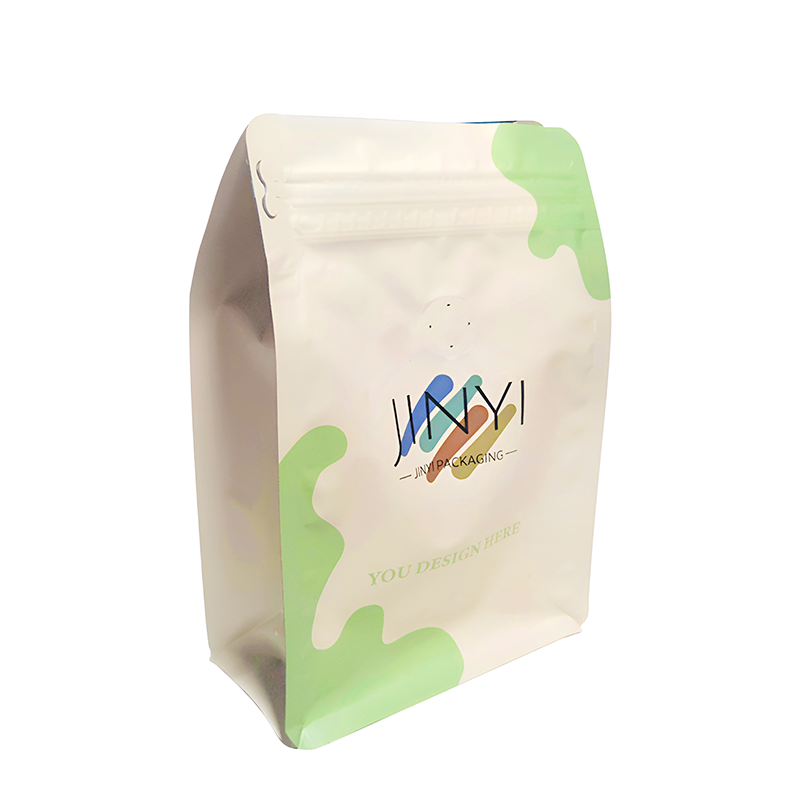
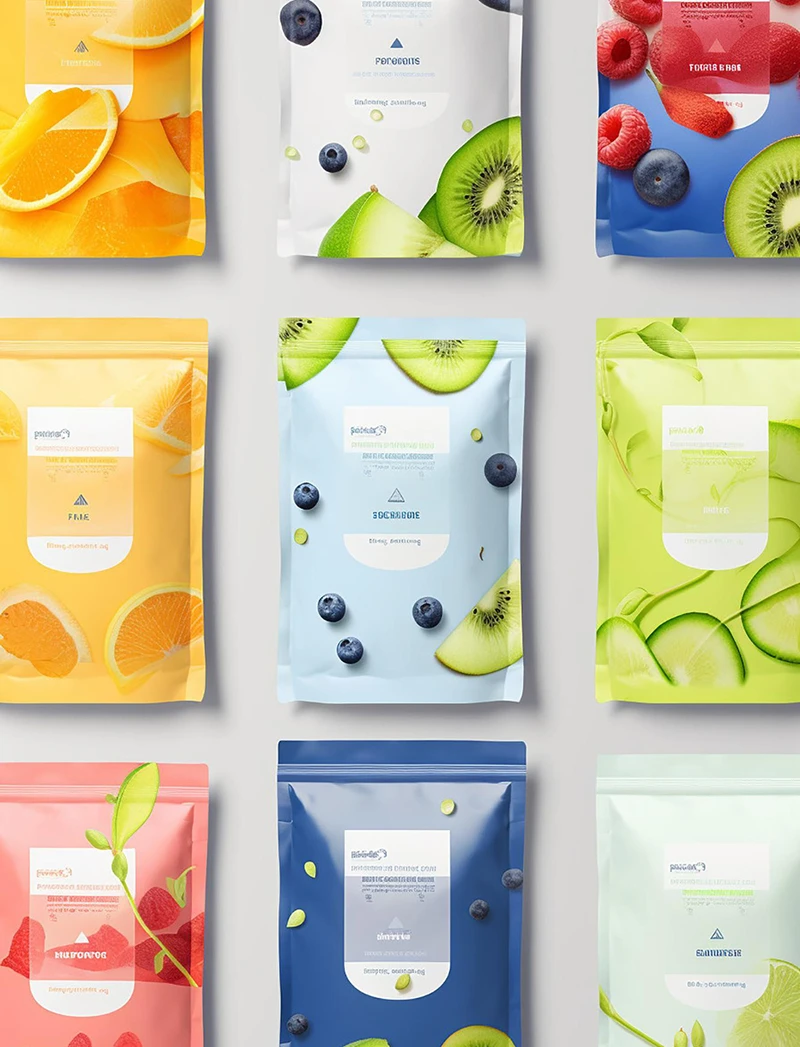
JINYI shares practical packaging guidance for your decisions.
This content is for packaging education. We do not sell any regulated products.
A pouch can sound smell-proof and still fail after the first real opening.
The spec that matters most is not one barrier claim alone. What matters is whether barrier, closure, top-area design, and repeat use still work together after opening.

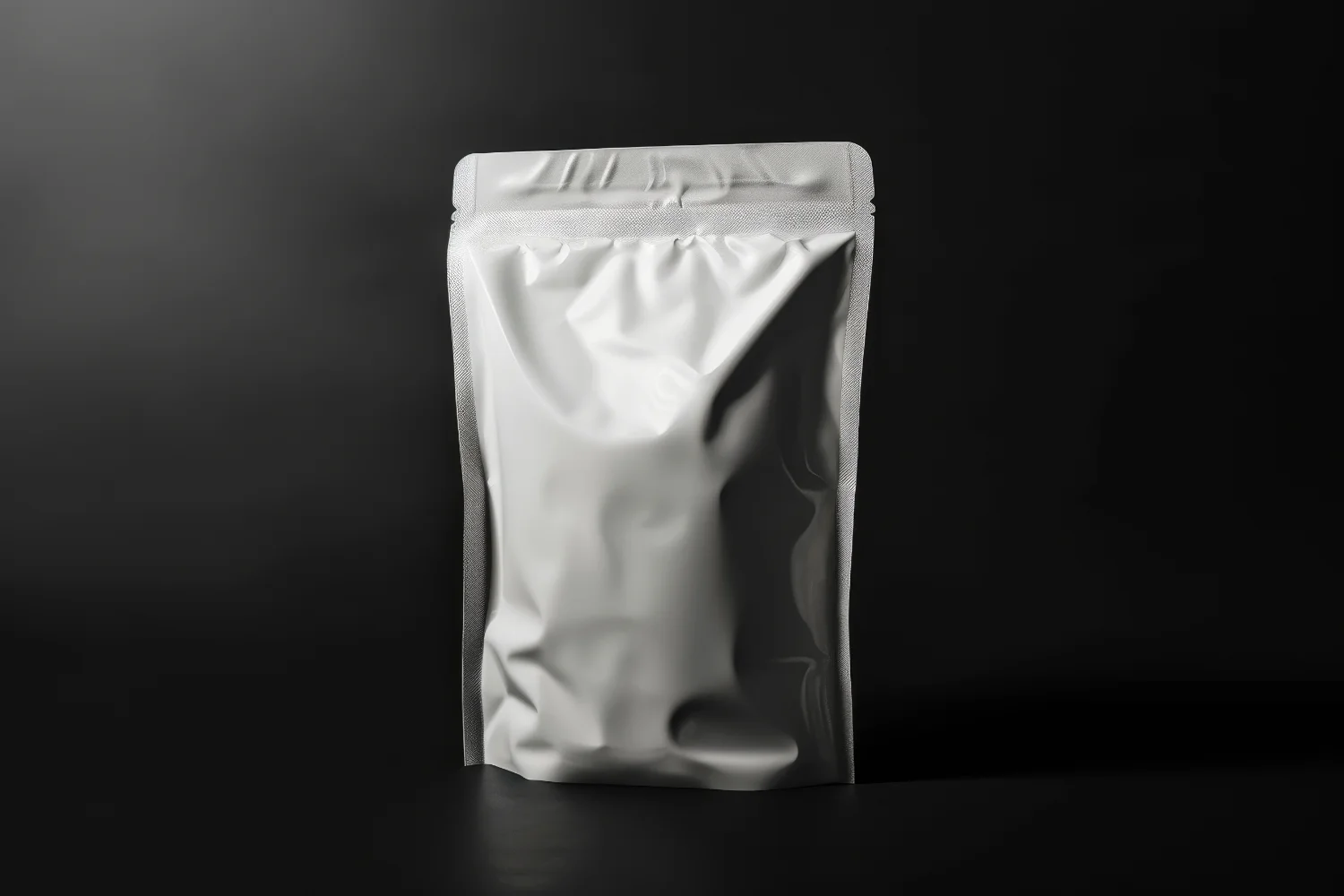
When I review an odor-control request, I do not start with a slogan. I start with where odor risk actually appears. Some products mainly need unopened-pack control. Some become much harder after the first opening. Some fail in the film. Many fail at the zipper and top seal area. That is why I do not reduce smell-proof to one line in a spec sheet. I treat it like a full pouch system.
If you are still choosing a smell-proof pouch by claim language alone, I would check the full closure system before you lock the wrong structure.
Why Do Buyers So Often Treat “Smell-Proof” as a Simple Packaging Claim?
Many buyers hear “smell-proof” and think they can buy one feature. I treat it as a full performance system.
Smell-proof is not a label decision first. It is a performance-system decision.
Why the claim sounds easier than the real job
I see this mistake often. A buyer says they need a smell-proof cannabis pouch, and the next move is usually “let’s use stronger barrier.” I do not work in that order. I want to know whether the odor risk is mainly in shipping, on shelf, or after several openings in daily use. A pouch can leave the factory in good condition and still lose odor control quickly if the zipper is weak, the top area gets contaminated, or the reclose path becomes unreliable after handling. From a production standpoint, this matters because odor control is never created by one sentence or one layer alone. It comes from how the pouch body, zipper, top seal, and user behavior support one another. In real manufacturing, this detail often determines whether a pouch stays trustworthy after real use begins or only sounds impressive in a quotation sheet.
| What buyers often ask for |
What I still need to know |
| A smell-proof pouch |
Where does odor risk really appear? |
| A stronger material |
Is the real weakness barrier, closure, or use pattern? |
What Do I Check First Before I Talk About a Smell-Proof Spec?
I do not begin with thickness or a barrier claim. I begin with product type, odor behavior, and how long the pouch must still work after opening.
I first judge where odor risk appears. Then I judge the smell-proof spec.
Why product form changes the first answer fast
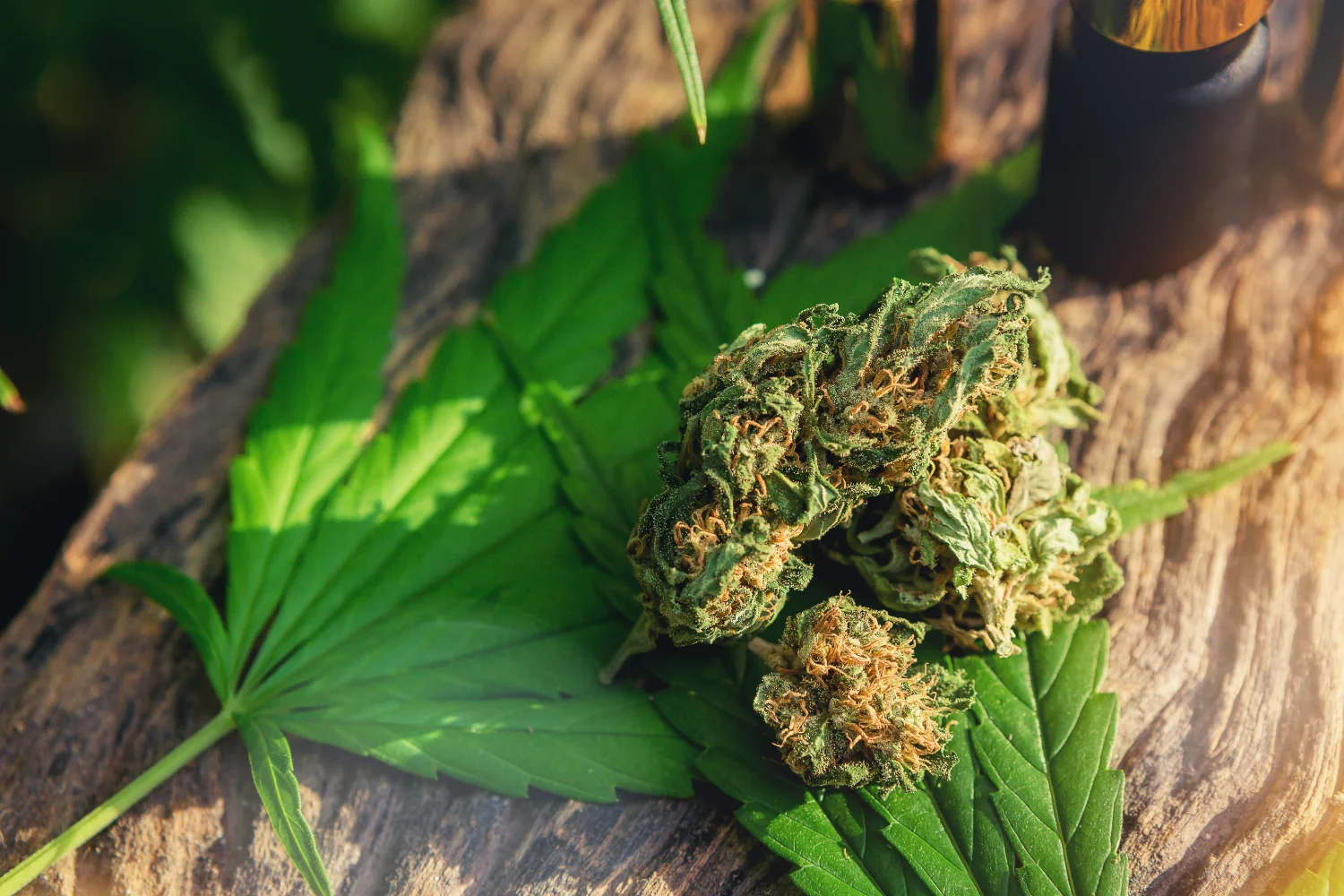
My first questions are simple, but they change the whole answer. Is the product flower, edible, gummy, or pre-roll related? When is the odor strongest? Is the pouch used for short use or frequent repeat use? Is the project more about retail display, discreet carry, or longer storage after opening? These questions matter because flower, gummies, edibles, and pre-roll formats do not create the same odor path or the same closure stress. Some projects mainly need unopened-pack control. Some become much harder once the pouch is opened several times. Some create residue near the zipper. Some do not. From our daily packaging work, we see that buyers often assume all cannabis pouches need the same odor-control answer. I do not accept that shortcut. I want to know what the product does, how the user handles it, and how long the pouch must remain reliable after the first opening.
| My first check |
Why it changes the answer |
| Product type |
Different products create different odor paths |
| Repeat-use pattern |
It changes how long the closure must stay reliable |
| Carry and storage logic |
It changes the pressure the pouch faces after sale |
If your product still sits between shelf display, discreet carry, and repeat storage, I would solve that first before pushing a “smell-proof” claim.
Why Is Barrier Alone Not Enough for a Truly Smell-Proof Pouch?
Many buyers reduce odor control to barrier. I do not. A pouch can use strong film and still fail after real use begins.
A smell-proof pouch is not built by barrier alone. It is built by barrier plus closure performance.
Why zipper, reclose logic, and daily use keep changing the result
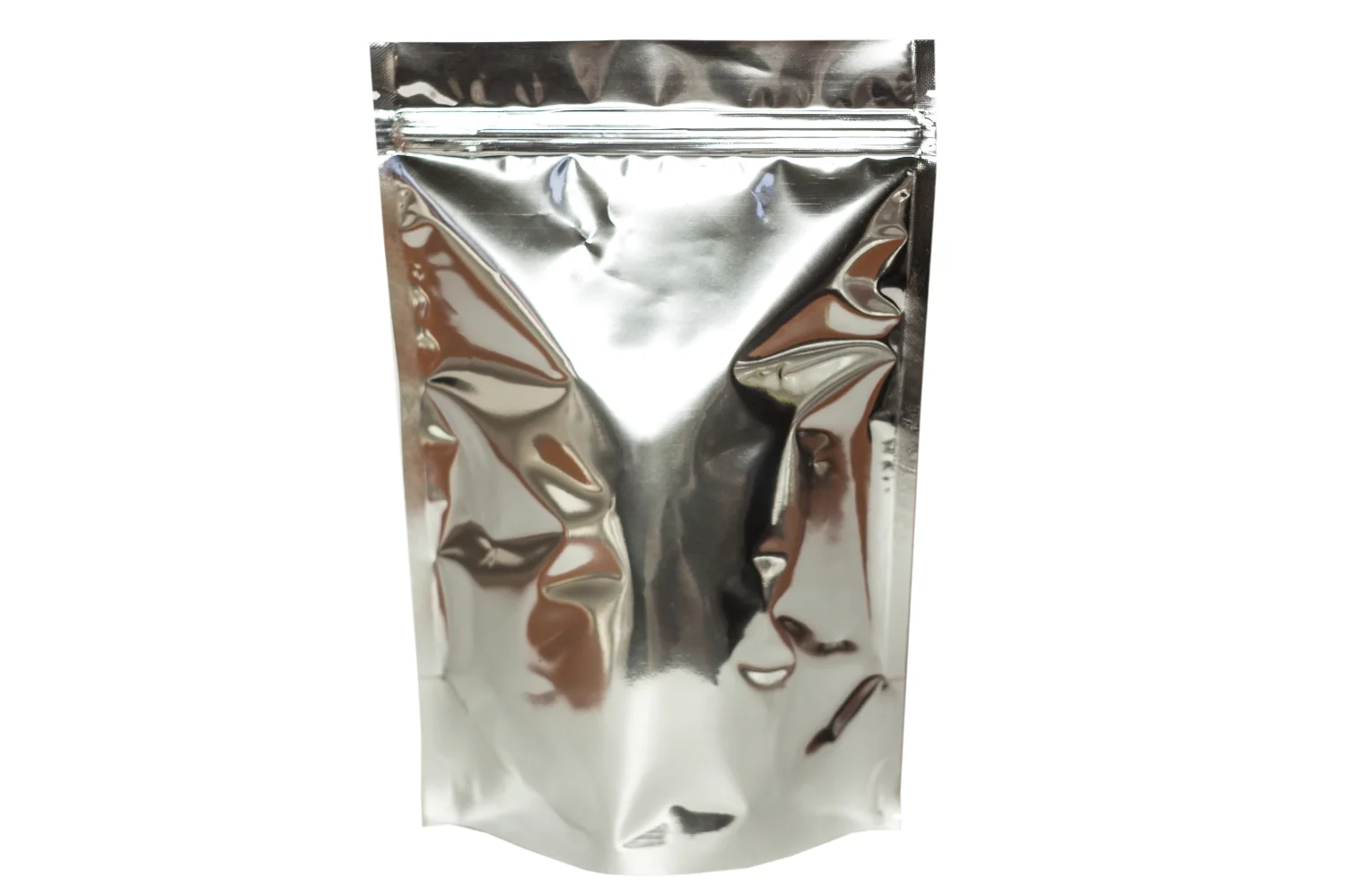
Barrier matters, but I never stop there. If the zipper is weak, if the reclose path is inconsistent, or if the closure area gets contaminated by product residue, the pouch can still lose odor control quickly. This is why I do not judge smell-proof only in the sealed state. I also judge it in the reopened state. Flower is the clearest example because repeated opening and closing can decide whether the pouch still works in daily life. A pouch that seals well only on the day it leaves the factory is not enough. From a production standpoint, this matters because the closure area is where theory meets real handling. In real manufacturing, this detail often determines whether the pouch remains credible after several uses or becomes one of those packs that should close but no longer feels reliable. I want barrier, zipper, closure pressure, and user handling to support the same answer.
| If barrier is strong but… |
What I still risk |
| Zipper logic is weak |
Poor reclose performance |
| Closure area gets dirty |
Odor control drops after opening |
| User handling is inconsistent |
The pouch becomes unreliable in daily use |
How Do Headspace, Top Area, and Production Fit Change the Final Recommendation?
Many odor-control problems do not come from the pouch body. They come from the top area and from production variation.
I do not choose a smell-proof spec alone. I choose it together with headspace, seal area, fill behavior, and factory reality.

Why the top area and the factory still decide the final answer
I always check headspace, fill behavior, and top-area design because odor problems often become worse there. If the product reaches too close to the mouth, the closure area can become harder to keep clean. If headspace is too tight, the closure can lose comfort and consistency. Then I add sealing, tolerance, and production repeatability. A smell-proof idea that depends on perfect alignment or a very narrow tolerance is not a safe project answer to me. Carry need and storage pattern matter here too. A pouch that sits quietly in a drawer does not face the same reality as one that is carried often and reopened often. From a production standpoint, this matters because a weak closure area or unstable sealing pattern can break the whole odor-control promise. In real manufacturing, this detail often determines whether a strong concept becomes a stable product or a source of constant variation. I only lock the final spec when top area, user habit, storage scene, and factory process all support the same logic.
| Final check |
Why it matters |
| Headspace and top area |
They change closure quality and odor control stability |
| Fill behavior |
It changes whether the closure stays clean enough to work |
| Sealing and tolerance fit |
They decide whether the spec survives real production |
Talk to JINYI About the Right Smell-Proof Cannabis Pouch
This content is for packaging education. We do not sell any regulated products.
Conclusion
The right smell-proof spec is not the strongest-sounding one. It is the one that matches the real product, real closure logic, real storage pattern, and real production condition. Contact me before you buy the wrong promise.
About Us
JINYI — From Film to Finished—Done Right.
I work with a team at JINYI that focuses on Custom Flexible Packaging. We believe good packaging is not only about appearance. It should work as a stable solution in transport, on shelf, and in real consumer use.
JINYI brings more than 15 years of production experience to food, snack, pet food, and consumer goods packaging. Our factory runs multiple gravure lines and HP digital printing systems, so I can support both stable larger production and flexible smaller runs with better process control.
Mark
Head of Production Management · JINYI Packaging
Mark leads production scheduling and order coordination at JINYI. With a Business Administration background and hands-on manufacturing exposure, he focuses on keeping quality, lead time, and execution stable across custom packaging orders.
Production planning
On-time delivery
Cross-team coordination
FAQ
Is smell-proof only a material decision?
No. I judge it through barrier, closure logic, storage pattern, and daily-use performance together.
Can a pouch use strong barrier and still fail odor control?
Yes. Weak zipper logic, contamination near the closure, or poor reclose use can still break odor control.
Why does product type change the smell-proof answer?
Because flower, edibles, gummies, and pre-roll formats do not create the same odor path or closure pressure.
Why do headspace and top area matter?
Because many odor-control failures happen near the closure area, not only in the pouch body.
Why do you check production fit before locking the spec?
Because a smell-proof concept that depends on unstable sealing or tight tolerance is not a reliable project answer.