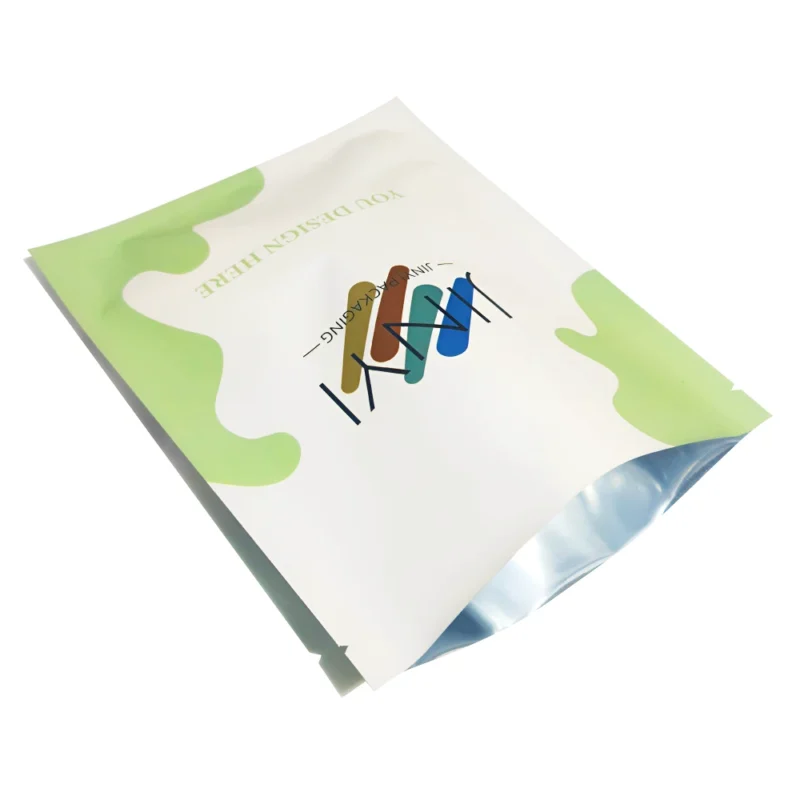
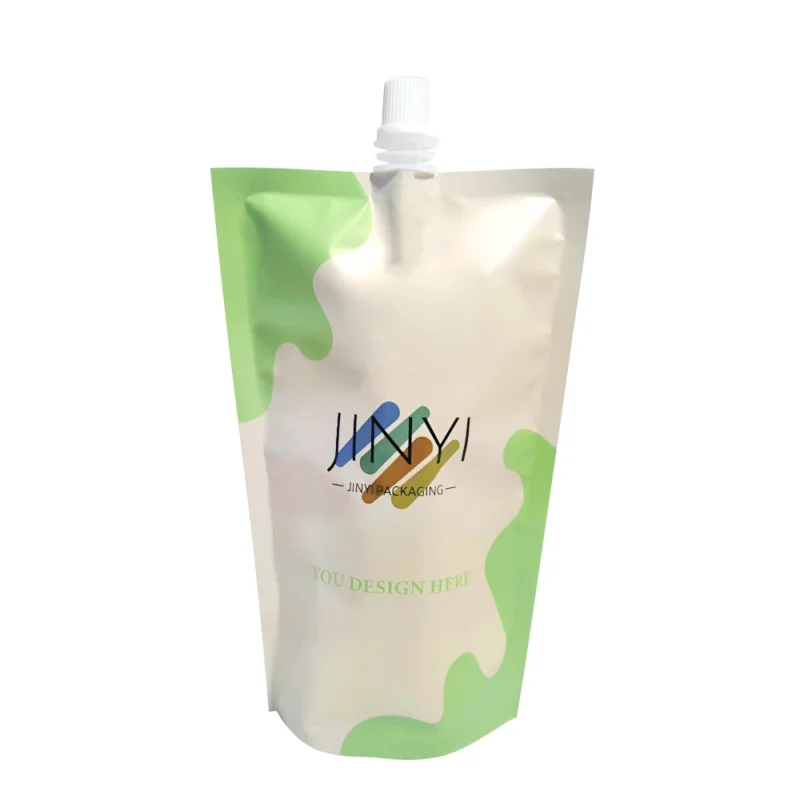
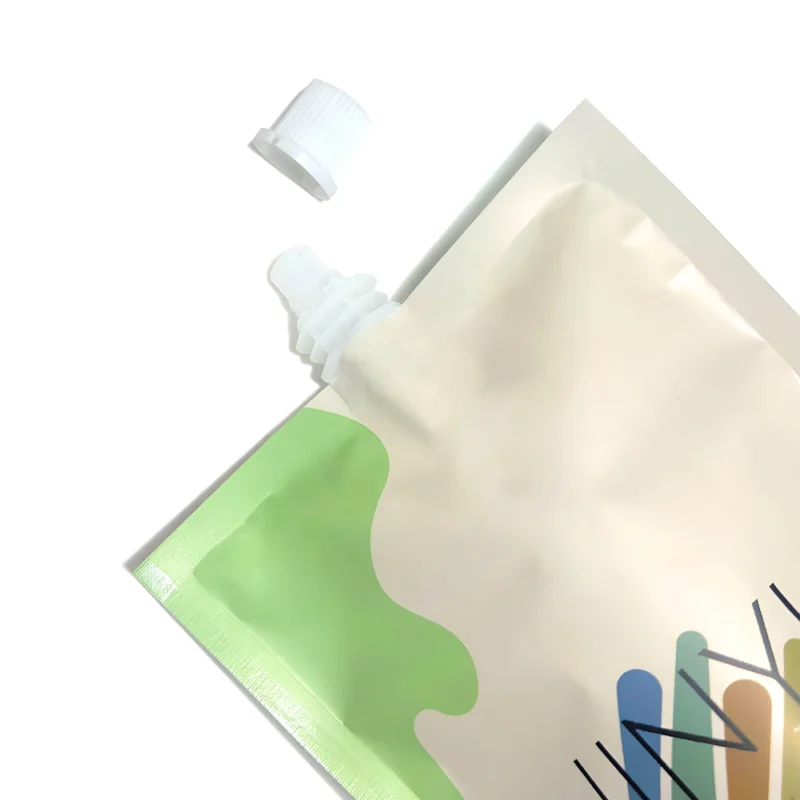
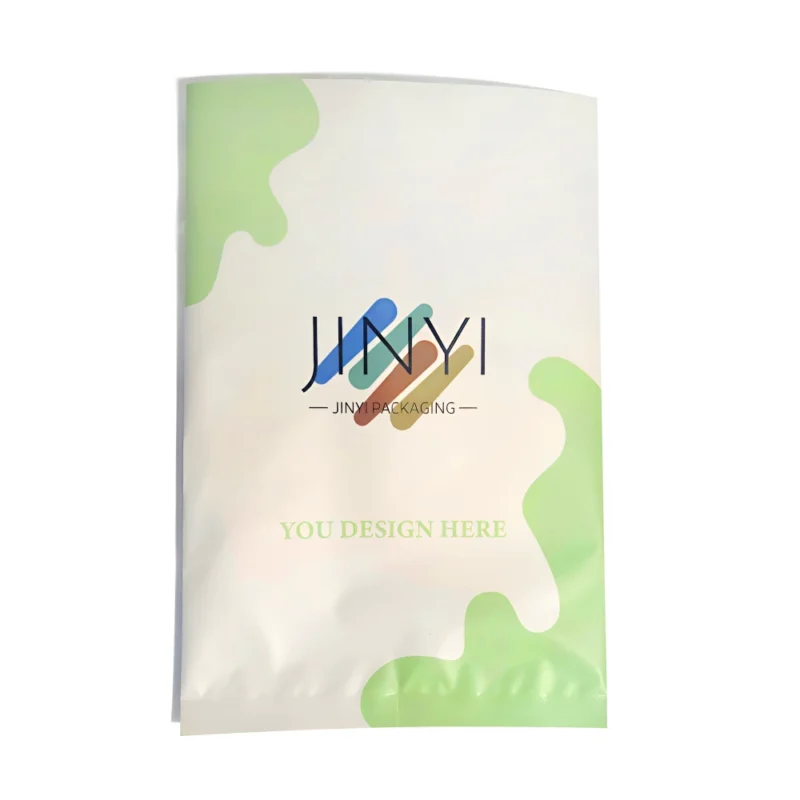
Problem: Your product smells through the pack or goes stale too fast. Agitation: Complaints, returns, and lost trust follow. Solution: Build a complete system: barrier + seals + closures + tests.
A truly smell-proof, freshness-focused cannabis package is not “thicker film.” It is a sealed system that blocks aroma compounds, limits oxygen and moisture swings, and survives real shipping stress. I choose structures by product risk, then lock seal windows, closure fit, and route-based tests.

I treat packaging like an insurance policy for brand trust. I start with what the product fears most. Then I match barrier, seals, and closures to the route and shelf-life goal.
Why is “smell-proof + freshness” a system, not one feature?
Problem: Brands chase one “magic” material. Agitation: Odor leaks or staleness still happens. Solution: Align barrier, sealing, closures, and testing as one system.
I define success as: no odor leakage in handling, stable aroma over time, and consistent performance after compression and temperature swings in U.S./EU logistics.
Where smell leaks really come from
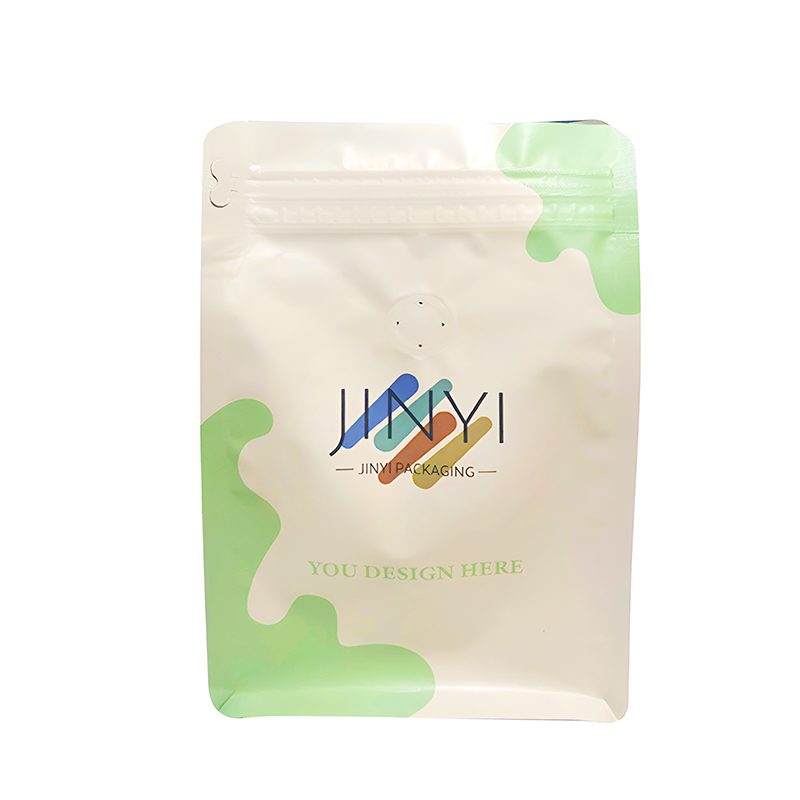
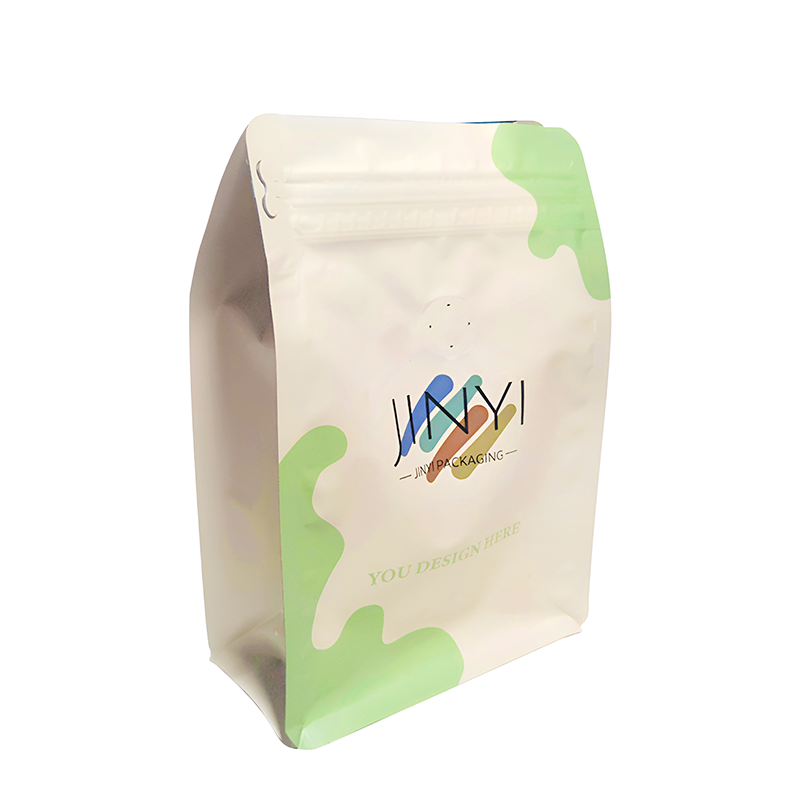
I focus on leak paths before I argue about film names. Many “smell-proof” failures come from micro-leaks at heat seals, zipper tracks, fold zones, or pinholes. I also watch the reality of handling: parcels get squeezed, pallets get stacked, and retail staff touch packages all day. Aroma compounds can escape even when a film feels thick, because thickness is not the same as aroma barrier. I plan the system in this order: define product risks and target shelf life, select a barrier structure that blocks aroma and oxygen, lock a stable seal window, choose closures that stay tight after repeated use, and validate with route-based tests. This approach keeps marketing claims honest and reduces returns. I also protect the artwork layout by reserving high-stress zones near folds and seals, because scuffs and cracks often start there.
| System Part |
Common Failure |
What I Control |
Result |
| Barrier |
Aroma/oxygen passes through |
Structure choice + targets |
Stable smell & freshness |
| Heat seal |
Micro-leaks from weak seals |
Seal window + seal width |
Lower odor leakage |
| Closure |
Zipper track leaks after use |
Fit + resin match + testing |
Fewer complaints |
How do I match barrier materials to flower, pre-rolls, edibles, and concentrates?
Problem: One pouch spec gets used for every SKU. Agitation: Flower dries out, edibles leak, and concentrates permeate. Solution: Match structure to risk by product form.
I pick materials by what the product loses first: aroma, moisture balance, texture, or containment. “PET/PE” can work, but only when barrier targets are met and verified.
Barrier that works in real life, not in a brochure
I treat “smell-proof” as aroma barrier plus seal integrity, not just a polymer label. For flower, I plan for terpene retention and oxygen control while managing moisture swings. For pre-rolls, I protect against crush and friction while keeping odor inside. For edibles, I add grease resistance and strong seals because oil and crumbs contaminate seal zones easily. For concentrates, I assume higher permeation risk and choose stronger barrier plus robust sealing layers. I use foil or metallized structures when aroma and oxidation risk is high, and I manage flex-crack risk with fold-safe design and correct stiffness. I consider EVOH for oxygen barrier, but I respect its humidity sensitivity and design the laminate accordingly. I consider AlOx/SiOx when a clear “see-through” look is needed, but I still validate abrasion and fold durability. I do not let “same material name” substitute for performance targets and proof.
| Product Form |
Main Risk |
Good Barrier Direction |
Notes |
| Flower |
Aroma loss + oxidation |
Foil / metallized / high-barrier clear |
Balance moisture swings |
| Pre-rolls |
Crush + odor leak |
Stiffer barrier + strong seals |
Protect corners and folds |
| Edibles |
Grease + leak |
Grease-resistant sealant + barrier |
Seal-zone contamination control |
| Concentrates |
Permeation + migration |
Max barrier + robust sealing layer |
Validate compatibility early |
Why do seals and closures decide whether “odor-proof” is real?
Problem: The film is good, but the pack still leaks. Agitation: Zippers, tear features, and CR add failure points. Solution: Lock seal windows and design closures as part of the structure.
I assume most odor complaints start at the seal or closure. I prevent them with stable heat-seal parameters, clean seal zones, and closure fit tests after compression and repeated opening.

My seal-first approach to odor control
I treat the heat seal as a safety control, not a finishing step. I set a clear sealing window (temperature, pressure, dwell, cooling) for the exact laminate and zipper resin. I also protect the seal zone from contamination because powder, oil, or sticky residue creates channels that leak aroma. When a resealable zipper is required, I test it as a leak path, not as a convenience feature. I check track fit, resin compatibility, and user behavior, because consumers squeeze and overfill pouches. For tear notches and laser scores, I validate that the tear path stops where it should, and I confirm that compression does not trigger unintended tearing. For child-resistant (CR) designs and tamper evidence, I plan for production reality: more parts and steps can reduce consistency if the process is not controlled. I would rather simplify a feature than ship a “premium” pack that fails in transit or after the first open.
| Failure Point |
What Happens |
How I Test |
Fix |
| Heat seal |
Micro-leak channels |
Burst/leak + dye tests |
Seal window + wider seal land |
| Zipper |
Odor escapes after use |
Repeated open/close + compression |
Fit + resin match + track design |
| Tear/laser |
Tear spreads in shipping |
Drop + compression routing |
Relocate/limit score length |
| CR / tamper |
Inconsistent assembly |
Line trials + QC sampling |
Simplify steps + tighter specs |
Which real-world tests and compliance checks prevent U.S./EU complaints?
Problem: Lab specs look fine, but the market punishes failures. Agitation: Shipping stress and labeling rules amplify small mistakes. Solution: Test by route and lock claim-safe documentation early.
I use route-based tests (drop, compression, vibration, humidity swings) and seal-integrity checks. I also keep claims conservative and proof-based to avoid regulatory and platform risk.
Validation that predicts reviews and returns
I do not rely on “lab numbers only.” I run tests that match real commerce: compression that simulates stacked parcels, drops that hit corners and edges, vibration that loosens closures, and temperature/humidity cycles that stress adhesives and sealing layers. I check for flex-crack, pinholes, seal creep, zipper leakage, and scuffing. I also review artwork zones to keep barcodes and warnings away from folds, seals, and zipper distortion areas. On compliance, I front-load documentation for films, inks, and adhesives, and I keep messaging careful. I avoid absolute claims unless they are validated, and I prefer performance language that I can support with tests. Finally, I shortlist 2–3 options: a stable baseline, a higher barrier upgrade, and a premium version when it truly adds value. This method keeps projects moving while protecting brand trust.
| Test / Check |
What It Catches |
Why It Matters |
Decision Trigger |
| Leak integrity |
Micro-leaks, zipper leaks |
Odor complaints |
Adjust seals/closure |
| Drop + compression |
Crush, seal split, flex-crack |
Returns in delivery |
Change structure/stiffness |
| Humidity cycles |
Adhesive/seal drift |
Batch consistency |
Lock process window |
| Label zone review |
Scan/read failures |
Retail + platform issues |
Fix dieline layout |
Conclusion
Smell-proof packaging is a system. I match barrier to product risk, lock seals and closures, and validate with route tests. Consistency protects reviews and trust.
About Me
Brand: Jinyi | Slogan: From Film to Finished—Done Right. | Website: https://jinyipackage.com/
I run a one-stop flexible packaging factory. I focus on stable specs, clear lead times, and repeatable quality, so brands can launch faster with fewer surprises.
About My Reader
Quillon is a production-focused packaging leader with 10 years of supplier and rollout experience. He values clear parameters, traceable QC, and solutions that scale reliably in real channels.
FAQ
- Is thicker film always more smell-proof?
No. Aroma barrier and seal integrity matter more than thickness alone.
- Where do most odor leaks come from?
Heat seal micro-leaks, zipper tracks, fold zones, and pinholes are common paths.
- When should I use foil or metallized films?
When aroma retention and oxidation control are critical and shelf life is long.
- Do zippers increase odor leakage risk?
Yes, if fit and resin compatibility are not validated under compression and reuse.
- What tests best predict complaints?
Leak integrity plus drop, compression, vibration, and humidity cycling that match the route.