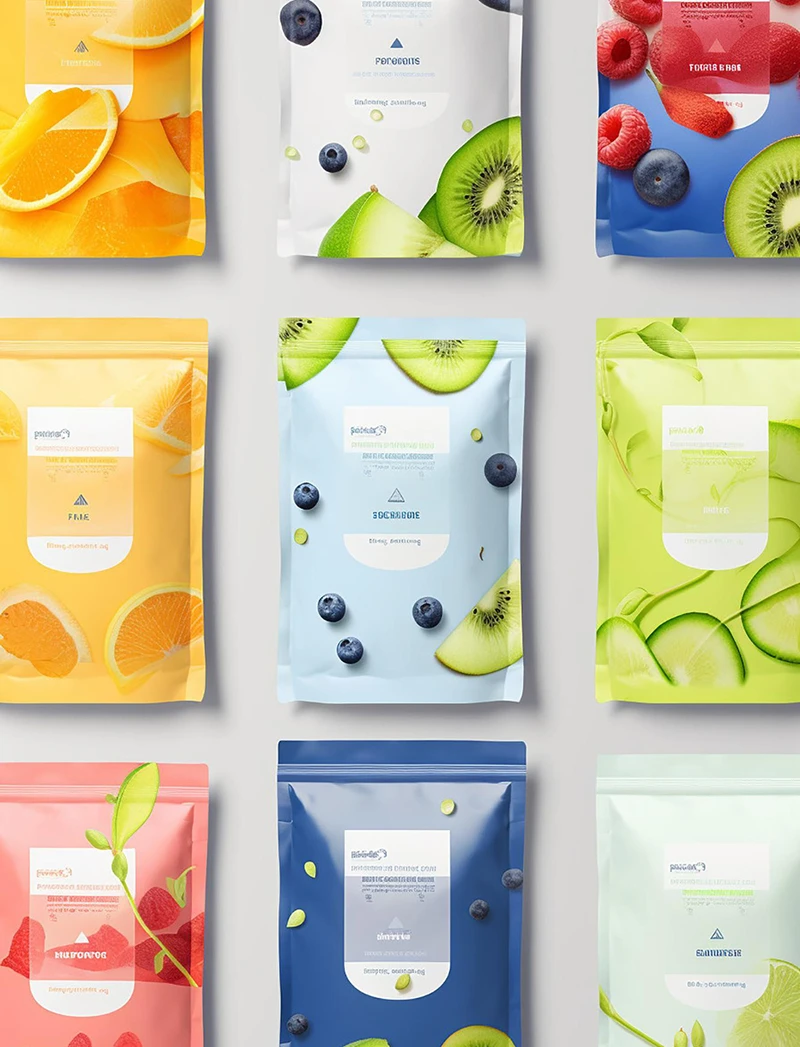
This content is for packaging education. We do not sell any regulated products.
Thailand’s packaging risk is not “one rule.” Many brands choose a container first, then discover the product category and retail model demand a different label and presentation strategy.
In 2026, Thailand cannabis packaging is shaped by a hybrid regulatory reality. Flower is treated as a “controlled herb” under 2025 Ministry of Public Health moves, food-adjacent products face strict Thai FDA warning constraints, and retail presentation must survive inspection risk with clear warnings and disciplined claims.
Build a compliance-first packaging workflow for regulated-style requirements

What works best is not a single format. The “winning” approach is system design: container choice, warning architecture by category, and retail presentation discipline that reduces enforcement risk.
What changed after 2025, and why is packaging now a compliance system?
Thailand shifted from a loose post-2022 market into tighter controls. That shift changes what packaging must communicate and what retail can safely display.
In 2026, packaging must align with a more medical-use posture: controlled access signals, clearer warnings, and lower tolerance for advertising-like presentation. Brands need category mapping before they lock containers.
The 2025 “controlled herb” direction changes the packaging posture
Thailand’s 2025 policy moves changed the operating reality for cannabis flower and retail. Reporting and legal briefings describe the Ministry of Public Health classifying cannabis buds/flower as a controlled herb and pushing sales toward prescription-based access, with dispensaries required to operate under stricter supervision and reporting. This matters for packaging because the “retail model” changes what inspectors care about. In a recreational-style market, packaging often optimizes for shelf appeal and variety. In a medical-use posture, packaging must signal control, traceability, and responsible presentation. That does not automatically mean a single mandated pack type, but it does mean a lower tolerance for packs that resemble candy, snacks, or youth-oriented lifestyle products. It also means product-category boundaries matter more. Food and beverages containing cannabis/hemp parts have separate Thai FDA/MoPH notification requirements, including warning statements and claim limits, which can make “one brand label” impossible across categories. The operational lesson is to treat packaging as a compliance system: category classification, label blocks, claim governance, and inspection-ready files.
| Time shift |
What changed |
Packaging impact |
Best action |
| Post-2022 |
Rapid retail growth and mixed practices |
Many “lifestyle” pack styles appear |
Start building a category rule map |
| Mid-2025 |
Controlled-herb / medical-use tightening |
Higher inspection risk on claims and presentation |
Shift to compliance-first warning architecture |
| 2026 |
Operational enforcement and rule refinement |
Template discipline reduces rework and holds |
Lock modular label templates + review workflow |
Evidence (Source + Year): Reuters on Thailand requiring medical certificates/prescriptions for cannabis purchases (2025); Tilleke & Gibbins summary of MoPH “Controlled Herbs (Cannabis)” notification and tighter medical controls (2025).
Which container types reduce risk under Thailand’s tighter retail direction?
Container choice is not only about cost. It sets the baseline for tamper evidence, traceability, and how “medical” or “recreational” a product looks at first glance.
In 2026 Thailand, lower-risk containers support controlled distribution: tamper evidence, traceable identifiers, and controlled opening behaviors. High-risk containers mimic snacks or gift items and invite claim and presentation scrutiny.
Containers should support controlled access, not candy-like cues
Thailand’s tightening posture increases the value of controlled access signals. For flower/buds, jars and opaque pouches can work if they support tamper evidence, clear identifiers, and disciplined presentation. Pre-roll tubes can reduce odor and physical damage, but they can also become high-risk if they use playful graphics or “flavor candy” naming. For extracts, small bottles or cartridges often require stronger label planning because space is limited and warnings must remain legible. A practical approach is to select a small set of “platform containers” and then apply category-specific label modules. For example, one jar platform and one pouch platform for flower, one tube platform for pre-rolls, and one bottle platform for oils. Each platform should have a defined tamper-evidence method and a dedicated zone for batch/lot and QR or traceability references where used. This platform approach lowers rework because containers do not change every time enforcement intensity changes. It also supports inspection readiness, because evidence files and QC checks can be standardized.
| Container type |
Where it fits |
Main compliance risk |
Recommended control |
| Opaque jar |
Flower/buds |
Label crowding on small diameters |
Tamper seal + wrap label zone + batch/lot zone |
| Opaque pouch |
Flower/buds, some pre-roll multipacks |
“Lifestyle” graphics can trigger scrutiny |
Neutral design + clear warning module + TE strip |
| Pre-roll tube |
Pre-rolls |
Youth-attractive visuals and “candy” positioning |
Plain presentation + controlled claims + legible warning |
| Oil bottle |
Extracts/wellness oils |
Medical-claim implication risk |
Claim governance + standardized caution language |
Evidence (Source + Year): AP reporting on prescription-based controls and dispensary supervision (2025); Thai FDA guidance on category boundaries and prohibited imports for cannabis/hemp foods and certain products (Thai FDA consumer guidance, accessed 2026).

What warning label architecture is “stable,” and how does it differ by product category?
Thailand’s biggest packaging mistake is treating every cannabis-related item as the same category. Food-adjacent products face stricter warning rules, and claim language can change what inspectors consider “misleading.”
The safest approach is a warning library by category: flower/buds, extracts, and any food-adjacent items. Foods and CBD-containing products have explicit warning statement requirements in Thai notifications and WTO/SPS notices.
Build a warning library and lock it as a template module
Thai FDA/MoPH notifications for foods containing cannabis or hemp parts provide labeling requirements and warnings. In addition, WTO/SPS notification documents for Thailand specify that CBD-containing food labels must display explicit “WARNING” statements and related conditions. These documents show a key pattern: ingestibles are treated with higher caution and require clearer consumer protection language than general retail flower packaging. This is why a single warning approach across all products becomes risky. For flower and extracts, the “stable” label architecture is a visible caution block, clear identifiers, and disciplined claims that avoid implied medical cures. For food-adjacent items, the stable architecture is stronger: mandatory warning statements, stricter claim limitations, and often stricter category control. A practical method is to build three modules: (1) a controlled-herb caution module for flower/buds, (2) an extract caution module for oils and cartridges, and (3) a food-adjacent warning module that follows Thai FDA/MoPH wording rules. Each module should be Thai-first for legal clarity, with optional English support where appropriate for tourists, but Thai should remain primary for compliance.
| Category |
Warning architecture goal |
High-risk mistake |
Template module |
| Flower/buds |
Controlled access + clear caution |
Recreational “snack-like” branding |
Thai-first caution block + identifiers |
| Extracts/oils |
Prevent implied medical cures |
Therapeutic claim wording |
Use “discipline language” and avoid cure claims |
| Food-adjacent |
Mandatory warning statements |
Missing required “WARNING” statements |
MoPH/FDA-aligned warning library |
Evidence (Source + Year): Thai FDA/MoPH notification translation on foods containing cannabis/hemp parts (MoPH Notification PDF, accessed 2026); WTO/SPS Thailand notice specifying “WARNING” statements for CBD food labels (2021).
How do retail presentation rules change what packaging can look like on shelf?
In Thailand’s tighter environment, packaging is treated like retail communication. A pack that looks like advertising can become a compliance trigger.
The lowest-risk retail presentation uses neutral packaging, clear warnings, and strict claim discipline. Youth-attractive cues and implied medical outcomes raise enforcement risk.
Use “presentation discipline” as a packaging spec
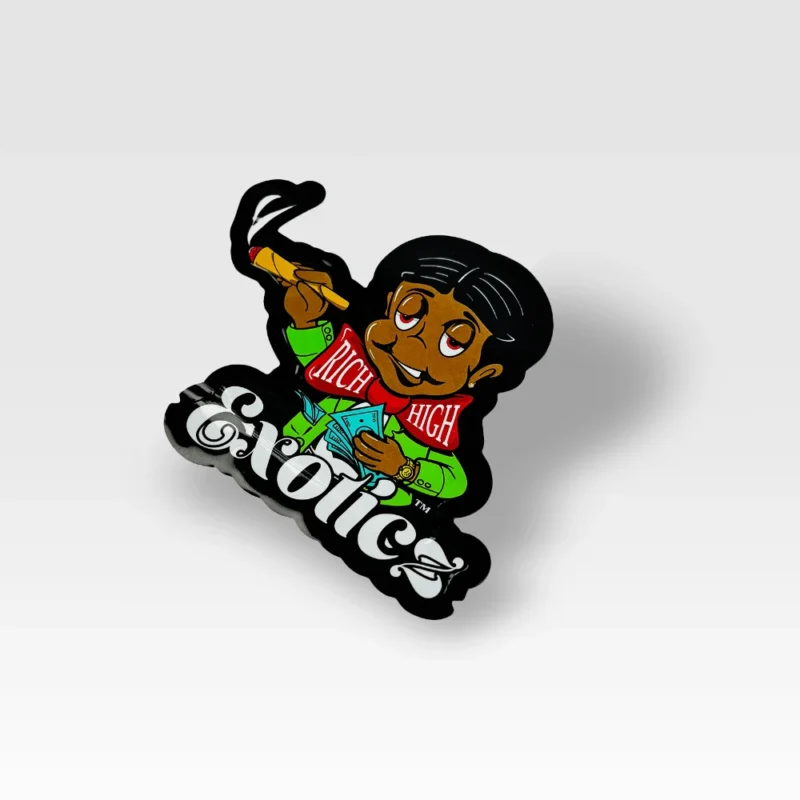
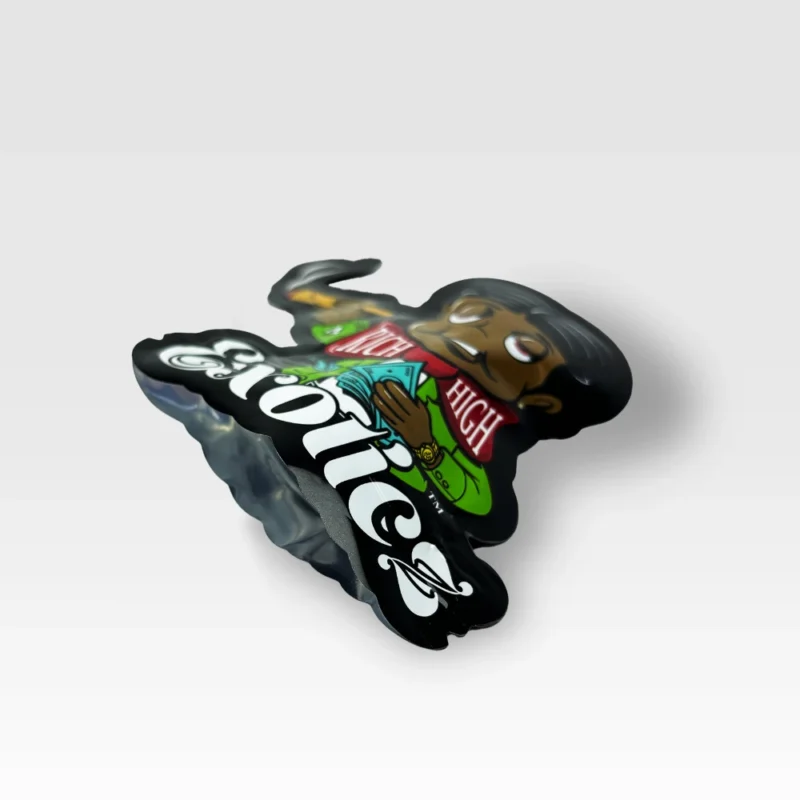
Retail presentation risk is driven by what packaging signals at first glance. Reuters and AP reporting describe a shift toward prescription-based sales and stricter controls on dispensaries, which increases inspection attention on how products are positioned. In practice, “presentation discipline” is a packaging requirement. Brands should define prohibited cues: cartoon mascots, candy mimicry, bright children’s color palettes, and flavor naming that resembles confectionery. Brands should also define prohibited claim zones: implied therapeutic claims, “safe for everyone” language, and anything that suggests guaranteed medical outcomes. The goal is not to remove branding entirely. The goal is to keep branding inside safe zones while keeping warnings legible and consistent. A useful approach is a retail presentation checklist used before printing: if a design fails any rule, it is revised. This reduces last-minute rework and reduces the chance a retailer or inspector flags the product. As a flexible packaging manufacturer, we focus on printable, repeatable modules because disciplined presentation is easiest when designs reuse pre-approved blocks.
| Presentation cue |
Why it increases risk |
What to replace it with |
Pre-print check |
| Candy-like graphics |
Youth appeal signal |
Neutral brand palette and typography |
Ban mascot/cartoon elements |
| Therapeutic promises |
Implied medical cure |
Non-medical, factual statements only |
Claims library approval required |
| Advertising-style front panels |
Looks like promotion, not control |
Clear caution + identifiers first |
Warning block must remain dominant |
Evidence (Source + Year): Reuters on prescription requirement and tightening controls (2025); AP on enforcement and dispensary supervision requirements (2025).
Conclusion
Thailand cannabis packaging in 2026 is a system problem: category mapping, container platforms, warning modules, and disciplined retail presentation. Brands reduce risk by standardizing templates and locking a claim governance workflow.
This content is for packaging education. We do not sell any regulated products.
Get a Thailand-style packaging checklist
About Us
Brand: Jinyi
Slogan: From Film to Finished—Done Right.
Website: https://jinyipackage.com/
Our Mission:
JINYI is a source manufacturer specializing in custom flexible packaging solutions. We want to deliver reliable, practical packaging so brands reduce communication cost and get predictable quality, timelines, structures, and print results.
About JINYI:
JINYI is a source manufacturer specializing in custom flexible packaging solutions, with over 15 years of production experience serving food, snack, pet food, and daily consumer brands.
We operate a standardized manufacturing facility equipped with multiple gravure printing lines as well as advanced HP digital printing systems, allowing us to support both stable large-volume orders and flexible short runs with consistent quality.
From material selection to finished pouches, we focus on process control, repeatability, and real-world performance. Our goal is to help brands reduce communication costs, achieve predictable quality, and ensure packaging performs reliably on shelf, in transit, and at end use.
FAQ?
What is the first step before choosing a container in Thailand?
The first step is category mapping: flower versus extracts versus food-adjacent products. Labeling and warning expectations differ across Thai agencies and product categories.
Why are food-adjacent products higher risk on labels?
Thai FDA/MoPH notifications and WTO/SPS notices include explicit warning statement requirements for CBD or cannabis/hemp food products, so missing warnings can trigger enforcement.
Which container feature helps most under tighter controls?
Tamper evidence and traceability fields reduce risk because they support controlled distribution and inspection readiness.
What packaging style choices most often create enforcement risk?
Youth-attractive cues, candy mimicry, and implied medical cure claims often increase risk, especially in a stricter, prescription-driven retail environment.
How can a brand reduce constant redesign in Thailand?
A brand can use container platforms and modular label blocks: a warning library by category, a claims governance workflow, and change control for any artwork or labeling updates.