This content is for packaging education. We do not sell any regulated products.
Pre-rolls arrive broken, flat, or “smell-less,” and the brand pays the price. I see this happen most when packaging choices are made without a failure definition.
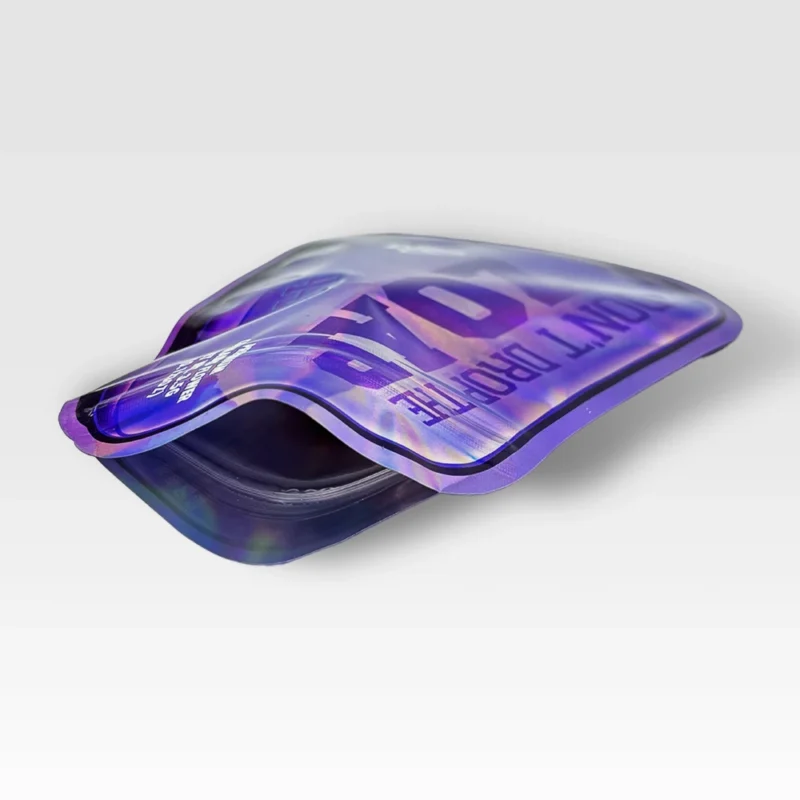
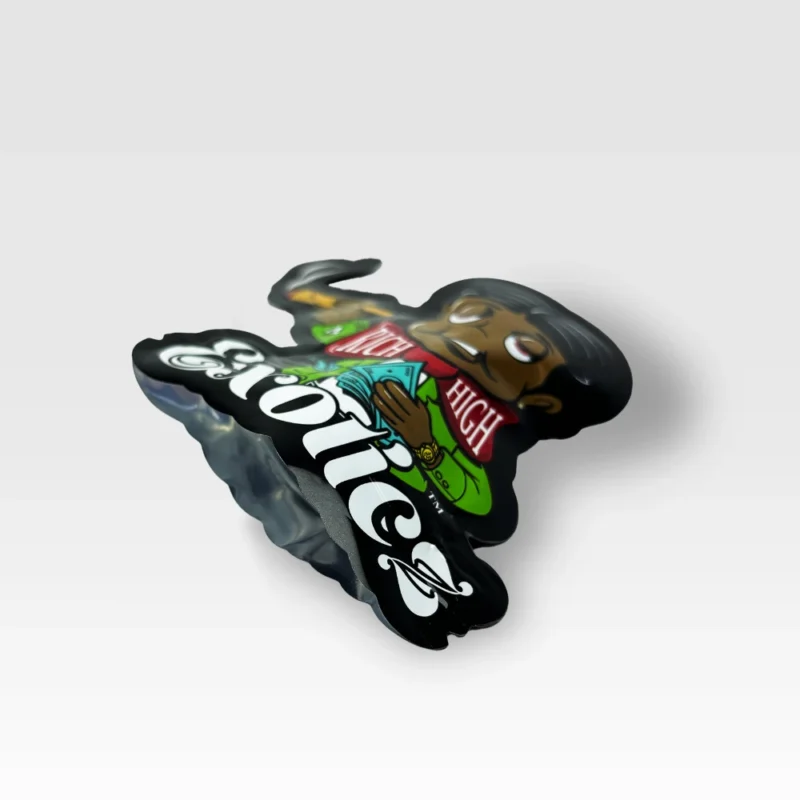
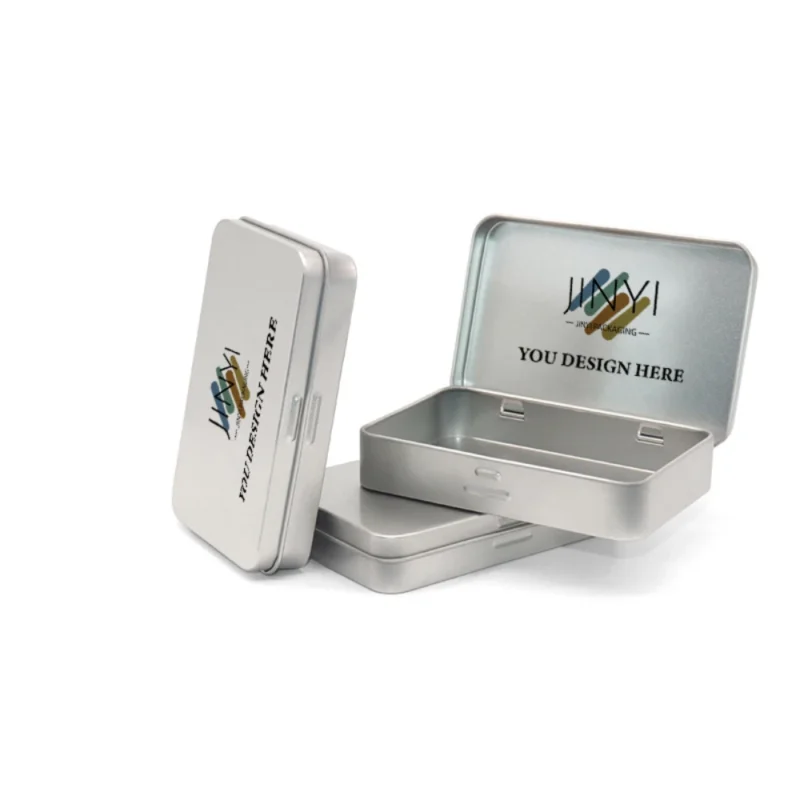
Tin boxes usually reduce crush damage when the inside is engineered to stop movement, while Mylar bags usually reduce odor loss when barrier and seal integrity are controlled. I only trust the decision after a simple shipping validation plan.

If crush complaints are already costing you refunds, I usually start with a rigid option and engineer the inside first:
Custom Tin Boxes.
I write this as an engineer because “better packaging” is not a vibe. I only care about what fails first, why it fails, and how to prove the fix before scaling.
What exactly is “shipping damage” for pre-rolls: crush, deformation, or loosened packing?
Most teams argue “tin vs bag” too early. The real problem is that “damage” is not defined, so every supplier claims success using different rules.
I define shipping damage as a small set of measurable outcomes: break rate, end deformation rate, visible looseness, and customer-perceived quality loss. Once the pass/fail line is clear, the package choice becomes much simpler.
In real manufacturing, this detail often determines everything: the same packaging can look fine on day one and fail after a week of parcel handling because nobody agreed on a tolerance. I set a threshold before I quote anything. For crush, I track how many units arrive with bent ends, split paper, or collapsed geometry. For “loosened packing,” I track rattle and movement because movement converts vibration into repeated impacts. I also separate cosmetic damage from functional damage, because brands often overreact to scuffs but underreact to breakage that drives refunds.
My pass/fail definition before I compare formats
| Metric |
How I measure it |
Why it matters |
| Break rate |
Count broken or split units per shipment sample |
This is the refund driver |
| End deformation rate |
Visual + simple go/no-go gauge for bent ends |
Deformation signals hidden compression stress |
| Movement (rattle) |
Shake test + video during vibration |
Movement turns small vibration into repeated impacts |
| Odor retention |
Fixed time checkpoints using a consistent panel method |
“Smell loss” is often a seal issue, not a material issue |
Evidence (Source + Year): ISTA, ISTA 3A Overview (2018). ASTM, D642-20 Standard Test Method for Compression Tests on Shipping Containers (2020).
Where do crush and odor loss actually come from during shipping?
Many brands think crush comes from “a weak package,” and odor loss comes from “a thin film.” I rarely see it that simple in real shipments.
I treat crush as a load-path problem and odor loss as an integrity problem. Tin mainly helps the load path, while Mylar mainly helps the barrier path, but both can fail if the details are wrong.
From a production standpoint, this matters because parcel shipping is a mix of long compression, short drops, and long vibration. Crush damage usually comes from point loads. A rigid tin can spread load, but only if the inside prevents the product from becoming a moving hammer. Empty headspace inside a tin often creates internal collisions during vibration, and the “hard box” becomes a hard impact surface. Odor loss is similar. Many people blame film permeation, but I usually find micro-leaks first: weak seals, zipper mismatch, fold stress, or tiny pinholes. When odor loss is uneven across the same lot, I treat it as process drift and leak paths, not material permeation. When the loss is uniform and time-linked, then I investigate barrier structure.
What I check first when a shipment arrives “damaged” or “less aromatic”
| Complaint |
Most common root cause I see |
Fast diagnostic |
| Crush / bent ends |
Point load + no internal restraint |
Cut open shipper and map where load marks appear |
| Rattle / looseness |
Headspace + poor fit or missing insert |
Vibration test and record internal collisions |
| Odor loss is uneven |
Micro-leaks from seal/closure drift |
Bubble emission / pressure-based leak screening |
| Odor loss is uniform |
Barrier structure not strong enough for the target |
A/B compare two structures under the same storage rule |
When odor control is the bigger pain, I usually start from a proven flexible structure and then tune closure + sealing windows:
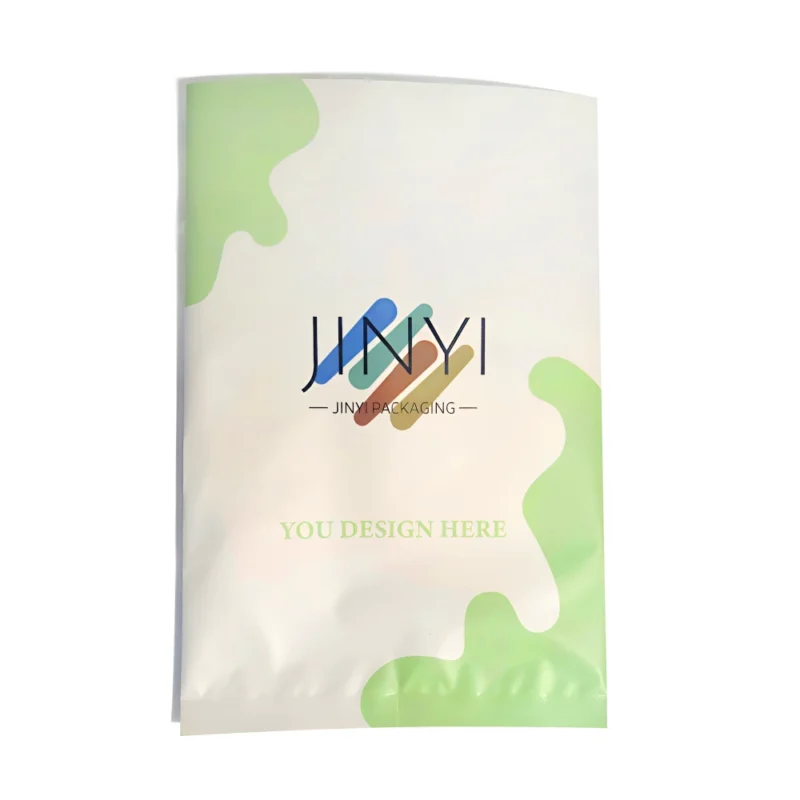
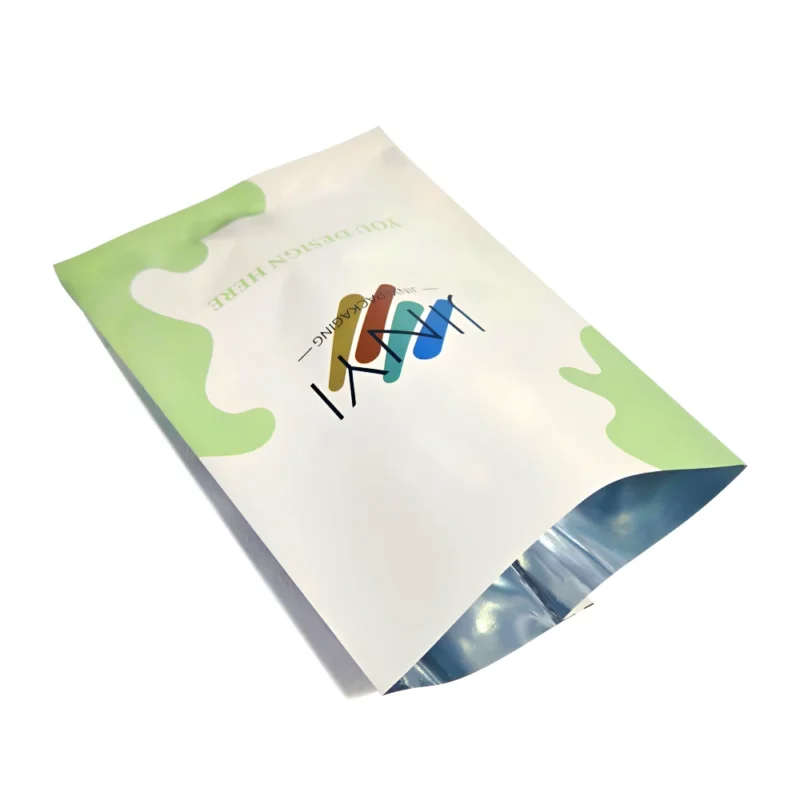
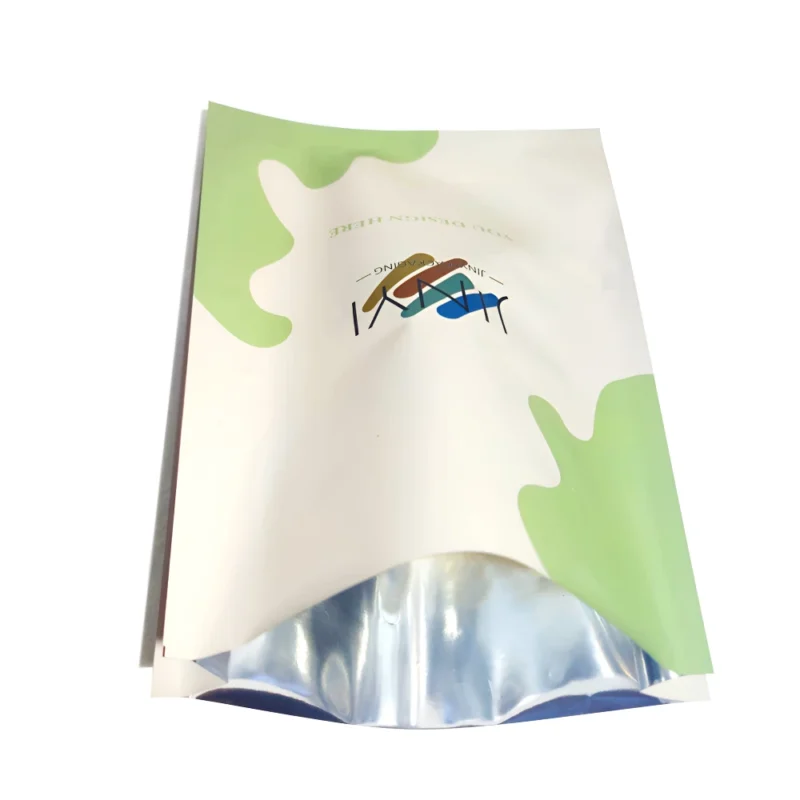
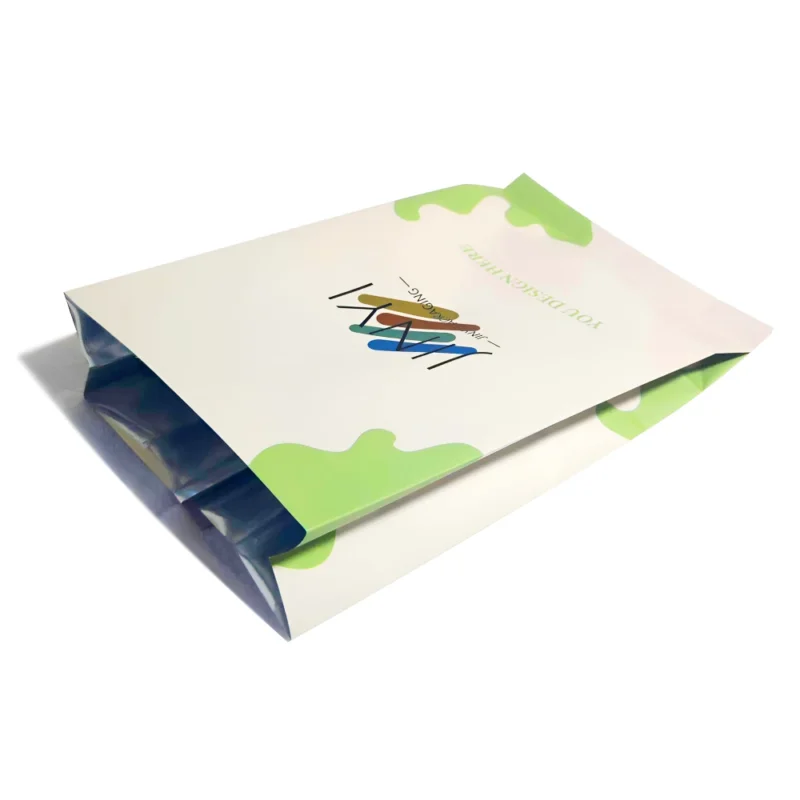
Weed Mylar Bags.
Evidence (Source + Year): ASTM, F2096-11R19 Standard Test Method for Detecting Gross Leaks by Internal Pressurization (2019). ASTM, D4728-17 (Reapproved 2022) Random Vibration Testing of Shipping Containers (2022).
How do I validate “which reduces damage first” before a full production run?
Most packaging mistakes happen because teams skip validation. They change the package, ship a big batch, and then learn the truth from angry customers.
I validate with a small pilot using parcel-style test sequences. I measure crush outcomes and odor outcomes separately, and I only scale the option that stays inside the thresholds.
In real manufacturing, this detail often determines whether cost goes down or explodes: the test specimen must match the real ship-out configuration. I pack the same unit count, same inserts, same shipper, and the same closure settings. I run compression, drops, and random vibration as a sequence because shipping is a sequence. Then I inspect for crush indicators and run a simple odor-retention check at fixed time points. I also calculate cost per shipment, not cost per unit, because tin can increase weight and cube, while flexible can increase damage risk if pack-out rules are weak. If I need both crush protection and odor control, I test a hybrid path (barrier bag inside a fitted tin) and watch for new failure modes like headspace, lid interference, or friction scuff.
My minimum pilot plan (fast, repeatable, decision-ready)
| Test block |
What it proves |
My decision output |
| Compression |
Stacking and long-duration load resistance |
Deformation rate + break rate |
| Drop sequence |
Sorting and handling shocks |
End damage mapping + worst-case failure mode |
| Random vibration |
Transport fatigue + collision risk |
Rattle score + internal impact evidence |
| Odor checkpoints |
Seal integrity + barrier stability over time |
Pass/fail vs the defined odor threshold |
Evidence (Source + Year): ISTA, ISTA 3A Overview (2018). ASTM, D4169 Standard Practice for Performance Testing of Shipping Units (example listing: D4169-22, 2024 publication date shown by ASTM) (2024).
 Tin Boxes vs Mylar Bags for Pre-Rolls: Which Prevents Crush and Odor Loss?
Conclusion
I choose tin when crush dominates, and Mylar when odor dominates. I only scale the winner after a simple shipping validation run.
This content is for packaging education. We do not sell any regulated products.
Get a packaging risk-control recommendation
About Us
About Me
Brand: Jinyi
Slogan: From Film to Finished—Done Right.
Website: https://jinyipackage.com/
Our mission:
JINYI is a source manufacturer specializing in custom flexible packaging solutions. I aim to deliver packaging that is reliable, practical, and ready to scale, so brands spend less time on back-and-forth and get more predictable quality, clearer lead times, and structures that match real use.
About me:
JINYI is a source manufacturer specializing in custom flexible packaging solutions, with over 15 years of production experience serving food, snack, pet food, and daily consumer brands.
We operate a standardized manufacturing facility equipped with multiple gravure printing lines as well as advanced HP digital printing systems, allowing us to support both stable large-volume orders and flexible short runs with consistent quality.
From material selection to finished pouches, I focus on process control, repeatability, and real-world performance. My goal is to help brands reduce communication costs, achieve predictable quality, and ensure packaging performs reliably on shelf, in transit, and at end use.
FAQ
Is a tin box always better for preventing crush damage?
No. I see tins fail when headspace allows movement and internal collisions during vibration.
Why do some Mylar bags “leak smell” even with a thick film?
I usually find micro-leaks first: seal drift, zipper mismatch, fold stress, or tiny pinholes.
How can I tell micro-leaks from material permeation quickly?
If odor loss is uneven across the same lot, I treat it as leaks; uniform decay points to barrier limits.
What is the fastest validation method that still matches real shipping?
I run a parcel-style sequence using compression, drops, and random vibration, then measure break rate and odor checkpoints.




















 Tin Boxes vs Mylar Bags for Pre-Rolls: Which Prevents Crush and Odor Loss?