This content is for packaging education. We do not sell any regulated products.
Packaging Engineer View
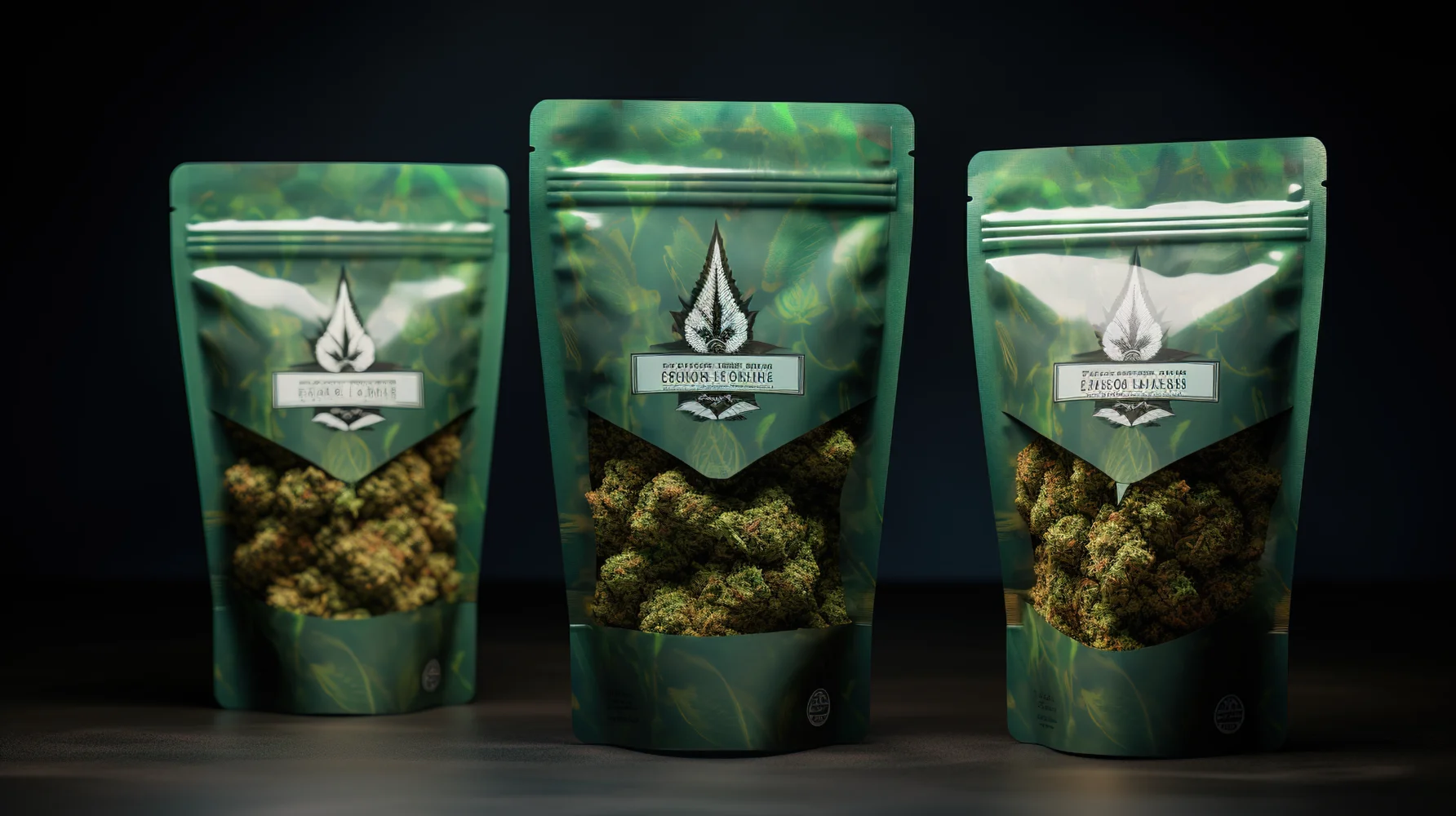
When Should a Cannabis Pouch Use a Window? What I Check Before I Trade Display for Protection?
A pouch window can help sales fast. It can also weaken the pack faster than buyers expect.
I do not choose a pouch window by visual appeal alone. I choose it by product form, light and odor risk, display value, barrier sacrifice, and how much protection the project can afford to trade away.

When I review a window request, I do not treat it like a harmless design add-on. I treat it like a trade. A window can raise visibility, but it can also reduce part of the pouch area that would otherwise protect the product. That means the decision is never only about shelf appeal. It is also about what the pack must still protect after I cut visual access into it.
If you are still choosing a cannabis pouch window by “it looks better” alone, I would check the protection cost before you lock the wrong design.
Why Do Buyers So Often Treat a Window as a Simple Display Upgrade?
Many buyers think a window only adds shelf appeal. I usually see it as a change to the pouch’s full protection system.
A pouch window is not just a display feature. It is a protection trade-off decision.
Why the visual gain can hide the real structural cost
I understand why buyers like windows. They can make the pouch feel more open, more honest, and more retail-ready. But that first reaction can hide the real engineering question. A window is not free. It removes part of the area that could have been used for stronger protection, better opacity, or a more consistent pouch face. If the product already depends on light control, odor control, or stronger barrier performance, that removed area matters. A buyer may say the product will look more premium, but I still ask whether the product actually gains enough sales value from being seen. From a production standpoint, this matters because the window changes not only what the shopper sees but also how the pouch performs under storage and handling. In real manufacturing, this detail often determines whether the pouch stays balanced as a working package or becomes a design-first piece that quietly gives up too much protection.
| What buyers often see |
What I still ask |
| Better display |
What protective area did the pouch lose? |
| More visible product |
Does the product gain enough real selling value? |
What Do I Check First Before I Decide Whether a Cannabis Pouch Should Use a Window?
I do not start with window size or shape. I start with product form, display value, and what protection the project can afford to lose.
I first judge product visibility value and protection cost. Then I judge whether a window belongs on the pouch at all.

Why product form changes the answer before design taste does
My first questions are basic. Is the product flower, gummy, edible, or something else? Does it gain real sales value by being seen? What does it fear most: light, odor, oxygen, or daily handling? Is this package mainly for retail display, or is it more about storage and discretion? These questions change the answer much faster than design taste does. Flower, gummies, and edibles do not get the same value from a window, and they do not carry the same protection priorities either. Some products can benefit from visible texture or shape. Some gain almost nothing from being seen and lose too much when the pouch gives up protection. From our daily packaging work, we see that buyers often ask for a window before they decide whether the product truly benefits from visual exposure. I do not work in that order. I want to know what the product gains by being seen and what the pouch loses by giving up that protective area.
| My first check |
Why it changes the window answer |
| Product form |
Not every product gains the same value from visibility |
| Display value |
The window must help sales in a real way |
| Protection sacrifice |
The pouch must still protect what matters most |
If your product still sits between “worth showing” and “better kept protected,” I would solve that first before choosing any window layout.
Why Is a Window Never Only About Visibility, but Also About What Protection You Are Giving Up?
Many buyers think a window only reveals product. I think it also reveals what part of the pouch is no longer working as protection.
A window is not only about what the buyer can see. It is also about what the pouch loses when I create that view.
Why light, odor, and storage pattern stay inside the same decision
This is where I slow buyers down. A window does not only affect appearance. It can also change how the pouch handles light exposure, odor control, and longer storage after opening. If the product depends heavily on protection, then the window is not just a design detail. It is a structural exchange. Some projects can afford that exchange because they sell fast and gain real shelf value from product visibility. Some cannot. If the package must control odor, reduce light exposure, and stay protective through a longer use cycle, I become much more careful. From a production standpoint, this matters because a design choice that seems small in artwork can change how the whole pack behaves after filling, during storage, and in the consumer’s hand. In real manufacturing, this detail often determines whether the window is a smart sales tool or an expensive compromise with weak long-term value.
| If I add a window |
What I still need to protect |
| More product visibility |
Light control and odor logic |
| Stronger shelf appeal |
Barrier task and long-use performance |
How Do Window Size, Position, and Production Fit Change the Structure More Than Buyers Expect?
A window is not only a transparent shape. It changes layout balance, working area, and production sensitivity.
I do not choose a window as a graphic element alone. I choose it as part of the pouch’s full working layout.
Why the final answer still depends on size, placement, and factory reality
When I review a window, I always ask how large it is, where it sits, and what other pouch zones it fights with. Will it steal room from brand communication? Will it weaken structural balance? Will it compete with zipper space, top-area function, or heat-seal comfort? Buyers often think a window only needs a nice shape. I do not. I need the whole front and top layout to keep working after the window is added. I also care about production fit. Can the pouch still look consistent at scale? Does the bag face stay balanced? Does the final result still feel intentional rather than awkward? From our daily packaging work, we see that windowed pouches often become visually inconsistent when buyers treat the window like isolated artwork. In real manufacturing, this detail often determines whether the pouch feels sharp and controlled or slightly wrong in ways that are hard to explain but easy to notice.
| Final check |
Why it matters |
| Window size |
It changes how much protection is traded away |
| Window position |
It changes layout balance and functional zones |
| Production fit |
It decides whether the design stays clean at scale |
Talk to JINYI About the Right Cannabis Pouch Window Spec
This content is for packaging education. We do not sell any regulated products.
Conclusion
The right pouch window is not the most eye-catching one. It is the one that matches the real product, real display need, real protection task, and real production condition. Contact me before you trade away the wrong part of the pouch.
About Us
JINYI — From Film to Finished—Done Right.
I work with a team at JINYI that focuses on Custom Flexible Packaging. We believe good packaging is not only about appearance. It should work as a stable solution in transport, on shelf, and in real consumer use.
JINYI brings more than 15 years of production experience to food, snack, pet food, and consumer goods packaging. Our factory runs multiple gravure lines and HP digital printing systems, so I can support both stable larger production and flexible smaller runs with better process control.
Mark
Head of Production Management · JINYI Packaging
Mark leads production scheduling and order coordination at JINYI. With a Business Administration background and hands-on manufacturing exposure, he focuses on keeping quality, lead time, and execution stable across custom packaging orders.
Production planning
On-time delivery
Cross-team coordination
FAQ
Is a window always good for cannabis packaging?
No. I only use it when the display value is strong enough to justify the protection trade-off.
Does product type change the window decision?
Yes. Flower, gummies, and edibles do not gain the same value from being seen, and they do not carry the same protection priorities.
Can a window weaken odor or light control?
Yes. That is why I judge the window against odor risk, light exposure, and storage pattern together.
Why do size and position matter so much?
Because the window changes layout balance, protective area, and how the full pouch face still works.
Why do you check production fit before approving a window?
Because a window that looks good in artwork can still create unstable visual and structural results in real production.