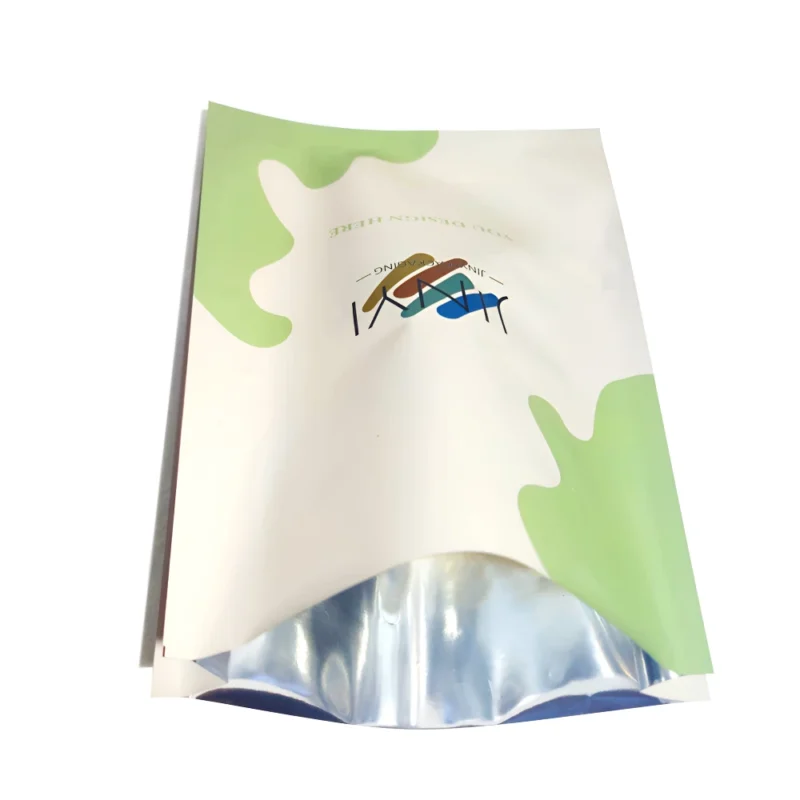
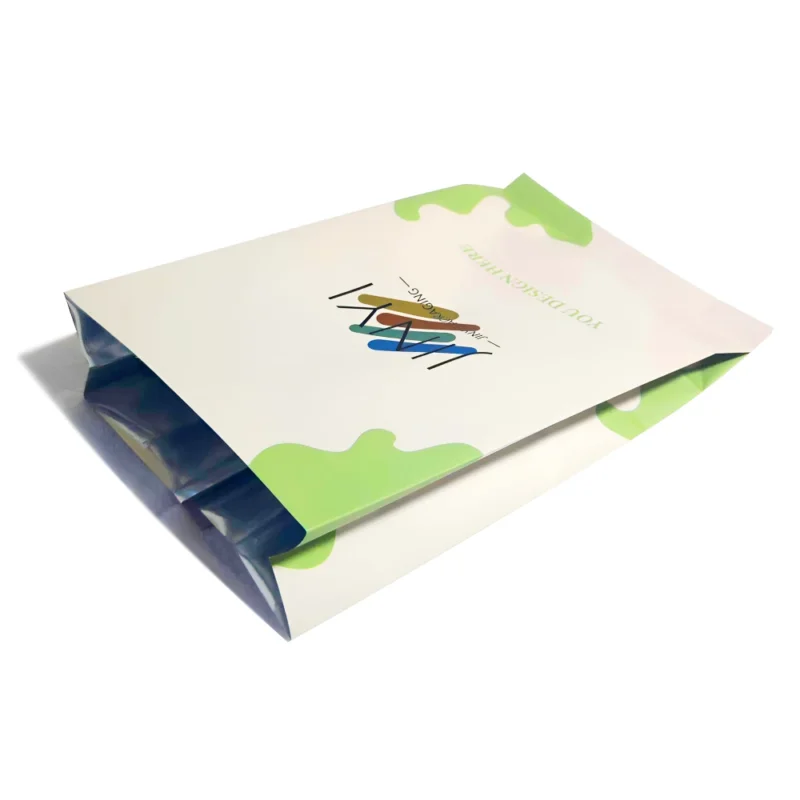
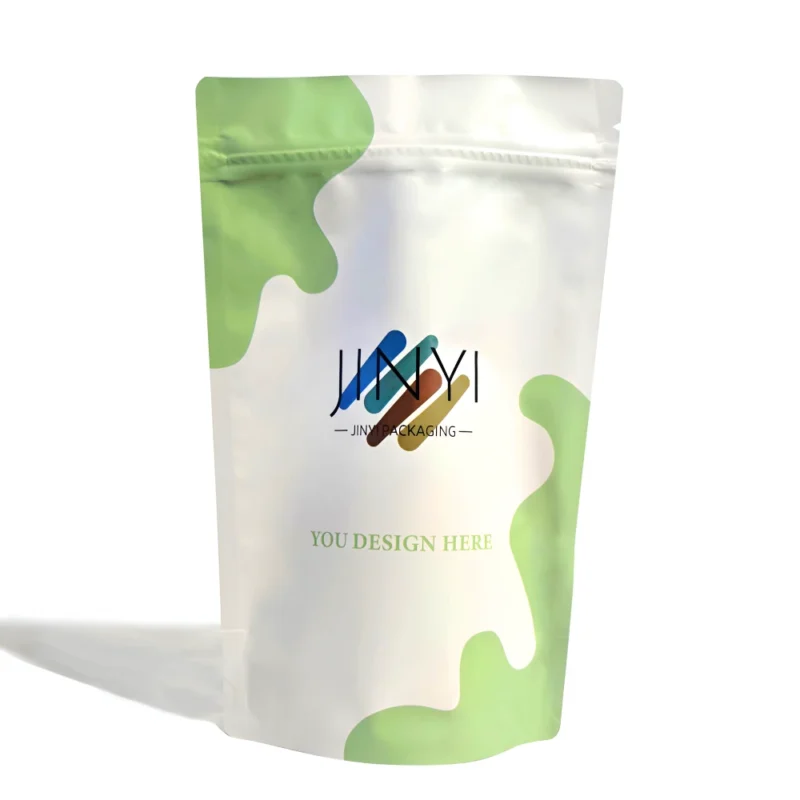
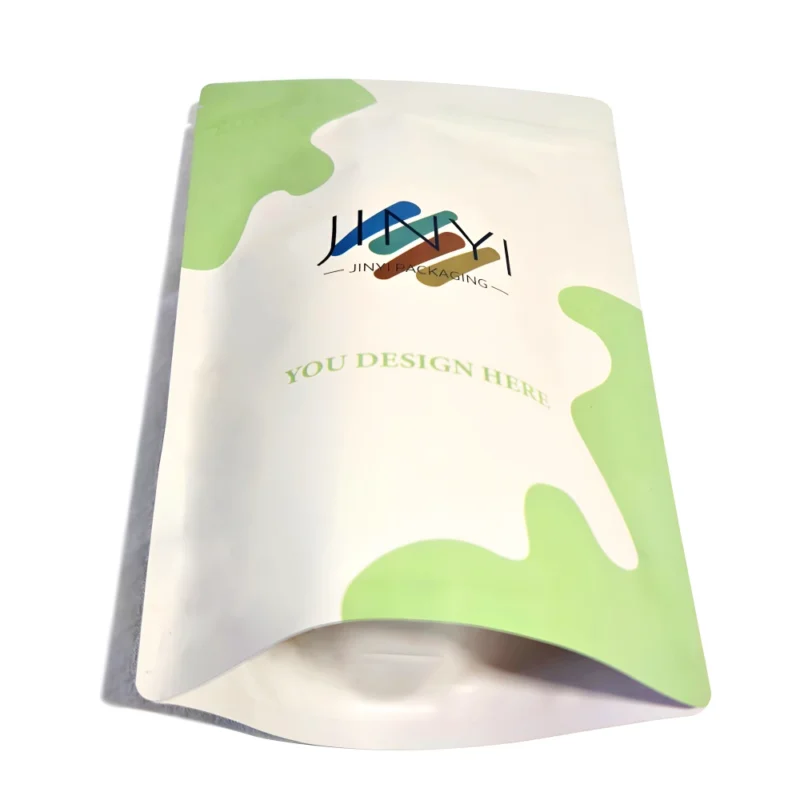
This content is for packaging education. We do not sell any regulated products.
Odor complaints can appear even when the pouch looks perfect. Teams often blame “film barrier,” then they change materials and still lose.
Most smell-through comes from two different engines: seal micro-leaks that short-circuit the barrier, or slow permeation/scalping through the wall. A fast diagnosis separates these engines before anyone redesigns the whole pack.
See packaging options and test-first specs that reduce odor complaints without guessing.

I treat smell-through like a failure analysis problem. I split “slow variables” (permeation and sorption) from “short-circuit variables” (micro-leaks, pinholes, and closure defects). I can usually identify the dominant driver in days with a small proof pack.
What does “smell-through” mean, and how should it be measured fast?
People describe odor in emotional terms. A team needs a repeatable endpoint. A team also needs a pass/fail limit that does not change by who is sniffing.
Smell-through should be measured with a simple sensory threshold protocol, plus at least one objective proxy such as weight drift or headspace marker drift.
Set a repeatable odor threshold and link it to one objective proxy
I start with a standardized “sniff distance and time” rule so the team stops arguing. A team can define a pass/fail threshold like “noticeable odor at 30 cm within 5 seconds.” A team can then track the same samples over time and record when they cross the threshold. I add one objective proxy so the team can separate perception from mechanism. Weight drift is a low-cost proxy for volatile loss and leaks. Headspace marker drift is a mechanism proxy when a lab can run HS-GC-MS on a small terpene marker set. I keep the marker set small because the goal is diagnosis, not full profiling. If odor is strong outside the pouch but internal headspace still looks normal, I suspect a seal shortcut. If internal headspace markers drop steadily while seals pass, I suspect permeation or scalping.
| Endpoint |
Minimum method |
What it helps diagnose |
| Odor threshold |
Fixed distance + fixed time pass/fail |
Consumer-noticed failure timing |
| Weight drift |
Mass change over time |
Leak-driven or volatile-loss-driven escape |
| Headspace markers (optional) |
HS-GC-MS for a small marker set |
Permeation and scalping signatures |
Evidence (Source + Year): Smithers, The Future of Cannabis Packaging to 2024 (2020). ASTM F1886/F1886M, Visual Inspection for Seal Defects (2016).
Are seal micro-leaks the real culprit, and where do they hide?
A “high-barrier” pouch can smell through if the seal leaks. A micro-channel can bypass the film in a way OTR numbers never predict.
Seal micro-leaks are the fastest smell-through engine. They often occur at zipper ends, tear-notch zones, contaminated seal bands, and stress points from wrinkles or fold-back.
Treat leaks as short-circuit variables that override barrier claims
I assume seals fail first until proven otherwise. A leak creates convective transport that is orders of magnitude faster than diffusion through a wall. I map the pouch into zones: top seal band, zipper ends, side seals, bottom gusset turns, and any tear notch or punch feature. I check for contamination because fines and oils can create micro-channels. I check for wrinkles because a wrinkle can create a non-fused line that becomes an odor path. I run quick screens before expensive tests. A bubble emission screen can reveal gross leaks. Visual inspection under good lighting can catch channel defects and “skip seal” patterns. A seal strength test is useful only if the failure mode is recorded, because high peak peel strength can still hide channel defects if the peel propagates outside the channel path. I then correlate odor “hot spots” to the seal map so the team knows where to fix process control.
| Leak location |
Typical cause |
Fast check |
| Zipper ends |
End-seal geometry, incomplete fusion, stress |
Bubble screen + visual channel check |
| Tear notch zone |
Stress concentration and seal land loss |
Visual inspection + targeted leak check |
| Seal band |
Contamination, wrinkles, low seal window |
F1886 visual + peel failure mode |
Evidence (Source + Year): ASTM F2096, Detecting Gross Leaks in Packaging by Bubble Emission (2019). ASTM F88/F88M, Seal Strength of Flexible Barrier Materials (2021).
If seals pass, how does material permeation drive odor loss over time?
Some pouches never show a leak. Odor still builds outside the pack after days or weeks. That pattern points to diffusion, not a seal shortcut.
Permeation is a slow-variable loss engine. Heat accelerates diffusion and increases the odor budget loss rate through the wall and through interfaces.
Use a “permeation budget” instead of a single barrier number
I treat permeation like a budget: loss increases with time, temperature, and surface-area-to-volume ratio. A small pouch can lose odor control faster than a larger pouch with the same film because it has more wall area per unit product. Film thickness matters because it changes diffusion path length. Storage temperature matters because diffusion coefficients rise with temperature. That is why “it smelled fine at room temperature” can fail in summer logistics. Barrier data like OTR and WVTR are useful as comparative baselines, but odor molecules are not oxygen or water. I still use OTR/WVTR because they help me confirm film class and detect variability between lots. I then confirm the mechanism with time-based odor threshold drift and a controlled temperature split test. A team that sees steady, unit-to-unit consistent drift under heat usually has a permeation-dominant problem, not a random seal defect problem.
| Driver |
What it changes |
What the pattern looks like |
| Temperature |
Diffusion rate increases |
Faster odor drift under heat storage |
| Thickness |
Longer diffusion path reduces flux |
Thinner walls drift faster at same area |
| Area/volume ratio |
More wall per unit product |
Small pouches drift earlier |
Evidence (Source + Year): ASTM D3985, Oxygen Transmission Rate Through Plastic Film and Sheeting (2017). ASTM F1249, Water Vapor Transmission Rate Through Plastic Film and Sheeting (2020).
Is “scalping” changing terpene ratios even when the pouch is airtight?
Sometimes the odor complaint is not only “odor outside.” Sometimes the product smells flatter inside the pouch. That is often a ratio problem.
Scalping occurs when volatile molecules partition into the polymer and reduce internal top-note intensity. This can happen even with good seals, especially under heat.
Look for ratio drift inside the pack, not only odor outside the pack
I treat scalping as “the package becomes an aroma sink.” A polymer can absorb or sorb certain volatile compounds and reduce their concentration in the headspace inside the pouch. This can flatten top notes and shift the aroma profile over time. Heat can increase molecular mobility and accelerate uptake. Scalping often shows up as ratio drift: some marker compounds drop faster than others. I do not need a full terpene panel to see the signature. A small marker set is enough if the team uses the same method each time. If a lab is available, I ask for headspace marker retention and, when needed, a simple wall uptake check by extraction or thermal desorption on the film. If internal markers drop while seal screens pass and weight loss is small, scalping becomes a credible driver. If internal markers stay stable but odor outside rises quickly, leaks dominate.
| Observation |
Likely mechanism |
Best next check |
| Inside aroma becomes flatter |
Scalping into the wall |
Headspace marker ratios + wall uptake check |
| Outside odor rises fast |
Seal micro-leak shortcut |
Bubble screen + seal map correlation |
| Outside odor rises slowly and uniformly |
Permeation through wall |
Temperature split + thickness comparison |
Evidence (Source + Year): Cava et al., limonene diffusion in polymers, Polymer Testing (2005). Peyches-Bach et al., ethanol effect on sorption of volatile compounds in polyethylene film, Journal of Agricultural and Food Chemistry (2012).
Why does smell-through appear after shipping: heat peaks, cycling, and shortcut defects?
A pouch can pass at the factory and fail at the customer. That timeline often points to route stress, not a sudden “bad material.”
Shipping adds heat peaks, cycling, and handling stress. These stresses increase diffusion rates and also increase the probability of micro-leaks at closures and seal edges.
Map the route as a stress sequence instead of a single storage temperature
I map odor risk as a timeline: production storage, long-haul transport, last-mile handling, and consumer storage. Each segment has different peak temperatures and different cycle counts. Heat cycling matters because it repeatedly pushes the pack through stress windows. Vibration and compression matter because they can open small defects at seal edges or zipper ends. That is why I do not accept a static room-temperature check as a meaningful odor test. I use a short heat exposure split to accelerate diagnosis. I also use secondary containment as a fast discriminator: I place the pouch inside a known high-barrier overbag. If odor outside the overbag grows fast, a leak is likely. If the overbag blocks outside odor but internal top notes still drift, permeation or scalping is likely. This approach is fast, cheap, and highly diagnostic.
| Route segment |
Main stress |
Most likely failure engine |
| Warehouse |
Time + moderate heat |
Permeation / scalping (slow) |
| Shipping |
Heat peaks + vibration |
Leaks + faster permeation |
| Consumer storage |
Heat cycling + reclose behavior |
Closure shortcuts + odor budget loss |
Evidence (Source + Year): ASTM D4169, Performance Testing of Shipping Containers and Systems (2022). ASTM F2096, Bubble Emission Leak Test (2019).
If smell-through shows up after shipping, start with a seal map and a 2×2 proof pack before changing the film.

What is the minimum proof pack that separates leaks from permeation without guessing?
Most teams change three things at once. That approach produces noise, not answers. A small matrix can isolate the dominant driver quickly.
A 2×2×2 minimum proof pack separates seal shortcuts from wall-driven losses by controlling film type, seal integrity, and storage stress in a simple matrix.
Run a small matrix that forces a clear diagnosis
I use a 2×2×2 structure because it is small enough to run fast and large enough to isolate drivers. I vary film type (baseline vs candidate), I vary seal integrity (current process vs tightened controls), and I vary storage stress (ambient vs heat cycling). I measure the same endpoints in every cell: odor threshold timing, weight drift, and at least one leak screen. If a lab is available, I add a small headspace marker set to distinguish permeation from scalping. A leak-dominant case shows early odor outside and poor correlation with film type. A permeation-dominant case shows consistent time-based drift that tracks film thickness and storage temperature. A scalping-dominant case shows internal marker ratio drift even when outside odor is controlled. This is the fastest path to the right fix.
| Factor |
Level A |
Level B |
What it isolates |
| Film |
Baseline film |
Higher-barrier candidate |
Slow-variable wall effects |
| Seal integrity |
Current process |
Tightened seal controls |
Short-circuit leak effects |
| Storage stress |
Ambient |
Heat cycling profile |
Route-stress sensitivity |
Evidence (Source + Year): ASTM F88/F88M, Seal Strength Test (2021). ASTM F1886/F1886M, Visual Seal Defect Detection (2016).
Conclusion
Smell-through is usually a leak shortcut or a slow wall-driven loss. A small proof pack identifies the engine fast. Contact us to align film, seals, and testing.
This content is for packaging education. We do not sell any regulated products.
Review odor-control pouch options and test-first specs
About Us
Brand: Jinyi
Slogan: From Film to Finished—Done Right.
Website: https://jinyipackage.com/
Our Mission:
JINYI is a source manufacturer specializing in custom flexible packaging solutions. We focus on reliable structures, repeatable process control, and real-world performance so brands can reduce communication cost and stabilize outcomes across production and shipping.
About Us:
JINYI is a source manufacturer specializing in custom flexible packaging solutions, with over 15 years of production experience serving food, snack, pet food, and daily consumer brands.
We operate a standardized manufacturing facility equipped with multiple gravure printing lines as well as advanced HP digital printing systems, allowing us to support both stable large-volume orders and flexible short runs with consistent quality.
From material selection to finished pouches, we focus on process control, repeatability, and real-world performance. Our goal is to help brands reduce communication costs, achieve predictable quality, and ensure packaging performs reliably on shelf, in transit, and at end use.
FAQ
1) Can a “high-barrier” film still smell through?
Yes. A seal micro-leak can short-circuit the barrier and let odor escape faster than diffusion through the wall.
2) How can a brand tell leaks from permeation quickly?
A seal map plus a short storage split and a small 2×2×2 proof pack usually separates leak-driven failures from slow wall-driven losses.
3) What pouch zones fail most often for odor control?
Zipper ends, tear-notch zones, and contaminated seal bands are common shortcut paths that create micro-channels.
4) What is “scalping,” and why does it matter?
Scalping occurs when volatile molecules partition into the polymer wall and reduce internal top-note intensity, even when the pouch is airtight.
5) Why does smell-through show up after shipping?
Shipping adds heat peaks, cycling, and handling stress that can accelerate diffusion and increase micro-leak probability at seals and closures.