This content is for packaging education. We do not sell any regulated products.
Why Similar Cannabis Products Still Need Different Packaging Structures? What Buyers Often Miss First?
I see many buyers group similar cannabis products together, then choose structure too fast and pay for that shortcut later.
I do not choose cannabis packaging structures by category label first. I choose them by failure risk, filling, sealing, compliance, retail path, and consumer use. That is why similar products still need different structures.

If you are comparing similar cannabis products and still cannot lock the right structure, I suggest defining the real packaging job before you compare materials.
In my daily packaging work, the first mistake usually happens before structure selection starts. Many people look at the product category and assume the structure should follow. I do not work that way. I start with what the pack must survive and what the product cannot tolerate.
Why Do Buyers So Often Assume Similar Cannabis Products Should Use Similar Packaging Structures?
Many buyers see similar products and expect similar packaging. That sounds efficient, but it often creates the wrong starting point.
I do not treat category labels as engineering answers. I treat them as surface information that still needs to be tested against real packaging risk.
Why I do not start with the product name
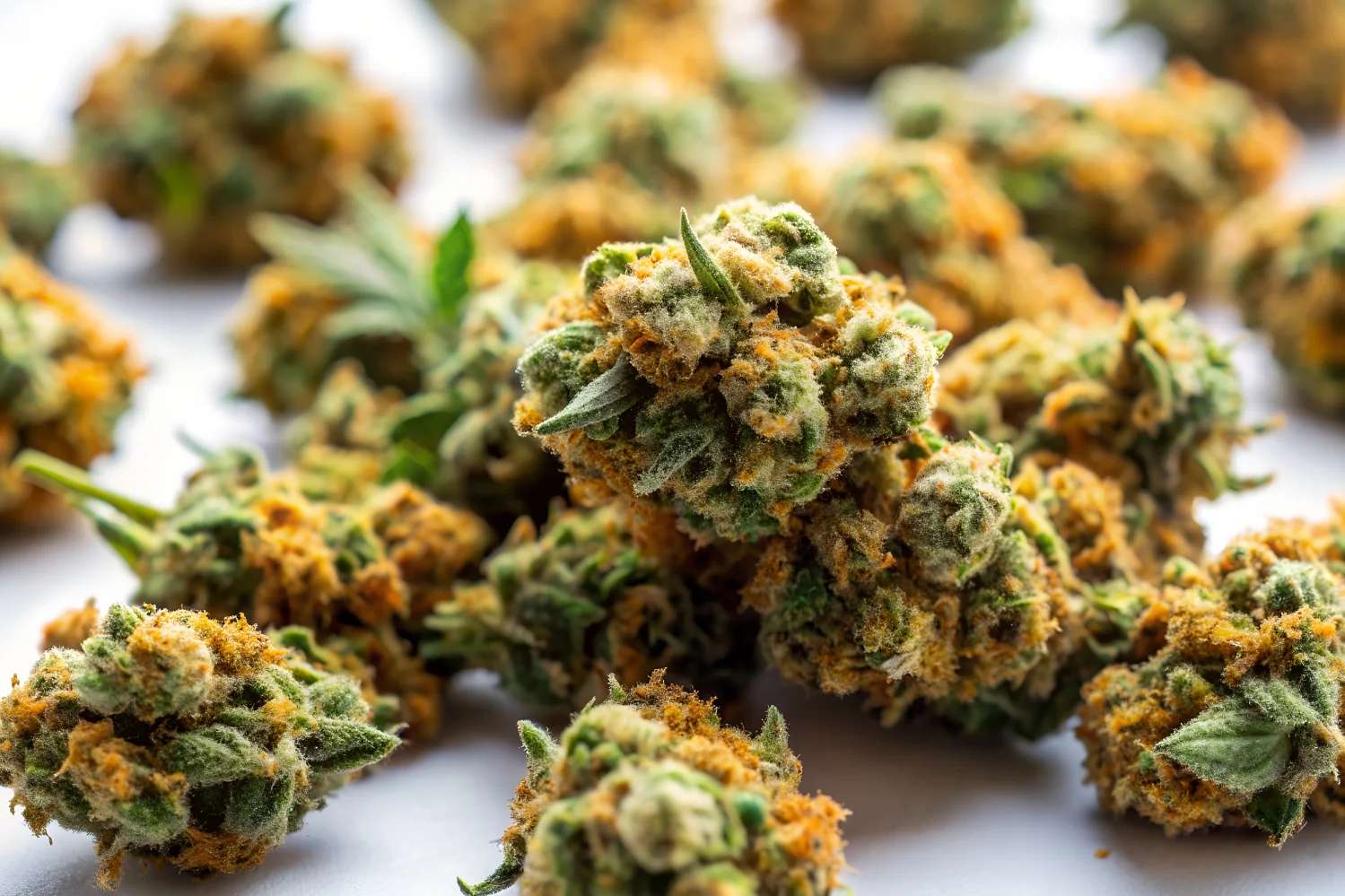
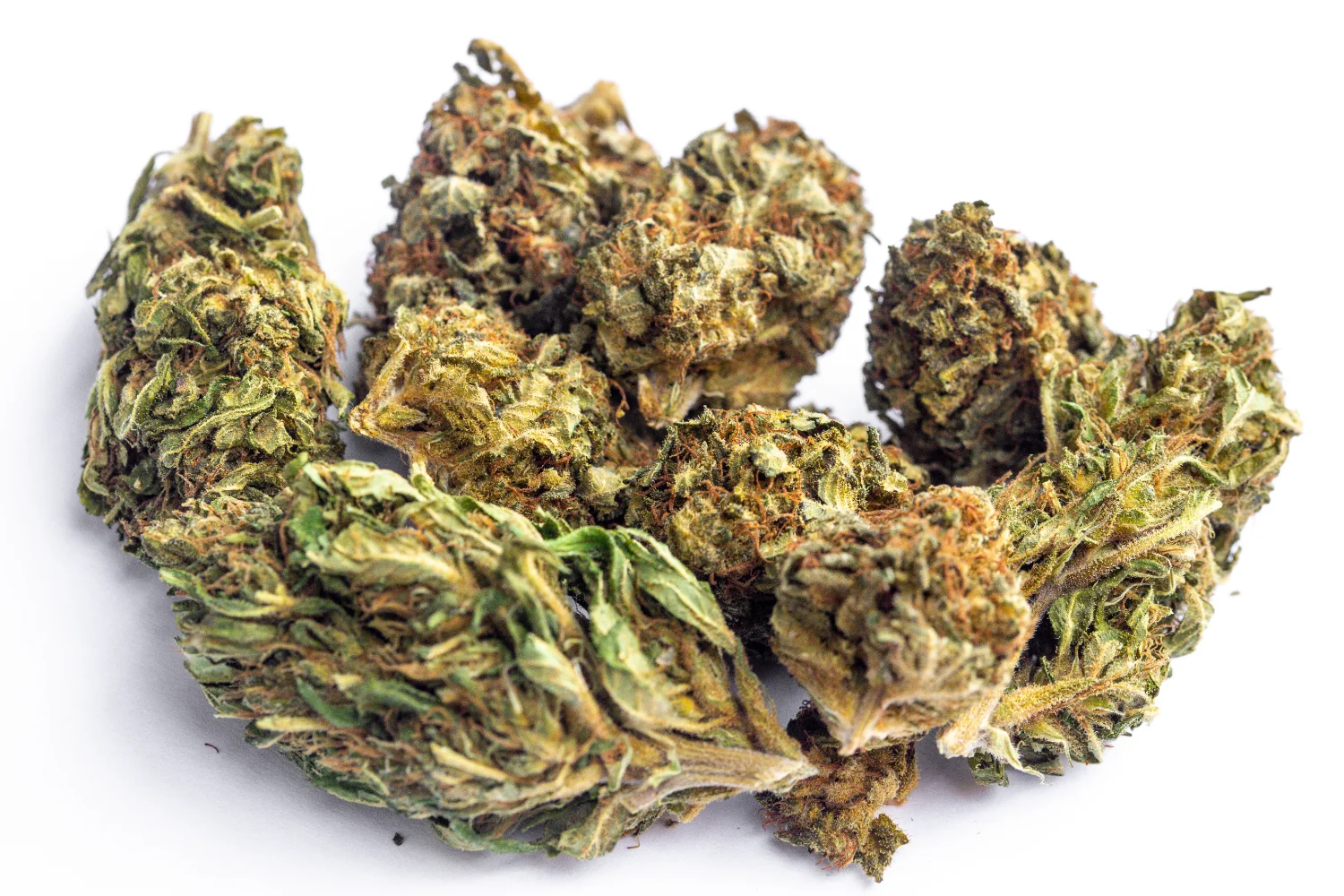
When buyers tell me two items are both flower, both gummies, or both pre-rolls, I know only one thing: the products may look similar in the market. I still do not know whether they fail in the same way. One flower pack may need better crush control because the buds are looser. Another may need better aroma retention because the product profile is stronger. One gummy may tolerate a simple repeat-use pouch. Another may need more protection from heat, sticking, or long storage. From a production standpoint, this matters because structure decisions fail when they are built on category shortcuts. I do not use “other brands do this” as a decision rule either. That is not structure logic. That is imitation. In real manufacturing, similar-looking packs often behave very differently once they go through filling, sealing, shipping, shelf display, and consumer handling. That is why I do not start with the product name. I start with the packaging job.
What buyers assume vs what I check instead
Same category
I ask whether the failure risk is also the same.
Same weight
I ask whether the use cycle is also the same.
Same market look
I ask whether the production fit is also the same.
What Do I Look At First Before I Compare Packaging Structures?
Buyers often ask about material names first. I do not.
When I compare structures, I start with what can fail first. If the first failure is not clear, the structure discussion stays shallow.
How I define the packaging job first
Before I compare pouch formats, barrier layers, or opening features, I ask three simple questions. First, what does the product fear most? It may be smell loss, moisture change, crush damage, light exposure, sticking, or poor user access. Second, what is the main job of the pack? It may be barrier, smell control, child resistance, repeat use, display, or convenience. Third, how does the product enter the package? I care whether the pack is filled by hand, semi-auto, or full auto. I also care whether dust, oil, fragments, sugar, or friction will interfere with sealing or pack shape. From daily production logic, many structure discussions become misleading because people compare materials before they define the job. I do not do that. I define the job first, because once the job is clear, many wrong structure options remove themselves.
My first checks
First likely failure
This tells me what the structure should solve first.
Main packaging job
This prevents over-design and wrong comparisons.
Filling method
This affects whether the structure truly fits production.
How Can Small Product Differences Change the Right Structure Completely?
Many structure mistakes come from small product differences that buyers treat as unimportant.
In real production, small product differences often change the right structure more than category names do.
Why small differences are not small in packaging
I see this all the time. Two products can sit in the same category, but one detail changes the answer. With flower, the product may be looser, more brittle, more aromatic, or carry more fines. That can change crush protection, odor control, and the need for a more stable format. With gummies, one formula may be more heat-sensitive, more sticky, sugar-coated, or more likely to rub together during transit. That changes the need for inner clearance, sealing margin, or repeat-use design. Pack size changes the answer too. A single-use sample pack does not ask for the same structure as a multi-open retail pouch. Shelf life changes it again. A fast-turn local item may accept a different balance than an e-commerce product sitting longer in storage. In real manufacturing, this detail often determines whether the structure feels right over time, not just on day one. I never call these small differences minor. In packaging, they are often the real reason the structure should change.
Small difference and structure impact
Looser or more fragile product
I may need stronger crush control or a more stable format.
Stickier or hotter product
Seal margin, spacing, and inner pack behavior may need to change.
Single-use vs repeat-use
The opening system and convenience logic may change completely.
If your current structure works for one SKU but not another similar one, the issue is often a hidden product difference, not just a material problem.
Why Do Filling, Sealing, and Line Conditions Change the Packaging Answer So Much?
Many buyers look at the finished pack and forget the line that made it.
I do not only ask whether a structure can be made. I ask whether it can be made consistently on a real line.
Why mockup logic is not enough
A structure can look perfect in a sample photo and still fail very quickly in production. That happens when buyers ignore filling behavior, sealing conditions, and line tolerance. Hand filling and automatic filling do not place the same demands on a pouch or box. Product dust may contaminate the seal area. Fragments may catch in zipper zones. Oily content may reduce sealing stability. Line speed may expose weak structure tolerance that never appeared in a low-speed sample run. Then sealing adds another layer. Some structures have a tighter seal window. Some opening features make first-seal consistency harder. Some corner areas or zipper starts become the first weak points. From a production standpoint, this matters because a structure that only works under ideal setup is not a stable commercial structure. In real manufacturing, consistency is part of the design answer. I do not separate structure choice from line behavior, because the factory will always test the truth of the design.
Line conditions that change the answer
Manual vs automatic filling
This changes pack tolerance, shape behavior, and line stability.
Seal contamination risk
This can change real seal reliability fast.
Line speed
This exposes whether the structure can stay consistent at volume.
How Do Retail Path, Compliance, and Consumer Use Push Similar Products into Different Structures?
Even when products stay similar, market conditions can still force different structure choices.
Two similar cannabis products can need different structures because they live in different market conditions, not because one is right and the other is wrong.
Why the market changes the structure
I often see one product sold in different ways, and that alone can change the pack. A hanging retail item may need a format that presents well on a peg. A countertop item may prioritize front-facing visibility. An e-commerce item may need a structure that travels better and wastes less cube. Compliance can push the answer further. Child-resistant features, tamper evidence, and warning content may change the available layout or the opening system. Then consumer use changes the answer again. A one-time open pack does not behave like a repeat-use pack. A pocket-carry item does not behave like a home-storage item. Some products need convenience first. Some need stronger retention after repeated opening. From daily packaging work, structure decisions often split because the product lives in a different retail path and user pattern, not because the material world suddenly changed. I always judge the structure inside the real market condition, not outside it.
Market variables that shift structure
Retail path
Display and shipping needs may move the structure in different directions.
Compliance load
Opening features, layout space, and warning placement may change the answer.
Consumer use
Convenience, storage, and repeat-use patterns may require a different structure.
What Buyers Usually Miss First—and How I Make the Final Structure Decision?
Most buyers miss the structure logic before they miss the material choice.
What buyers usually miss first is the real packaging job, the first likely failure, and whether the structure truly fits production, market position, and user behavior.
My final decision path
When I make the final structure decision, I keep the process simple. First, I define the real job. I ask what this package must protect, support, or make easier. Second, I identify the first likely failure. I want to know whether the first problem will come from aroma loss, breakage, bad sealing, poor opening, shipping stress, or weak shelf behavior. Third, I remove structures that fight the job, even if they look attractive or popular. I do not force a structure into a project just because it looks premium or because another brand uses it. Fourth, I balance performance, cost, line fit, logistics, display, and market position. That is the point where I narrow the answer, not the place where I start. To me, the first mistake is treating packaging structure as a category decision. It is not. It is a risk-and-use decision. That is why similar cannabis products still do not deserve the same structure by default.
My decision steps
Step 1
Define the real packaging job.
Step 2
Find the first likely failure.
Step 3
Remove structures that fight the job.
Step 4
Balance performance, production fit, and business fit.
Conclusion
Similar cannabis products do not need similar packaging by default. They need structures that match real risk, real line conditions, and real use. Contact us if you want help narrowing the answer faster.
This content is for packaging education. We do not sell any regulated products.
About Us
At JINYI, I work with a team focused on custom flexible packaging. Our slogan is From Film to Finished—Done Right. We believe good packaging is not only about appearance. It should work reliably in transport, on shelf, and in the consumer’s hand. JINYI provides custom flexible packaging solutions with more than 15 years of production experience. Our factory runs multiple gravure printing lines and HP digital printing systems, so we can support stable volume production and flexible custom orders. From material selection to finished packs, I always pay attention to how packaging performs under real shipping, display, and daily-use conditions. Website: https://jinyipackage.com/.
FAQ
Can two cannabis flower products really need different structures?
Yes. Differences in fragility, aroma strength, fines level, repeat-use need, and sales channel can change the right structure quickly.
Why do I start with failure risk instead of material names?
I do that because material comparison without a clear packaging job usually turns into guesswork and over-design.
Can filling conditions really change the structure decision?
Yes. Filling method, seal contamination risk, and line speed can decide whether a structure works consistently or only works in samples.
Why can similar products need different opening systems?
Because repeat-use patterns, compliance features, and consumer handling can change how the pack should open, close, and store.
What do buyers usually miss first?
They usually miss the real packaging job first. That mistake often leads to the wrong structure discussion from the start.