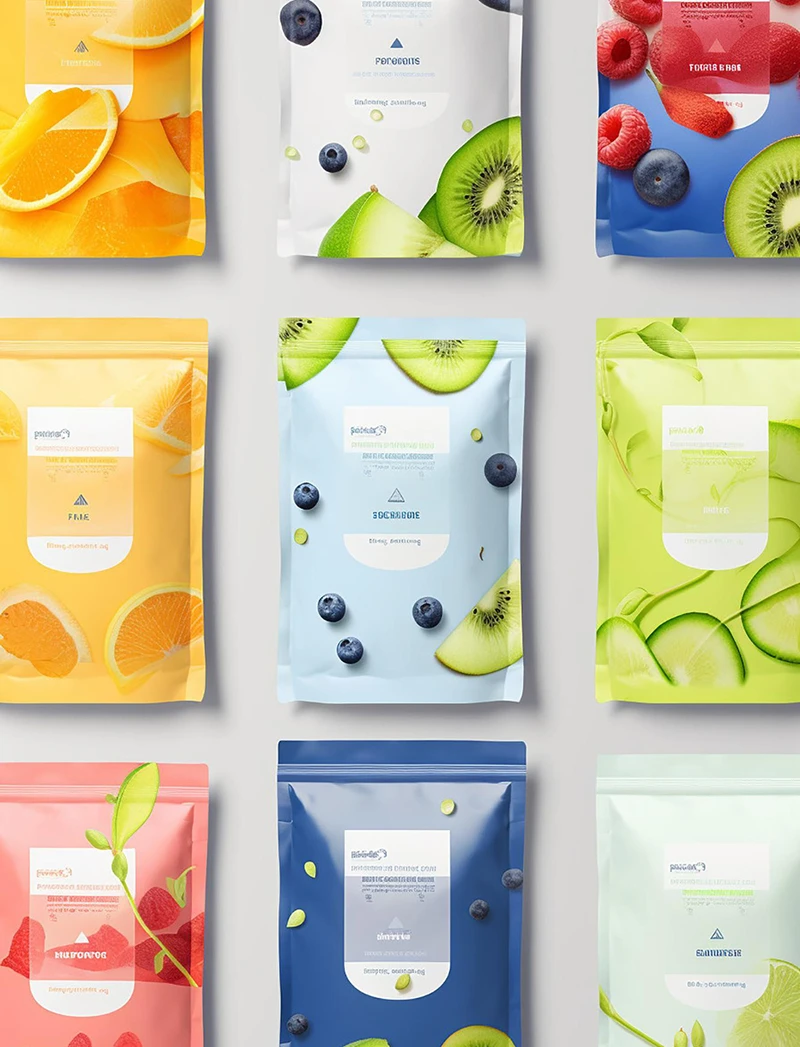
Returns keep rising, and many brands keep “upgrading” packaging, but they still get wrinkles, scuffs, and customer doubt.
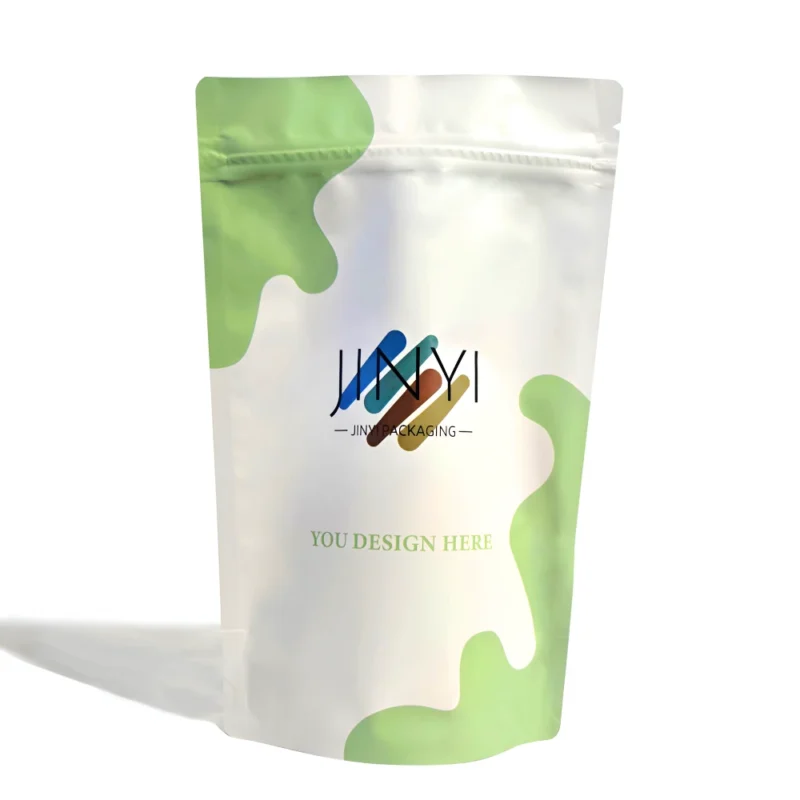
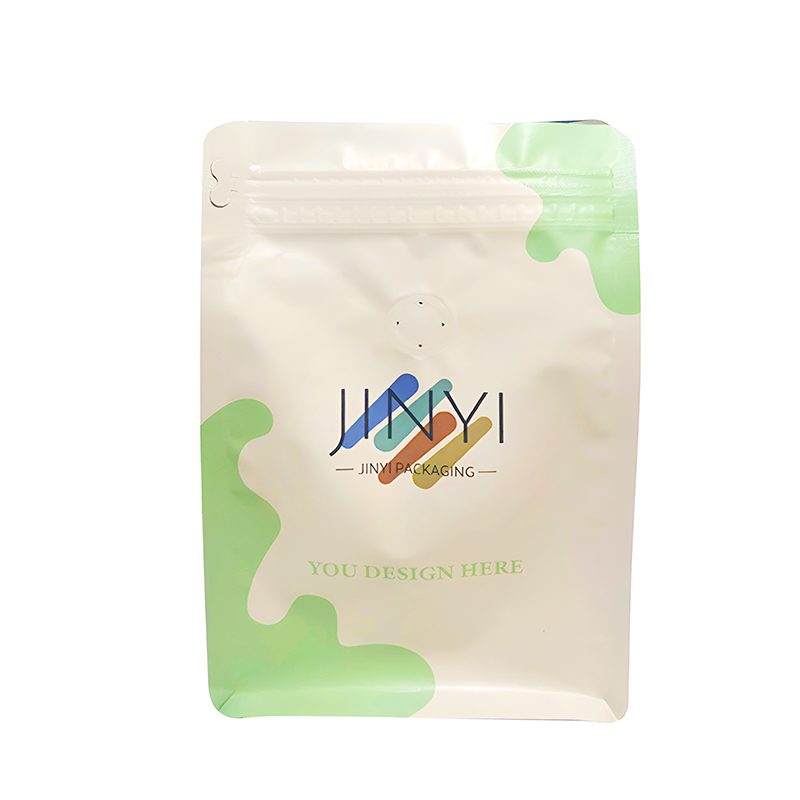
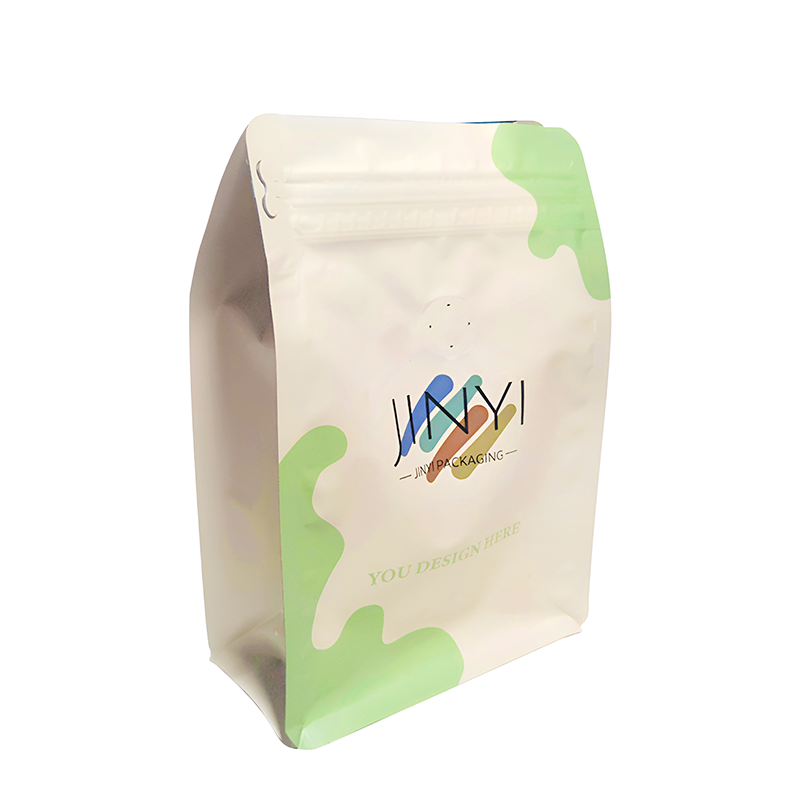
I reduce returns by solving the real failure points: trust, route stress, and pack-out control. I start with one system view, then I pick the right mix of bags, boxes, and labels. If you want the full apparel packaging map I use, I keep it here: apparel packaging solutions built for fewer returns per batch.

I write this from daily production and channel work. I care about how packaging looks, but I care more about how it holds up after compression, vibration, and real handling.

What Returns Really Mean in Apparel: Damage, Doubt, and “Not as Expected”?
I see returns happen even when the product is fine, because packaging creates doubt in the first five seconds.
In apparel, “returns” often mean trust broke: the order looked used, messy, or inconsistent with what the buyer expected.
I treat “trust” as a packaging performance metric
I do not define apparel returns as only physical damage. I see a bigger driver: doubt. A dusty surface, a wrinkled fold, a ripped mailer edge, or a label that looks sloppy can trigger the same feeling: “This does not look new.” That feeling is expensive, because it shows up as refunds and bad reviews even when the garment is perfect. From a production standpoint, this matters because small packaging mistakes scale fast. If one batch has weak fold control, or if one shipping lane scuffs your poly mailers, you will see returns spike without a clear “defect.” I also see “not as expected” complaints linked to labeling. If size, fiber content, or care instructions are unclear, the customer assumes the product is wrong. My goal is to make the first impression predictable: clean, controlled, and consistent across mixed SKUs.
| Return trigger |
What it looks like |
What customers assume |
| Visual doubt |
Wrinkles, dust, messy unboxing |
Not new / low quality |
| Handling damage |
Scuffs, dents, corner crush |
Poor protection |
| Information conflict |
Wrong or unclear labels |
Wrong item / not compliant |
Start With Channel/Route Stress: Where Apparel Packaging Fails After It Leaves Your Warehouse?
Many packaging decisions look right in-house and fail after they meet the route.
I start with channel stress: compression, drop, vibration, thermal cycling, and handling friction, because that is where returns are created.
I map stress to the most common apparel complaints
I treat channel or route stress as the real test. Compression happens in stacking, pallets, and last-mile bins. It creates creasing and corner crush. Drop happens in manual handling and parcel networks. It creates corner impacts and seam bursts. Vibration happens in long transport and repeated shelf moves. It creates scuffing and slow loosening of closures. Thermal cycling happens when packages move between hot trucks, cold warehouses, and air-conditioned stores. It changes stiffness, adhesion behavior, and surface friction. From our daily packaging work, we see that light and white fabrics amplify these issues. A small scuff on a mailer can transfer dirt, and a small crease can look like a quality defect. This is why I choose packaging around the route, not around a product photo.
| Route stress |
What it causes in apparel |
What I control |
| Compression |
Creasing, corner crush |
Pack-out tightness, box load path |
| Drop |
Seam bursts, dents |
Edge strength, closure integrity |
| Vibration |
Scuffing, loosening |
COF, surface protection, closure friction |
| Thermal cycling |
Adhesion drift, stiffness changes |
Material pairing and process stability |
Poly Mailers vs Boxes: When Flex Beats Rigid (and When It Doesn’t)?
Teams often choose mailers to save freight, then they pay in wrinkles, scuffs, and “messy” unboxing.
I use poly mailers when the product can tolerate compression and the route is stable, and I switch to boxes when shape control and trust matter more.
I choose by product geometry and route reality
I like poly mailers because they reduce shipped air and can lower cost per batch. They also move fast in fulfillment. In real manufacturing, this detail often determines the outcome: whether the garment can hold its presentation under compression. Soft knits and flexible items can survive in mailers if pack-out is tight and clean. Structured apparel, gift sets, or premium pieces often suffer. Sharp corners from accessories, folded hangers, or bundled items can create pressure points. That can lead to scuffs or seam stress on the mailer. A box can protect shape and can create a cleaner unboxing moment, but it can also add bulk if it is oversized. I do not treat “mailer vs box” as a brand identity choice. I treat it as a route-fit decision. If returns are driven by creasing, shape loss, or customer doubt, a box often pays back through fewer complaints.
| Use case |
Mailer works when… |
Box works when… |
| Light apparel |
Compression tolerance is high |
Presentation must stay crisp |
| Mixed bundles |
No sharp corners or hard items |
Set needs shape control |
| Premium gifting |
Not a key requirement |
Unboxing trust is a priority |
Dust Bags and Inner Protection: When Presentation Helps Without Adding Waste?
Some brands add dust bags for “premium,” and they accidentally add waste and packing time.
I use dust bags when they prevent real friction and transfer risk, and I size them to do one job well.
I treat dust bags as friction control, not decoration
I like dust bags when they protect light colors, sensitive fabrics, and premium finishes. They reduce dust pickup, reduce abrasion, and reduce transfer staining. That is the practical value. The waste risk comes from unclear division of labor. If a dust bag duplicates the outer packaging job, it becomes cost with no performance gain. From a production standpoint, this matters because extra steps slow packing and increase variability. I avoid that by sizing the dust bag to the garment and by defining what it protects. For example, the dust bag can protect fabric surfaces and trims from rubbing, while the outer package controls route stress. I also keep the closure simple. A complicated closure can slow down packing and increase seal contamination risk if tape, glue, or adhesive touches fabric. I keep the system clean: one layer for surface protection, one layer for transport control.
| Risk |
What a dust bag prevents |
How I avoid waste |
| Surface scuff |
Trim and fabric abrasion |
Right size, no extra inserts |
| Dust and transfer |
Visible marks on light colors |
Single-purpose inner layer |
| Messy unboxing |
Loose product and wrinkles |
Simple closure and pack-out control |
Resealable Zipper Bags: How I Balance Reuse, COF, and Packing Speed?
Reusable zipper bags can improve customer experience, and they can also slow packing if the system is not tuned.
I choose zipper bags when reuse is real value, and I tune COF and opening feel so the line stays fast.
I use “easy close” without “slow packing”
I like resealable zipper bags for inner organization, returns handling, and customer reuse. But I do not treat “zipper” as a free upgrade. COF changes how bags slide on the line and how they stack in a bin. If COF is too low, bags drift and look messy. If COF is too high, bags drag and create jams. This is why I balance reuse with throughput. In real manufacturing, this detail often determines success: the zipper must close reliably without extra operator effort. If operators need to pinch and rework seals, line speed drops and the bag becomes a labor cost. I also watch headspace. Too much headspace allows movement and creasing. Too little headspace causes stress marks. I pick a zipper bag as part of a pack-out system, not as an isolated component.

Folding Cartons vs Rigid Gift Boxes: What Improves Shelf Impact Without Overbuilding?
Rigid boxes look premium, and they can turn into freight and storage waste if they are oversized.
I use folding cartons for scalable efficiency, and I use rigid boxes when shelf impact and gifting justify the extra volume, with route stress validated.
I compare structure by load path and total cost per batch
I choose between folding cartons and rigid gift boxes based on the job. Folding cartons scale well, ship efficiently, and can still present cleanly if geometry is tight. Rigid boxes deliver a premium unboxing and can protect shape, but they can increase shipped air and storage footprint. From our daily packaging work, we see that the “premium” gain disappears if the box arrives dented or scuffed. This is why I do not overbuild by default. I control load paths, corners, and pack-out so the box holds under compression and drop. I also keep insert logic simple. Overcomplicated inserts can increase assembly time and create downtime. If the product is for gifting or in-store display, rigid can make sense. If the product is e-commerce heavy and the route is tough, a well-designed folding carton can often give a better total cost per run.
Paper Shopping Bags: How I Prevent Handle Tear, Scuff, and Bag Collapse in Real Carry Cycles?
Paper shopping bags fail when the handle tears or the bag collapses after a few carry cycles.
I design shopping bags for carry reality: handle reinforcement, edge stability, and scuff control, not just higher GSM.
I design for “carry cycles,” not for a photo
I see three common failures: handle tear, bottom collapse, and print scuff. I treat these as system issues. Handle tear is often reinforcement placement and glue zone behavior, not only paper thickness. Bag collapse is often gusset geometry and base stiffness, not only material. Print scuff is often COF and surface finish under friction, not only ink quality. From a production standpoint, this matters because a stronger bag that scuffs badly still feels cheap. I prefer a balanced approach: reinforcement where stress concentrates, stable geometry that holds shape, and surface control that stays clean from store to street. I also ask how the bag is used. If customers carry heavy folded sets, the design must reflect that. If customers carry light apparel, I can optimize for presentation and comfort instead.
Hang Tags and Care Labels: Placement, Adhesion, and Compliance That Prevent Returns?
Many apparel complaints are really information disputes: size, fiber content, and care expectations.
I treat tags and labels as an information system. I place them to stay readable, stay attached, and avoid residue or irritation.
I prevent “wrong item” claims with label clarity
I treat hang tags and care labels as part of returns control. If size is unclear, customers assume you shipped wrong. If care instructions are confusing, customers blame the product for shrinkage or fading. If labels fall off, customers assume the product is low quality or non-compliant. From our daily packaging work, we see that placement and attachment method decide whether labels survive handling. Adhesive labels can leave residue. Sewn labels can irritate if edges are harsh. Hang tags can snag and tear packaging. I match the method to the garment and channel. If the brand sells across regions, compliance becomes more important. I keep content readable and consistent across SKUs because mixed SKUs are where mistakes happen.
If you want the category-level structure I use for apparel, I keep the full map here: a packaging system that keeps tags, bags, and boxes consistent across SKUs.
Fit, Headspace, and Pack-Out: How I Reduce Movement, Creasing, and “Messy Unboxing”?
Oversized packaging looks careless, and tight packaging creates pressure marks and hard folds.
I reduce movement and creasing by controlling headspace, folding method, and internal separation for bundles.
I control “movement” because movement creates wrinkles
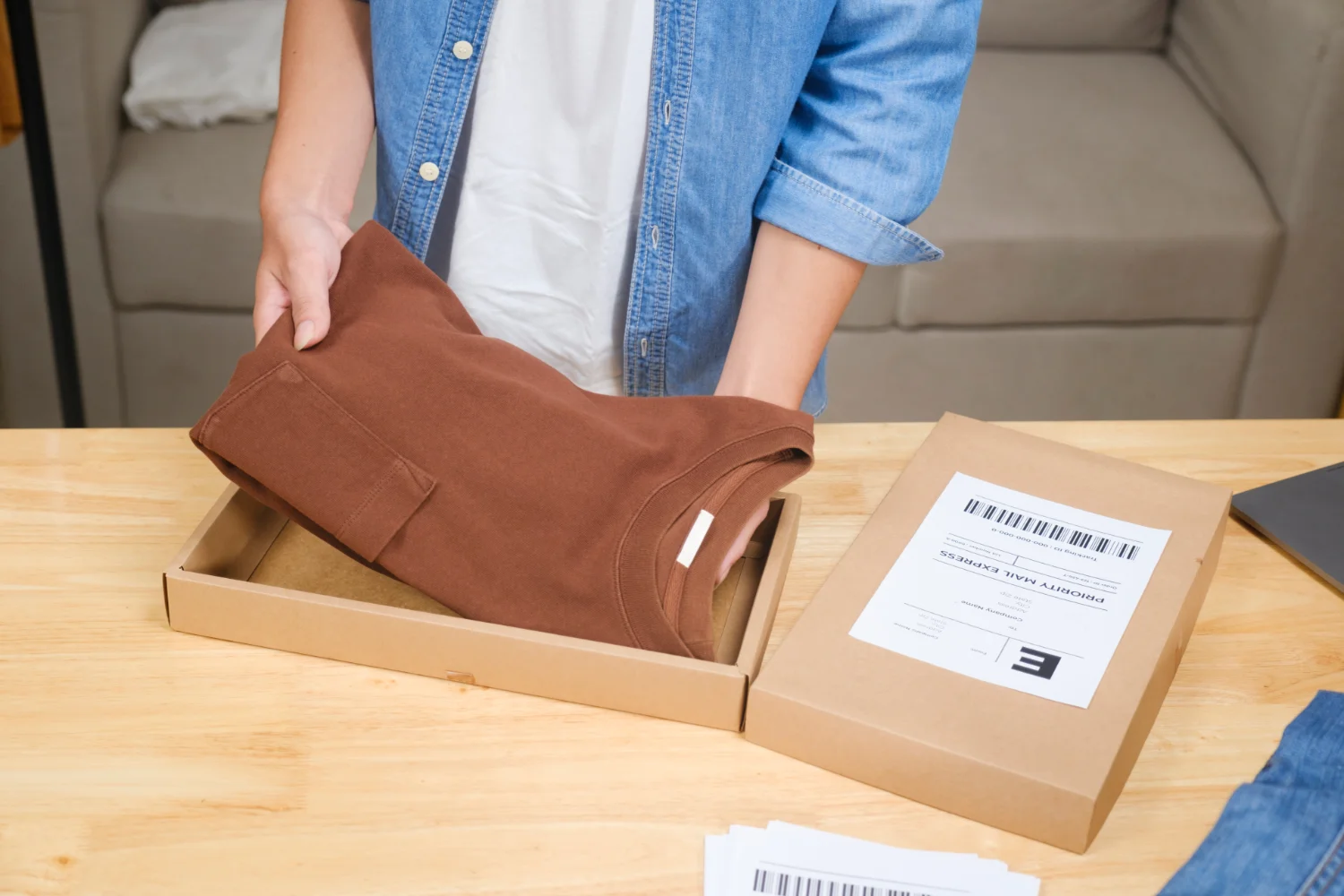
I use pack-out as a control lever. If headspace is too large, garments shift and crease. If headspace is too small, pressure marks show up and corners crush. This is why I set a fit rule that matches the route. For parcel shipping, I tighten pack-out and reduce movement. For retail carry, I protect presentation and avoid hard compression. I also control bundles. Mixed SKUs in one package can create sharp points and uneven load. A simple separator, a neat fold method, and a predictable pack-out order can remove that risk without adding waste. From a production standpoint, this matters because pack-out rules must be easy for operators. If the rule is too complex, the line will break it.
Total Cost per Run: The Hidden Cost of Rework, Downtime, and Mixed SKUs?
Packaging costs do not end at the unit price. They show up again as labor and mistakes.
I use total cost per run and per batch because rework, downtime, and SKU confusion drive the real spend.
I treat “mixed SKUs” as a packaging stress test
Mixed SKUs create the highest operational risk. Operators must pick the right size, the right label, the right bag, and the right insert. If packaging does not support quick recognition, mistakes happen. Those mistakes become rework and customer disputes. This is why I like systems with clear size coding, consistent placement, and easy assembly. In real manufacturing, this detail often determines throughput: whether an operator can complete the pack in one clean motion. A packaging choice that adds 10 seconds per order can become a cost spike per batch. I also watch inventory complexity. Too many packaging variants can create stockouts and rushed substitutions. That is another hidden return driver, because substitutions look inconsistent and feel unplanned.
Validation Plan: The Tests I Run Before Scaling (Compression, Drop, Vibration, Thermal Cycling)?
Teams often skip validation, then they learn by refunds and urgent replacements.
I validate with low-cost, real-stress checks: compression, drop, vibration, thermal cycling, and scuff observation before I scale per batch.
I validate to reduce risk, not to promise “zero returns”
I keep validation simple and honest. First, I check compression because stacking and bins crush soft packs. Second, I check drop because parcel routes punish corners. Third, I check vibration because it creates scuffs and loosens closures over time. Fourth, I check thermal cycling because temperature swings change stiffness and friction. Then I add one apparel-specific check: scuff and dirt visibility on light fabrics and premium finishes. From our daily packaging work, we see that scuff risk often decides customer perception more than actual protection. I run these checks on a small batch because small learning is cheaper than large regret. I record results per batch so teams can compare changes and avoid repeating mistakes.
| Test |
What it reveals |
What it prevents |
| Compression |
Shape loss and crease risk |
Messy unboxing, dents |
| Drop |
Corner and seam failure |
Damage complaints |
| Vibration |
Scuff and closure drift |
Trust loss and pop-open |
| Thermal cycling |
Stiffness and friction shifts |
Inconsistent performance by season |
Conclusion: A Simple Apparel Packaging Decision Flow That Reduces Returns?
I reduce returns by mapping the return trigger, matching route stress, choosing the right outer and inner layers, and validating before scaling.
Tell me your SKU mix and shipping route, and I’ll map an apparel packaging system that reduces returns
FAQ: Apparel Packaging That Reduces Returns?
1) Poly mailers or boxes: which one reduces returns more?
I choose by route stress and presentation risk. Mailers can work for soft, compression-tolerant items. Boxes reduce creasing and doubt when shape control matters.
2) Do I really need a dust bag?
I use dust bags when they prevent scuff, dust, or transfer risk on light colors and premium finishes. I avoid waste by sizing them correctly and giving them one clear job.
3) Will resealable zipper bags slow down my packing line?
They can if COF and zipper closure feel are not tuned. I validate with real line motions and adjust fit and friction to protect speed.
4) How do hang tags and care labels reduce returns?
They reduce “wrong item” disputes and care expectation gaps. I focus on readable content, stable placement, and attachment methods that do not leave residue or irritation.
5) What is the smallest validation plan that still works?
I run a small batch, check compression and drop, add vibration and thermal cycling for the route, and inspect scuff and dirt visibility under normal light.
About Me
Brand: JINYI
Tagline: From Film to Finished—Done Right.
Website: https://jinyipackage.com/
JINYI is a source manufacturer specializing in custom flexible packaging solutions, with over 15 years of production experience serving food, snack, pet food, and daily consumer brands.
We operate a standardized manufacturing facility equipped with multiple gravure printing lines as well as advanced HP digital printing systems, allowing us to support both stable large-volume orders and flexible short runs with consistent quality.
From material selection to finished pouches, we focus on process control, repeatability, and real-world performance. Our goal is to help brands reduce communication costs, achieve predictable quality, and ensure packaging performs reliably on shelf, in transit, and at end use.