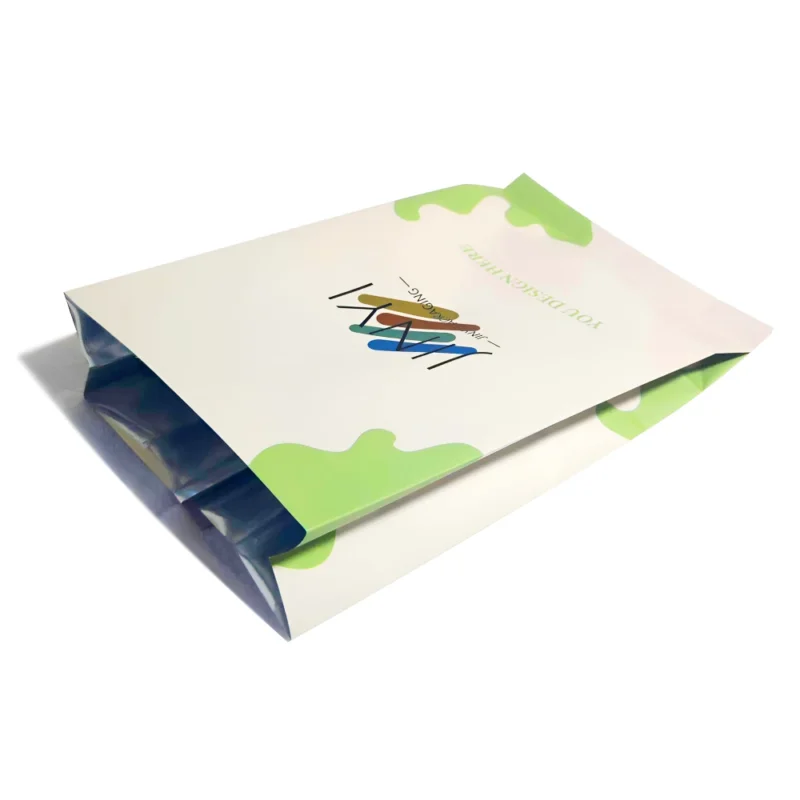
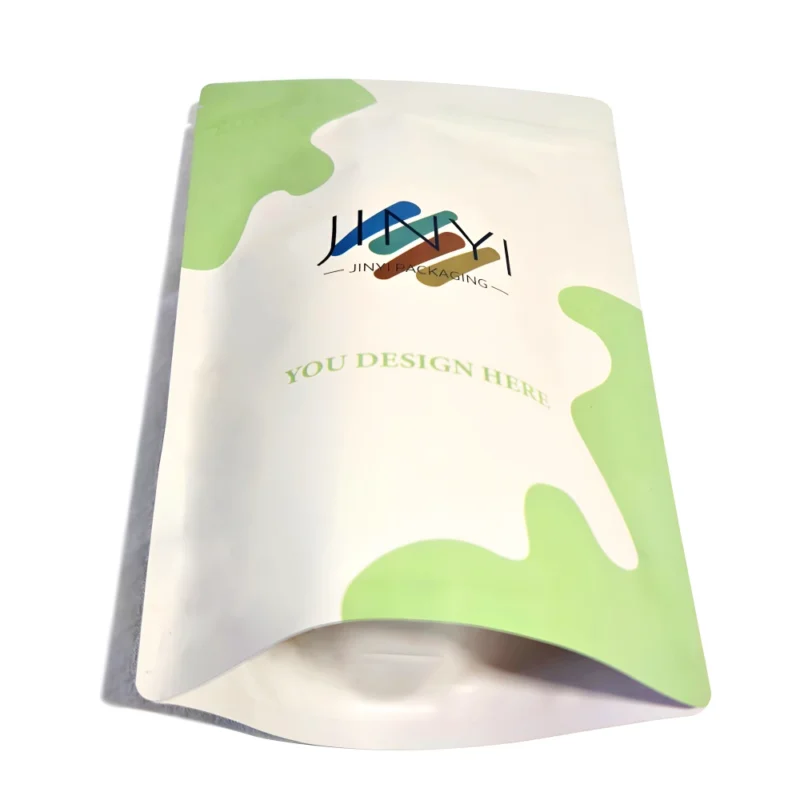
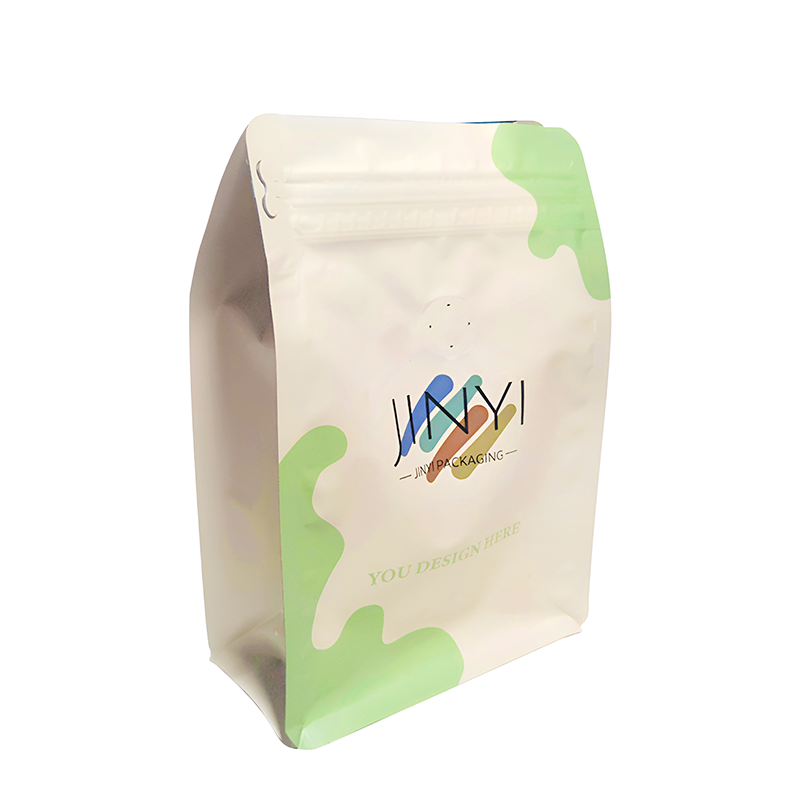
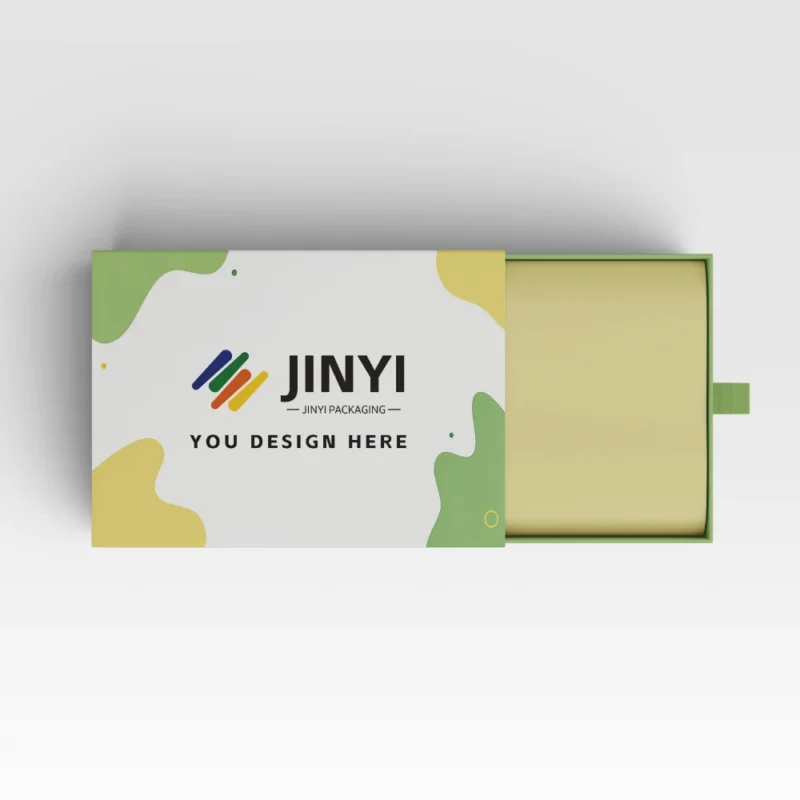
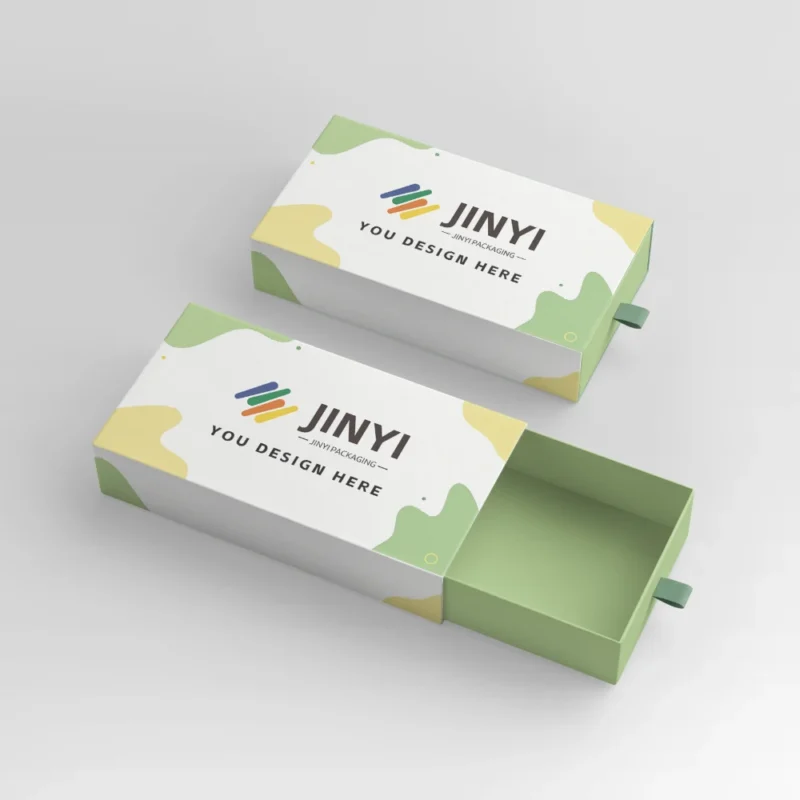
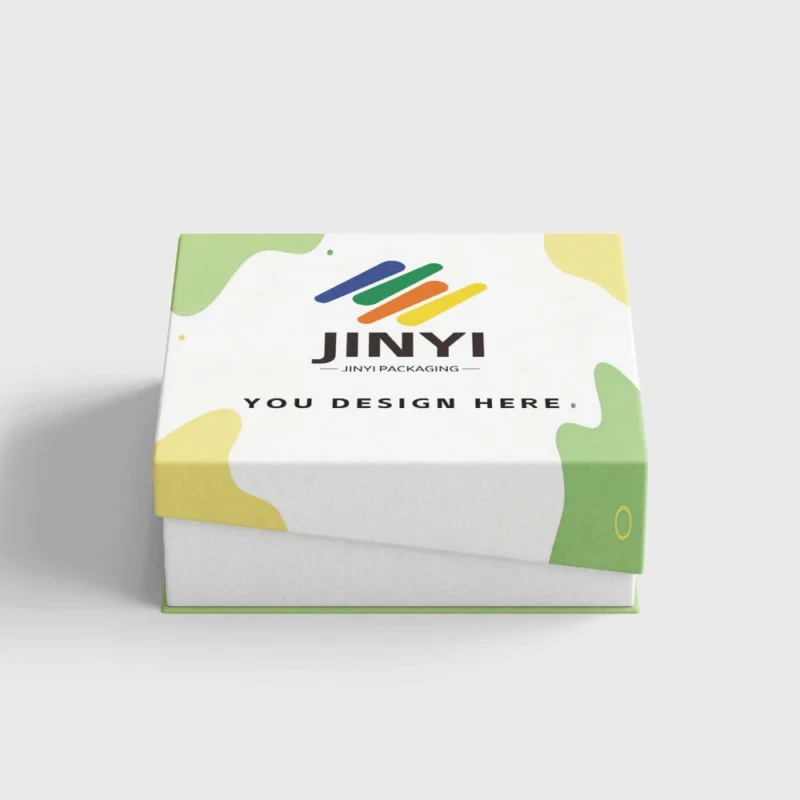
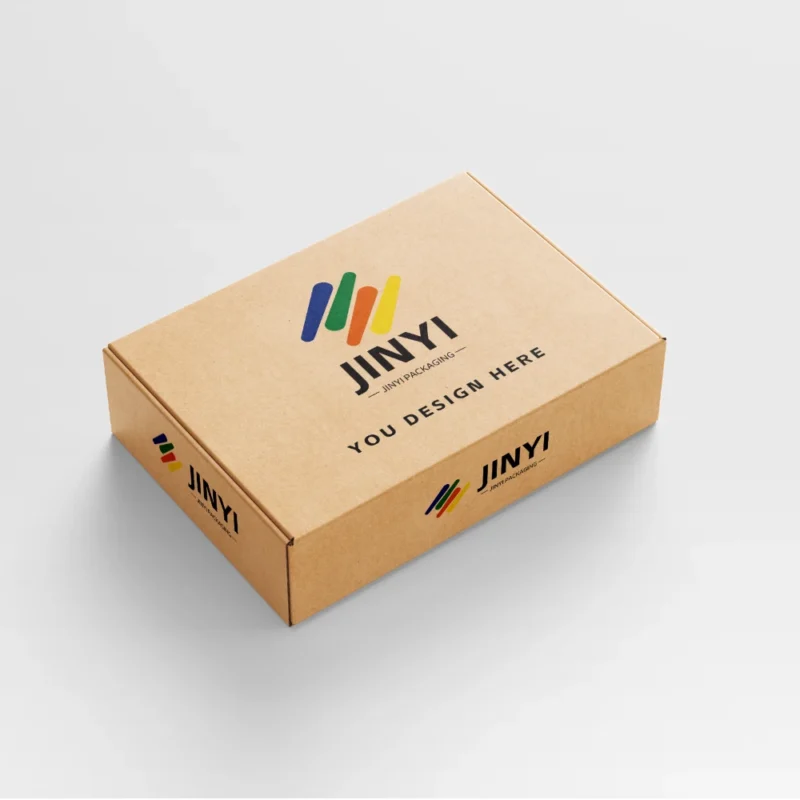
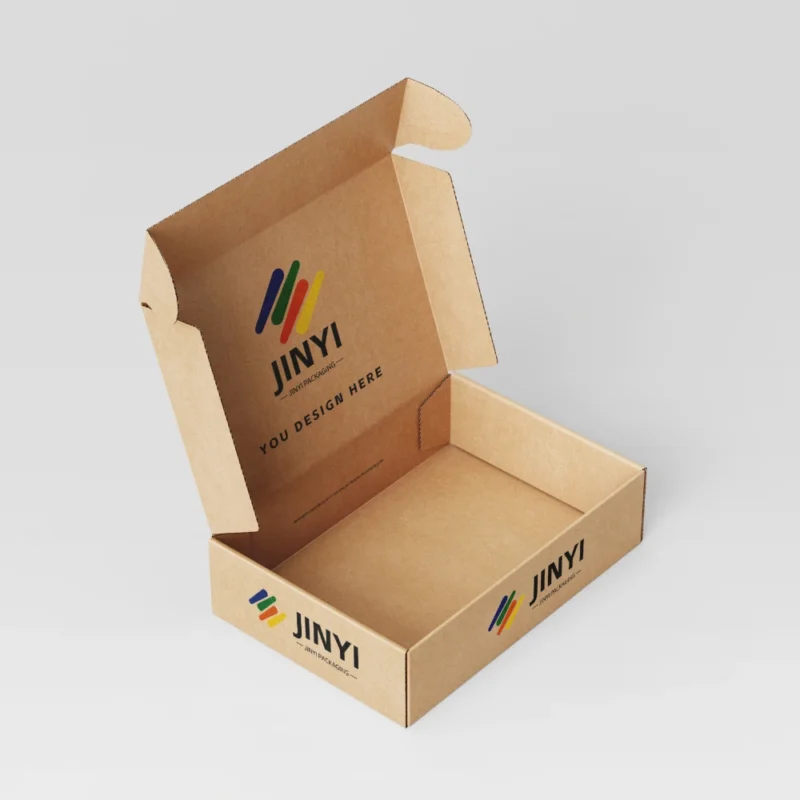
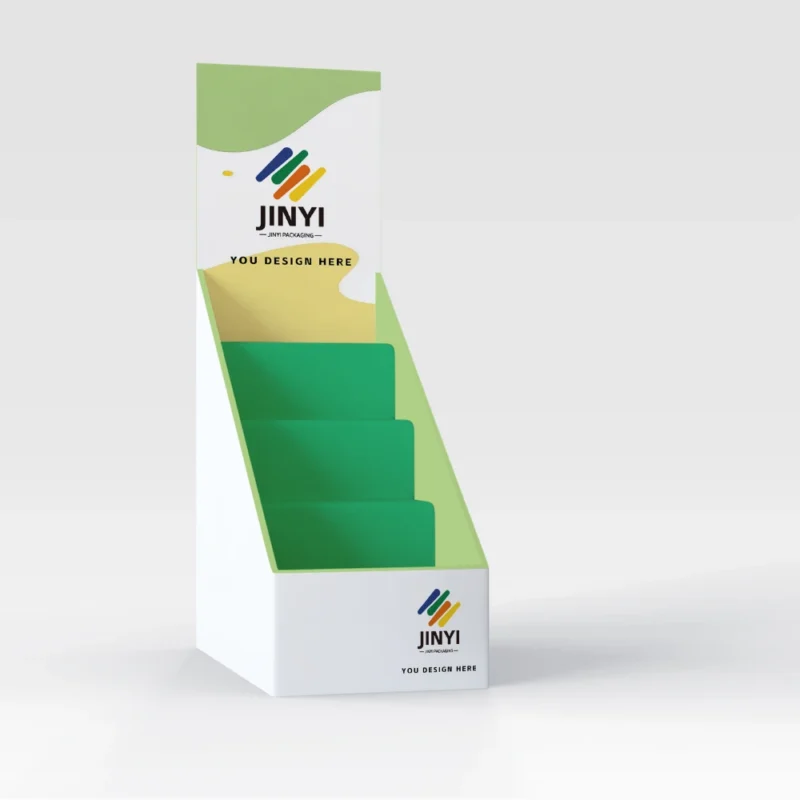
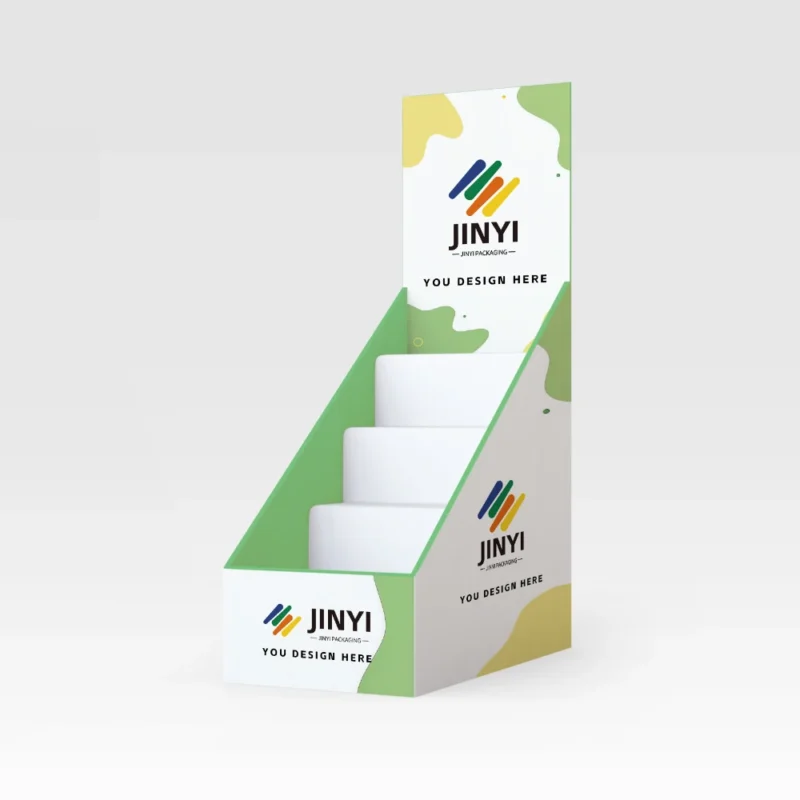
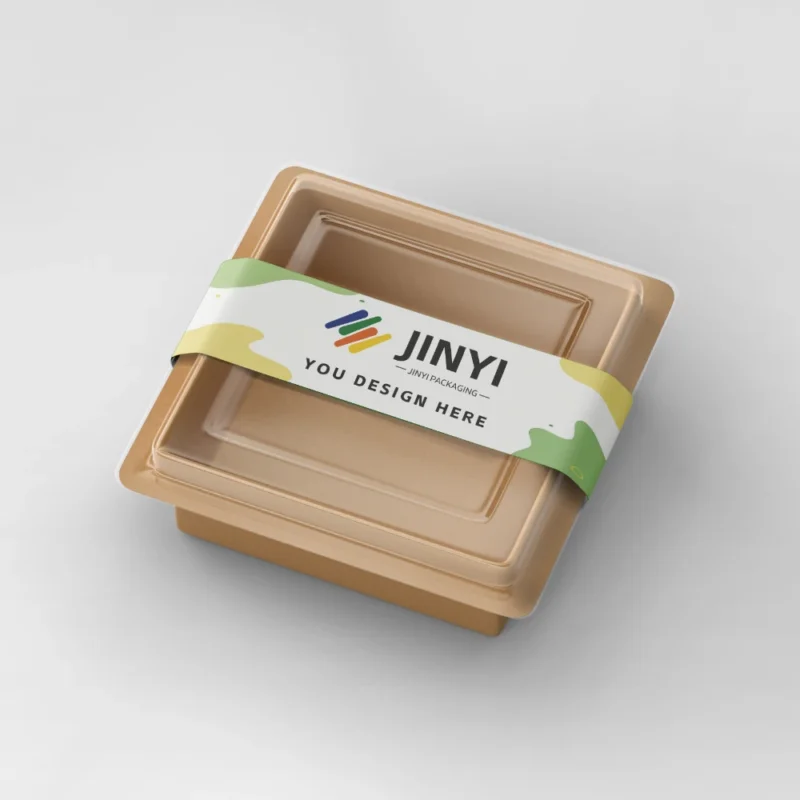
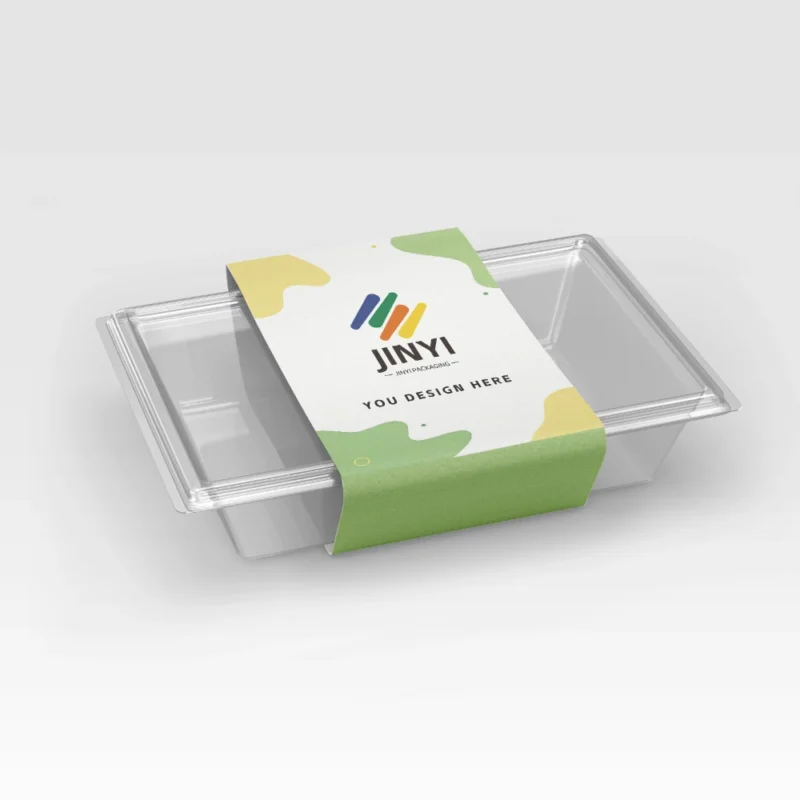
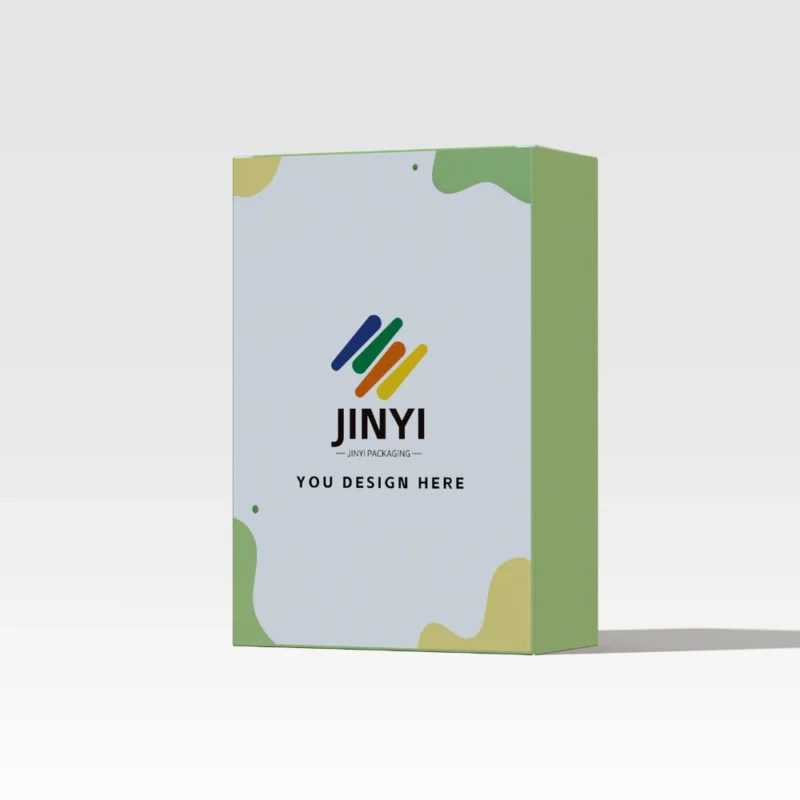
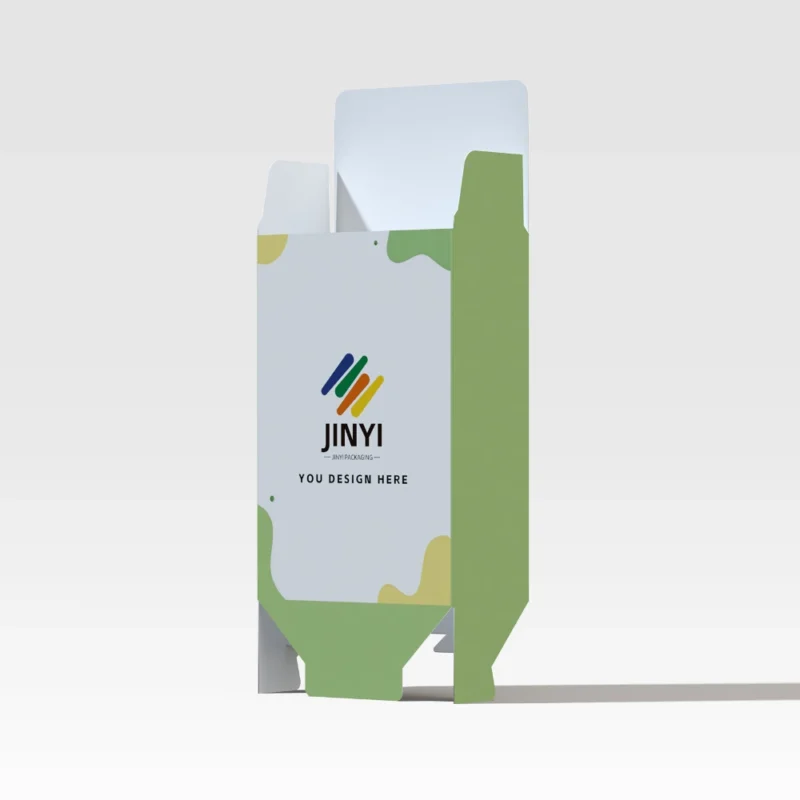
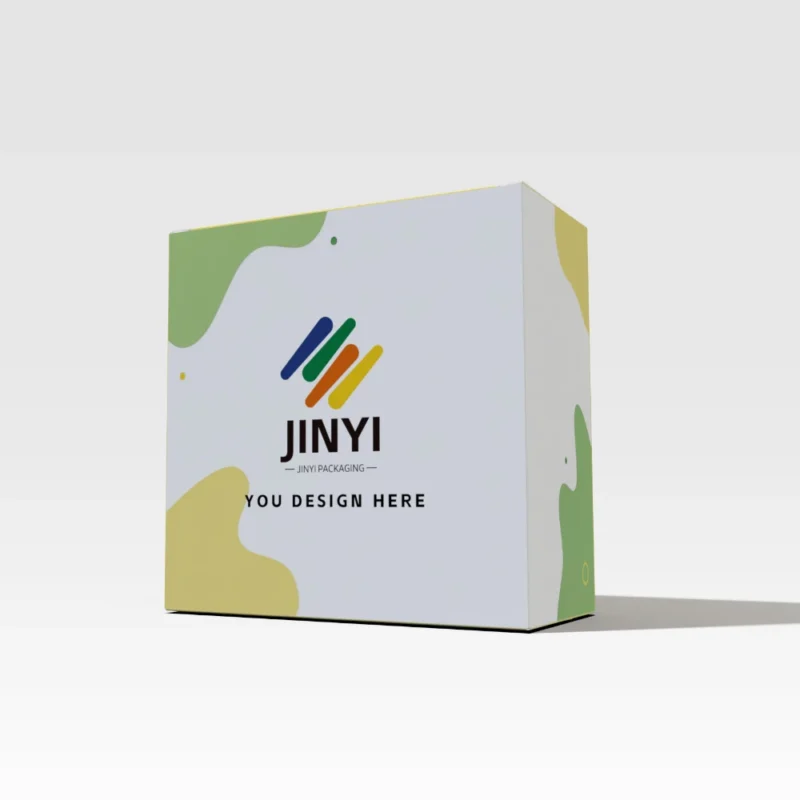
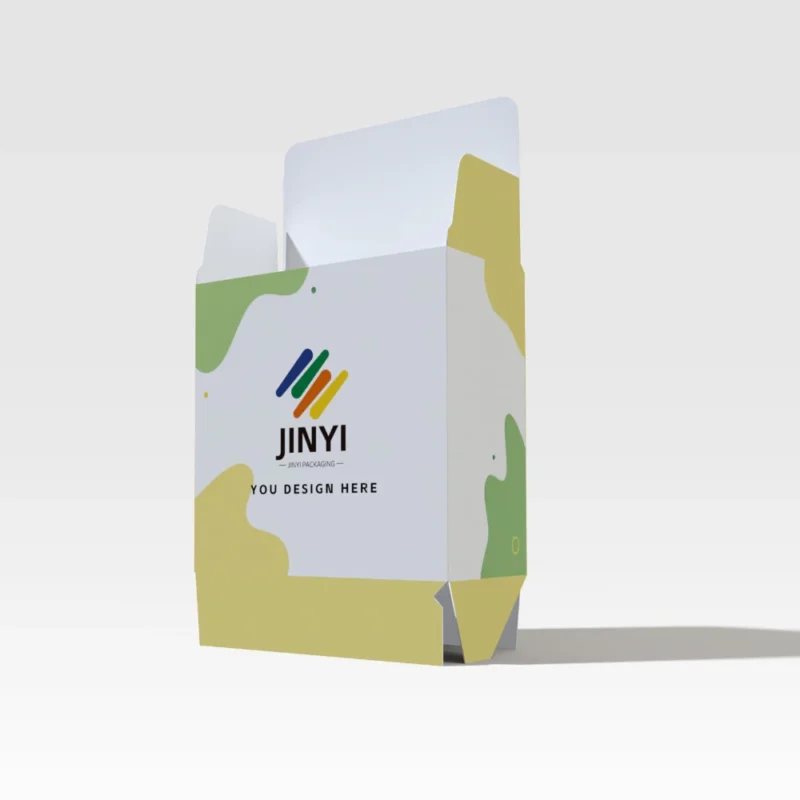
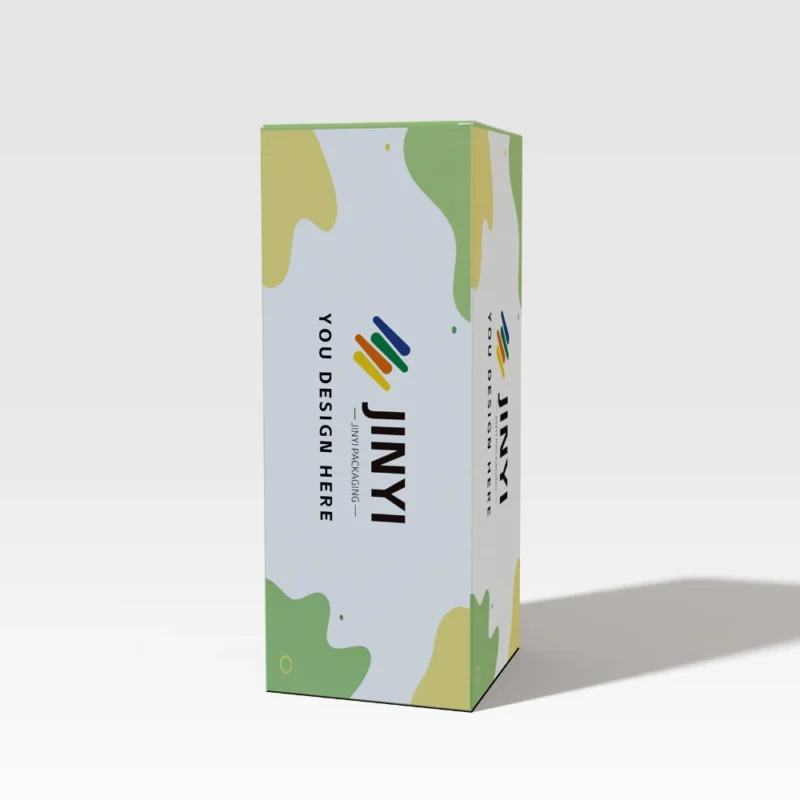
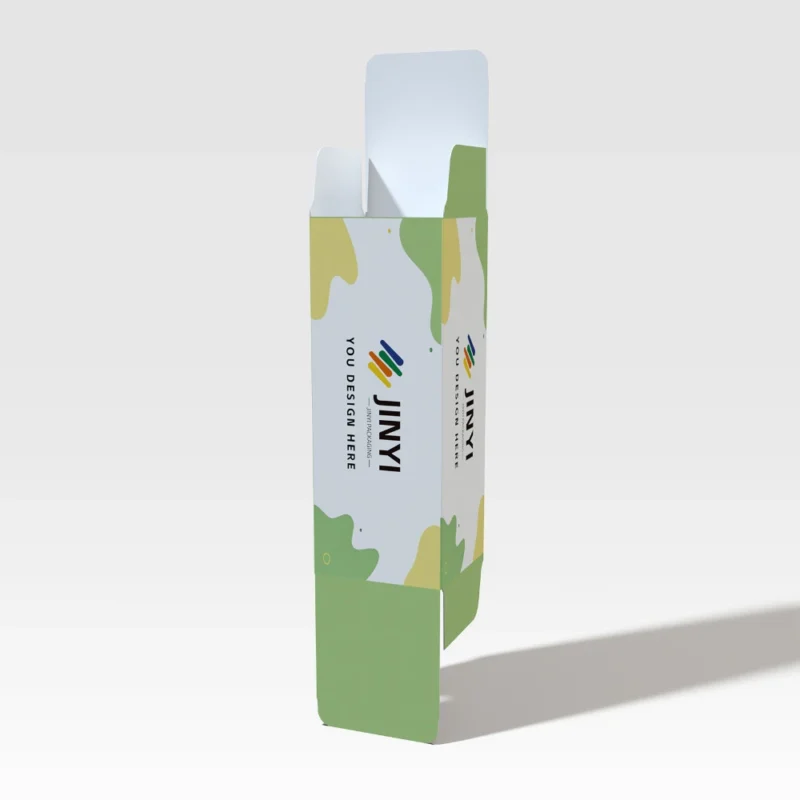
I see brands lose sales on-shelf, then overbuild packaging to “fix it,” and they still get dents, slow restocks, and quiet returns.
The real shelf impact upgrade is not thicker board or louder print. I get better results when I improve visibility, access, and restock speed, while I control channel stress and avoid rework. If you are considering a switch, I start with a display box spec that reduces friction, not one that adds bulk.

I write this like I run quotes and QC in the same week. I ask one question first: “What must the box do in the channel, and what must it do on the shelf?” When I separate those jobs, the decisions get easier.

What a Display Box Does That a Regular Carton Can’t
When I treat a display box like a prettier carton, I create waste fast and I still miss shelf impact.
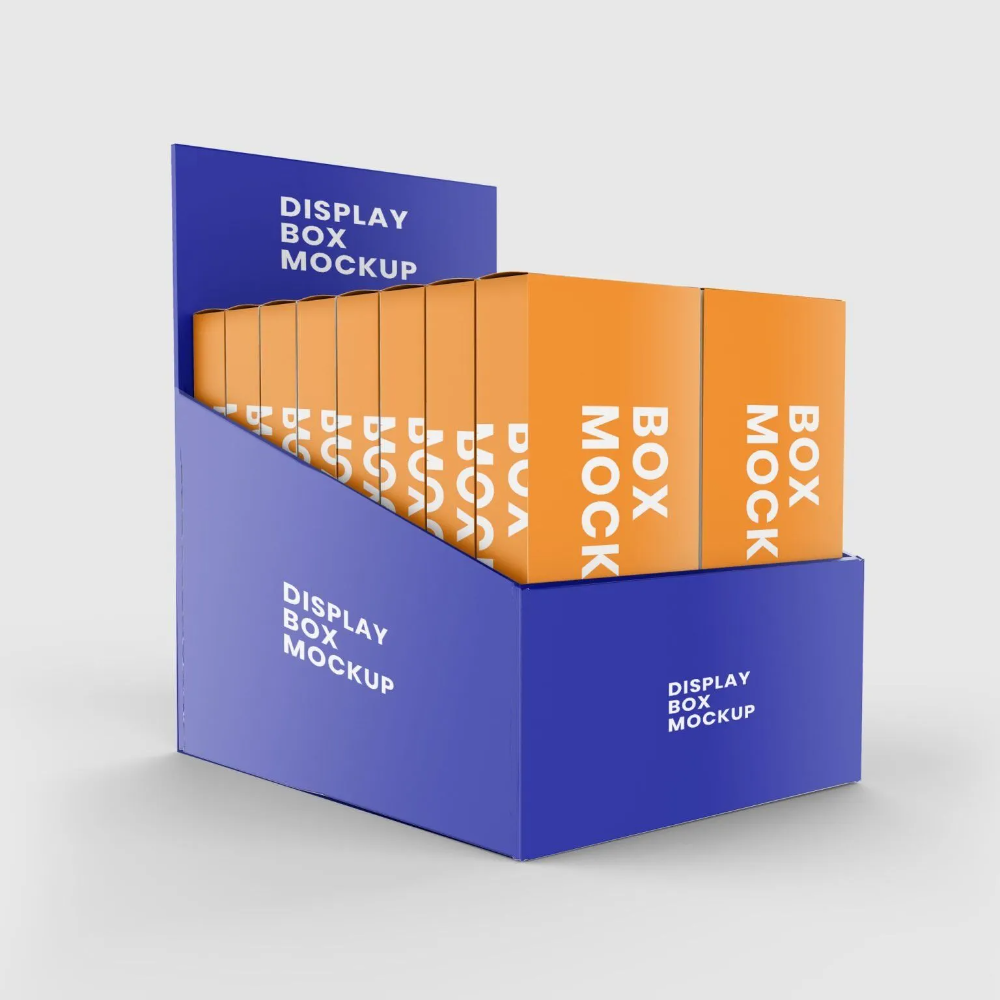
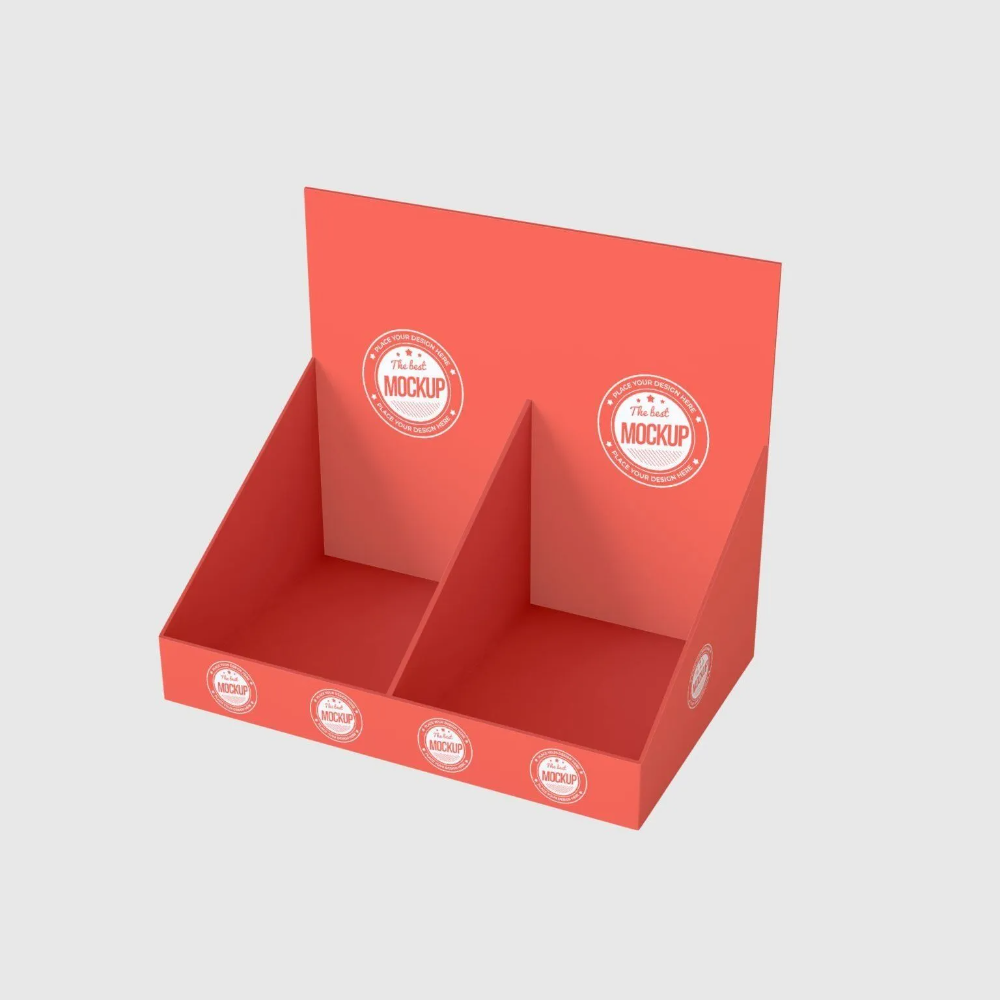
A display box earns its space when it changes how shoppers see and grab the product, and how staff restock it.
How I split the “job to be done”
I separate function before I talk about materials. A regular carton is usually optimized for transport efficiency and protection. It likes clean edges, stable stacking, and predictable compression performance. A display box has a second job that a carton does not: it must present product, keep the facing clean, and stay usable after repeated grabs. That second job is where “shelf impact” lives. I also care about labor. If a store team needs tape, extra inserts, or careful assembly, I count that as waste because it shows up as downtime and inconsistent execution. I prefer structures that open cleanly and hold shape with a simple motion. If the box must close or seal for hygiene, I look at the seal system and the seal window early, because the wrong closure can turn into seal contamination and micro-leaks in real handling. My rule is simple: cartons protect the journey; display boxes reduce friction at the shelf.
| Decision |
Regular Carton Focus |
Display Box Focus |
| Primary success metric |
Damage rate in transit |
Visibility + grab + restock speed |
| Typical failure |
Crush / burst / corner dent |
Slump, messy facing, slow setup |
| Waste driver |
Overpack to survive route |
Rework and slow setup on-site |
Shelf Impact Isn’t Print — It’s Visibility, Access, and Restock Speed
I watch brands pay for premium graphics, then lose the sale because the product is hard to see or annoying to pick up.
I improve shelf impact when I optimize facing area, grab access, and restock motion, then I let print support that structure.

The three levers I measure in real stores
I use simple checks because teams need decisions, not theory. First, I look at facing: how much front area is visible from normal eye level, and whether key information is readable in three seconds. Second, I test access: I put my hand in like a shopper and I see if I hit a front lip, a sharp edge, or product jam. A display box that “protects” product by blocking access often reduces conversion. Third, I time restock: I watch how many steps it takes to load, face, and keep it tidy. If staff must rebuild the box, re-tape it, or fight a collapsed opening, the shelf will degrade during the day. That is shelf impact loss. I also watch friction between product and box. If COF is wrong for the product surface, items either slide and slump, or they bind and look messy. I do not chase perfection. I chase repeatable shelf behavior.
| Shelf lever |
What I check |
What it improves |
| Facing |
Readable brand + SKU in 3 seconds |
Attention and clarity |
| Access |
Hand path, opening height, sharp edges |
Grab rate and fewer drops |
| Restock speed |
Steps to open, load, and face |
Less downtime and cleaner shelf |
I see “no extra waste” fail when brands add strength everywhere instead of removing the real friction point.
I reduce waste by avoiding overbuild, removing rework, and cutting setup time per run and per batch.
Waste is usually an operations problem
I do not define waste as “thin board.” I define waste as cost that does not improve outcomes. Overbuild is the first trap. When a display box is designed like a transport carton, it often grows in board weight, size, and shipped air. That pushes freight and storage up, even before the shelf looks better. Rework is the second trap. If a store team needs extra tape, inner trays, or manual tear-outs that fail, the execution varies by location. That creates messy shelves and unplanned labor. Setup time is the third trap, and it is the one most brands ignore. I talk about total cost of ownership or total cost per run because labor repeats every batch. A “cheap” box that takes 60 extra seconds to set up can cost more than a better structure after a few weeks. I prefer designs that open cleanly, lock predictably, and keep product aligned with minimal touch.
| Waste source |
What it looks like |
What I change |
| Overbuild |
Heavier board, larger footprint, more shipped air |
Target reinforcement only where stress hits |
| Rework |
Tape, inserts, cutting, “store fixes” |
Make it open-and-go, reduce steps |
| Slow setup |
Long assembly, training required |
Design for one-motion setup |
Channel Stress: Why Display Boxes Fail More Often in Transit
I see display boxes look perfect in the sample room, then collapse after real vibration and compression in the route.
I prevent failures when I design for compression, drop, vibration, and thermal cycling, then I validate before scale.

I map the stress before I “upgrade” the box
I call it channel or route stress because every route is different. Some routes punish corners with compression. Some routes punish closures with vibration. Some routes punish fold lines with thermal cycling, where temperature changes soften adhesives or change stiffness. A regular carton often survives because it is a closed geometry with stable load paths. A display box often opens the geometry. That opening improves access, but it can weaken the structure if the load path is not planned. I do not fix this by “harder material” as a reflex. I fix it by putting strength where stress concentrates: corners, base locks, and critical fold lines. If the design uses any closure or seal, I check the seal system and seal window, because contamination and weak hot tack can lead to small separations that grow into dents and complaints. My goal is not perfection. My goal is predictable performance in the route you actually use.
| Stress type |
What it causes |
What I look for |
| Compression |
Crush, slump, corner dent |
Clear load path, stable base |
| Vibration |
Loosening, scuffing, micro-shifts |
Corner integrity, low rework needs |
| Drop |
Lock failure, burst at folds |
Reinforced fold logic, secure locks |
| Thermal cycling |
Warp, adhesive changes |
Material/adhesive compatibility checks |
The 5 Stress Points I Check Before Switching From Cartons to Display Boxes
I see teams switch formats without defining where damage and complaints actually start.
I check the five stress points first, because they predict dents, downtime, and wasted rework.
- Compression: stacking and pallet pressure points.
- Vibration: long-haul shaking and shelf shuffling.
- Drop: handling mistakes and corner hits.
- Thermal cycling: temperature swings that change stiffness or bonding.
- Repeated grabs: shelf fatigue from constant access.
Specs That Actually Matter: Dimensions, Front Lip Height, and Product Fit
I see “fit” discussed as width and height, then the shelf still looks messy.
I care about front lip height, opening angle, internal layout, and hand clearance, because those control real behavior.
- Front lip height: it must protect facing without blocking grabs.
- Opening geometry: it must guide the hand, not fight it.
- Internal layout: it must keep alignment as units sell down.
- COF considerations: it must prevent slumping or binding.
A Practical Spec Checklist Before You Request a Quote
I see quotes go wrong when the brief is “make it stronger” instead of “make it work in our route and store.”
I get clean quotes when I define display type, route stress, restock method, and the failure you fear most.
The questions I ask every time
I keep my checklist short because teams answer faster and we avoid revisions. I ask what kind of display this is: countertop, PDQ, or floor. I ask the unit weight and fragility because that changes compression and drop sensitivity. I ask about the route and the handling points, because channel stress is not a theory. It is vibration, compression, and temperature changes in your lane. I ask how restock works: do staff replace the whole unit, or do they refill from the back? That changes opening design and front lip height. I ask what failure is unacceptable: dents, returns, downtime, waste, or fit issues. Then I turn that into specs. If you want a starting point, I usually anchor the discussion on the product page and spec from there: JINYI display boxes for retail-ready execution. I would rather validate one clear spec per batch than chase ten vague upgrades.
| Input I need |
Why it matters |
What it prevents |
| Display type (countertop/PDQ/floor) |
Defines geometry and load path |
Slump and poor access |
| Route stress (truck/parcel/container) |
Sets compression/vibration expectations |
Dents and collapse |
| Restock method |
Controls opening and handling |
Downtime and rework |
| Top fear (returns/waste/fit) |
Prioritizes trade-offs |
Overbuild and wrong spend |
When Regular Cartons Are Still the Better Choice
I see teams force a display format when they mainly need transport stability and standardized stacking.
I keep cartons when route risk is dominant and shelf handling is minimal, because that is often the lower-risk choice.
How I Validate Shelf Impact Without Overpackaging
I see brands promise “no damage,” then they get surprised by the first real shipment.
I reduce risk by testing small, learning fast, and scaling per batch after I see real route behavior.
Conclusion: Improve Shelf Impact by Reducing Friction, Not by Overbuilding
I improve shelf impact when I design for visibility, access, and restock speed, then I validate route stress without adding bulk.
Talk to me about a display box spec that reduces returns and rework
FAQ: Display Boxes vs. Regular Cartons
1) When should I switch from a carton to a display box?
I switch when shelf visibility, grab ease, and restock speed will lift sales or reduce downtime, and when route stress can be validated.
2) Will display boxes increase shipping damage?
They can if the open geometry weakens the load path. I prevent this by mapping compression, drop, and vibration points before scale.
3) How do I avoid adding waste when I upgrade shelf impact?
I avoid overbuild, reduce rework, and cut setup time. I measure total cost per run or per batch, not a fixed “10,000 units” scenario.
4) What specs matter most for shelf performance?
I focus on facing, front lip height, opening geometry, internal layout, and hand clearance, because those control real shelf behavior.
5) What is the smallest validation plan that still works?
I run a small batch, then I simulate compression, drop, and vibration in a simple way. I scale only after complaints risk looks predictable.
About Me
Brand: JINYI
Tagline: From Film to Finished—Done Right.
Website: https://jinyipackage.com/
I run JINYI like a factory-first packaging advisor. I care about control and consistency, so I standardize sampling, production, and QC. I build packaging that works in your channel, survives your route stress, and stays easy to use at the shelf.