Damaged corners, scratched pieces, and “cheap-feel” unboxing trigger refunds fast—especially when your box looks perfect in samples but fails in shipping.
The best jewelry box is the one that stays stable in your channel. I choose between drawer boxes, flip-top boxes, and two-piece rigid cases by movement control, failure points, and total cost per 10,000—not by which style looks “more premium.”
Compare two-piece rigid cases built for stable stacks and fewer corner failures.

Most brands overpay because they buy “thickness” and “effects” before they lock the system. I start with your product risk and your channel stress. Then I pick the box style that keeps the jewelry from moving, keeps the box from scuffing, and keeps your unboxing consistent at scale.
Why Isn’t “Not Overpaying” a Style Choice?
You can pay more and still lose money if the box creates returns, rework, or slow packing.
Not overpaying means buying the least-failure system for your route. The cheapest unit price often becomes the most expensive outcome when corners crush, inserts shift, and customers leave low ratings.

I treat “cost” as a chain. The box style changes insert complexity, assembly time, shipping cube, and the number of failure points. A drawer box can look premium and feel reusable, but it can also create tolerance problems that raise scrap. A flip-top can deliver great experience, but misalignment can ruin the close. A two-piece rigid case often scales the most reliably, but it needs the right insert so the jewelry does not move. The only “cheap” choice is the one that reduces complaints and stays consistent in mass production.
What I measure before I pick a box
| What I check |
Why it matters |
What it changes |
| Channel stress (drop/compression/scuff) |
Shipping and handling amplify weak points |
Box structure, wrap, corner rules |
| Movement inside the box |
Movement causes scratches and bent prongs |
Insert type, fit tolerance, inner tray |
| Assembly speed and consistency |
Slow packing is hidden cost |
Insert design, lid style, closure system |
| Total cost per 10,000 units |
Scrap + rework + returns erase “saved cents” |
Material choices and QA checkpoints |
What Are Drawer Boxes, Flip-Top Boxes, and Two-Piece Rigid Cases?
Most people compare these like they are the same box with different looks. They are not.
Each style is a different engineering system. The structure decides how it handles stress, how it assembles, and where it fails.
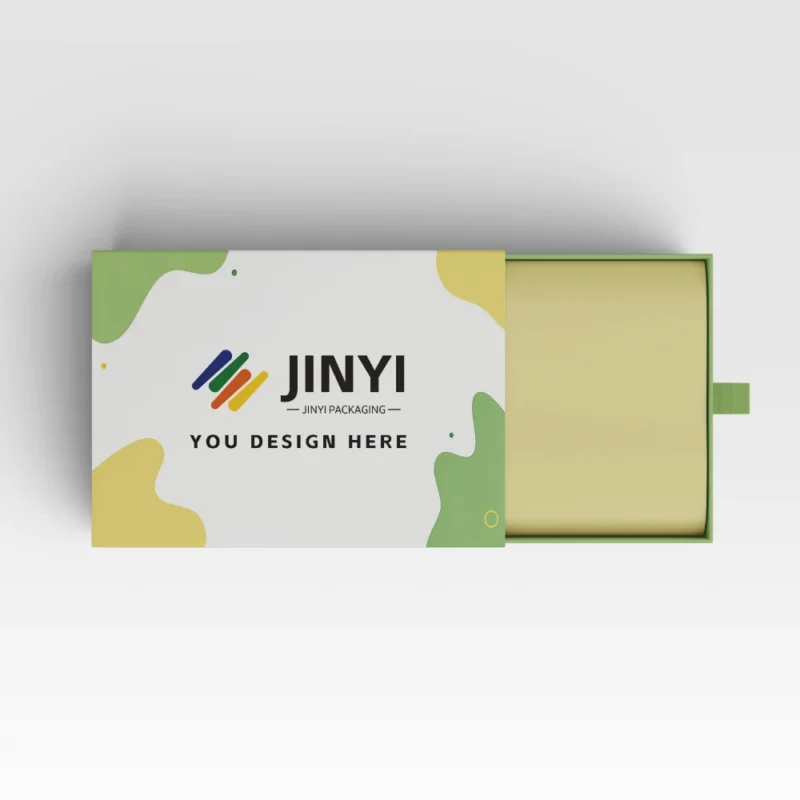
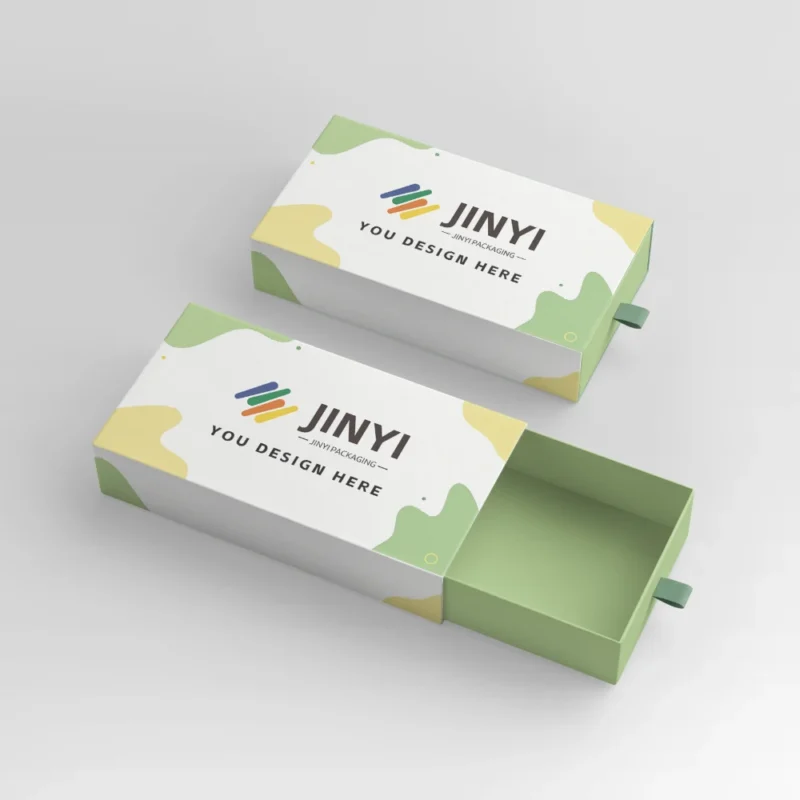
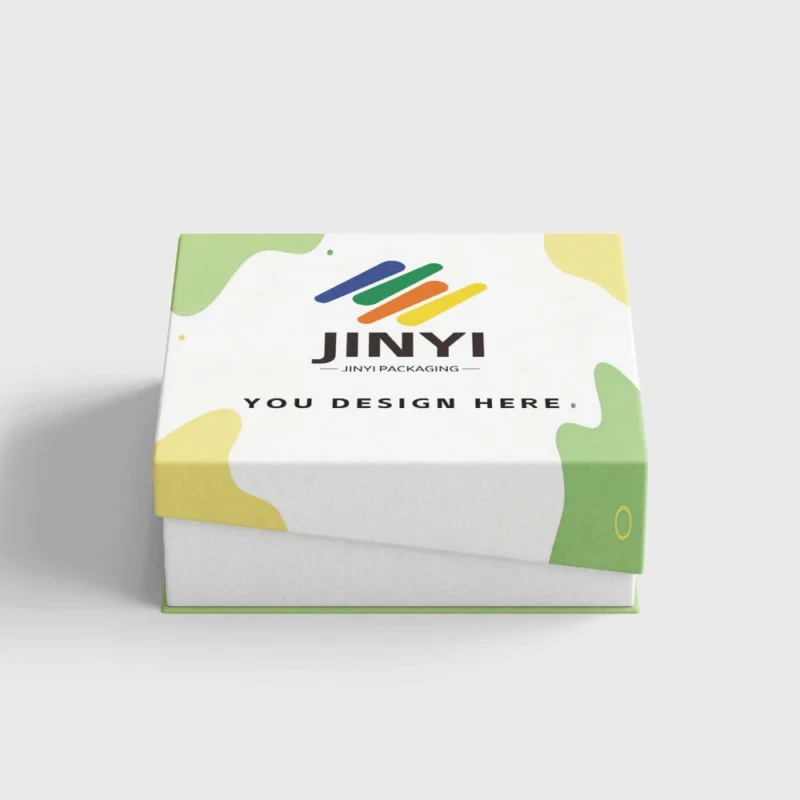
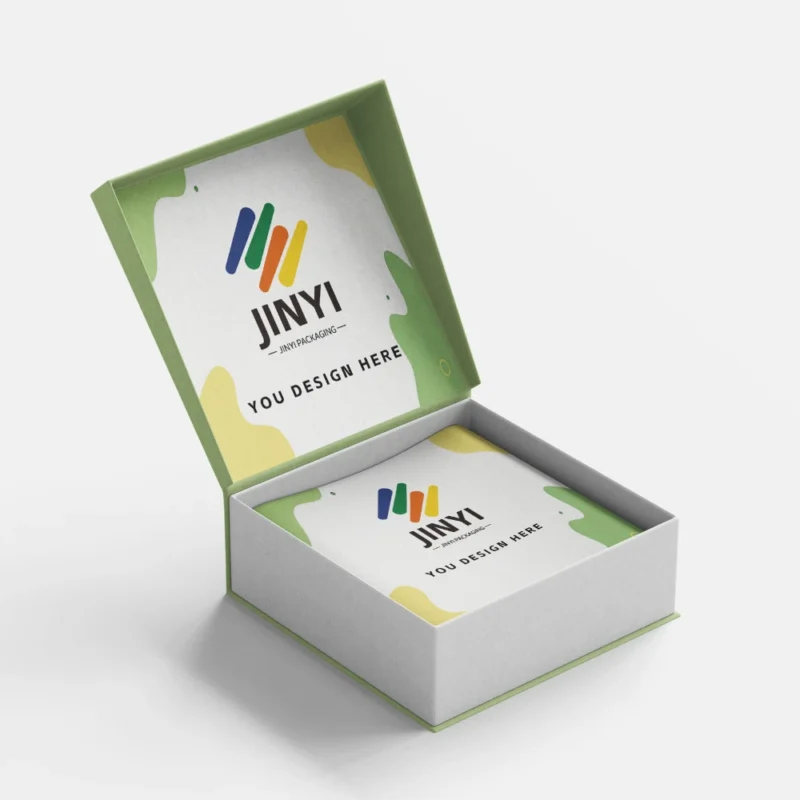
A drawer box is a sleeve + inner tray system. It creates a premium, reusable experience, but it relies on tight tolerances. A flip-top box is a hinged lid system. It creates a strong “open and reveal” moment, but alignment and closure design matter. A two-piece rigid case (base + lid) is often the most stable for mass production and stacking, but it needs a well-designed insert so the product does not shift.
Quick comparison by “where it fails”
| Box style |
Main advantage |
Most common failure path |
Best use case |
| Drawer box |
Premium feel + reusability |
Tray too tight/loose, rail scuffs, drawer skew |
Gift-focused brands, boutique unboxing |
| Flip-top box |
Fast “reveal” experience |
Lid misalignment, hinge fatigue, closure drift |
Retail presentation + repeat open/close |
| Two-piece rigid case |
Stable scaling + consistent shape |
Corner crush, wrap scuffs, lid fit variance |
E-commerce shipping + stacking efficiency |
What Should I Check First About the Jewelry?
If you skip the product step, you will overpay on the wrong “premium signals.”
I start with weight, geometry, and scratch risk. Jewelry usually fails from movement, pressure points, or surface rub—not from “weak cardboard” alone.
Rings fear pressure on prongs and scratches from friction. Necklaces fear tangling and abrasion. Earrings fear bending posts and getting loose in transit. Plated items fear rubbing and oxidation. If your insert does not lock the piece, your box choice cannot save you. I also check display goals. If you need the jewelry to sit at a selling angle, that changes the insert and the box depth. If you want a low-profile shipping-friendly pack, that changes the lid height and internal clearance.
Product → packaging risk map
| Jewelry type |
What it fears most |
What I lock first |
| Rings |
Prong pressure + surface scratches |
Firm ring slot + low movement clearance |
| Necklaces |
Tangling + rub marks |
Card/anchor points + soft contact surface |
| Earrings |
Bent posts + looseness |
Post lock + stable pad thickness |
| Plated pieces |
Abrasion + oxidation perception |
Anti-rub contact + clean presentation |
Which Box Works Best for E-Commerce, Retail, and Gift Sets?
Your channel decides what “quality” means to the customer.
E-commerce rewards stability and low failure points. Retail rewards presentation and fast recognition. Gift sets reward experience and series consistency.
For e-commerce, I prioritize stacking stability, corner protection, and scuff resistance. A two-piece rigid case often scales well because it is simple and consistent, but only if the insert prevents movement. For retail, flip-top boxes can shine because the open/close experience is part of selling. For premium gifting, drawer boxes often win because the unboxing feels like a “reveal,” and customers keep the box. Still, I never force a style. If your route is harsh and the product is delicate, a “less exciting” structure that ships clean will outperform a premium box that arrives damaged.
Channel decision table
| Channel |
What hurts you most |
Usually safest starting point |
When to upgrade |
| E-commerce |
Crushed corners, scuffs, movement scratches |
Two-piece rigid case + tight insert |
Upgrade wrap + corner rules if returns appear |
| Retail |
Weak display, slow open/close, messy fit |
Flip-top with stable closure |
Upgrade to premium finishes if handling is clean |
| Gift sets |
Cheap feel, low “wow,” inconsistent series |
Drawer box with controlled tolerance |
Upgrade only after shipping tests pass |
When Does “Unboxing Experience” Pay Back?
Not every brand benefits from paying for a stronger unboxing moment.
Experience pays back when your price point and repeat gifting justify it. If your main driver is speed and shipping stability, experience can become pure cost.
I treat unboxing as a conversion tool, not a default expense. Drawer boxes and flip-top boxes can increase perceived value. They also help social sharing and retention. But they add parts, tolerances, and more surfaces that can scuff. If your customers mostly buy online and care about the jewelry first, the best experience is “arrives clean, opens smoothly, and holds the piece securely.” A simple two-piece rigid case can feel premium when the fit is tight, the wrap is clean, and the insert looks intentional. I would rather deliver a calm, consistent premium than gamble on a dramatic design that fails in shipping.
Experience decision checklist
| Question |
If “Yes” |
If “No” |
| Is gifting a main buying reason? |
Drawer or flip-top often pays back |
Two-piece rigid case often wins |
| Will customers reuse the box? |
Drawer boxes become brand assets |
Keep structure simpler |
| Is the shipping route harsh? |
Prioritize stability first |
You can spend more on experience |
Why Is the Insert System the Real Cost Killer?
If the jewelry moves, you pay twice—once in packaging, and again in returns.
Movement causes scratches, bent parts, and “not premium” reviews. I spend more effort on fit and inserts than on cardboard thickness.
I treat inserts like engineering. I control the clearance so the piece does not shift. I control the contact surface so plating and stones do not scuff. I also consider packing speed. A perfect insert that is slow to load becomes a hidden labor cost. Many brands overpay by upgrading the outer box while keeping a weak insert. That creates a premium outside with a risky inside. I prefer a stable insert and a clean wrap, because that combination reduces complaints in real routes. For sets, I also plan how the items are spaced, because items rubbing each other creates micro-scratches that look like “used” product.
Insert choices and what they protect
| Insert type |
Best for |
Main risk if done wrong |
| Foam slot / EVA |
Rings, studs, light sets |
Too tight = marks; too loose = movement |
| Paperboard card + anchors |
Necklaces, chains |
Rub points if edges are sharp |
| Vacuum-formed tray |
Multi-piece sets |
Rattle if cavity tolerance is wide |
Where Do Drawer, Flip-Top, and Two-Piece Boxes Usually Fail?
Most failures are predictable if you look at stress zones and geometry.
Most complaints start at corners, seams, and moving interfaces. Film and paper names do not fix geometry problems.
Two-piece rigid cases often fail at corners during compression and at wrap edges during scuffing. Drawer boxes fail at the “rail” system: skew, friction marks, and inconsistent tightness across batches. Flip-top boxes fail when the lid alignment drifts or the closure point is not stable. These failures are not “bad luck.” They come from tight radii, weak wraps, glue spread inconsistency, and tolerance stacking. I control this by designing safer corner radii, specifying wrap overlap rules, and setting acceptance standards for lid fit and drawer pull force. If a premium design cannot hold tolerance in production, it becomes an expensive refund machine.
Fast failure diagnosis
| Symptom |
Likely root cause |
What I change first |
| Corner crush / dents |
Weak corner build + compression |
Corner rules + board spec + ship test |
| Scuffs / whitening |
Wrap + finish not abrasion-tolerant |
Laminate choice + rub test standard |
| Drawer stuck or loose |
Tolerance stack + rail friction |
Clearance spec + material pairing |
| Flip-top lid misalign |
Hinge/closure drift + glue variance |
Closure design + alignment checkpoints |
Which Materials and Wrap Choices Actually Matter?
“Thicker” is not always better if the wrap scuffs and the corners fail.
I choose board and wrap based on scuff, color consistency, and crease control. Customers judge your brand on what they see and feel in the first touch.
Greyboard thickness matters, but not as much as how the box is wrapped and finished. If the paper wrap is too delicate, you will see scuffs and whitening during transport. If the lamination is wrong, fingerprints and rub marks will show up fast. If the printing is inconsistent, your series will look mismatched on shelf. I like to define what the route will do: sliding in cartons, rubbing against fillers, compression from stacking, and humidity swings. Then I pick a wrap system that stays clean. I also plan artwork zones. I keep critical brand marks away from fold stress and wrap seams, because that is where whitening and wear show up first.
Wrap and finish selection table
| Goal |
What I optimize |
What I avoid |
| Clean look after shipping |
Scuff resistance + stable wrap edges |
Overly delicate unprotected paper |
| Consistent brand color |
Print control + batch standards |
Loose tolerances with no reference sample |
| No crease whitening |
Corner radius + fold-safe artwork |
Sharp corners + critical text on folds |
Why Do Premium Box Designs Fail in Mass Production?
Most premium failures happen after you scale.
A design can look perfect in sampling and still fail when tolerances stack. Glue, wrap tension, alignment, and assembly speed all drift under volume.
I assume variation will happen. Then I design around it. Tight fits and sharp corners look great in mockups. They also create scrap when production shifts even slightly. Drawer boxes are the biggest example. If the inner tray tolerance is too tight, the drawer sticks. If it is too loose, it rattles and looks cheap. Flip-top boxes need consistent hinge geometry and closure alignment. If glue spread varies, lids drift. Two-piece rigid cases can be the most stable, but they still need controlled lid fit so they do not feel sloppy. My rule is simple: I would rather deliver a slightly simpler design that stays consistent than a complex premium design that fails at 30,000 units.
Where tolerance stacks the fastest
| Design area |
What drifts at scale |
How I control it |
| Drawer clearance |
Friction and skew |
Clearance spec + pull-force check |
| Flip-top closure |
Misalignment and gap |
Alignment jig + close-cycle checks |
| Wrap corners |
Peel, whitening, edge wear |
Corner build rules + rub testing |
How Do I Compare Total Cost per 10,000 Boxes?
Unit price is the easiest number to compare. It is also the easiest number to misuse.
I calculate total cost per 10,000 boxes, not cost per box. Scrap, rework, packing speed, shipping cube, and return risk decide what you truly pay.
A drawer box may cost more and also take longer to pack. If your team is small, that labor cost is real. A flip-top may reduce packing steps but increase QC if alignment is unstable. A two-piece rigid case may ship better and stack better, but it can require a higher-quality insert to prevent movement. The “right” box is the one that reduces the expensive outcomes: damaged corners, scuffed wraps, slow packing, and complaints about “cheap feel.” If you only compare unit price, you often choose the wrong system and pay for it later in refunds and remake orders.
My cost buckets per 10,000
| Cost bucket |
What it includes |
Why it matters |
| Scrap & rework |
Alignment failures, wrap defects, insert mismatch |
Hidden cost that grows with volume |
| Assembly & packing time |
Loading jewelry, fitting inserts, closing boxes |
Labor cost and throughput control |
| Shipping cube |
Carton fill, protection needs, damage rates |
Freight and refund exposure |
| Returns & rating damage |
Refunds, replacements, customer support load |
Brand cost that unit price cannot show |
How Do I Shortlist 2–3 Options Fast Without Guessing?
Brands move faster when options are tied to risk and channel reality.
I shortlist using three inputs: channel stress, movement risk, and experience payoff. Then I deliver 2–3 options with clear specs and a simple validation checklist.
I build a baseline option that minimizes failure points and ships clean. I build an upgrade option that improves experience without breaking consistency. I build a premium option only if your price point can monetize it and your route can protect it. Then I write down the failure paths to test: compression, drop, rub, and insert stability checks. This is how you avoid overpaying. You pay for what reduces risk and improves repeat purchases. You do not pay for effects that arrive scuffed and turn into returns.
Baseline / Upgrade / Premium options
| Tier |
Best for |
Recommended box style |
What I validate |
| Baseline |
E-commerce stability |
Two-piece rigid case + tight insert |
Compression + drop + rub + movement check |
| Upgrade |
Retail + better open/close |
Flip-top with stable closure |
Close-cycle + alignment + rub + ship test |
| Premium |
Gift-first brands |
Drawer box with controlled tolerance |
Pull-force + skew + rub + ship test |
See drawer-style jewelry boxes designed for smooth pull and consistent tolerance at scale.
|
Explore flip-top jewelry boxes that keep lid alignment stable and reduce closure failures.
FAQ
Which jewelry box is best for e-commerce shipping?
A two-piece rigid case often ships the most reliably, but only if the insert prevents movement and the wrap is scuff-resistant.
Are drawer boxes always more expensive?
No. The unit price can be higher, but the real cost depends on scrap, assembly time, and whether the drawer tolerance stays stable in production.
What causes “cheap feel” even with a rigid box?
Loose fit, product movement, scuffed wrap, and inconsistent lid alignment. Customers judge what they touch and see first.
Do I need thicker greyboard to prevent damage?
Not always. Corner rules, wrap system, insert stability, and route testing often reduce damage more than thickness alone.
What is the fastest way to avoid overpaying?
Pick 2–3 options based on channel stress and movement control, then validate with compression, drop, and rub tests before you scale.
About Me
Brand: Jinyi
Slogan: From Film to Finished—Done Right.
Website: https://jinyipackage.com/
Our mission: JINYI is a flexible packaging factory. I deliver reliable, usable, and scalable packaging systems, so brands get stable quality, clear lead times, and structures that perform in real channels.
I position JINYI as a one-stop factory from film to finished packaging. I focus on control and consistency. I use standardized sampling, production, and QC so repeat orders stay stable. Packaging is not only a box. It must list well, ship well, and work well for customers.
Audience Profile
A sourcing manager is a supply-chain lead at a brand or trading company. He or she manages supplier selection, pricing, sampling, compliance documents, and stable mass delivery. This buyer cares less about “can you make it” and more about “can you keep it consistent, on time, and the same every batch.”
When I work with a sourcing manager, I ask about product type, target positioning, channel stress, shipping route, and the one failure that cannot happen. Then I propose 2–3 options with clear structure specs, insert-fit rules, finish risks, and a validation checklist that matches the channel.
If you want a jewelry box system that ships clean, stays aligned, and avoids expensive returns, start here.