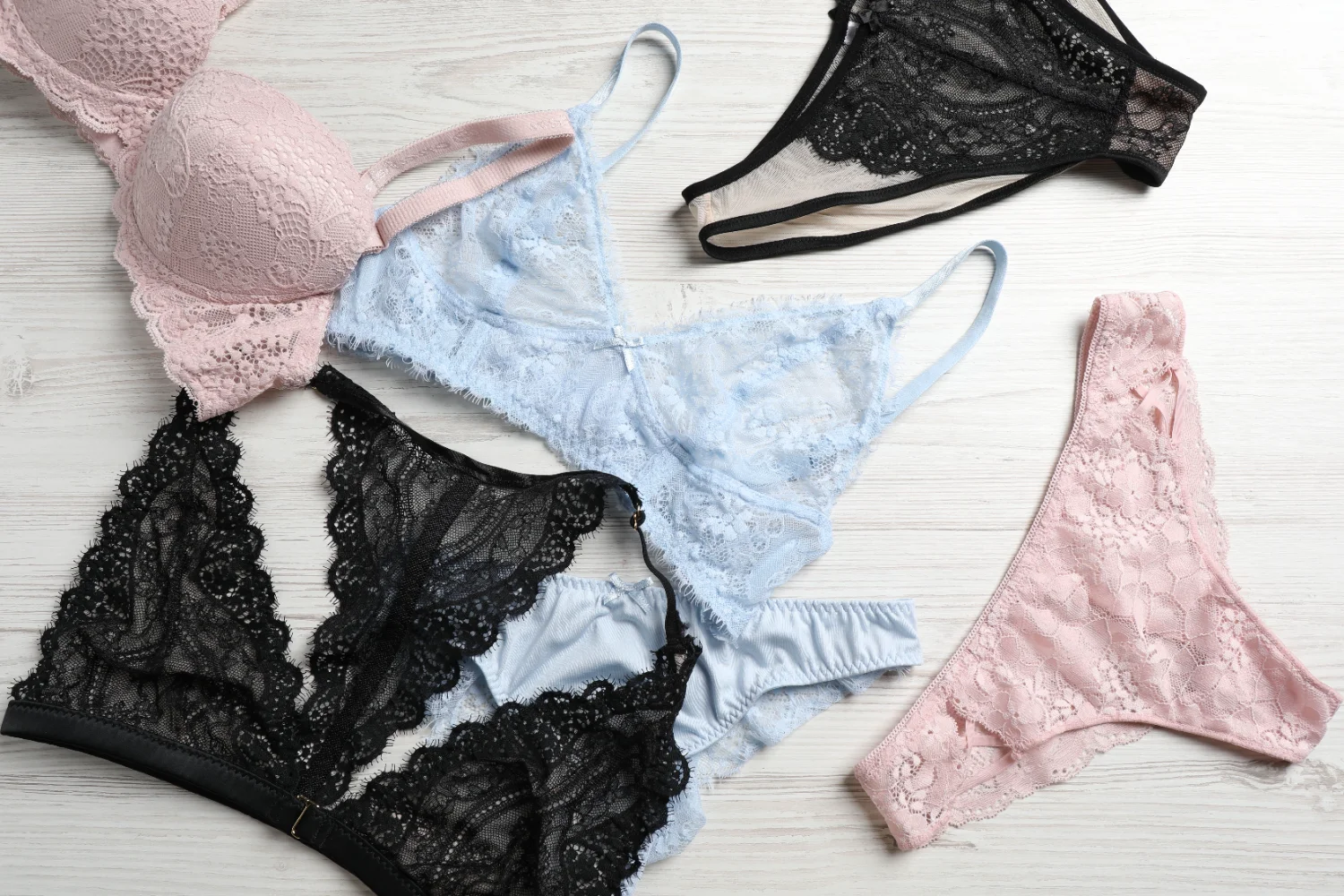
Pretty packaging can still arrive crushed, messy, or “cheap.” That gap creates returns, bad photos, and lost trust—especially for lingerie and swim sets.
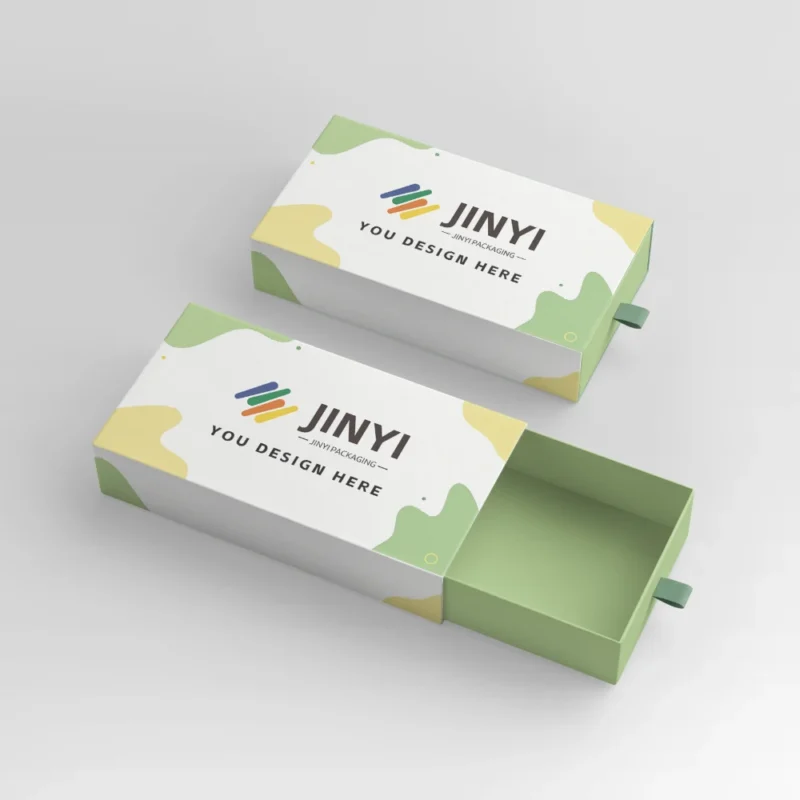
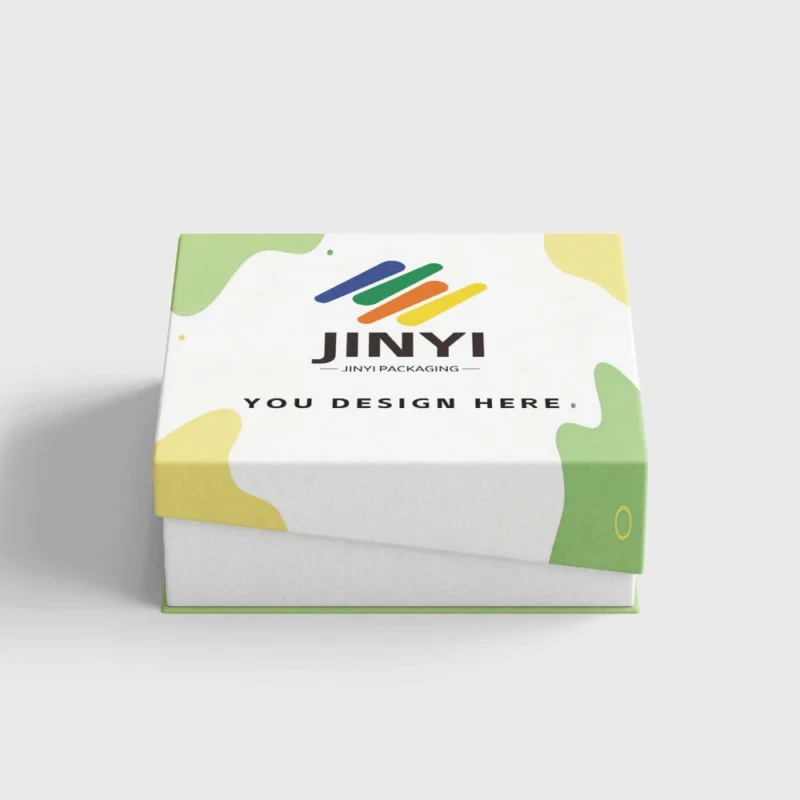
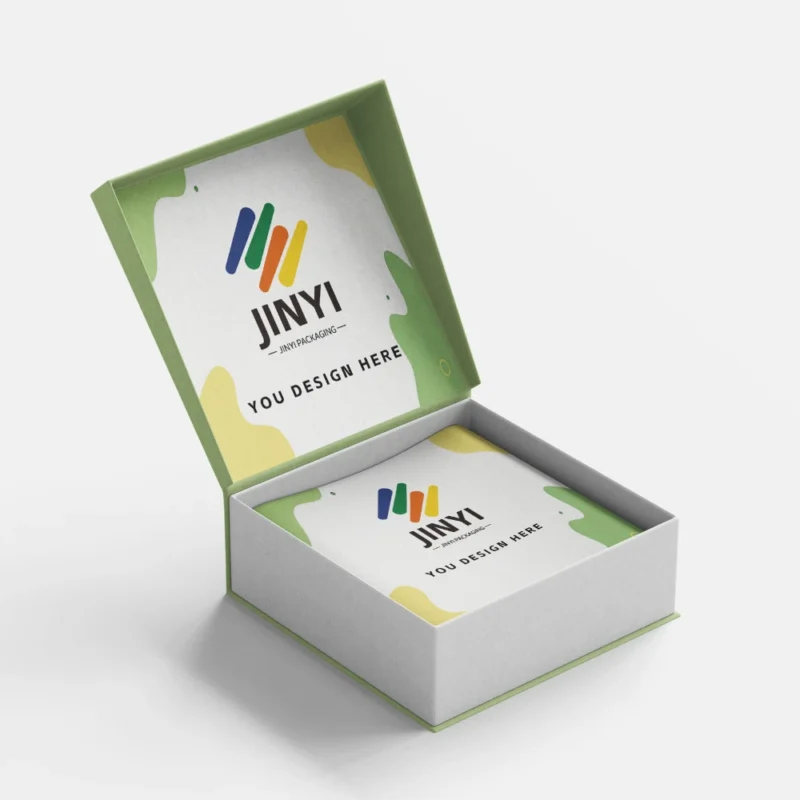
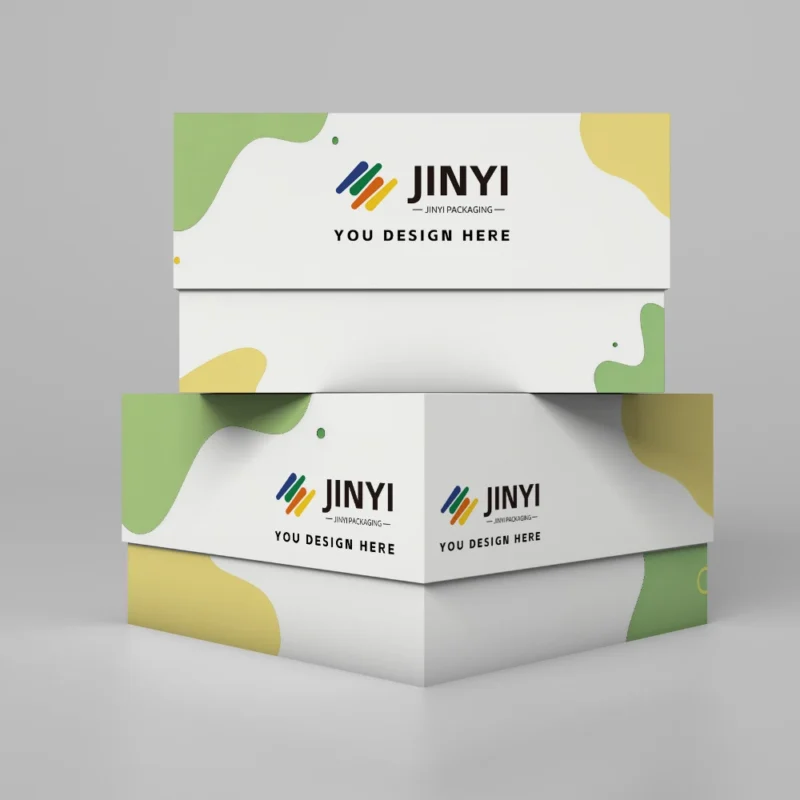
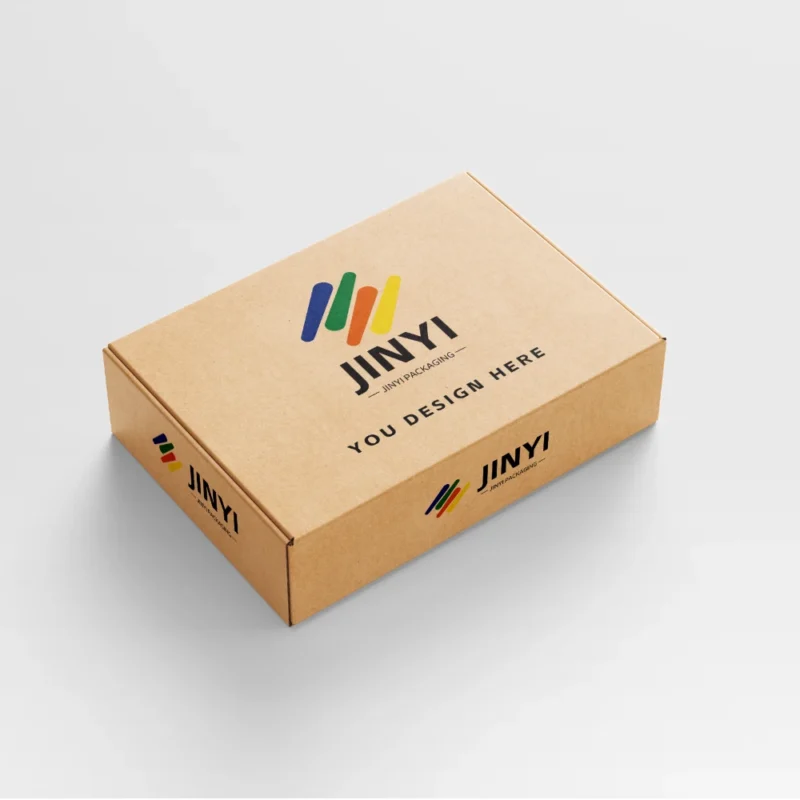
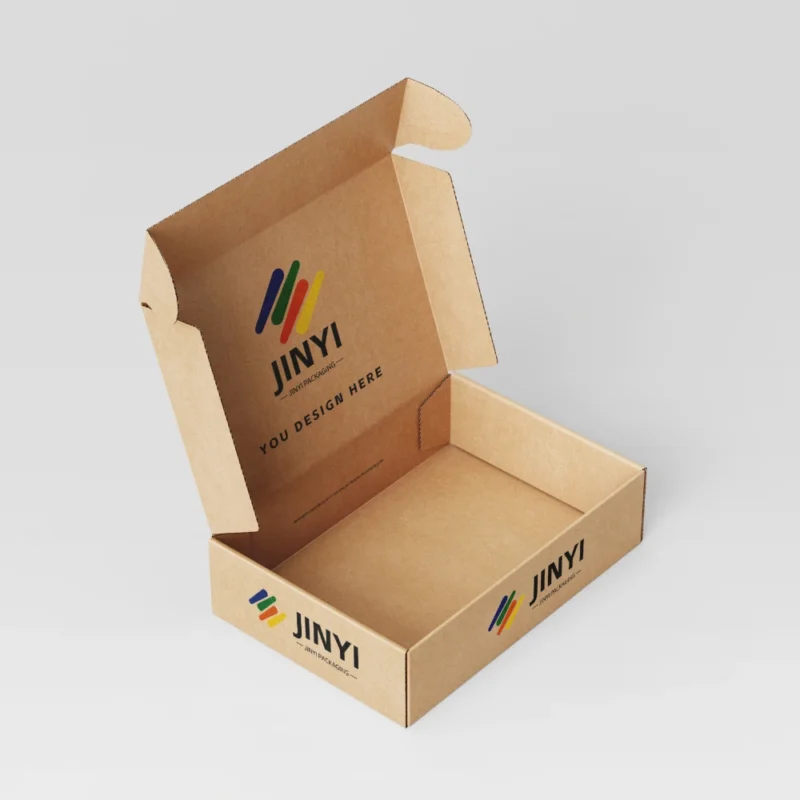
Box fit usually matters most for a premium outcome because it controls shape, void, and pressure points. Tissue improves gift feel and surface protection. Inserts reduce damage when hardware and molded cups create pressure shortcuts, but they can add cost and pack-out time.
Explore packaging options that protect bra cups and hardware without inflating dimensional weight.

A “premium unboxing” is not one material choice. It is a controlled system that protects shape, reduces contact damage, and presents the product like a gift—fast and repeatable.

What does “premium unboxing” mean for lingerie, and how can it be measured?
“Premium” is easy to claim and hard to prove. Brands often upgrade paper and still get crushed cups, tangled straps, or scuffed hardware that ruins the first impression.
A premium unboxing should be measured as outcomes, not components: gift-ready presentation, arrival integrity, and total cost per 100 orders. If those outcomes improve, the packaging is premium.
A minimum scorecard that makes “premium” falsifiable
Brands can treat premium as a pass/fail scorecard instead of a mood. A premium system should keep the product photo-ready, protect sensitive zones, and avoid waste that increases dimensional weight. For lingerie, privacy and hygiene cues also matter. Tissue can hide the product and improve discretion. Inserts can prevent hardware from printing into cups. Box fit controls void, which controls chaos. A simple method is to run a small panel test for perception, and a small transit simulation for damage. Then brands can connect packaging changes to measurable deltas. The key is to pre-set thresholds before testing so teams do not “move the goalposts” after seeing results.
| Outcome |
How to measure |
Practical pass threshold |
| Gift-ready presentation |
Unboxing score (1–5) + “gift-ready” yes/no |
≥4/5 and “yes” ≥90% of samples |
| Arrival integrity |
Cup crease score, hardware scuff rate, snag rate (photo protocol) |
“Retail-ready” ≥95% of samples |
| Operational reality |
Pack-out seconds + material cost |
Pack-out increase ≤10–15 seconds vs baseline |
| Total cost per 100 orders |
Packaging + labor + shipping + expected returns/reship |
Lower than baseline at target damage rate |
Evidence (Source + Year): National Retail Federation & Happy Returns (a UPS company), 2025 Retail Returns Landscape (2025).
Evidence (Source + Year): Smithers, The Future of E-commerce Packaging to 2029 (published Dec 2024).
Does box fit matter more than tissue for preventing cup creases and hardware pressure points?
Most “premium failures” start as geometry failures. An oversized box looks nice at packing, then void and vibration turn hooks, rings, and underwires into pressure tools.
Box fit usually outranks tissue because it sets the load path. Right-sizing reduces void movement and lowers dimensional weight risk. Tissue helps, but it cannot stop structural creasing when the box is wrong.

Fit control is the base layer; tissue is a surface layer
Box fit controls three things that decide outcomes: (1) void volume, (2) where compression loads go, and (3) how often the product moves and rubs during parcel handling. When a molded cup has headspace, the cup can flex under compression and “set” a crease. When hardware sits loose, it becomes a moving pressure point that can scuff fabric, print into foam, or scratch trims. Tissue helps by reducing scuffs, hiding clutter, and adding a “gift” cue. Tissue can also reduce micro-friction if it separates surfaces. However, tissue does not provide structural support. If the box is oversized or too shallow, tissue becomes a cosmetic fix, not a damage fix. A better approach is to right-size the box to the folded geometry, then use tissue to create a clean reveal and isolate sensitive surfaces.
| Common defect |
Primary driver |
Best first control |
What tissue can do |
| Cup creases / flat spots |
Void + compression load path |
Right-size box + cup support zone |
Minimal impact on structure |
| Hardware scuffs / prints |
Moving pressure points |
Fit + isolation + simple insert |
Reduces scuff if it isolates |
| Snags on lace / mesh |
Contact friction |
Surface isolation (bag/tissue) + tidy fold |
Often helps a lot |
| Messy, “cheap” first look |
Presentation hierarchy |
Tissue + card order + tidy fit |
Major improvement |
Evidence (Source + Year): ShipBob, Dimensional Weight Explained (updated 2025).
Evidence (Source + Year): ISTA, Procedure 3A Overview (International Safe Transit Association, accessed 2026).
As a flexible packaging manufacturer, we focus on reducing “shortcut failures” first: wrong box size, loose hardware contact, and uncontrolled void. Those fixes usually improve both damage rates and shipping economics.
If you want a right-size box + protection layout for bras and swim sets, see our apparel packaging solutions.
Do inserts reduce damage, or do they mainly add cost and pack-out time?
Inserts can save a shipment or waste a budget. Many brands jump to complex trays, then discover slower packing, higher DIM weight, and higher costs with limited extra protection.
Inserts reduce damage when they block pressure shortcuts from hardware and support molded shapes. They mainly add cost when they do not change the load path or when they overbuild beyond the route stress.
Use the smallest insert that breaks the damage pathway
Inserts should be chosen by failure mode, not by aesthetics. If the defect is a cup crease, the insert must support the cup zone or prevent collapse. If the defect is hardware scuffing, the insert only needs to isolate the hardware region so it cannot rub or print into fabric. Many lingerie SKUs do not need a full tray. A single folded card can act as a separator, a hardware “garage,” and a fold guide. That often produces most of the benefit with minimal pack-out impact. Trays and molded inserts can be justified for high-return SKUs, premium gift programs, or when the product includes rigid elements that must stay in a fixed position. The decision should always include operational time and dimensional weight impact, because inserts can increase box size. A good insert is invisible to cost and obvious to damage rates.
| Insert type |
What it controls |
Best use case |
Typical tradeoff |
| No insert |
None |
Soft, low-risk SKUs |
Higher snag/scuff risk |
| Minimal folded card |
Hardware isolation + fold control |
Bras with hooks/rings; swim sets with trims |
Small time increase |
| Flat pad / cup shield |
Cup surface protection |
Molded cups prone to creasing |
Material cost increase |
| Tray / molded insert |
Full position control |
High-end gift programs; fragile structures |
Higher DIM + slower pack-out |
Evidence (Source + Year): ISTA, Procedure 3A Overview (International Safe Transit Association, accessed 2026).
Evidence (Source + Year): Smithers, The Future of E-commerce Packaging to 2029 (published Dec 2024).
What is the minimum proof pack to choose box fit, tissue, and inserts without overbuilding?
Teams often debate preferences instead of running a small, decisive test. That creates overbuilding, inconsistent packing, and repeated rework after customer complaints.
A minimum proof pack is a small matrix test that isolates fit, presentation layers, and route stress. It produces clear winners and shows whether damage or dimensional weight drives total cost per 100 orders.
A 2×2×2 test that connects experience, damage, and cost
A practical minimum proof pack uses three levers that match real decisions. First, test box fit: right-size versus slightly oversize. Second, test presentation: tissue only versus tissue plus a minimal insert that isolates hardware. Third, test stress: a light handling path versus a heavier parcel-style profile that includes vibration and drops. Each cell should measure damage scores, unboxing score, pack-out seconds, and billable weight. Brands should also standardize photos because lingerie defects are visual and easy to argue about. The output should be a single table that shows: which combination produces the highest retail-ready rate with acceptable pack-out time, and which combination lowers total cost once shipping and expected returns are included. This method prevents “premium” from turning into uncontrolled materials and wasted volume.
| Factor |
Level A |
Level B |
What it reveals |
| Box fit |
Right-size |
Oversize |
Void movement, crease risk, DIM sensitivity |
| Presentation layer |
Tissue only |
Tissue + minimal insert |
Surface protection vs pressure-point control |
| Stress profile |
Light handling |
Parcel-style heavy stress |
Which defects appear first under route stress |
| Measurements |
Cup crease score, hardware scuff rate, snag rate, unboxing score, pack-out seconds, billable weight, total cost per 100 orders |
Evidence (Source + Year): National Retail Federation & Happy Returns (a UPS company), 2025 Retail Returns Landscape (2025).
Evidence (Source + Year): ShipBob, Billable Weight / Dimensional Weight Guidance (updated 2025).
Conclusion
Box fit sets the premium baseline. Tissue upgrades perception and surface safety. Inserts should be minimal and targeted. If you want a tested pack-out system, contact us.
Get a right-size lingerie packaging spec
About Us
Brand: Jinyi
Slogan: From Film to Finished—Done Right.
Website: https://jinyipackage.com/
Our mission: JINYI is a source manufacturer of flexible packaging. We deliver reliable, usable, production-ready packaging solutions so brands get stable quality, clear lead times, and structures that match real shipping and shelf conditions.
About us: JINYI is a source manufacturer specializing in custom flexible packaging solutions, with over 15 years of production experience serving food, snack, pet food, and daily consumer brands. We operate standardized production with gravure and HP digital printing systems to support both stable large-volume orders and flexible short runs with consistent quality.
FAQ
- What is the fastest way to make lingerie unboxing feel premium? Start with right-size box fit, then add tissue for a clean reveal and discretion.
- Do molded cup bras always need inserts? No. Many SKUs only need a minimal card that supports the cup zone and isolates hardware.
- How do brands avoid overbuilding gift boxes? Use a 2×2×2 proof pack and pre-set pass/fail thresholds for damage, time, and billable weight.
- What causes hardware scuffs during shipping? Loose void space lets rings, hooks, and adjusters rub and act as pressure points under vibration.
- How can brands reduce DIM weight without losing premium feel? Right-size the box and use minimal internal controls instead of bigger boxes and heavy trays.