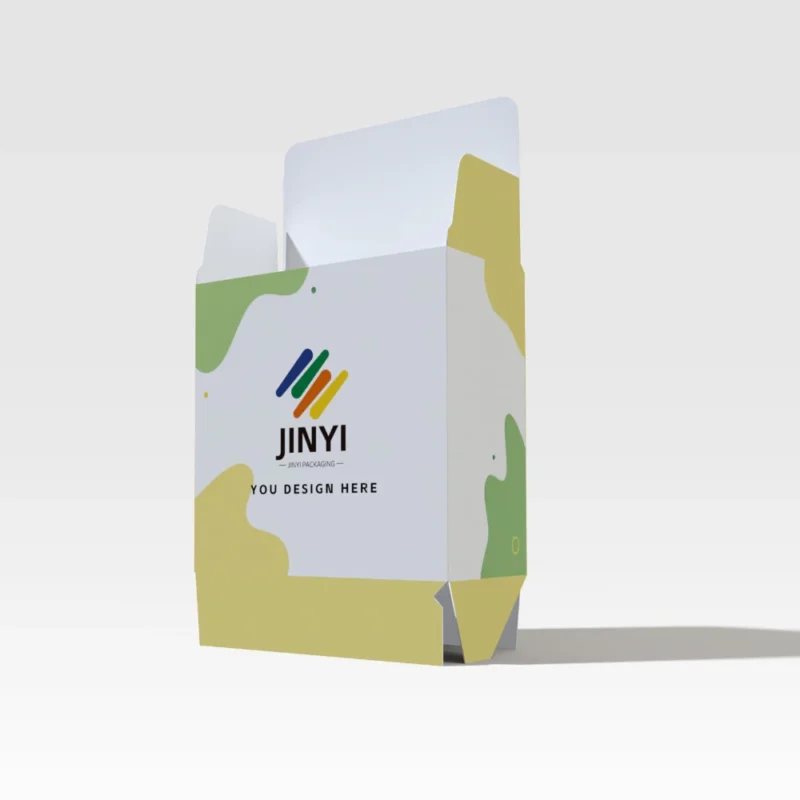
Crushed corners, popped lids, and scuffed prints do not look “minor” online. They look like a bad brand, and they trigger refunds fast.
A mailer box works when its strength matches your route pressure, its size locks the product in place, and the pack-out system prevents movement without adding bulky filler. If you choose by “thicker is better,” you usually pay more and still get damage.
Explore mailer boxes built for cleaner delivery and fewer returns.

I treat a mailer box like a shipping system, not a pretty carton. I start with the route, the product risk, and the pack-out steps. Then I lock the specs so the first box and the 5,000th box behave the same.
Why Do Mailer Box Failures Become Returns So Fast in E-Commerce?
One bad delivery can kill trust. Customers do not see your packing checklist. They only see dents, dust, and broken seals.
Mailer box failures become expensive because they create visible damage, barcode issues, and “opened on arrival” claims. The carrier route amplifies every weak point.
What the route is really doing to your box
| Route stress |
What it causes |
What I lock first |
| Stacking + compression |
Crushed corners, bowed panels |
Compression target + board grade |
| Vibration + rubbing |
Scuffs, whitening, dirty edges |
Surface protection + pack-out friction control |
| Impact drops |
Dents, product breakage, popped lids |
Fit + inserts + closure security |
How I start the conversation
I do not ask “How thick do you want it?” I ask what the package will go through: USPS/UPS, FBA prep rules, subscription box handling, and the one failure you cannot accept. Then I build the box around that reality.
What Is a Mailer Box, and What Is It Not?
People call many things “mailer boxes.” That is how specs drift, and that is how failures happen.
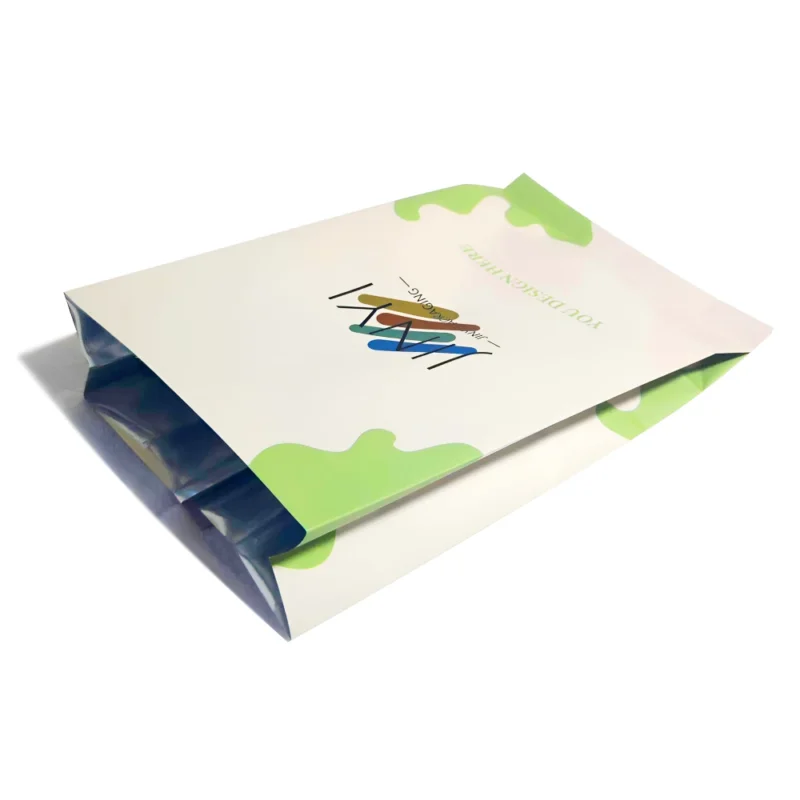
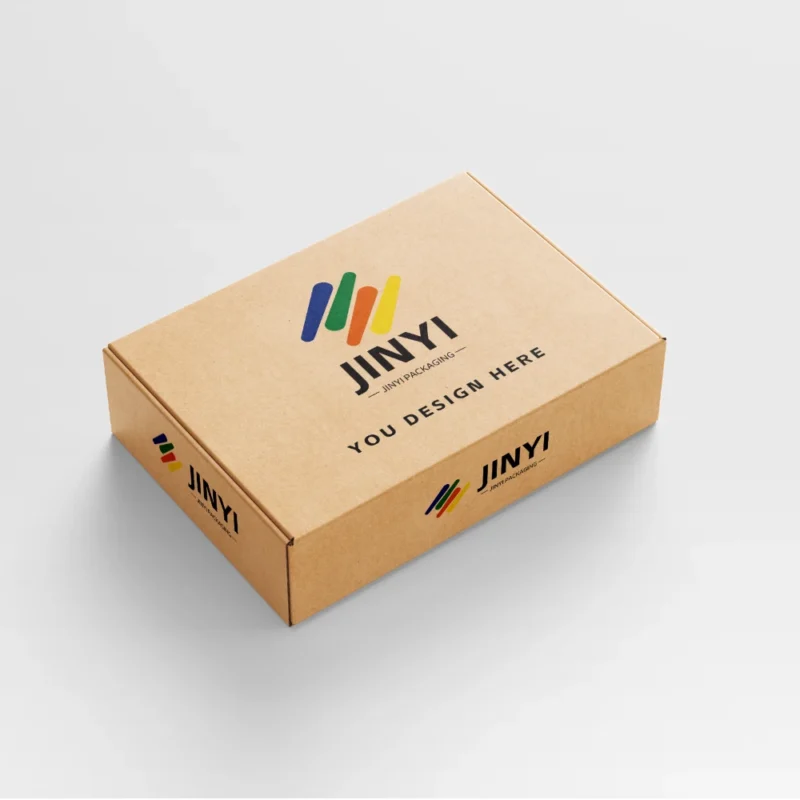
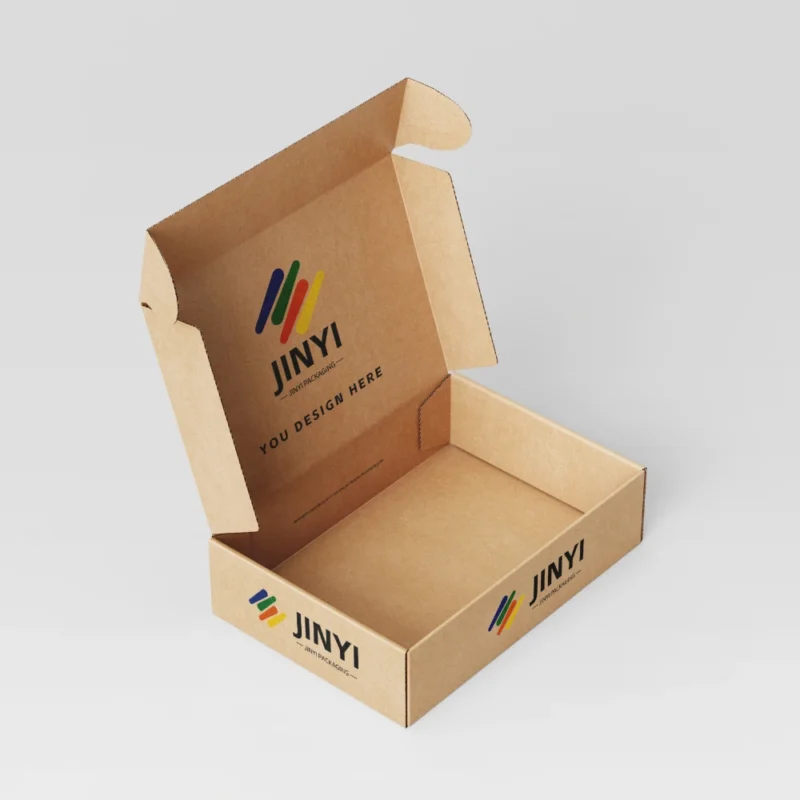
A mailer box is a self-contained shipping carton that should survive handling without a separate outer box in many routes. It is not a universal solution for heavy, sharp, or fragile items without a pack-out system.
Clear definitions that prevent wrong expectations
| Item |
What it is |
Common mistake |
| Mailer box |
Primary shipper with protective structure |
Using it like a display-only box |
| Inner product box |
Retail presentation carton |
Shipping it “naked” without protection |
| Outer shipper |
Secondary box for harsh routes |
Oversizing and paying extra dimensional weight |
Start with the product’s top 3 fears
I group risk into three simple fears: (1) compression that deforms or cracks, (2) movement that scratches or breaks, and (3) surface damage that makes the brand look cheap. This keeps decisions clean when SKUs change.
How Do I Choose Strength Without Falling for “Thicker Is Better”?
Many boxes fail because the board grade and compression needs were never defined. Thickness alone does not solve weak corners or poor closure.
The right strength is the lowest spec that still survives stacking, impacts, and handling. That is how you avoid overpaying while reducing damage.
ECT, burst, and real compression needs
| What you measure |
What it controls |
When it matters most |
| ECT |
Edge strength under compression |
Stacking, long routes, heavier items |
| Burst |
Puncture/tear resistance |
Sharp edges, rough handling, higher drop risk |
| Structure design |
How force travels through panels |
Corner crush, lid pop-open, dents |
Where mailer boxes usually fail
Most failures start at corners, lid locks, and fold lines. If the lid design is too loose, vibration can “walk” it open. If the corner radius is too tight, the wrap can crack or whiten. If the product is heavy and the fit is loose, the item becomes a hammer inside the box.
How Do I Lock Size, Fit, and Pack-Out So the Product Does Not Move?
Empty space is the real cost killer. It raises dimensional weight, and it increases damage by letting the product build momentum.
I aim for controlled fit, not “stuffed tight.” I want the product to be stable, the unboxing to feel clean, and the packing steps to be repeatable.
If your damage rate is rising, the fix is usually fit + insert, not thicker board.
Pack-out system checklist
| Problem |
What customers see |
What I change |
| Movement |
Scratches, cracks, dents |
Insert geometry + snug clearance |
| Overpacking |
Messy unboxing, extra waste |
Right-size box + fewer filler steps |
| Friction scuffs |
Dirty edges, rubbed print |
Surface protection + packing sequence |
Closure and opening experience without new failure paths
I treat tear strips, self-seal glue, and tuck locks as engineered features. If a tear strip is placed wrong, it tears the face paper. If glue is not stable in heat and cold, lids can pop open. If tuck tolerances drift, operators force it and create dents. I only approve “experience features” after drop + vibration + temperature checks.
What Tests Predict Complaints Better Than Guessing?
Lab numbers help, but e-commerce complaints come from route reality. I validate using the same stress the carrier will apply.
The goal is simple: if it stays clean, closed, and readable through shipping, it will protect ratings and repeat orders.
Carrier-reality validation set
| Test |
What it reveals |
Typical fix |
| Drop |
Corner crush, product impact damage |
Fit + insert + corner design |
| Compression |
Stacking failure, lid deformation |
Board grade + panel structure |
| Vibration |
Lid walk-open, scuffs, loosening |
Closure spec + friction control |
| Barcode scan check |
Wrinkles, low contrast, placement issues |
Print zone + matte/gloss selection |
Cost drivers that matter (without forcing a quantity)
I do not judge cost by unit price. I look at total shipping cost, packing labor time, and damage rate. Dimensional weight can eat margin. Extra packing steps slow fulfillment. A small damage rate can create constant replacements and poor reviews. This is why “right size + stable fit” usually saves more than “slightly cheaper board.”

My Practical Shortlist Framework: Baseline / Upgrade / Premium?
When I build options, I keep them easy to compare. I show what changes, what risk it solves, and what must be tested.
I deliver 2–3 choices fast so you can decide without guessing.
Fast option map
| Option |
Best for |
What I lock |
| Baseline |
Stable SKUs, normal routes |
Fit, closure security, basic compression target |
| Upgrade |
Higher damage risk, heavier items |
Board grade + inserts + scuff protection |
| Premium |
Gift experience + brand-sensitive delivery |
Surface finish + clean opening + strict QC checks |
Conclusion
When I choose mailer boxes, I match route pressure, lock fit to stop movement, and validate with real carrier tests. That is how I cut damage without overbuilding.
Get My Mailer Box Fit & Strength Checklist
FAQ
- Do I always need higher ECT for e-commerce?
No. I match ECT to stacking and box size. If fit is wrong, higher ECT may not stop damage.
- What causes “popped open” lids?
Loose tuck design, tolerance drift, and vibration. I fix it with lock geometry and route validation.
- How do I reduce scuffs on printed mailer boxes?
I control friction during pack-out, choose the right surface protection, and test vibration + rubbing.
- Is void fill always bad?
No. It is bad when it is used to hide poor sizing. I prefer inserts that control movement with fewer steps.
- What is the fastest way to lower damage rate?
I start with fit and movement control, then I confirm compression strength and closure stability with route-style tests.