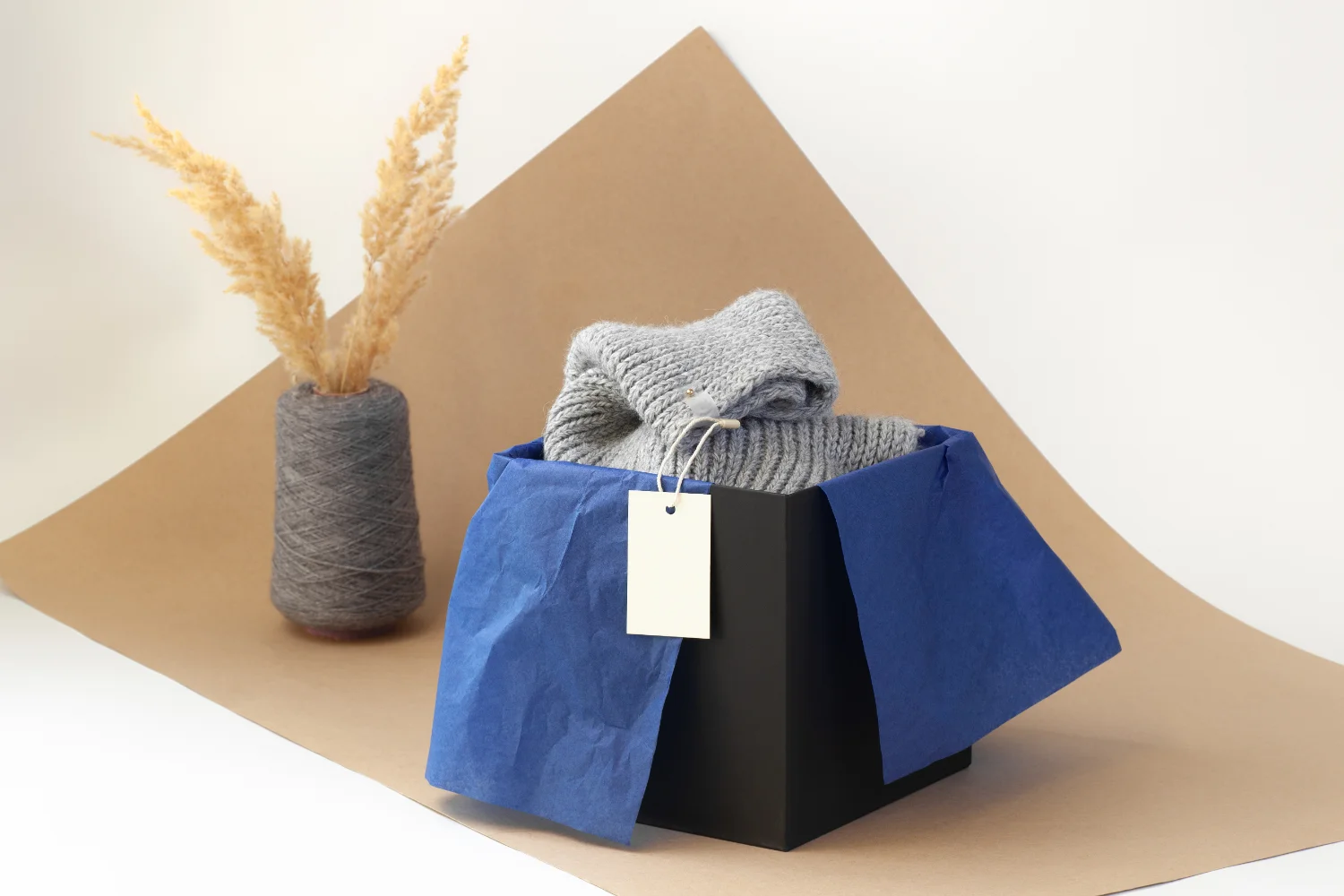
Many apparel brands switch from mailers to boxes (or back) and still see creases, scuffs, and “not as expected” returns.
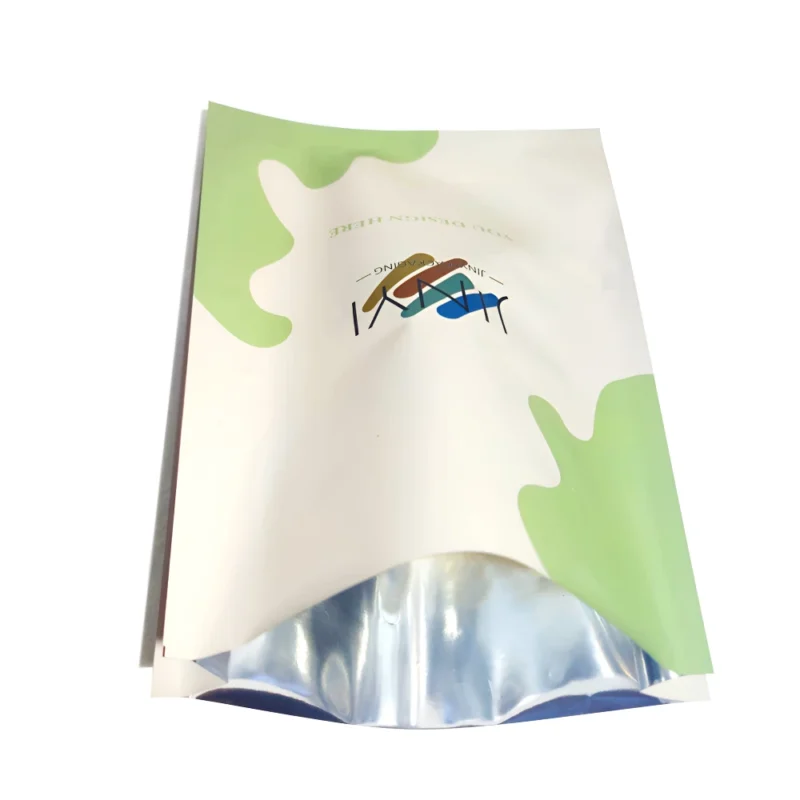
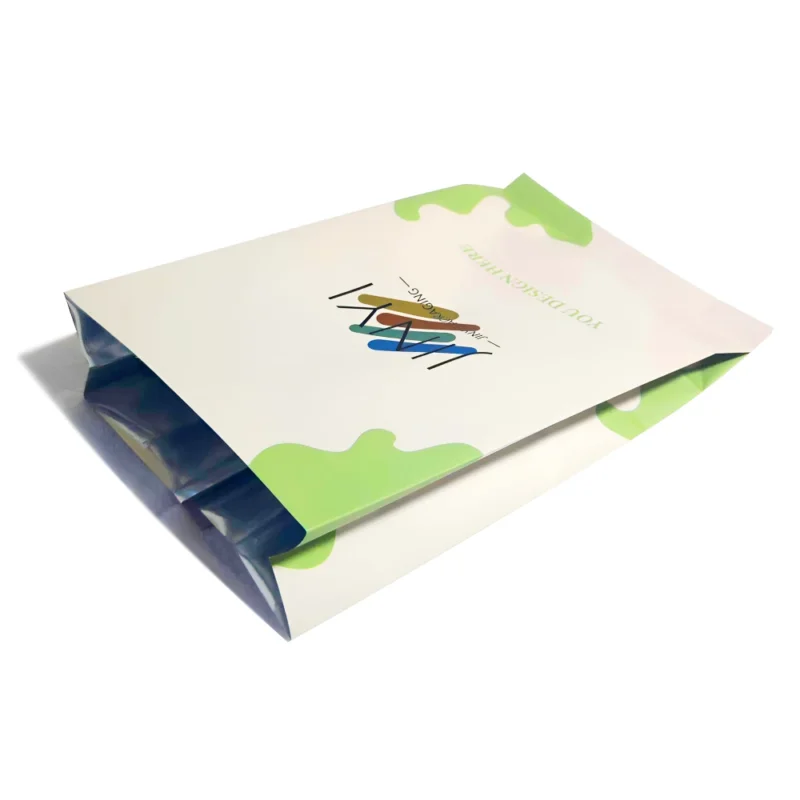
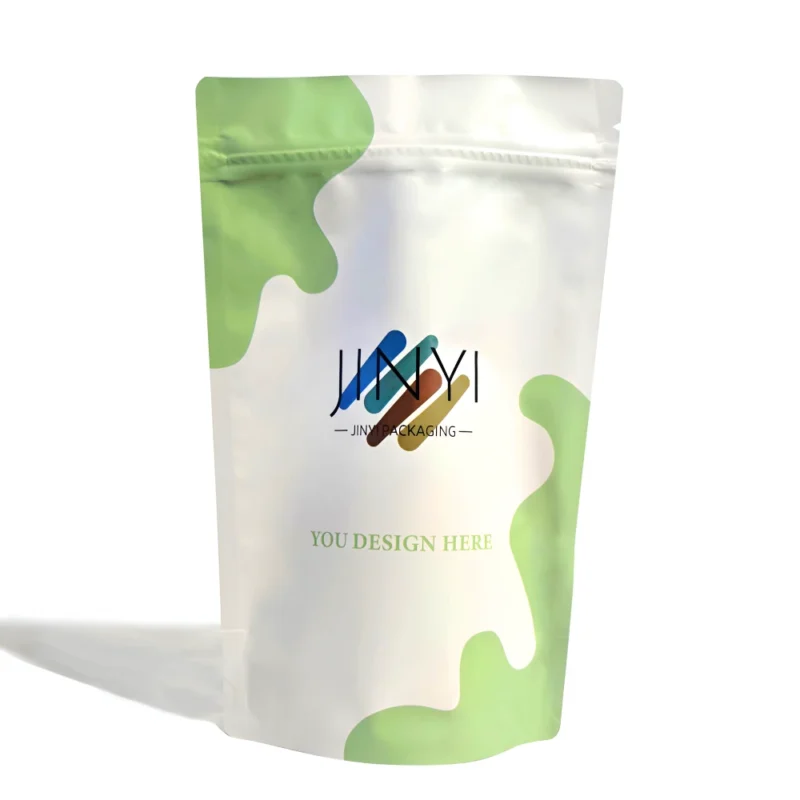
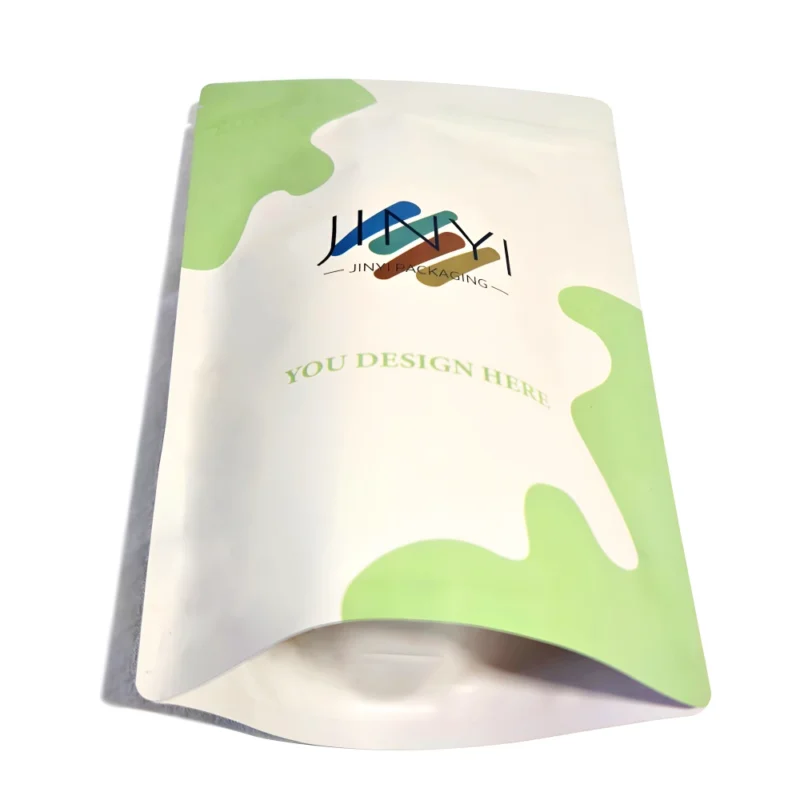
I lower damage and shipping cost per batch by matching the packaging to route stress and pack-out control. I keep a practical apparel system here: apparel packaging solutions that reduce returns per batch.

I do not start with “mailer is cheaper” or “box is premium.” I start with how damage actually happens after your warehouse.

What “Damage” Really Means for Clothing: Creases, Scuffs, and Trust Loss?
Most apparel “damage” does not look like a broken product. It looks like doubt.
For clothing, damage is often creases, scuffs, dirt pickup, and “opened” signals that reduce trust and increase returns.
I treat damage as a customer-perception failure first. A wrinkled fold, a dusty surface, or a sloppy seal can trigger “this is not new.” That is why I measure damage by what creates refunds, not only what creates holes. From a production standpoint, this matters because a small packaging weakness scales into a large return rate when you ship mixed SKUs and multiple batches.
Start With Channel/Route Stress: Where Mailers and Boxes Fail Differently?
A mailer can look perfect at pack-out and fail after one long route.
I compare mailers and boxes by channel/route stress: compression, drop, vibration, thermal cycling, and friction.
I map stress to the failure mode before I choose the format
I treat mailers and boxes as two different failure systems. Mailers usually fail by pressure points and rubbing. A hard corner from a buckle, zipper pull, or a folded hanger can create localized compression. Then vibration turns that point into scuff and crease. Boxes usually fail by geometry and air. Oversized boxes create movement, and movement creates corner impacts and dents. Compression hits boxes differently too. Boxes protect shape, but they also expose corners to crush if stacking is high. Thermal cycling shifts stiffness and friction on both formats. It can also change how tapes and adhesive closures behave. From our daily packaging work, we see that the “best” format changes by lane. A short local route can tolerate a mailer that a long parcel network cannot. That is why I do not generalize. I match the format to the actual route stress profile you ship through.
| Route stress |
Mailers fail like this |
Boxes fail like this |
| Compression |
Creases from tight pressure points |
Corner crush if stacking is high |
| Drop |
Seam bursts if load is sharp/heavy |
Dents and corner impacts |
| Vibration |
Rubbing → scuff and dirt pickup |
Movement → impacts and skewed contents |
| Thermal cycling |
Friction/adhesive drift |
Stiffness drift + corner sensitivity |
When Poly Mailers Win: The Conditions That Make Flex Safer and Cheaper per Batch?
Mailers are not “cheap.” They are efficient when the product and route allow it.
I choose poly mailers when the garment tolerates compression, the pack-out is tight, and the route does not punish friction.
I like mailers for soft, fold-friendly apparel. I like them when dimensional weight is the real cost driver. I also like them when pack-out speed matters and the SKU mix is simple. In real manufacturing, this detail often determines success: the product must not “float” inside the mailer. If the mailer has empty space, vibration will create rubbing and creases. If the garment has hard accessories, the mailer will develop pressure points. When those risks are low, mailers often lower shipping cost per batch with fewer steps.
When Boxes Win: Shape Control, Presentation, and Fewer “Not as Expected” Returns?
Boxes are not automatically safer. They are safer when shape control and trust are the problem.
I choose boxes when presentation must hold, bundles have hard parts, or “not as expected” returns are the main pain.
I prefer boxes for structured apparel, gift-ready orders, and sets with hardware. I also prefer boxes when the first impression must be clean and consistent. A box can prevent “messy unboxing,” but only if the box size is right. If the box is oversized, it becomes a movement machine. So I treat the box as a shape-control tool, not a premium label. It can reduce subjective returns when customers are sensitive to “newness.”
Cost per Batch Breakdown: Freight, Dimensional Weight, Labor Time, and Rework?
Unit packaging cost is easy to see. Cost per batch is where profit disappears.
I break cost into freight (including dimensional weight), labor time, rework, damage replacement, and customer service handling.
I compare “total cost per batch,” not “cheapest unit”
I calculate cost per batch because shipping and operations repeat every day. Mailers can reduce dimensional weight fast, and that can be a big win on parcel lanes. But mailers can add hidden costs if they increase rework, returns, or replacement shipments. Boxes can raise dimensional weight, but they can reduce “damage by perception” when they keep presentation stable. From a production standpoint, this matters because labor is often the most expensive recurring input. If a box format adds extra packing steps, your throughput drops. If a mailer format increases customer disputes and refunds, your support cost rises. I usually model this with a simple per batch view: packaging material + freight + labor minutes + expected damage/return rate. If you want to standardize across SKUs, I map the full apparel packaging system here: a packaging workflow designed for stable cost per run.
| Cost driver |
Mailers usually improve |
Boxes usually improve |
| Dimensional weight |
Lower |
Higher unless tightly sized |
| Packing labor time |
Fast for simple items |
Slower if inserts/taping add steps |
| Return risk |
Higher if friction/movement is unmanaged |
Lower if presentation is controlled |
| Rework & replacement |
Higher if seals or surfaces fail |
Higher if dents/oversize movement occurs |
Pack-Out Rules That Decide Results: Fit, Headspace, and Fold Control?
Most “damage” is created by movement. Movement is created by bad fit.
I control damage by controlling fit and headspace, because both mailers and boxes fail when the pack-out is loose.
I treat fit as a system spec, not an afterthought
I set pack-out rules before I finalize the format. With mailers, the biggest enemy is floating space. If a garment floats, vibration creates rubbing. Then rubbing creates creases, scuff, and dirt pickup. With boxes, the biggest enemy is oversize. If the box is too large, contents shift and hit corners. That creates dents and “messy unboxing.” I also control fold direction and compression points. A tight fold in the wrong place can imprint the fabric. A loose fold can look sloppy. In real manufacturing, this detail often determines repeatability: operators must be able to follow the rule quickly. If the rule is too complex, it will not scale. So I design simple pack-out: correct size, controlled headspace, and predictable folding. That is often more effective than switching materials.
| Pack-out lever |
What it controls |
What it prevents |
| Fit (size match) |
Movement amplitude |
Creases and skew |
| Headspace control |
Rubbing and impacts |
Scuff and dents |
| Fold control |
Pressure lines |
Visible fold marks |
Surface Risk: How I Prevent Scuff, Dirt Pickup, and Transfer Staining?
Light fabrics and premium finishes make surface problems look like product defects.
I prevent surface risk by reducing friction points, controlling cleanliness, and isolating hard parts from soft fabric.
I treat scuff and dirt pickup as high-risk for apparel. I keep outer surfaces clean, and I avoid high-friction rubbing zones. I also isolate hardware from fabric. In real manufacturing, this detail often determines whether white items survive a long route: one dirty rub point can ruin the perception. If the route is rough, I prefer a cleaner surface strategy over “thicker packaging.”
Mixed SKUs and Bundles: When Mailers Create Pressure Points and Boxes Stabilize Loads?
Bundles are where mailers often break down. Boxes are where stabilization often wins.
I choose by pressure point risk: hard parts, uneven shapes, and multi-item stacks usually push the decision toward a box or a structured pack-out.
I treat bundles as a pressure-point engineering problem
I treat bundles as the key separator between formats. One garment in a mailer can work. Three different items with different stiffness can create sharp edges and uneven loads. Zippers, buckles, metal logos, thick hang cards, and fragrance inserts can all act as pressure points. Then compression creates creases exactly where customers notice them. Vibration makes those points rub and pick up dirt. Boxes can help because they give you a stable boundary and allow simple separation. A divider, a wrap, or a controlled stacking order can turn uncontrolled stress into controlled load paths. From a production standpoint, this matters because mixed-SKU bundles are often packed fast. If the design requires careful hand placement every time, it will fail at scale. So I prefer stabilization methods that are simple, repeatable, and validated per batch.
| Bundle condition |
Why mailers struggle |
What boxes enable |
| Hardware + soft fabric |
Pressure points and rubbing |
Separation and stable boundary |
| Uneven shapes |
Localized compression |
Controlled stacking order |
| Multiple SKUs |
Shift and skew in transit |
Pack-out repeatability |
A Practical Decision Matrix: Which Items Go Mailer, Which Items Go Box?
Teams waste time debating formats. I prefer a simple matrix that makes decisions repeatable.
I choose mailer or box based on weight, shape sensitivity, surface sensitivity, hardware risk, route stress, and the top return reason.
I use a matrix so decisions scale across SKUs
I keep the decision simple because apparel catalogs change often. I rate each SKU on a few risk factors: shape sensitivity, surface sensitivity, and hard-part pressure points. Then I layer route intensity on top. If the SKU is fold-friendly, has low surface sensitivity, and ships through a stable route, a mailer can be the best cost per batch. If the SKU must hold shape, shows scuff easily, or includes hard parts, a box often reduces total risk. I also factor the main return reason. If returns are driven by “not as expected,” the unboxing control of a box can pay back. If returns are driven by freight cost or dimensional weight, a mailer can pay back. From our daily packaging work, we see that the biggest wins come from consistency. When a team uses one rule set, it reduces mistakes and rework per batch.
| Decision factor |
Leans Mailer |
Leans Box |
| Shape sensitivity |
Low |
High |
| Surface sensitivity (light colors) |
Low |
High |
| Hardware / hard inserts |
No |
Yes |
| Route intensity |
Low to medium |
Medium to high |
| Top return reason |
Freight cost / speed |
Presentation / “newness” trust |
Validation Plan: Compression, Drop, Vibration, and Thermal Cycling Tests Before Scale?
Guessing is expensive. Validation is cheap if you keep it focused.
I validate with a small batch: compression, drop, vibration, and thermal cycling, then I review appearance and “opened” signals before scaling.
I validate to reduce risk, not to promise perfection
I run validation in a simple order. I start with compression because stacking and bins create most creases. I add drop because corners and seams fail on impact. I add vibration because rubbing creates scuff and dirt pickup over time. I add thermal cycling because friction and adhesion can drift between hot and cold. Then I check what the customer will judge: visible creases, visible scuffs, seal integrity, and whether the unboxing looks clean. In real manufacturing, this detail often determines whether you can scale: can you reproduce the result per batch without adding manual steps? I keep the test small, I record results per run, and I only scale when outcomes look predictable.
Conclusion: Lower Cost per Batch by Reducing Failure Modes, Not by Guessing?
I lower cost per batch by controlling failure modes—creases, scuffs, dirt, movement, and dents—then I pick mailers or boxes based on route stress and pack-out fit.
Share your SKU mix and shipping lanes, and I’ll map mailers vs boxes to reduce damage per batch
FAQ: Poly Mailers vs Boxes for Clothing?
1) When should I choose a poly mailer for clothing?
I choose mailers when the item is fold-friendly, hardware risk is low, pack-out is tight, and the route is not heavy on friction and long vibration.
2) When is a box the better choice?
I choose boxes when shape control matters, bundles include hard parts, or “not as expected” returns are driven by presentation and trust.
3) How do I reduce creasing in mailers?
I reduce headspace, control folding, and remove pressure points. I also limit rubbing by stabilizing the garment inside the mailer.
4) How do I avoid dents and movement in boxes?
I size boxes tightly, control headspace, and stabilize bundles with simple separation so contents do not strike corners under drop and vibration.
5) What is the smallest validation plan that still works?
I run a small batch, test compression and drop first, add vibration and thermal cycling for your lane, and inspect scuff and “opened” signals under normal light.
About Me
Brand: JINYI
Tagline: From Film to Finished—Done Right.
Website: https://jinyipackage.com/
JINYI is a source manufacturer specializing in custom flexible packaging solutions, with over 15 years of production experience serving food, snack, pet food, and daily consumer brands.
We operate a standardized manufacturing facility equipped with multiple gravure printing lines as well as advanced HP digital printing systems, allowing us to support both stable large-volume orders and flexible short runs with consistent quality.
From material selection to finished pouches, we focus on process control, repeatability, and real-world performance. Our goal is to help brands reduce communication costs, achieve predictable quality, and ensure packaging performs reliably on shelf, in transit, and at end use.