I see skincare gift boxes that look perfect in the studio, then turn into rework nightmares in production: soft-touch goes shiny, foil turns dull or lifts, and spot UV peels or leaves ugly halos.
I prevent rework by treating finishes as one surface system. I classify the failure, lock the process sequence, and write a spec that controls adhesion, friction, registration, and curing—before the first mass run.
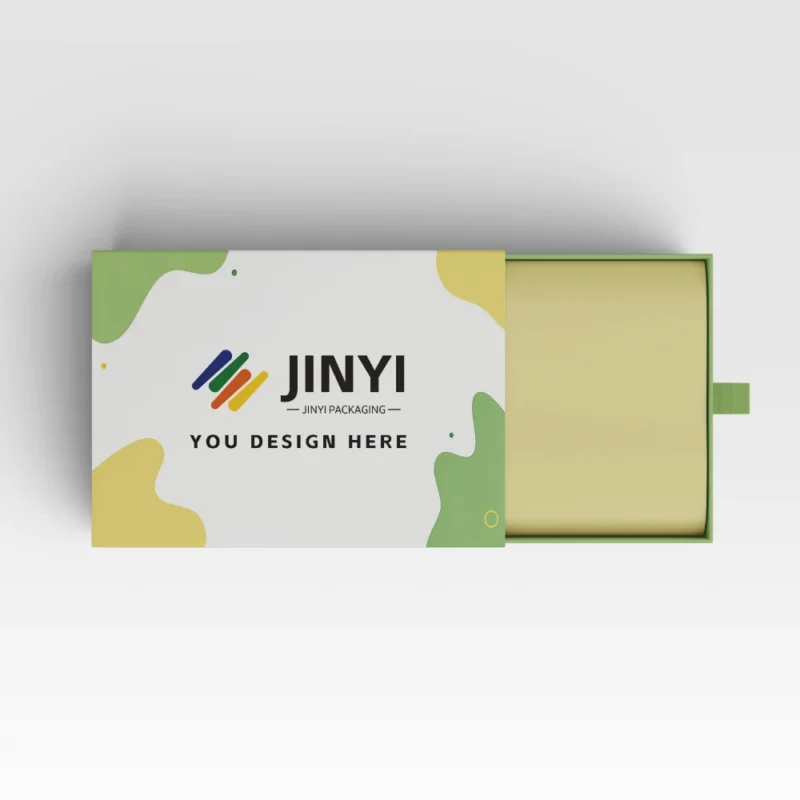
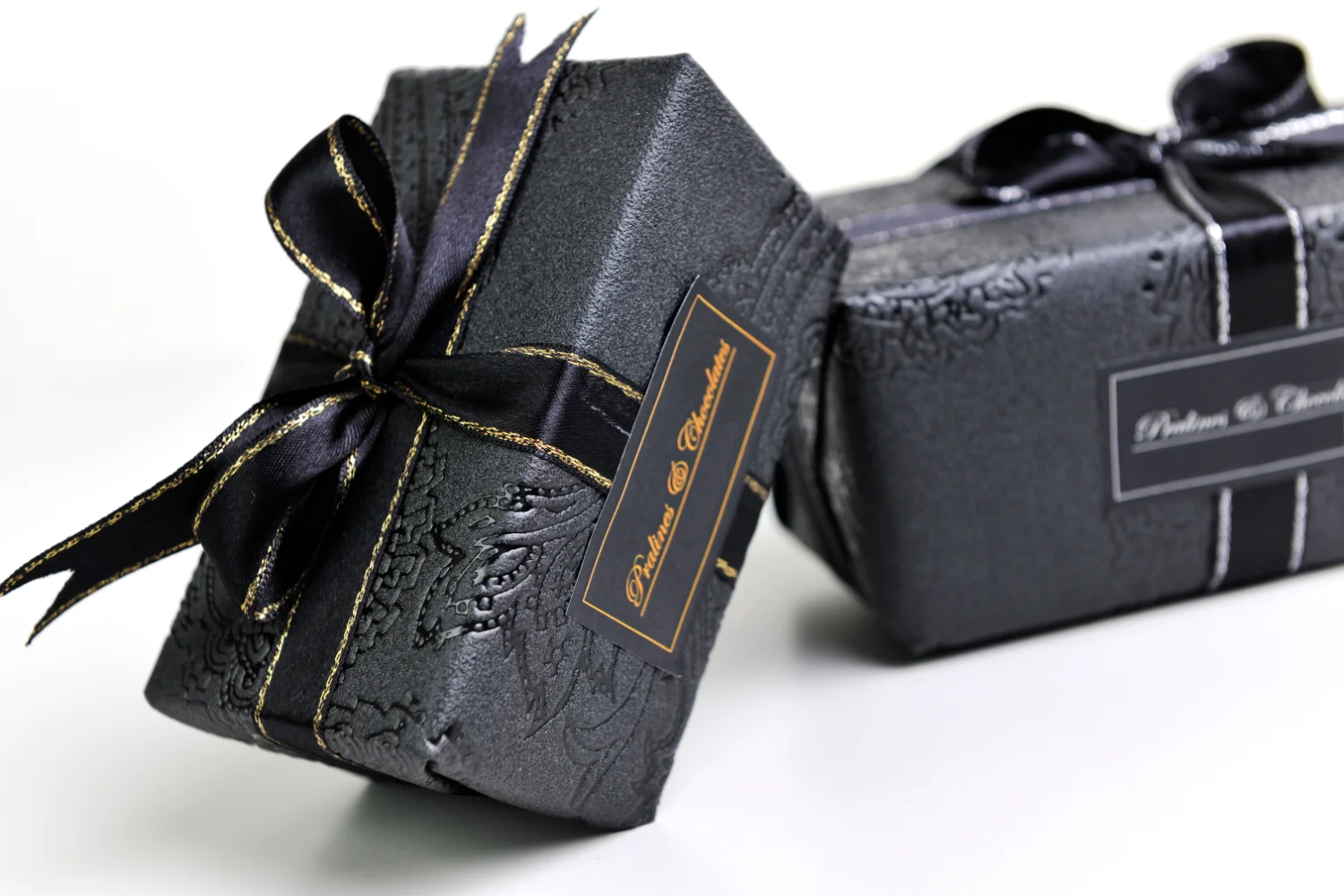
See a rigid flip-top gift box format where finish stacking and abrasion control matter

I do not treat soft-touch, foil, and spot UV as three independent upgrades. I treat them as three layers with three different friction behaviors, three adhesion windows, and three opportunities for drift. If I do not lock sequence and tolerances, the finishes will fight each other and the box will lose its premium look fast.
Define the “Finish Fight” First: Scuff, Dull Foil, UV Edge Lift, or Fingerprint Patchiness?
I never accept “the finish looks bad” as a diagnosis. I need to know which failure happened, because each failure points to a different root cause.
I classify finish fights into four types: soft-touch scuff and rub-to-shine, dull foil and edge lift, spot UV edge lift or cracking, and fingerprint patchiness. When I classify first, I can lock the right variables instead of blaming the wrong process.
My finish fight map (what failed vs what I lock)
| Failure |
What it looks like |
What usually causes it |
What I lock first |
| Soft-touch scuff / rub-to-shine |
Matte turns glossy in high-contact areas |
High friction + vibration rubbing |
Pack-out friction control + surface selection |
| Foil dull / edge lift |
Shine turns gray, edges start peeling |
Low adhesion on soft-touch + rubbing at edges |
Adhesion zone rules + edge protection strategy |
| Spot UV edge lift / crack |
UV peels at edges or cracks after bending |
Wetting window too narrow + cure drift |
UV artwork rules + cure window + dwell time |
| Fingerprint patchiness |
Uneven marks, “dirty” zones, tone shifts |
Oil transfer + mixed surface energy |
Touch-point design + finish zoning |
From a production standpoint, this matters because the wrong fix creates the next failure. In real manufacturing, this detail often determines whether a factory increases pressure to make foil stick and accidentally creates micro-cracks that peel later. From our daily packaging work, we see that each defect has a different “first lever.” Soft-touch scuffs are often shipping friction problems, not coating quality problems. Foil edge lift is often an adhesion zone problem, not a foil film problem. Spot UV halos are often wetting and thickness problems, not “bad UV.” Fingerprints are often a touch-point and surface-energy problem, not “customers have dirty hands.” I always classify first so the spec becomes targeted instead of emotional.
Order of Operations Decides Everything: Why the Same Materials Behave Differently by Sequence?
Many teams ask me to pick materials, then they leave the process order to the supplier. That is how rework starts.
I lock the order because soft-touch film, foil, and spot UV behave differently depending on what sits under them and what was cured before them. Sequence changes adhesion, hardness, and friction, so it changes outcomes.
Finish sequence choices I control
| Sequence decision |
What can go wrong |
What I specify |
| Foil on soft-touch |
Edge lift, dulling, poor bond |
Use stampable soft-touch or leave foil zones unlaminated |
| Spot UV on soft-touch |
Halo rings, edge lift |
Define UV line rules, thickness target, and cure window |
| Cure and rest time between steps |
Blocking, haze, delayed peeling |
Minimum cure + resting time and handling limits |
From a production standpoint, this matters because “same materials” do not equal “same results.” In real manufacturing, this detail often determines whether your sample is repeatable. If a supplier changes the order to hit a deadline, the adhesion window can collapse. I therefore write the process sequence as a hard requirement, not a suggestion. I also write what must be cured, how long it must rest, and what must not be touched in between. From our daily packaging work, we see rework happen when people treat curing as optional. A surface can look dry and still be unstable under stack pressure, and that instability shows up as peeling or blocking later. I lock the order so the finish stack behaves like a system, not like three separate effects.
Soft-Touch as the Base Layer: When It Becomes a Low-Adhesion Trap for Foil and UV?
Soft-touch looks premium, but it can become a low-adhesion trap. I treat it as a material choice that must be compatible with whatever goes on top.
If the soft-touch surface has low surface energy, both foil and spot UV can behave like they are sitting on a non-stick layer. I either choose a stampable/UV-friendly system or I design zones that avoid bonding on the wrong surface.
How I avoid the soft-touch adhesion trap
| Risk |
What I see |
My prevention move |
| Low surface energy |
Foil lifts at edges; UV peels |
Select stampable soft-touch or add controlled base layer |
| Soft surface under pressure |
Emboss marks, gloss spots |
Define pressure limits and contact protection |
| Contamination sensitivity |
Patchy adhesion and halos |
Handling rules + clean storage + rest time |
In real manufacturing, this detail often determines whether the first cartons pass and later cartons peel after shipping. From our daily packaging work, we see many “foil problems” that are actually soft-touch compatibility problems. I do not let suppliers guess. I lock which soft-touch film system is allowed, and I lock whether foil and UV must land on a dedicated zone. If I need foil and UV on the same panel, I often separate “touch zones” and “decoration zones.” I make sure the decoration zones are engineered for adhesion, not optimized for hand-feel. That zoning is one of the simplest ways to keep soft-touch premium without making the rest of the finish stack fragile.
Foil on Top of Soft-Touch: Why Shine Turns Dull and Edges Start Peeling in Cartons?
Foil on soft-touch can look amazing. It can also fail in the exact way brands hate: dull shine and lifted edges after shipping.
I assume shipping is a friction machine. If foil edges sit on a soft-touch base and the carton rubs, the edges become the first failure point. I lock edge rules and pack-out protection, not only stamping settings.

What I lock to protect foil on soft-touch
| Foil risk |
Why it happens |
What I lock |
| Edge lift |
Adhesion weak at boundary + rubbing |
No-foil edge margin + edge shape rules |
| Dull shine |
Micro-scratches from vibration rubbing |
Pack-out isolation + controlled contact surfaces |
| Micro-cracks |
Overstamping stress |
Process window limits, not “more pressure” |
From a production standpoint, this matters because foil does not fail like ink. In real manufacturing, this detail often determines whether returns spike after a long e-commerce route. I write rules that protect foil edges, because edges are where stress concentrates and where rubbing starts. I also write pack-out rules because I assume cartons will vibrate. From our daily packaging work, we see that foil dulling is often a pack-out issue, not a stamping issue. If boxes are packed tight with partitions or interleaves, foil stays bright much longer. If boxes are loose and rubbing, even the best foil will look tired. I do not accept “we used premium foil” as a protection plan.
Spot UV on Soft-Touch: The Hidden Failure Is Edge Lift and Halo Rings?
Spot UV on soft-touch creates a strong premium contrast. It also has a narrow wetting and adhesion window, so small drift creates big visual defects.
I focus on edge rules and thickness control. The “hidden failure” is not only peeling. It is also halo rings and uneven gloss that makes the box look cheap.
Spot UV rules I lock for soft-touch
| UV defect |
What it looks like |
My lock-in rule |
| Edge lift |
UV starts peeling from the border |
Minimum feature size + avoid razor-thin borders |
| Halo ring |
Bright outline around UV area |
Controlled thickness target + stable cure window |
| Uneven gloss |
Patchy shine |
Screen/plate standard + viscosity control |
In real manufacturing, this detail often determines whether your spot UV looks premium or looks like a mistake. From our daily packaging work, we see halo rings appear when UV thickness changes or when the surface energy changes across the panel. I therefore write design rules: no ultra-thin UV borders, no tiny isolated dots that can lift, and no UV crossing heavy bend zones. I also write process rules: thickness target, cure window, and handling limits. If the supplier cannot control those, I shrink UV areas or move UV to a safer zone. I would rather reduce UV coverage than create a finish that forces rework on every batch.
Three Finishes = Three Friction Behaviors: Why Mixed COF Creates Scuffs and Patchy Wear?
Soft-touch, foil, and spot UV each have different friction behavior. That mismatch is the real reason finishes “fight” in shipping.
If a carton rubs, the high-friction area wears first, the low-friction area stays clean, and the box develops patchy wear. I control friction paths with zoning and pack-out, not only with “stronger coatings.”
My friction map approach
| Finish |
Typical friction behavior |
Wear result in shipping |
My control move |
| Soft-touch |
Often higher friction |
Rub-to-shine and scuff |
Reduce rubbing exposure with pack-out isolation |
| Foil |
Hard surface but scratch-sensitive |
Dulling and scratching |
Protect foil zones from contact |
| Spot UV |
Hard islands with edge risk |
Edge lift under abrasion |
Avoid edge exposure and control thickness |
From a production standpoint, this matters because the finish stack can fail even when each finish is “good” alone. In real manufacturing, this detail often determines why a box looks fine in a short retail route but fails in e-commerce. I therefore design the panel like a friction map. I decide where hands touch, where cartons rub, and where edges can get hit. Then I place finishes so they do not create fragile boundaries in high-contact zones. If the route is harsh, I also recommend protective pack-out: interleaves, sleeves, or partitions. From our daily packaging work, we see that pack-out solves more scuff complaints than changing coatings, because it removes the rubbing that causes the wear.
Registration & Tolerance Reality: When Misalignment Makes Foil/UV Look Cheap Overnight?
Three finishes mean three alignments. If registration drifts, the premium look disappears immediately.
I lock tolerances and I design “for forgiveness.” I do not wait until production to discover that the design had no margin for drift.
Registration risks and what I lock
| Misalignment issue |
What it causes |
My prevention rule |
| UV overlaps foil edge |
Visible “mistake border” and peeling risk |
Keep safe spacing and define max drift tolerance |
| Foil shifts out of its zone |
Breaks the design and exposes weak edges |
Design margin + supplier alignment checkpoints |
| Spot UV off target |
Cheap look and uneven contrast |
Lock alignment method + in-process sampling |
In real manufacturing, this detail often determines whether your box looks “luxury” or “misprinted.” From our daily packaging work, we see brands blame factories for misalignment when the artwork gave zero margin. I fix that at the design stage. I require safe zones, spacing, and minimum distances between finishes. I also write the tolerance in the spec so nobody guesses what “acceptable” means. If a supplier cannot hold tight registration, I simplify the finish interactions by reducing overlaps and moving details away from edges and folds. My goal is not perfection on one sample. My goal is stable beauty at scale.
Mass Production Window: Curing Time, Blocking Risk, and Why “Looks Dry” Still Sticks in Cartons?
Many rework disasters are not about visuals at all. They are about blocking: surfaces sticking together under pressure and then tearing or lifting when separated.
I lock curing and resting windows because soft-touch and spot UV can look dry while still being soft under stack compression. If cartons block, they can peel UV and dull foil in one move.
Blocking controls I include
| Blocking trigger |
What happens |
What I lock |
| Insufficient cure |
Stickiness under pressure |
Minimum cure parameters and rest time |
| Hot stacking |
Surfaces soften and bond |
Temperature limits and stack height rules |
| Tight packing without interleave |
Finish-to-finish contact damage |
Interleaves, sleeves, or partitions |
From a production standpoint, this matters because blocking creates multi-symptom failure: UV lifts, soft-touch glosses, and foil dulls at once. In real manufacturing, this detail often determines whether the last 30% of an order becomes a rework pile. I do not let “we need to ship today” override the cure and rest window. I specify when the cartons can be stacked, what the storage temperature must be, and what isolation is required in pack-out. From our daily packaging work, we see blocking most often after a rush schedule, when cartons are packed warm and pressed in a master carton. I prevent that with clear rules that production can follow.
My “No-Rework” Spec Checklist: What I Lock So Suppliers Cannot Guess?
When I hear “we can do soft-touch + foil + spot UV,” I still assume rework risk until the spec is complete.
I lock the finish system, the zones, the order, the tolerances, and the tests. If a supplier must guess, the supplier will guess wrong.
My no-rework checklist for the finish stack
| Spec item |
Why I lock it |
What it prevents |
| Soft-touch film system (stampable/UV-friendly) |
Adhesion and stability |
Foil/UV lifting |
| Finish zoning + “no-finish” boundaries |
Controls bonding and friction |
Edge failures and patchy wear |
| Artwork rules (min lines, spacing, radii) |
Prevents fragile details |
Cracks, halos, broken lines |
| Process order + cure/rest windows |
Repeatability at speed |
Blocking and delayed peeling |
| Registration tolerance + sampling plan |
Controls multi-step alignment |
Cheap-looking misalignment |
| Pack-out isolation requirements |
Removes rubbing exposure |
Scuff, dull foil, UV edge wear |
From our daily packaging work, we see rework drop sharply when the spec becomes unambiguous. In real manufacturing, this detail often determines whether the supplier can run consistently across shifts. I write what must be tested before mass production: abrasion check, tape/adhesion check, and blocking check under stack pressure. I also write the acceptance limits, because “slight scuff” means different things to different teams. When the spec is clear, suppliers stop guessing and production becomes stable. That is how I protect both the finish and the schedule.
Decision Matrix: When I Still Use the Trio vs When I Split Finishes to Protect Yield?
I do not force the trio on every skincare gift box. Some routes and colors punish this stack too much.
I choose the trio when the route is controlled and the brand values tactile impact. I split finishes when friction, e-commerce handling, and dark colors create a high rework risk.
My decision matrix (use the trio or simplify)
| Condition |
My recommendation |
Why |
How I protect yield |
| Retail route, controlled handling |
Use soft-touch + foil + spot UV |
High shelf impact |
Lock order, zoning, and pack-out basics |
| E-commerce route, long transit |
Simplify or reduce UV/foil exposure |
Friction and blocking risk |
Move finishes to safer panels or add isolation |
| Deep dark colors |
Be cautious with soft-touch |
Shows scuffs and fingerprints more |
Design touch zones and add protection |
From a production standpoint, this matters because “premium” is not only how it looks on day one. In real manufacturing, this detail often determines whether you hit delivery without rework. If the route is harsh, I reduce the finish interactions: I shrink UV areas, move foil away from high-contact edges, or place decoration on an inner tray or sleeve. I still keep the premium story, but I protect yield. I always give two options: a display-tier stack and a production-tier stack. That helps brands choose impact without gambling on stability.
Conclusion
I prevent rework by treating soft-touch, foil, and spot UV as one system. I lock sequence, zoning, tolerances, cure windows, and pack-out so the finish survives real shipping.
Get a No-Rework Finish Stack Plan
About Me
About JINYI
Brand: Jinyi
Slogan: From Film to Finished—Done Right.
Website: https://jinyipackage.com/
Our mission: I deliver reliable, usable, production-ready packaging so brands spend less time clarifying details and get more predictable quality, clearer lead times, and structures that match real use.
About me: JINYI is a source manufacturer specializing in custom flexible packaging solutions, with over 15 years of production experience serving food, snack, pet food, and daily consumer brands.
We operate a standardized manufacturing facility equipped with multiple gravure printing lines as well as advanced HP digital printing systems, allowing us to support both stable large-volume orders and flexible short runs with consistent quality.
From material selection to finished pouches, we focus on process control, repeatability, and real-world performance. Our goal is to help brands reduce communication costs, achieve predictable quality, and ensure packaging performs reliably on shelf, in transit, and at end use.
FAQ
1) Why does soft-touch turn shiny on skincare gift boxes?
Soft-touch can rub-to-shine under vibration and repeated contact. I reduce rubbing exposure with pack-out isolation and finish zoning.
2) Why does foil lift or turn dull on top of soft-touch?
Low adhesion on soft-touch and edge rubbing are common causes. I lock stampable systems, safe margins, and edge protection rules.
3) What causes spot UV halos on soft-touch?
Halos often come from narrow wetting windows and uneven UV thickness. I lock artwork rules, thickness targets, and cure conditions.
4) What is blocking and why does it cause rework?
Blocking is when surfaces stick together under pressure. It can lift UV, dull foil, and mark soft-touch. I lock cure/rest time and pack-out rules.
5) When should I avoid using soft-touch + foil + spot UV together?
I simplify the stack for long e-commerce routes, deep dark colors, and high-friction pack-outs unless the brand accepts more protection steps.