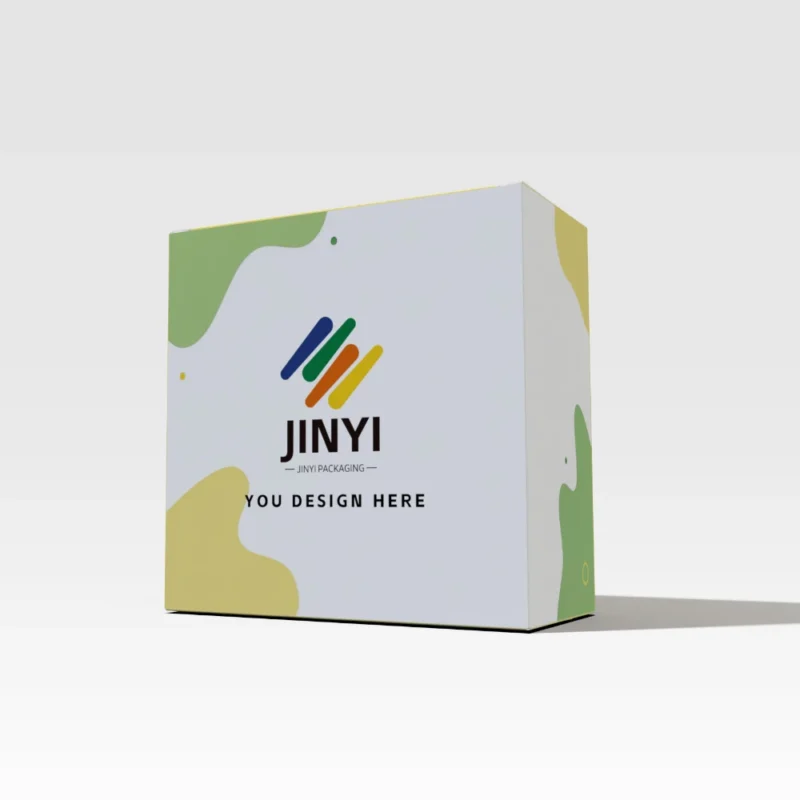
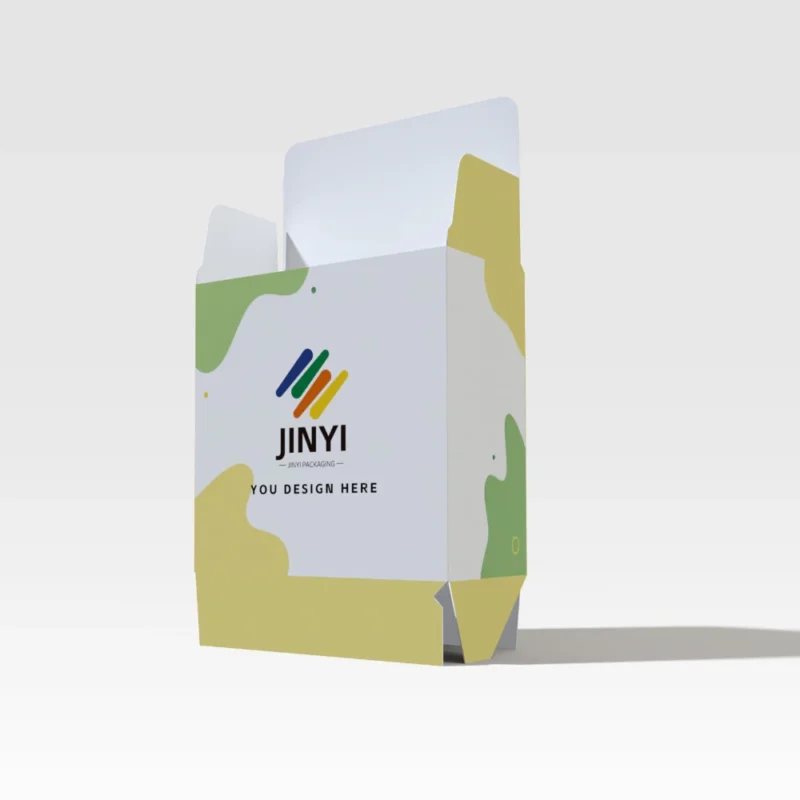
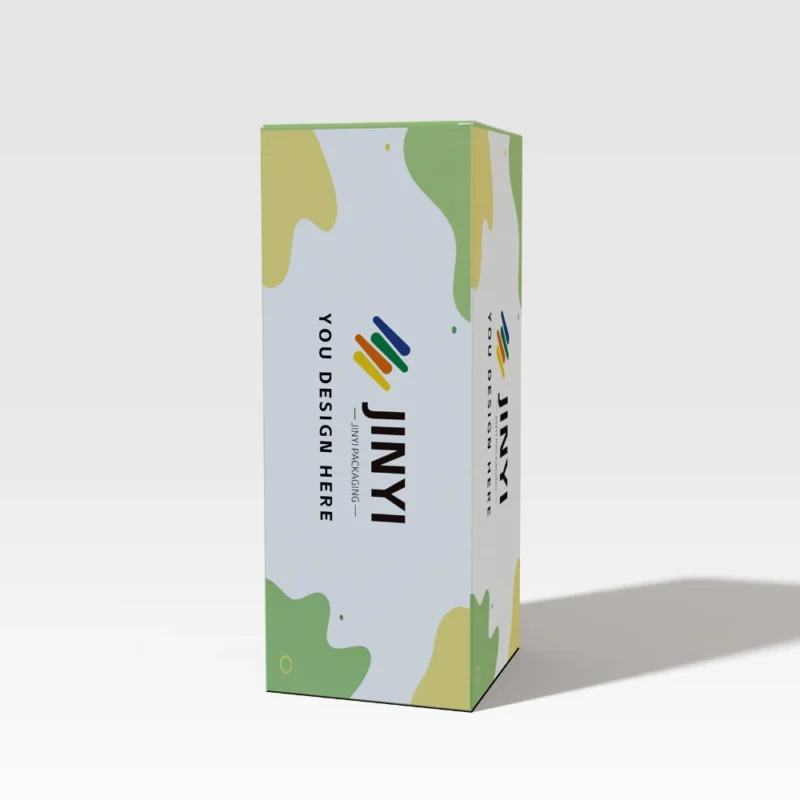
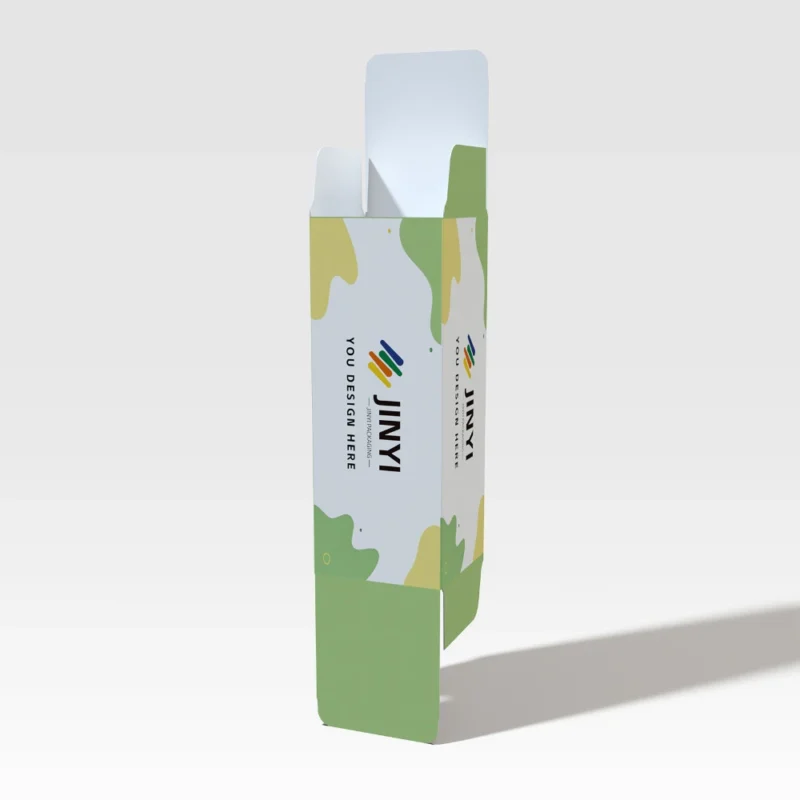
Many brands pick a box style by “looks” or unit price, then they pay for dents, pop-open, and packing-line rework.
I choose a structure by priority and route stress. I start with what you want to protect: speed, strength, or shelf experience. If speed is the first pain, I usually begin with auto lock bottom boxes that cut setup steps, then I validate stress points before scale.

I keep this guide practical. I focus on what fails in real handling, and what keeps your workflow stable per run and per batch.
What Problem Are You Solving: Speed, Strength, or Shelf Experience?
When a team solves the wrong problem, the box becomes a weekly argument and a silent waste line.
I ask one question first: do you need faster setup, higher load stability, or cleaner unboxing and display?
I treat this as a priority decision. If you want speed, I optimize for repeatable setup with fewer motions. If you want strength, I optimize load paths and bottom integrity under compression. If you want shelf experience, I optimize clean edges, predictable closure feel, and neat presentation after handling. Many failures happen because a “strength” choice is forced into a “speed” line, or a “clean unboxing” choice is forced into a heavy route. I do not label any structure as “best.” I label it as “best for your route and workflow.”
Auto Lock Bottom Boxes: When Setup Speed Matters More Than Everything Else?
When your line slows because people cannot build boxes fast enough, unit cost becomes a distraction.
I use auto lock bottom when setup time and labor consistency are the main constraint, and weight is still reasonable.
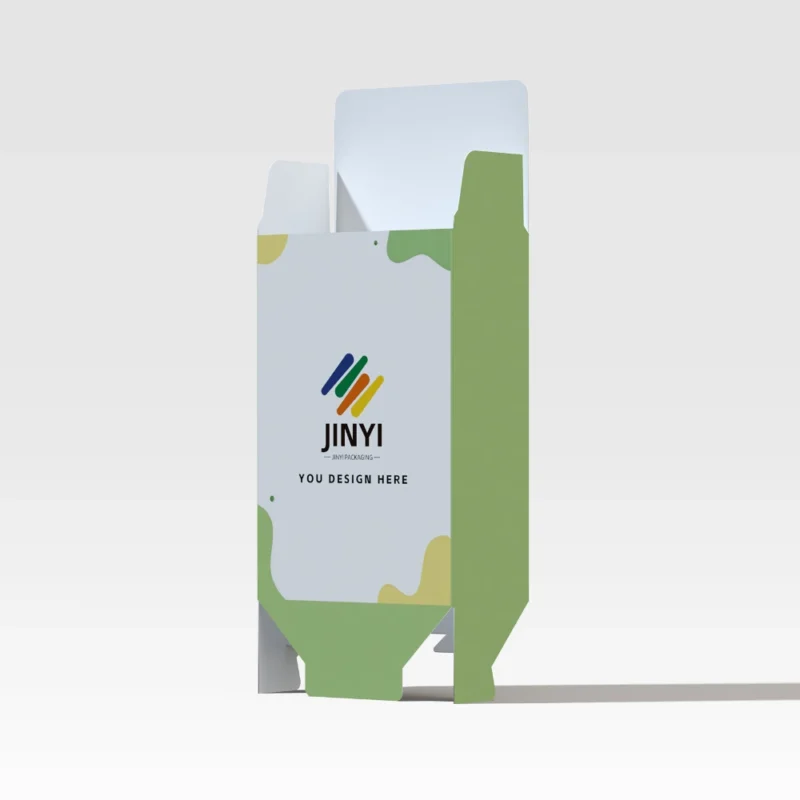
I like auto lock bottom boxes because the bottom forms fast and the operator steps drop. That can reduce downtime and reduce the variation between shifts. I still watch the risk points. I watch the bottom load path and the corner stress. If the product is heavy or the drop risk is high, I do not assume “auto” means “strong.” I make sure the structure supports the weight you actually ship, not the weight you wish you shipped.
Lock Bottom Boxes: When Load Stability and Weight Tolerance Come First?
When products are heavier, a small bottom weakness becomes dents, bulging, and returns.
I use lock bottom when bottom stability and weight tolerance matter more than the fastest setup.
I like lock bottom boxes when I need stable locking geometry and consistent load holding. I also see a common failure: “it did not lock fully.” If the lock is mis-locked or partially locked, the bottom can bulge and deform. That failure looks like a materials problem, but it is often a design and process problem. I align the locking points with how real operators fold and press, so the lock is repeatable per batch.
Straight Tuck End Boxes: When Clean Unboxing and Simple Assembly Win?
A clean unboxing can turn into a complaint if the tuck pops open in transit.
I use straight tuck end when weights are light to medium and the shelf look and opening feel matter, with closure control planned in.
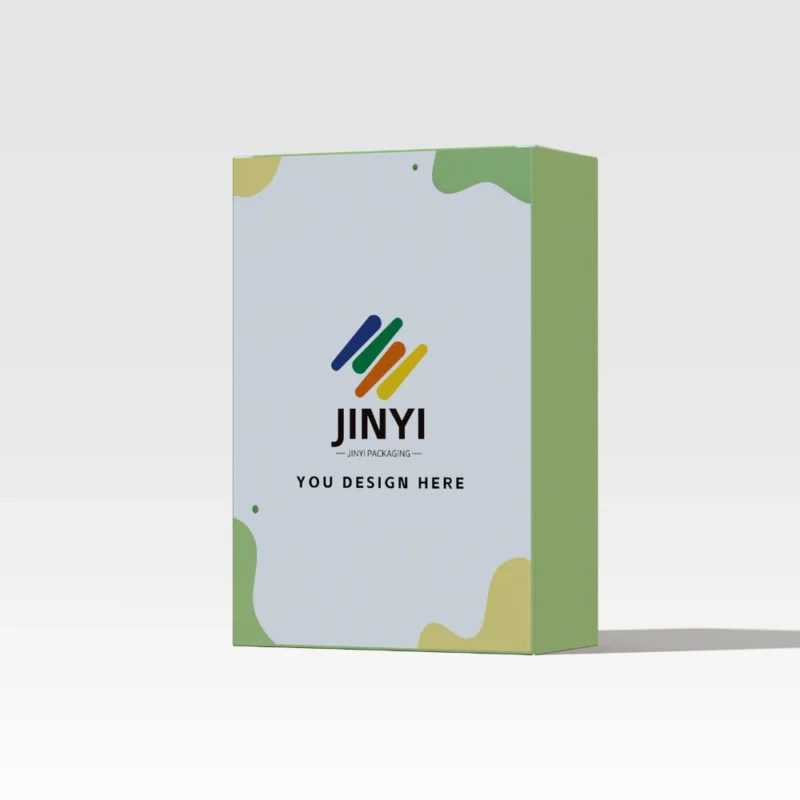
I like straight tuck end boxes because they feel clean and simple. I also see the most common route problem: pop-open. If the tuck friction is not enough, vibration and thermal cycling can loosen closure over time. I address this with closure details, not with vague “stronger paper.” I look at tuck geometry, dust flaps, and how closure friction behaves after handling.
Channel Stress: Which Structure Handles Compression, Drop, Vibration, and Thermal Cycling Better?
Samples pass on a desk and fail in a truck because route stress is not polite.
I compare structures by the stresses your channel applies, not by what looks strongest in hand.
I map route stress before I pick the box
I use route stress as my baseline. Compression is a stacking problem. It punishes weak load paths and soft corners. Drop is a handling problem. It punishes bottom integrity and corner reinforcement. Vibration is a time problem. It loosens closures and increases scuff and shift. Thermal cycling is a change problem. It can change stiffness and closure friction over temperature swings. In general, lock bottom tends to hold load better when weight is high, while auto lock bottom tends to win on setup speed when weight is moderate. Straight tuck end tends to win on clean opening and shelf feel when closure friction is designed for the route. I do not promise “no failures.” I reduce risk by matching the structure to the stress profile you actually face.
| Stress |
What it attacks |
What I check first |
| Compression |
Bottom load path and corners |
Stack height, corner stability |
| Drop |
Bottom integrity, edge bursts |
Bottom lock behavior on impact |
| Vibration |
Closure loosening, drift |
Tuck friction, lock consistency |
| Thermal cycling |
Stiffness and friction changes |
Closure feel across temperatures |
The Failure Patterns I See Most: Blowouts, Pop-Open, Dents, and Skew?
Teams often fix the symptom and keep the cause.
I reduce waste when I link each failure pattern to a driver and pick the structure that prevents the next complaint.
I connect symptom → cause → structure choice
I group failures into three patterns. Blowouts often show up when the bottom structure does not match product weight or drop risk. That can happen when speed is prioritized without checking load path. Pop-open often shows up in straight tuck end boxes when closure friction is not enough for vibration and temperature swings. Dents often show up when compression and drop stack together, and corners are not protected by the geometry. Skew shows up when assembly varies, or when closures loosen and shift after handling. I do not blame “material” first. I blame geometry and workflow. If your main pain is bottom collapse, I lean toward a stronger bottom structure and validation. If your main pain is pop-open, I focus on tuck friction and closure details. If your main pain is dents, I focus on compression planning and corner behavior.
| Failure |
Most common driver |
My first move |
| Blowout |
Bottom load mismatch |
Re-check bottom structure vs weight |
| Pop-open |
Low closure friction under vibration |
Adjust tuck details and closure fit |
| Dent |
Compression + drop stacking |
Stabilize corners and load path |
Fit and Closure Details That Decide Success (Not the Material Name)?
“Use stronger paper” is not a plan, and it often increases waste with no stability gain.
I win outcomes by controlling locks, folds, tucks, and friction points, because those decide repeatability.
I look at how the bottom locks, how the folds want to behave, and how the closure holds after vibration. I check dust flaps because they can stabilize the tuck or create friction that causes deformation. If a project uses any sealing or banding step, I also check the seal system and seal window, because contamination and weak bonding can create small separations that look like “quality issues.” I focus on what the line can repeat, because repeatability is what protects you per batch.
Cost per Run vs “Cheapest Unit”: Where Total Cost Really Changes?
Unit price is easy to compare, and it is often the least important number in real operations.
I compare total cost per run and per batch, because setup time, downtime, and damage drive your real spend.
I use “total cost per run” because labor repeats
I use cost per run because your team repeats the same actions every shift. Auto lock bottom can lower labor time and reduce operator variation, so the line stays stable. Lock bottom can reduce damage when weight is high, so you lose fewer units and fewer hours to rework. Straight tuck end can reduce complexity and support a clean shelf look, but it must be protected against pop-open risk. This is where I often align structure choice with your main cost leak: labor, downtime, rework, or returns. If you want a baseline comparison, I usually reference a proven lock-bottom option and then tune it to your product and route: lock bottom box structures built for stable load holding. I would rather reduce one repeatable cost driver than chase the lowest unit price.
| Cost driver |
What it looks like |
What it usually favors |
| Assembly time |
Slow setup, training issues |
Auto lock bottom |
| Damage and returns |
Dents, bottom collapse |
Lock bottom |
| On-shelf feel |
Clean opening, neat facing |
Straight tuck end (with closure control) |
A Practical Spec Checklist Before You Choose One Structure?
If the brief is vague, the project becomes trial-and-error.
I choose faster when I know weight, route stress, stacking, packing method, and the complaint you fear most.
I ask for product weight and center of gravity. I ask for stack height and how units are packed into master cartons. I ask for route and handling, because channel stress decides failure modes. I ask for target line pace or manual assembly rhythm. I also ask what you fear most: returns, downtime, waste, or fit issues. These inputs decide structure more than personal taste does.
Validation Plan: How I Confirm the Choice Before You Scale Production?
Skipping validation saves a day now and costs weeks later.
I validate with a small batch, timed assembly, and simple stress checks, then I scale per batch after results look predictable.
I start with a small trial. I time assembly for real operators. I run simple compression and drop checks, then I add vibration exposure if the route is long. I watch pop-open behavior and bottom deformation. I adjust one variable at a time, because that keeps learning clean. I use “validate” and “reduce risk” language because the goal is predictable complaints, not perfection.
Conclusion: Pick the Box That Matches Your Route and Workflow?
I pick a box by priority, route stress, and repeatability, because that is how I reduce damage, rework, and waste together.
If you tell me your product weight, stack height, and route, I can map the risk and recommend a structure. I often start with straight tuck end when shelf feel matters, then I protect against pop-open with closure details: straight tuck end boxes built for clean presentation.
FAQ: Auto Lock Bottom vs Lock Bottom vs Straight Tuck End?
1) When should I choose auto lock bottom?
I choose it when setup speed and labor consistency are the main pain, and product weight and drop risk stay within a safe range.
2) When should I choose lock bottom?
I choose it when load stability matters most, especially for heavier products or higher stacking pressure under compression.
3) How do I prevent straight tuck end boxes from popping open?
I control tuck friction, closure geometry, and handling stress. I also validate vibration and thermal cycling for your route.
4) Which structure is best for heavier products?
I usually start with lock bottom, then I validate compression and drop behavior and adjust corners and fold logic as needed.
5) What is the smallest validation plan that still works?
I run a small batch, time assembly, do simple compression and drop checks, add vibration if needed, and review pop-open and bottom deformation.
About Me
Brand: JINYI
Tagline: From Film to Finished—Done Right.
Website: https://jinyipackage.com/
I run JINYI as a factory-first packaging partner. I standardize sampling, production, and QC because I care about control and consistency. I want your packaging to run in your channel, tolerate route stress, and stay easy to use at the shelf.