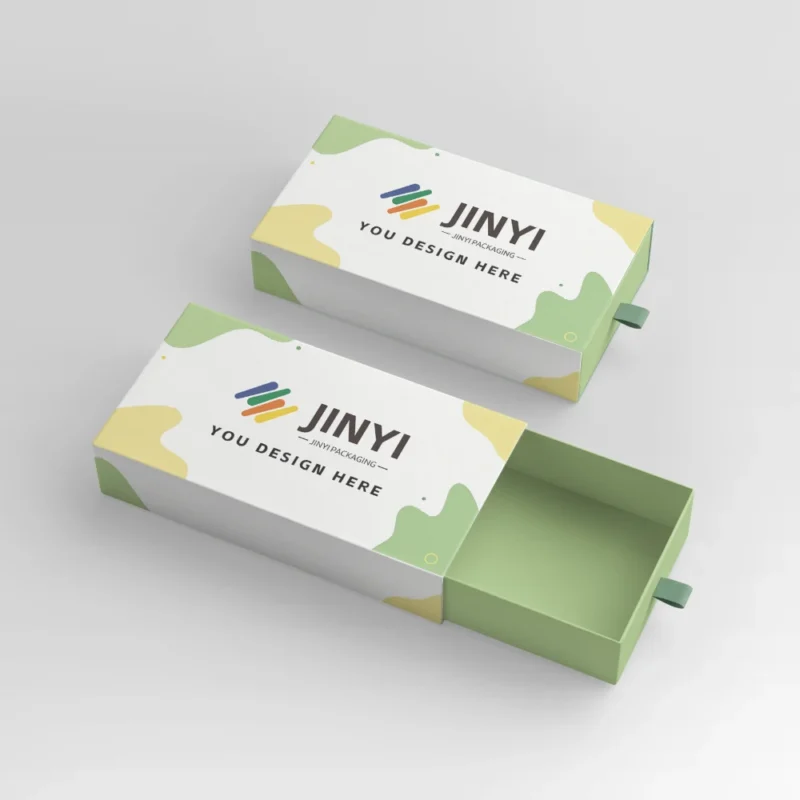
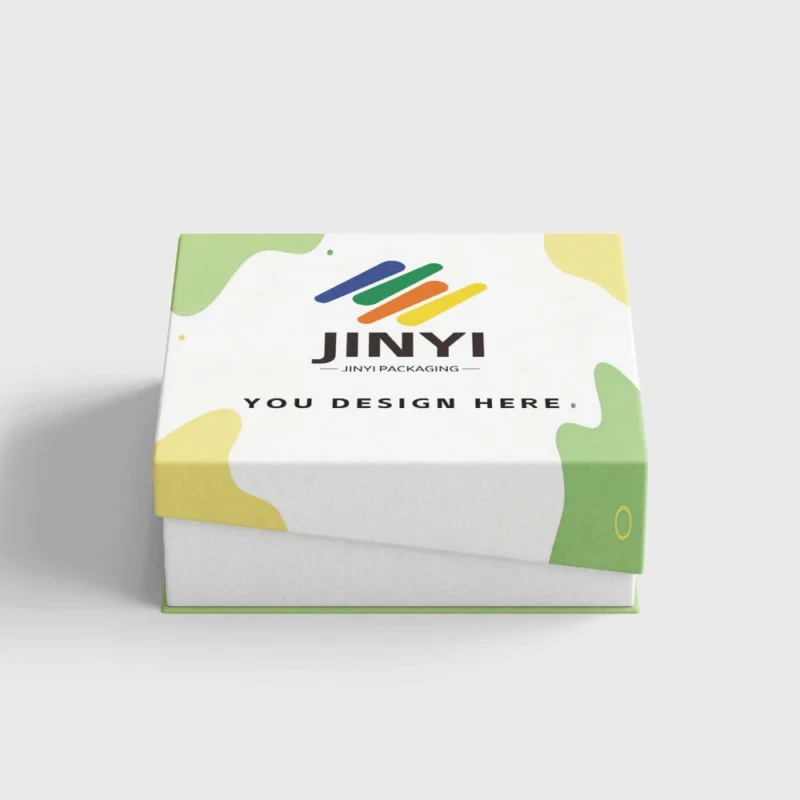
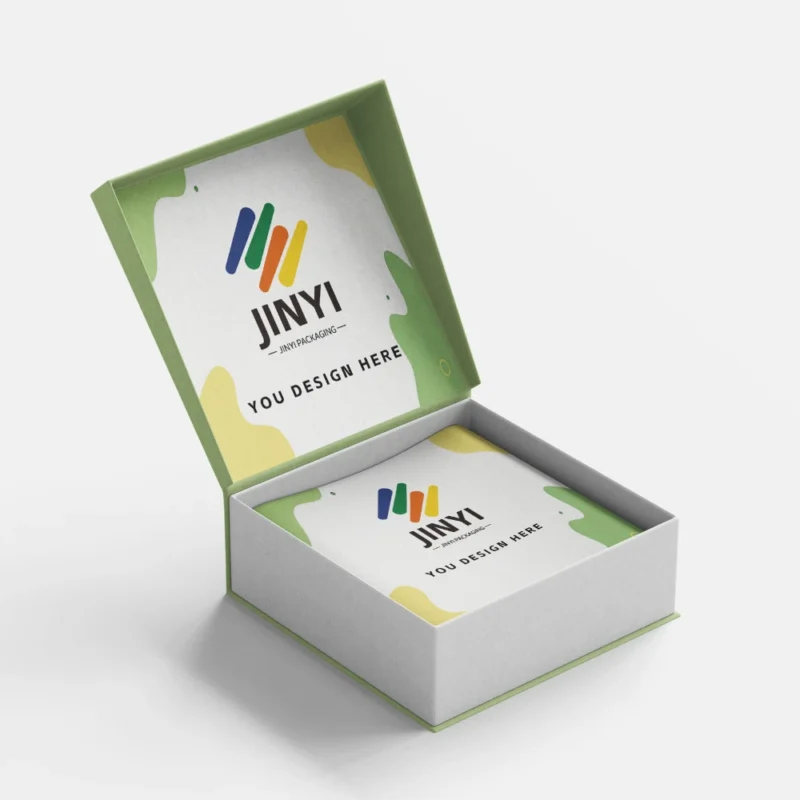
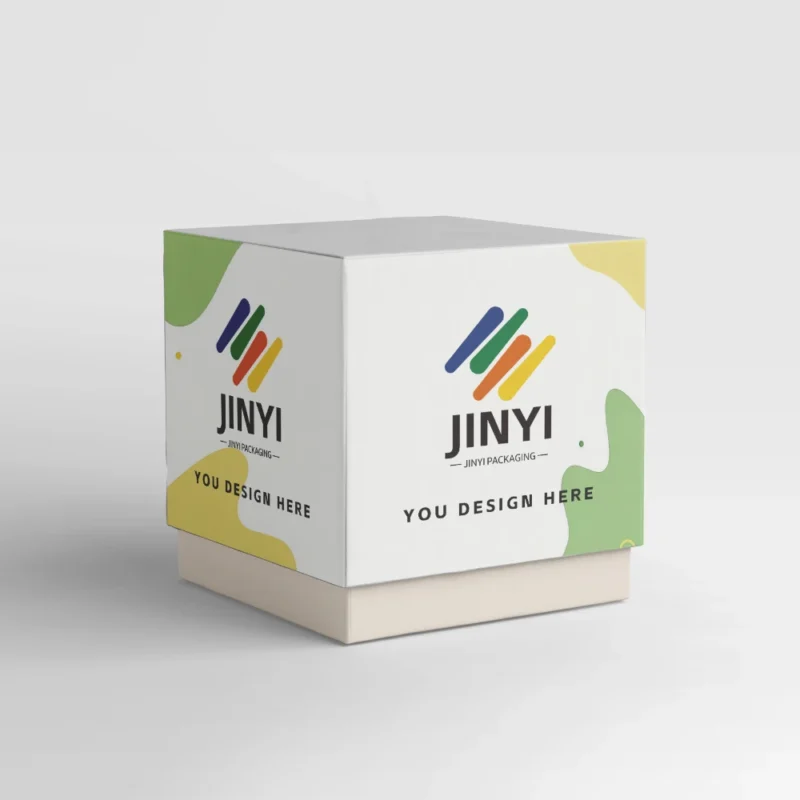
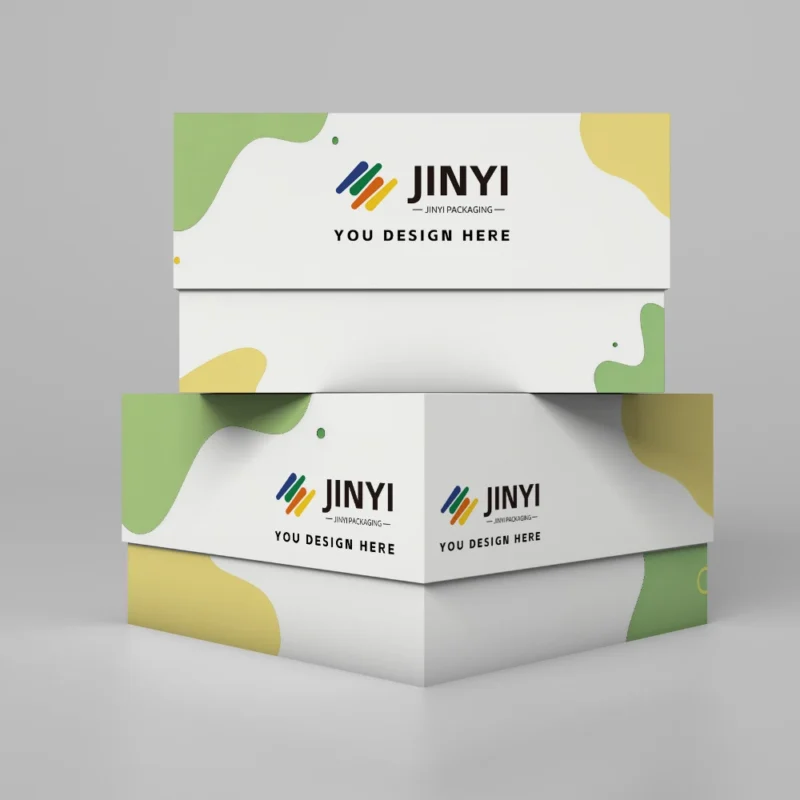
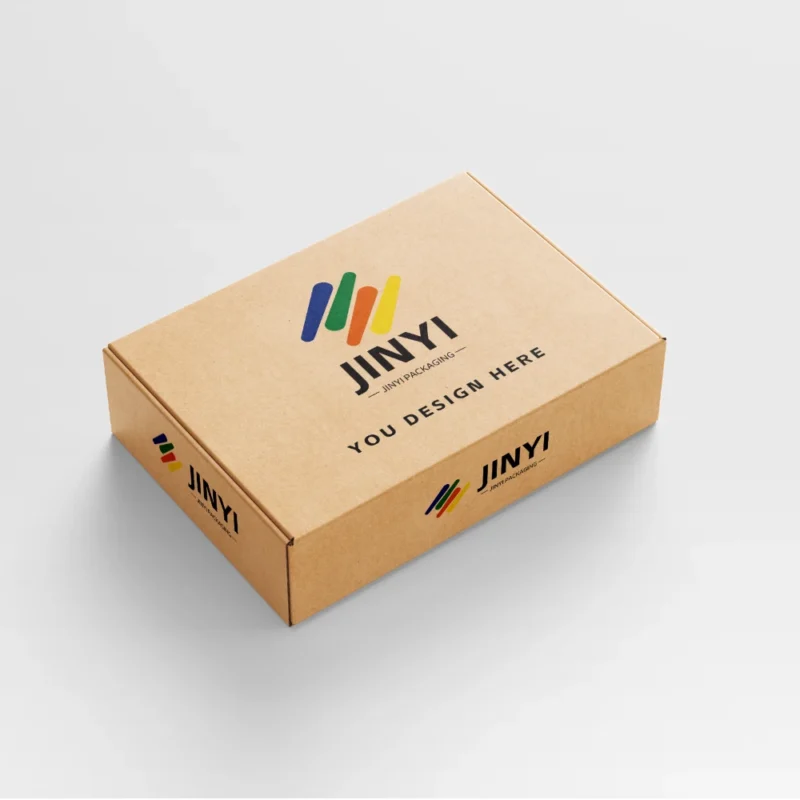
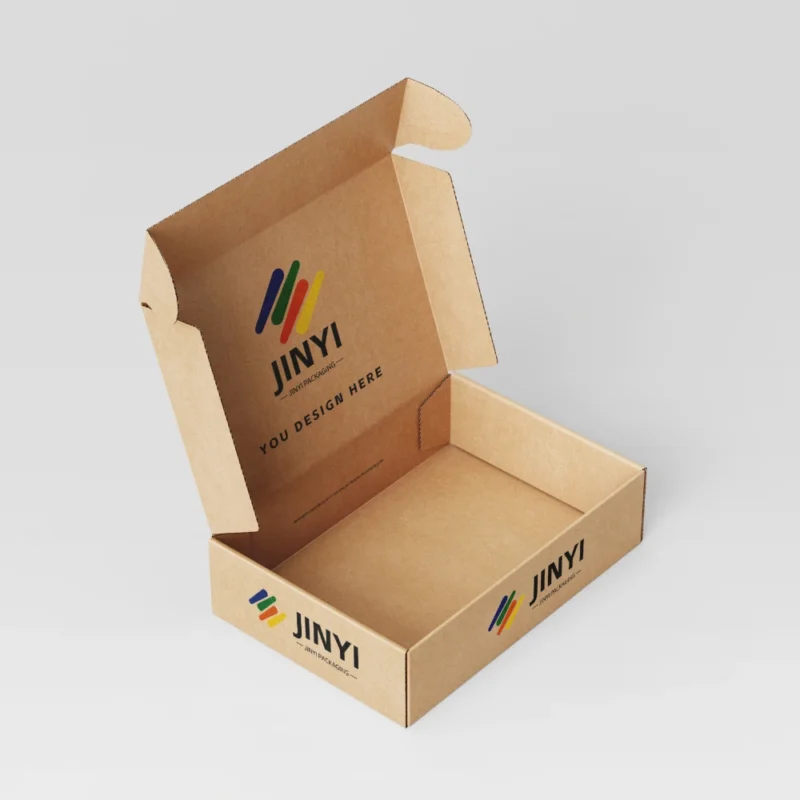
Brands add “premium unboxing,” then returns rise from scuffs, dents, and “looks used.” The delight becomes a cost.
Unboxing increases repeat purchase only when delight touchpoints are built with damage guardrails. The right score is Touchpoint ROI = conversion lift − damage cost, measured together in one dashboard.
If you want unboxing to lift repeat purchase, start with a touchpoint ROI plan that includes damage guardrails

This report-style guide breaks unboxing into measurable touchpoints, then shows how to prevent scuff and crush failures while improving customer experience.
How should teams measure “unboxing ROI” instead of guessing?
Unboxing discussions often split into two camps: marketing wants delight, operations fears returns. Both lose when metrics are separated.
Teams should track conversion lift, damage guardrails, and operational cost on one dashboard. The goal is repeat up while damage stays flat.
A single dashboard that prevents “delight vs damage” arguments
A useful dashboard links three metric groups. First, conversion outcomes: repeat purchase rate, 60/90-day reorder, subscription opt-in, and CSAT/NPS, plus the frequency of “unboxing” mentions in reviews. Second, damage guardrails: return rate, “damaged/used/dirty” keywords per 1,000 orders, and reship cost per 1,000 orders. Third, operational outcomes: pack time, material cost, and dimensional weight exposure for DTC parcels. Teams then run keyword mining and theme clustering on reviews and tickets, because customer words like “scratched” and “dented” identify failure engines faster than generic return codes. The report should also use “spec-to-metrics mapping,” which compares the packaging change date to conversion lift and damage changes. This is the fastest way to prove whether a new tissue wrap improved repeat or whether a matte finish increased scuff returns. If a team cannot measure both lift and damage in the same week, it should not scale the change.
| Metric group |
What to track |
How often |
Why it matters |
| Conversion |
Repeat rate, 60/90-day reorder, CSAT/NPS |
Weekly |
Shows lift from delight touchpoints |
| Damage guardrails |
Returns, “damaged/used/dirty” keywords, reship cost |
Weekly |
Prevents hidden cost growth |
| Operations |
Pack time, material cost, DIM exposure |
Monthly |
Prevents overbuilding and slowdowns |
Evidence (Source + Year):
– FedEx, dimensional weight charges are based on dimensional or actual weight, whichever is greater (FedEx FAQ page, 2026 access).
– International Journal of Information and Management Technology, packaging design factors linked to repurchase intention (IJIMT paper PDF, 2016).
Which touchpoints most often lift repeat purchase without increasing damage?
Some touchpoints feel small, but they build trust fast. Other touchpoints feel premium, but they add failure paths.
The highest-ROI touchpoints usually improve “newness proof,” reduce friction, and increase clarity. They do not require fragile finishes.
Touchpoint ROI matrix (lift vs risk)
In most categories, three touchpoints deliver conversion lift with low physical risk. “Newness proof” means the product looks clean, organized, and unused. A sealed inner wrap, dust control, and consistent folds reduce “used” cues and increase trust. “Friction removal” means easy-open design and clear opening cues, so customers feel in control rather than frustrated. “Clarity” means simple separation of SKUs and predictable reveal order, so expectations match what arrives. These touchpoints often lift satisfaction because they reduce uncertainty and effort. They also reduce “not as expected” complaints because customers quickly understand what they received. Gift-like cues can lift perceived value, but they require guardrails because tissue, matte surfaces, and extra inserts can raise scuff risk or packing errors if they are not standardized. The correct approach is to choose touchpoints that raise confidence and reduce friction first, then add premium cues only after durability screening.
| Touchpoint |
Buyer job |
Conversion lift signal |
Failure risk |
Guardrail spec |
| Clean inner wrap |
“It arrived new” |
Higher CSAT, fewer “used” mentions |
Low |
Sealed inner bag + dust control |
| Easy-open cue |
Low frustration |
More positive unboxing mentions |
Low |
Open tab or clear tear path |
| Reveal order |
Perceived value |
Higher “gift-like” sentiment |
Medium |
Standard pack sequence |
| Contact protection |
No scuffs |
Fewer “scratched” returns |
Medium |
Separation wrap + zoning |
Evidence (Source + Year):
– Research on packaging design and customer outcomes shows packaging factors can influence repurchase intention (IJIMT paper PDF, 2016).
– ResearchGate article: “Satisfaction with Packaging … and Repurchase Intention” (Asmoro & Tuti, 2023).
Which touchpoints most often raise damage rates, and what guardrails stop the damage?
Teams add premium finishes, then scuff and crush complaints spike. The touchpoint did not fail; the guardrail was missing.
Damage rises most from scuff/rub escalation, crush escalation, and complexity drift. Guardrails are spec rules, not promises.
Three damage escalators and the guardrails that work
Scuff and rub escalation often comes from soft-touch or matte finishes, dark solid panels, and unprotected hardware contact. These features look premium but they show defects quickly under handling. The guardrail is contact zoning and separation: metal never touches coated surfaces, and high-contact panels avoid fragile finishes or have rub tolerance targets. Crush escalation often comes from oversized boxes, too much void, and weak corner protection. The guardrail is right-size packaging and headspace limits, with local structure for shape-critical points. Complexity drift comes from adding too many components, which increases packing mistakes and misalignment. The guardrail is to simplify the bill of materials and standardize the packing sequence. A pack that looks premium in a studio can look damaged after one rough route. That is why guardrails must be written as measurable rules that a supplier can execute and a QC team can check.
| Risk escalator |
What increases |
What triggers it |
Guardrail spec |
| Scuff/rub |
“looks used” returns |
Matte/soft-touch, dark solids, hardware contact |
Contact zoning + separation wrap + rub tolerance target |
| Crush |
Dents, cracks, corner collapse |
Oversized shipper, void, weak corners |
Right-size rule + headspace limit + corner support |
| Complexity drift |
Mispack and cosmetic defects |
Too many parts, variable sequence |
Standard pack sequence + fewer components |
Evidence (Source + Year):
– ASTM D5276-19 scope covers free-fall drop testing of loaded containers, including boxes and bags (ASTM, 2019; page updated 2023).
– ISTA Procedure 3A is a general simulation test for individual packaged-products shipped through a parcel delivery system (ISTA test procedures page, 2026 access).
How can a team validate “repeat up, damage flat” before a full rollout?
Many brands switch packaging once and hope. That turns customers into a test program and makes root causes unclear.
Use a two-step proof: parcel screening in the lab, then a short A/B pilot by route. Define pass/fail rubrics before testing.
Validation plan: screen, then pilot
The screening step checks the packaging system under parcel stress before scale. ISTA Procedure 3A provides a framework for parcel delivery simulation using combinations of drops, vibration, compression, and conditioning. ASTM D5276 provides free-fall drop procedures that help teams compare pack options under controlled shock. The key is to define pass/fail in customer language. A practical rubric uses three scores: presentation score (“looks new,” cleanliness and shape), damage score (scuff/scratch, dent/crush, part loss), and conversion cue score (easy-open, reveal order, perceived value). After screening, the proof step is an A/B pilot. Split shipments by region, carrier, or route for two to four weeks. Track repeat lift and compare it against damage keyword rate per 1,000 orders and reship cost per 1,000 orders. A touchpoint should scale only if net ROI is positive and guardrails hold under real routes.
| Phase |
What you test |
Pass/fail output |
What it prevents |
| Lab screen |
Parcel stress on full pack system |
Scuff/dent/“looks new” rubric |
Scaling fragile touchpoints |
| A/B pilot |
Real routes and handling intensity |
Repeat lift vs damage keyword rate |
False wins from short-term sentiment |
If you want a “delight + guardrail” kit by price tier, we can map your SKUs to a minimum validation set
Evidence (Source + Year):
– ISTA, Procedure 3A overview for parcel delivery system shipments (ISTA test procedures page, 2026 access).
– ASTM D5276-19, drop test of loaded containers by free fall (ASTM, 2019; page updated 2023).
Conclusion
Unboxing lifts repeat purchase when touchpoints are chosen for ROI and protected by guardrails. Track lift and damage together, validate under parcel stress, then scale only what stays net-positive.
Get an unboxing ROI checklist with damage guardrails
About Us
Brand: Jinyi
Slogan: From Film to Finished—Done Right.
Website: https://jinyipackage.com/
Our Mission:
JINYI is a source manufacturer specializing in custom flexible packaging solutions. We aim to deliver reliable, practical packaging that reduces communication cost, improves quality stability, and supports predictable lead times for brands.
About JINYI:
JINYI is a source manufacturer specializing in custom flexible packaging solutions, with over 15 years of production experience serving food, snack, pet food, and daily consumer brands.
We operate a standardized manufacturing facility equipped with multiple gravure printing lines as well as advanced HP digital printing systems, allowing us to support both stable large-volume orders and flexible short runs with consistent quality.
From material selection to finished pouches, we focus on process control, repeatability, and real-world performance. Our goal is to help brands reduce communication costs, achieve predictable quality, and ensure packaging performs reliably on shelf, in transit, and at end use.
FAQ
1) Which unboxing touchpoint usually has the highest ROI?
Clean “newness proof” (sealed inner wrap, dust control, consistent folds) often lifts satisfaction without adding damage risk.
2) Why do premium finishes sometimes increase returns?
Matte and soft-touch surfaces show scuffs quickly and can look “used” after handling unless contact zoning and rub guardrails are enforced.
3) How do I prevent “gift-like” kits from raising damage?
Standardize the packing sequence, reduce component variability, and screen the full pack system under parcel stress before scaling.
4) What should I track during an A/B packaging pilot?
Repeat lift, return rate, damage keywords per 1,000 orders, and reship cost per 1,000 orders, split by route and season.
5) What should an RFQ include for unboxing projects?
Include touchpoints, guardrail specs (contact control and headspace limits), route assumptions, and a pass/fail rubric for “looks new” and damage scores.