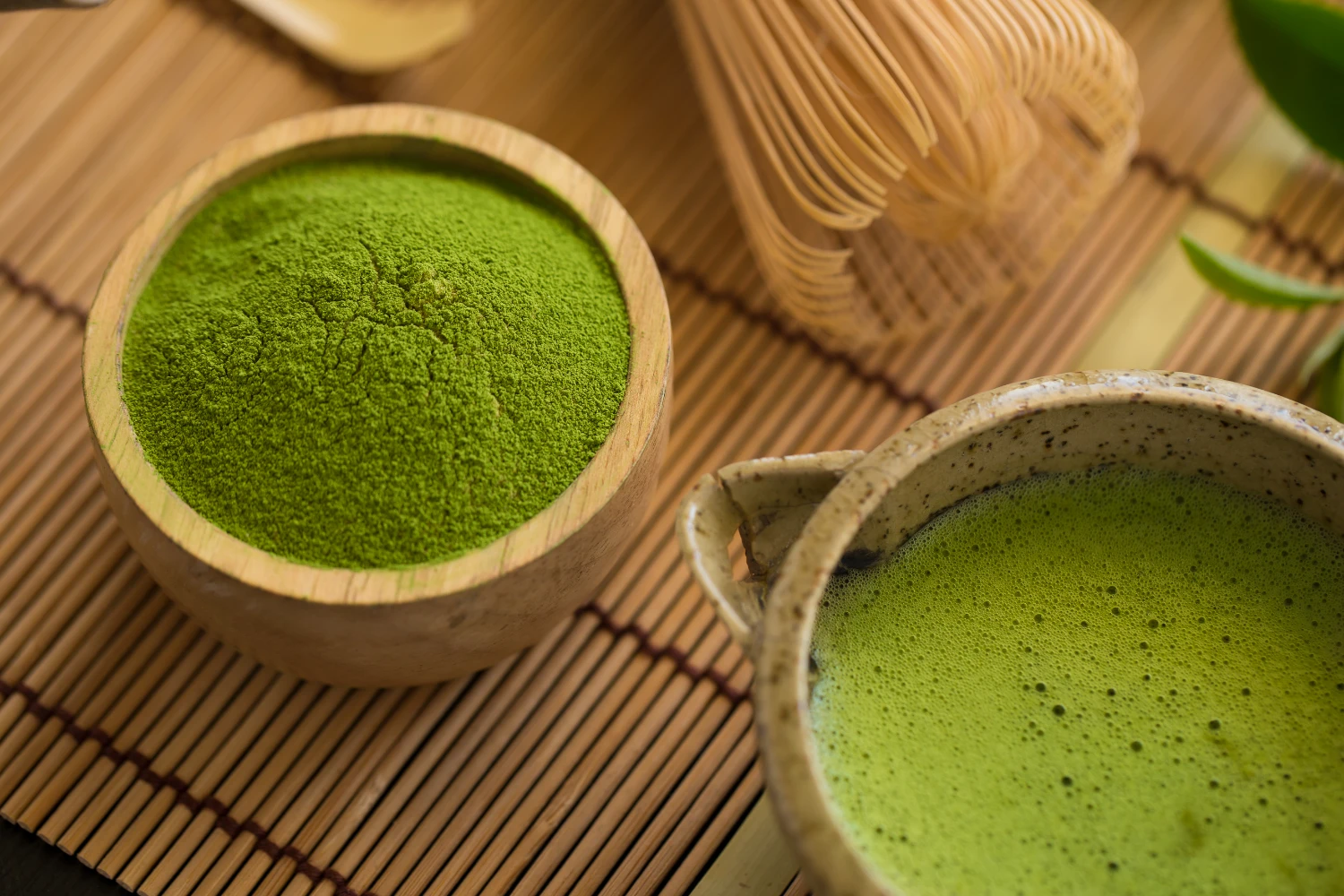
Grade words look decisive. Matcha buying rarely is. Many buyers trust one label phrase and miss the signals that matter more.
Buyers should use ceremonial or culinary wording as a clue, not a verdict. Better judgment starts with use case, purity, ingredient order, added sugars, sensory cues, and any verifiable certifications.
This topic matters because matcha is now sold across very different buying situations. One buyer wants straight-drinking matcha for whisking with water. Another wants a stronger powder for lattes, smoothies, desserts, or baking. Another buyer only wants a clean, unsweetened green tea powder without extra creamers or flavors. Yet many product pages and front labels push the grade word as if it solves the whole decision. It does not. A better reading method starts by asking what the product is actually for, then checking whether the ingredients, panel, and other quality signals support that role.
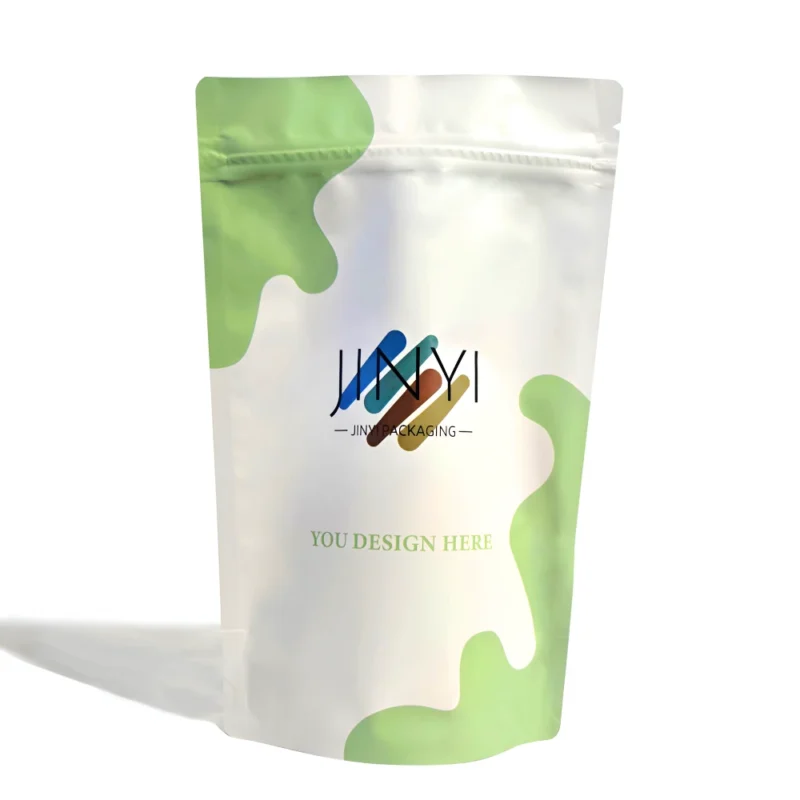
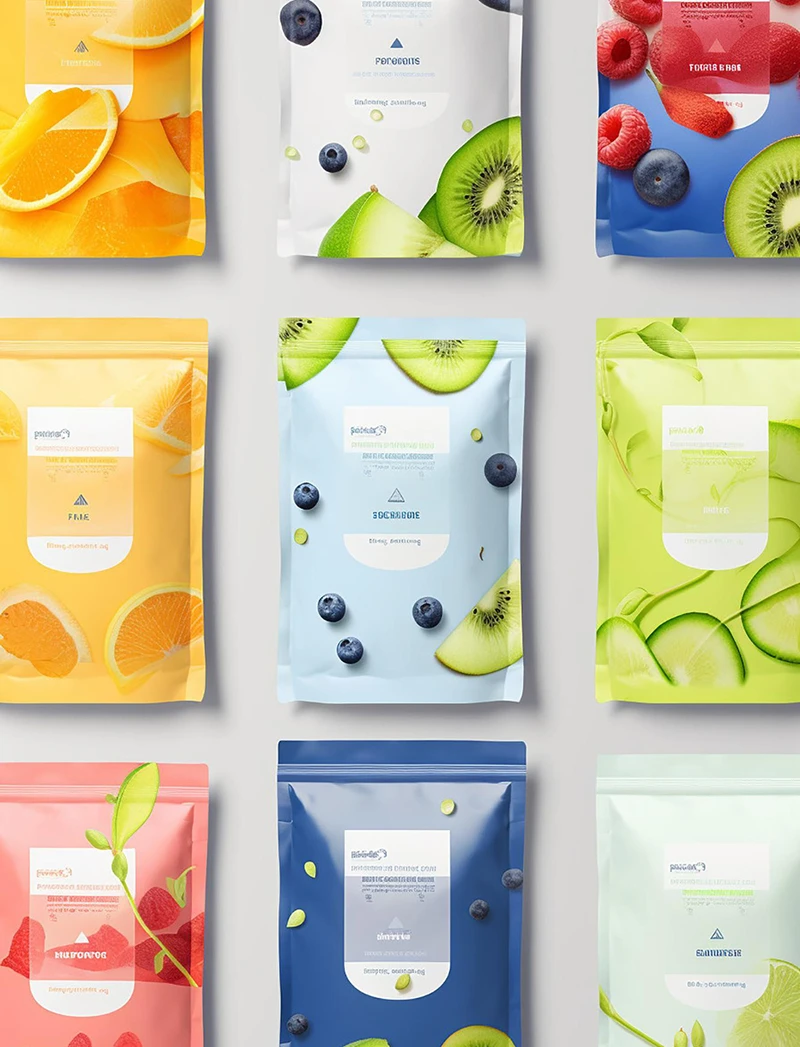
Present matcha more clearly with stand-up pouches that support cleaner grade communication, ingredient visibility, and stronger shelf trust.
Are Ceremonial Grade and Culinary Grade Hard Standards or Buying Shortcuts?
These words feel official. Many buyers then treat them like fixed quality levels. That confidence is often stronger than the signal itself.
They can be useful buying shortcuts, but they are not the same as tightly defined nutrient claims. Buyers should read them as market language with some meaning, not as complete proof of quality.
Why the grade word helps, but not enough
There is a reason these terms survive. They are not random. JETRO’s matcha guidance describes ceremonial-grade matcha as smoother, less bitter, and better suited to traditional drinking, while culinary-grade matcha is described as lower grade and more suited to stronger-use contexts. So the words do carry a common market meaning. They often point toward expected taste, texture, and use. That part is real, and buyers do not need to pretend otherwise.
Still, the signal is weaker than many buyers assume. FDA’s food-claim framework focuses on categories such as health claims, nutrient content claims, and structure/function claims. Ceremonial and culinary do not function like those tightly defined nutrition-claim categories. That does not make them false by default. It means buyers should not read them with the same confidence they might use for a regulated nutrient threshold claim. In plain terms, the grade word can guide the first glance, but it should not finish the decision.
This matters even more because the market is messy. A JARQ study that compared powdered green teas sold in the United States found very wide price and chemical differences and noted that even cheaper powders were sold as matcha in the U.S. market, despite major differences from highly priced ceremonial-style matcha. The paper even argued that a clearer international definition is needed to reduce confusion. That is why buyers should treat grade language as a useful shorthand, not a complete quality guarantee.
| Signal |
What It Can Suggest |
What It Cannot Prove Alone |
| Ceremonial grade |
A smoother, less bitter, more straight-drinking style |
That the product is automatically best for every use or backed by one universal formal definition |
| Culinary grade |
A stronger-use powder that may fit lattes, baking, or mixing |
That the product is low quality in every context |
| Grade wording by itself |
General positioning language |
Purity, sugar level, certification status, or exact sensory fit for a specific buyer |
Evidence (Source + Year):
JETRO, Matcha Q&A, 2025.
FDA, Label Claims for Conventional Foods and Dietary Supplements, 2024.
What Can Color, Aroma, and Taste Really Tell Buyers About Matcha Quality?
Bright color and smooth taste feel persuasive. Buyers then trust their senses alone. That can help, but it can also oversimplify.
Sensory cues can help because better matcha often shows fresher color and mellower taste. Still, color, aroma, and bitterness should be read as clues, not final verdicts.
Why sensory cues matter without becoming the whole answer
This is the section where many buyers feel the most confident. They see a brighter green powder, smell a fresher aroma, or notice a smoother cup and feel that the grade word must be correct. There is a reason for that. Matcha is traditionally made from shade-grown tea leaves, and JETRO explains that this production method supports the tea’s distinctive composition and character. Peer-reviewed work also helps explain why buyers often associate certain sensory traits with higher quality. A 2023 study reported that higher-quality matcha tends to show higher chlorophyll, amino acids, and protein, together with lower tea polyphenols and caffeine. The study linked those characteristics to fresher and mellower taste.
The older JARQ comparison of powdered green teas sold in the United States found a similar pattern. Higher-priced ceremonial-style powders showed more chlorophyll and free amino acids and lower chlorophyll degradation than cheaper powders sold as matcha. This helps explain why better matcha may look greener and taste less harsh. So sensory cues are not imaginary. They are real clues connected to composition.
Still, the buying mistake starts when buyers turn those clues into absolute rules. Brighter green does not automatically mean “best for me.” A powder used for lattes or desserts may not need the same soft, direct-drinking profile that a plain whisked matcha needs. Likewise, noticeable bitterness does not always equal low quality. Use, preparation method, milk, sugar, and recipe context all change the judgment. Sensory cues are helpful, but they work best when paired with the product’s intended role.
| Sensory Cue |
Why It May Matter |
Why Buyers Still Need Context |
| Bright green color |
May reflect stronger chlorophyll retention and fresher visual quality |
It does not automatically settle use case, purity, or certification status |
| Mellow taste and less bitterness |
Often linked with higher amino acid content and smoother drinking quality |
Some recipes benefit from stronger flavor rather than softer flavor |
| Fresh aroma |
Can support freshness and better sensory fit |
It should still be read together with label, ingredients, and intended use |
Evidence (Source + Year):
Luo et al., Variations of Main Quality Components of Matcha from Different Regions in the Chinese Market, 2023.
Horie, Comparison of the Chemical Components of Powdered Green Tea Sold in the US, JARQ, 2018.
What Should Buyers Check on the Label Before Trusting the Grade Word?
The front sounds premium. The back often tells the truth. Buyers who stop at the grade word may miss the more useful split.
Before trusting the grade word, buyers should first check whether the product is pure matcha or a sweetened or flavored mix. Ingredient order and added sugars often matter more.
Why purity often matters more than grade wording
This is usually the most practical part of the decision. Many consumers think they are choosing between ceremonial and culinary matcha when they are actually choosing between very different product types. One product may be 100% matcha green tea powder. Another may be a latte mix with sugar, creamer, flavors, or stabilizers. Another may be a sweetened café-style powder with matcha further down the ingredient list. FDA’s ingredient rules matter here because ingredients on a food label are listed in descending order by weight. That means the first few ingredients tell buyers what the product mainly is. If matcha is first and the list is short, the interpretation changes. If sugar or creamer appears first, the interpretation changes again.
The Nutrition Facts panel also matters more than buyers sometimes expect. FDA’s current added-sugars guidance says 5% Daily Value or less is low and 20% Daily Value or more is high. FDA also reminds consumers that added sugars are only one part of the picture and that the ingredient list and full Nutrition Facts label should be read together. That is especially useful for matcha lattes or flavored mixes because a soft grade word can distract from a much sweeter formula.
For many buyers, the real first split is not ceremonial versus culinary. It is pure matcha versus sweetened or flavored product. Once that split becomes clear, the grade word becomes easier to judge in a more realistic way.
| Label Check |
What Buyers Learn |
Why It Often Matters More Than Grade |
| First ingredient |
Whether matcha is the main ingredient |
It shows what the product mainly is, not just what it claims to be |
| Added Sugars line |
How sweet the formula is per serving |
A sweet mix can look premium while still being far from pure matcha |
| Length and type of ingredient list |
Whether the product is plain tea powder or a more complex blend |
It helps buyers separate straight-drinking tea from latte or dessert-style mixes |
Evidence (Source + Year):
FDA, Types of Food Ingredients, 2023.
FDA, Added Sugars on the Nutrition Facts Label, 2026.
Use stand-up pouches that make ingredient order, usage style, and mix-versus-pure positioning easier for buyers to understand at a glance.
Which Signals Are More Verifiable Than Grade Language?
The grade word feels strong because it is simple. Buyers who want harder proof need signals that are easier to verify.
When buyers want a stronger signal, certification and transparent labeling usually beat informal grade wording. Organic seals, origin detail, and additive transparency are often more checkable.
Why certification and transparency can carry harder weight
This is where buyers can move from soft signals to harder ones. A grade word tells a story about intended style. A certification mark tells a different kind of story: whether the product meets a defined standard system. USDA explains that the USDA organic seal is an official mark protected by federal regulation and overseen by the National Organic Program. Certified farms and businesses are authorized to use that seal to identify products as organic. Japan’s MAFF says the Organic JAS logo can only be used by registered business entities certified by an accredited certification body and that products without the Organic JAS logo cannot be sold as organic with names such as “Organic.” Those are much more verifiable signals than ceremonial or culinary wording.
That does not mean organic automatically tastes better or that non-organic matcha cannot be excellent. It means the buyer is now looking at a claim type that sits on a stronger verification structure. That is a more disciplined way to read the pack. The same logic applies to origin transparency, region disclosure, harvest timing, no-additives statements, and clear usage guidance. When brands explain where the tea comes from, whether the powder is pure, and how it is meant to be used, they give buyers more usable signals than one grade word alone can provide.
So the mature buying question is not “Is the grade word premium enough?” It is “What on this pack can I actually verify, and what is only being suggested?” That shift improves judgment quickly.
| Signal Type |
Why It Can Be Stronger |
What It Still Does Not Decide |
| USDA Organic |
It sits under a formal certification and enforcement structure |
It does not automatically prove best taste or best use for whisked drinking |
| Organic JAS |
It is tied to a regulated Japanese certification system |
It does not replace checking purity, flavor fit, or sweetness |
| Origin and additive transparency |
It helps buyers see what the product actually is and where it comes from |
It still should be read together with use case and sensory fit |
Evidence (Source + Year):
MAFF, Organic JAS, 2025.
How Should Buyers Actually Choose Between Ceremonial and Culinary Matcha?
Many buyers choose the grade first and invent the use later. That reverses the logic and often creates disappointment.
Buyers should choose the use first. Then they should ask whether the label, ingredients, sensory profile, and other signals support that use better than the grade word alone.
Why use case should lead the decision
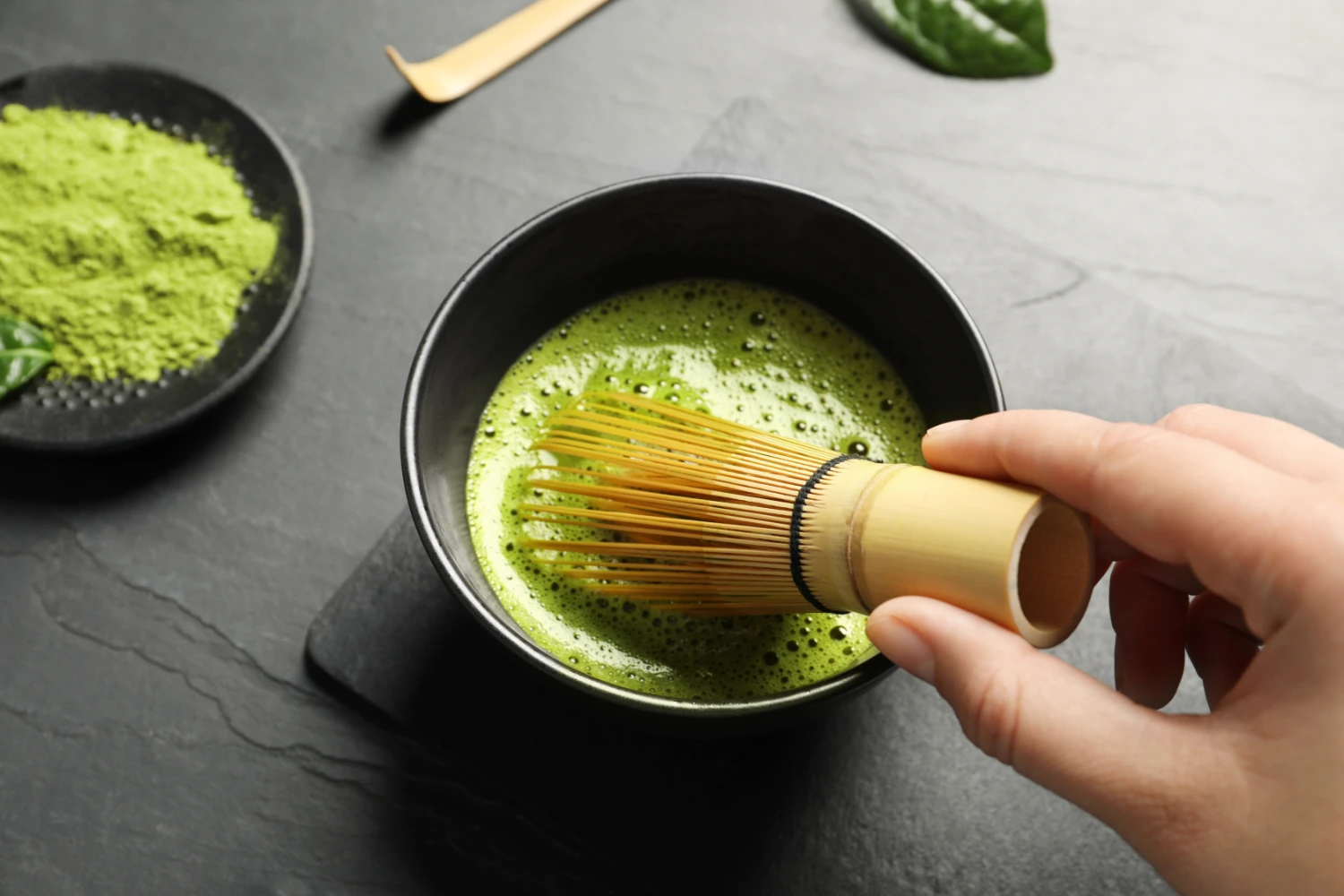
This is where the whole article comes together. If the buyer wants matcha mainly for whisking with water, light sweetening, or a more traditional direct-drinking experience, then the most useful priorities usually include smoothness, fresher aroma, gentler bitterness control, and a short ingredient list that points to pure matcha. In that context, ceremonial-style language may be a meaningful shortcut, because the intended use is close to what that market wording usually suggests.
If the buyer wants matcha for lattes, smoothies, desserts, or baking, the judgment can change. Flavor visibility through milk, sugar, fat, and heat may matter more. Cost per use may matter more. A stronger or less delicate profile may not be a flaw in that context. In fact, it may be more practical. That is why “culinary” should not be read as an automatic insult. It is often more accurate to read it as a use-direction signal.
So the better question is not “Which grade is best?” It is “Which product is best matched to how this buyer will actually use it?” Once use case leads the decision, the rest becomes clearer. Purity matters differently in a straight-drinking powder than in a sweet latte mix. Bitterness matters differently in a ceremonial bowl than in a pastry filling. Cost matters differently when the powder is used daily in large recipe volumes. Buyers do better when they choose the use first and judge whether the product supports that use honestly.
| Buyer Use |
What to Prioritize |
How the Grade Word Should Be Read |
| Straight drinking or whisked matcha |
Smoothness, fresh color, lower harshness, pure ingredients |
Ceremonial-style wording may be more relevant here |
| Lattes and smoothies |
Flavor visibility, cost, sweetness context, mix behavior |
Culinary wording may be practical rather than inferior |
| Desserts and baking |
Heat tolerance in recipes, flavor presence, cost per batch |
Use case matters more than prestige wording |
Evidence (Source + Year):
JETRO, Matcha Q&A, 2025.
Horie, Comparison of the Chemical Components of Powdered Green Tea Sold in the US, JARQ, 2018.
About Us
Jinyi — From Film to Finished—Done Right.
https://jinyipackage.com/
Our Mission
We believe packaging should do more than look attractive. It should work as a reliable solution in real conditions. Jinyi helps brands build practical flexible packaging that supports clearer product communication, more stable quality, and more predictable performance in transport, on shelf, and in daily use.
Who We Are
Jinyi specializes in Custom Flexible Packaging and brings more than 15 years of production experience to tea, food, snack, pet food, and other consumer product projects. The factory operates gravure lines and HP digital printing, which supports both stable volume production and flexible short-run needs.
As a flexible packaging manufacturer, we focus on how packaging performs in real use. That includes barrier protection, print clarity, structure stability, shipping performance, shelf appearance, and day-to-day consumer handling. For matcha powders, that often means helping brands present grade language, usage direction, and ingredient signals in a cleaner and more trustworthy way.
FAQ
Is ceremonial grade always the best matcha?
No. It may be a better fit for straight drinking, but buyers should still check purity, sweetness, sensory fit, and any verifiable certifications.
Does culinary grade mean low quality?
Not automatically. Culinary wording often points to stronger-use applications such as lattes, smoothies, desserts, or baking rather than direct whisked drinking.
What should buyers check first on a matcha label?
They should first check whether the product is pure matcha or a sweetened or flavored mix by reading the ingredient list and Nutrition Facts panel.
Does brighter green color always mean better matcha?
No. Color can be a useful clue, but buyers should still read it together with use case, label transparency, ingredients, and other quality signals.
Are organic seals stronger than the grade word?
They answer a different question, but yes, they are usually more verifiable because they sit under formal certification systems rather than informal market language.