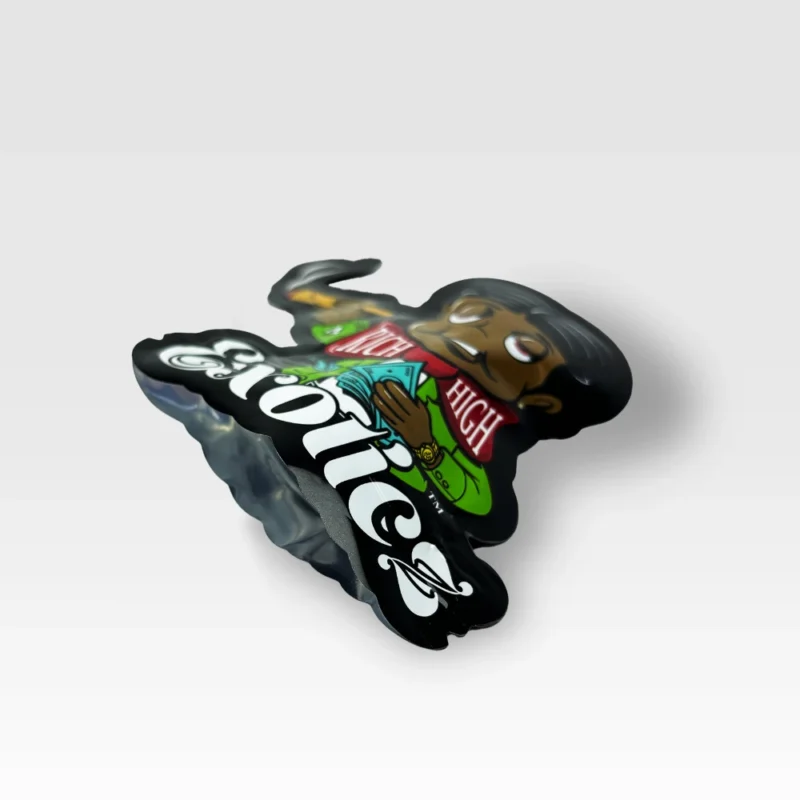
Problem: The U.S. cannabis market is growing fast, and safety matters. Agitation: kids can access simple packaging. Solution: CR zipper pouches reduce risk and simplify compliance.
**This piece explains what CR packaging means in the U.S., how rules vary, and why brands should act now. It highlights core requirements and practical considerations for compliant CR zippers.**

Transition: The path to compliant packaging is layered. No single zipper fits every state. I’ll walk you through the basics, what changes by state, and how to prepare your strategy.
LOOP START
## Is There One Zipper That Works in All States?
Problem: No single zipper works for every state. Agitation: rules differ and some states demand extra features. Solution: brands must map requirements and choose adaptable packaging.
**From my experience in packaging, I’ve learned there is no universal zipper. Child-resistance is defined by testing like PPPA and ASTM, but states layer on more rules such as labeling, symbols, and design constraints.**

### PPPA and ASTM testing explained
In practice, PPPA sets a safety baseline. I see the focus on opening effort and tamper evidence. ASTM tests add user-based checks across cycles. The goal is simple: a typical adult can open the package to access contents, while most children cannot within a reasonable time. I document the protocol, pass rates, and device specifics. This builds safety and buyer trust. Tests cost time and money, so I look for CR zippers with solid data and clear labeling options. I also consider how tests shape product design, especially tamper-evident features and material choices.
### State-by-state variations you should know
States vary on CR performance for edibles, symbols, and labels. Some require exit bags or limit certain plastics. Others demand sustainability or recyclability rules. Some ban child-attractive visuals or colors. These differences create a compliance matrix I must manage. I map each state’s rules to product SKUs. Even with a certified zipper, I verify per state, because one feature helps one state but hurts another. I recommend a phased launch to test packaging under different regulations. Keeping a dynamic spec sheet helps teams stay ready for rule changes.
### Practical takeaways for brands
First, define a core safety baseline: CR + tamper-evident + resealable. Second, choose zippers with strong test data and clear labeling options. Third, build a state-by-state compliance map linked to SKUs. Fourth, avoid child-attractive visuals and use opaque materials. Finally, keep supplier agreements flexible to allow updates as laws change.
| Topic | Key Points |
|—|—|
| Core requirements | CR + tamper-evident + resealable; opacity helps protection. |
| Testing standards | PPPA baseline; ASTM adds user-based validation. |
| State considerations | Edibles, symbols, exit bags, plastics, sustainability vary. |
| Brand actions | Map rules, stay flexible, verify per state, maintain real data. |
LOOP END
## Why Cannabis Brands Should Care About CR Zipper Pouches?
CR zippers are more than a box they tick; they are a risk-reduction tool. In my view, compliant packaging helps brands avoid fines, recalls, and licensing issues. It also builds consumer trust. When a product clearly shows compliance, it tells shoppers we care about safety and transparency. For brands that want to scale across states, CR pouches are a practical backbone. They enable smoother distribution, easier shelf compliance, and fewer headaches during audits. In short, compliant packaging protects the brand and the consumer, and it can be a competitive differentiator in a crowded market.
—
## FAQ
1) What does “child-resistant” really mean for cannabis packaging?
– It means the package is hard for a child to open, yet accessible to an adult. Compliance is commonly tied to PPPA testing and ASTM user trials.
2) Do all states require CR packaging for cannabis?
– Not every state. Most have some form of CR rule, but additional requirements vary. A state-by-state map is essential.
3) What is an “exit bag” and who cares about it?
– Some states require exit bags for products leaving the retail bag. They add another layer to the compliance check.
4) How can brands ensure packaging stays compliant over time?
– Use CR zippers with solid test data, maintain a dynamic state rule map, and keep supplier agreements flexible.
5) Are there sustainability concerns with CR zipper pouches?
– Yes. Some states demand recyclability or limits on plastics. Plan for materials that meet safety and environmental requirements.