Many buyers chase the strongest-looking film first. Then they discover the structure still does not fit the real job.
I choose matcha powder packaging by what the product fears most, how the pack will be used, and what the market really needs. I do not treat clear, metallized, and foil as upgrade levels.

If you are still comparing matcha pouch films by appearance first, I would start by defining the real packaging job before you lock the structure.
In my daily work, this decision is rarely about one material sounding more premium than another. It is about how much protection the powder really needs, how the pack will travel, and how the customer will open and store it after purchase.
Why Do Buyers So Often Compare Clear, Metallized, and Foil in the Wrong Way?
Many buyers rank these films like packaging status levels. That is usually where the mistake begins.
I do not compare them as basic, better, and best. I compare them as different ways to handle different risks.
Why I do not start with the material name
When buyers hear clear, metallized, and foil, they often imagine a barrier ladder. Clear feels basic. Metallized feels balanced. Foil feels safest. I understand why that happens, but I do not use that logic in real projects. From a production standpoint, this matters because the product does not care which film sounds more premium. It only reacts to light, oxygen, moisture, handling, and storage. A structure that looks stronger on paper can still be the wrong commercial answer if it adds cost, hides the product when visibility matters, or creates a format the user does not enjoy. In real manufacturing, I see more problems caused by the wrong packaging job definition than by the wrong material family alone. That is why I do not start with material status. I start with what the matcha needs the pack to protect.
| Common shortcut |
What I check instead |
| Foil must be best |
Does the project really justify it? |
| Clear looks weak |
Is visibility commercially useful? |
| Metallized is the safe middle |
Does it fit shelf life and use? |
What Does Matcha Powder Really Fear First: Light, Oxygen, Moisture, or Use Conditions?
If I do not define the real sensitivity first, the structure choice becomes shallow very fast.
When I look at matcha powder, I start with what can damage it fastest, not with film names.
What I usually check first
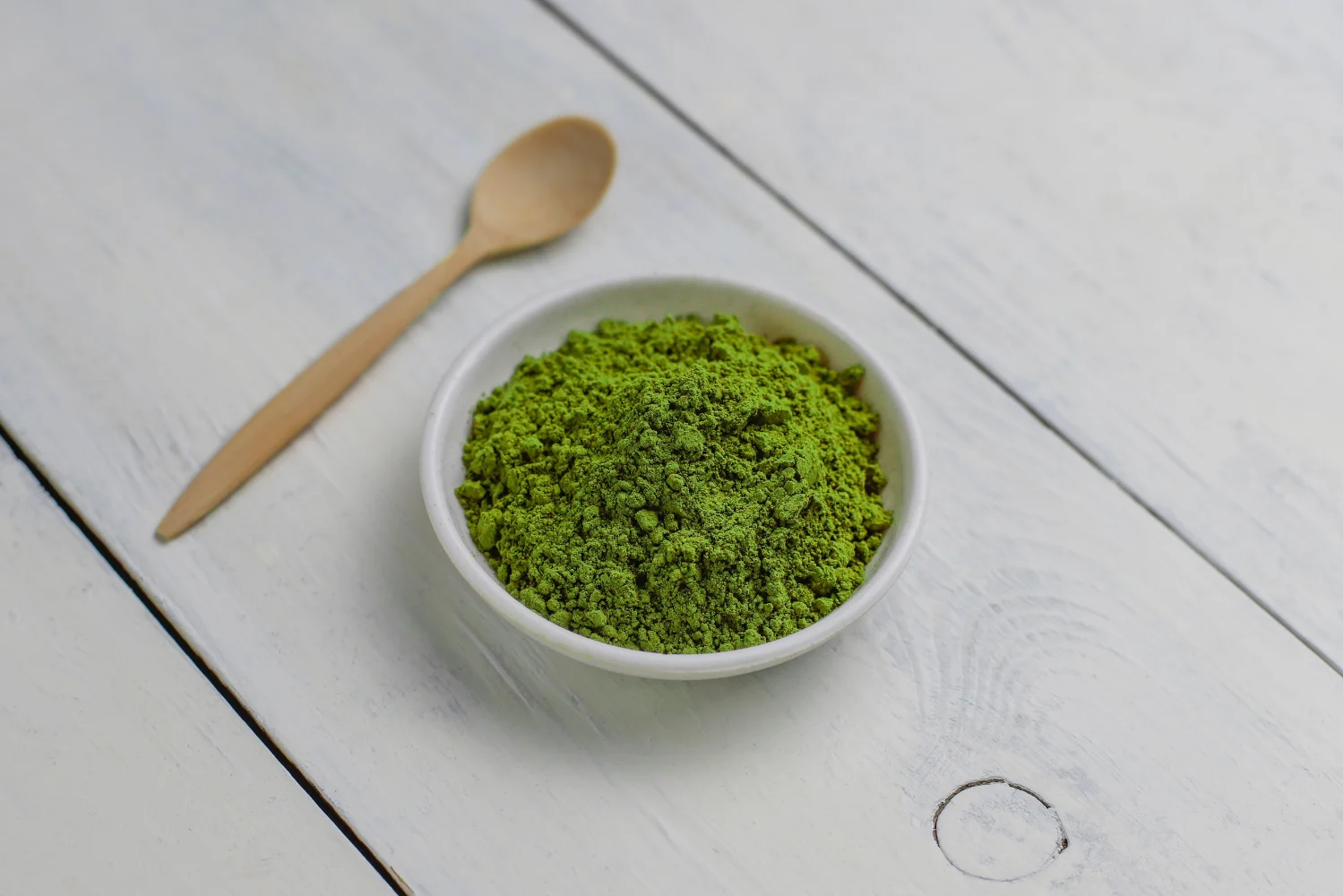
Matcha is not just another green powder to me. I usually look at light first because color and visual freshness matter a lot in this category. Then I look at aroma retention, because slow flavor loss can hurt the product before the customer even calls it “bad.” Moisture matters too, not only for product stability but also for clumping and post-opening performance. Then I look at powder behavior. Fine powder can hang on the seal area, and that can create avoidable trouble during production. Finally, I check how the pack will be used. A one-time sachet, a daily kitchen pouch, and a premium gift unit do not ask for the same answer. From our daily packaging work, we see that matcha structure selection works best when I respect actual sensitivity instead of using a generic “higher barrier is always safer” mindset.
| Risk |
Why I care |
| Light |
It affects color and freshness impression |
| Aroma loss |
It can reduce premium perception slowly |
| Moisture and powder behavior |
They affect clumping and seal reliability |
When Can a Clear Matcha Pouch Still Make Sense?
Many people reject clear packaging too quickly. I do not.
I would not reject clear packaging automatically. I reject the wrong use of clear packaging.
Where I still accept clear
Clear can work when the exposure risk stays manageable and visibility adds real value. I may accept it for short sales cycles, sample packs, inner packs protected by an outer box, or projects where trust comes from letting customers see the powder. I also like partial visibility more than full exposure in many cases. A small clear window can support selling without turning the whole pouch into a light problem. In real manufacturing, this detail often determines whether the pack feels smart or careless. I would not use a full clear structure for a long-cycle retail project just because it looks modern. But I also would not call clear unprofessional by default. If the route is short, storage is controlled, and the commercial value of visibility is real, clear can be a valid answer. The key is control, not optimism.
| Clear can work when… |
Why it still works |
| Sales cycle is short |
Exposure time stays lower |
| Outer carton adds protection |
Light risk is reduced |
| Window is partial |
Visibility and protection stay balanced |
If your matcha pack needs both shelf appeal and real protection, I usually compare visibility value against actual exposure risk before I choose the film.
When Is a Metallized Structure the Better Balance?
Many real projects do not need the most closed structure. They need the best balance.
In many projects, metallized works well because it balances protection, appearance, and commercial practicality.
Why I often land here
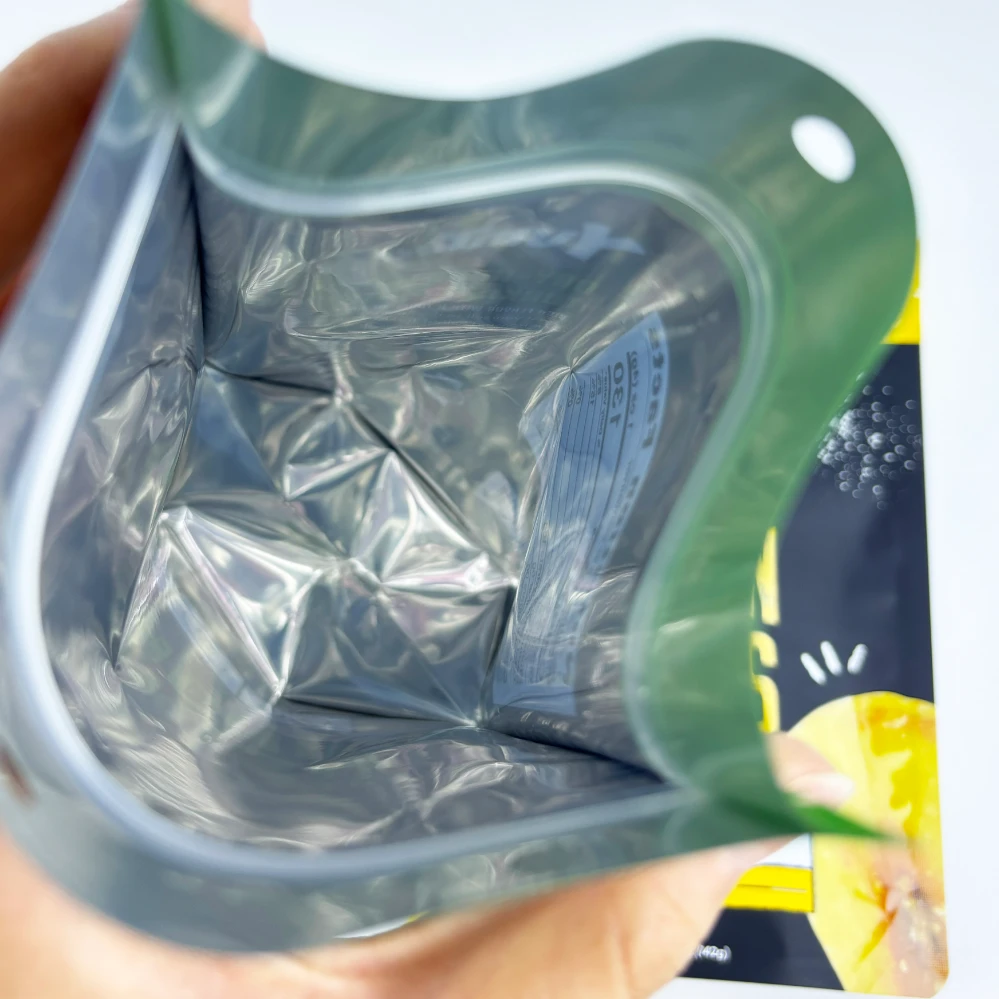
Metallized structures often give me a practical middle ground, but not because they sit in the middle by name. I use them when I need a good level of light protection, solid barrier support, and a better-looking branded surface than some foil builds allow. For many retail matcha products, that combination is enough. It supports shelf presence, keeps costs more controlled, and still respects the product’s sensitivity. From a production standpoint, this matters because many brands do not sell matcha in a perfect lab environment. They sell it through mixed channels, moderate storage cycles, and normal commercial handling. That is where balanced structures usually win. I still do not assume every metallized film is automatically right. Thickness, layer design, zipper choice, and repeat-use behavior still matter. But in real projects, metallized often works when protection and presentation both matter.
| Why I choose metallized |
Typical fit |
| Balanced protection |
Retail matcha pouches |
| Better graphic presentation |
Mid to high shelf brands |
| More practical cost logic |
Mixed retail and e-commerce |
When Do I Move to Foil—and When Is Foil Just Too Much?
Foil can solve real problems, but I do not use it as an anxiety blanket.
I move to foil when the project conditions truly justify it, not simply because matcha is sensitive.

When I think foil earns its place
I usually move to foil when the shelf life target is longer, the route is harder, the light risk is higher, or the product promise is more demanding. Premium ceremonial matcha, export shipping, and slower turnover channels can justify that move. In those cases, foil may support the product better and reduce avoidable degradation risk. But I also see foil used too quickly. Some brands choose it because it feels certain, not because they have defined the real exposure conditions. That can add cost, change appearance, and complicate the product story without creating proportional value. From our daily packaging work, we see that foil is strongest when it answers a specific problem clearly. Foil can solve real problems, but it can also become a lazy answer when buyers want certainty without defining the actual risk. To me, foil is justified by conditions, not by anxiety.
| Foil makes sense when… |
Foil may be too much when… |
| Shelf life is long |
Turnover is fast |
| Route and storage are harder |
Route is short and controlled |
| Quality promise is stricter |
Budget and display matter more |
How I Usually Make the Final Structure Decision for Matcha Powder Packaging?
I do not end this decision with material names. I end it with a clear packaging job.
To me, the right matcha structure protects the product well enough under real conditions without adding the wrong cost or format logic.
My normal decision path
I usually make this call in four steps. First, I define the real job. I ask whether the pouch is mainly protecting shelf life, supporting repeat use, improving display, or handling export shipping. Second, I check what can fail first. That may be color exposure, aroma loss, moisture pickup, seal contamination, or poor reclose performance. Third, I remove structures that fight that job, even if they sound impressive. A wrong clear pack, a decorative metallized pack, and an unnecessary foil pack can all be wrong for different reasons. Fourth, I balance protection, appearance, consumer use, line stability, cost target, and sales path. In real manufacturing, this detail often determines whether the final pack works outside the sample room. For me, choosing between clear, metallized, and foil is not about chasing the strongest structure. It is about matching real sensitivity with real project conditions.
| Step |
What I do |
| 1 |
Define the real packaging job |
| 2 |
Check what fails first |
| 3 |
Remove bad-fit structures |
| 4 |
Balance protection, use, and cost |
Conclusion
I choose matcha packaging by real sensitivity and real market conditions, not by material hierarchy. Contact us if you want help narrowing the right pouch structure faster.
Talk to JINYI About the Right Matcha Pouch Structure
About Us
At JINYI, I work with a team focused on custom flexible packaging. Our slogan is From Film to Finished—Done Right. We believe good packaging is not only about appearance. It should work reliably in real transport, on shelf, and in the consumer’s hand. JINYI has more than 15 years of production experience and supports food, snack, pet food, and other consumer brands. Our factory runs multiple gravure lines and HP digital printing systems, so I can support both stable volume production and flexible custom work. Website: https://jinyipackage.com/
FAQ
Is foil always the best choice for matcha powder?
No. I use foil when the route, shelf life, and product promise justify it. I do not use it by default.
Can clear packaging still work for matcha powder?
Yes. I may use clear or partial-clear structures when visibility adds value and exposure stays controlled.
Why do many retail matcha projects use metallized structures?
Because they often balance protection, shelf appearance, and commercial practicality well.
What do I check first before choosing the film?
I check the first likely failure, usually light exposure, aroma loss, moisture pickup, or post-opening use.
Does matcha powder behavior affect packaging structure?
Yes. Fine powder behavior can affect filling, seal cleanliness, and repeat-use performance.