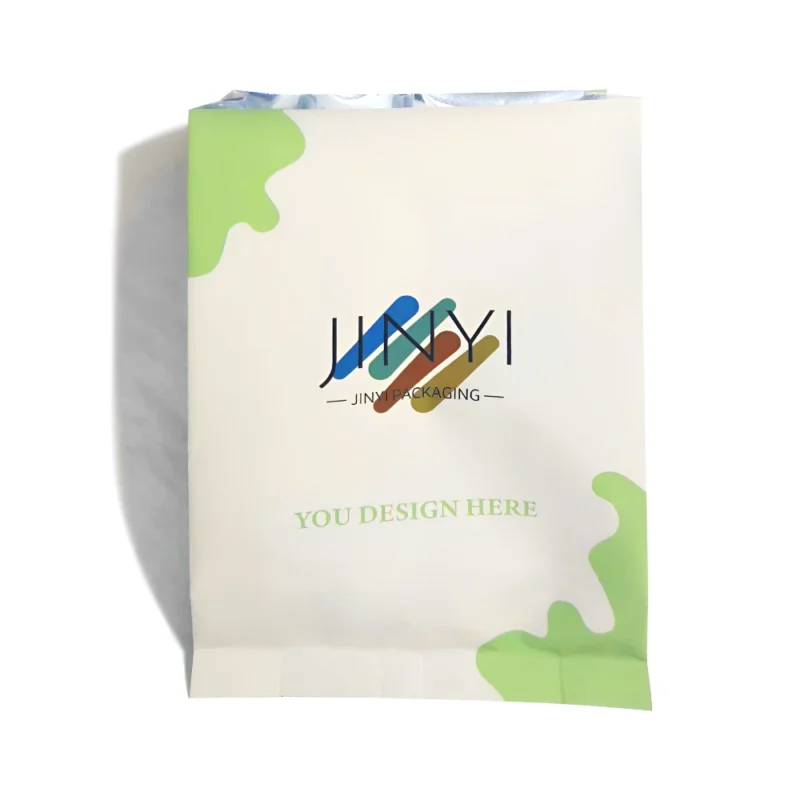
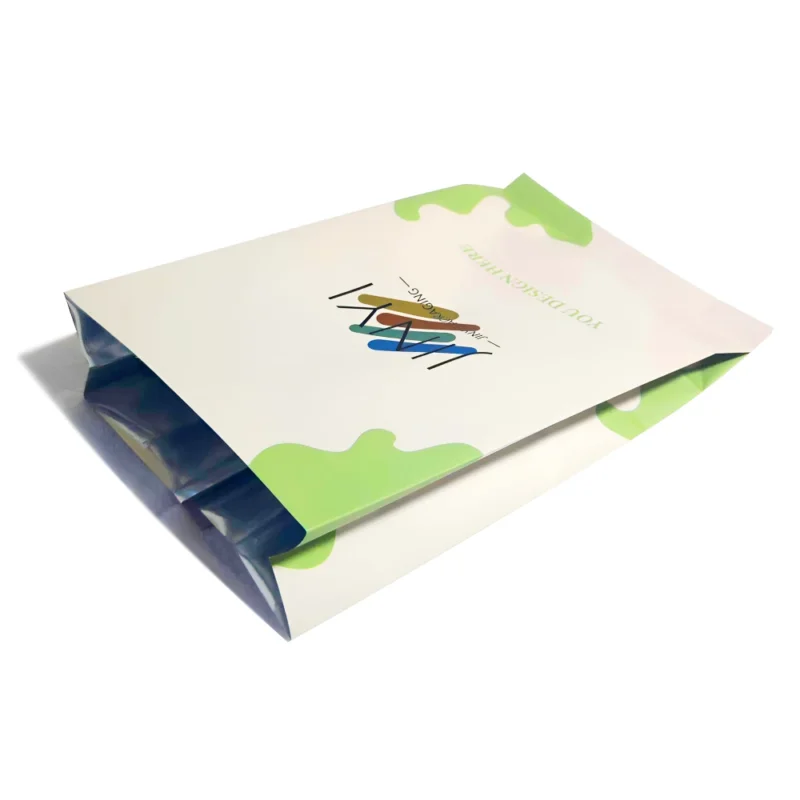
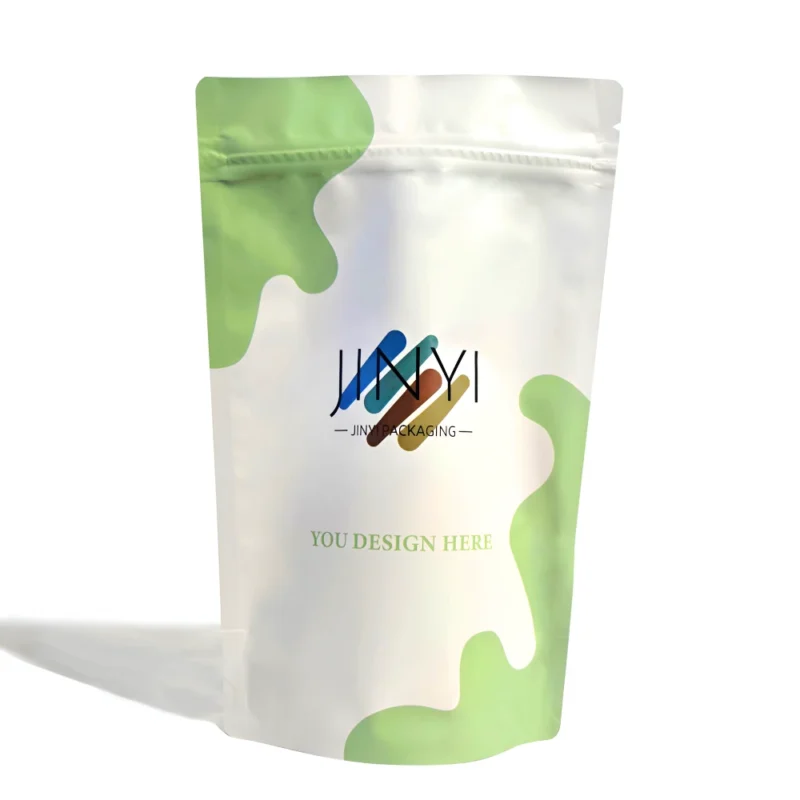
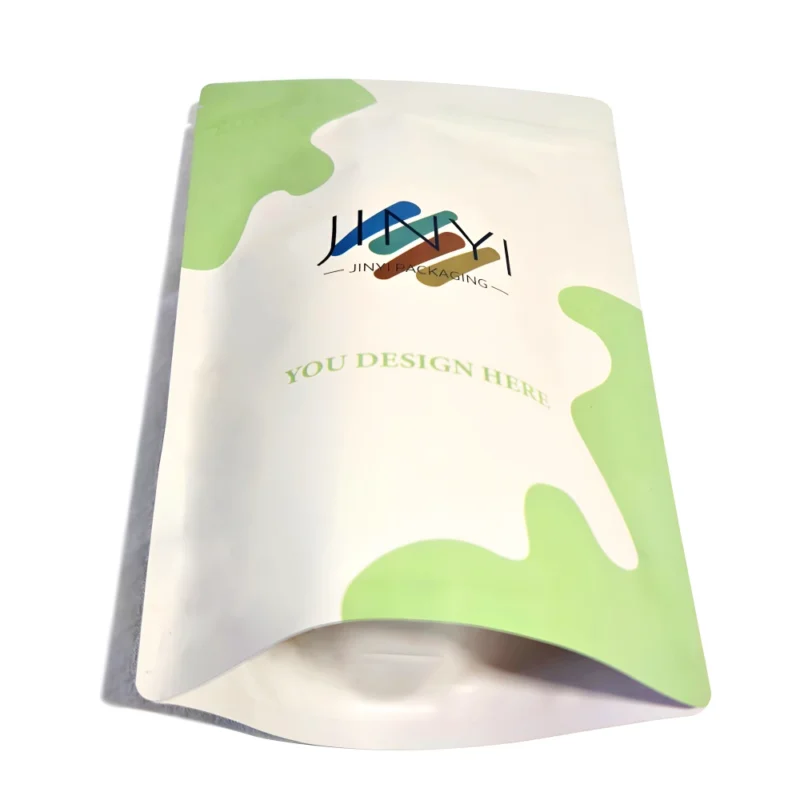
Many buyers ask for the strongest-looking structure first. Then cost rises, visibility disappears, and the pouch still may not fit the real product risk.
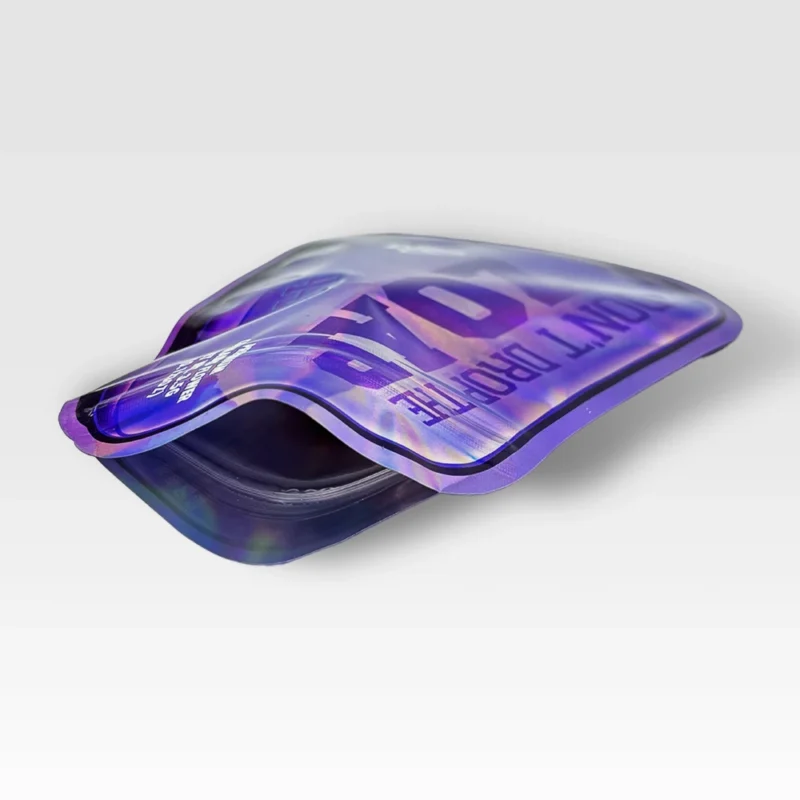
I compare clear, metallized, and foil pouches by one rule: the right structure protects the product’s real weak point without creating unnecessary trade-offs in visibility, processability, cost, or use.
Review pouch options with your product risk in mind before you lock the wrong material route.

I do not treat these three structures as a simple ladder from weak to strong. I treat them as three different commercial answers to three different kinds of packaging pressure.
Why Do Buyers So Often Compare Clear, Metallized, and Foil Pouches the Wrong Way?
A simple strong-to-weak ranking feels easy. It is also where many bad decisions begin.
I do not compare these structures as a ladder. I compare them as different answers to different product, shelf, and cost conditions.
Many buyers start with a rough idea: clear is weakest, metallized is middle, foil is strongest. That sounds neat, but it misses the real project logic. I still need to weigh display, feel, cost, sealing behavior, filling fit, and consumer trust. A stronger-looking barrier does not automatically mean a better pouch. A pouch only makes sense when the whole system still works after the structure choice is made.
| Weak comparison |
Better comparison |
| Which looks strongest? |
Which fits the project best? |
What Does the Product Need to Survive First: Moisture, Oxygen, Light, or Aroma Loss?
I cannot compare structures well until I know what damages the product first.
The right structure changes fast once I define the first true failure path.
A moisture-sensitive product pushes me one way. An oxidation-sensitive product pushes me another way. A light-sensitive product may need a very different answer again. Aroma-sensitive products can split the logic once more. This is why I do not begin with the pouch type. I begin with the product’s first real loss. If that part stays vague, the structure debate turns into guesswork very quickly.
| Main threat |
What I focus on |
| Moisture |
WVTR logic |
| Oxygen |
OTR logic |
When Is a Clear Pouch the Right Choice—and When Does Visibility Start Becoming a Liability?
Clear film can build trust fast, but it can also expose the project to a protection limit the product cannot afford.
I choose clear structures when visibility adds real selling value and the product can still live comfortably inside that protection boundary.
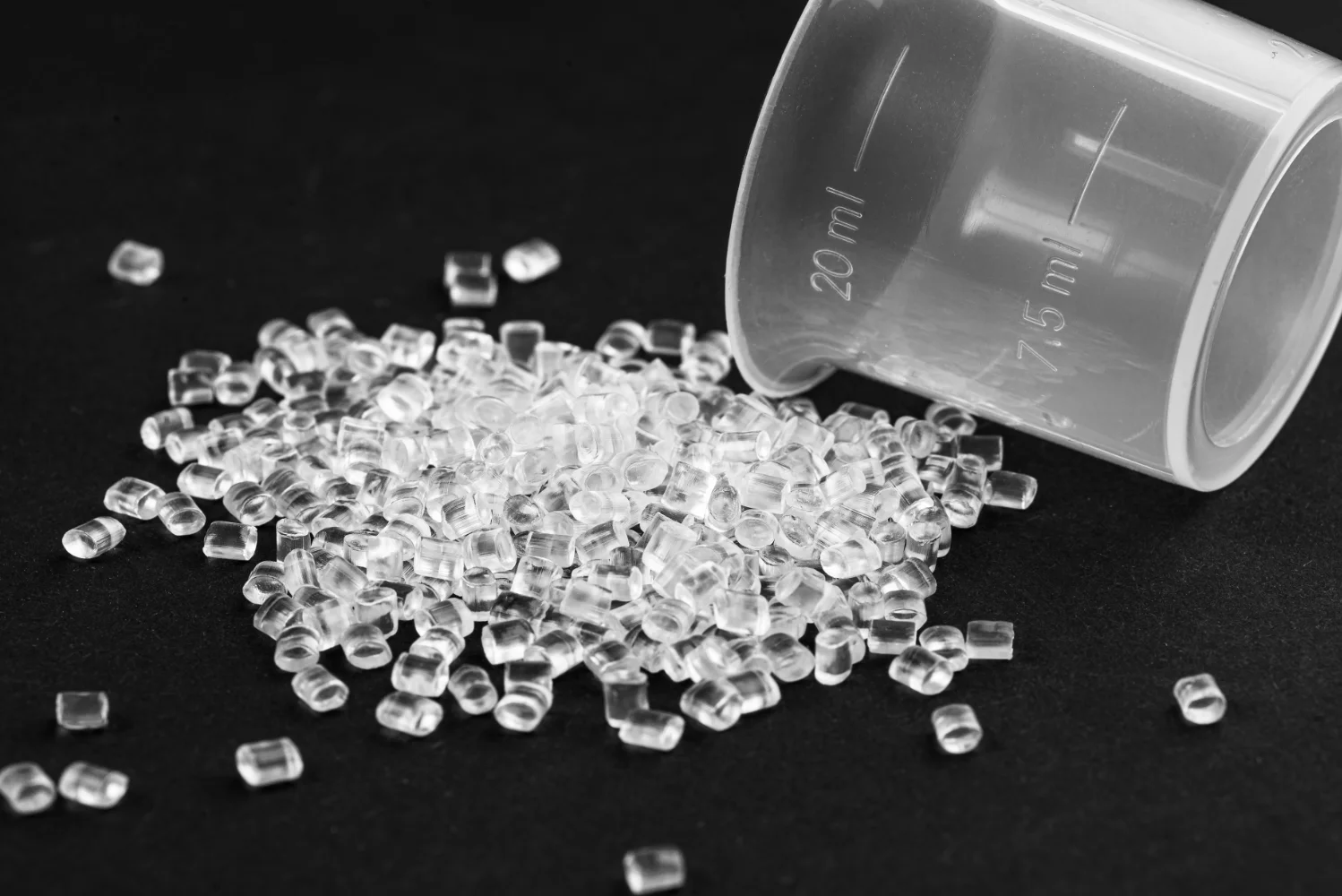
A clear pouch often helps when the product itself looks attractive and the brand wants the contents to do part of the selling. That can work well for some snacks, candies, grains, and visually clean products. But once oxygen, moisture, light, or aroma sensitivity rises, visibility starts costing more than it gives back. Clear is not a weak option. It is a specific option. I only keep it when the product can truly pay for that trade-off.
| Why choose clear |
Why avoid clear |
| Visibility and trust |
Protection boundary may be too tight |
Why Do Metallized Structures So Often Become the Middle-Ground Answer?
Many projects land here because “balanced” often wins more often than “extreme.”
I often see metallized structures work because they reduce risk without forcing the project too far into cost or presentation sacrifice.
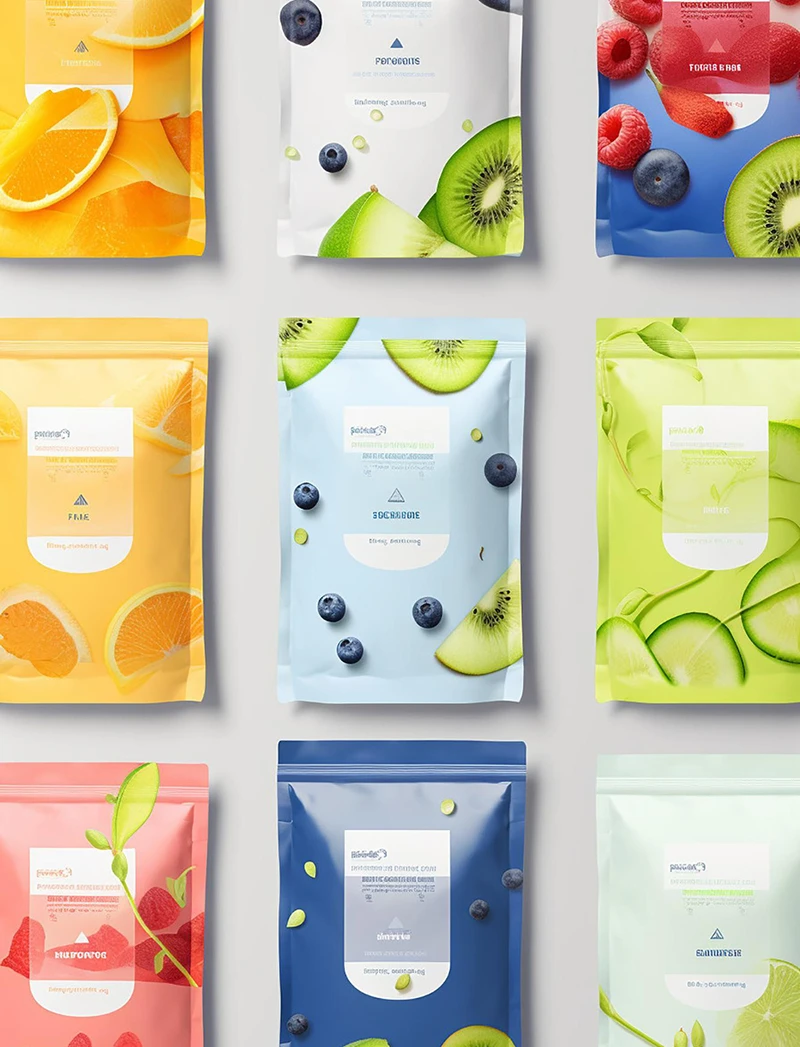
Metallized structures often sit in a realistic middle space. They usually improve protection over clear structures, but they do not always bring the same commercial weight, feel, or visibility loss that foil can bring. I do not choose metallized because it is magical. I choose it because many projects need something safer than clear, but not as heavy-handed as foil. That is why metallized film often becomes the answer when the project needs fewer weaknesses at once, not when it needs the strongest single point.
| Metallized gain |
Why buyers like it |
| Better barrier balance |
Fewer trade-offs than foil |
When Does a Foil Structure Truly Make Sense—and When Is It Just Overprotection?
Foil often feels like the safe answer. I still need to ask whether the product is truly asking for that level of response.
I use foil when the product’s shelf life, aroma sensitivity, light risk, or storage conditions are strong enough to justify the added commercial weight.
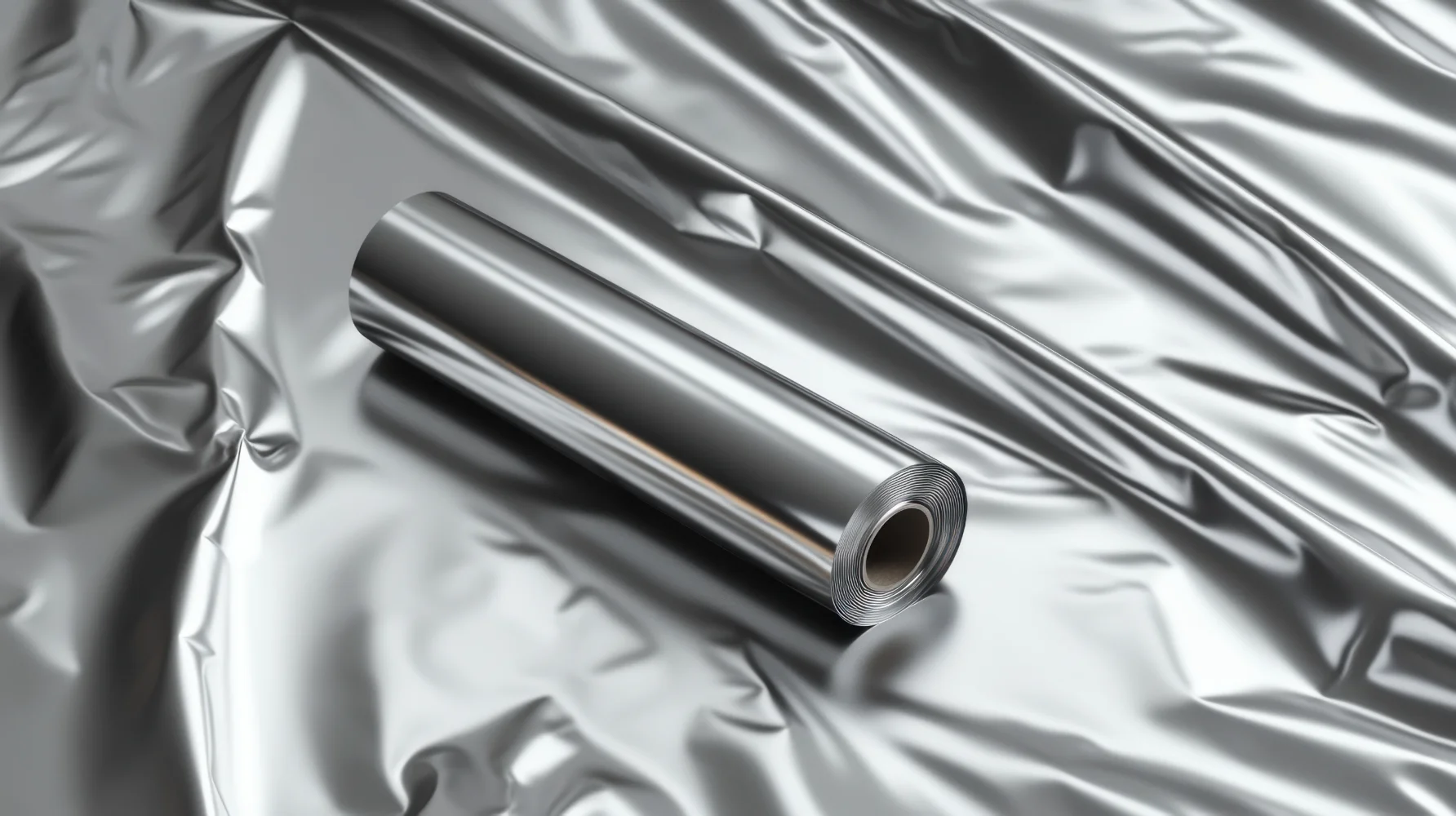
Foil can give a project real strength. It can tighten barrier control, improve protection against light, and help products that live on longer or more demanding shelf cycles. But it also removes visibility, raises cost, and can make the pouch feel heavier in a business sense. That is why I never use foil as a prestige shortcut. I use it when the product risk is genuinely high enough to earn it. Otherwise it can become a very expensive way to solve a smaller problem.
| Foil makes sense when |
Foil overbuilds when |
| Protection demand is high |
Risk does not justify the loss and cost |
How Do Display Goals and Consumer Trust Change the Best Material Route?
The structure is not only protecting the product. It is also shaping how the product gets understood.
I weigh display and trust because a pouch is part barrier system and part first-impression system.
Clear helps the customer see the contents. Metallized often feels balanced and retail-friendly. Foil usually suggests stronger control, less exposure, and more deliberate protection. None of those signals is automatically right. I choose based on what the brand wants the customer to understand first. If seeing the product matters more, one route grows stronger. If feeling product protection and packaging seriousness matters more, another route grows stronger. This part is not decoration. It changes what the customer believes before the pouch is even opened.
| Structure |
Common first impression |
| Clear |
Visible and open |
| Foil |
Protected and controlled |
How Do Filling Method and Production Conditions Push the Structure Choice?
A structure can sound correct in theory and still become awkward once it reaches the line.
I compare structures through production because stiffness, seal behavior, and bag stability can split the answer after the sample stage.
Different routes behave differently when the pouch has to be opened, filled, sealed, and repeated under real conditions. Bag mouth behavior, heat-seal window, pouch stiffness, and contamination tolerance can all shift once the structure changes. What looks fine on the sample table can start struggling on a faster line or with messier product behavior. That is why I never stop the comparison at static barrier language. I need to know whether the material route still behaves well in production.
| Production pressure |
What it can change |
| High-speed filling |
Stiffness and seal tolerance needs |
| Messy product behavior |
Seal contamination risk |
How Do Pouch Size, Fill Weight, and Shipping Stress Change the Comparison?
The same product can demand a different structure once the pouch becomes larger, heavier, or more exposed to abuse.
I bring size, weight, and route into the comparison because structure does not live in a lab. It lives in a full transport chain.
A larger pack changes stress distribution. A heavier fill pushes harder on seals and the base. A longer route adds flexing, rubbing, compression, and drop exposure. That can change which structure feels safe enough, or which one starts looking too light for the job. This is why I do not judge these material routes only by product type. I judge them by product plus format plus route. That combination is usually what decides where the real weakness shows up first.
| Change factor |
What it affects |
| More fill weight |
Base and seal load |
| Longer shipping route |
Flex and abrasion exposure |
Why Can Two Similar Products Still End Up Using Different Structures?
The product category name often hides the real differences that decide the structure.
I do not copy structure only by category because route, shelf life, format, fill method, and display need can split the answer even when the products look similar.
Two snack products can look close but still ask for different material routes if one has a longer shelf target, a rougher route, a bigger format, or a stronger need for a window. Two supplement projects can split because one runs on a different line, or one brand needs stronger visibility while the other needs stronger control. Similar products do not always share similar packaging realities. That is why “it looks about the same” is never enough for me.
| Looks similar |
Still may differ because of |
| Same product class |
Shelf life, route, fill, window, budget |
What Should Buyers Test Before Deciding Between Clear, Metallized, and Foil?
A structure choice sounds mature only after it survives real checks.
I test before I commit because seal, leak, route response, finished appearance, and user opening behavior can still surprise the project after the material debate feels settled.

A structure can sound reasonable in discussion and still fail in conversion or transport. I want to check seal behavior, leakage risk, transport-like abuse, finished appearance, and opening feel before I call the decision mature. If the pouch still behaves well after that, then the structure starts earning trust. Without that step, the choice is still more belief than proof.
| Test type |
What it confirms |
| Seal and leak checks |
Structure reliability |
| Route simulation |
Abuse tolerance |
How Should Buyers Balance Protection, Visibility, Processability, and Cost?
None of these three routes wins every category without giving something up somewhere else.
I balance the choice by looking for the least painful trade-offs, not by chasing a structure that appears perfect in one metric only.
Clear gives visibility but tighter protection limits. Metallized often gives a steadier middle. Foil gives stronger protection but less visibility and more cost. I do not look for a structure with no weakness at all. I look for the structure whose weakness hurts the project least and whose strength helps the project most. That is a much more useful target for real packaging work.
| What I balance |
What can be lost |
| Protection |
Visibility and cost freedom |
| Visibility |
Barrier headroom |
Which Structure Fits Your Product Best: the Most Protective One, or the Most Suitable One?
The strongest-looking structure is not always the one that leaves the fewest business problems behind.
I choose the most suitable structure because the best pouch usually protects the product’s real weak point while still fitting display, production, route, and budget realities.
This is the part I come back to most often. I do not search for a universal winner between clear, metallized, and foil. I search for the route that solves the most important problem without creating too many new ones. That is why the best structure is rarely the one with the most intimidating specification. It is the one that fits the project honestly from start to finish.
| Selection mindset |
Likely result |
| Most protective on paper |
Can overbuild the project |
| Most suitable in reality |
Usually more stable overall |
If you are comparing clear, metallized, and foil now, start with the product’s first failure point and then narrow the pouch route around it.
About Us
JINYI — From Film to Finished—Done Right. We believe good packaging is not only about appearance. It should work reliably in transport, on shelf, and in the customer’s hands. I focus on custom flexible packaging with 15+ years of production experience. Our factory runs multiple gravure printing lines and HP digital printing systems, so I can support both stable large-volume production and flexible custom work with clearer lead times and steadier quality.
FAQ
Is foil always the best pouch structure?
No. I use foil when the product risk truly justifies it. Otherwise it can become overprotection.
When is a clear pouch the right choice?
I choose clear when product visibility supports selling and the product can still live safely inside the protection limit.
Why do buyers often choose metallized structures?
Because metallized film often gives a more balanced answer between protection, cost, and retail practicality.
Can two similar products still need different structures?
Yes. Shelf life, route stress, fill method, window need, and budget can all split the best answer.
What should I test before locking the structure?
I test seal behavior, leak risk, route response, finished appearance, and opening performance before I call the choice final.