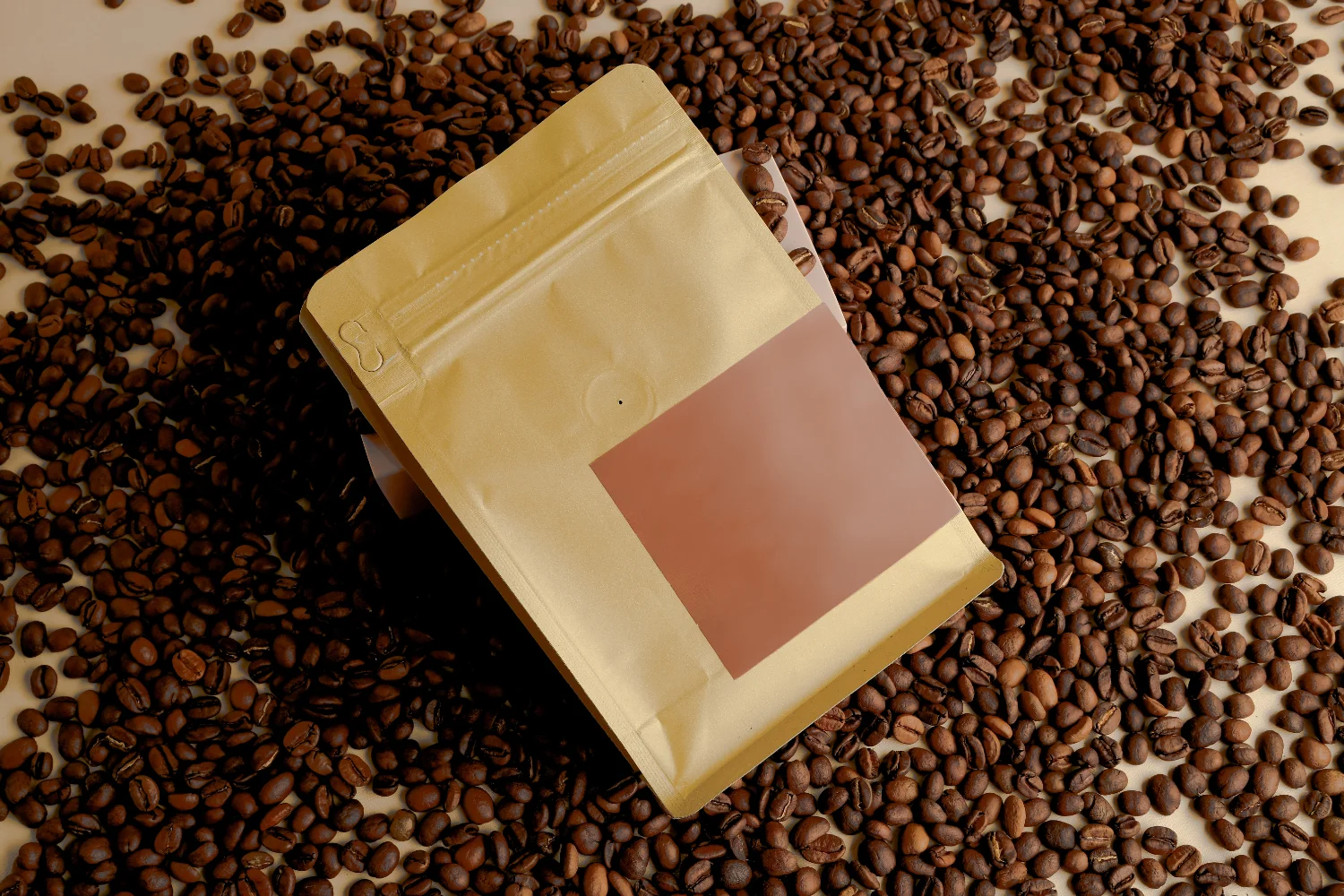
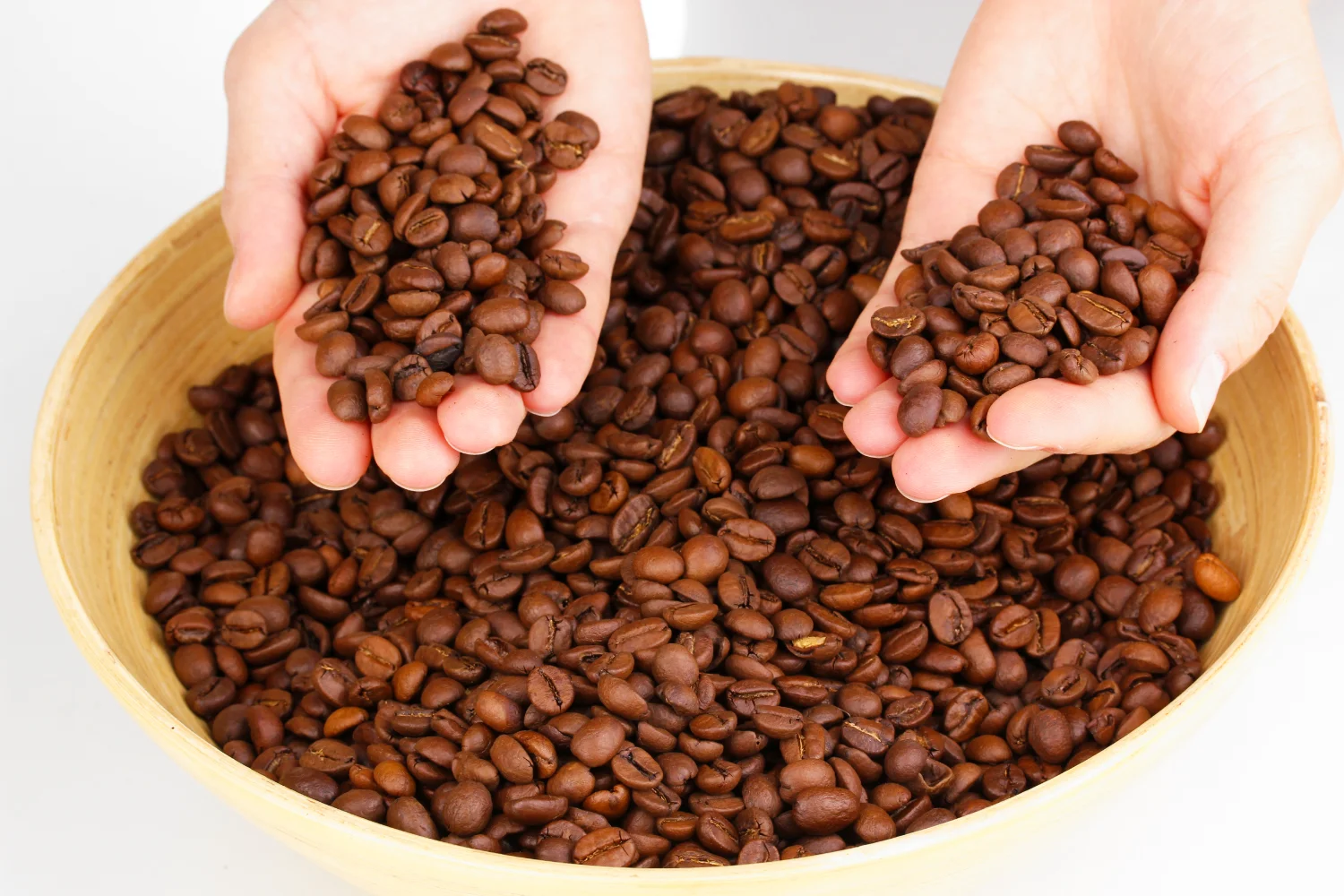
Your coffee can taste great at roast day and still arrive flat, stale, or scuffed. Most teams blame the roast. I usually start with gas, timing, and the seal system.
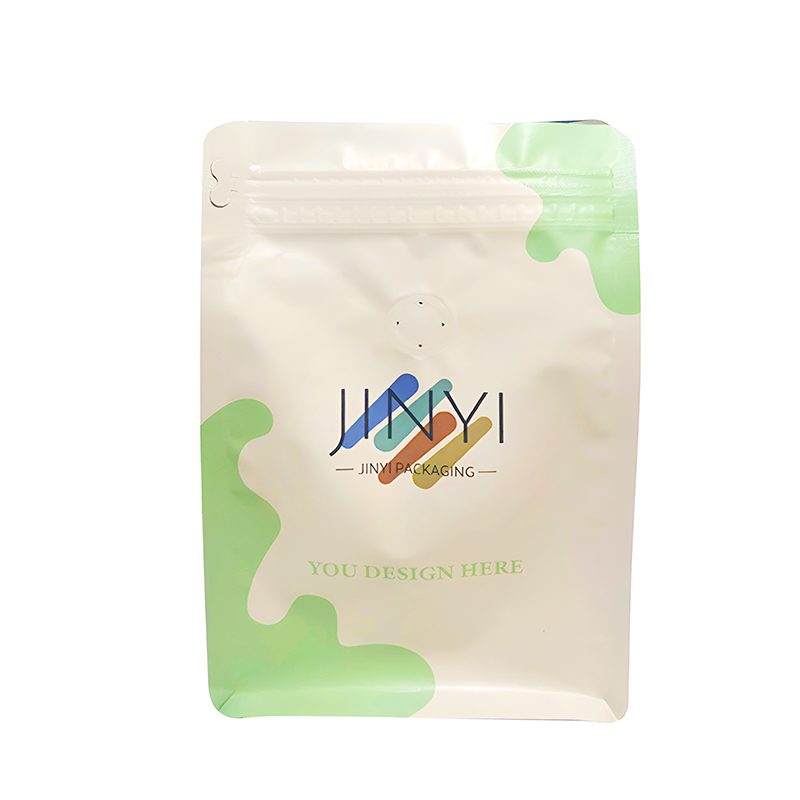
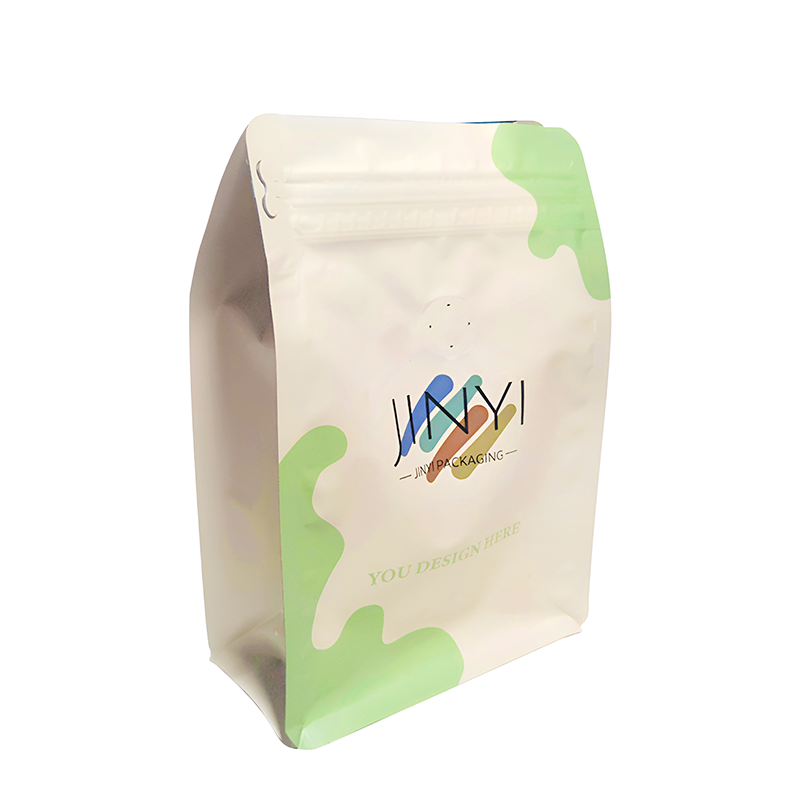
I choose a valve when pressure risk and route stress are higher than valve-related leak risk. I decide it by CO₂ timing, fill speed, sealing margin, and how the bags get punished in cartons.

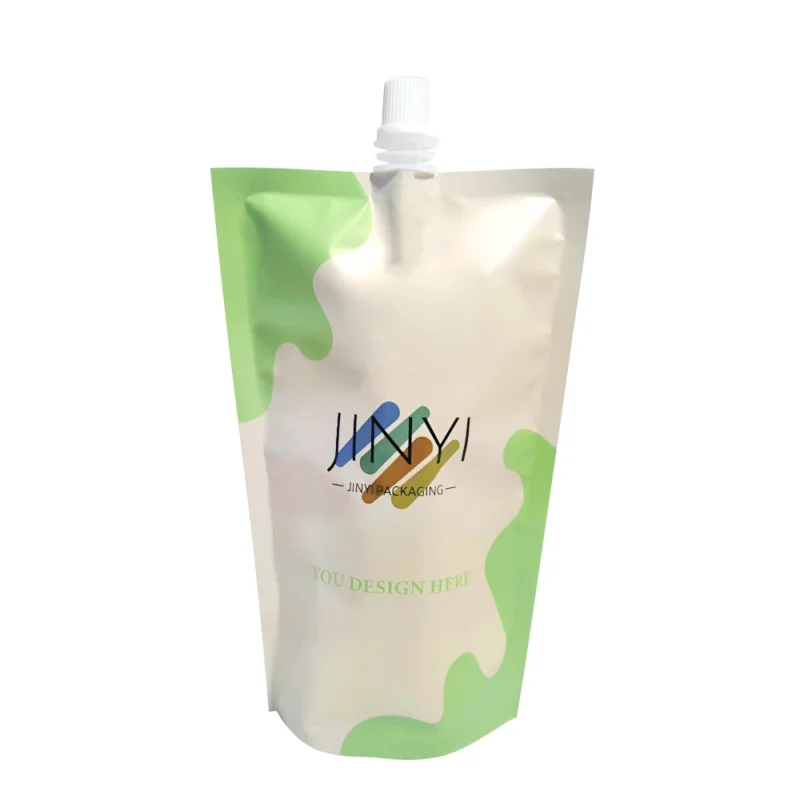
If you want a safer coffee bag spec, I build the structure and valve system around your roast timeline and shipping route:
view stand-up pouch options for coffee packaging.
I do not treat valves as a default upgrade. I treat them as a tool. It solves one problem and can create another, so I define the target first.
Define “Needs the Valve” First: Is the Risk Puffing, Burst/Seal Failure, or Freshness Loss?
“Needs a valve” is not one thing. Some brands fear puffing that ruins shelf appearance. Some fear seal failure under pressure. Some fear oxygen exposure and aroma loss.
I define the main risk first. Then I decide whether the valve reduces that risk more than it adds new failure modes like micro-leaks and scuffing.
My first question is not “light or dark,” it is “what is your failure?”
I do not use slogans like “light roast is premium” or “dark roast is oily” to decide valves. I define the failure I must prevent. From a production standpoint, this matters because a valve is not free. It adds a hard point, a bonding zone, and another potential micro-leak path. In real manufacturing, this detail often determines whether you ship stable bags or you create a new complaint you did not have before. From our daily packaging work, we see that most valve debates are actually seal system debates. If a brand’s real risk is top seal fatigue or zipper-zone micro-leaks, a valve will not fix that by itself. So I write down the primary outcome: reduce puffing, prevent seal failure, or protect freshness, and I choose the simplest system that wins that outcome.
| What you fear |
What it looks like |
What I prioritize |
| Puffing |
Bags look bloated or unstable on shelf |
Valve + pack-out rules + stable panels |
| Seal failure |
Micro-leaks, top seal fatigue, “flat bag” arrivals |
Seal window + hot tack margin first |
| Freshness loss |
Aroma fades, taste feels dull faster than expected |
Oxygen control + leak prevention + headspace |
Degassing Reality: How Light vs Dark Roasts Differ in CO₂ Release Timing and Peak Pressure?
I decide valve needs by CO₂ timing, not roast color. The gas curve tells me whether pressure spikes early or lingers over time.
I ask when you bag after roasting, whether you bag warm, and how long the bags sit before shipping. Those inputs often matter more than “light vs dark” as labels.
Why timing is the real driver of pressure risk
In practice, I see two common patterns. Some roasts push higher gas release early, and some roasts release gas slower with a longer tail. From a production standpoint, this matters because your packaging sees pressure when the coffee is inside the bag, not when it is inside the roaster. In real manufacturing, this detail often determines whether a bag puffs in a warehouse or stays stable. From our daily packaging work, we see that the same roast can behave differently if a brand bags immediately after roasting versus after a rest window. So I ask three basic questions: how many hours after roast do you fill, what is your target headspace, and when does the bag enter cartons and pallets. Those answers tell me whether a valve is an insurance policy against early puffing or a long-tail stabilizer that keeps bags from slowly inflating over a longer distribution cycle.
| Input |
What it changes |
Why it affects valve need |
| Fill timing after roast |
CO₂ level at sealing moment |
Earlier fill increases puffing pressure risk |
| Warm vs cool filling |
Gas expansion and seal stress |
Warm packs can load the top zone sooner |
| Pre-ship resting time |
How much CO₂ vents before cartons |
More rest can reduce valve dependence |
When Dark Roast Needs the Valve More: Early Puffing, Oil Volatiles, and Top-Zone Loading?
If a dark roast is packed quickly and shipped fast, I often recommend a valve. Early CO₂ can inflate bags and increase stress on the top seal zone in cartons.
I also look at odor and oil-volatiles handling. I do not want a valve decision that increases micro-leaks or scuffing while chasing puffing reduction.
Why I see more “early pressure pain” on fast-turn dark roast programs
When a brand runs a fast roast-to-ship cycle, dark roast programs often face visible puffing sooner. From a production standpoint, this matters because puffing is not only visual. Puffing changes stacking pressure and can increase shear on the top seal during pallet compression. In real manufacturing, this detail often determines whether the top seal stays stable after vibration and compression. From our daily packaging work, we see that a valve can reduce pressure load, but it does not remove the need for a strong seal window and hot tack margin. I also watch for odor and volatile handling, because a dark roast aroma profile can be sensitive to oxygen exposure and odor pickup. So my recommendation is not “dark roast always needs a valve.” My recommendation is “dark roast packed early and shipped hard often benefits from a valve, but only if the seal system and valve bonding are controlled.”
| Dark roast scenario |
Risk |
My response |
| Roast-to-pack is short |
Early puffing and top-zone stress |
Valve + seal window margin |
| Cartons are tight |
Shear on top seal during compression |
Pack-out rules + hot tack |
| Strong aroma profile |
Odor pickup or aroma loss |
Odor control + leak prevention |
When Light Roast Actually Needs the Valve: Long Tail Degassing, High Aroma Sensitivity, and “Freshness Narrative” Risk?
Many people assume light roasts do not need valves. I do not agree when the brand ships long routes or sells a “freshness promise” that customers verify by aroma.
I treat light roast as aroma-sensitive. I use the valve to manage puffing risk without forcing the seal system into a narrow margin, but I only do it if valve leak risk stays low.
Why I protect light roast programs from slow pressure drift and aroma complaints
Light roast can be more sensitive in a different way. Customers often notice small aroma changes and call it “not fresh.” From a production standpoint, this matters because the packaging must protect both pressure behavior and oxygen behavior over time. In real manufacturing, this detail often determines whether a brand sees repeat buyers or one-time buyers. From our daily packaging work, we see that some light roast programs show a longer degassing tail, especially when brands ship across borders and hold inventory. That means the bag can slowly inflate over time, even if it looks stable on day one. A valve can help keep the bag stable, but the brand must still control micro-leaks around the valve and seal edges. So I recommend valves for light roasts when the route is long, the shelf life target is ambitious, and the brand wants consistent consumer experience rather than “it depends on the batch.”
| Light roast program input |
Why it raises valve value |
What I control with it |
| Long distribution cycle |
Slow pressure drift can show later |
Puffing stability over time |
| Aroma-sensitive customers |
Small changes trigger complaints |
Leak control + oxygen control focus |
| Higher barrier structure |
Seal window can get tighter |
Valve reduces pressure load on seals |
Valve vs No Valve Tradeoff: When the Valve Reduces Risk—and When It Creates New Failures?
A valve can reduce pressure-driven failures, but it can introduce valve-zone micro-leaks and scuffing. I only add it when the net risk goes down.
My simple rule is this: if no-valve pressure risk is higher than valve-related leak risk, the valve is worth it. If not, I keep the system simpler.

My decision rule so I do not add a “feature” that becomes the complaint
I do not treat valves as a marketing checkbox. I treat them as a controlled component that can fail. From a production standpoint, this matters because valves add a bonding interface and a hard point that changes carton rubbing behavior. In real manufacturing, this detail often determines whether you trade puffing complaints for leak complaints. From our daily packaging work, we see that valves create new failure modes: bonding edge micro-channels, placement on a fold line, sticker edge lift that scuffs print, and a shortcut for oxygen if the valve zone is not stable. So I compare two risks: pressure-driven seal fatigue versus valve-driven micro-leak and scuff risk. If the route is short, fill timing is late, and puffing is minimal, I often avoid the valve. If the route is long, fill timing is early, and cartons punish the top zone, I often prefer the valve, but only with controlled placement and validation.
| Scenario |
Valve helps when… |
Valve hurts when… |
| Fast roast-to-ship |
Pressure loads seals early |
Bonding and placement are uncontrolled |
| Long route / warehousing |
Pressure drift appears later |
Valve zone becomes an oxygen shortcut |
| High carton rub |
Valve reduces puffing that worsens rub |
Valve sticker edge scuffs and lifts |
Packaging System First: How I Set Seal Window + Hot Tack to Survive Pressure Loads With or Without a Valve?
I do not let the valve hide a weak seal system. The seal window and hot tack margin decide whether bags survive packing, boxing, and shipping.
I specify a manufacturable seal window range, not a single temperature point. I also require hot tack margin so seals do not get pulled before they cool.
Why seals fail in transit even when they “pass on the line”
I always start with the seal system because it is the base of everything. From a production standpoint, this matters because the bag is sealed in seconds, but it is stressed for days or weeks in distribution. In real manufacturing, this detail often determines whether micro-leaks appear after vibration and compression. From our daily packaging work, we see that hot tack margin is a silent winner. If a bag is sealed and then immediately dropped, handled, or packed into cartons, the seal is loaded before it fully cools. That creates early shear damage that looks like “random leaks” later. So I define a seal window as a range across temperature, dwell time, and pressure. I also define minimum acceptable seal strength under consistent test conditions. A valve can reduce pressure load, but it cannot rescue a narrow seal window.
| Seal system element |
What I lock |
Why it matters |
| Seal window |
Range for temp / dwell / pressure |
Manufacturing tolerance and repeatability |
| Hot tack |
Minimum hot tack requirement |
Prevents early shear failure |
| Top zone geometry |
Seal width and zipper spacing |
Reduces leak hotspots near features |
Structure and Barrier: How I Balance OTR/WVTR, Aroma Retention, and Valve-Related Oxygen Shortcut Risk?
Barrier numbers do not matter if you have micro-leaks. I first protect seal integrity and valve bonding, then I optimize OTR/WVTR for the roast and shelf life goal.
I never call a valve a “barrier upgrade.” I treat it as a controlled vent. If the valve zone forms channels, oxygen bypasses the barrier entirely.
Why leak control comes before barrier upgrades
I like barrier specs, but I do not worship them. From a production standpoint, this matters because micro-leaks can erase the benefit of a high-barrier film. In real manufacturing, this detail often determines whether a “premium structure” still delivers dull coffee. From our daily packaging work, we see that valve-zone bonding and seal edges are the first places oxygen finds a shortcut. So I start by making sure the valve patch bond is stable and the seal system is repeatable. After that, I balance barrier targets with process stability. I also consider that higher barrier structures can reduce process tolerance and increase the need for a robust seal window. For aroma-sensitive programs, I focus on oxygen control, headspace management, and leak prevention as a system rather than a single material choice.
| Goal |
What I prioritize first |
What I optimize next |
| Prevent staling |
Leak control and valve bonding stability |
OTR + odor control |
| Stable appearance |
Pressure management and pack-out |
Film stiffness and scuff resistance |
| Process reliability |
Seal window and hot tack |
Barrier tuning without shrinking tolerance |
Route Stress Decides More Than Roast: Why Shipping Method and Carton Pack-Out Change the Valve Answer?
I often say this: route matters more than roast. A long route with compression and temperature swings punishes seals differently than local delivery.
I decide valve value by transit reality. Sea freight, cross-climate routes, and tight cartons can make puffing and seal fatigue much worse.
Why the “same roast” can need a different bag on a different route
Shipping is not gentle. From a production standpoint, this matters because the pouch is a structure that sees repeated compression, vibration, and handling. In real manufacturing, this detail often determines whether micro-leaks show up in the top zone or around the valve. From our daily packaging work, we see that a valve can reduce internal pressure, which can reduce top-zone shear under compression. But we also see that e-commerce small parcels can increase sticker scuffing and edge lift if pack-out is sloppy. So I map the route: sea versus air, pallet stacking height, warehouse dwell time, and whether cartons are packed too tight. Those details change the balance between “valve is helpful” and “valve is another failure mode.”
| Route factor |
What it increases |
How it shifts valve decision |
| Long dwell time |
Pressure drift and seal fatigue |
Valve becomes more valuable |
| Tight cartons |
Shear on top seal and rub scuffing |
Valve helps only if scuff is controlled |
| Temp swings |
Film movement and fatigue |
Seal margin becomes critical with or without valve |
My Practical Decision Matrix: Light vs Dark Roast + Packaging Format + Fill Time + Route = Valve or No Valve?
I do not decide valve based on roast alone. I decide it with a matrix that includes fill timing, route stress, pouch format, and seal window margin.
If your team repeats the same arguments every season, this matrix stops the guessing and turns it into a repeatable decision.
The simple matrix that keeps teams from arguing about roast color
I build a decision grid and force clear inputs. From a production standpoint, this matters because the wrong assumption causes expensive redesigns after a complaint wave. In real manufacturing, this detail often determines whether a brand spends money on features that do not reduce risk. From our daily packaging work, we see that four inputs drive most outcomes: how soon you fill after roast, how long the route and storage cycle is, how strong the seal window margin is on your line, and how tight cartons are packed. If fill timing is early and routes are long, valve value increases. If fill timing is late and routes are short, valve value drops. If your seal window is narrow, you must fix seals first, because valve cannot rescue inconsistent seals. If carton rub is high, you must control scuff and sticker stability, or valve becomes the first damaged zone.
| Input |
Low risk setting |
High risk setting |
Valve tendency |
| Fill timing |
Late fill after rest |
Early fill soon after roast |
More useful at high risk |
| Route length |
Local short cycle |
Cross-border long cycle |
More useful at high risk |
| Seal margin |
Wide seal window + good hot tack |
Narrow seal window |
Fix seals before deciding |
| Carton rub |
Controlled pack-out |
Tight cartons and high sliding |
Valve only with scuff control |
If you want me to turn your roast program and route into a pouch spec, start from a stable stand-up pouch baseline:
use this pouch selection as the base.
Validation Plan: The 6 Checks I Run (Degassing, Pressure, Leaks, Aroma, and Transit) Before Scaling?
I do not decide valves by squeezing the bag once. I validate pressure behavior, leak risk, aroma protection, and transit durability as a system.
I run degassing observation, micro-leak testing, valve bond stability, vibration/compression, aroma comparison, and temperature/humidity cycling. If valve-zone leak risk is high, I fix the system first.
The test plan that predicts complaints before customers do
I test the bag like the route will punish it. From a production standpoint, this matters because many failures are delayed. A bag passes a quick pull test and still fails after vibration and compression. In real manufacturing, this detail often determines whether you discover micro-leaks before your customers do. From our daily packaging work, we see that valve-zone micro-leaks can be small and invisible. So I use micro-leak tests focused on the valve zone and the top seal zone. I also test valve sticker peel and shear stability because bonding drift creates channels over time. I add vibration and compression to simulate stacking and truck movement. I compare aroma retention between valve and no-valve setups under controlled storage. Finally, I run temperature and humidity cycling because real logistics are not constant. If any test shows early edge lift or leak signals, I change placement, bonding, or seal window before I scale.
| Check |
What it answers |
What I watch |
| Pressure/puffing observation |
Does the bag inflate over time? |
Shape stability by day and by route |
| Micro-leak test |
Are there valve or seal channels? |
Valve edge + top seal hotspots |
| Valve bond stability |
Will sticker edges lift? |
Peel and shear behavior |
| Vibration + compression |
Will fatigue create leaks later? |
New leak signals after stress |
| Aroma comparison |
Does the experience stay consistent? |
Sensory check over time |
| Temp/humidity cycling |
Will drift appear in real logistics? |
Bond drift and seal fatigue |
Conclusion
I do not choose valves by roast color. I choose them by CO₂ timing, seal margin, aroma sensitivity, and route stress. If you want a safer spec, contact me.
Build a Coffee Valve Bag Spec for Your Roast and Route
My Role
About Me
Brand: Jinyi
Slogan: From Film to Finished—Done Right.
Website: https://jinyipackage.com/
Our mission:
JINYI is a source manufacturer specializing in flexible packaging. I want to deliver packaging solutions that are reliable, practical, and easy to execute for brands. I focus on predictable quality, clear lead times, and structures that match the product and printing goals.
About me:
JINYI is a source manufacturer specializing in custom flexible packaging solutions, with over 15 years of production experience serving food, snack, pet food, and daily consumer brands.
We operate a standardized manufacturing facility equipped with multiple gravure printing lines as well as advanced HP digital printing systems, allowing us to support both stable large-volume orders and flexible short runs with consistent quality.
From material selection to finished pouches, we focus on process control, repeatability, and real-world performance. Our goal is to help brands reduce communication costs, achieve predictable quality, and ensure packaging performs reliably on shelf, in transit, and at end use.
FAQ
1) Is a valve always necessary for dark roast coffee?
No. I recommend it more often when dark roast is packed early and shipped on long or harsh routes, but I still validate seal margin and valve bonding first.
2) Can light roast coffee need a valve more than dark roast?
Yes. If the route is long and the brand is very aroma-sensitive, a valve can help stabilize puffing risk, but only if valve-zone leak risk stays low.
3) Does a valve reduce staling by itself?
No. Staling is mainly about oxygen and leaks. A valve manages pressure, but a weak seal or a leaky valve zone can make freshness worse.
4) What matters more than roast level for valve decisions?
Fill timing after roast, shipping route stress, carton pack-out, and how wide the seal window and hot tack margin are on the production line.
5) What is the fastest way to test whether a valve is worth it?
I compare puffing trend and micro-leak results for valve vs no-valve samples under vibration/compression, then confirm aroma stability over time.