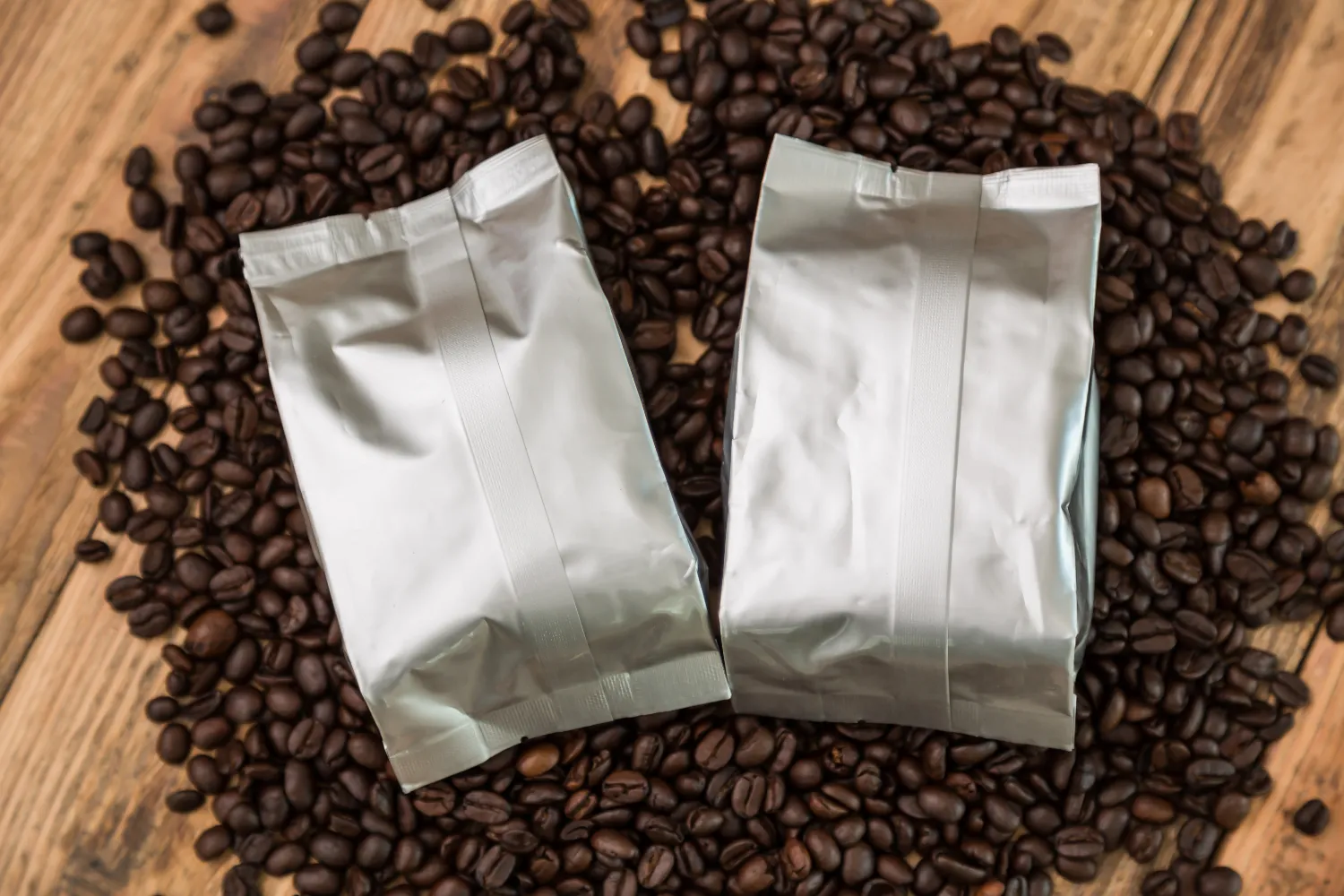
Coffee bags can look perfect on day one, then taste flat by week four. That is when refunds and low ratings start.
I stop the week-4 flavor drop by treating coffee packaging as a seal + barrier + route-stress system, not a “pick a bag style” decision. I start with beans vs ground, lock the seal system, then prove it with compression, vibration, and odor-hold checks.

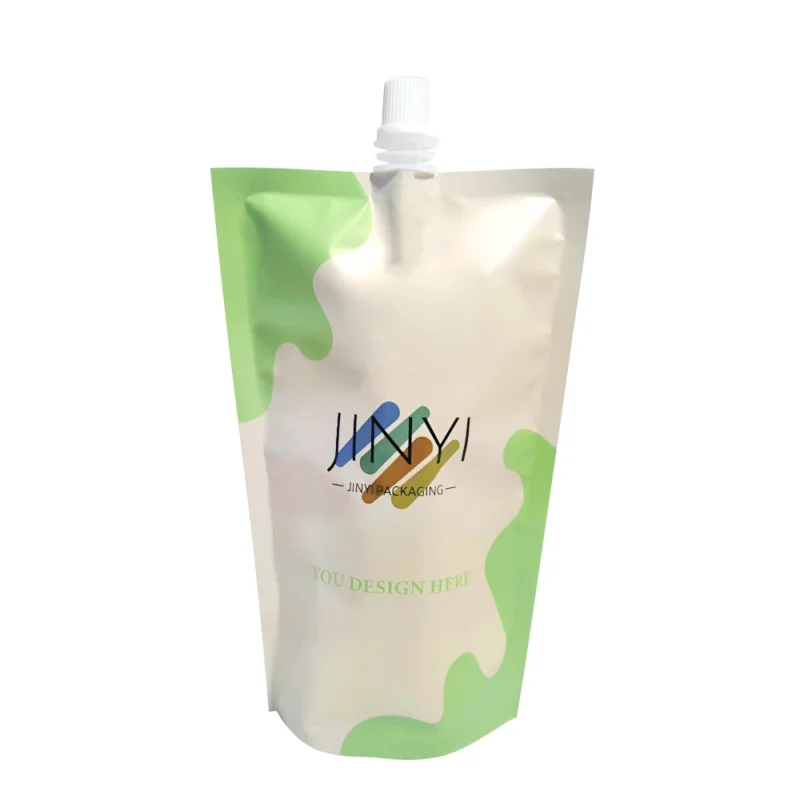
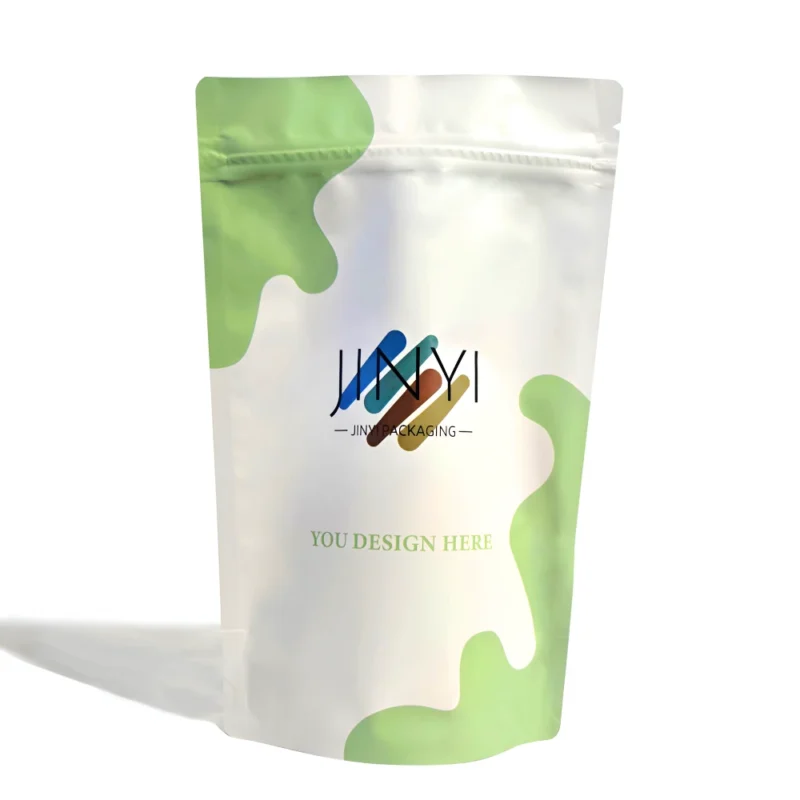
If you want a coffee bag that arrives clean, seals consistently, and holds aroma, I suggest you start from failure modes, then work backward to structure and tests. You can also compare options on my
stand-up coffee pouch specs
as a baseline reference.
Why does coffee taste flat by week 4 even when the bag looks perfect?
Most brands blame “materials” too fast, then keep changing films without fixing the real leak path.
Week-4 failures usually come from micro-leaks plus oxygen ingress, not a dramatic break. Beans and ground coffee also need different barrier targets: beans need degassing control, while ground needs stronger seal contamination tolerance and moisture protection.

What changes from whole bean to ground?
| Item |
Whole Bean |
Ground Coffee |
| Main risk |
Degassing + aroma retention |
Micro-leaks + staling + clumping |
| Seal challenge |
Pressure changes over time |
Dust contamination at seal zone |
| Barrier focus |
OTR + light control |
OTR + WVTR + “quiet leak” prevention |
How the “week-4 drop” really happens
I see the same pattern again and again. The bag does not fail like a dramatic burst. It fails quietly. A small leak path at the top seal, zipper end, valve area, or fold stress zone keeps feeding oxygen into the pack. Aroma also escapes at the same time. If it is ground coffee, fine dust can make a seal look closed while it is actually weak. If it is oily coffee, oil migration can reduce seal quality over time. That is why I do not chase only “foil vs metallized vs fancy names.” I set targets first: aroma protection, oxygen control, moisture control, and light control. Then I lock the seal system to match those targets.
Where do pinholes and “silent leaks” really come from?
Pinholes feel random until you map stress and abrasion. Then they become predictable.
Pinholes often start at creases and high-stress corners, then grow under compression and vibration. Scuff and abrasion during shipping can also thin coatings and create weak points. The bag structure and features decide where the first failure appears.
Pinholes are usually stress + abrasion, not bad luck
| Cause |
Where it shows up |
What I change first |
| Fold stress / tight radii |
Bottom corners, side folds |
Radii, stiffness balance, crease management |
| Route abrasion |
Front panel scuffs, whitening |
COF control, surface protection, pack-out |
| Feature-related weak points |
Valve area, zipper ends |
Placement, bonding quality, end-seal design |
What do I lock and test before I approve a coffee bag for e-commerce and retail?
If you want stable flavor, you must prove stability under real handling, not only lab specs.
I lock seal integrity first (seal window, hot tack, cooling, seal land width), then control contamination for ground coffee, then validate with compression + vibration + drop + odor hold comparisons.
Seal system first, always
| Seal factor |
Why it matters |
My check |
| Seal window |
Stability across line variation |
Temp/pressure/dwell ranges that still pass |
| Hot tack |
Early handling strength at speed |
Compression + early handling hold |
| Cooling + seal land width |
Prevents slow leaks |
Consistent seal width + clean seal zone |
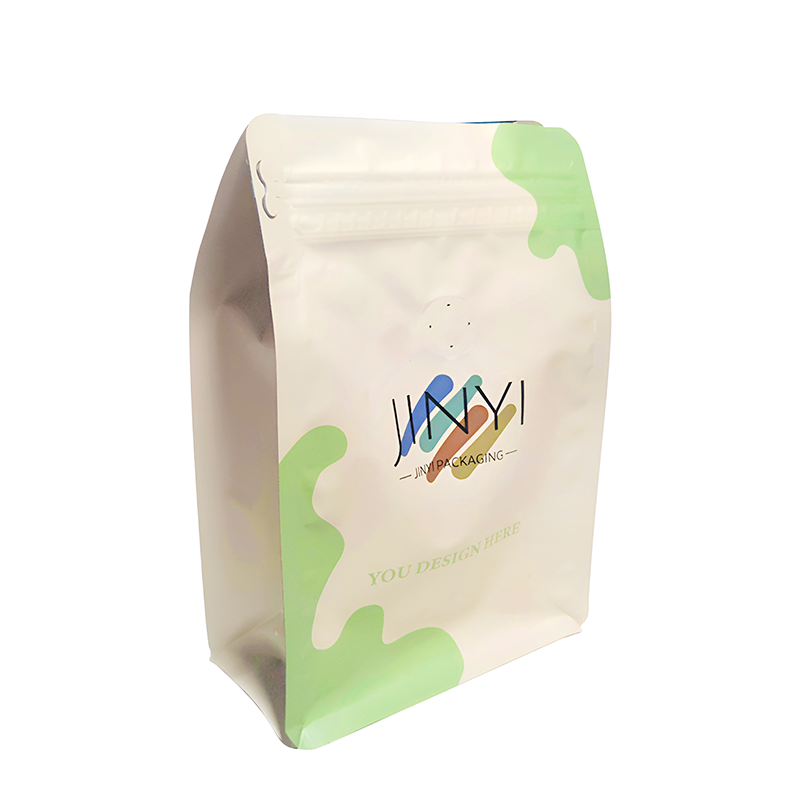
For a practical starting point, you can reference:
stand-up pouch option.
Conclusion
I stop coffee failures by locking seals first, mapping stress zones, then proving performance under real routes. If you want a spec plan, I can propose 2–3 options fast.
Get Coffee Bag Options
FAQ
Do I always need a one-way valve for whole bean coffee?
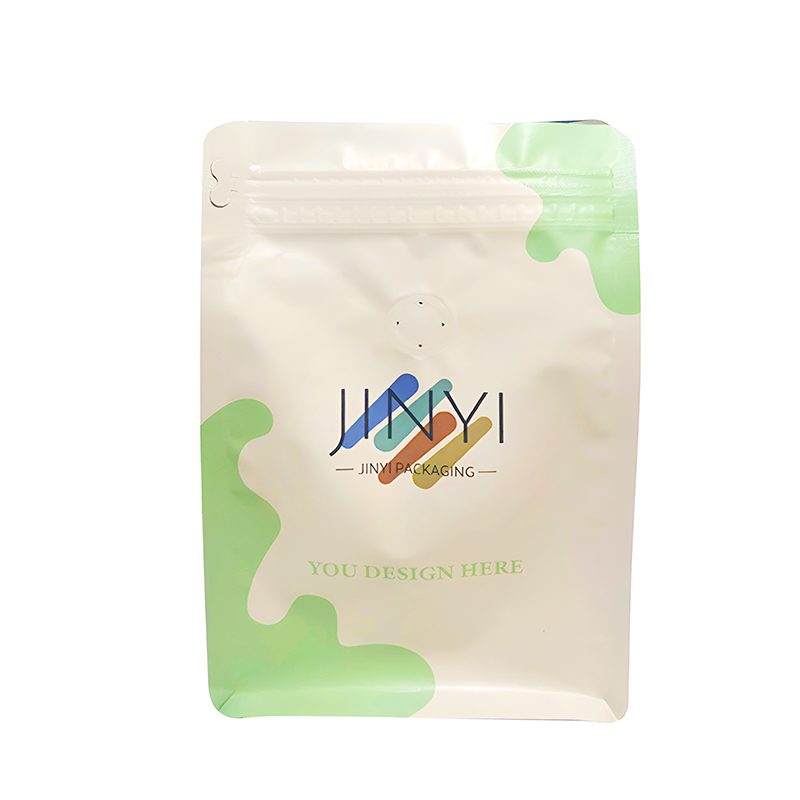
No. I use valves when degassing pressure and route risk justify it. I also treat the valve as a risk point that must be validated.
Why does ground coffee go stale faster in the same bag?
Ground coffee has more surface area and it is more sensitive to micro-leaks and moisture pickup, especially if dust contaminates the seal zone.