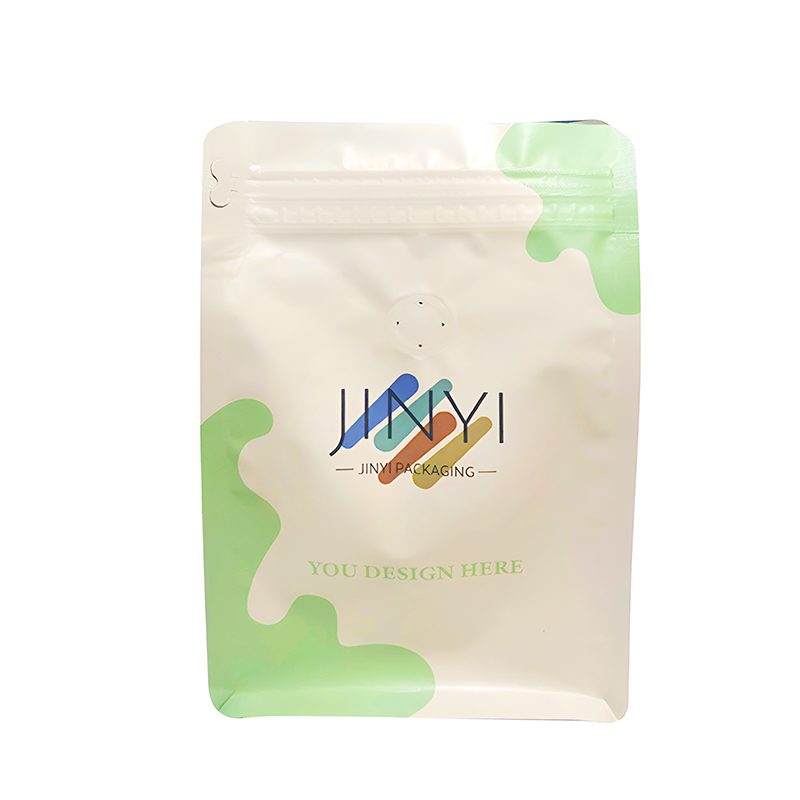
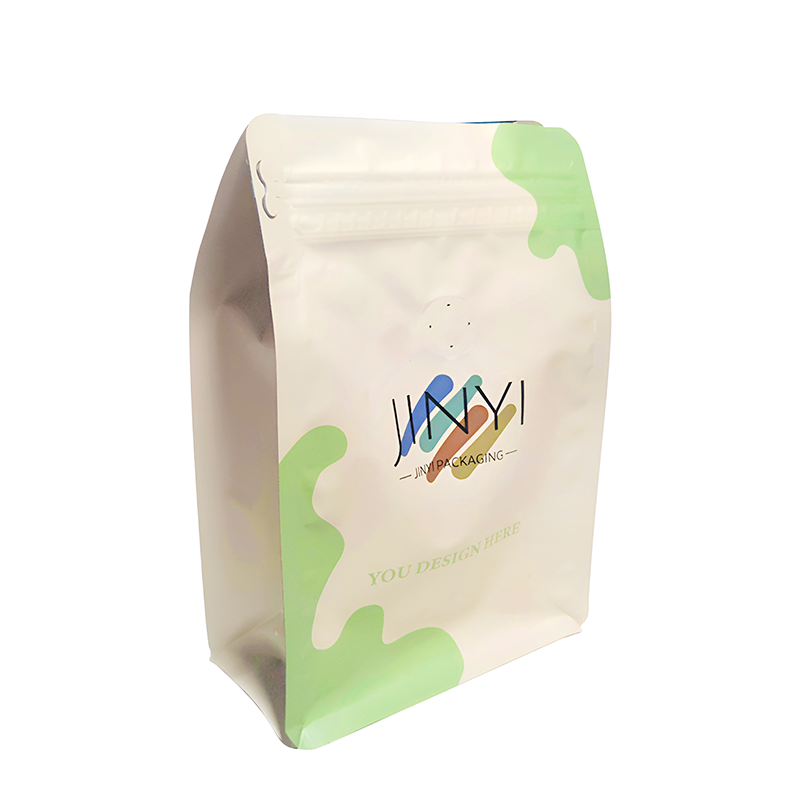
Customers say “stale,” “leaking,” or “zipper failed.” Brands often blame coffee quality. Returns keep coming because the packaging system is the real failure engine.
Most coffee “quality” returns are packaging-system failures. The fix is to map complaint keywords to measurable drivers (OTR/WVTR, seals, reclose cycles, rub durability), then lock RFQs to pass/fail targets and validate by channel.
If your returns mention “stale” or “leaking,” start with a test-based coffee pouch spec instead of “high barrier” slogans.

This report-style guide shows what to measure, what to test, and what to write in RFQs so suppliers can prevent the same return reasons from repeating.
How should a team build a “Top 10” returns map without guessing?
Returns feel noisy, so teams debate from a few screenshots. That makes fixes random and expensive.
A reliable Top 10 comes from keyword mining + clustering + time-series spikes across SKU, channel, season, and route. The output is a complaint-to-driver map you can reuse monthly.
Define the unit of analysis before you rank complaints
A “Top 10” list only helps when it is tied to how coffee is actually sold and used. The recommended unit is SKU × packaging configuration × format (whole bean vs ground) × channel (DTC parcel, retail shelf, café back-bar) × season (hot, humid, holiday peak) × route. Then pull at least two data sources: return codes and customer service tickets with photos, plus review text if available. Review keywords often outperform return codes because they are specific: “stale,” “flat,” “no smell,” “valve leak,” “zipper won’t close,” “powder everywhere,” “scuffed,” “crushed corners,” and “barcode won’t scan.” After tagging, cluster synonyms into themes and run a time-series view to catch spikes after packaging changes, promotions, or weather shifts. Finally, run spec-to-returns mapping by comparing packaging change dates to keyword rates per 1,000 orders. That is how a team proves whether a material change reduced “stale” or only shifted the problem to “zipper failed.”
| Input |
What it captures |
What it misses |
How to use it |
| Return codes |
Scale and timing |
Root cause detail |
Rank themes and locate spikes |
| CS tickets + photos |
Leak location, scuff zones |
Selection bias |
Build failure-mode rules |
| Review text |
Buyer language (“stale,” “flat”) |
Incomplete context |
Keyword clustering and drivers |
Evidence (Source + Year):
– ASTM D3985 (ASTM, 2024) is the oxygen transmission rate (OTR) method used to quantify oxygen-driven “stale/flat” drivers.
– ISTA Procedure 3A (ISTA, 2026) describes a parcel delivery simulation framework used to screen route-stress failures.
What are the top 10 packaging-driven coffee complaints and how do they map to tests?
Different brands use different words, but most complaints repeat the same failure patterns.
The fastest prevention method is a single master table: complaint keyword → driver → test language → spec lever. This turns returns into engineering actions.

Master complaint map (copy this into your monthly returns review)
This table treats “Top 10” as a reusable framework. It does not claim the same ranking for every brand. It shows how the most common coffee return complaints connect to measurable drivers. “Stale/flat/no aroma” is usually oxygen exposure after fill plus repeated opening, which means OTR is only half the story and reclose performance is the other half. “Valve leak” failures often start in the valve bond zone and interact with the top seal window under compression and vibration. “Zipper won’t close” and “stale mid-bag” often share a dust-contamination mechanism that requires a cycle test with a dust challenge, not just a lab-perfect closure check. “Scuffed/looks old” and “barcode not scannable” are retail trust failures that should be treated as durability and readability targets, not as subjective opinions.
| Complaint |
Likely driver |
Where it starts |
What to test |
Prevention lever |
| 1) Stale / flat / no aroma |
Oxygen exposure + re-open cycles |
Film OTR, micro-leaks, headspace refresh |
OTR method + reclose cycles |
Lower OTR + stronger reclose + size options |
| 2) Valve leak / smell not contained |
Valve patch micro-leak |
Valve bond zone + top seal interaction |
Seal strength + handling screen |
Valve placement rules + bond validation |
| 3) Zipper won’t close / stale mid-bag |
Misclose + dust contamination |
Zipper track and alignment |
Cycle test + dust challenge |
Zip spec by opening frequency + closing cues |
| 4) Leaking grounds / dust everywhere |
Seal channel leaks / pinholes |
Seals, corners, fold lines |
Seal strength + leak localization (if needed) |
Wider seal window + corner stress control |
| 5) Bag popped / burst seal |
Compression + weak seal margin |
Top zone and seal area |
Seal strength + compression screen |
Seal window margin + case-pack rules |
| 6) Scuffed / looks old |
Abrasion and shelf rub |
High-contact panels |
Rub/scuff method |
Durability zoning + finish selection |
| 7) Confusing freshness claims |
Info clarity failure |
Date logic + storage guidance |
Readability + quick survey |
Roast date + best-window guidance |
| 8) Clumpy grounds / moisture smell |
Moisture ingress + swings |
WVTR and micro-leaks |
WVTR method + seal checks |
WVTR target (when needed) + leak control |
| 9) Crushed corners / poor standing |
Compression + movement |
Corners, gusset, case pack |
Compression + shelf-stand check |
Structure choice + pack-out rules |
| 10) Ink rub-off / barcode not scannable |
Print durability failure |
Barcode zone and dark solids |
Rub method + scan-after-rub |
Barcode zoning + coating selection |
Evidence (Source + Year):
– ASTM F88/F88M-23 (ASTM, 2023) is a seal strength method used to compare seal reliability and failure modes.
– ASTM D5264-98(2019) (ASTM, 2019) is a Sutherland Rub practice used to evaluate abrasion resistance and scuff risk on printed packs.
Which four packaging systems prevent most coffee returns?
Top 10 tables explain symptoms. Systems prevent repeats.
Most complaints collapse into four systems: oxygen, seal/valve/reclose, moisture, and surface/info. Each system needs one or two minimum tests plus a clear pass rule.
System thinking: fewer tests, better coverage
The Oxygen System is the freshness engine. It includes film OTR, headspace oxygen exposure, and post-open behavior. This is why “great barrier” can still taste flat when a zipper fails. The Seal + Valve + Reclose System hides many returns because micro-leaks erase barrier performance. It includes seal window margin, contamination tolerance for coffee dust, valve bond-zone validation, and reclose cycle reliability. The Moisture System is category-dependent. It matters more for ground coffee and humid routes, and it shows up as clumps, wet smell, or label lift after condensation. The Surface + Info System protects retail trust. Scuff, ink rub-off, and unreadable barcodes can trigger retailer rejects even when coffee quality is fine. As a flexible packaging manufacturer, we focus on turning these systems into executable specs that production can repeat, so brands stop chasing “random defects” and start controlling repeatable drivers.
| System |
Stops these complaints |
Minimum validation |
Most common mistake |
| Oxygen |
stale, flat, no aroma |
OTR method + reclose cycle screen |
Upgrading film but ignoring reclose |
| Seal + valve + reclose |
leaks, valve failures, burst seals |
Seal strength + handling/compression screen |
Too-narrow seal window in real production |
| Moisture |
clumps, wet smell, label issues |
WVTR method + micro-leak checks |
Ignoring temperature swings and storage |
| Surface + info |
scuff, barcode rejects, “looks old” |
Rub/scuff method + scan-after-rub |
Dark solids without durability zoning |
If you tell us your top 20 return keywords, we can map them to a minimum validation set by format and channel.
Evidence (Source + Year):
– ASTM F1249-20 (ASTM, 2020) is a WVTR method used to quantify moisture-driven risk where condensation or humidity exposure matters.
– ISTA Procedure 3A (ISTA, 2026) provides a parcel-delivery simulation framework to screen handling and compression risk.
How should an RFQ be written so suppliers can prevent “stale” and “leak” returns?
“High barrier” is not a requirement. It is a vague request that suppliers quote differently.
A return-reducing RFQ uses five lines: OTR target, WVTR target (only when needed), seal strength, valve validation, and reclose cycle performance under dust contamination.
A five-line RFQ framework that is measurable
A practical RFQ starts with oxygen control because coffee aroma complaints are usually oxygen-exposure complaints. State an OTR target with a test method and conditions so quotes are comparable. Add WVTR only when moisture sensitivity is part of the risk, such as humid markets or temperature swings. Then state seal strength expectations and require a seal window that is stable under real production variability. For valve bags, require validation of the valve bond zone under handling and its interaction with the top seal. For zipper systems, require an open-close cycle count and a dust contamination challenge, because coffee fines are the real-world enemy of reseal performance. The final line should define pass/fail outcomes in customer language: no visible leaks, no “powder everywhere,” and a controlled “stale mid-bag” complaint rate after rollout.
| RFQ line |
What it prevents |
What to specify |
| OTR target |
stale / flat aroma |
Method + condition + target |
| WVTR target (only if needed) |
clumps / wet smell |
Method + condition + target |
| Seal strength |
leaks / burst seals |
Method + acceptable failure mode |
| Valve validation |
valve micro-leaks |
Bond integrity under handling + seal interaction |
| Reclose cycles + dust challenge |
zipper failed / stale mid-bag |
Cycle count + misclose rate with coffee fines |
Evidence (Source + Year):
– ASTM D3985 (ASTM, 2024) OTR method for oxygen transmission through films and laminates.
– ASTM F88/F88M-23 (ASTM, 2023) seal strength method used for flexible barrier seals.
Conclusion
Coffee returns often come from oxygen exposure, seal/valve/zip failures, moisture events, and scuff or readability loss. Map keywords to tests, write measurable RFQs, then validate by channel to stop repeat returns.
Get a coffee returns-to-spec checklist (OTR, seals, valves, zippers)
About Us
Brand: Jinyi
Slogan: From Film to Finished—Done Right.
Website: https://jinyipackage.com/
Our Mission:
JINYI is a source manufacturer specializing in custom flexible packaging solutions. We aim to deliver reliable, practical packaging that reduces communication cost, improves quality stability, and supports predictable lead times for brands.
About JINYI:
JINYI is a source manufacturer specializing in custom flexible packaging solutions, with over 15 years of production experience serving food, snack, pet food, and daily consumer brands.
We operate a standardized manufacturing facility equipped with multiple gravure printing lines as well as advanced HP digital printing systems, allowing us to support both stable large-volume orders and flexible short runs with consistent quality.
From material selection to finished pouches, we focus on process control, repeatability, and real-world performance. Our goal is to help brands reduce communication costs, achieve predictable quality, and ensure packaging performs reliably on shelf, in transit, and at end use.
FAQ
1) Why do “stale” complaints happen even with a high-barrier film?
Repeated opening and weak reseal performance can dominate oxygen exposure. A great film can still fail if the zipper miscloses or seals leak.
2) Are valve leaks usually a film problem?
Many valve issues start at the valve bond zone and its interaction with the top seal under compression and vibration. Validation should target that zone.
3) What is the fastest way to reduce “zipper failed” returns?
Define open-close cycles and run a dust contamination challenge with coffee fines. Then choose a zipper spec that matches opening frequency.
4) Do all coffee bags need WVTR specs?
Not always. WVTR matters when humidity and temperature swings create condensation risk or when clumpy grounds are a complaint signal.
5) What should I track during a packaging A/B pilot?
Track return keywords per 1,000 orders, leak locations, scuff severity, and repeat purchase outcomes by channel and route for the same SKUs.