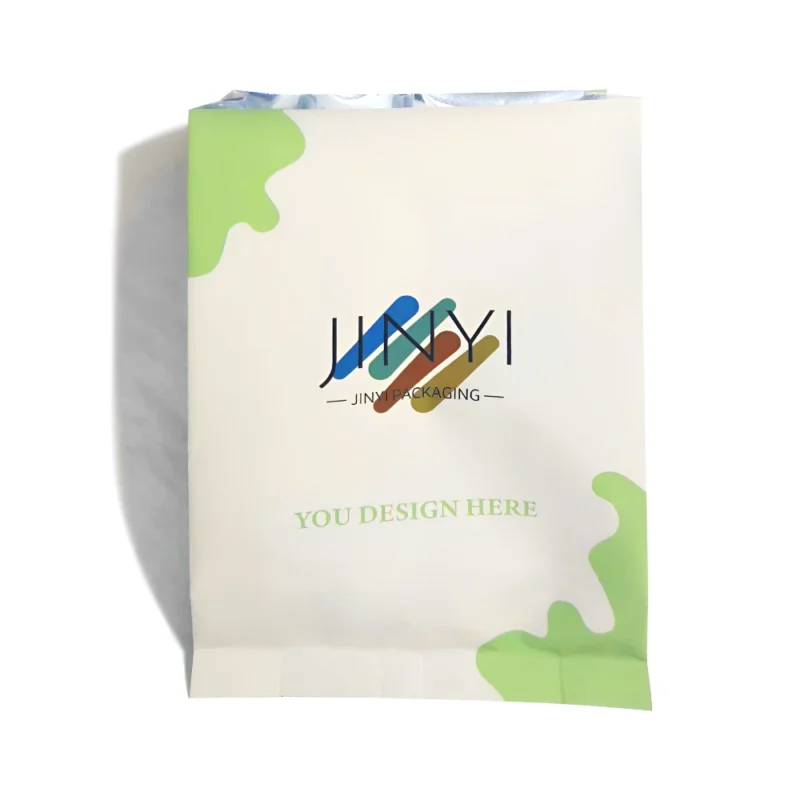
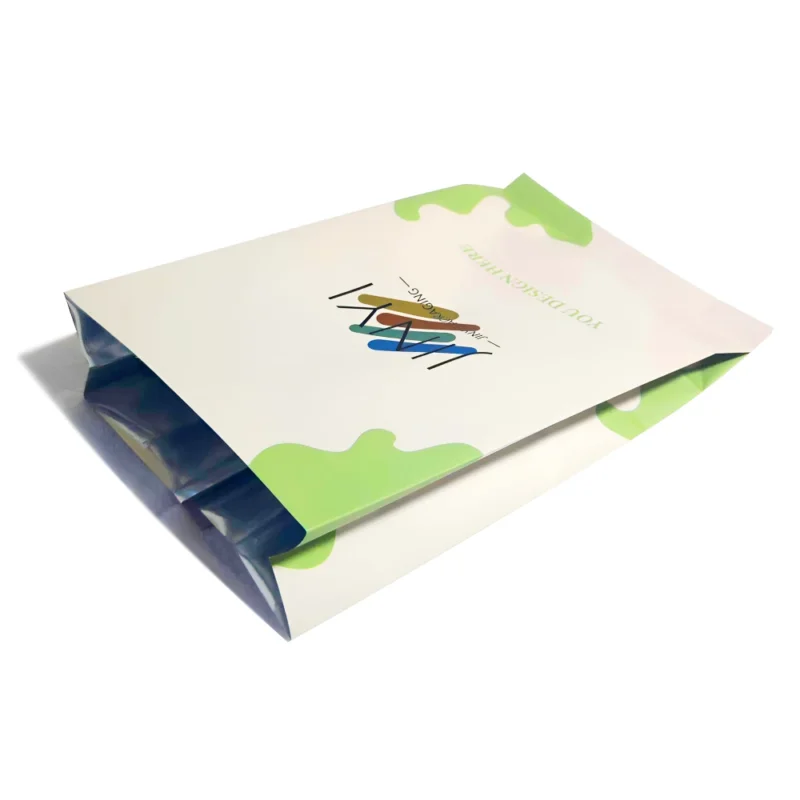
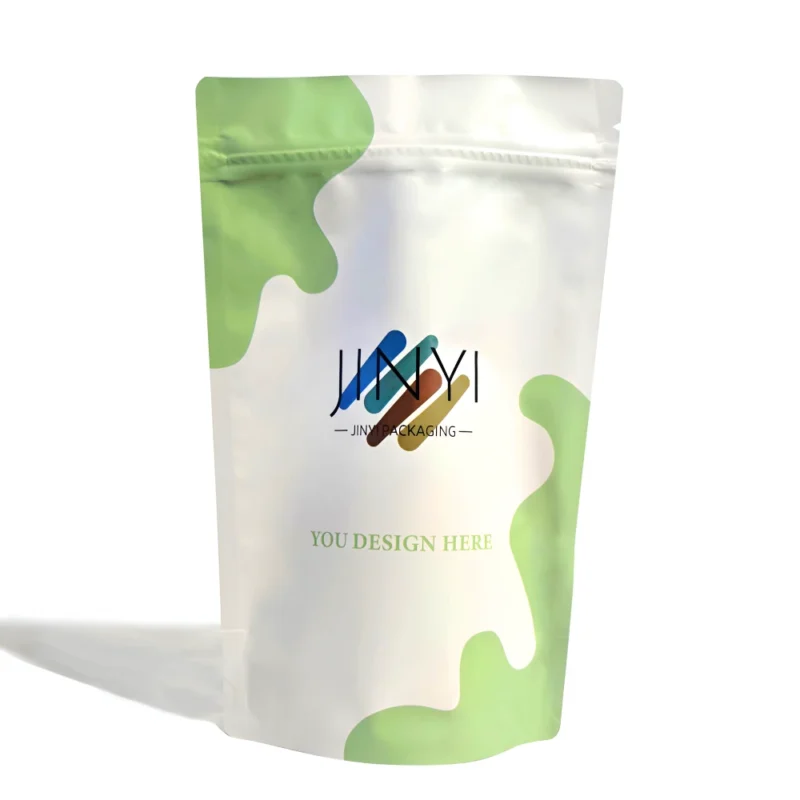
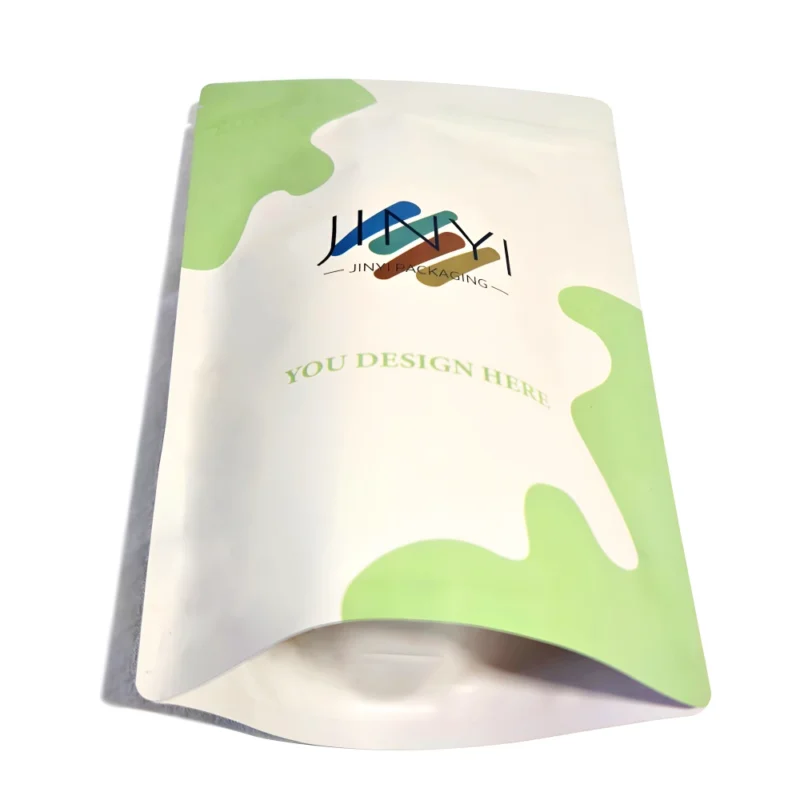
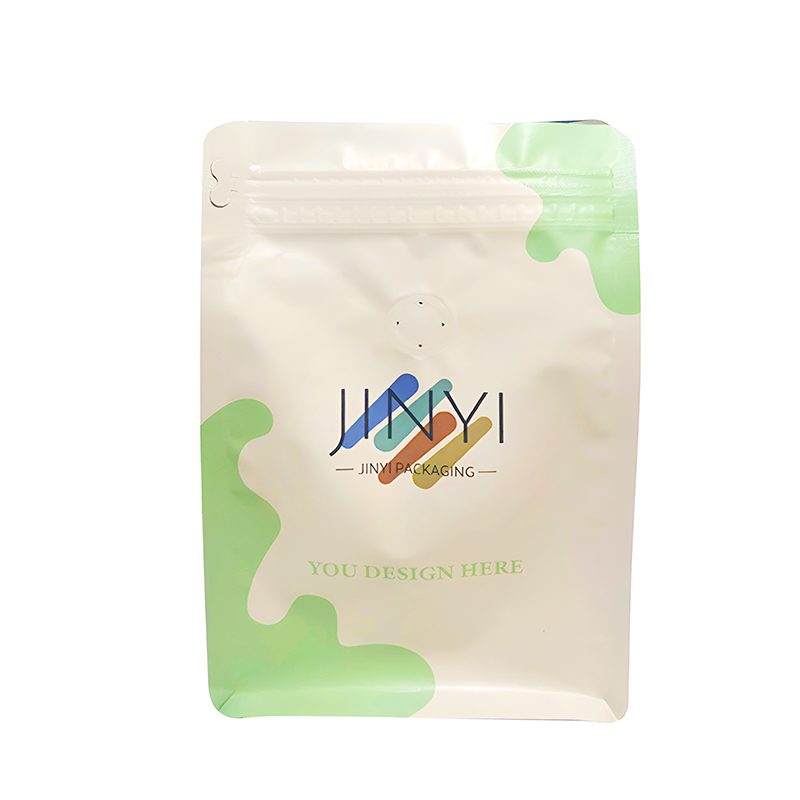
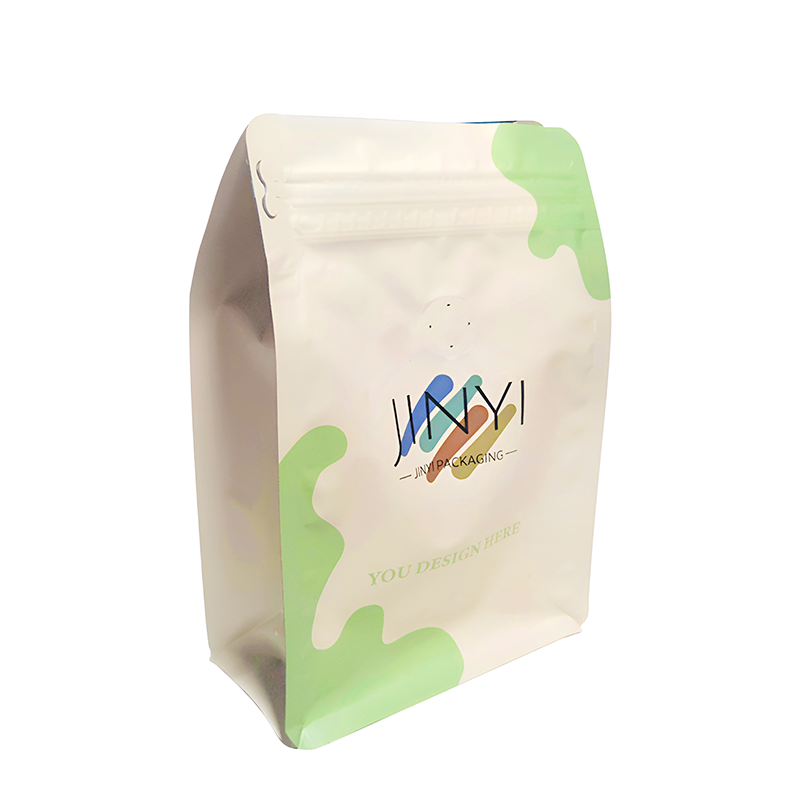
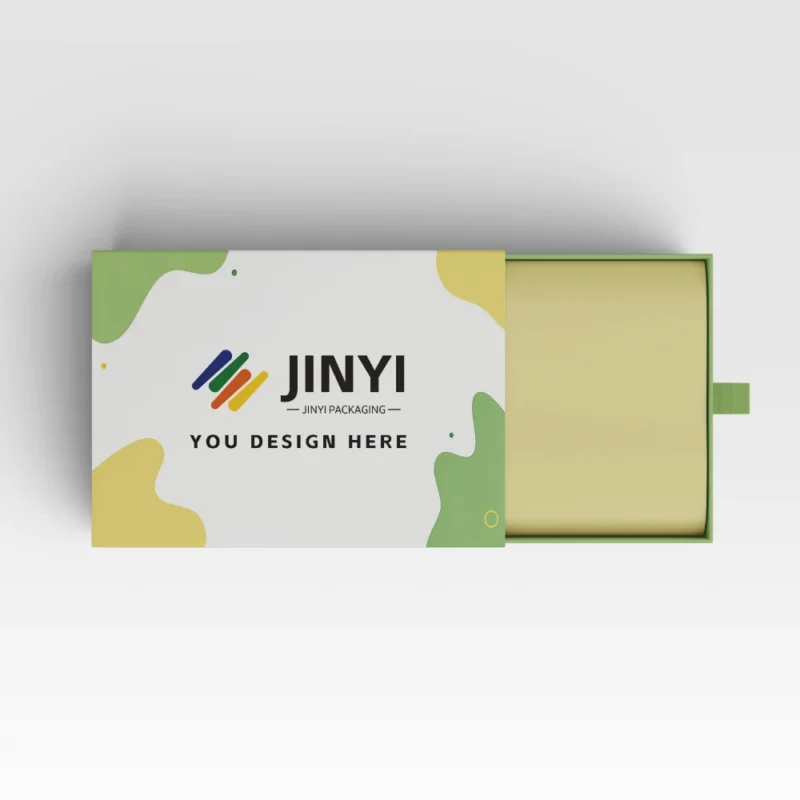
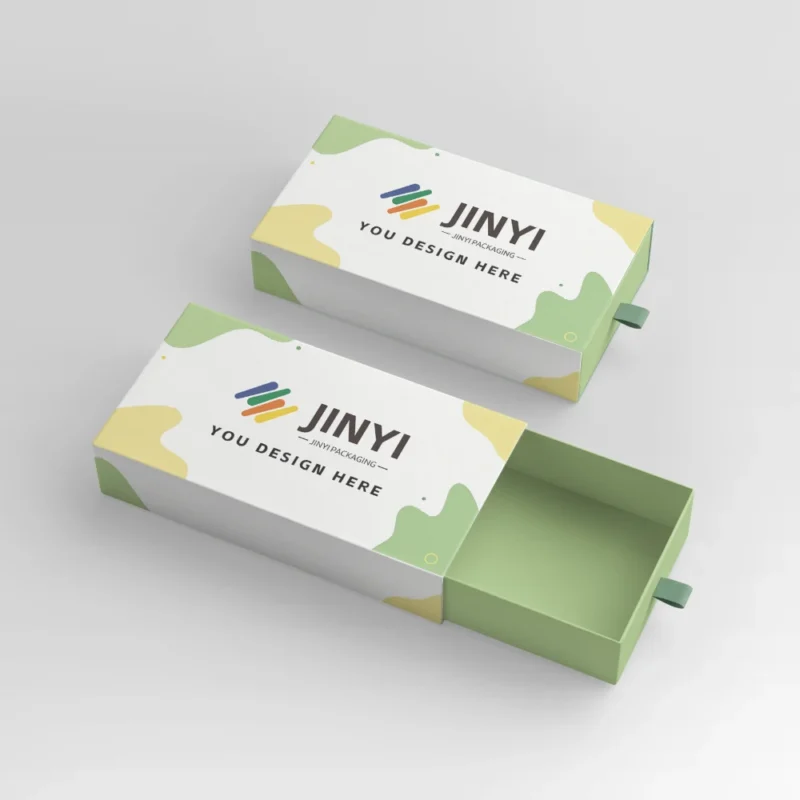
Many brands compare packaging by appearance first. Then cost, logistics, and daily use start exposing the real answer.
I do not ask which format looks more premium in isolation. I ask which one gives the best full result across product protection, logistics, filling reality, shelf impact, and consumer use.
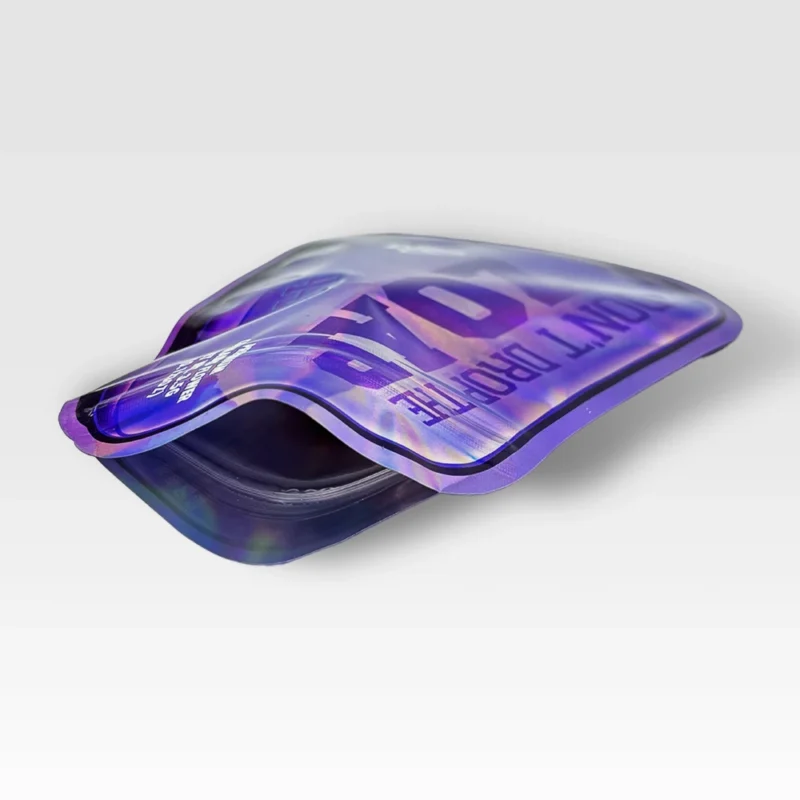
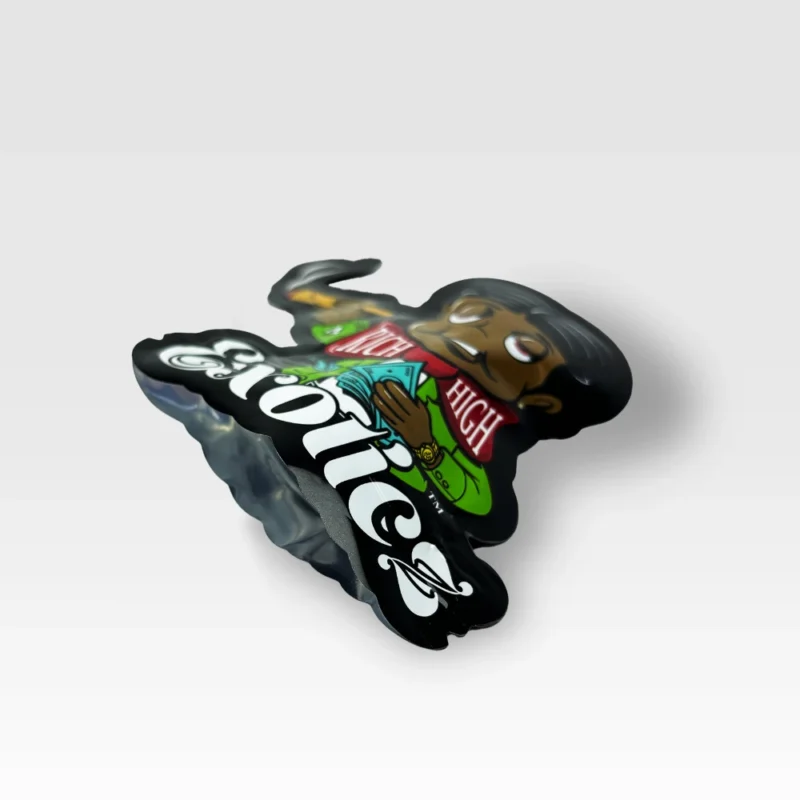
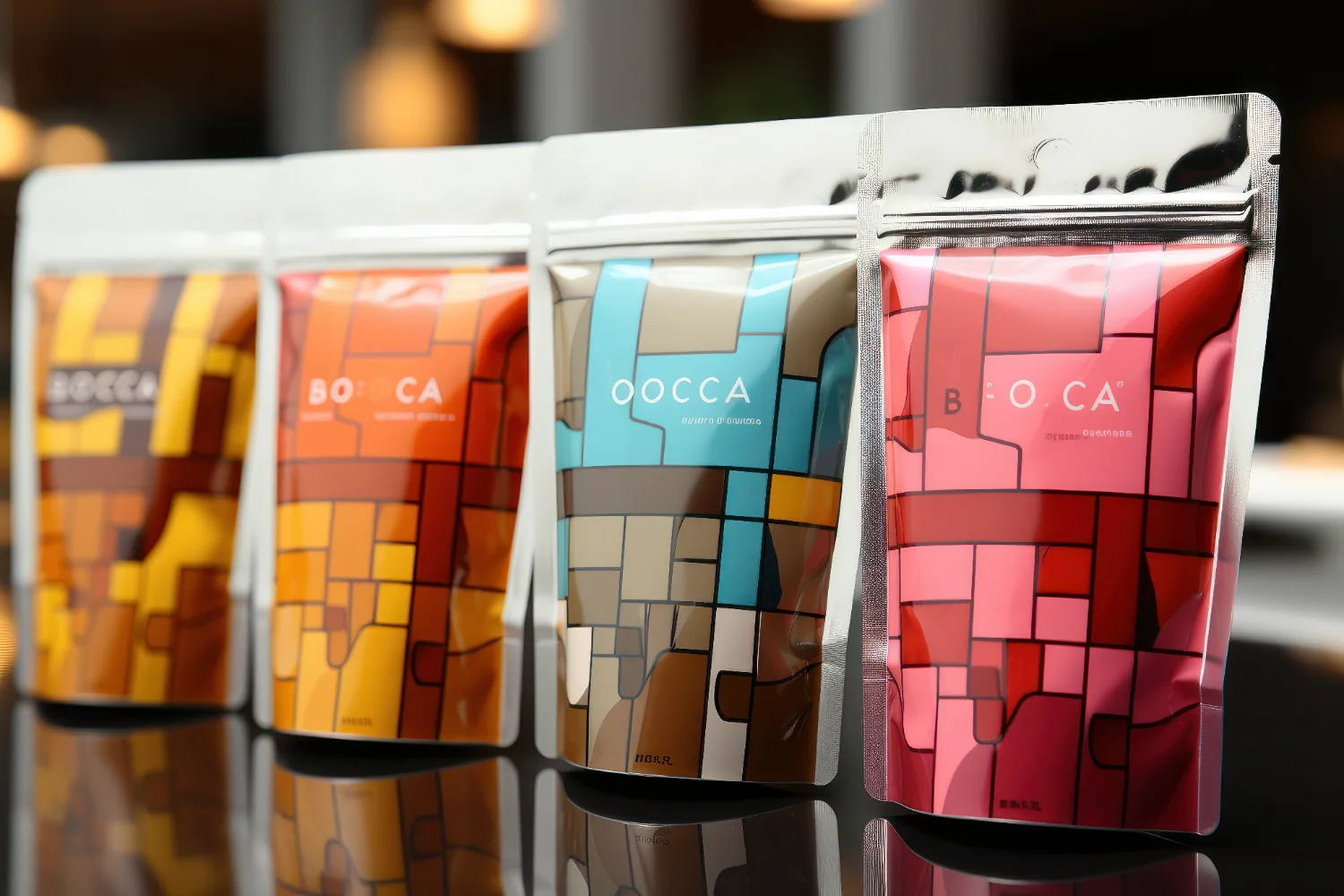
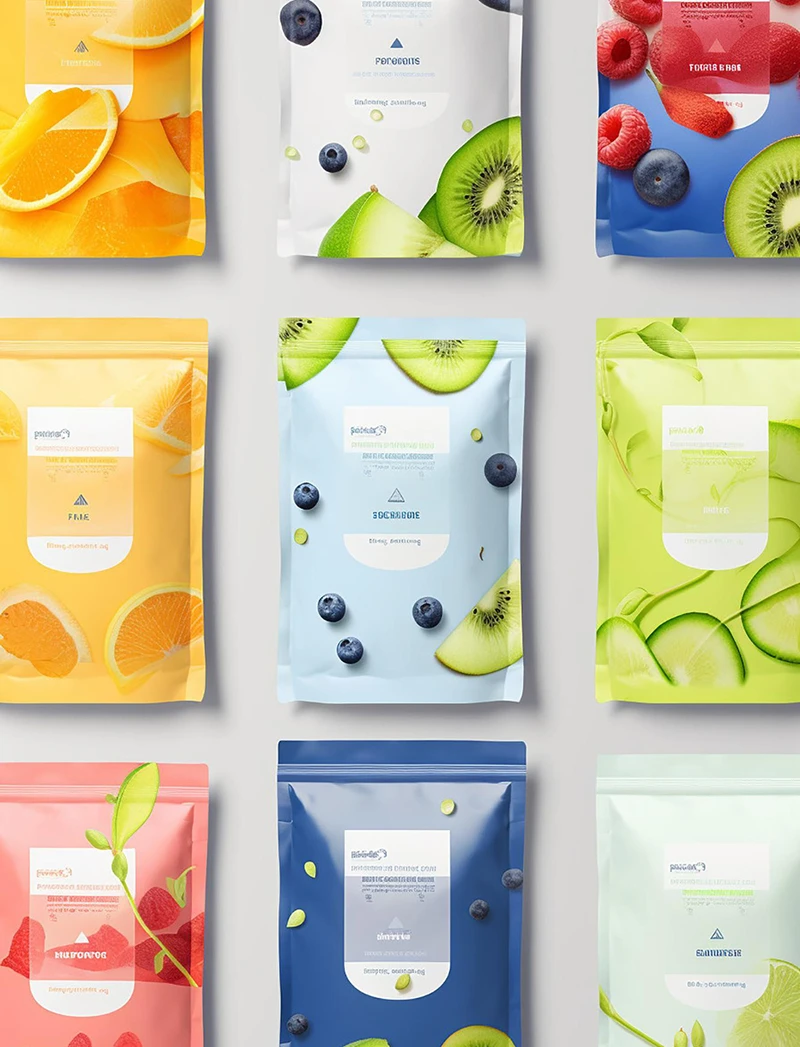
Review custom pouch options
and compare them with more structured formats like
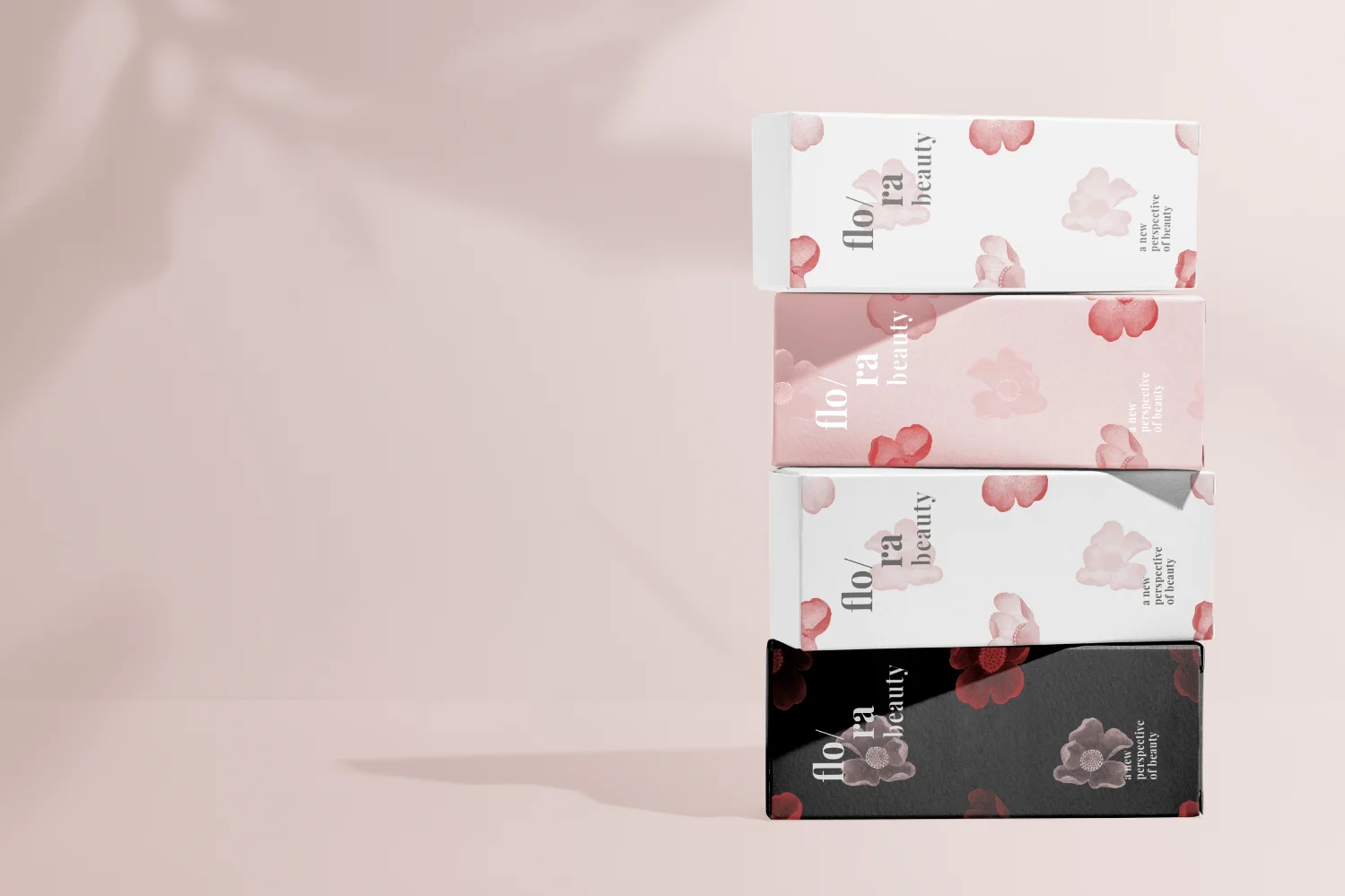
straight tuck end boxes
before locking your format direction.

This is why I rarely treat pouch and rigid packaging as a style decision. I treat it as a system choice that starts with the product and ends with the customer.
Why Do So Many Brands Compare Custom Pouches and Rigid Packaging the Wrong Way?
The comparison goes wrong when the brand asks which one looks more expensive instead of which one works better overall.
I compare these formats through transport, storage, filling, breakage risk, shelf behavior, opening experience, and cost structure, because visual impression alone is too shallow.
Where the comparison usually drifts
A pouch and a rigid pack are not fighting on one single stage. They perform differently under different business conditions. One can win in freight and flexibility. The other can win in fixed shape and protection. When a brand starts with “Which one feels more premium?” the rest of the judgment usually gets pulled off course. I do not begin there. I begin with what the brand needs the pack to do repeatedly and reliably. That is where the real answer starts to appear.
| Weak comparison lens |
Better comparison lens |
| Looks more premium |
Works better across the chain |
| Single moment |
Whole product journey |
Evidence: ASTM D3951-18(2023); Flexible Packaging Association, Advantages of Flexible Packaging.
How Do Product Type and Product Behavior Change the Better Packaging Choice?
The pack starts making sense only after the product starts making demands.
I look at flow, fragility, moisture sensitivity, oxidation risk, use frequency, and handling pattern before I choose a format, because the product behavior shifts the answer first.
Start with the product, not the pack
Powders, granules, snacks, liquids, fragile foods, supplements, pet products, and personal care items do not ask the same thing from packaging. Some products benefit from the lightness and capacity flexibility of a pouch. Others benefit from fixed form, higher crush resistance, or stronger shape control. This is why I do not start with “pouch or rigid.” I start with “what fails first, what must stay stable, and how the customer will use it.” Once those answers are clearer, the packaging choice stops being abstract and becomes easier to defend.
| Product behavior |
Format may lean toward |
| Fragile, crush-sensitive |
More structured formats |
| Light, flexible, refill-friendly |
Pouch formats |
Evidence: FDA Food Labeling Guide (2025); FDA Dietary Supplement Labeling Guide.
When Do Custom Pouches Win on Logistics, Storage, and Cost Efficiency?
The pouch advantage often shows up before the customer ever touches the product.
I see pouches win when freight, storage, inventory density, and packaging weight matter a lot, because the whole chain becomes lighter and easier to move.
Where pouches usually gain ground
The common benefit is not simply a lower piece price. It is the fact that empty pouches take far less room, weigh less, and often improve shipping and warehousing efficiency across the program. That matters even more when a brand has many SKUs, high e-commerce exposure, or fast turnover. In those cases, the pouch is not winning because it is “cheap.” It is winning because it is operationally lighter. This is where many brands realize they are not buying one package at a time. They are buying a logistics system that repeats over every shipment, every pallet, and every reorder.
| Pouch strength |
Why it matters |
| Low empty-pack volume |
Less storage pressure |
| Low package weight |
Lower transport burden |
Evidence: Flexible Packaging Association, Sustainable Packaging; Flexible Packaging Association, Advantages of Flexible Packaging.
When Does Rigid Packaging Still Make More Sense?
Rigid is not outdated. It is just less forgiving about where it truly fits.
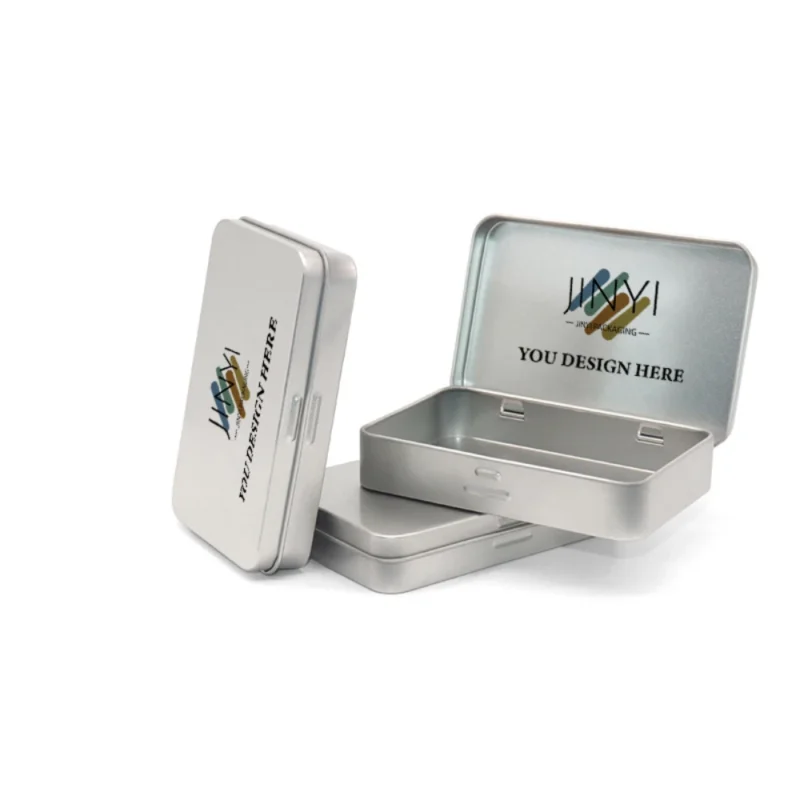
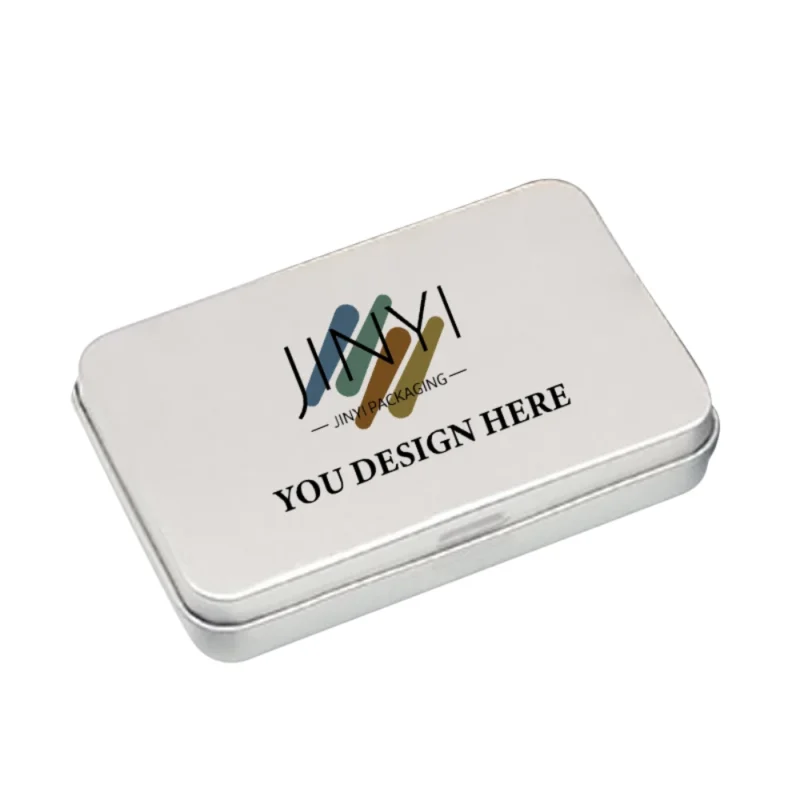
I still prefer rigid formats when crush resistance, fixed presentation, gift feel, repeated shape control, or high physical protection matter more than freight efficiency.
Where rigid still holds a clear role
Some products benefit from a package that does not flex, collapse, or visually shift much after filling and handling. That can matter for fragile goods, products that trade on a stable premium feel, or formats that depend on a stronger fixed profile. I do not reject rigid because pouch use is rising. I use rigid when the product or brand logic still needs more structure than a pouch can offer comfortably. In those cases, rigidity is not a burden. It is the point.
| Rigid strength |
Best fit case |
| Fixed shape |
Premium or fragile products |
| Higher crush resistance |
More demanding protection needs |
Evidence: ASTM D3951-18(2023); route-stress packaging evaluation practice.
How Do Shelf Presence and Brand Perception Differ Between Pouches and Rigid Formats?
Both formats can sell on shelf. They just sell through different visual signals.
I see rigid formats create stronger fixed presence and weight cues, while pouches often win through graphic area, modern retail feel, and lighter visual rhythm.
The shelf story is not the same
Rigid formats often build authority through shape, thickness, and steady presence. Pouches usually build it through face area, color efficiency, and a faster modern look. That means the format itself is already sending a brand message before the customer reads the copy. This is why I do not reduce shelf performance to “which one stands out more.” I ask what kind of attention the brand wants to earn. If the product needs restraint, gift feel, or permanence, one direction may work better. If it needs convenience, speed, or modern energy, the other may work better.
| Format cue |
Typical impression |
| Rigid |
Stable, weighty, premium |
| Pouch |
Modern, efficient, convenient |
Evidence: Flexible Packaging Association, Advantages of Flexible Packaging.
How Do Consumer Use Habits Change the Right Packaging Format?
Packaging quality is judged again after purchase, not only at first glance.
I look at carrying, opening, reusing, storing, and everyday handling because format value changes once the product enters real life.
The pack has to live with the customer
A pouch with a zipper or spout may fit travel, kitchen use, repeat opening, or e-commerce life better. A rigid pack may feel more stable in the hand, protect better when stacked, or create a more container-like daily routine. What matters here is action cost. If the customer has to fight the format every time they open, pour, reclose, or store the product, the packaging is already losing. I do not separate visual appeal from habit. I want the package to stay easy after the selling moment ends.
| Use habit |
Format may favor |
| Carry and reclose often |
Pouch solutions |
| Fixed home storage feel |
More rigid formats |
Evidence: Flexible Packaging Association, Advantages of Flexible Packaging; user-handling review in format selection.
What Happens on the Filling Line: Do Pouches and Rigid Packaging Ask for Different Production Logic?
A packaging format can look perfect in a concept deck and still become slow or unstable on the line.
I compare the formats through filling logic because pouches and rigid packs ask for different sealing, forming, conveying, and consistency controls in real production.

This is where the line starts answering back
Pouches usually ask more from seal stability, bag mouth control, and film behavior. Rigid formats often ask more from container uniformity, closure fit, equipment footprint, and handling path. Neither is automatically simpler. They are just simple in different ways. In real manufacturing, this detail often decides whether the chosen format keeps the program smooth or starts creating avoidable friction. This is why I do not trust renderings alone. A format has to look right and run right.
| Format |
Common production focus |
| Pouch |
Seal stability and mouth control |
| Rigid |
Form and closure consistency |
Evidence: ASTM F88/F88M-23; ASTM D3951-18(2023).
How Do Protection and Transport Risk Shift the Answer?
Rigid does not automatically mean safe, and flexible does not automatically mean weak.
I match the format to route stress because weight, dimensions, carton logic, drop events, and handling abuse decide which protection mechanism works better in practice.
The route changes the answer fast
Rigid formats usually bring better fixed-form support and compression resistance. But they also take more space, can weigh more, and some rigid materials can crack or break under impact. Pouches are lighter and often more adaptable, but they depend much more on structure, seals, and pack-out logic. From our daily packaging work, we see that the real question is not “soft or hard.” It is “which protection style matches this route.” A format fails less often when it is matched to the way the product is actually shipped, handled, and displayed.
| Risk type |
Format pressure |
| Compression and fixed shape |
Rigid may lead |
| Freight and space efficiency |
Pouch may lead |
Evidence: ASTM D3951-18(2023); transport abuse and seal evaluation methods.
How Should Modern Brands Balance Sustainability Claims and Real Packaging Efficiency?
Sustainability gets shallow very quickly when brands compare materials without comparing the chain around them.
I balance sustainability through weight, transport volume, material complexity, and real recovery logic because one simple claim rarely captures the full packaging impact.
The claim is easier than the math
Pouches often gain an advantage through source reduction and shipping efficiency. More structured formats may feel easier for consumers to understand in some material systems, but they can also carry more volume and transport burden. That is why I do not accept “this sounds more sustainable” as enough. I want to see how much packaging is being moved, how much space it takes, and what the real disposal path looks like. A format becomes more credible when the efficiency story and the environmental story still agree.
| Sustainability lens |
What I check |
| Source reduction |
Weight and volume |
| Recovery reality |
Material system and actual path |
Evidence: Flexible Packaging Association, Sustainable Packaging; Flexible Packaging Association, Advantages of Flexible Packaging.
Why Do Some Brands Move from Rigid to Pouch—While Others Move the Opposite Way?
Packaging migration looks contradictory only when the brand goal is left out of the story.
I see brands move in opposite directions because the real trigger is usually a changing business priority, not a universal format trend.
The direction changes when the priority changes
Some brands move from rigid to pouch because they need lighter logistics, refill behavior, or better fit for e-commerce. Others move from pouch to more rigid formats because they need stronger gift feel, more stable presence, or higher perceived structure. That is why packaging migration is not proof that one format has won forever. It is proof that the business question changed. I do not ask what other brands are doing first. I ask what this brand needs to strengthen next.
| Migration direction |
Common reason |
| Rigid to pouch |
Efficiency and convenience |
| Pouch to rigid |
Structure and premium cue |
Evidence: format-selection practice across logistics, display, and consumer-use priorities.
Which Is Better for Modern Brands: the More Impressive Pack or the More Efficient One?
Modern brands often fail when they choose the pack that wins one moment and loses the whole system.
I believe the better format is the one with fewer total weaknesses across product fit, supply chain, filling, shelf life, display, and daily use.
This is a system decision, not a style decision
Some brands need rigid packaging to hold a stronger premium signal or more fixed protection. Some brands need pouches to support lighter logistics, faster retail rhythm, and easier everyday use. I do not rank them through status. I rank them through total performance. The best packaging choice is rarely the one that wins only the first impression. It is usually the one that stays strong after filling, after transport, on shelf, and in the customer’s hand.
| Choice lens |
What lasts longer |
| First impression only |
Often unstable |
| Whole-system fit |
Usually stronger |
Evidence: Flexible Packaging Association, Advantages of Flexible Packaging; ASTM D3951-18(2023).
If your brand is deciding between a lighter flexible route and a more structured carton route, compare
custom stand up pouches
and
straight tuck end boxes
through the same lens: product risk, route stress, shelf role, and daily use.
Conclusion
I do not choose between custom pouches and rigid packaging by prestige. I choose by which format creates the most stable result across the whole business chain.
About Us
JINYI — From Film to Finished—Done Right. I believe good packaging is not only about appearance. It should work reliably in transport, on shelf, and in the customer’s hands. I focus on custom flexible packaging with 15+ years of production experience. Our factory runs multiple gravure printing lines and HP digital printing systems, so I can support both stable large-volume production and flexible custom work with clearer lead times and steadier quality.
FAQ
Are custom pouches always cheaper than rigid packaging?
Not always by piece price alone. I look at freight, storage, filling, and handling cost together before I call one format cheaper.
Does rigid packaging always look more premium?
Not automatically. Rigid often gives stronger fixed presence, but pouches can still look modern, efficient, and premium in the right category.
Which format is better for e-commerce?
Many brands prefer pouches for weight and storage efficiency, but the final answer still depends on product fragility and route stress.
Can a modern brand still benefit from rigid packaging?
Yes. If the product needs fixed shape, stronger structure, gift feel, or higher crush resistance, rigid formats can still make more sense.
What is the best way to choose between pouches and rigid formats?
I compare them through the whole chain: product behavior, filling reality, storage, transport, shelf role, and consumer use.