If “tartar control” feels like a shortcut, buyers expect fast results. When teeth still look the same, trust breaks and reviews turn harsh.
Dental chews can help slow plaque or tartar buildup, but they work best as home-care support—not as a replacement for professional dental care. Trust rises when brands show verifiable proof cues (like VOHC categories) and clear use boundaries.

Many brands lose trust because they sell outcomes, not conditions. Buyers do not just ask “does it work?” They ask “how do I know it was tested, and will it work for my dog?”
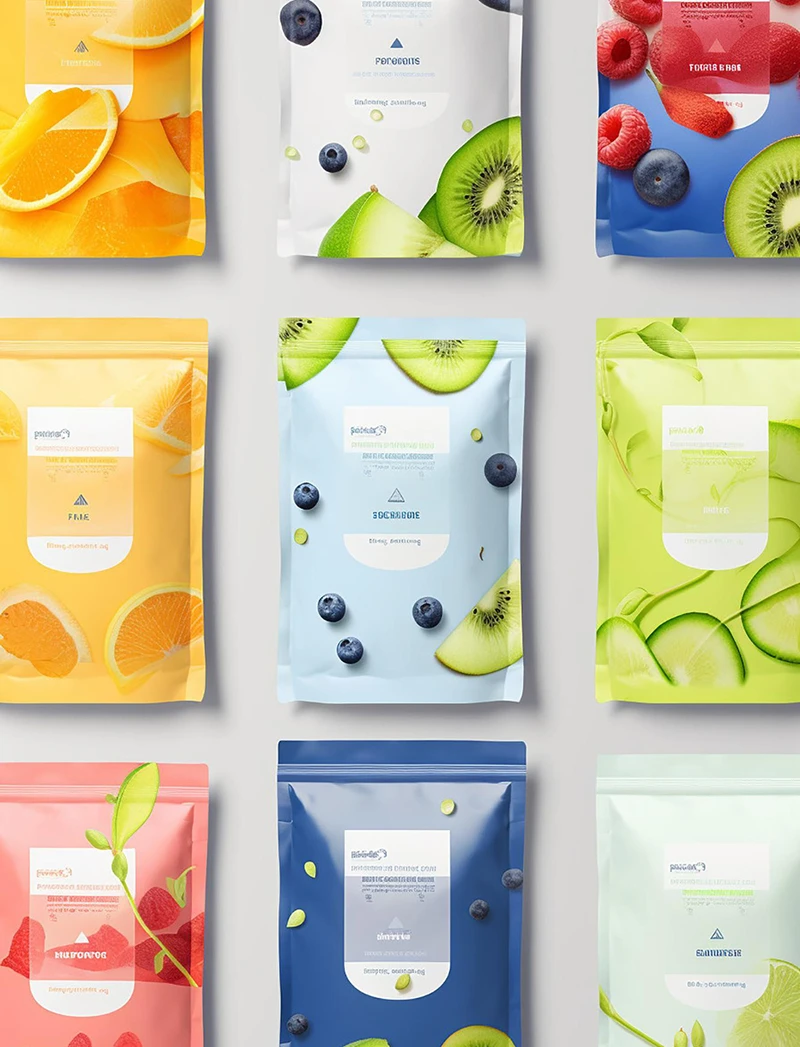
See how pet treat packaging can support clearer claims, safer use, and fewer returns.
Plaque vs tartar: What do buyers confuse before they buy a dental chew?
Buyers often use “plaque,” “tartar,” and “bad breath” as the same problem. That confusion sets impossible expectations and creates “did nothing” reviews.
Plaque is a soft biofilm that forms fast. Tartar (calculus) is plaque that mineralizes and becomes hard. Many chews can reduce accumulation, but they cannot reliably “remove” established tartar like a professional cleaning.
Why definitions change reviews
Most “backfire” starts with the wrong mental model. Buyers see tartar as a visible yellow-brown layer and assume a chew should scrape it off. In reality, plaque is the earlier stage, and tartar is a later stage. That is why credible claims focus on “helps control” or “helps reduce accumulation” rather than “removes.” The most buyer-friendly brands also explain what “success” looks like: less new buildup over time, not instant whitening. This also helps safety. When buyers chase instant change, they may overfeed chews, choose the wrong size, or select products that are too hard for a dog’s teeth. A better approach is to teach a simple timeline: plaque control is a daily routine target, tartar control is a longer-term accumulation target, and visible change can lag behind improvement. If a product cannot explain this clearly, buyers fill the gap with hype.
| Buyer phrase |
Often means |
What a chew can realistically claim |
What backfires |
| “Tartar control” |
Less calculus buildup over time |
Helps control tartar accumulation |
“Removes tartar” |
| “Plaque control” |
Less soft biofilm buildup |
Helps control plaque accumulation |
“Cures gum disease” |
| “Fresh breath” |
Odor masking or reduced bacteria |
Breath support as a secondary benefit |
Breath as proof of dental health |
Evidence (Source + Year):
VOHC Protocols & Submissions (VOHC, 2025).
AAHA Dental Care Guidelines for Dogs and Cats (AAHA, 2019).
Which proof cues build trust: VOHC categories, trial design, and measurable outcomes?
Buyers do not trust “clinically proven” unless they can verify what was tested. They trust categories, standards, and clear outcomes.
The strongest proof cue in this category is the VOHC Seal, because it is tied to specific claim types (plaque and/or tartar) and a published review process.

What “verifiable” looks like
VOHC acceptance matters because it is not a brand-owned badge. VOHC recognizes two dental claim categories—“Helps Control Plaque” and “Helps Control Tartar”—and it requires supporting data for each claim. In practical terms, this gives buyers a simple check: the product should match the claim category, and the product should be findable on the accepted-products list. Trust also rises when brands explain how outcomes were measured. Instead of vague “better teeth,” credible language names the target outcome: lower plaque scores or lower calculus scores versus a control group, under a defined feeding regimen, over a defined trial period. This structure also helps brands avoid overpromising. A chew that is accepted for tartar control should not imply it treats periodontal disease. A chew that is accepted for plaque control should not imply tartar removal. When brands align claim scope, trial language, and realistic time windows, buyers feel guided rather than sold.
| Proof cue |
Why it builds trust |
How to present it without hype |
| VOHC Seal category |
Third-party claim scope (plaque/tartar) |
State the exact category and link to verification |
| Measured outcome |
Defines what “works” means |
Say “reduced accumulation” vs “removed” |
| Clear regimen |
Shows conditions for results |
Daily/weekly use guidance and duration |
Evidence (Source + Year):
VOHC Trial Protocol – Detailed Requirements (VOHC, 2025).
VOHC Accepted Products Lists (VOHC, 2025).
Which “tartar control” claims backfire: overpromises, vague mechanisms, and breath-only shortcuts?
Claims backfire when they create a “guaranteed transformation” expectation. When real mouths look unchanged, buyers assume the brand misled them.
The highest-risk pattern is turning a support claim into a treatment claim. The second is using breath as the main proof of dental improvement.
Four backfire patterns and safer alternatives
First, “removes tartar” is a common trap. It frames success as visible scraping of hardened calculus. That pushes buyers toward quick judgement and harsh reviews. A safer framing is “helps control tartar accumulation” with a longer time window. Second, “reverses gum disease” or “treats periodontal disease” crosses the line from hygiene support into medical outcomes. It also sets a promise a chew cannot reliably deliver. Third, brands often list ingredients as if they are proof. Buyers are increasingly skeptical of “ingredient stacking” without performance data. If the product relies on abrasion, say that it is mechanical cleaning support. If it relies on a chemical approach, show the claim scope and avoid implying cure. Fourth, breath-only messaging can be a shortcut that backfires. Odor can drop while plaque and tartar remain. Buyers then feel tricked. A better approach is to position breath as secondary, while the main claim stays anchored in plaque or tartar control, plus clear routine guidance and safety boundaries.
| Backfire claim |
Why buyers reject it |
Safer wording |
| “Removes tartar” |
Sets instant, visible expectations |
“Helps control tartar accumulation” |
| “Treats periodontal disease” |
Medical promise, unrealistic for chews |
“Supports home oral hygiene” |
| “Clinically proven” (no details) |
No verification path |
State category, regimen, and outcome type |
| Breath = dental health |
Odor is not plaque/calc score |
Breath as secondary benefit |
Evidence (Source + Year):
AAHA Dental Care Guidelines for Dogs and Cats (AAHA, 2019).
VOHC Protocols & Submissions (VOHC, 2025).
How should brands set expectations: what chews can do at home vs what needs professional care?
Buyers want a simple answer: “Will this replace brushing or cleaning?” If the brand avoids the question, buyers assume the brand is hiding something.
Trust improves when brands say the quiet part out loud: dental chews are home-care support. They can slow buildup, but they cannot replace professional dental evaluation and cleaning when disease is present.
Expectation management that reduces returns
Expectation management is not “weak marketing.” It is a conversion tool because it prevents the wrong customers from buying for the wrong reason. A strong approach is to define the “home-care lane” clearly: daily routine support, reduction of new accumulation, and improved consistency of care for pets that resist brushing. Then define the “clinical lane” clearly: heavy tartar, painful gums, loose teeth, bleeding, or chronic odor needs a veterinary dental assessment. When brands frame chews as a routine tool rather than a cure, buyers judge success correctly. They also use the product correctly. That reduces the “did nothing” reviews caused by short time windows. It also reduces safety complaints, because buyers are less likely to chase results by choosing oversized or overly hard products. The most trusted pages also include a simple timeline: 2–4 weeks for routine assessment of new buildup patterns, and ongoing use for maintenance. This tone feels honest, and honest brands win repeat purchase.
| Situation |
Best message |
Why it builds trust |
| Light buildup, routine care |
Home-care support to slow accumulation |
Matches realistic outcomes |
| Heavy tartar or gum pain |
Recommend veterinary dental evaluation |
Protects the pet and the brand |
| Buyer wants instant whitening |
Set a time window and define “success” |
Prevents “did nothing” reviews |
Evidence (Source + Year):
AAHA Dental Care Guidelines for Dogs and Cats (AAHA, 2019).
AAHA “Recommending home oral hygiene and products” (AAHA, 2019).
How to reduce complaints: safety boundaries, size guidance, and repeatable home-care routines?
Many negative reviews are not about efficacy. They are about safety, tolerance, and misuse. Brands can prevent these with clearer boundaries.
The most complaint-resistant brands publish three things: size guidance, supervision rules, and a routine plan that buyers can actually follow.

Packaging and page cues that prevent “backfire” reviews
Safety and routine are not “nice-to-have.” They are proof cues because they show the brand understands real-world use. Size guidance must be weight-based and simple. Supervision guidance must be direct: watch chewing, remove sharp fragments, and avoid products that are too hard for a specific dog. Tolerance guidance reduces “vomit/diarrhea” complaints by setting a ramp-up plan and a daily limit. Routine guidance reduces “did nothing” complaints by setting a minimum evaluation window and defining what changes are reasonable to expect. Packaging plays a practical role here. Clear on-pack instructions reduce misuse. Reseal design matters because dental chews are often stored and reopened many times. If aroma and texture drift, buyers blame “stale” product and downgrade trust. As a flexible packaging manufacturer, we focus on barrier, reseal reliability, and clear instruction panels so brands can deliver consistent use-life and cleaner expectation management for pet chews and treats.
| Complaint type |
Root cause |
Preventive cue (pack/page) |
| “Did nothing” |
Short time window, wrong success metric |
Define 2–4 week routine assessment |
| “My dog broke a tooth” |
Wrong hardness/size for dog |
Weight-based sizing + safety boundaries |
| “Vomiting/diarrhea” |
Overfeeding, intolerance, eating too fast |
Ramp-up guidance + daily limit |
| “Stale and crumbly” |
Storage and reseal failure |
Barrier + reliable reseal + storage cue |
Evidence (Source + Year):
AAHA “Recommending home oral hygiene and products” (AAHA, 2019).
VOHC Accepted Products Tables (VOHC, 2025).
Conclusion
Dental chews earn trust when claims match evidence, use rules, and safety boundaries. If you want fewer complaints and better repeat purchase, build proof cues into the pack and page—then keep expectations realistic.
Get Packaging Help for Pet Chews & Treats
About Us
Brand: Jinyi
Slogan: From Film to Finished—Done Right.
Website: https://jinyipackage.com/
Our Mission:
JINYI is a source manufacturer specializing in custom flexible packaging solutions. We aim to deliver reliable, practical packaging so brands spend less time on back-and-forth and get stable quality, clearer lead times, and structures that match real shelf and shipping stress.
About JINYI:
JINYI is a source manufacturer specializing in custom flexible packaging solutions, with over 15 years of production experience serving food, snack, pet food, and daily consumer brands.
We operate a standardized manufacturing facility equipped with multiple gravure printing lines as well as advanced HP digital printing systems, allowing us to support both stable large-volume orders and flexible short runs with consistent quality.
From material selection to finished pouches, we focus on process control, repeatability, and real-world performance. Our goal is to help brands reduce communication costs, achieve predictable quality, and ensure packaging performs reliably on shelf, in transit, and at end use.
FAQ
- Do dental chews remove existing tartar?
Most chews are designed to help control accumulation, not reliably remove hardened tartar once it forms.
- Is VOHC the same as a brand saying “clinically proven”?
No. VOHC is a third-party review system with published claim categories and protocol expectations.
- How long should buyers wait before judging results?
Brands can reduce “did nothing” reviews by setting a realistic routine window, often measured in weeks, not days.
- Why do some dogs have stomach upset from chews?
Overfeeding, eating too fast, or ingredient intolerance can trigger upset. Clear ramp-up guidance helps.
- What should brands avoid saying on pack?
Avoid “removes tartar,” “treats disease,” or guaranteed outcomes. Focus on “helps control” and clear boundaries.
Explore pet food & treat packaging solutions that support clearer claims and better use-life.