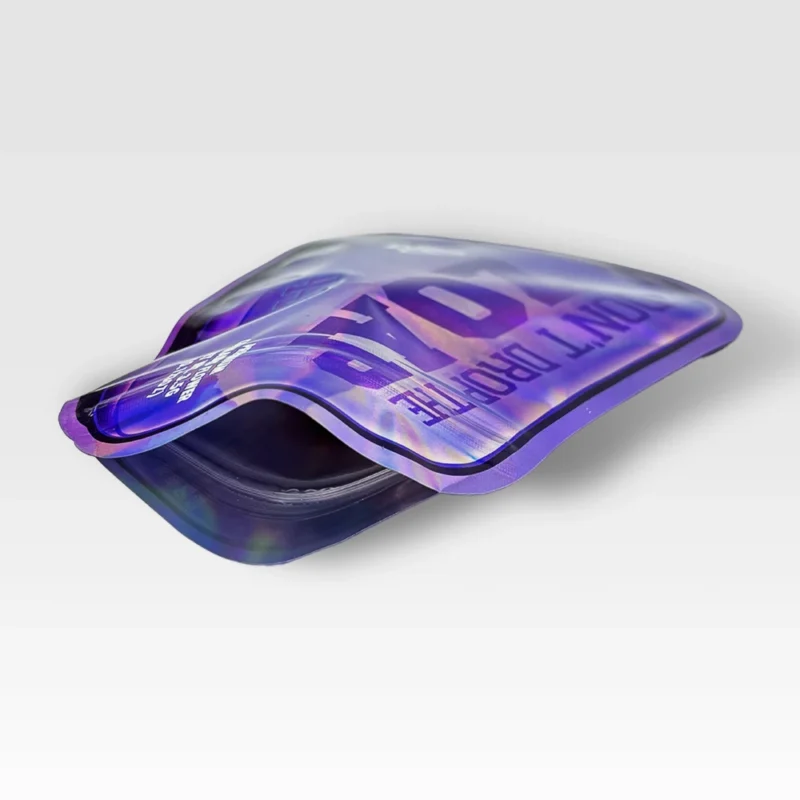
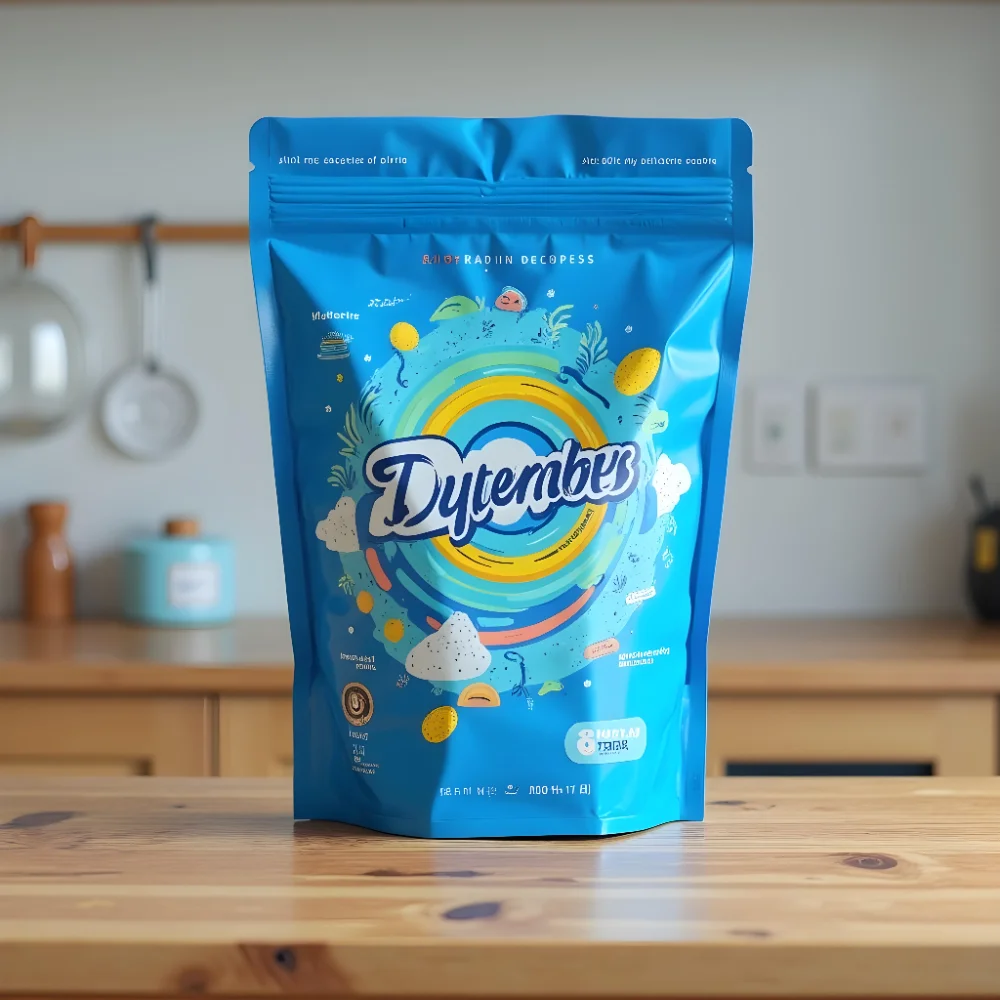
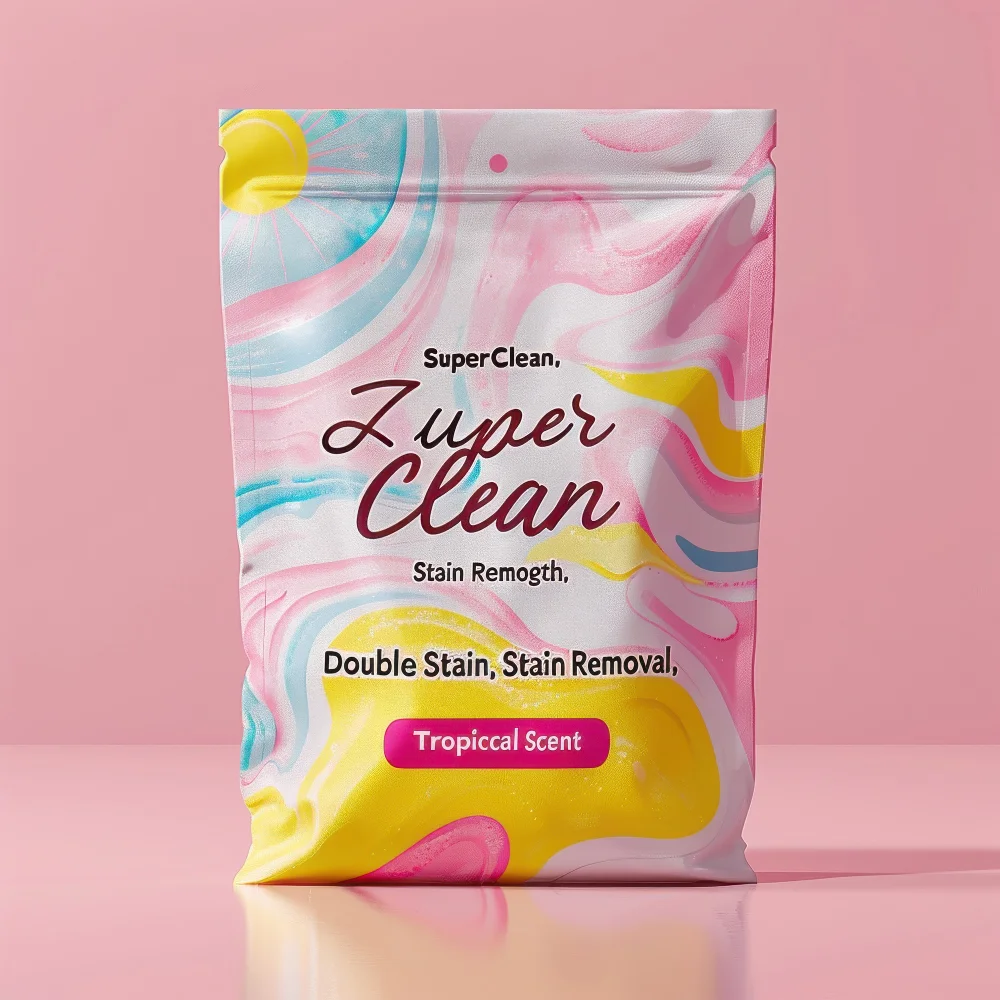
Detergent pouches can look perfect on day one, then arrive leaking or swollen after shipping. That one failure becomes refunds, angry reviews, and carrier damage claims.
I prevent leaks and swelling by treating detergent packaging like a system: I start with formula compatibility, then lock the seal window and leak paths, and finally validate with compression, vibration, and thermal cycling before I scale production.
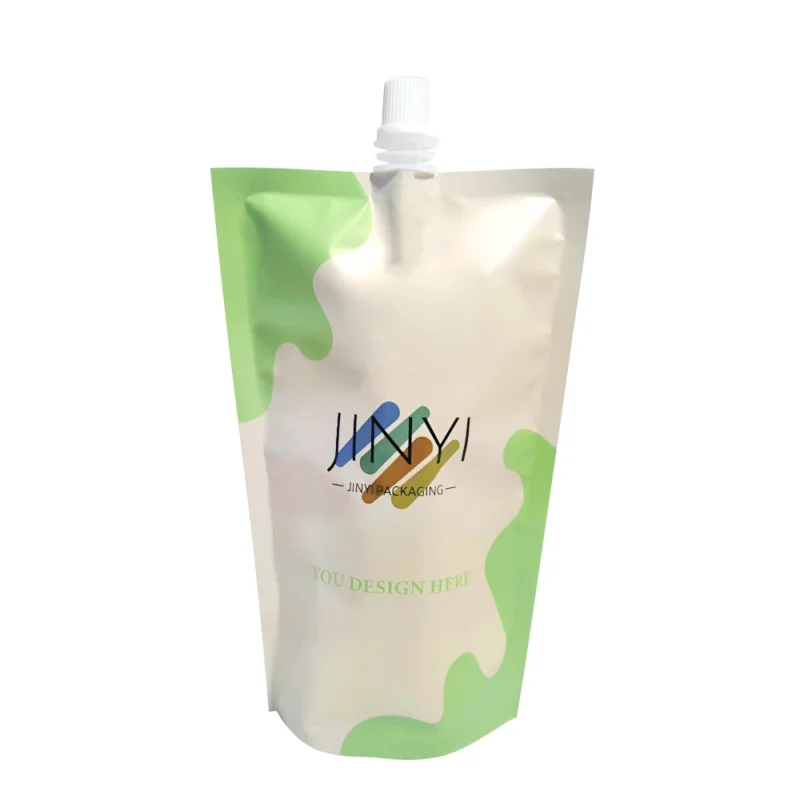
Explore my stand-up pouch options for household liquids (and what I validate before mass production)

I do not start with “thicker film.” I start with what your liquid does to seals, how your route loads the pouch, and where micro-channels will form when real shipping starts.
Why do detergent pouches look fine but fail after shipping?
Most detergent failures are delayed. That is why they feel “random.” In reality, they follow a simple pattern: the formula attacks the seal interface, route stress opens micro-channels, and temperature swings push the pouch toward bulging.
What I check first
| What changes |
What it breaks first |
What I do |
| Surfactants (wetting) |
Seal interface stability |
Widen the seal land + validate seal window |
| Solvents / fragrance oils |
Layer softening / stress cracking |
Choose chemical-resistant inner layer + run soak checks |
| pH extremes |
Long-term seal weakening |
Confirm compatibility, then test after heat cycles |
I have seen “perfect samples” fail because nobody tested after real compression and heat cycling. A pouch can hold water and still fail with detergent. I treat detergent as an aggressive liquid until proven otherwise.
How does route stress create slow leaks and swelling?
Route stress is not one thing. It is a stack: compression in cartons, vibration in trucks, and thermal cycling in warehouses. If your pouch has headspace, that stress becomes repeated flexing. Over time, flexing concentrates at corners, bottom gussets, and seal ends. That is where slow leaks start.
Why swelling happens
| Driver |
What you see |
What it usually means |
| Thermal cycling |
Pouch bulges then relaxes |
Headspace + repeated stress on folds |
| Permeation / gas ingress |
Bulge builds slowly |
Barrier + seal integrity issue (often micro-leak) |
| Compression memory |
Panel distortion |
Structure stiffness mismatch for your pack-out |
In my process, I control headspace on purpose. Too much headspace turns your liquid pouch into a flexing balloon during temperature swings. That ballooning drives seal fatigue and corner stress. I would rather fix headspace and pack-out than “hope thicker film saves it.”
Why is the seal system the #1 priority for liquid pouches?
Liquid packaging fails at seals before it fails at barrier. I can give you a high-barrier structure and still lose if the seal window is tight, cooling is weak, or seal land width is too narrow for your route stress. For detergents, I also assume “chemical + stress” will challenge the seal interface over time.
My seal lock checklist
| Seal factor |
What can go wrong |
How I control it |
| Seal window |
Looks sealed, fails under stress |
Run hot/cold bounds and confirm stable range |
| Hot tack |
Micro-channel during early handling |
Validate hot tack against real pack-out timing |
| Cooling + pressure |
Seal relaxes later |
Ensure cooling and pressure distribution are consistent |
| Seal land width |
Edge leaks at corners and ends |
Increase seal land where stress concentrates |
If you want, I can recommend a seal-first stand-up pouch structure based on your formula and route stress
From a production standpoint, this matters because sealing is where variation hides. In real manufacturing, a “small drift” in dwell time or cooling can turn into slow leaks that only show up after shipping. I would rather design a forgiving seal system than chase failures later.
Where are the leak paths you don’t see in stand-up pouches?
Most buyers look at the main panels and think the pouch is strong. I look at corners, gusset folds, and transition zones. That is where stress lines live. Those stress lines become micro-cracks, micro-channels, or weak seams when vibration and compression repeat for days.
My leak-path map
| Leak zone |
Why it fails |
My prevention move |
| Top seal ends |
Stress concentration + seal edge |
Increase seal land + confirm pressure uniformity |
| Bottom gusset corners |
Fold stress + compression |
Adjust gusset geometry + toughness where it matters |
| Side seams |
Long seam fatigue under flexing |
Confirm seam process stability + route tests |
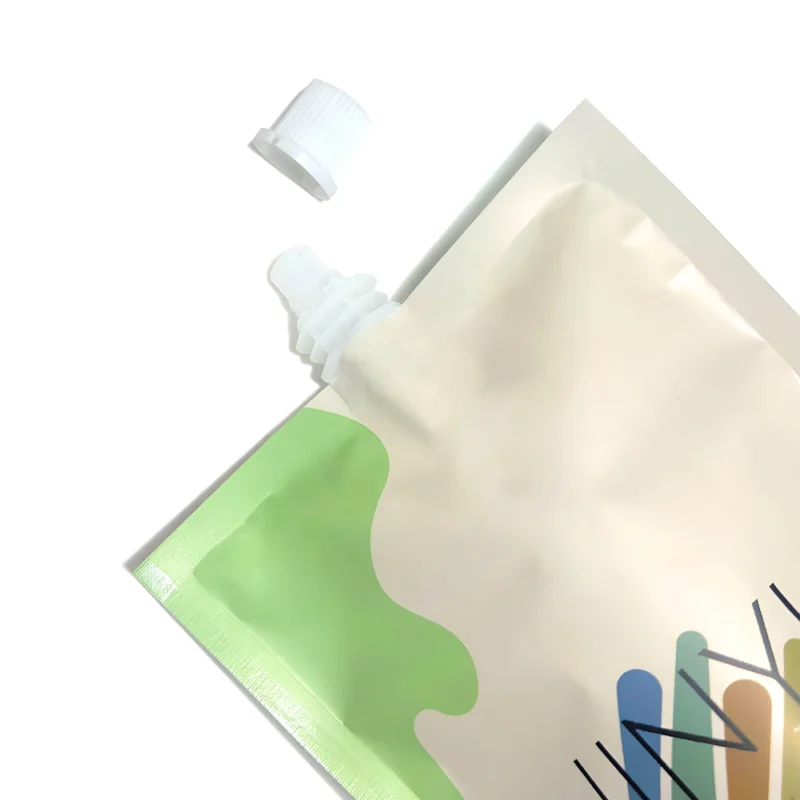
| Fitment / spout zone |
Interface mismatch + torque issues |
Validate weld quality + torque range + pack-out protection |
I also look for “invisible leakers.” These are pouches that pass a quick check, but start weeping after two weeks. That is why I require side-lay and inverted holds after compression and heat cycles. If it only leaks when it is stressed, then it will leak in the real world.
How do I choose film structures and prove they will not fail?
I pick structures by risk, not by famous names. For detergents, I care about chemical resistance, toughness under flexing, and seal reliability under thermal cycling. Barrier matters too, but for many household liquids, the business risk is leakage and swelling, not shelf-life oxygen control.
How I shortlist structures
| Goal |
What I prioritize |
What I test |
| Stop slow leaks |
Seal system + toughness at folds |
Compression + vibration + inverted hold |
| Stop swelling |
Headspace control + thermal cycling response |
Heat/cold cycling + panel distortion checks |
| Keep shelf look clean |
Scuff resistance + print stability |
Rub/scuff simulation + carton friction checks |
| Fitment reliability (if used) |
Weld quality + torque window |
Torque checks + drop + compression retest |
From our daily packaging work, we see that many “material upgrades” fail because validation is missing. So I run the same proof plan every time: leak checks before and after stress, then thermal cycling, then another leak check. If the pouch cannot stay dry through that loop, I do not scale it.
FAQ
- Do detergent pouches need high barrier films?
Often the bigger risk is seal integrity and chemical compatibility. Barrier helps, but a micro-leak will beat any barrier.
- Why do leaks show up 1–2 weeks after delivery?
Because slow leaks start as micro-channels at corners and seal edges, then grow with vibration and temperature swings.
- What is the fastest way to reduce swelling?
Control headspace, validate thermal cycling, and check panel distortion after compression. Swelling is often a system issue, not a thickness issue.
- Are spouts safer than non-spout pouches for detergents?
They can be, but they add a high-risk interface. Fitment weld quality and cap torque range must be validated under route stress.
- What tests predict real complaints best?
Compression + vibration + thermal cycling, followed by side-lay and inverted holds, then repeat leak checks.
Conclusion
I prevent detergent pouch failures by locking formula compatibility, seal stability, leak-path control, and route-stress validation before scaling.
Get My Stand-Up Pouch Recommendation