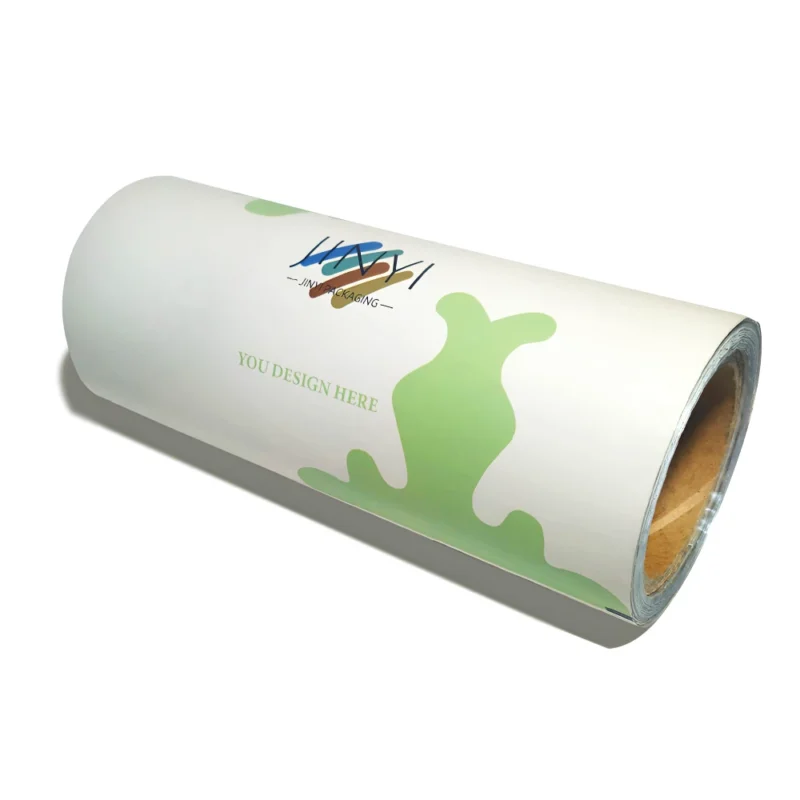
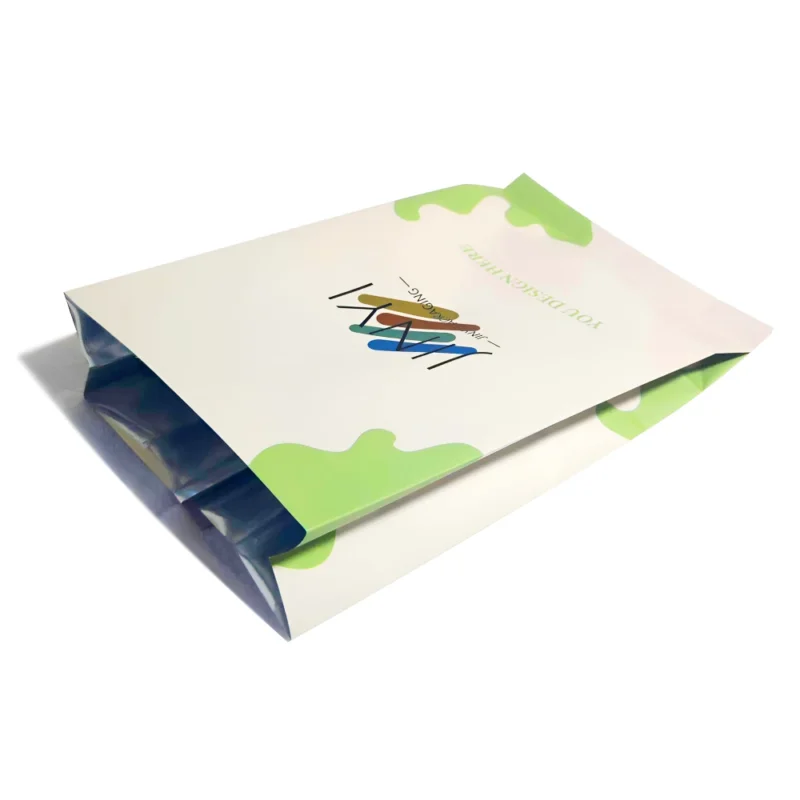
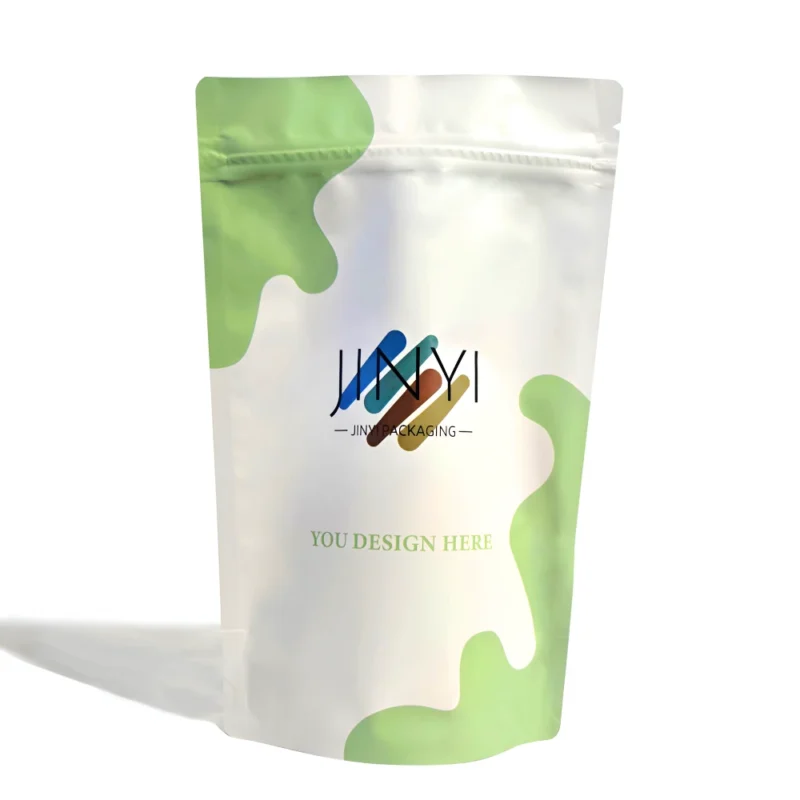
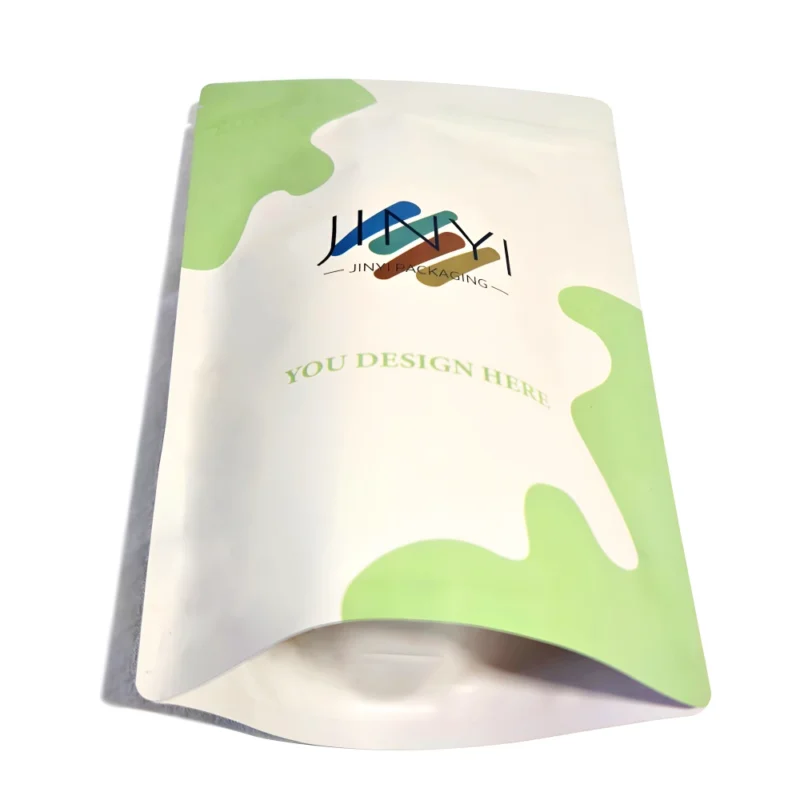
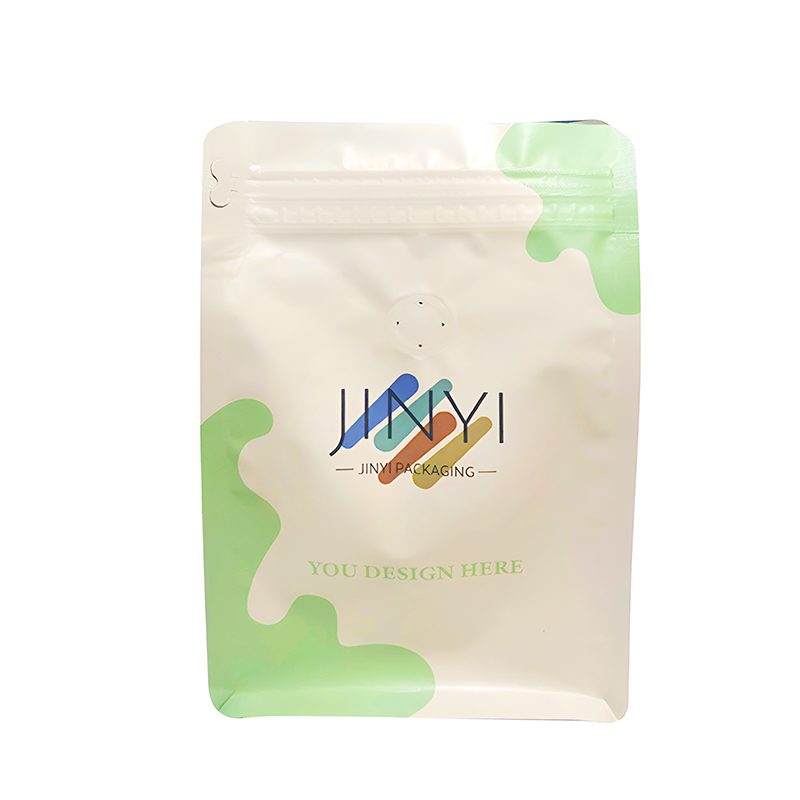
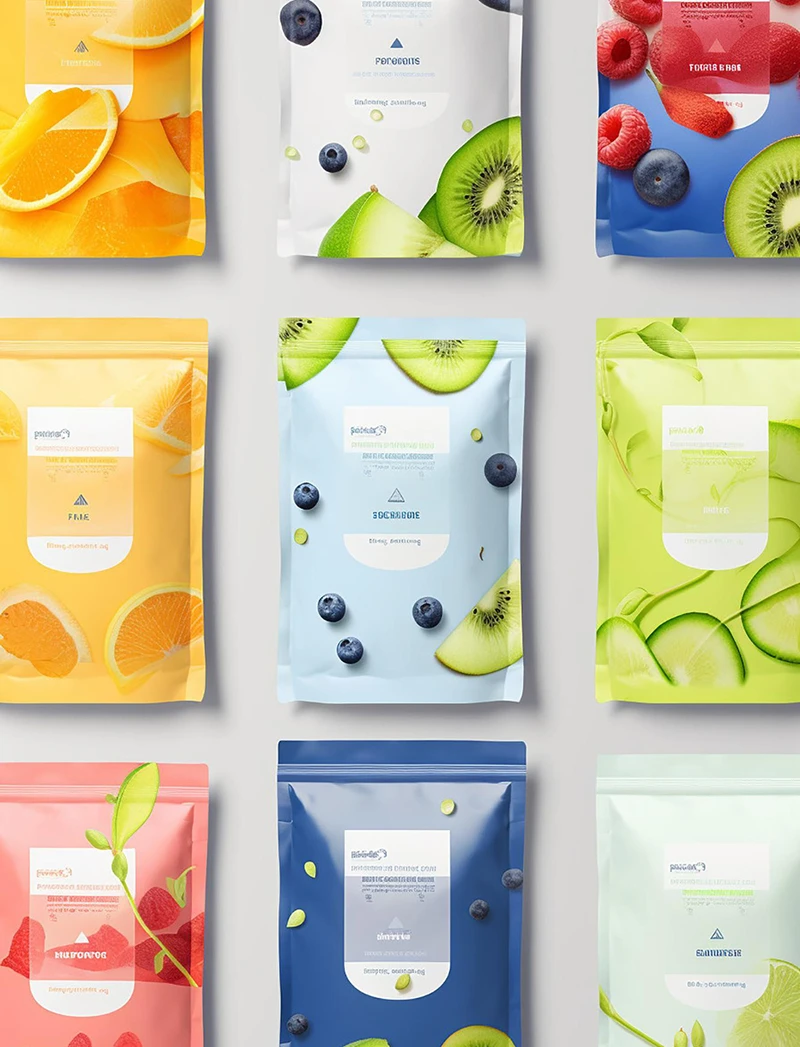
Most brands do not lose on the shelf because the product is bad. They lose because the pack is forgettable, scuffed, or looks “cheap” after shipping.
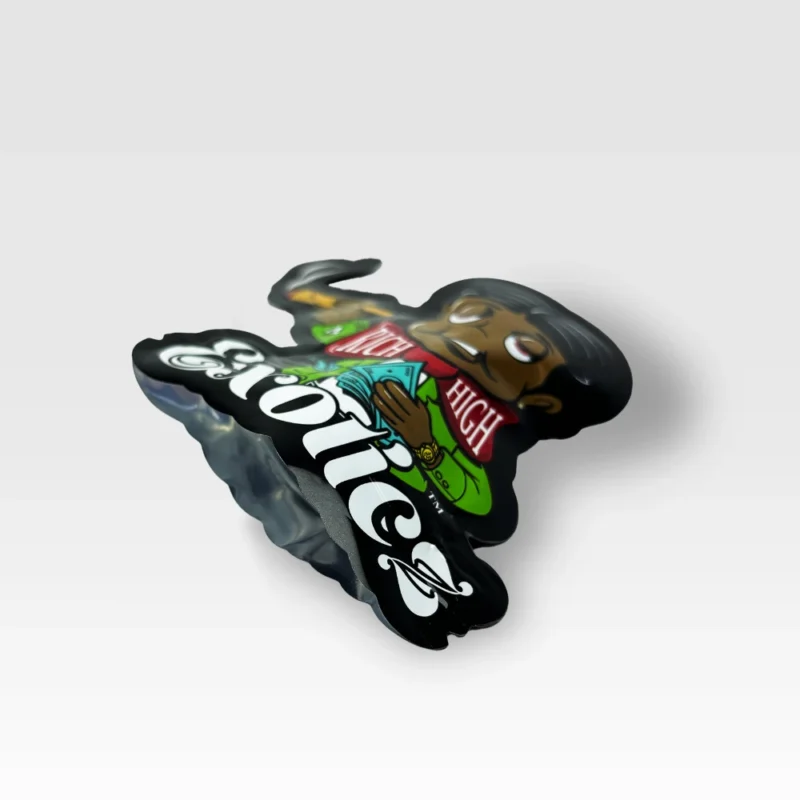
A die cut mylar bag wins when it makes the product recognizable in 3 seconds and still survives hanging, stacking, scanning, and shipping without damage. I treat shelf impact as a system—shape, structure, seals, printing, and channel stress must work together.
Explore die cut mylar bags built for shelf impact and stable sealing—without turning “cool shapes” into returns.

I see brands chase custom shapes like they are a shortcut to premium. I do not. A custom shape only becomes premium when it stays clean, readable, and intact across the full route. In U.S. and EU channels, small defects become reviews, and reviews become refunds. That is why my order stays consistent: channel reality first, then shape engineering, then structure and seals, and only then the “wow” effects.
Why Is “Shelf Impact” A System, Not Just A Cool Shape?
Many die cut bags look amazing in a mockup and fail in the real world. That gap is the cost of ignoring the system.
Shelf impact only works when the bag can still hang flat, scan fast, and ship clean. If the bag arrives wrinkled or scuffed, the “wow” becomes a complaint. If the barcode sits on a curve or near a seal, the “premium” becomes a retailer problem.
I treat shelf impact like a chain with weak links. The shape is one link. The laminate structure is another. The seal geometry is usually the weakest. Printing and finishes are also fragile under abrasion. When you design a die cut bag, the question is not “is it unique?” The real question is “can it stay unique after friction, compression, and handling?”
What shelf impact must survive in real channels
| System piece |
What it controls |
What fails in real life |
How I prevent regret |
| Shape + cut line |
Recognition, silhouette, shelf stopping power |
Sharp corners crack, tight radii crease |
Use safe radii + stress mapping |
| Structure (laminate) |
Barrier, stiffness, scuff resistance |
Flex cracks and whitening in fold zones |
Choose structure by route + shelf life |
| Seals |
Leak prevention, shelf life integrity |
Micro-leaks from geometry or contamination |
Lock seal window + wider seal land |
| Artwork layout |
Readability, compliance, scan success |
Barcode distortion, text too close to edges |
Define “readability zones” and tolerances |
| Finishes |
Premium feel, tactile and visual effects |
Scuffing, rub-off, matte whitening |
Pick effects by abrasion risk |
What Are Die Cut Mylar Bags, Really?
Many people use “mylar” like it is a material guarantee. It is not.
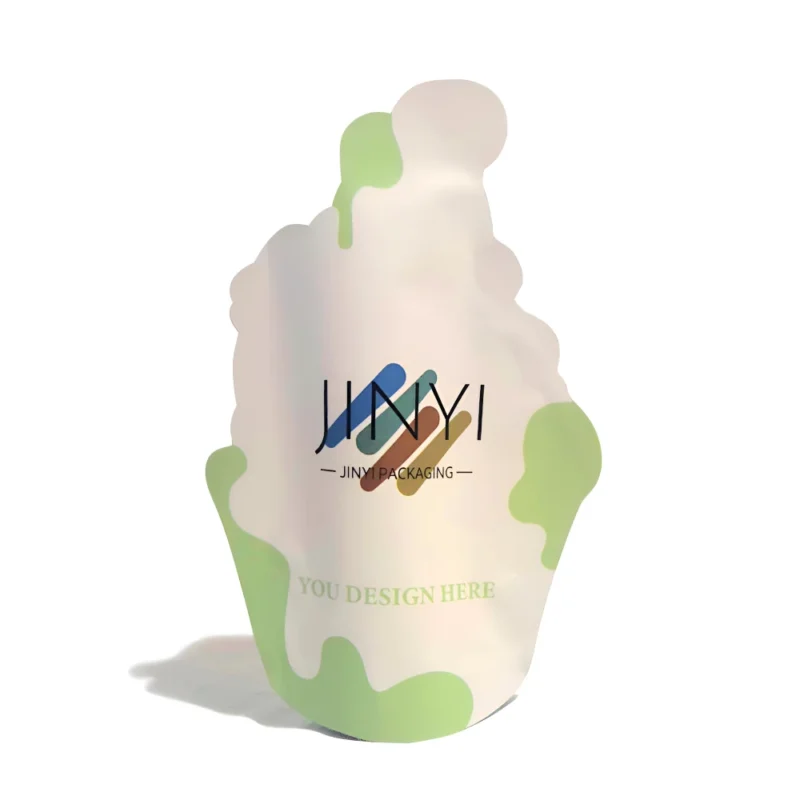
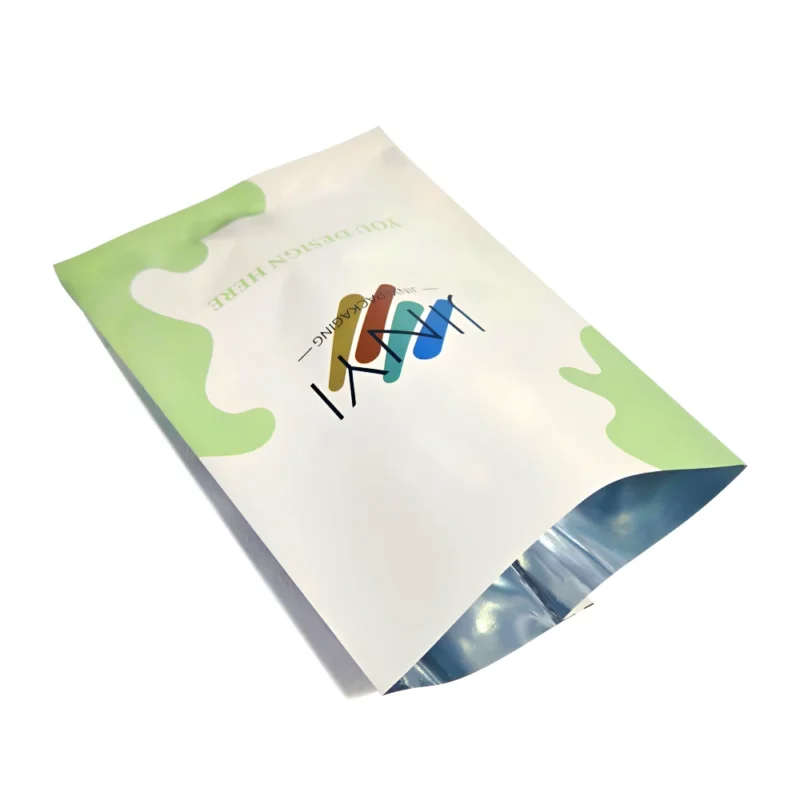
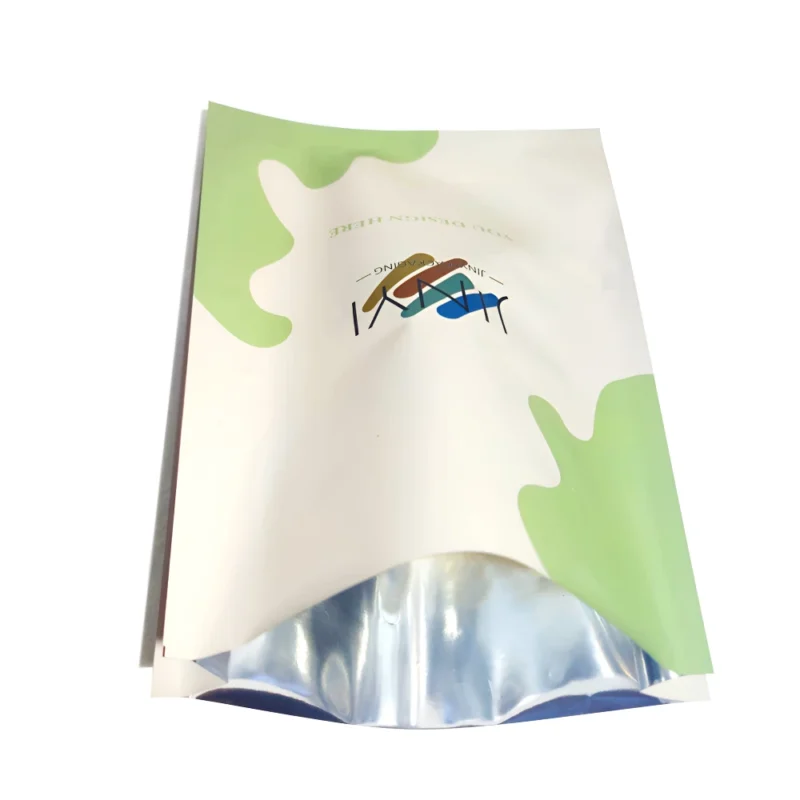
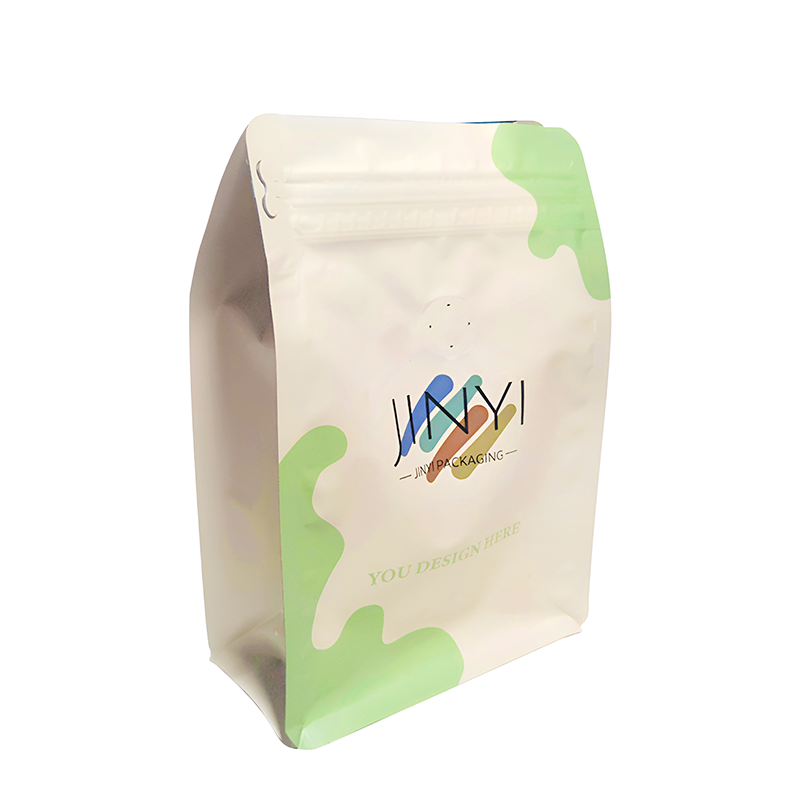
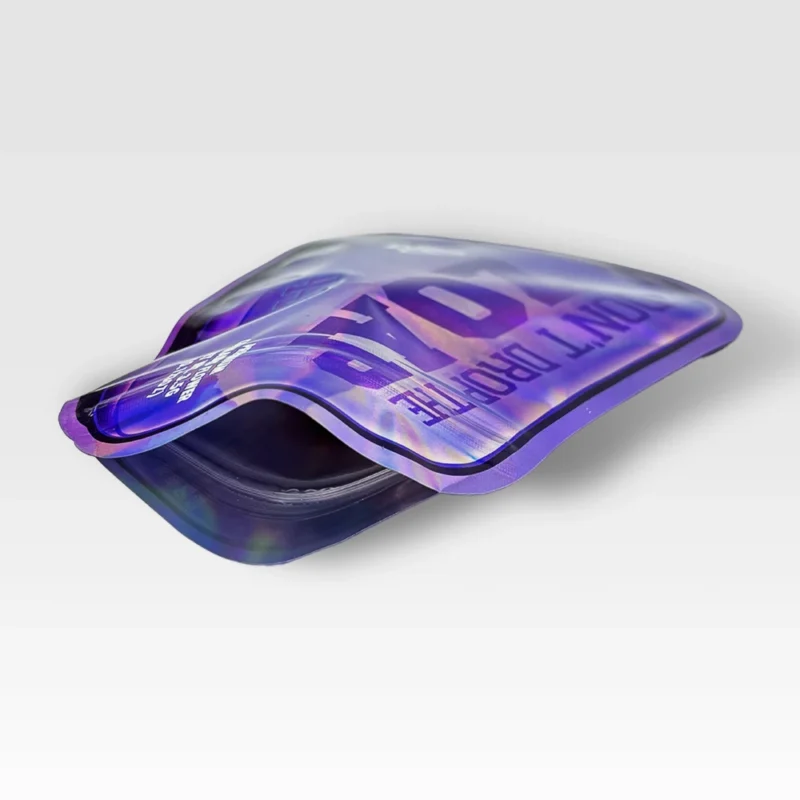
A die cut mylar bag is a pouch made from a PET-based laminate that is cut into a custom silhouette. The shape is created by a cutting die, and the pouch is still built on the same fundamentals as any flexible pack: layers, seals, and the geometry of stress.
“Mylar” is often used to describe PET film, but PET alone is not the full story. The real performance comes from the full laminate structure—sealant layer, barrier layer, print web, and any special coatings. A die cut pouch can be matte, glossy, metallized, foil-based, or clear high-barrier. The shape does not decide barrier. The structure does.
How die cut differs from standard pouches
| Feature |
Standard pouch |
Die cut pouch |
What changes for you |
| Silhouette |
Rectangle-based |
Custom outline |
Higher recognition, higher stress risk if poorly engineered |
| Artwork zones |
Predictable panels |
Curves + narrow areas |
Harder to protect barcodes and small text |
| Waste rate |
Lower |
Higher depending on nesting |
Total cost changes beyond unit price |
| Failure pattern |
Mostly seals and folds |
Seals + cut corners/radii |
More stress concentration points to manage |
When Do Custom Shapes Really Win The 3-Second Shelf Test?
Most buyers decide with their eyes before they read. I design for that reality.
Custom shapes win when they create instant recognition and a consistent series system. If your category is crowded, a silhouette that is different can make your brand findable from a distance. That is a real advantage when the shelf is noisy and the consumer is moving fast.
I like die cut pouches when a brand needs a “logo as a shape,” not only a printed logo. That can work for limited drops, influencer launches, gift sets, and seasonal series. It can also work when social media matters because the pack becomes a prop. However, that advantage only holds if the bag stays clean. If the shape causes crease lines, corner whitening, or scuff marks, the shelf advantage becomes a customer-service problem.
Where die cut shapes usually outperform
| Goal |
Why the shape helps |
What must be true |
My guardrail |
| Instant recognition |
Silhouette breaks shelf sameness |
Shape is readable at distance |
Test a 3-second “grab” photo |
| Series consistency |
Same silhouette, different flavors/SKUs |
Artwork system stays stable |
Lock safe zones for text + barcodes |
| Social media unboxing |
Pack becomes content |
Finish resists scuff and fingerprints |
Pick coatings by abrasion risk |
| Retail peg hooks |
Hang presentation can look premium |
Hole reinforcement + flat hang |
Reinforce hole zone and avoid cracks |
Where Do Die Cut Bags Backfire With Waste, Line Stops, And Returns?
Die cut is not free. It is a trade. I make that trade visible early.
Die cut shapes backfire when you chase uniqueness and ignore production stability. Waste increases because you cannot “nest” shapes perfectly. Cutting adds another step and another tolerance. If the shape creates thin seal lands or stress points, leaks and tears appear in shipping, not in the sample room.
In U.S./EU channels, the penalty is not only replacement cost. The penalty is ratings, retailer complaints, and lost placement. I see the same pattern: a brand saves time by skipping route testing, then spends months chasing a problem that was designed into the die line. That is why I always ask: what is your channel? If the channel is mostly e-commerce, the route is brutal. If the bag looks wrinkled in a mailer, the bag does not feel premium anymore.
The hidden cost map I use
| Hidden cost |
Why it happens |
What it causes |
What I control first |
| Material waste |
Low nesting efficiency |
Higher total cost than expected |
Nesting plan + size optimization |
| Line stops |
Tighter tolerances, cut defects |
Lower throughput and delays |
Clear specs + QC checkpoints |
| Returns |
Corner cracks, seal leaks, scuffing |
Refunds + low ratings |
Seal stability + abrasion resistance |
| Retail risk |
Scan failures or layout mistakes |
Chargebacks or delisting |
Barcode zones + readability rules |
What Does “Mylar” Really Mean For Barrier And Shelf Life?
People say “mylar” and assume strong barrier. I do not assume. I define targets.
Mylar often refers to PET, but PET alone does not decide oxygen, odor, or moisture performance. Barrier comes from the full laminate stack—metallized layers, foil, EVOH, AlOx/SiOx, and the sealant layer that must actually seal cleanly.
I choose structure based on what failure the product cannot afford. For aroma-driven products, oxygen ingress and odor loss matter. For powders, moisture ingress matters more. For liquids, leak risk and seal compatibility dominate. The key point is this: you can have a gorgeous custom shape and still lose shelf life if you do not define barrier targets and validate them. I prefer to set a shelf-life goal, define barrier needs, and then verify with practical tests and real storage simulation.
How I match structure to the failure you cannot afford
| Failure you fear |
What usually causes it |
What I prioritize |
What I validate |
| Stale aroma / odor loss |
Oxygen ingress + micro-leaks |
Barrier target + seal integrity |
Odor hold + leak checks + storage |
| Clumping / moisture damage |
WVTR too high + seal contamination |
Moisture barrier + clean seals |
Humidity cycling + leak checks |
| Leak complaints |
Seal window + stress concentration |
Seal land + geometry |
Burst/peel + compression tests |

What Shape Engineering Rules Prevent Cracks And Stress Failures?
Custom shape is engineering. When you skip the engineering, the shelf pays you back with returns.
Sharp corners and tight radii are crack starters. Thin neck areas and narrow bridges are crease starters. I do not approve a die cut outline until I map stress points and define safe radii.
Die lines are not only about “how it looks.” They decide how the laminate bends, how stress travels in shipping, and where whitening appears. A small radius can look sleek, but it can also create a hard fold line that grows into a crack under compression. I prefer controlled curves, reinforced zones, and a layout that does not force critical information into narrow areas. I also check the “fit reality”: can the bag be filled without stretching? Does it hang flat? Does it stack without sliding?
Die line rules I use before artwork starts
| Design item |
What can go wrong |
Rule I apply |
Why it matters |
| Tight radii |
Crease lines, whitening, cracks |
Use safer radii where stress hits |
Reduces crack starters in shipping |
| Sharp corners |
Tear initiation under compression |
Round corners or reinforce zones |
Improves durability and perceived quality |
| Narrow bridges |
Weak points, distortion |
Avoid thin necks in silhouette |
Prevents deformation and wrinkling |
| Hang hole placement |
Cracks around hole, droop hang |
Reinforce + correct distance from edges |
Stops tearing and keeps display neat |
Why Do Most Failures Start At Seams, Not Film?
When customers complain, people blame “thin film.” I start with the seams.
Most failures start at seals because sealing is a process, not a promise. If the seal window is unstable or the seal zone is contaminated, the bag can look perfect and still leak later. Die cut shapes can make this worse because stress concentrates near curves and transitions.
I treat seal integrity as the foundation. I look at seal land width, sealing temperature and dwell, cooling and pressure, and how the product interacts with the seal area. If the product is dusty, oily, or sticky, contamination becomes the silent killer. In real shipping, micro-leaks get amplified by compression and vibration. That is why I prefer wider seal lands and clean seal-zone control over “just making the bag thicker.”
Seal failure patterns I diagnose first
| Failure symptom |
Most likely root cause |
What I check first |
Fix direction |
| Slow leaks |
Micro-leaks in seal edges |
Seal land + contamination |
Wider seal land + seal-zone control |
| Corner tearing |
Stress concentration at curves |
Radii + seal geometry |
Round corners + reinforce zones |
| Wrinkles near seams |
Geometry mismatch + sealing pressure |
Die line + jaw setup |
Adjust outline + process stability |
How Do Closures And Features Change Risk: Zippers, Notches, And Hang Holes?
Features help experience. They also create the fastest new failure paths.
Zippers, tear notches, and hang holes are not “free upgrades.” They change sealing geometry, introduce cut points, and add stress zones. I approve them only when the channel and usage pattern can pay back the added risk.
If a product is repeat-use, a zipper can be worth it. However, zipper ends and zipper zones are common leak starters. If a brand wants a tear notch for a clean opening, I treat tear control like engineering. Uncontrolled tears destroy barrier control and ruin the pack. Hang holes are powerful in retail, but they must be reinforced. If the hole is too close to the edge or a tight radius, the bag tears on peg hooks and looks damaged fast.
Risk vs reward for common features
| Feature |
Reward |
Risk |
What I validate |
| Zipper |
Repeat use convenience |
Leak paths at ends, contamination |
Reseal cycles + compression tests |
| Tear notch |
Fast opening |
Tear drift into seals |
Tear-control after drop/vibration |
| Hang hole |
Retail display power |
Tearing, droop hang |
Peg-hook pull + reinforcement check |
How Do I Keep A Premium Look Without Scuffs, Whitening, Or Color Drift?
Premium fails when it looks worn. And it often looks worn because the finish was chosen for a photo, not a route.
Scuffs, whitening, and color drift are not “small.” In U.S./EU channels, they read as low quality. I choose finishes based on handling and abrasion, and I protect critical visuals away from high-scuff zones.
Matte can look premium but can whiten at fold lines. Soft-touch can feel premium but can scratch and show marks. Metallic effects can pop but can rub and look uneven if not controlled. I also manage color drift by setting clear tolerances and approving realistic mass-production references, not only a single “perfect” sample. Premium is consistency. If the bag looks different batch to batch, the shelf story breaks.
Finish choices I approve based on channel reality
| Finish |
What it does well |
What can go wrong |
My control method |
| Matte |
Modern premium look |
Whitening at stress lines |
Stress-safe layout + scuff testing |
| Soft-touch |
Tactile upgrade |
Scratch marks, oil smudges |
Route simulation + handling checks |
| Metallic / foil look |
High shelf pop |
Rub-off and visual inconsistency |
Print protection + color standards |
How Do I Keep Compliance, Barcodes, And Readability Safe On A Custom Shape?
Custom shapes shrink your “safe space.” That is where teams get careless and pay later.
I define fixed “readability zones” and tolerance buffers before final artwork. Barcodes must sit on stable, flatter areas. Warnings and required text must not fall into curves, seals, or high-scuff edges.
Retail scanning is unforgiving. E-commerce fulfillment is also unforgiving. A barcode that is too close to a curve can distort. A barcode too close to a seal can scuff off. Small legal text that sits near a tight radius can become unreadable after minor wrinkling. That is why I place critical elements in protected zones and keep large art and gradients away from edges that rub in cartons. Compliance is not only the words. It is whether the words can still be read after shipping and handling.
Where I place critical information on die cut packs
| Element |
Best placement |
What to avoid |
Why |
| Barcode / QR |
Flat, protected panel area |
Curves, seams, scuff edges |
Scan success and retailer acceptance |
| Warnings / legal text |
Stable readability zone |
Tight radii and notch tips |
Readability after handling |
| Variable data |
Reserved “variable zone” |
Seal edges or high-abrasion zones |
Prevents rub-off and misprints |
Which Real-World Tests Predict Complaints Better Than Lab Numbers?
Lab specs are helpful, but complaints come from routes, not spreadsheets.
I validate die cut packs with route-based abuse: compression, drop, vibration, scuff, and leak checks. If the bag passes those with clear pass/fail criteria, then shelf impact becomes a safe bet instead of a gamble.
I focus on the tests that expose the most common complaint paths. Compression shows corner stress and seam weakness. Drops show crack starters. Vibration shows scuff behavior and seal fatigue. Thermal and humidity cycling reveals whitening and structure fatigue. Leak checks find micro-leaks that only appear after stress. I also do practical checks like hang tests on peg hooks and scan tests under real retail lighting. A perfect sample is not the goal. A predictable mass run is the goal.
My minimum test set for die cut bags
| Test |
What it reveals |
Pass/fail rule |
Why it matters |
| Compression |
Corner cracks, seam fatigue |
No leaks, no tearing, acceptable appearance |
E-commerce and shipping stress |
| Drop + vibration |
Crack starters and scuffing |
No structural damage, readable graphics |
Predicts reviews and returns |
| Leak check |
Micro-leaks at seams |
Zero leaks after stress |
Stops shelf-life failures |
| Peg-hook hang test |
Hole tearing, droop hang |
No tearing, stable hang |
Retail presentation stays premium |
How Do I Shortlist 2–3 Options Fast Without Guessing?
Brands move faster when options are clear and the risks are written down.
I shortlist with three inputs: channel stress, the 3-second shelf job, and the failure you cannot afford. Then I deliver 2–3 options with a validation checklist so you can choose with confidence.
I build a baseline option that focuses on stability and low complaint risk. I build an upgrade option that improves shelf impact and durability. I build a premium option only when the channel can monetize it. I also document what can go wrong and how we will test it. This is how I keep custom shapes from becoming expensive surprises.
Baseline / upgrade / premium approach
| Tier |
Best for |
What I optimize |
What I validate |
| Baseline |
E-commerce + mixed retail |
Seal integrity + route stability |
Compression + leak + scuff |
| Upgrade |
Retail peg hooks + display |
Hang performance + clean premium look |
Hang test + scan + abrasion |
| Premium |
High-visual launches |
Shelf impact + tactile experience |
Full route simulation + finish durability |
Conclusion
Die cut mylar bags win when the silhouette helps you win the 3-second shelf test and the system still survives shipping and handling. I treat shape as engineering, not decoration, so shelf impact does not turn into returns.
FAQ
Are die cut mylar bags always more expensive than standard pouches?
No. Unit price can be higher, but total cost depends on waste rate, line efficiency, and return risk. I compare total cost per 10,000 units.
Do custom shapes increase leak risk?
They can. Tight radii and sharp corners can concentrate stress. I control seal land width, stress-safe radii, and route tests to reduce leak risk.
Can die cut bags work for retail peg hooks?
Yes. They often perform well on peg hooks when the hang hole is reinforced and the shape hangs flat without tearing.
What is the biggest reason die cut bags look “cheap” after shipping?
Scuffing and whitening. I choose finishes based on abrasion risk and keep critical graphics away from high-scuff edges.
What should I decide first: shape or structure?
I decide channel and failure risk first. Then I design the shape with stress-safe rules and choose the structure to hit barrier and durability targets.
About Me
Brand: Jinyi
Slogan: From Film to Finished—Done Right.
Website: https://jinyipackage.com/
Our mission: JINYI is a flexible packaging factory. I deliver reliable, usable, and scalable packaging systems, so brands get stable quality, clear lead times, and structures that perform in real channels.
I position JINYI as a one-stop factory from film to finished pouches. I focus on control and consistency. I use standardized sampling, production, and QC so repeat orders stay stable. Packaging is not only a bag. It must list well, ship well, and work well for customers.
Audience Profile
Quillon is a tooling- and production-minded packaging leader with 10 years of experience in packaging development and supply chain coordination. Quillon values measurable parameters, stable mass production, compliance documents, and real-world performance. When I work with Quillon, I ask about product form, channel, route stress, and failure risks first. Then I offer 2–3 options with clear specs and validation steps so decisions can be made fast and scaled safely.
Get a die cut mylar bag shortlist (baseline / upgrade / premium) built for your channel