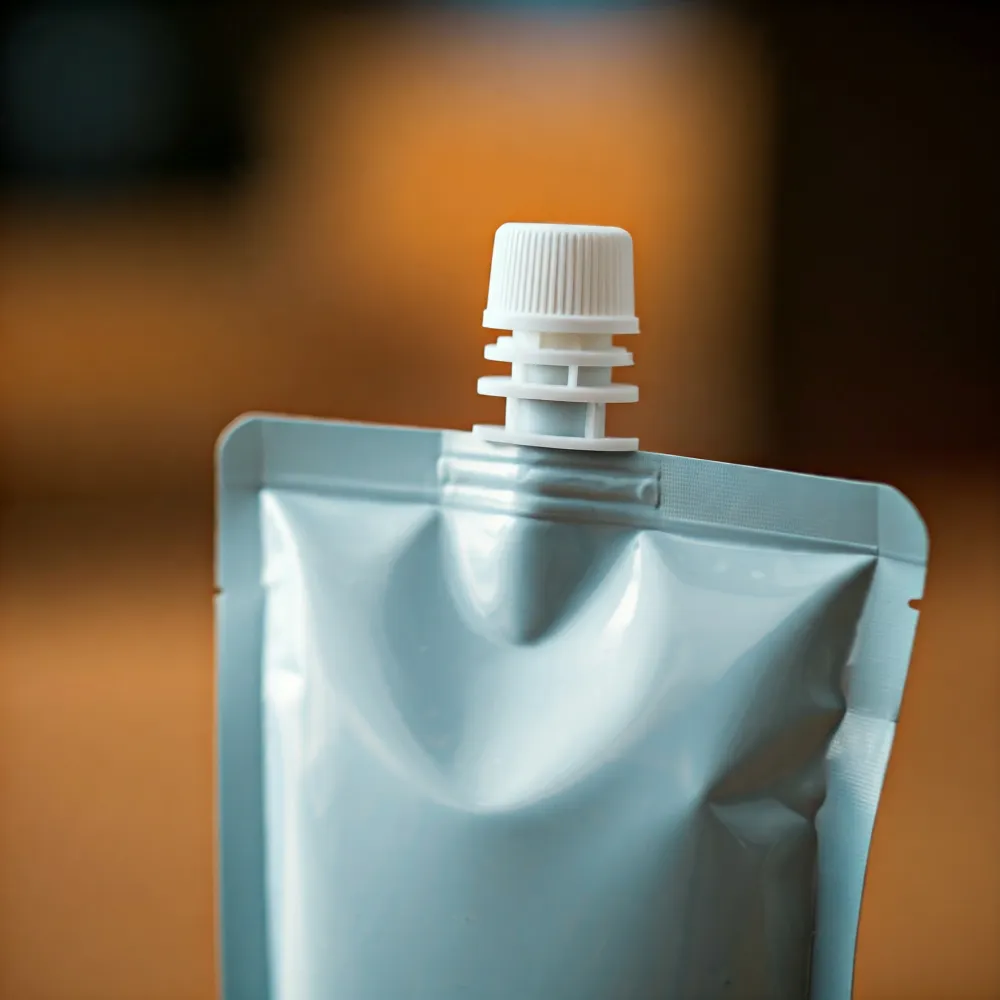
One small pouch failure can trigger a full refund: sticky leaks, swollen packs, or a “flat” flavor customers blame on your concentrate.
If you ship drink concentrates in the U.S. or EU, you prevent refunds by treating the spout pouch as a system: formula → fill method → channel stress → film barrier + seals + spout hardware + tests. I do not fix this with “thicker film.” I fix it with leak-path control and proven shelf-life behavior.
I see brands treat spout pouches like a design choice. I do not. Concentrates punish weak details. A tiny seal defect becomes a sticky leak after compression. A headspace mistake becomes swelling after a hot delivery day. A micro-leak at the spout weld becomes flavor loss by week four. That is why I follow one order every time: I learn how the concentrate behaves, I confirm filling conditions, I map the route, and then I lock the structure, spout system, and tests.
Why Do Concentrate Spout Pouch Failures Become Refunds Fast in the U.S. & EU?
Refunds happen fast because concentrate problems are loud. Leaks stain cartons, shelves, and hands. Swollen pouches look like spoilage. Flavor loss feels like “bad product,” not “bad packaging.”
In the U.S. and EU, delivery routes and review culture amplify small defects into chargebacks and low ratings. I treat concentrate packaging as risk management, not a sourcing checklist.
The channel makes small flaws expensive. E-commerce shakes and compresses packs. Warehouses swing between hot days and cool nights. Retail handling scuffs and squeezes. If the consumer opens the cap and gets sticky drips, the experience is “cheap” even if the concentrate tastes great. I also see claims backfire. If a brand promises “fresh taste” and the pouch lets oxygen in through a micro-leak, the complaint becomes a trust issue.
Why concentrate pouches get punished by real channels
Failure
What customers see
What is usually happening
What I control first
Leaks
Sticky box, dirty cap, stains
Seal contamination, weak spout weld, cap/liner mismatch
Leak-path diagnosis: seal vs spout vs cap
Swelling
Pillow pack, “fermented” look
Headspace + temp cycles, dissolved gas release, microbial risk
Headspace strategy + thermal cycling tests
Flavor loss
Flat aroma, oxidized notes
Micro-leaks or wrong barrier target
Seal integrity + barrier targets proof
Messy pouring
Drips, sticky rim, waste
Spout geometry, cap thread, torque, liner fit
Spout selection + torque spec + cycle tests
Start With the Concentrate: What Does Your Product Fear Most?
“Drink concentrate” is not one thing. A thick syrup behaves differently from a citrus acid base. A natural flavor concentrate behaves differently from a sugar-heavy blend.
I start by identifying the failure your formula triggers first: micro-leaks from sticky residue, swelling from temperature swings, or flavor loss from oxygen and light. The concentrate decides the system.
Viscosity determines filling splash and seal contamination risk. Sugar and sticky solids create residue that migrates into seal zones and cap threads. Acids can stress certain materials and make odor perception sharper. Essential oils and natural extracts can be more volatile, which means aroma loss is easier to notice. I also look at the consumer routine. If they pour daily, the cap and liner must survive repeated open-close cycles without drips. If they use it slowly, oxygen exposure control becomes more important.
What I ask about your concentrate before I recommend anything
Concentrate trait
What it changes first
Common packaging failure
My first control
High viscosity / syrup
Residue and cap mess
Seal contamination, cap thread leaks
Seal-zone cleanliness + cap/liner fit
High sugar / sticky solids
Seal window sensitivity
Invisible micro-leaks
Wider seal land + contamination tolerance tests
Acidic / citrus base
Odor perception + material compatibility
Consumer “off smell” complaints
Barrier + ink/adhesive system compatibility
Natural flavors / volatile aroma
Aroma loss sensitivity
Flat taste by week 3–6
Seal integrity + OTR target proof
Leaks Aren’t One Problem: Seal Leaks vs Spout Leaks vs Cap Leaks?
When a pouch leaks, many teams blame the film. I do not. I first classify the leak path.
Seal leaks, spout weld leaks, and cap/liner leaks are three different systems with different root causes. If you fix the wrong system, you only hide the problem until shipping exposes it.
Seal leaks often come from contamination or an unstable heat-seal window. Spout leaks often come from insufficient weld area, poor weld energy, or bad positioning that concentrates stress. Cap leaks often come from torque mismatch, cross-threading, or liner incompatibility with the spout finish. A pouch can pass a quick squeeze test and still leak later because vibration and temperature cycling “pump” liquid through micro-gaps. That is why I never accept “it looks fine” as proof.
How I diagnose leaks fast
Where I see the mess
Most likely leak path
What I check first
Fix direction
Wet seal edges
Heat seal micro-leak
Seal width, seal temperature/pressure/time, residue on seal land
Stabilize seal window + improve contamination control
Wet around spout base
Spout weld leak
Weld area size, weld process stability, spout placement
Increase weld robustness + move stress away from folds
Match liner + torque + add cycle and inversion tests
Swelling & “Pillow Packs”: Why Do Pouches Bulge?
Swelling scares buyers. Even if the concentrate is safe, swelling looks like fermentation or spoilage.
Most swelling is a headspace + temperature cycle problem, not a “film thickness” problem. If gas behavior is not controlled, the pouch becomes a balloon under real logistics.
Swelling can come from dissolved gas releasing when temperature changes. It can also come from trapped air in headspace, especially when filling is fast and foamy. For sugar-heavy or natural products, there is also a real risk of microbial activity if the product is not stabilized, but packaging still gets blamed first. I manage swelling by controlling headspace, verifying product stability assumptions, and running thermal cycling tests that mimic your route. If the pouch passes only room-temperature checks, it is not ready for the U.S./EU delivery reality.
What I control to prevent swelling
Swelling driver
Why it happens
What it looks like in the field
Control
Too much headspace
Trapped air expands
Soft pillow packs after hot days
Headspace target + consistent fill level
Temperature cycling
Gas expands and contracts
Bulge after transit, worse after storage swings
Thermal cycling + compression tests combined
Foaming during fill
Air stays in product
Random swelling and inconsistent packs
Fill angle + settling time + line speed tuning
Product instability
Gas generation over time
Swelling plus odor changes
Assumption check + shelf simulation proof
Flavor Loss Is Usually a Barrier + Seal System Issue?
Flavor loss is the silent killer because it shows up later. The pouch can look perfect and still disappoint customers.
For concentrates, many “taste went flat” complaints start with micro-leaks and oxygen ingress at seals or spout systems, not with the film label on the spec sheet. I prove shelf-life behavior before I scale.
Oxygen dulls aroma and can shift sensitive flavor notes. Light can degrade natural colors and some flavor compounds. Moisture can change concentration in edge cases if vapor transfer is high, but oxygen is often the bigger taste driver for concentrates. The hardest part is that micro-leaks are not obvious. They do not always drip. They act like tiny valves that let oxygen in during pressure cycles. That is why I lock seal integrity first. Once I trust the sealing system, I choose a barrier structure that matches the shelf target and the route. If the brand wants a “clean look” with visibility, I still treat that as test-first because route stress can break lab barrier claims.
How I align shelf-life risk with packaging controls
Risk
What customers notice
Typical weak point
What I prove
Oxygen exposure
Flat aroma, dull flavor
Micro-leaks at seal/spout
Leak integrity + shelf simulation checks
Light exposure
Color shift, “aged” look
Clear films without light control
Light protection need vs branding
Aroma loss
Less punch, weaker top notes
Wrong barrier target
Barrier target definition + validation plan
Film Structures That Work: When to Use PET/PE, Metallized, Foil, EVOH, AlOx/SiOx?
Material names do not guarantee performance. Two pouches with “PET/PE” on paper can behave very differently in real routes.
I choose structure by targets: OTR/WVTR needs, puncture resistance, fold durability, and a stable seal window for your filling conditions. Then I validate with route tests.
For concentrates, I usually prioritize seal integrity and oxygen control. Metallized and foil can provide strong barrier and light protection. EVOH structures can add oxygen barrier but can be sensitive to humidity in some designs, so I treat it as system design, not a single layer. AlOx/SiOx can deliver a modern, cleaner look with higher barrier than basic clear films, but I treat it as “test-first” because fold zones and scuffing can reduce real-world performance. I also consider how the pouch will be handled. If it will be squeezed, folded, and shipped in tight cartons, flex cracks and pinholes become more likely, and that pushes me toward more robust structures.
My simple structure logic for concentrate pouches
Structure option
Where it usually wins
Where it can fail
My rule
Clear PET/PE
Shorter shelf life, lower barrier needs
Flavor loss if OTR target is missed
Only when shelf target is modest and proven
Metallized
Balanced barrier + light control
Scuffing, flex crack risk if abused
Validate fold zones + abrasion in route tests
Foil
Maximum barrier, longest shelf protection
Pinholes if fold stress is unmanaged
Use as risk insurance for harsh routes
EVOH-based
Strong oxygen barrier design
Performance depends on full structure and humidity exposure
Engineer it as a system and validate early
AlOx/SiOx
Modern look with higher clear barrier
Fold durability and scuff can reduce real performance
Test-first before scaling
The Spout System: Spout Type, Weld Area, Cap/Liner, and Torque Specs?
The spout is the part consumers touch. It decides whether the pouch feels clean or annoying.
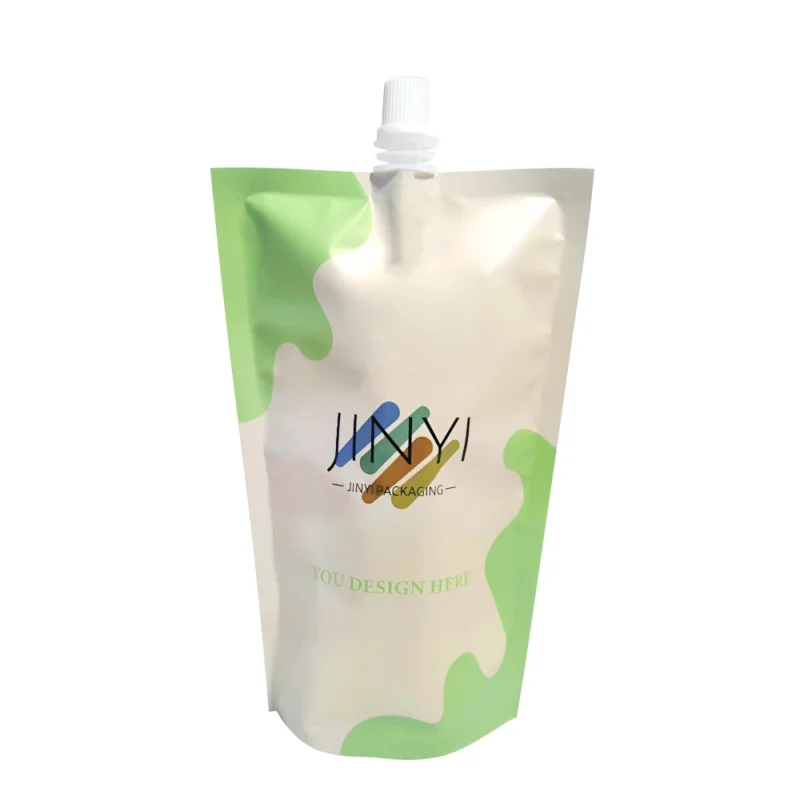
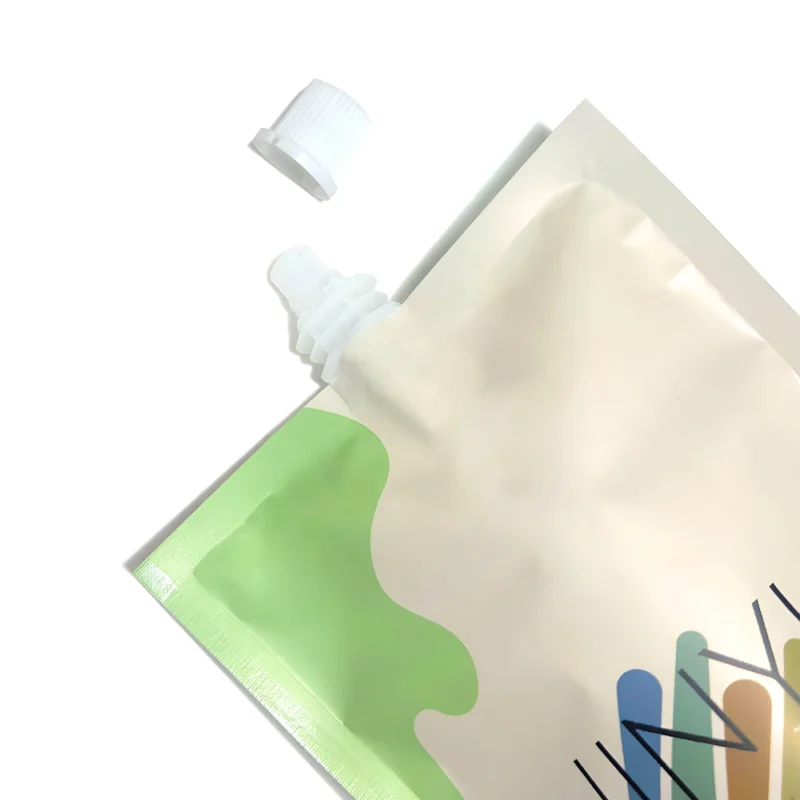
I treat the spout as an engineered component: weld area, spout placement, cap thread design, liner material, and torque specs must match the concentrate behavior and the route. Spouts do not forgive weak process control.
Spout placement changes stress. Corner spouts often pour well, but they sit near folds and edges that can take compression. Center spouts can reduce some fold stress but can affect dispensing ergonomics. Weld area size and process stability decide whether the spout base becomes a leak path. Caps and liners decide whether the pouch stays dry after repeated use. Torque matters more than people think. Too low and it leaks in transit. Too high and consumers cross-thread or damage the liner. I always run open-close cycles, inversion holds, and vibration checks because that is what real life looks like.
Spout system decisions I lock before mass production
Concentrates are sticky. Sticky products create invisible leaks because residue prevents full sealing.
Seal integrity is the foundation. If the seal zone is contaminated or the seal window is unstable, the best film and spout still fail. I design for contamination tolerance, not perfect conditions.
During filling, splashes and mist land on seal lands. Sugars and syrups leave thin films you cannot see. That thin film breaks seal strength and creates micro-leaks that show up later. I fix this by controlling seal land width, jaw pressure distribution, dwell time, and cooling. I also adjust filling and settling steps so the seal zone stays clean. I like wider seal lands for concentrate pouches because the system has more chances to fail: liquid, spout, and cap all interact. I also prefer to define a simple daily line check that operators can execute without debate.
Seal controls that reduce concentrate refunds
Seal risk
What causes it
What it looks like later
My correction
Residue on seal land
Splash, mist, sticky product
Micro-leaks after vibration
Dust/film control + settling time + wider seal land
Unstable seal window
Temp/pressure/time variation
Random failures by lot
Lock parameters + verify peel/burst consistency
Edge stress
Compression and fold concentration
Leaks after shipping
Route compression tests + fold-safe design
Real-World Tests That Predict Complaints?
Lab specs help, but they do not predict refunds by themselves. Refunds come from real routes.
I use a route-style test package to expose the same abuse the U.S./EU channel will create: compression, drop, vibration, leak checks, and thermal cycling. If the pouch survives that, it usually survives the market.
I combine tests because failures compound. Compression makes micro-leaks worse. Vibration pumps liquid through small gaps. Temperature cycles expand headspace and stress seals. Inversion holds catch cap and liner problems. Side-lay storage catches spout weld weaknesses. I also score usability. If the cap drips or the spout threads get sticky, consumers call it a “leak” even if the seal is technically intact. I define pass/fail rules before testing so the team does not “argue with the result.” If a pouch fails, I do not patch it with one change. I adjust the system: process, structure, and spout hardware.
My minimum concentrate test set
Test
Why it matters
What it catches
Pass rule (simple)
Compression + leak check
Mailers and cartons crush packs
Seal and spout base leaks
No wetness at seals or spout base
Drop + vibration
Transit shock pumps leaks
Micro-leaks and weak welds
No leaks, acceptable appearance
Thermal cycling
Hot/cold swings cause bulge
Swelling and headspace risk
No excessive bulge, no leaks
Inversion + side-lay hold
Storage and handling reality
Cap/liner leaks
No seepage at cap
Open-close cycle + drip test
Consumer experience decides reviews
Mess complaints
Clean rim, controlled pour
Filling & Line Reality: Hot-Fill vs Cold-Fill, Headspace, Settling, and Speed?
Many spout pouch failures are created on the line, not in the material warehouse.
Hot-fill vs cold-fill changes the seal window, spout weld behavior, and long-term integrity. Headspace and foaming behavior decide swelling and leak risk more than people admit.
Hot-fill can bring temperature-driven challenges for sealants and spout weld stability. Cold-fill can reduce thermal stress, but it can increase residue and viscosity issues depending on the concentrate. Line speed affects splash, foam, and seal-zone contamination. I often recommend a short settling step if the product foams or carries bubbles. I also standardize headspace targets because random fill levels cause random swelling behavior. If the concentrate is sticky, I emphasize sealing geometry that can tolerate small contamination events, because perfect cleanliness is not realistic at scale.
Line factors that decide success
Line factor
What it changes
Common failure
Control
Fill temperature
Seal window and weld stability
Weak seals or stress cracks
Set target range + verify in trials
Foam / bubbles
Headspace gas behavior
Swelling variability
Settling time + fill angle tuning
Residue at the top
Seal wet-out
Invisible leaks later
Seal-zone control + cleaning routine
Speed and pressure
Consistency across runs
Lot-to-lot failures
Lock parameters + simple operator checks
My Practical Selection Framework: How I Shortlist 2–3 Options Fast?
Brands move faster when options are clear, and risks are written down.
I shortlist using three inputs: failure you cannot afford (leak, swell, flavor loss) × channel stress × target shelf life and user experience. Then I offer baseline, upgrade, and premium systems with a validation checklist.
My baseline option prioritizes stable seals, robust spout welds, and a barrier that matches a realistic shelf target. My upgrade option improves route safety and taste protection by strengthening barrier performance and reinforcing stress zones. My premium option is for brands that need the strongest shelf-life insurance and the cleanest dispensing experience, but only if the channel can monetize it. I also standardize QC checkpoints because consistency is what protects you in U.S./EU channels. If the pouch is great in samples but unstable in production, it is not a solution. It is a future refund problem.
Baseline / Upgrade / Premium example logic
Tier
Best for
What I optimize
What I validate
Baseline
Most e-commerce and mixed routes
Seal stability + spout leak control
Compression + inversion hold + vibration
Upgrade
Longer shelf targets or rough delivery
Barrier proof + swelling control
Thermal cycling + leak integrity + scuff
Premium
High-value concentrates, strong brand promise
Maximum shelf insurance + cleanest use
Full route pack test + cycle tests + shelf simulation
The best concentrate spout pouch is not the thickest one. It is the one that controls leak paths, headspace behavior, and oxygen exposure across your real route, batch after batch.
FAQ
Why do concentrate spout pouches leak even when seals look perfect?
Many leaks are micro-leaks caused by sticky residue in seal zones, or by cap/liner mismatch. Vibration and temperature cycling can pump liquid through tiny gaps that are invisible on day one.
What causes swelling in drink concentrate pouches?
Swelling is usually driven by headspace and temperature cycles. Trapped air, dissolved gas release, foaming during fill, or product instability can make pouches bulge in transit.
Do I need foil for concentrate flavor protection?
Not always. I choose barrier by shelf target and route stress. Foil is strong risk insurance, but metallized or AlOx/SiOx structures can work when they are validated under real shipping and fold conditions.
How do I stop messy caps and sticky rims?
I match the spout geometry and cap/liner system to your concentrate viscosity, then I lock torque specs and run open-close cycle tests and inversion holds.
What are the minimum tests before mass production?
I require compression, drop/vibration, inversion/side-lay holds, and thermal cycling. If the channel is e-commerce, these tests predict refunds better than lab numbers alone.
Our mission: JINYI is a flexible packaging factory. I deliver reliable, usable, and scalable packaging systems, so brands get stable quality, clear lead times, and pouch structures that perform in real channels.
I position JINYI as a one-stop factory from film to finished pouches. I care about control and consistency. I use standardized sampling, production, and QC so repeat orders stay stable. Packaging is not only a pouch. It must list well, ship well, and work well for your customers.
Audience Profile
Quillon is a packaging and tooling-focused leader with 10 years of experience in packaging development and supply chain coordination. Quillon values measurable parameters, stable mass production, compliance documents, and real-world performance. When I work with Quillon, I ask about concentrate behavior, channel stress, filling reality, and failure risks first. Then I offer 2–3 options with clear specs and validation steps so decisions can be made fast and scaled safely.