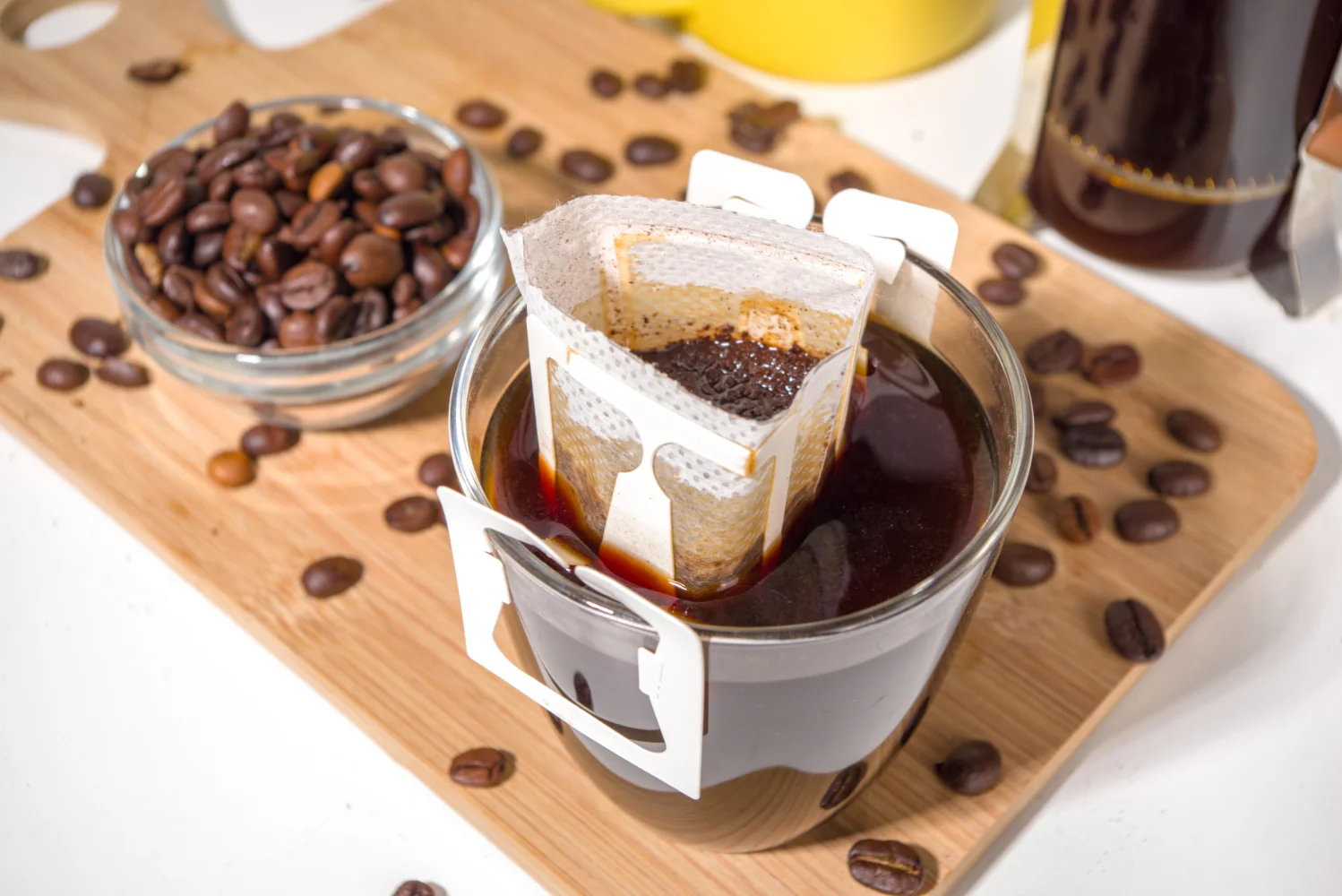
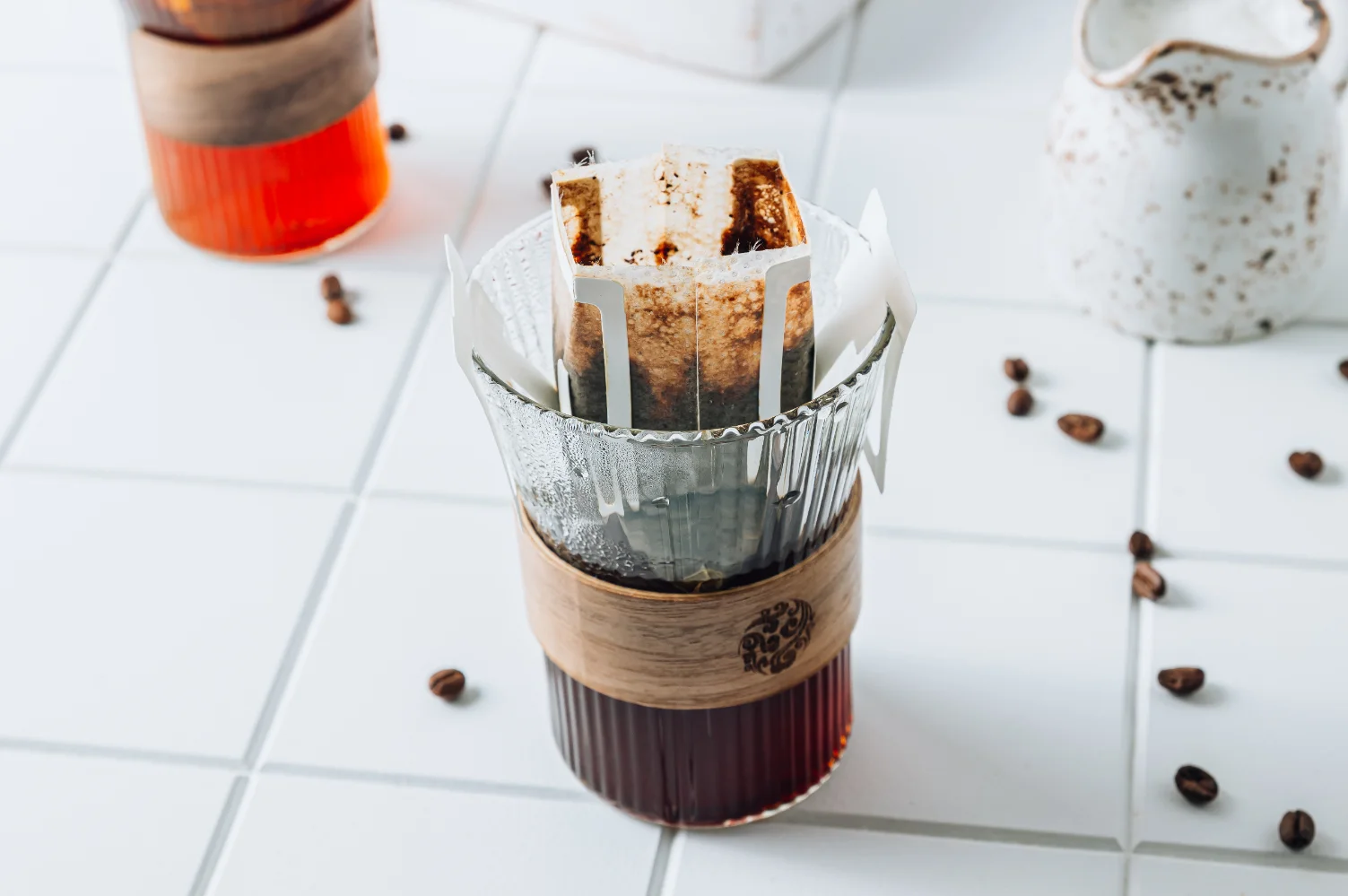
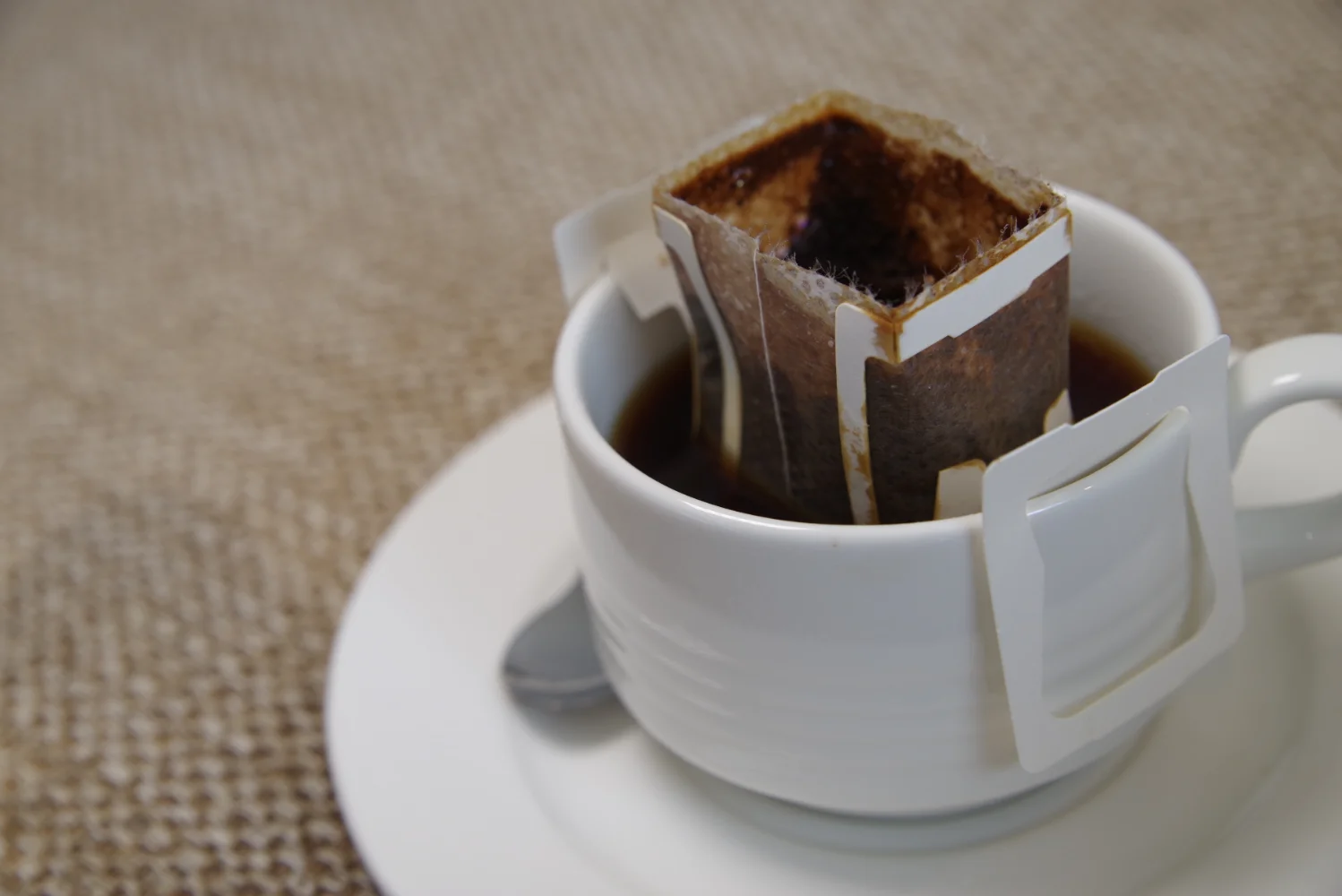
If drip bags are “growing,” buyers may assume capsules are losing. That shortcut often fails, because growth can be trial, gifting, or travel—not true switching.
Drip bag growth usually creates a new routine unless the same consumers reduce capsule frequency in the same occasion and replace it with drip bags. The clean proof uses occasion + frequency, not revenue share alone.
If you want drip bag repeat to stay strong, packaging must protect aroma and dose consistency across real routes.

Most single-serve “wins” are not about one format beating another. Most wins come from removing friction in one moment of the day, then protecting consistency so the moment becomes repeatable.
What does “replacing capsules” actually mean in measurable terms?
Many brands call it replacement when they see sales growth. That claim is risky, because sales can rise even when behavior does not shift.
Replacement has a strict definition: drip bags rise while capsules fall in the same occasion for the same buyer cohort. A “new routine” is different: drip bags rise in office, travel, or gifting without a clear decline in capsule occasions.
Define the proof path before you argue about formats
| Claim |
What must be true |
Best metric |
Common misread |
| Replacement |
Capsule frequency drops where drip bag frequency rises |
Occasion-level frequency share |
Revenue share shifts caused by price |
| New routine |
Drip bag repeat grows mainly in new usage moments |
Occasion mix + repeat rate |
Trial spikes mistaken as retention |
Evidence (Source + Year): National Coffee Association (NCA), “Coffee Around the Day” (2025). NCA reports that at-home coffee is a dominant pattern for many consumers, which frames “routine” as an occasion question, not just a product question.
Where is drip bag growth happening: home breakfast, office desk, travel, or gifting?
If your analysis ignores location and occasion, your conclusion will be wrong. A travel kit behavior cannot “replace” a kitchen-machine behavior in the same way.
Drip bags usually grow first where machines are absent or inconvenient. That includes office desks, hotels, and gifting bundles. Capsules often remain strong in machine-enabled routines.

Occasion split explains why both formats can grow
| Occasion |
What people optimize |
Most likely substitute |
Repeat risk |
| Home breakfast |
Speed + consistency |
Capsules or ground coffee |
Low if a machine exists |
| Office desk |
No equipment + low mess |
Instant or “nothing” |
Medium if taste drifts |
| Travel/hotel |
Portability + predictability |
Café or instant |
High if pack leaks aroma |
| Gifting |
Presentation + variety |
Assorted sampler |
High if first cup disappoints |
Evidence (Source + Year): NCA, “Coffee Around the Day” (2025). NCA highlights strong at-home routines and breakfast-linked behavior, which makes “occasion mapping” a necessary step before claiming substitution.
When does drip bag truly replace capsules, and what conditions make switching real?
Capsules are not only a product. Capsules are a hardware ecosystem. That ecosystem makes switching harder than many analysts assume.
True replacement tends to appear when a constraint becomes binding for machine owners. Common triggers include price shocks, waste concerns, limited availability, or taste exploration that the capsule ecosystem cannot satisfy. The key is not the trigger itself. The key is whether the trigger changes the same occasion frequency.
Switching is constrained by machine ownership and habit
| Trigger |
Why it can cause switching |
What would confirm “replacement” |
Counter-signal |
| Capsule price pressure |
Higher cost-per-cup forces alternatives |
Capsule frequency drops in weekday AM |
Capsule units hold, but buyers add drip bags |
| Waste constraints |
Consumers avoid pod disposal friction |
Pod occasions decline for the same cohort |
Consumers keep pods at home, use drip bags outside |
| Taste exploration |
More “ground coffee” cues and variety |
Repeat shifts from pods to drip bags |
Pods remain the default; drip bags stay “special use” |
Evidence (Source + Year): NCA, “Coffee Around the Day” (2025). Occasion-driven consumption patterns imply that a valid “replacement” claim must be measured by occasion frequency, not category excitement.
What actually drives repeat for drip bags: taste, convenience, or consistency under storage?
Taste gets trial, but consistency earns repeat. That rule is strict in single-serve formats, because buyers expect the same cup every time.
Drip bags can win on “no-machine ritual” convenience while still delivering a brewed-coffee cue. However, repeat can collapse if aroma fades, oxidation notes appear, or dose performance changes after storage and shipping. This is where packaging turns from a cost item into a repeat-protection tool.
As a flexible packaging manufacturer, we focus on oxygen and moisture defense because aroma fade is a repeat killer in single-serve ground coffee.
Repeat is a system outcome: product + headspace + barrier + seals
| Repeat driver |
What it looks like |
How it fails |
What to control |
| Convenience |
Fast brew, no machine |
Messy tear, weak filter |
Easy-open + structural stability |
| Taste threshold |
“Good enough” cup |
Flat aroma, cardboard notes |
Oxygen control + light/odor protection |
| Consistency |
Same strength every time |
Moisture pickup changes flow |
Moisture barrier + seal integrity |
Evidence (Source + Year): Agustini et al., “Packaging Materials and Storage Stability of Ground Roasted Coffee” (2020). The paper describes oxygen, light, moisture, and packaging as key drivers of coffee quality change in storage and emphasizes protecting coffee from oxygen using barrier packaging.
How can you prove “replacement vs new routine” with lightweight data?
Many brands wait for perfect datasets and never get a decisive answer. A simple internal method can separate substitution from occasion creation.
You only need one question, one occasion tag, and a basic repeat check. You should treat this as a monthly discipline, not a one-time survey. When you see the same cohort reducing capsule occasions and increasing drip bag occasions in the same time window, you can claim replacement with confidence.
A minimal validation plan that still produces a clear conclusion
| Step |
What to collect |
Pass/Fail logic |
Next action |
| Occasion tag |
Home / Office / Travel / Gift |
Growth clusters by occasion |
Adjust message and bundle |
| Substitution question |
“If not drip bags, what would you use?” |
Capsule answer share indicates substitution |
Test pricing and positioning |
| Repeat check |
2nd purchase within 30–60 days |
Repeat rises in the same occasion |
Scale the winning route |
| Quality signal |
“Any stale/aroma issues?” |
Complaint rate stays low |
Upgrade barrier and sealing controls |
Evidence (Source + Year): NCA, “Coffee Around the Day” (2025). Occasion structure in coffee consumption makes occasion tagging a valid, practical measurement layer for repeat behavior.
Conclusion
Drip bag growth is “replacement” only when capsule frequency falls in the same occasion. Otherwise, drip bags are usually building new moments. If you want repeat, protect aroma consistency across real storage routes.
Talk to us about drip bag coffee packaging that protects repeat purchase
About Us
Brand: Jinyi
Slogan: From Film to Finished—Done Right.
Website: https://jinyipackage.com/
Our Mission:
JINYI is a source manufacturer specializing in custom flexible packaging solutions. We aim to deliver reliable, usable, production-ready packaging so brands spend less time on back-and-forth and get more predictable quality, lead times, and real-world performance.
Who We Are:
JINYI is a source manufacturer specializing in custom flexible packaging solutions, with over 15 years of production experience serving food, snack, pet food, and daily consumer brands.
We operate a standardized manufacturing facility equipped with multiple gravure printing lines as well as advanced HP digital printing systems, allowing us to support both stable large-volume orders and flexible short runs with consistent quality.
From material selection to finished pouches, we focus on process control, repeatability, and real-world performance. Our goal is to help brands reduce communication costs, achieve predictable quality, and ensure packaging performs reliably on shelf, in transit, and at end use.
FAQ
- Is drip bag coffee the same as pour-over? Drip bags are a portable pour-over style that uses a built-in filter and no machine, but the brew dynamics depend on dose and grind.
- Can drip bags replace capsules for machine owners? They can, but real replacement needs proof: capsule occasions must decline while drip bag occasions rise in the same cohort.
- Why do many consumers buy both drip bags and capsules? Many users separate occasions: capsules at home and drip bags at office or travel, which creates co-usage instead of switching.
- What kills repeat purchase for drip bags? Aroma fade, oxidation notes, and inconsistent strength are common repeat killers, especially after humid or warm storage.
- What is the simplest way to measure “replacement”? Ask “What would you have used instead?” and tag the occasion, then track repeat in that same occasion over 30–60 days.