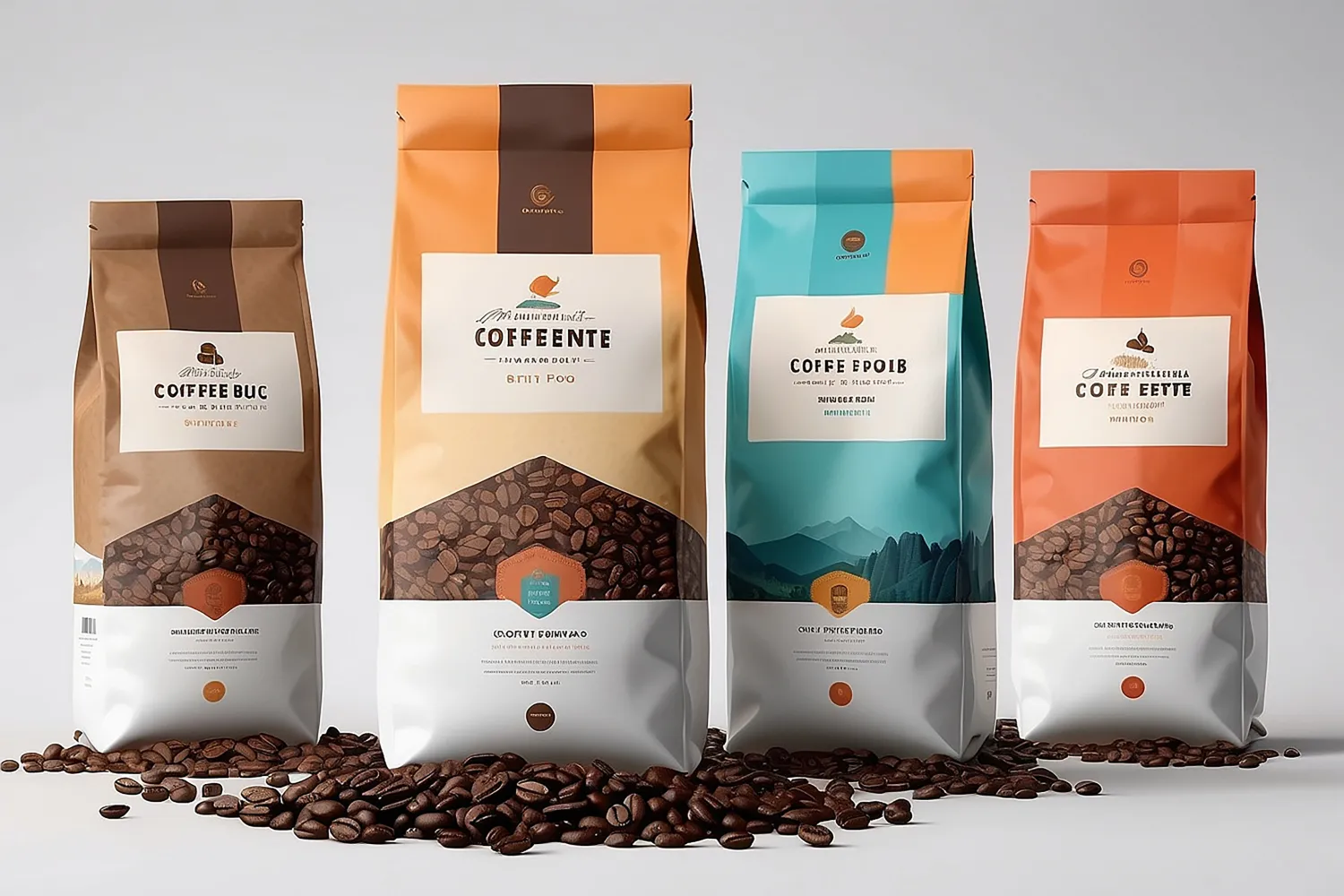
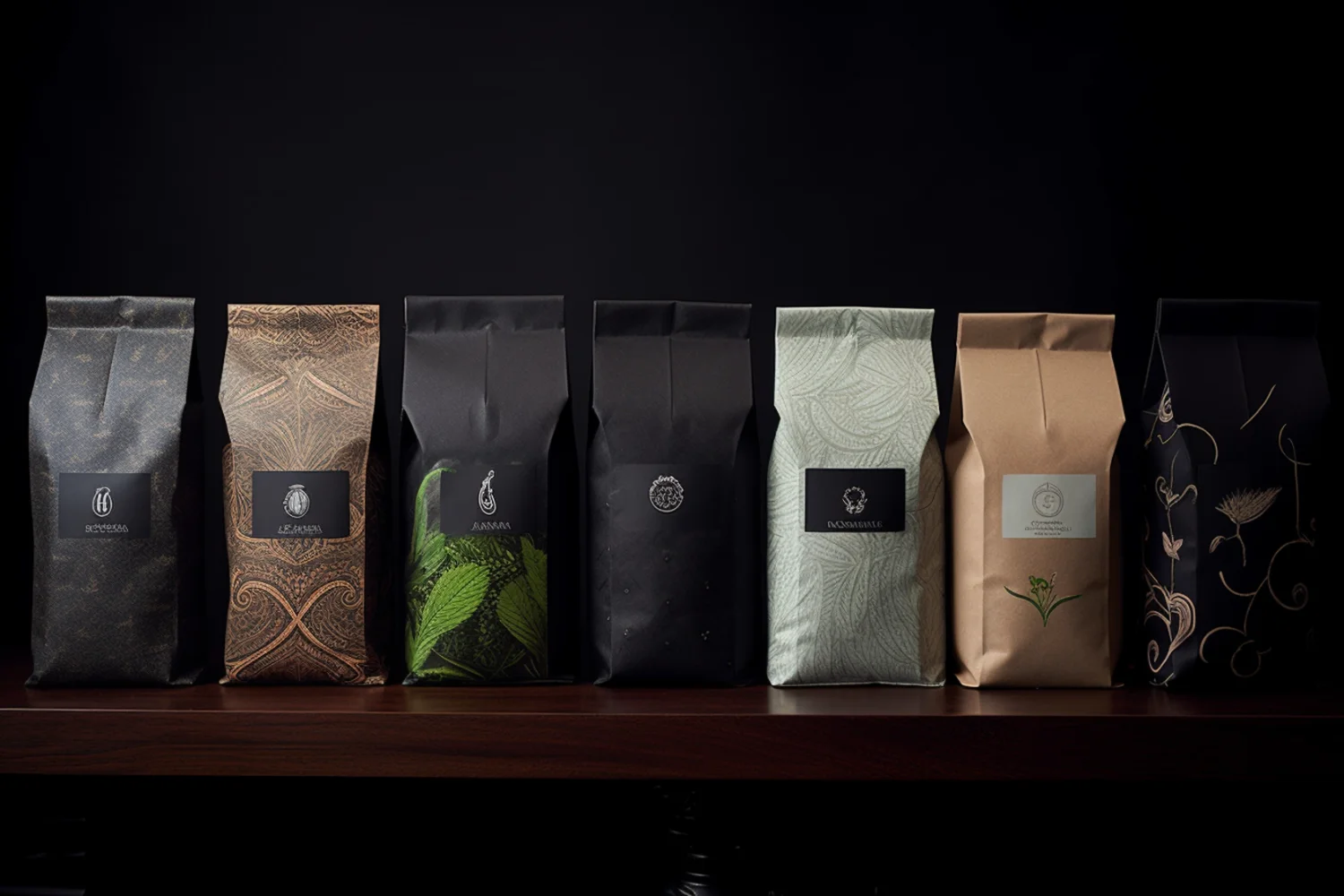
When coffee arrives stale, scuffed, or leaking, customers do not blame the carrier—they blame your brand.
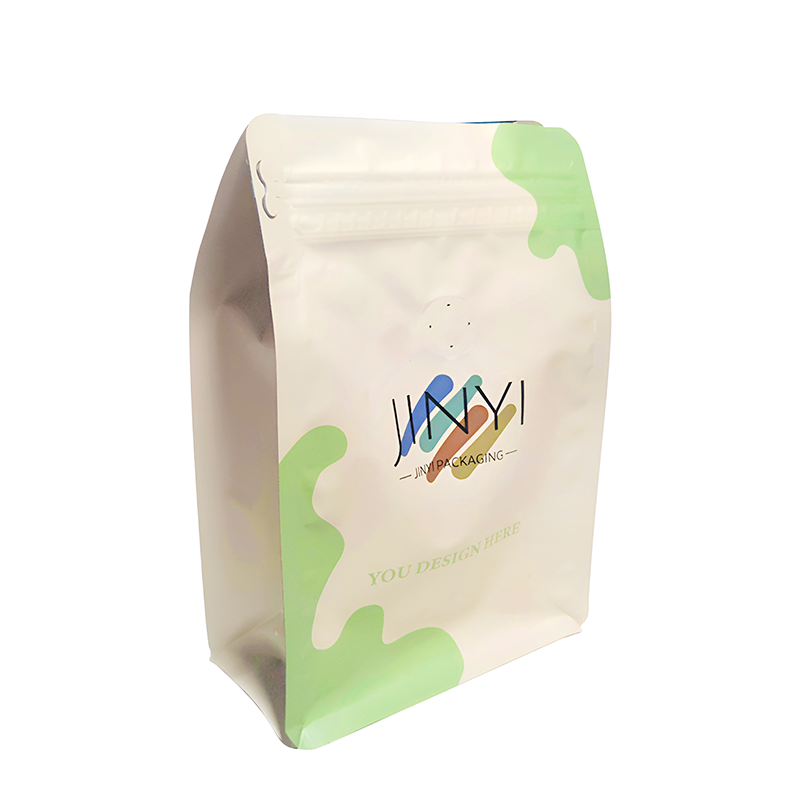
The pouch that “sells” is the one that still looks clean and keeps aroma after real shipping. I choose between flat bottom, side gusset, and stand-up by coffee form (beans vs ground), your channel (e-commerce vs retail), and how you merchandize the pack—not by what looks premium in a mockup.
See coffee-ready pouch options built for clean seals and shipping stability.

I see brands debate coffee packaging like it is a style choice. I do not. I treat it as a channel decision. E-commerce punishes bulk, corner stress, and scuffing. Retail punishes weak shelf facing and unclear branding. Subscription boxes punish waste space and poor abrasion resistance. I follow one order every time: coffee form → route stress → shelf setup → then pouch structure. This is the fastest way to reduce refunds and still protect shelf impact.
Why Is “Ships Better vs Sells Better” a Channel Decision, Not a Style Debate?
Returns often start with small packaging issues that look harmless on day one.
If your main channel is e-commerce, the pouch is judged after compression, vibration, and the customer’s first touch. If your main channel is retail, the pouch is judged from three feet away in three seconds. I decide the structure by the failure your channel will amplify.
I separate “sells” into two meanings. One is shelf recognition: facing, silhouette, and brand block. The other is trust: aroma, freshness, and a clean pack that looks undamaged. In the U.S. and EU, customers move fast and rate fast. A pouch that arrives with scuffs, crushed corners, or a weak seal does not feel premium. It feels risky. That is why I start with route pressure and handling reality first, then I use the right pouch geometry to deliver shelf presence without creating new failure points.
How I map channel to pouch choice
| Channel |
What fails first |
What I optimize |
What I validate |
| E-commerce |
Corner stress, scuffs, micro-leaks, “stale” complaints |
Seal stability + abrasion control + compression resistance |
Compression + vibration + drop + leak check |
| Retail shelf |
Low visibility, messy facing, unclear info zones |
Standability + front panel + scan/read zones |
Shelf simulation + handling scuff + barcode scan |
| Subscription boxes |
Bulk, rub marks, wrinkling, damaged look on arrival |
Pack density + durable surface + stable geometry |
Rub/scuff + vibration + fit test in box |
What Are Flat Bottom, Side Gusset, and Stand-Up Pouches, Really?
Most comparisons ignore how each structure concentrates stress.
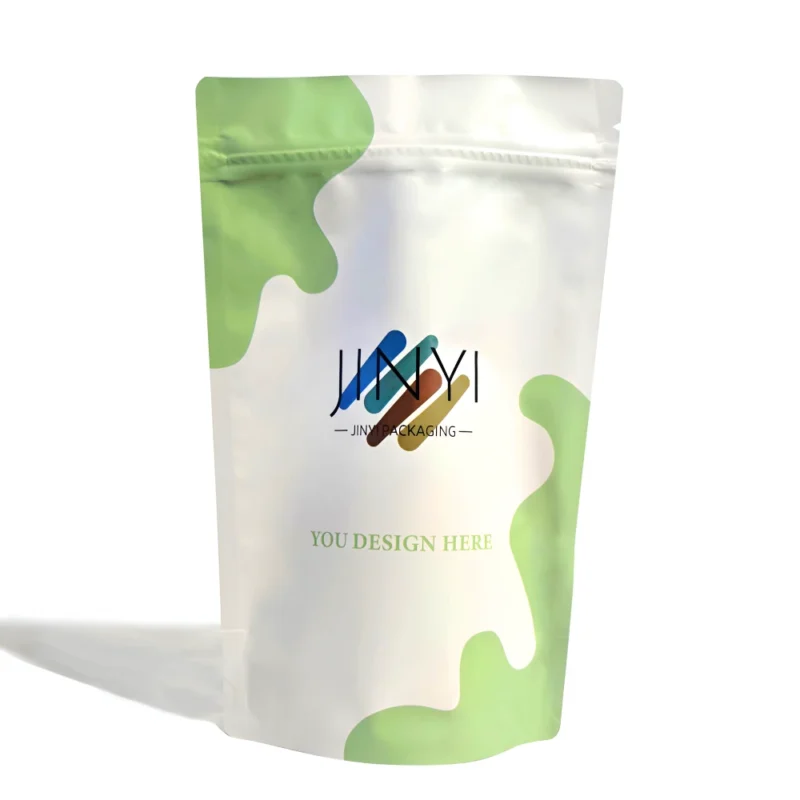
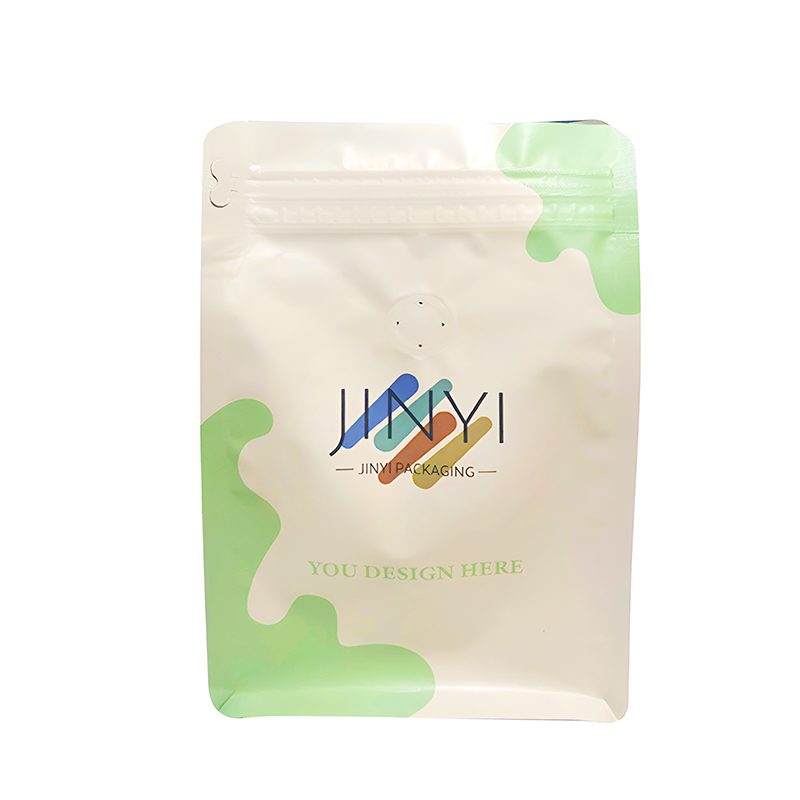
Flat bottom bags behave more like a box, side gusset bags behave more like a brick, and stand-up pouches behave like a billboard. Each one wins in the right channel, and each one fails in predictable zones if you ignore the route.
Flat bottom bags give you a stable base and a clean, boxy silhouette. Side gusset bags give you controlled shape and stackability, especially in “brick pack” displays. Stand-up pouches give you a big front panel and easy shelf presence, but they also add folds, gussets, and corner zones that can concentrate stress. That is why I do not treat them as interchangeable “looks.” I treat them as different engineering systems.
Fast definitions that remove confusion
| Pouch type |
What it is |
What it is not |
Typical best use |
| Flat bottom |
Boxy base + stable stand + premium silhouette |
A guarantee of better shipping |
Retail-first coffee with strong branding |
| Side gusset |
Side folds + controlled “brick” shape |
Old-fashioned only |
Stack displays, wholesale, display boxes |
| Stand-up |
Bottom gusset + large front panel |
Always the premium option |
Mixed channels with strong shelf facing |
How Do Beans vs Ground Coffee Change the Best Pouch Choice?
Many brands pick a pouch without defining what the coffee fears most.
Whole beans fear oxygen and aroma loss, while ground coffee fears moisture and seal contamination even more. Both formats can fail from micro-leaks that you do not see at packing.
Whole bean coffee often needs a one-way valve because degassing is real. If gas cannot escape, you can get bulging and stress on seals. Ground coffee is more sensitive to humidity swings and fine dust that contaminates the seal zone. Coffee oils and flavor extracts can also migrate, and that residue can reduce seal integrity over time. So I choose the pouch based on what will ruin the product: oxygen ingress, moisture ingress, or slow leakage at seals and features.
How coffee form changes risk priorities
| Coffee form |
Top freshness risk |
Top packaging failure risk |
What I control first |
| Whole bean |
Aroma loss + oxidation |
Valve/feature leaks + seal drift |
Barrier target + valve placement + seal window |
| Ground |
Moisture pickup + faster staling |
Seal contamination + micro-leaks |
Seal-zone cleanliness + hot tack + leak checks |
Why Can a Coffee Pouch Look Fine and Still Fail in Week 4?
Many “stale coffee” complaints start with a leak you cannot see.
Week-4 failures are often micro-leaks amplified by compression, temperature cycles, and repeated handling. The pouch can look perfect at shipping and still lose aroma before the customer finishes the bag.
In real routes, cartons compress during stacking. Parcels get dropped. Warehouses swing in temperature and humidity. If your pouch has a small leak path at a seam, a zipper end, or a valve area, oxygen can enter slowly. Aroma can exit slowly. Customers describe it as “stale” or “not fresh,” and they rarely know why. I assume week-4 failure is possible unless I prove otherwise with compression, vibration, and leak checks. This is why “thicker film” is not my first move. Stress concentrates at folds and seams, not in the middle of the panel.
Where stress usually concentrates by pouch type
| Pouch type |
Stress hot spots |
What failure looks like |
What I change first |
| Stand-up |
Bottom corners + fold zones + zipper ends |
Pinholes, corner cracks, slow leaks |
Corner design + seal land + zipper-end control |
| Flat bottom |
Bottom fold geometry + side seals |
Crease whitening, seam stress, scuffs |
Fold-safe radius + stiffness balance + scuff protection |
| Side gusset |
Side fold lines + top seal |
Seal drift, fold whitening, shape collapse |
Top seal window + fold control + pack-out method |
How Do Shelf and Merchandising Setups Change Which Pouch “Sells” Better?
A pouch that cannot merchandize cleanly will lose even if it ships fine.
Retail selling is a system: standability, facing, stack methods, and display boxes decide what wins. Side gusset “brick packs” can sell extremely well when the stack is controlled.
If your coffee lives on a shelf, standability matters. Flat bottom and stand-up pouches can deliver strong front-facing “billboard” space. Side gusset bags can look premium too, but they often shine when you use stacks, display boxes, or brick-style layouts. If your coffee sells through wholesale or cafes, the pack may be handled more than it is admired. In that case, stable shape and quick restocking can matter more than a big front panel. I pick the pouch based on how you plan to present it, not on what looks best on a screen.
Merchandising methods that change the “winner”
| Merch method |
What it rewards |
Often strongest pouch choice |
Key design rule |
| Standard shelf (stands alone) |
Standability + clean facing |
Flat bottom / stand-up |
Keep key copy in safe read zones |
| Brick stacks / café counter |
Shape control + fast restock |
Side gusset |
Control fold lines and top seal consistency |
| Display boxes |
Neat arrangement + stability |
Side gusset / flat bottom |
Design pack dimensions to fit box cleanly |
Why Do Most Coffee Pouch Complaints Start at Seals, Not Film Thickness?
When a coffee bag fails, most teams blame the laminate first.
I treat seal integrity as the first freshness system. A strong barrier structure still loses if micro-leaks let oxygen in and aroma out.
Heat seals fail when the seal window is unstable, when the seal area is contaminated, or when stress concentrates at folds and corners. Ground coffee dust is a classic seal contaminant. Coffee oils can also create residue near the seal zone. In stand-up pouches, zipper ends and bottom corners create extra leak paths. In side gusset bags, top seals and fold lines become critical. In flat bottom bags, fold geometry and side seal consistency matter. I prevent complaints by locking seal parameters, widening seal lands when needed, protecting the seal zone from contamination, and proving results with leak checks and route simulation.
My seal-first checklist
| Risk driver |
What it causes |
What I do |
What I test |
| Dust / fines |
False seals, slow leaks |
Seal-zone protection + fill control |
Leak checks + contamination tolerance |
| Oils / residue |
Seal drift over time |
Sealant selection + wider seal land |
Aging + compression + leak checks |
| Fold stress |
Pinholes, corner cracks |
Fold-safe design + stiffness balance |
Compression + vibration + drop |
Do Valves, Zippers, and Tin Ties Help Coffee—or Create New Failure Paths?
Features can improve freshness and usability, but they also add leak paths.
I approve features only when the channel and user behavior justify them. Then I validate them under compression, vibration, and use cycles.
Compare feature-ready coffee pouch builds and choose a system that survives real routes.
A one-way valve helps whole beans because degassing is real. But a valve also introduces a bonding interface that must stay tight through handling and temperature swings. A zipper helps repeat use, but ground coffee dust can compromise closure performance and create “it looks sealed but it is not” complaints. Tin ties can be cost-friendly and fast, but they do not provide the same seal integrity as a real zipper system. I treat all features as engineering components. I specify placement, bonding area, and use-cycle expectations before I call them “premium.”
Feature risk vs reward
| Feature |
What it improves |
Main failure risk |
What I validate |
| One-way valve |
Degassing + aroma retention |
Bond leak or crease stress nearby |
Compression + vibration + odor hold |
| Zipper |
Repeat-use convenience |
Dust contamination + zipper-end leaks |
Reseal cycles + compression + leak checks |
| Tin tie |
Simple reclose |
Lower seal integrity and consistency |
Handling + freshness expectations alignment |
How Do Materials and Finishes Decide Scuffs, Whitening, and a “Cheap Look” on Arrival?
Customers judge coffee packaging with their eyes and hands first.
Stiffness, coating, and surface protection often matter more than a “high barrier name” for first impressions. If the pouch looks damaged, the coffee feels risky.
I set barrier targets based on coffee needs, but I also design for appearance durability. Crease whitening often shows up on fold zones, especially on side gussets and bottom structures. Print scuffing shows up where cartons rub during shipping. Matte and soft-touch finishes can look premium, but they can also show rub marks if you do not protect them. I look at stiffness balance (too soft wrinkles, too stiff cracks), COF (too high causes jam/scuff, too low slips), and how the pouch will be packed into cartons. The goal is simple: the pouch should arrive clean, readable, and trustworthy.
What I control to keep the pack clean
| Appearance issue |
Root cause |
What I change |
What I check |
| Scuffs / rub marks |
Carton friction + weak protection layer |
Surface protection + pack-out rules |
Rub/scuff simulation |
| Crease whitening |
Tight folds + stress concentration |
Fold-safe design + stiffness balance |
Compression + handling |
| Wrinkles |
Low stiffness + poor handling |
Structure tuning + packing control |
Vibration + shelf simulation |
Which Pouch Wins by Scenario: E-Commerce, Retail, Subscription, and Wholesale?
There is no single winner. There is a best fit for your reality.
I choose the “winner” by matching geometry to stress and merchandising. Then I prove it with route tests and simple pass/fail criteria.
For e-commerce, I lean toward structures that control stress and protect seams and features. For retail, I favor a structure that stands cleanly and presents brand information fast. For subscription boxes, I prioritize pack density and abrasion resistance so the customer opens a clean-looking pack. For wholesale and cafes, I prioritize stackability, fast restocking, and consistent shape. This is also why I often deliver 2–3 options, not one. Your channel mix may justify a baseline and an upgrade path.
Scenario-based starting points
| Scenario |
Starting point |
Why |
Main risk to manage |
| E-commerce heavy |
Side gusset or stable stand-up system |
Controls shape and packing efficiency |
Seam + fold stress, scuffs |
| Retail shelf first |
Flat bottom or stand-up |
Strong facing and standability |
Corner/fold integrity, surface rub |
| Subscription boxes |
Side gusset + pack-out tuned |
Better density and stable “brick” packs |
Rub marks and wrinkle control |
| Wholesale / cafés |
Side gusset |
Stacks and handles well |
Top seal integrity and fold whitening |
What Real-World Tests Predict Complaints Better Than Spec Sheets?
Lab numbers help, but routes create the real complaints.
I trust route simulation: compression, vibration, drop, leak checks, and odor hold comparison. If a pouch passes those, it usually survives real customers.
I use a simple logic: test what the channel will do. E-commerce compresses and drops. Carriers vibrate parcels for hours. Warehouses cycle temperature and humidity. So I run compression + vibration + drop as a set, then I add leak checks that can find micro-leaks early. For coffee, I also compare odor hold and freshness perception over time. If you use a valve, I validate the valve bond. If you use a zipper, I validate reseal cycles with dust exposure. These tests are not about perfection. They are about predicting the complaints that cost you ratings and refunds.
My minimum test set for coffee pouches
| Test |
Why it matters |
Pass criteria focus |
| Compression |
Simulates stacking and parcel crushing |
No seam failure, no corner cracks |
| Vibration |
Simulates transit abrasion and stress |
Acceptable appearance, no leaks |
| Drop |
Simulates carrier handling |
No burst, no pinholes |
| Leak checks |
Finds micro-leaks early |
No slow leaks after stress |
| Odor hold comparison |
Links structure to freshness reality |
Stable aroma perception over time |
How Do I Shortlist 2–3 Options Fast Without Guessing?
Brands move faster when tradeoffs are written down.
I shortlist using three inputs: channel intensity, use pattern, and shelf goal. Then I deliver 2–3 options with clear risks and a validation plan.
I use a baseline option that is stable and easy to scale. I use an upgrade option that improves shelf facing or durability. I use a premium option only if your channel can monetize it. I always attach the risk points and the tests that prove stability. This keeps the decision grounded. It also prevents the most common regret: paying for a pouch that looks premium but fails in transit or loses aroma before the customer finishes the bag.
Baseline / upgrade / premium logic
| Tier |
Best for |
What I optimize |
What I validate |
| Baseline |
First launch, mixed channel |
Seal stability + basic barrier |
Leak checks + compression |
| Upgrade |
E-commerce or higher complaint risk |
Route stability + scuff control |
Compression + vibration + drop |
| Premium |
Retail-first brand building |
Shelf presence + experience features |
Handling durability + feature cycle tests |
Conclusion
Flat bottom, side gusset, and stand-up pouches can all win for coffee. I choose the winner by route reality, freshness risk, and merchandising—not by trends. Contact me if you want a fast 2–3 option shortlist for your channel.
FAQ
Which coffee pouch ships best for e-commerce?
The best shipper is the pouch with the most stable seal system and the fewest stress hot spots for your route. I prove it with compression, vibration, drop, and leak checks.
Do I always need a valve for coffee?
Whole beans often benefit from a valve due to degassing. Ground coffee may not always need it, but it still needs strong barrier and leak control.
Is a flat bottom bag always more premium?
No. Premium is what arrives clean and keeps aroma. If a structure scuffs or leaks in transit, customers will not perceive it as premium.
Why does coffee taste stale even if the pouch looks sealed?
Micro-leaks at seals, zipper ends, or valve areas can let oxygen in and aroma out slowly. That is why I use leak checks after route stress tests.
Should I choose a zipper or a tin tie?
A zipper can improve repeat use, but it adds failure paths if dust or residue affects closure performance. A tin tie is simpler but offers weaker sealing. I match it to use behavior and test it.
About Me
Brand: Jinyi
Slogan: From Film to Finished—Done Right.
Website: https://jinyipackage.com/
Our mission: JINYI is a source factory for flexible packaging. I deliver reliable, usable, and scalable packaging systems so brands get stable quality, clear lead times, and structures that perform in real channels.
I position JINYI as a one-stop factory from film to finished pouches. I care about control and consistency. I manage sampling, production, and QC with standardized checkpoints so repeat orders stay stable. Packaging is not only a bag. It must list well, ship well, and work well for your customers.
Explore pouch options for coffee and get a 2–3 option shortlist based on your route.