Returns often start with small packaging “issues”—a corner crack, a weak seal, or a bag that looks wrinkled after shipping.
If your channel is e-commerce, mailers, subscription boxes, or retail hanging displays, flat pouches often beat stand-up pouches because they ship denser, stress more evenly, and reduce failure points. I choose the bag type by product form, route stress, and shelf setup—not by what “looks premium.”
I see brands debate “flat vs stand-up” like it is a style choice. I do not. I treat it as a channel decision. The channel decides what failure hurts you most: leaks, burst edges, wrinkles, bad reviews, and refunds. I follow one order every time: product form → channel and route → shelf or merchandising method → then I select the pouch structure.
Why Is “Flat vs Stand-Up” A Channel Decision, Not A Style Choice?
Many brands pick stand-up pouches because they look like the default. Then e-commerce punishes them with compression and corner stress.
Flat pouches win when your channel creates stress first. Mailers, subscription boxes, and bundle packs care more about shipping density, crush resistance, and seal consistency than “standing power.” If the route is harsh, the best-looking pouch becomes the one that survives the route.
I start with what the channel will amplify. U.S. and EU buyers do not forgive defects that arrive at their door. A pouch can look perfect on day one and still fail in week four after repeated handling, warehouse humidity swings, or box compression. When the channel is e-commerce, the pouch is not judged on a shelf. It is judged after it survives packing, freight, and a customer’s first touch.
What I map before I pick the pouch
Channel
What hurts you most
Why flat pouches often help
When stand-up may still win
E-commerce / mailers
Compression, corner cracks, seal leaks, scuffing
Lower volume, flatter stress, fewer structural zones
Large repeat-use packs that need reseal + shelf presence
Subscription boxes
Fit, stacking, weight limits, bundle organization
Dense packing, easy to bundle, stable geometry
Only if you need a “hero pack” inside the box
Retail peg hooks
Hang performance, barcode readability, neat front panel
Flat display, easy hang hole placement and control
If the category expects a standing display on shelf
Stand-up pouches shine when “stand and reseal” matters
The “right answer” changes because shelf rules and shipping rules are different. A pouch that wins at shelf distance can lose in a mailer. A pouch that ships perfectly can still sell well if you design the merchandising system around it.
What Are Flat Pouches And Stand-Up Pouches, Really?
Many people compare these two like they are the same bag with different looks. They are not.
A flat pouch is a direct sealing system with fewer structural variables. A stand-up pouch adds a bottom system that improves shelf presence but introduces more stress zones and process variables. That is why I never assume “stand-up is better.” I decide based on the route and the failure you cannot afford.
flat pouches
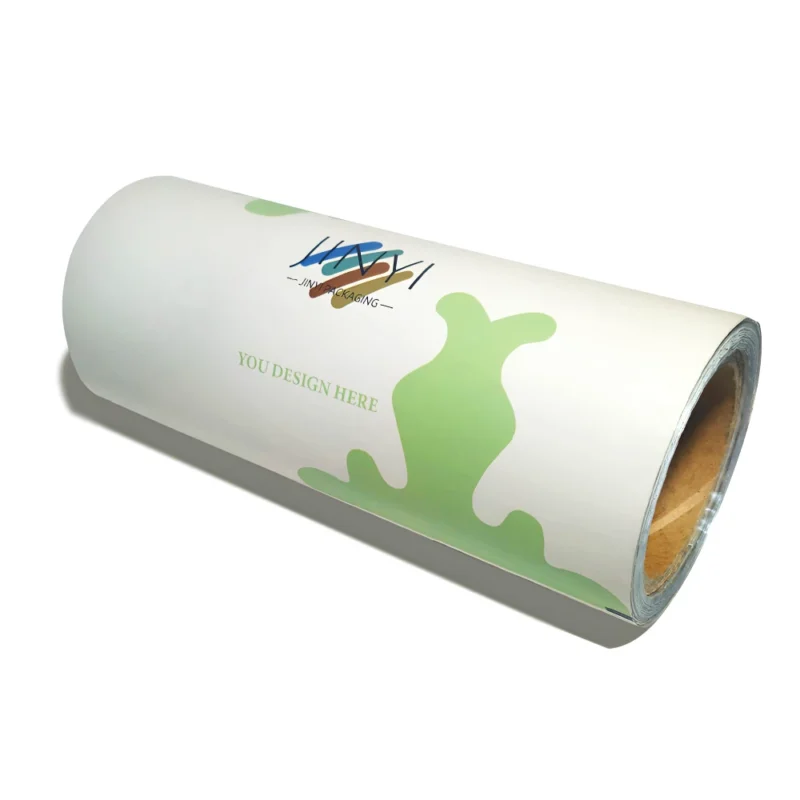
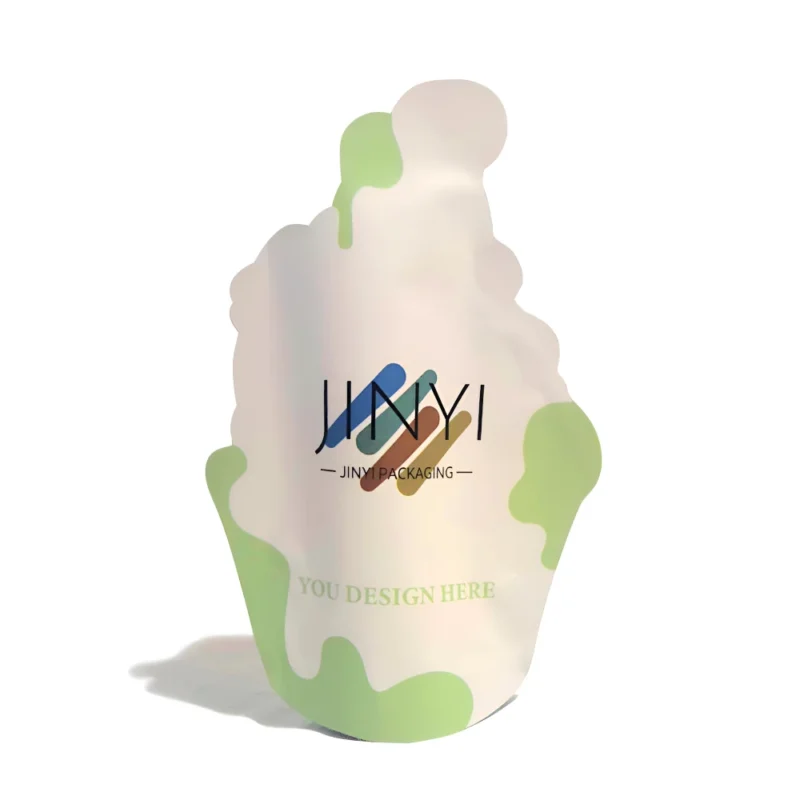
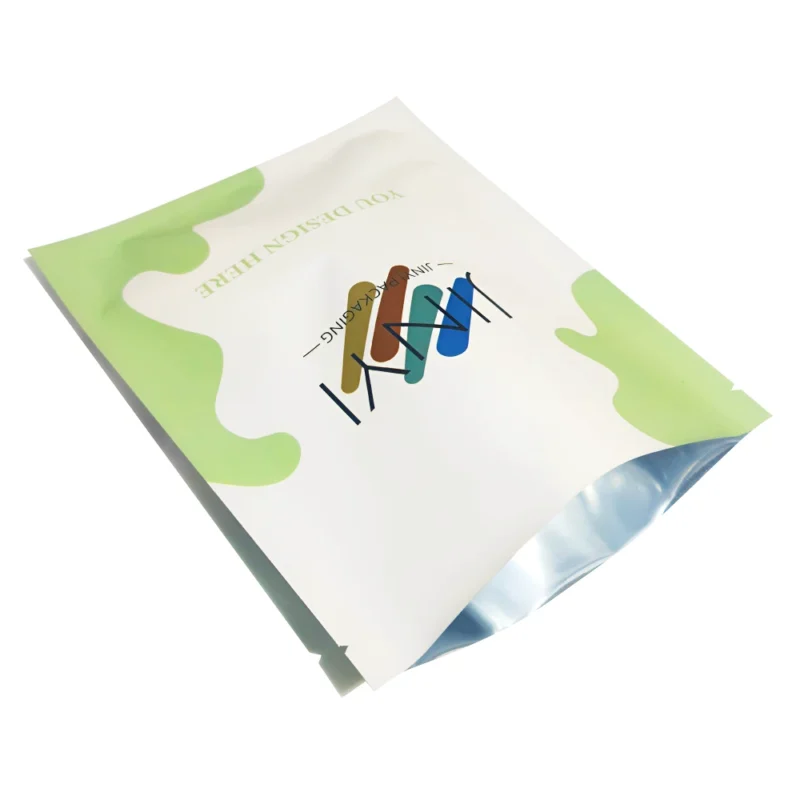
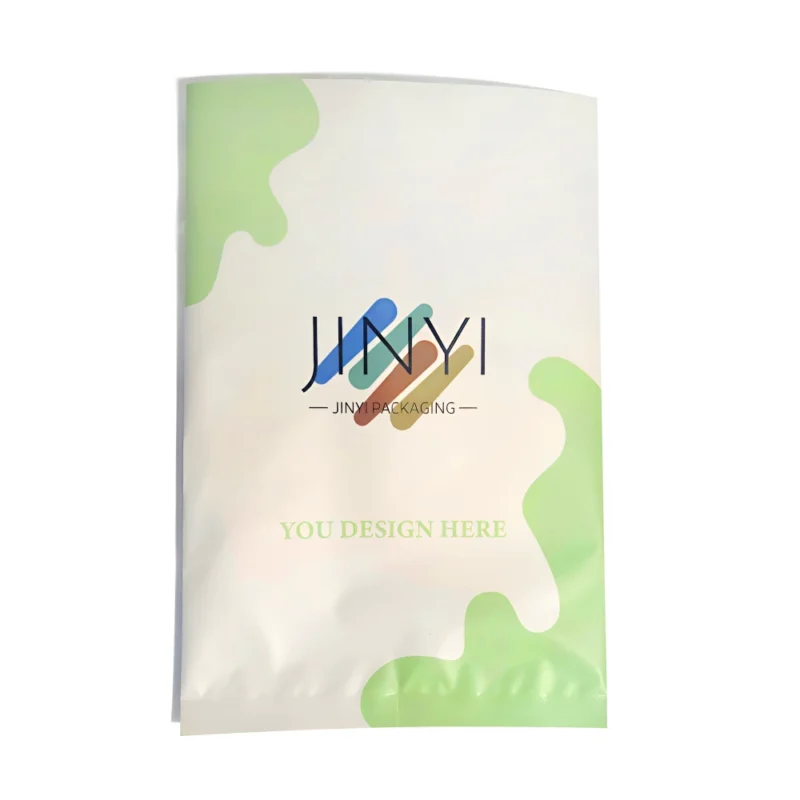
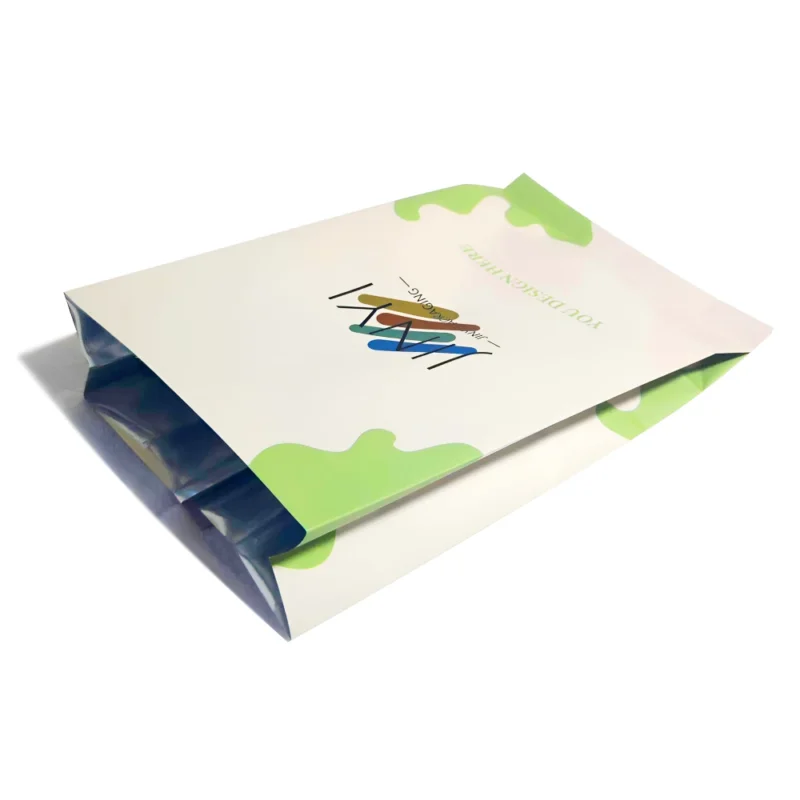
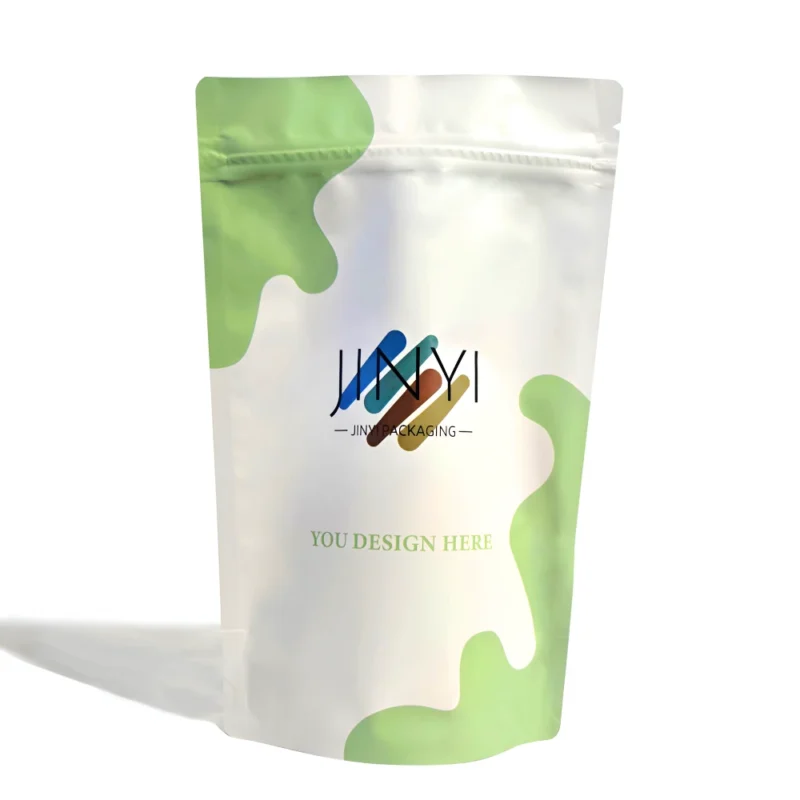
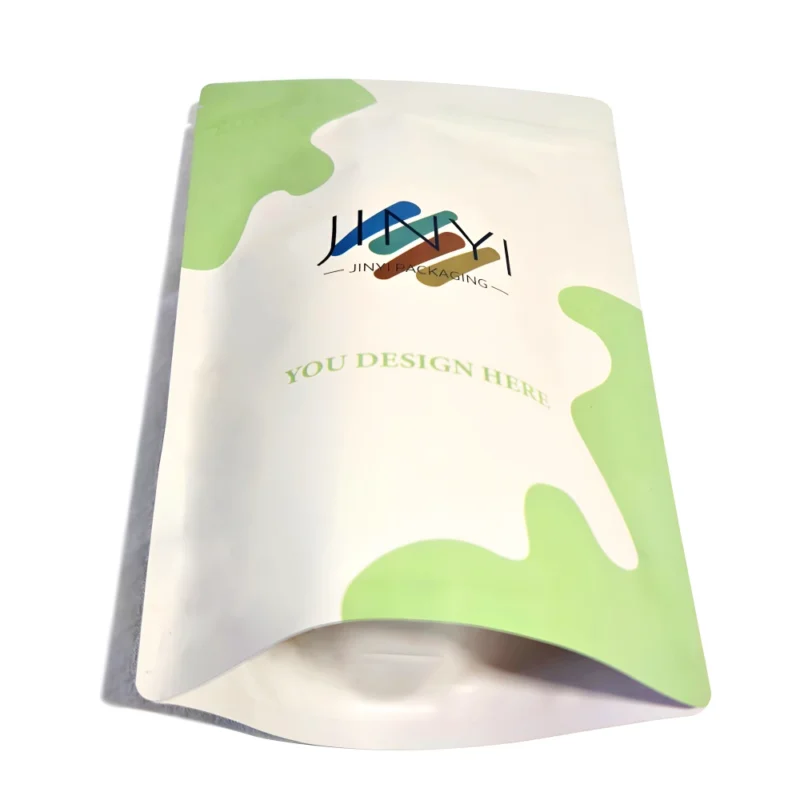
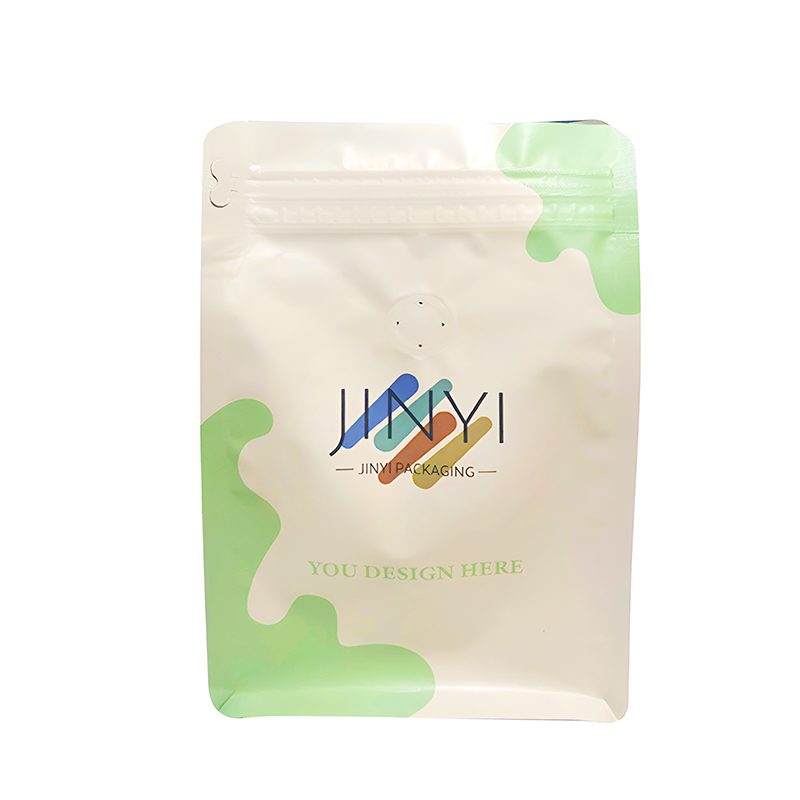
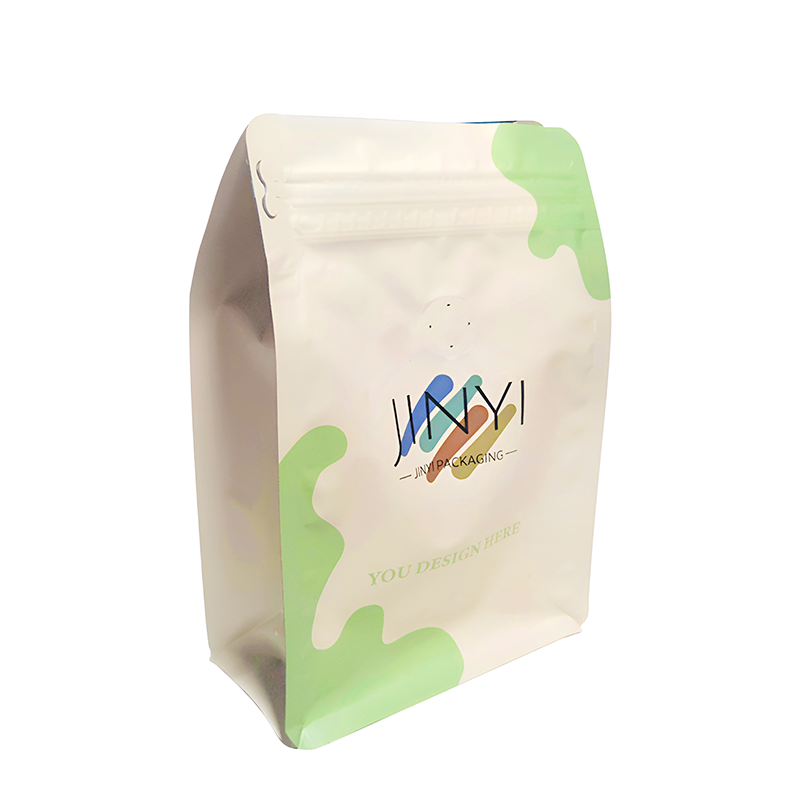
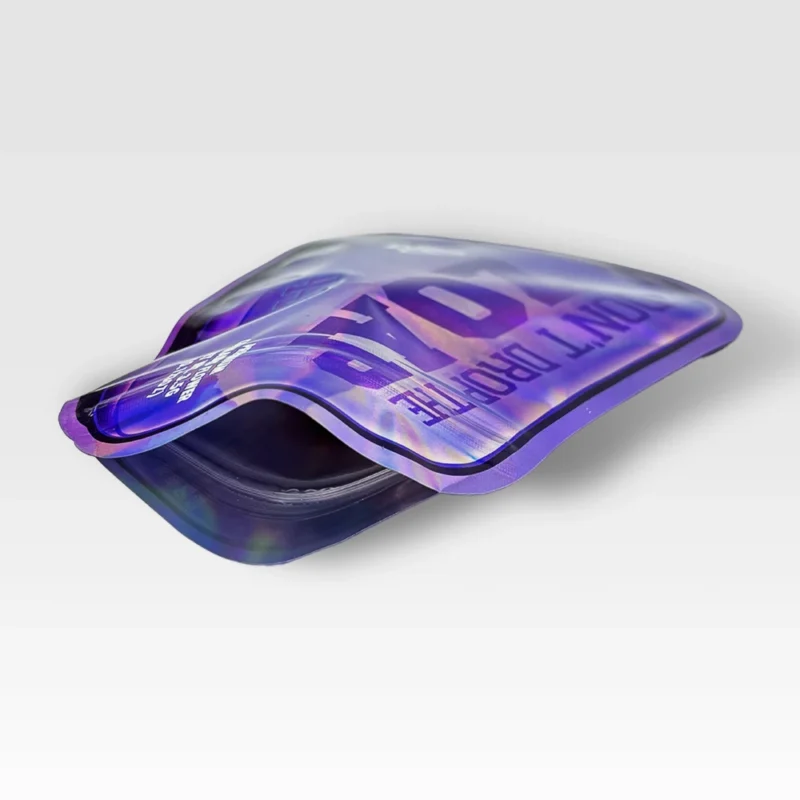
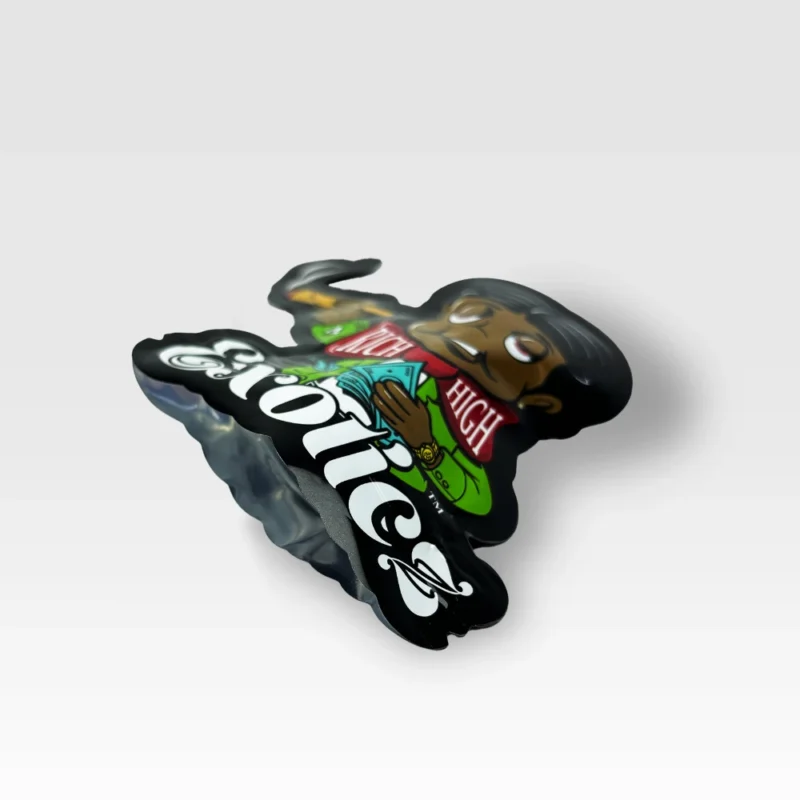
A flat pouch (three-side seal or four-side seal) is simple on purpose. Fewer folds and fewer structural transitions can mean fewer weak points, especially when your pouch lives inside cartons, mailers, or bundles. A stand-up pouch adds a bottom gusset so it can stand. That standing ability is valuable in the right channel, but it is not free. You gain shelf impact, and you also gain bottom corners, fold zones, and more places where stress concentrates.
Common myths I correct fast
Myth
Why it is wrong
What I do instead
“Stand-up is always premium.”
Premium does not matter if the route causes leaks and refunds.
I define channel stress first, then choose the structure that survives.
“Flat pouches are cheap and low-end.”
Flat pouches can deliver the most consistent seal system at scale.
I use flat pouches as a “control-first” choice for demanding routes.
“Thickness fixes everything.”
Most failures start at seals, folds, and contamination—not film thickness.
I lock seal window, seal land width, and route tests before upgrading film.
When Do Flat Pouches Win For Shipping, Mailers, And Subscription Boxes?
E-commerce does not test “how the pouch looks on a shelf.” It tests how the pouch survives abuse.
Flat pouches often win because they pack dense and spread stress across a flatter geometry. They usually reduce the “corner problem” and make it easier to control seal quality across large runs, especially for small formats and multi-pack bundles.
Mailers compress products. Boxes shift during vibration. Corners take impacts. When a stand-up pouch gets crushed, bottom gusset folds can take concentrated stress. That stress shows up as micro-cracks, pinholes near fold zones, or seal distortion that you do not see until later. Flat pouches often behave more predictably because they do not rely on a standing base. They sit flat, stack flat, and ship flat.
Where flat pouches save money in the real world
Shipping / packing factor
What goes wrong
Why flat pouches help
Box fill efficiency
Stand-up formats waste air and raise dimensional weight
Easier to organize with sleeves, dividers, and display boxes
Consumer unboxing
Wrinkles, scuffs, or “cheap feel” triggers low ratings
Cleaner panel control with the right film and print protection
When Do Stand-Up Pouches Win For Shelf Presence And Repeat Use?
Some categories win because the pouch stands and stays visible. I do not fight that.
Stand-up pouches win when the channel is shelf-first and the product is repeat-use. If consumers reopen the pouch often, and you need a stable upright display, the stand-up structure earns its complexity.
If you sell in grocery or convenience retail, the pouch has to compete from a distance. Stand-up pouches provide a larger “billboard” and a natural upright posture. They also pair well with zippers for repeat use. That matters for coffee beans, snacks, pet treats, and household refills. In those categories, flat pouches can still work, but they often need a merchandising system like display boxes, hanging holes, or secondary packaging to create the same shelf presence.
The question I ask before I approve stand-up
Question
If “Yes”
If “No”
Does the product need to stand on a shelf by itself?
Stand-up is usually justified.
Flat pouches are often better value.
Is repeat opening a core use pattern?
Stand-up + zipper often fits.
Flat pouch can stay simpler and more stable.
Is e-commerce the main channel?
Stand-up needs heavy route testing.
Flat pouch is often the safer baseline.
Why Isn’t Cost Only The Unit Price?
Unit price is the easiest number to compare. It is also the easiest number to misuse.
I calculate total cost per 10,000 pouches, not price per pouch. I include waste rate, changeovers, packing speed, carton fill, freight, and the cost of customer complaints. In U.S. and EU channels, returns erase “saved cents” fast.
A stand-up pouch may cost more because it uses more film area and needs more converting steps. It may also create more process risk, especially with gussets, zippers, and bottom folds. A flat pouch may cost less to convert, and it often ships more efficiently. However, the real decision is not “which is cheaper today.” The real decision is “which stays consistent and reduces complaint risk over time.”
How I compare total cost
Cost bucket
Flat pouch tendency
Stand-up pouch tendency
Converting complexity
Lower
Higher (gusset + more folds)
Waste rate risk
Often lower if seals are controlled
Often higher if gusset/zipper zones vary
Carton fill / freight
Better density
More air and bulk
Returns and reviews
Lower if seal system is stable
Can be higher if bottom corners crack or seals shift
Why Do Most Failures Start At Seals, Not Film Thickness?
When a pouch fails, most teams blame film. I check the seal system first.
Seals fail because the sealing window is unstable, the seal zone is contaminated, or stress concentrates at folds. Flat pouches and stand-up pouches fail differently, but the common root is still seal integrity.
Flat pouches often fail from seal contamination, especially with powders, dusty products, or fast filling. If powder or oil touches the seal area, the seal looks fine but leaks under pressure. Stand-up pouches often fail at corners, bottom folds, and zipper zones because those areas concentrate stress. If the route includes compression, those weak points get exposed quickly. That is why I insist on route-based testing and clean seal control before “upgrading film.”
Failure patterns I see most
Pouch type
Common failure
What I fix first
Flat pouch
Micro-leaks at top seals, burst at seal edges, tear drift at notch
Seal window + contamination control + wider seal land
Stand-up pouch
Corner stress cracks, pinholes at fold zones, zipper-end leaks
Flat pouches are not “for everything.” They are perfect for the right product logic.
Powders, samples, single-serve formats, and bundle packs often fit flat pouches best. The structure is simpler, the seal path is direct, and it is easier to scale consistent quality when you need many SKUs.
Powders are a great example. Powders create dust, and dust contaminates seal zones. A flat pouch lets me control the seal land and sealing geometry with fewer structural zones. For single-serve or trial packs, flat pouches also reduce material and shipping bulk. For liquids and gels, flat pouches can work, but I only approve them when the filling method and seal cleanliness are proven. If the product needs clean dispensing, a spout may be worth it, but that becomes a different system with higher component and process requirements.
Fast mapping: product → pouch logic
Product type
What it fears most
Often best pouch starting point
Fine powders
Moisture + seal contamination + dust leaks
Flat pouch with stable seal land
Single-serve samples
Cost + packing density + tear control
Flat pouch (3-side seal)
Repeat-use snacks
Reseal + shelf presence
Stand-up pouch + zipper
Retail bundles
Organization + shipping stress
Flat pouch + display box or kit system
How Can Flat Pouches Win On Shelf Without Standing?
Many people think “cannot stand” means “cannot sell.” That is not true.
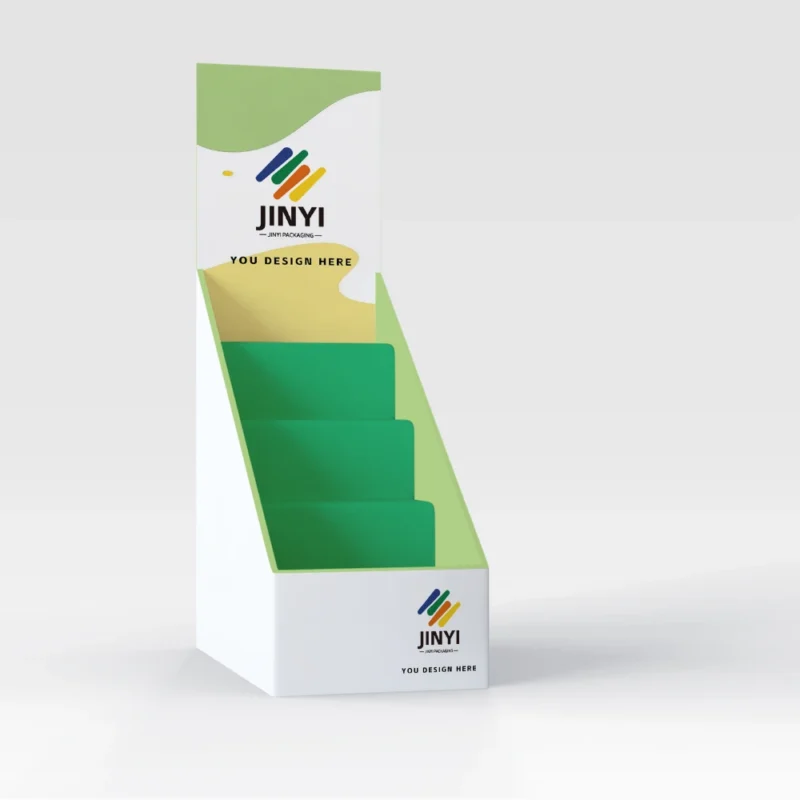
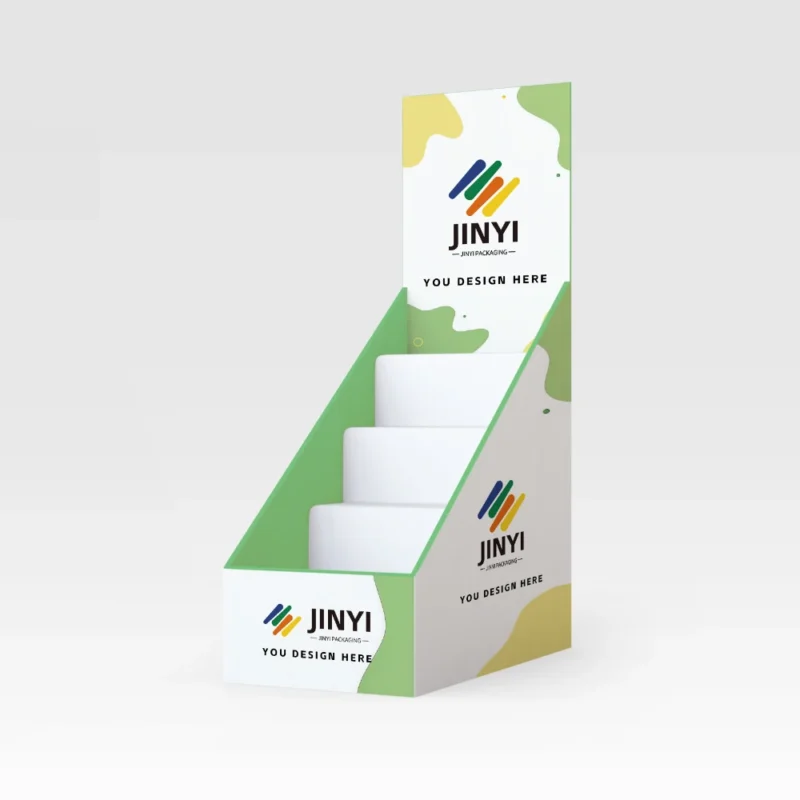
Flat pouches sell well when the merchandising system is designed for them. Hanging holes, peg hooks, display boxes, and end-cap bundles can create shelf impact without relying on standing ability.
Retail is a system. A pouch is only one component. If you sell on peg hooks, flat pouches often look cleaner and hang more consistently. If you use display boxes, flat pouches become easy to present in a controlled, neat way. If you sell bundle packs, flat pouches keep the set organized. What matters is not standing. What matters is whether the shopper understands the brand and product quickly, and whether the packaging stays readable and clean through handling.
Merchandising tools that make flat pouches work
Retail method
Why it works for flat pouches
Key design rule
Peg hooks / hang holes
Flat front, stable hang
Control hole position and reinforcement
Display boxes
Neat arrangement, easy restock
Keep barcodes readable and protected
Bundle kits
Dense packing and organization
Prevent scuff zones and seal-edge abrasion
What Manufacturing And Artwork Rules Prevent Regrets?
Many failures are designed into the pouch before production starts.
I treat dielines and tolerances as part of quality control. A pouch that looks perfect in a mockup can fail in mass production if barcodes sit near seals, if tear notches are placed wrong, or if scuff zones are ignored.
Flat pouches depend on edge seal consistency. I pay attention to seal width, seal land, and how cooling and pressure are controlled. I also treat tear notches and laser scores as engineering, not decoration. If a tear feature is not controlled, it will run into seal zones and create complaints. I never place critical text, QR codes, barcodes, or variable data near seal edges, fold lines, notch tips, or high scuff areas. I also plan for what will happen in shipping. If cartons compress the edges, I keep artwork away from those abrasion zones so the pack still looks clean when it arrives.
Artwork placement rules I use
Risk zone
What can go wrong
What I keep away from it
Seal edges
Wear, seal distortion, micro-leaks
Barcodes, QR codes, small legal text
Notch tips / score lines
Tear drift, crack starting points
Claims, key copy, variable data
High scuff zones
Ink rub, whitening, visual defects
Premium finishes that cannot tolerate abrasion
Which Real-World Tests Predict Complaints Before You Scale?
Lab specs are helpful, but real complaints come from real routes.
I validate flat vs stand-up using the same abuse the channel will create. Compression, drop, vibration, humidity swings, and leak checks tell me more than a spec sheet.
For e-commerce, I always test compression, drop, vibration, and scuff. If a pouch survives day one but fails later, humidity cycling and storage simulation often reveal the weakness. For powders, I add seal contamination tolerance tests because powder dust is the silent killer of seals. I also do simple, fast checks like squeeze tests and edge dunk checks to find micro-leaks. The goal is not to run “perfect lab tests.” The goal is to predict complaints. If the pouch passes the route simulation with clear pass/fail criteria, then I scale with confidence.
My minimum test set by channel
Channel
Minimum tests I require
Pass/fail focus
E-commerce
Compression + drop + vibration + scuff + leak check
No seal leaks, no corner cracks, acceptable appearance
Retail
Handling scuff + barcode scan + shelf simulation
Readable, clean, stable display
Powders
Seal contamination tolerance + humidity cycling + leak check
No moisture ingress signals, no dust leaks
How Do I Shortlist 2–3 Options Fast Without Guessing?
Brands move faster when options are clear and risks are written down.
I shortlist using three inputs: channel intensity, reseal needs, and shipping density. Then I deliver 2–3 options with clear risk points and a validation checklist, so you can choose without guessing.
I build a baseline option that is easy to scale and stable in production. I build an upgrade option that improves route stability or shelf performance. I build a premium option only if your channel can monetize it. I also write down what can go wrong and how we will test it. That approach saves time because it keeps the decision tied to reality. It also protects your brand because the pouch is chosen to survive the actual route, not a marketing assumption.
My baseline / upgrade / premium logic
Tier
Best for
What I optimize
What I validate
Baseline
E-commerce, samples, bundles
Seal stability and shipping density
Compression + leak checks + scuff
Upgrade
Mixed channel + better shelf look
Appearance durability + controlled tear
Drop/vibration + tear-control + barcode scan
Premium
Shelf-first categories
Merchandising impact + repeat-use experience
Shelf simulation + handling durability
Conclusion
Flat pouches win when your channel punishes bulk and weak seals. Stand-up pouches win when shelf presence and repeat use pay you back. I choose based on route reality, not pouch trends.
FAQ
Are flat pouches always cheaper than stand-up pouches?
No. Flat pouches often reduce freight and waste, but the real answer depends on film structure, packing speed, and the total cost per 10,000 units.
Can flat pouches work in retail stores?
Yes. Flat pouches sell well on peg hooks and in display boxes. I treat merchandising as part of the packaging system.
What is the biggest failure risk for flat pouches?
The most common risk is seal failure from contamination or unstable seal windows. I focus on seal land, seal parameters, and route tests first.
What is the biggest failure risk for stand-up pouches?
Corner stress and fold-zone pinholes under compression are common. Zipper zones can also create leak paths if they are not tested under shipping stress.
How do I choose fast if I am not sure about my channel yet?
I start with the harshest likely route (usually e-commerce). A stable flat pouch baseline is often the safest starting point, then I upgrade if shelf demands it.
Our mission: JINYI is a flexible packaging factory. I focus on reliable, usable, and scalable packaging systems, so brands get stable quality, clear lead times, and structures that perform in real channels.
I position JINYI as a one-stop factory from film to finished pouches. I care about control and consistency. I use standardized sampling, production, and QC so repeat orders stay stable. Packaging is not only a bag. It must list well, ship well, and work well for your customers.
Audience Profile
Quillon is a packaging and tooling-focused leader with 10 years of experience in packaging development and supply chain coordination. Quillon values measurable parameters, stable mass production, compliance documents, and real-world performance. When I work with Quillon, I ask about product form, channel, route stress, and failure risks first. Then I offer 2–3 options with clear specs and validation steps so decisions can be made fast and scaled safely.