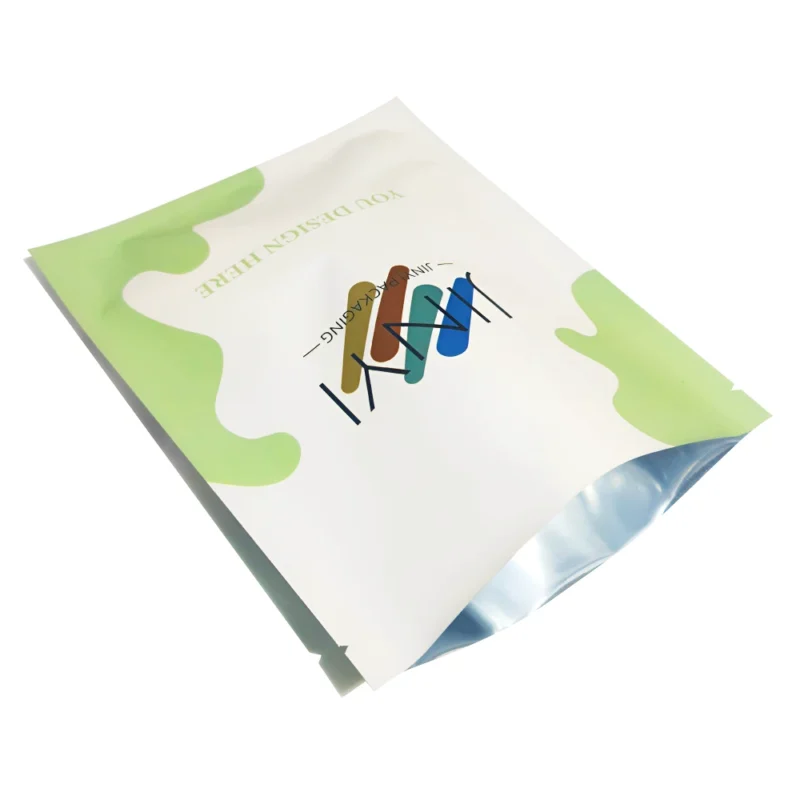
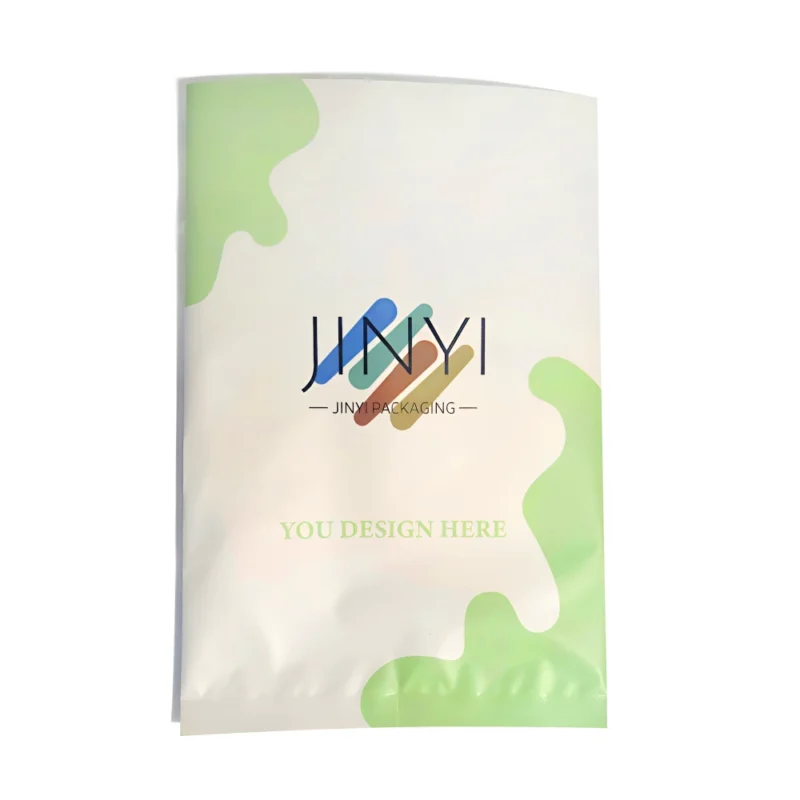
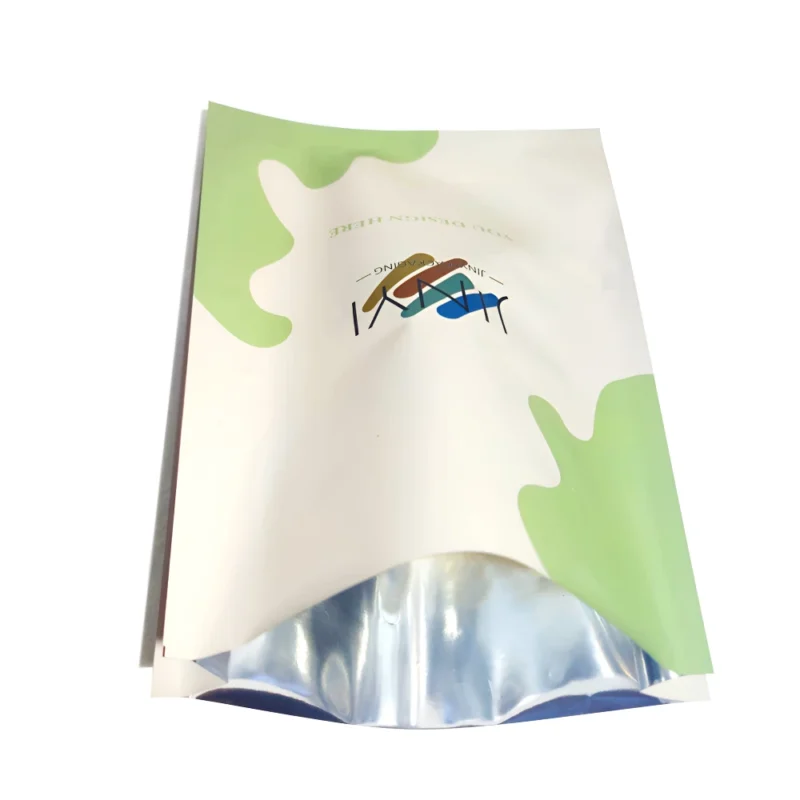
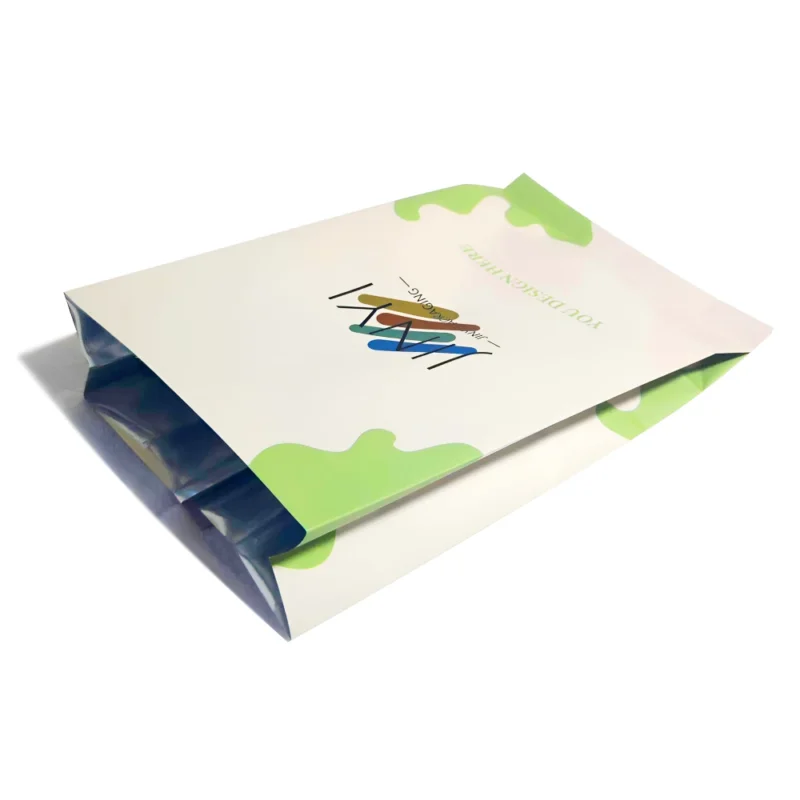
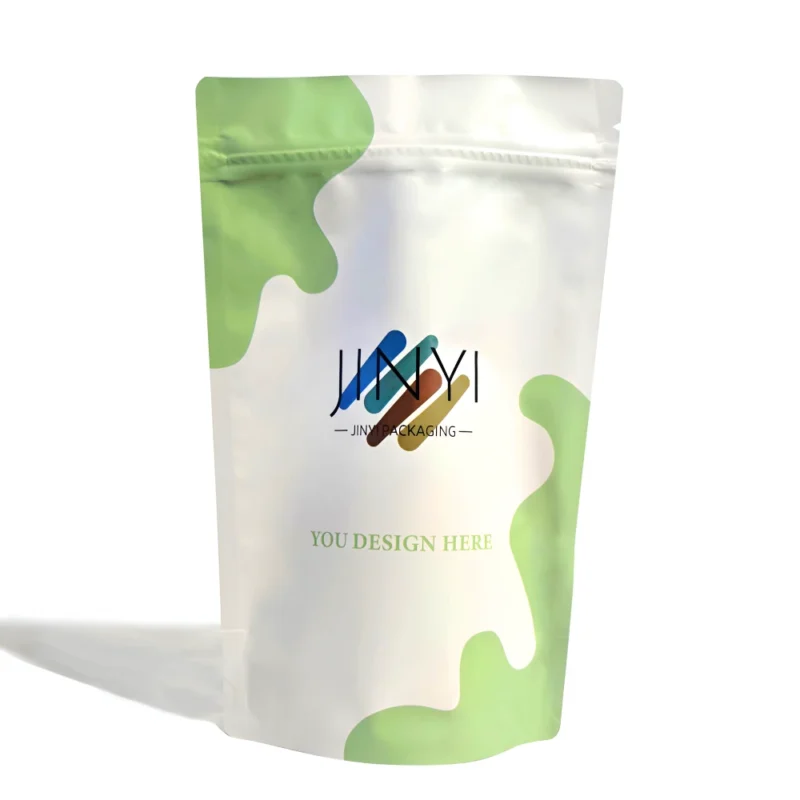
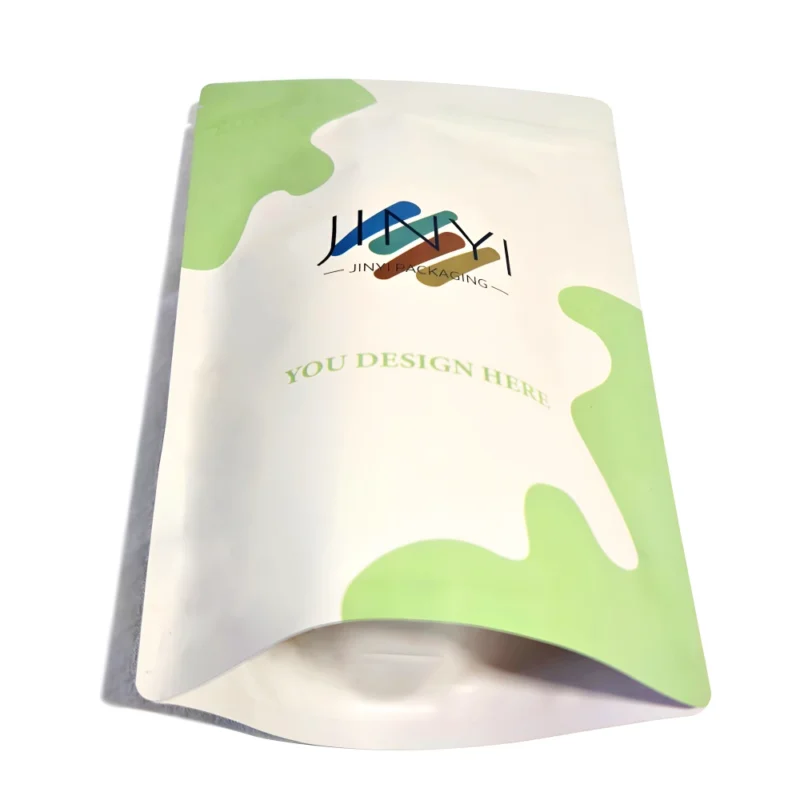
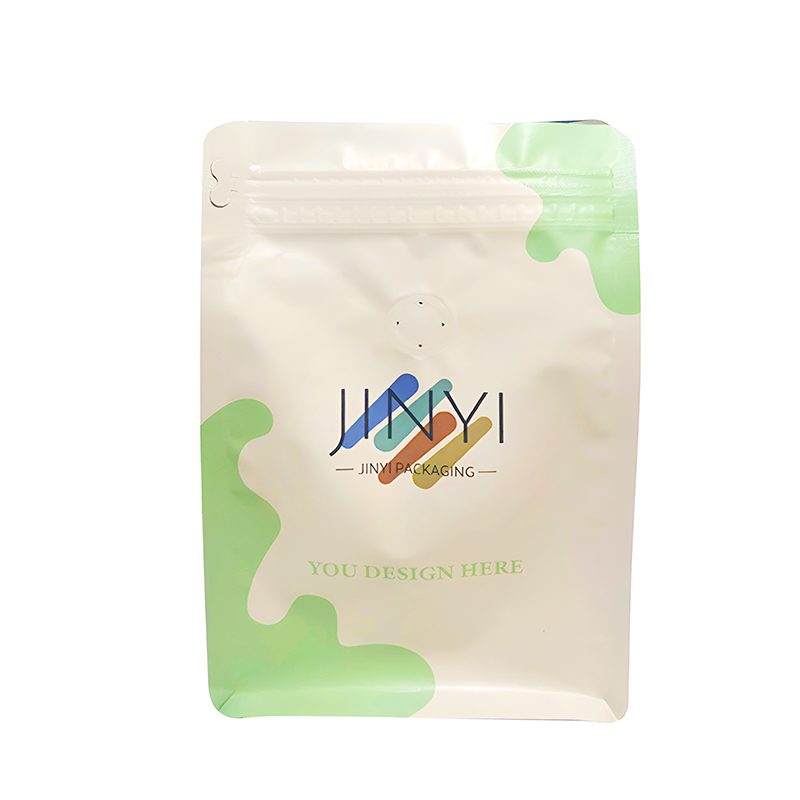
Heavier fills make small pouch weaknesses turn into big returns. If panels bulge or corners leak, customers blame your product, not the packaging.
I prevent bulge and corner leaks by controlling load path, headspace, seal stability, and case fit together. I start from your fill behavior and route stress, then I lock the seal window and validate with compression + vibration + time before scaling.

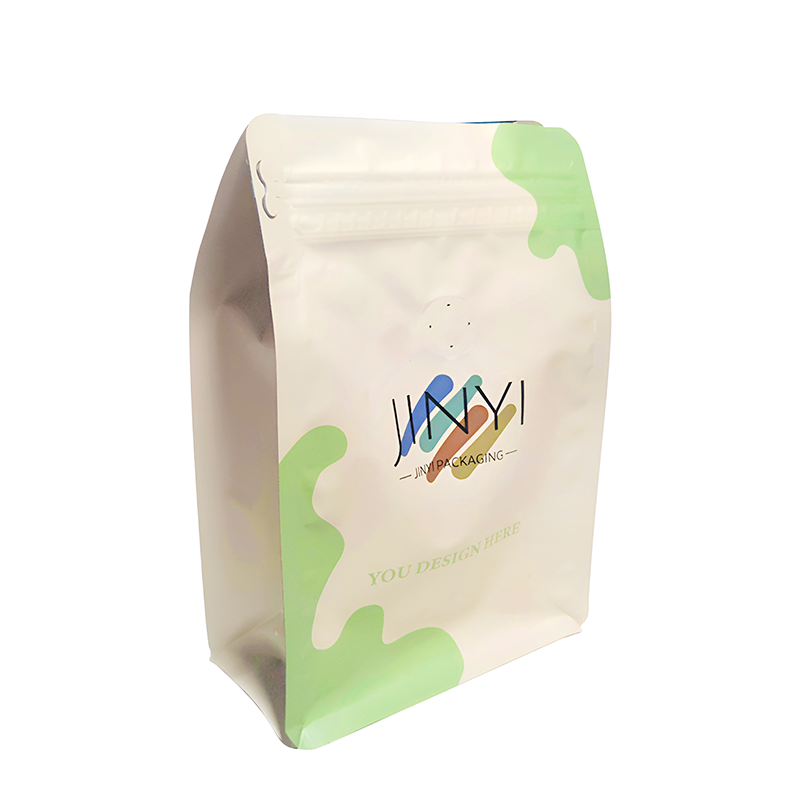
Quad Seal Pouch
is a great format for heavier fills, but only when the panels, corners, and seals are designed as one system.
Most buyers compare pouch styles like a design choice. I treat it like a failure-prevention job. Heavy products push harder, vibrate longer, and punish corners first. So I plan for the route, then I choose the structure.
Why does a heavier fill turn small weaknesses into big complaints?
Heavier fills look safe because the pouch stands upright. Then shipping starts. Compression and vibration turn “fine” into bulge, scuffs, and slow leaks.
A heavier product magnifies gravity loads and stacking loads. I assume the pouch will be squeezed, dropped, and rubbed for days, not minutes. That mindset changes every decision I make.
From a production standpoint, this matters because heavier fills reduce your margin for error. Small seal variation becomes a leak. Small panel weakness becomes a ballooned pouch.
What heavy fills change first
| What changes |
What it causes |
What I control first |
| Higher static load |
Panel bulge and bottom stress |
Panel stiffness + headspace |
| More internal momentum |
Corner fatigue under vibration |
Case fit + orientation |
| Less tolerance for variation |
Slow leaks from micro-channels |
Seal window + seal land width |
How do I map product behavior before I pick the structure?
Two “same-weight” products can load a pouch in totally different ways. That is why I start with density, flow, and edge sharpness.
I ask how the product behaves inside the bag: does it settle like sand, bridge like powder, or hit like hard pellets? The answer tells me where the stress concentrates.
My product-first questions
| Product trait |
Typical risk |
My design response |
| High density (heavy per volume) |
Panel bulge, corner load |
Increase panel stiffness, reduce headspace |
| Sharp edges (kibble, pellets, crystals) |
Micro-holes, corner wear |
Higher toughness + abrasion strategy |
| Fine powder + dust |
Seal contamination, slow leaks |
Seal window + contamination tolerance |
Why do quad seal panels bulge under compression?
Bulge is not a “looks problem.” It is a load-path problem. Under stacking, pressure seeks the weakest surface and pushes outward.
In real manufacturing, this detail often determines whether the pouch arrives premium or arrives like a balloon. If the panel stiffness is low or the pouch has too much headspace, the bag deforms earlier. Once it deforms, corners and seals see extra strain.
Bulge drivers I see most
| Driver |
What it looks like |
What I adjust |
| Too much headspace |
Panels puff and crease |
Right-size pouch + fill height target |
| Low panel stiffness |
“Oil-can” dents and bulges |
Structure tuned for stiffness, not only barrier |
| Case leaves “deformation room” |
Bulge worsens after 1–2 weeks |
Carton fit + orientation + dividers |
Where do quad seal pouches leak first, and why?
Corner leaks are not random. They repeat in the same zones because stress repeats in the same zones.
I see three high-frequency leak paths: corner stress fatigue, seal micro-channels, and contamination-driven weak seals. Many leaks are slow, so they show up after time, not at delivery.
The three leak paths I watch
| Leak path |
Why it happens |
How I prevent it |
| Corner stress concentration |
Compression + vibration cycles the corner |
Reduce headspace, improve toughness, protect corners in case |
| Seal micro-channels |
Seal window mismatch or cooling weakness |
Lock seal window, add seal land width, ensure cooling/pressure stability |
| Contamination weak-seal |
Dust/oil forms “invisible leakers” |
Contamination control + seal design that tolerates residue |
Why do I treat the seal system as the first performance spec?
For heavy fills, the seal is the first performance spec because it is the first failure spec. Barrier numbers look great on paper, but a micro-channel beats all of them.
I lock the seal system through a simple rule: stable seal window + strong hot tack + controlled cooling + enough seal land width. Then I test it under compression and vibration, because that is where weak seals reveal themselves.
Seal controls I standardize for heavy fills
| Seal control |
What it prevents |
What I verify |
| Seal window discipline |
Random weak seals |
Consistent seal strength across lanes and time |
| Hot tack margin |
Early peel during fast packing |
Seal holds before full cooling |
| Cooling + pressure stability |
Micro-channels |
No leaks after compression cycles |
How do I balance stiffness, toughness, and barrier for bulge control?
Buyers often ask for “high barrier” first. I ask what failure they fear first. For heavy fills, I prioritize toughness and stiffness before chasing the most aggressive barrier.
From our daily packaging work, we see that bulge control is mainly stiffness + fit + case design. Barrier matters for shelf life, but it cannot compensate for deformation and corner fatigue.
My priority logic
| Goal |
Primary driver |
Common mistake |
| Prevent bulge |
Panel stiffness + headspace |
Only increasing thickness without fixing fit |
| Prevent corner leaks |
Toughness + seal stability |
Chasing “premium films” but ignoring seal window |
| Protect shelf life |
Barrier matched to product |
Overpaying for barrier that leaks at the seal |
Why does headspace make bulge and leaks worse?
Headspace feels harmless, but it gives the product room to move. Under vibration, heavy contents behave like a hammer. That repeated impact loads corners and seals.
I reduce headspace to reduce momentum. I also align pouch size with case size, so the pouch cannot expand freely under compression. This often lowers complaint risk faster than a material upgrade.
How do carton fit and orientation decide failure rate?
A quad seal pouch can be strong on its own and still fail inside the wrong case. If the carton allows side-to-side movement, corners take repeated hits. If the carton is too loose, panels bulge more.
I choose orientation based on how the product settles and where the pouch has stress zones. Then I design the case to remove free space and reduce rubbing.
If you are building a heavy-fill SKU and want a structure that stays upright and ships cleaner, I usually start from a tested
quad seal pouch spec
and tune the case system around it.
When do features help, and when do they create new failure points?
Features improve usability, but they also add stress concentrations. Handles pull on panels. Tear notches concentrate force. Zippers add sealing complexity.
I only add features after I prove the base pouch survives route stress. Then I validate the feature zone specifically, because that is where leaks and tears usually start.
Feature risk checklist
| Feature |
Benefit |
Risk I test |
| Zipper |
Reseal convenience |
Leak risk after compression + consumer handling |
| Handle |
Carry comfort |
Panel tear and stress around cutouts |
| Tear notch |
Easy opening |
Propagation into laminate under drop/vibration |
What validation predicts complaints for heavy-fill quad seals?
My test goal is simple: I try to reproduce real failures early. I combine compression, vibration, and drop, then I add time because slow leaks need time.
I also run “case reality” checks: orientation, fill rate, and carton fit must match real shipping. A lab test that ignores the case system will miss the real failure mode.
How do I shortlist 2–3 options fast without overbuilding?
I do not present ten materials. I present two or three systems. Each system includes pouch structure + seal strategy + case fit + validation plan.
My baseline option aims for stable shipping with controlled fit. My upgrade option adds margin where your route stress is harsh. My premium option adds experience features only after performance is proven.
My shortlist format
| Option |
What it optimizes |
What I verify |
| Baseline |
Bulge control + stable seals |
Compression + vibration + leak checks |
| Upgrade |
Corner fatigue resistance |
Longer vibration + time-based leak check |
| Premium |
Usability + shelf appeal |
Feature-zone testing after route stress |
FAQ
Do quad seal pouches always bulge more with heavy fills?
No. Bulge usually comes from headspace, case fit, and low panel stiffness. When I control those, quad seals stay cleaner and more upright.
What is the most common cause of corner leaks?
I see corner stress cycling and seal micro-channels most often. Both get worse when the case allows movement or the pouch has excess headspace.
Should I “just go thicker” to stop leaks?
Thickness can help, but it is rarely the first fix. I lock seal stability and fit first because those usually drive slow leaks.
How do I know if a leak is a slow leak?
If it passes early inspection but fails after storage or shipping, it is often a slow leak driven by vibration and compression over time.
What info do you need to recommend the right quad seal structure?
I need product form, fill weight, target shelf life, shipping channel, case dimensions, and your “most unacceptable failure.” Then I can shortlist 2–3 options with a validation plan.
Conclusion
Heavy fills demand a system approach: load path, headspace, seal stability, and case fit. If you want a tested quad seal setup, contact me and I will shortlist 2–3 options for your route stress.
Get a Quad Seal Pouch Recommendation